
The Legacy of Eastern Indian Art Forms: From Dance to Sculpture

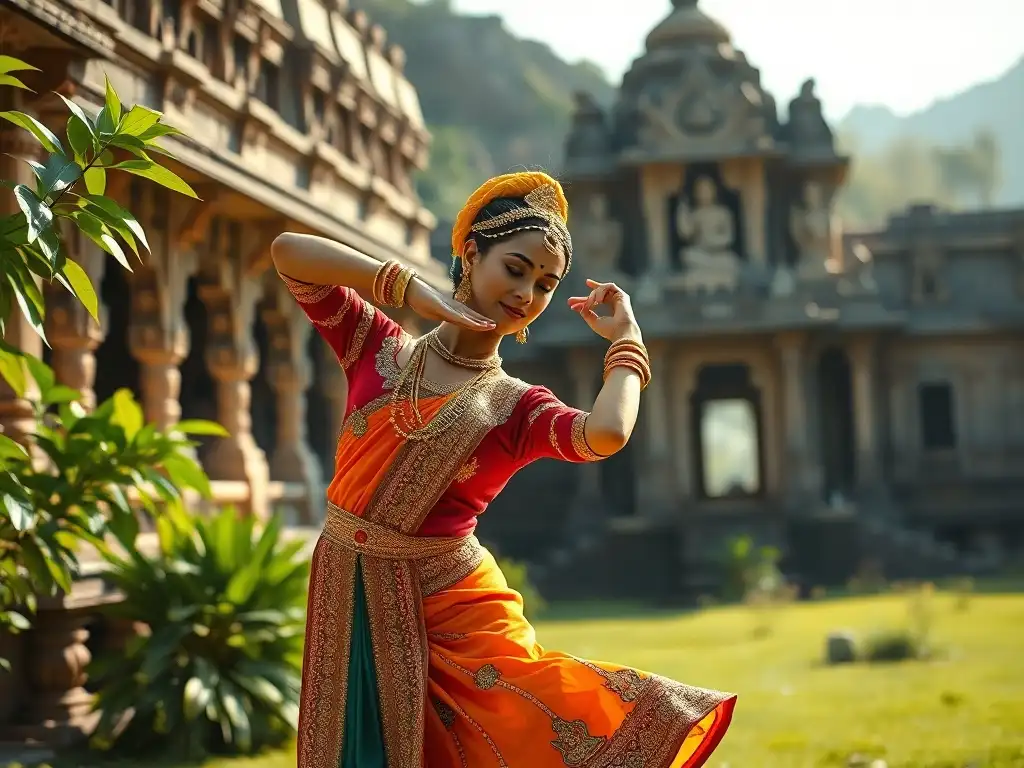
Welcome to Ancient India History, where we embark on an enthralling journey through the rich tapestry of ancient Indian civilizations. As you dive into our featured article, "The Legacy of Eastern Indian Art Forms: From Dance to Sculpture," prepare to uncover the mesmerizing world of ancient Indian art forms. Discover how these artistic expressions not only reflect the cultural depth of their time but also continue to influence modern creativity. Join us as we explore the vibrant legacies of the past that have shaped the identity of a nation. Your adventure into the enchanting realm of history begins here!
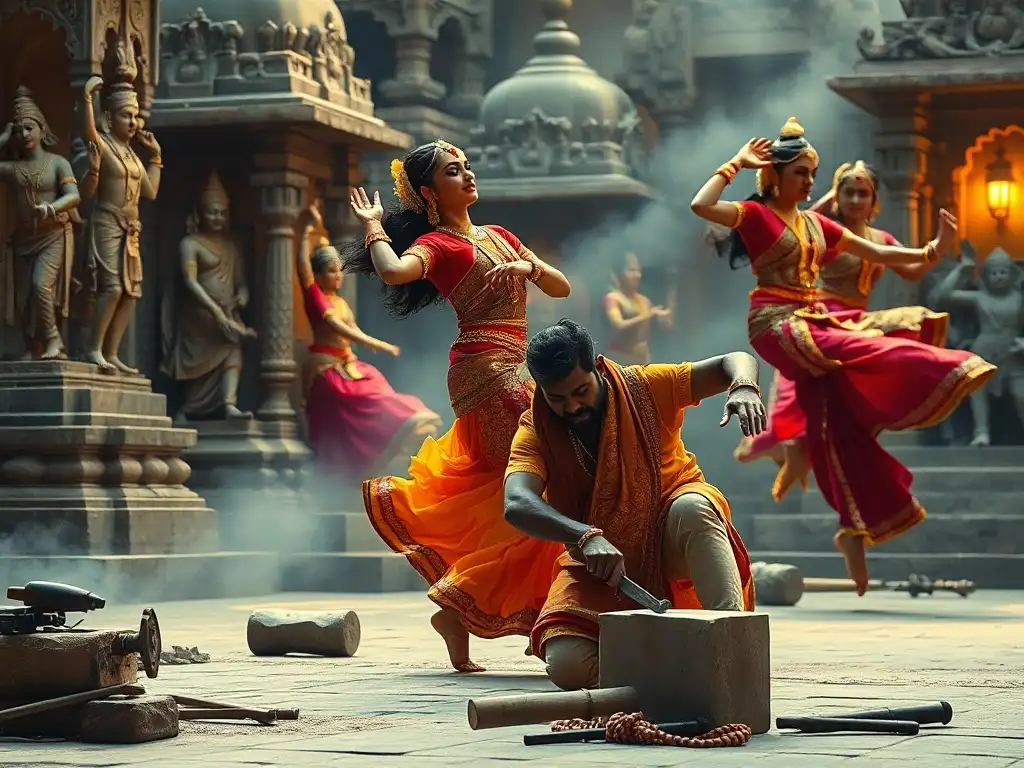
Introduction to Ancient Indian Art Forms
Ancient Indian art forms represent a profound tapestry of cultural expression, showcasing the creativity and spiritual depth of the civilizations that flourished on the subcontinent. Among these, the art forms that emerged from Eastern India are particularly noteworthy, reflecting a unique blend of local traditions, religious influences, and historical developments.
This article delves into the rich legacy of Eastern Indian art, encompassing various mediums such as dance, sculpture, painting, and architecture, illuminating how these art forms not only served aesthetic purposes but also played crucial roles in societal and religious contexts. By exploring ancient Indian art forms, we can appreciate the intricate craftsmanship and the vibrant cultural narratives that continue to inspire contemporary artists and historians alike.
Overview of Eastern Indian Art Forms
Eastern India, comprising regions like Bengal, Odisha, and Assam, has a diverse array of art forms that have evolved over centuries.
- Dance:
- Odissi: One of the oldest classical dance forms, characterized by intricate footwork and expressive gestures.
- Bharatanatyam: While originating in Tamil Nadu, it has seen significant influence in Eastern India, showcasing storytelling through body movements.
- Sculpture:
- Kalinga Sculptures: Renowned for their intricate carvings, often depicting religious themes and figures.
- Terracotta Art: A hallmark of rural art, with clay being sculpted into various forms, including deities and everyday life.
- Painting:
- Madhubani: Originating from Bihar, known for its vibrant colors and intricate patterns, often depicting nature and mythology.
- Pattachitra: Traditional cloth-based scroll painting from Odisha, famous for its mythological narratives and meticulous detailing.
These art forms are not just aesthetic expressions, but also serve as historical documents that reflect the socio-cultural dynamics of their times.
Significance of Art in Ancient Indian Civilizations
Art in ancient Indian civilizations was intertwined with religion and daily life. It served multiple purposes, including:
- Spiritual Expression: Many art forms were created as offerings to deities, helping to cultivate a connection between the divine and the mortal.
- Cultural Identity: Art reflected the unique identity of various communities, showcasing local customs, beliefs, and traditions.
- Historical Record: Artistic works often depicted historical events, royal patronage, and societal norms, acting as vital records for future generations.
Through these diverse roles, ancient Indian art forms played a pivotal role in shaping the cultural landscape of the region.
Historical Context of Eastern Indian Art
Understanding the historical context of Eastern Indian art forms involves looking at the geographical influences and key periods that shaped their development.
The Influence of Geography on Art Forms
Geography significantly influenced the evolution of art in Eastern India. The region's diverse landscapes, from the lush river deltas of Bengal to the coastal temples of Odisha, provided unique resources for artistic expression.
- Natural Materials: The availability of clay, wood, and stone directly impacted the types of sculptures and structures that could be created.
- Trade Routes: Eastern India’s position as a trade hub facilitated the exchange of ideas and techniques with other cultures, enriching local art forms.
This geographical interplay fostered a dynamic environment where art could flourish, adapting to and integrating various influences over time.
Key Periods in Eastern Indian Art History
The history of Eastern Indian art can be segmented into several key periods, each marked by distinctive styles and significant contributions:
- Prehistoric Period:
- Rock art and early terracotta figurines provide insights into the earliest artistic expressions.
- Mauryan Period (322–185 BCE):
- Notable for the grand sculptures and stupas, with the Ashoka Pillar being a prominent example.
- Gupta Period (320–550 CE):
- A golden age for Indian art, where significant advancements in sculpture and painting occurred, setting standards for later periods.
- Medieval Period:
- The emergence of temple architecture and the flourishing of dance and music, particularly in Odisha and Bengal.
- Modern Influences (19th Century onward):
- The impact of colonialism and the revival of traditional art forms in contemporary contexts.
Each of these periods contributed to the rich tapestry of Eastern Indian art, reflecting the region's evolving identity and cultural narrative.
By exploring these dimensions, we can gain a deeper understanding of the legacy of ancient Indian art forms, particularly those originating from Eastern India, and their enduring significance in the world today.
Traditional Dance Forms of Eastern India
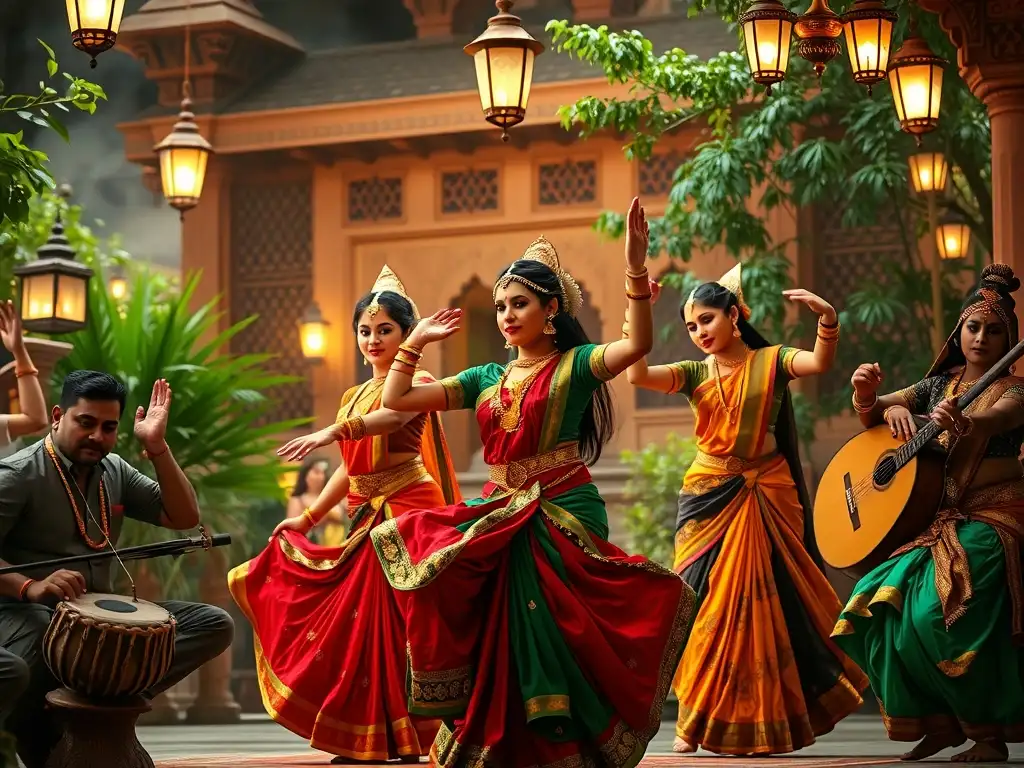
Eastern India is known for its vibrant and diverse traditional dance forms, which reflect the region's rich cultural heritage and artistic expressions. These dances are often deeply rooted in religious and social traditions, serving as a medium to convey stories, rituals, and local customs. Among the most notable forms are classical dances like Odissi, as well as various folk dances such as Chhau. Each dance form embodies unique characteristics, techniques, and cultural significance, contributing to the broader canvas of ancient Indian art forms.
Classical Dance: Odissi
Odissi is one of the oldest classical dance forms in India, with origins tracing back to the temples of Odisha. This dance form is characterized by its graceful movements, intricate footwork, and expressive gestures, known as "mudras." Odissi is often performed in a traditional attire, featuring vibrant sarees and elaborate jewelry, enhancing the visual appeal of the performance.
The dance is typically based on themes from Hindu mythology, especially stories related to Lord Krishna. It employs a unique blend of rhythmic footwork and fluid torso movements, which convey deep emotional expressions. The dance is traditionally performed by both male and female dancers, showcasing the divine and the earthly through their movements. The influence of ancient Indian art forms is evident in Odissi, as it incorporates elements of sculpture in its poses, often resembling the intricate carvings found in temples.
Folk Dance: Chhau
Chhau is a vibrant and energetic folk dance originating from the eastern states of India, particularly Odisha, West Bengal, and Jharkhand. This dance form is distinguished by its martial arts elements and is often performed during festivals, especially during the Chaitra Mela, celebrating the arrival of spring.
Chhau dancers wear elaborate masks and costumes, which play a crucial role in the storytelling aspect of the performance. The dance narrates various tales from mythology, folklore, and even historical events, often emphasizing themes of valor and heroism. The rhythm of Chhau is accompanied by traditional music, adding to the overall dynamism of the performance. The integration of ancient Indian art forms in Chhau is evident in the choreography and the dramatic expressions of the dancers, reflecting the rich cultural tapestry of Eastern India.
The Role of Dance in Cultural Narratives
Dance in Eastern India serves as a vital conduit for cultural narratives, encompassing religious beliefs, social customs, and historical events. It is not merely a form of entertainment but a means of preserving and transmitting cultural heritage from one generation to the next.
Through performances, dancers enact stories from ancient texts, local legends, and spiritual teachings, facilitating a deeper understanding of their cultural identity. Dance forms like Odissi and Chhau often incorporate elements of storytelling, allowing audiences to engage with the narratives on an emotional level. This artistic expression plays a crucial role in community bonding, as performances are often communal events that bring people together and foster a sense of shared identity.
Sculpture in Eastern Indian Art
Sculpture in Eastern India has a rich historical legacy, showcasing the skill and creativity of artisans throughout the ages. The region is renowned for its exquisite stone carvings, terracotta works, and intricate metal sculptures, which reflect the spiritual and cultural ethos of ancient Indian civilizations. These sculptures often depict deities, mythological figures, and everyday life, providing insights into the artistic sensibilities and societal values of the time.
Historical Development of Sculptural Techniques
The evolution of sculptural techniques in Eastern India can be traced back to ancient times, with influences from various dynasties, including the Mauryas, Guptas, and Kalinga. The use of locally available materials, such as sandstone, granite, and terracotta, played a significant role in shaping the region's sculptural heritage.
Artisans developed sophisticated methods of carving, including relief work and free-standing sculptures, which allowed for intricate detailing and lifelike representations. The influence of Buddhism and Hinduism is evident in the subject matter of these sculptures, often portraying religious themes and practices. Over time, the integration of regional styles and techniques resulted in a diverse array of sculptural forms, contributing to the rich tapestry of ancient Indian art forms.
Prominent Sculptures from Eastern India
Eastern India is home to several iconic sculptures that exemplify the artistry and craftsmanship of ancient artisans. Notable examples include the magnificent sculptures at the Sun Temple in Konark, which depict various deities and mythological scenes. The intricate carvings on the temple walls showcase the skill of sculptors in bringing stone to life.
Additionally, the rock-cut sculptures at Udayagiri and Khandagiri Caves near Bhubaneswar provide a glimpse into the early artistic expressions of the region. These sculptures, dating back to the 2nd century BCE, reflect the influence of Jain and Buddhist traditions. The exquisite detailing in the figures and the narrative quality of the carvings highlight the importance of sculpture in conveying cultural and religious ideologies.
Symbolism in Eastern Indian Sculptures
Symbolism plays a crucial role in Eastern Indian sculptures, as artists often imbue their work with deeper meanings and spiritual significance. Many sculptures depict deities with specific attributes that convey their powers and associations. For instance, the multiple arms of a goddess may represent her omnipotence and ability to perform various tasks simultaneously.
Animal motifs are also prevalent, often symbolizing specific qualities or virtues. For example, the lion represents strength and courage, while the lotus signifies purity and spiritual awakening. The intricate details and careful symbolism in these sculptures not only serve an aesthetic purpose but also enhance the viewer's understanding of the cultural and spiritual beliefs of ancient Indian civilizations. Through these artistic expressions, the legacy of ancient Indian art forms continues to resonate, reflecting the profound connection between art, culture, and spirituality in the region.
Painting Traditions in Eastern India
Eastern India has long been a cradle for diverse painting traditions that reflect the unique cultural and spiritual ethos of the region. The vibrant colors, intricate patterns, and storytelling elements in these art forms serve as a testament to the rich history and artistry of ancient Indian civilizations. This section explores some of the most notable painting traditions, particularly focusing on Pattachitra and Madhubani paintings, as well as the influence of religion on these artistic expressions.
Pattachitra: The Traditional Scroll Paintings
Pattachitra, a traditional painting style originating from Odisha, is characterized by its intricate details and mythological narratives. These scrolls are made from cloth or dried palm leaves and feature vibrant colors derived from natural sources like stones and vegetables. The art form often depicts scenes from Hindu epics such as the Ramayana and Mahabharata, making it not just a visual treat but also a medium of storytelling.
The craftsmanship involved in Pattachitra is remarkable. Artists, known as Pattachitra painters, engage in a meticulous process that includes preparing the canvas, sketching outlines, and filling in colors. The use of symbolic motifs and intricate borders enhances the overall aesthetic. Pattachitra has gained recognition not only as a form of traditional art but also as a valuable cultural heritage of India, often showcased in exhibitions and cultural festivals.
Madhubani Paintings: Stories on Canvas
Madhubani paintings, originating from the Mithila region of Bihar, are another prominent tradition of Eastern Indian art. This art form is distinguished by its bold colors, intricate patterns, and themes rooted in nature, mythology, and social rituals. Traditionally created by women, Madhubani paintings have evolved over time to encompass various styles, with each artist bringing their unique interpretation.
The paintings often feature elements such as animals, plants, and celestial bodies, all intertwined to create a narrative. The colors used in Madhubani paintings are derived from natural sources, with artists employing techniques that include fine brushwork and the use of fingers or twigs. The resurgence of interest in Madhubani has led to its recognition on national and international platforms, showcasing the enduring legacy of this ancient art form.
Influence of Religion on Eastern Indian Paintings
Religion has played a pivotal role in shaping the painting traditions of Eastern India. Many of the art forms, including Pattachitra and Madhubani, are steeped in religious themes, often depicting deities, religious narratives, and spiritual symbols. These artworks serve as a means of devotion, allowing the artists to express their spirituality and connect with the divine.
The patronage of temples and religious institutions has also significantly influenced the evolution of these art forms. Artists would often create works for temple walls or for use in religious festivals, ensuring that their creations were not merely decorative but held profound spiritual significance. This intertwining of art and religion highlights how ancient Indian art forms are not only aesthetic expressions but also vital components of cultural and spiritual life in Eastern India.
Architecture as an Art Form
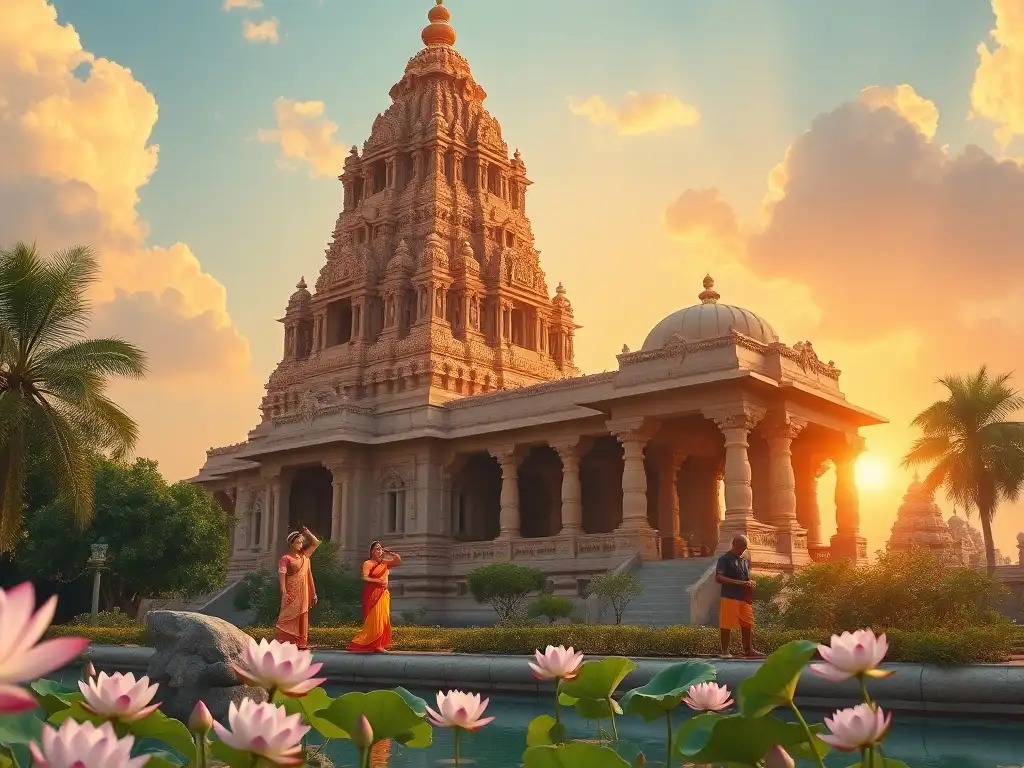
Architecture in Eastern India represents a fascinating blend of functionality and artistry, showcasing the region's rich architectural heritage. From grand temples to intricate stupas, the architectural forms reflect the socio-political and religious dynamics of their times, embodying the creativity and ingenuity of ancient Indian craftsmen.
Temples of Eastern India: Architectural Marvels
The temples of Eastern India, particularly those in Odisha and West Bengal, stand as monumental testaments to the architectural prowess of ancient builders. These structures are characterized by their towering shikharas (spires), intricate carvings, and detailed sculptures depicting mythological scenes and divine figures. Notable examples include the Sun Temple at Konark and the Jagannath Temple in Puri, both of which showcase the exquisite craftsmanship and artistic expression of their era.
The design of these temples often reflects a deep understanding of geometry and symmetry, with layouts that facilitate both functionality and aesthetic appeal. Many temples are adorned with hundreds of sculptures that narrate stories from Hindu mythology, serving as a visual encyclopedia of the region's spiritual beliefs and practices.
Influence of Buddhist Architecture in Eastern India
Buddhist architecture has also significantly influenced the architectural landscape of Eastern India, particularly in regions like Bihar and West Bengal. The ancient stupas, monasteries, and rock-cut caves, such as those at Bodh Gaya and Sanchi, exemplify the amalgamation of religious significance and artistic expression. These structures not only served as places of worship and meditation but also as centers for learning and cultural exchange.
The architectural features of Buddhist sites, including stupas with their domed roofs and intricately carved gateways, reflect the influence of Indian art and architecture on the development of Buddhist structures across Asia. The stylistic elements found in Eastern Indian Buddhist architecture have inspired various architectural movements and continue to be studied for their artistic and historical value.
Preservation of Ancient Architectural Techniques
Preserving the ancient architectural techniques of Eastern India has become increasingly important as modernization threatens traditional craftsmanship. Many artisans and architects are now engaged in reviving ancient methods, ensuring that the skills passed down through generations are not lost. This revival includes the use of traditional materials, techniques, and designs that reflect the region's historical context.
Efforts to document and preserve these architectural techniques have been supported by various cultural organizations and governments, promoting awareness and appreciation of Eastern India's rich architectural heritage. Educational initiatives and workshops aimed at training new generations of artisans play a crucial role in sustaining these ancient practices, ensuring that the legacy of Eastern Indian architecture continues to thrive in the modern world.
The Role of Rituals and Festivals in Art
Rituals and festivals have played a pivotal role in shaping the artistic expressions of Eastern India. These events not only provide a backdrop for various art forms but also serve as a canvas for cultural narratives, beliefs, and communal identity. The intertwining of art with these occasions highlights the significance of creativity in spiritual and social contexts.
Artistic performances, including dance, music, and visual arts, are often integral components of rituals and festivals, enabling communities to celebrate their heritage while reinforcing social bonds. The vibrant colors, intricate designs, and soulful rhythms found in Eastern Indian art forms serve as expressions of devotion, storytelling, and cultural continuity. Thus, the artistic landscape of Eastern India remains deeply rooted in its rituals and festivals, reflecting the ethos of its people.
Art’s Connection to Religious Practices
The connection between art and religion in Eastern India is profound. Many art forms, such as dance and sculpture, have their origins in religious practices and are often dedicated to deities or used in worship. For instance, classical dance forms like Odissi and Kathak are heavily influenced by religious narratives, often depicting stories from Hindu mythology.
Sculpture plays a significant role in religious architecture, with temples adorned with intricate carvings that narrate spiritual tales and symbolize divine attributes. These artistic expressions serve not only aesthetic purposes but also act as a means of connecting practitioners to their spiritual beliefs. The rituals performed during religious ceremonies often include art forms, creating a holistic experience that reinforces the sacredness of the moment.
Festivals Celebrating Eastern Indian Art Forms
Eastern India is known for its vibrant festivals that celebrate various art forms. Durga Puja, for instance, is one of the most significant festivals in West Bengal, showcasing elaborate idols, intricate decorations, and traditional performances. The festival transforms the urban landscape into a living gallery, where art comes to life through performances and exhibitions.
Similarly, the Rath Yatra, celebrated in Puri, Odisha, is not just a religious event but also a grand spectacle of art and culture, with beautifully decorated chariots and traditional music and dance. These festivals provide a platform for artists to showcase their talents, while also preserving traditional art forms and fostering a sense of community pride. The festivals serve as a reminder of the rich artistic heritage of Eastern India, uniting people through shared cultural experiences.
Conclusion: The Enduring Legacy of Eastern Indian Art Forms
The legacy of Eastern Indian art forms is a testament to the region's rich cultural history and its ability to adapt and thrive through centuries. From the intricate sculptures of ancient temples to the expressive movements of classical dance, these art forms encapsulate the essence of Eastern Indian civilization. Their continued relevance in contemporary society showcases their enduring appeal and importance.
The Influence of Ancient Indian Art on Modern Culture
The influence of ancient Indian art on modern culture is profound and multifaceted. Contemporary artists often draw inspiration from traditional motifs, techniques, and themes, infusing them with modern sensibilities. This blending of old and new not only keeps the ancient art forms alive but also allows for innovation and creativity within the framework of cultural heritage.
Moreover, the global interest in yoga and traditional Indian spirituality has further popularized Eastern Indian art forms, with dance and visual arts gaining recognition beyond borders. The aesthetic and philosophical principles rooted in ancient Indian art continue to inspire a new generation of artists, ensuring that these cultural treasures remain vital in the modern world.
Future of Eastern Indian Art Forms and Their Preservation
The future of Eastern Indian art forms hinges on the collective efforts of artists, communities, and cultural organizations dedicated to their preservation and promotion. Initiatives aimed at revitalizing traditional techniques, conducting workshops, and incorporating these art forms into educational curricula are essential for ensuring their survival.
With the advent of technology and digital platforms, there is an opportunity to reach wider audiences and foster appreciation for Eastern Indian art. Social media, online exhibitions, and virtual performances can serve as powerful tools to showcase these art forms and engage with new audiences. By embracing both tradition and innovation, Eastern Indian art forms can continue to thrive, enriching the cultural tapestry of India and beyond.
- Introduction to Ancient Indian Art Forms
- Overview of Eastern Indian Art Forms
- Significance of Art in Ancient Indian Civilizations
- Historical Context of Eastern Indian Art
- Traditional Dance Forms of Eastern India
- Sculpture in Eastern Indian Art
- Painting Traditions in Eastern India
- Architecture as an Art Form
- The Role of Rituals and Festivals in Art
- Conclusion: The Enduring Legacy of Eastern Indian Art Forms
Frequently Asked Questions
What are some prominent ancient Indian art forms?
Ancient Indian art forms include dance, sculpture, painting, and architecture, each showcasing the rich cultural heritage of civilizations like the Indus Valley and the Gupta Empire.
How did dance contribute to ancient Indian culture?
Dance served as a vital form of expression in ancient India, often intertwined with religious rituals and storytelling, reflecting the spiritual and cultural values of the time.
What role did sculpture play in ancient Indian civilizations?
Sculpture was a significant art form in ancient India, used to represent deities, tell stories, and convey philosophical ideas, contributing to the overall spiritual landscape of the region.
How did the Gupta Empire influence ancient Indian art?
The Gupta Empire is often referred to as the "Golden Age" of ancient Indian art, marked by advancements in sculpture, architecture, and literature, leading to a flourishing of cultural expression.
Why is it important to study ancient Indian art forms today?
Studying ancient Indian art forms helps us understand the historical and cultural context of past civilizations, highlighting their contributions to global art and influencing modern artistic practices.
Final Reflection: Embracing the Timeless Legacy of Ancient Indian Art Forms
The rich tapestry of ancient Indian art forms remains profoundly relevant today, as it serves as a bridge connecting us to our cultural heritage and identity. In a world increasingly driven by technology and globalization, the artistic expressions of Eastern India remind us of the beauty and depth that can be found in tradition. These art forms are not merely relics of the past; they are living, breathing manifestations of our history that continue to inspire and resonate with contemporary audiences.
The influence of these ancient art forms extends far beyond the confines of their origins, shaping the cultural landscape of not only India but the entire world. From the intricate movements of classical dance to the exquisite craftsmanship of sculpture, these art forms tell stories that transcend time and space. As the renowned artist Ananda Coomaraswamy once said, The artist is not a special kind of man, but every man is a special kind of artist.
This perspective invites us to recognize the artist within ourselves and appreciate the creativity that exists in every culture and community.
As we reflect on the legacy of Eastern Indian art forms, let us take a moment to consider how we can incorporate these lessons into our own lives. I encourage you to explore and celebrate the art forms that resonate with you, whether through participation, education, or appreciation. By doing so, you not only honor the past but also contribute to the ongoing narrative of cultural expression. Embrace the beauty of diversity and the power of art to connect us all, for in understanding our shared heritage, we can build a more harmonious future.
Unleash Your Creative Spirit!
Thank you for immersing yourself in the vibrant legacy of Eastern Indian art forms! By exploring the rich tapestry of dance, sculpture, and tradition, you've unlocked a deeper appreciation for these cultural treasures. Now, it’s time to take action and keep the flame of inspiration alive!
- Engage with Local Arts: Seek out workshops or performances in your area to experience these art forms firsthand!
- Share Your Insights: Discuss your newfound knowledge about Eastern Indian art with friends or on social media—let's spread the appreciation!
- Create Your Own Piece: Try your hand at a dance or sculpting—connect with your inner artist and express your creativity!
What aspect of Eastern Indian art resonates most with you, and how do you plan to incorporate it into your daily life?