
Eastern India's Historical Figures: Leaders, Scholars, and Visionaries

Welcome to Ancient India History, where we embark on a captivating journey through the rich and diverse tapestry of ancient Indian civilizations. In this article, we delve into the lives of Notable Eastern Indian Historical Figures, uncovering the profound impact of leaders, scholars, and visionaries who shaped the region's legacy. From the enigmatic Indus Valley to the illustrious Gupta Empire, each figure tells a story that resonates through time. Join us as we explore these remarkable individuals and their contributions, igniting your curiosity and inspiring you to discover more about the vibrant past that continues to influence our present.
- Introduction to Notable Eastern Indian Historical Figures
- Prominent Leaders of Eastern India
- Influential Scholars from Eastern India
- Visionaries and Their Contributions
- Cultural Impact of Eastern Indian Historical Figures
- Conclusion: The Enduring Legacy of Notable Eastern Indian Historical Figures
-
Frequently Asked Questions
- What are some notable Eastern Indian historical figures?
- How did Eastern Indian leaders contribute to society?
- What is the significance of scholars from Eastern India in ancient history?
- How did Eastern Indian visionaries influence modern India?
- What role did Eastern Indian civilizations play in trade?
- Final Reflection: Celebrating Notable Eastern Indian Historical Figures
- Unveil the Legacy: Take Action Today!
Introduction to Notable Eastern Indian Historical Figures
Exploring the rich tapestry of Eastern India's history reveals a myriad of influential figures who shaped not only the region but also the broader narrative of ancient Indian civilization. From the early settlements along the banks of the Ganges to the flourishing cultures of Bengal and Odisha, Eastern India has been a cradle of leadership, scholarship, and visionary thought. This article delves into the lives and legacies of notable Eastern Indian historical figures, highlighting their contributions to governance, philosophy, and the arts. Understanding these individuals is crucial, as their impact resonates through the ages, influencing contemporary society and culture.
Overview of Eastern India's Historical Significance
Eastern India, encompassing present-day states like West Bengal, Odisha, and Bihar, has long been a hub of cultural and intellectual activity. The region's historical significance can be attributed to several key factors:
- Geographical Advantage: The fertile plains of the Ganges and the Bay of Bengal provided ideal conditions for agriculture and trade, facilitating the growth of prosperous communities.
- Cultural Melting Pot: Eastern India has been a meeting point for diverse cultures, religions, and languages. This amalgamation fostered a unique cultural identity that has evolved over centuries.
- Intellectual Flourishing: The region has produced numerous scholars, philosophers, and artists whose works have had lasting impacts on Indian thought and beyond.
Through the lens of its notable historical figures, we can better appreciate Eastern India's vital role in shaping the course of ancient Indian history.
Importance of Leaders, Scholars, and Visionaries in Ancient India
The leaders, scholars, and visionaries of Eastern India played pivotal roles in various aspects of society, including governance, education, and the arts. Their contributions can be categorized into several key areas:
- Political Leadership
- Figures like Chandragupta Maurya and his successors established powerful dynasties that laid the foundations for political organization and administration in ancient India.
- The Palas and Sen rulers of Bengal were instrumental in promoting stability and cultural development during their reigns.
- Philosophy and Scholarship
- Eastern India has been home to renowned thinkers such as Gautama Buddha, whose teachings revolutionized spiritual thought, and Jain philosophers who contributed significantly to ethics and metaphysics.
- The Nalanda University, located in Bihar, became a global center of learning, attracting students from various parts of the world during the early centuries of the Common Era.
- Art and Culture
- The region is known for its unique artistic expressions, including Bengal painting and Odissi dance, which reflect the cultural richness fostered by its historical figures.
- Literary contributions, such as the works of Kavi Jayadeva, have left an indelible mark on Indian literature and continue to inspire contemporary artists.
The notable Eastern Indian historical figures not only influenced their immediate communities but also contributed to the broader historical narrative of India. Their legacies continue to inspire and educate, reminding us of the profound impact of leadership, scholarship, and vision on the course of human history.
Prominent Leaders of Eastern India
Rulers of the Ancient Kingdoms
Eastern India has been home to a plethora of ancient kingdoms that played crucial roles in shaping the region's history. The rulers of these kingdoms not only wielded power but also influenced culture, economy, and social structures.
The Maurya Empire and its Influential Leaders
The Maurya Empire (322–185 BCE) stands as one of the most significant empires in ancient India, particularly in Eastern India. Founded by Chandragupta Maurya, the empire expanded under the leadership of his grandson, Ashoka the Great. Ashoka is noted for his conversion to Buddhism and for promoting the spread of Buddhist philosophy across the Indian subcontinent and beyond. His edicts, inscribed on pillars and rocks, emphasized non-violence, tolerance, and moral governance.
- Chandragupta Maurya: Established the Maurya Empire, unifying diverse regions under a centralized government.
- Ashoka the Great: His reign marked the peak of Mauryan power, with significant contributions to art, architecture, and the promotion of Dharma.
The Role of the Gupta Dynasty in Eastern India
The Gupta Dynasty (approximately 240–550 CE) is often referred to as the Golden Age of India due to its remarkable advancements in various fields, including science, mathematics, and the arts. Eastern India flourished under Gupta rule, benefiting from political stability and economic prosperity.
- Chandragupta I: The founder of the Gupta Empire, he established a strong base for his successors.
- Samudragupta: Known for his military conquests and patronage of arts, he expanded the empire significantly, fostering a culture of learning and artistic expression.
- Chandragupta II (Vikramaditya): His reign is celebrated for advancements in literature and science, with notable scholars like Kalidasa and Aryabhata emerging during this time.
Regional Leaders and Their Contributions
Eastern India was characterized not only by powerful empires but also by influential regional leaders who made significant contributions to their respective societies.
Notable Kings and Queens of Eastern India
Several notable kings and queens from Eastern India left a lasting impact on the region's culture and governance.
- Kharavela: The ruler of the Kalinga Kingdom, Kharavela is known for his military victories and for promoting Jainism. His inscriptions highlight his contributions to the arts and architecture.
- Rani Durgavati: A courageous queen of Gondwana, she is remembered for her valiant defense against Mughal invaders, exemplifying leadership and bravery in a predominantly male-dominated society.
- Shashanka: As the ruler of Gauda, he played a pivotal role in the early political landscape of Bengal and is credited with the establishment of Hinduism as a state religion.
Military Leaders and Their Impact on Regional Stability
Military leadership in Eastern India was crucial for maintaining stability and defending against invasions. Several military leaders emerged as key figures, contributing to the region's security.
- Lalitaditya Muktapida: The ruler of the Karkota Dynasty, his military endeavors helped establish Kashmir as a significant power in Northern India, influencing Eastern India through trade and cultural exchange.
- Jagadguru Kripaluji Maharaj: While primarily known for his spiritual contributions, he also played a role in stabilizing the region during turbulent times by promoting harmony and unity among diverse groups.
- Brahmadatta: A significant king of the Gupta period, he is renowned for his military strategies that safeguarded the empire against external threats.
The diverse historical figures of Eastern India, from influential emperors to regional leaders, have significantly shaped the region's legacy. Their contributions to governance, culture, and military prowess continue to be acknowledged and celebrated in the annals of Indian history.
Influential Scholars from Eastern India
Ancient Philosophers and Their Teachings
Eastern India has been a cradle for many influential philosophers whose teachings have shaped not only regional but also national thought. Among them, Gautama Buddha, the founder of Buddhism, emerged from the region of Lumbini, which, while geographically in modern-day Nepal, had significant influence on Eastern India. His teachings emphasized the Four Noble Truths and the Eightfold Path, promoting a philosophy of moderation and mindfulness that resonated across cultures and eras.
Another prominent figure is Adi Shankaracharya, who played a crucial role in consolidating the doctrine of Advaita Vedanta. His philosophical inquiries into the nature of reality and the self led to a renaissance of Hindu thought in the early medieval period. Shankaracharya's commentaries on the Upanishads and the Bhagavad Gita are still studied extensively today, showcasing the depth of Eastern Indian philosophical traditions.
Contributions of Eastern Indian Philosophers to Indian Thought
The contributions of Eastern Indian philosophers extend beyond mere teachings; they laid the groundwork for various schools of thought. Nagarjuna, another key figure associated with Mahayana Buddhism, introduced the concept of śūnyatā (emptiness), which profoundly influenced later philosophical discourse. His dialectical method encouraged critical thinking and debate, fostering an intellectual environment that thrived on inquiry.
Additionally, the Nyaya school, founded by Gautama, emphasized logic and epistemology. This school of thought introduced rigorous methods for argumentation and reasoning, influencing both philosophical and legal frameworks in India. The interactions between these diverse philosophical traditions created a rich tapestry of ideas that continue to impact contemporary Indian thought.
The Role of Education in Eastern Indian Societies
Education in ancient Eastern India was deeply intertwined with religious and philosophical pursuits. Nalanda University, established in the 5th century CE, became a beacon of learning, attracting scholars from across Asia. The curriculum included subjects like philosophy, astronomy, mathematics, and medicine, demonstrating the region's commitment to holistic education.
Moreover, the guru-shishya (teacher-student) tradition was central to Eastern Indian educational practices. This system fostered personal mentorship and facilitated the transmission of knowledge through oral traditions. The emphasis on dialogue and debate in educational settings encouraged students to actively engage with philosophical ideas, reinforcing the importance of critical thinking in Eastern Indian societies.
Literary Figures and Their Works
Eastern India has produced a multitude of literary figures whose works have left an indelible mark on Indian literature. Rabindranath Tagore, a towering figure of the Bengali Renaissance, was the first non-European to win the Nobel Prize in Literature in 1913. His poetry, songs, and plays explore themes of nature, spirituality, and humanism, reflecting the cultural ethos of Eastern India. Tagore's Gitanjali remains a seminal work, emphasizing the connection between the divine and the human experience.
Another notable figure is Kazi Nazrul Islam, often referred to as the "Rebel Poet." His writings, infused with revolutionary fervor, addressed themes of social justice and empowerment. Nazrul's poetry and music resonate with the struggles of the oppressed, making him a significant cultural icon in Eastern India.
Notable Poets and Writers of Eastern India
The landscape of Eastern Indian literature is also enriched by poets like Sukanta Bhattacharya and Bibhutibhushan Bandyopadhyay, whose works delve into the complexities of human emotion and nature. Their contributions to Bengali literature paved the way for future generations of writers and poets, establishing a vibrant literary tradition that celebrates both local and universal themes.
In addition to poetry, Eastern India has produced significant prose writers, including Bankim Chandra Chatterjee, whose novel Anandamath inspired the Indian independence movement. His exploration of nationalism and identity through literature showcases the power of the written word in shaping historical narratives.
The Evolution of Language and Literature in the Region
The evolution of language and literature in Eastern India is a fascinating journey marked by cultural exchanges and influences. The Bengali language, which emerged as a distinct linguistic entity in the 12th century, has undergone significant transformations over the centuries. Its rich literary heritage is characterized by a blend of indigenous and foreign elements, reflecting the region's historical interactions with various cultures.
The Chaitanya movement in the 15th century also played a crucial role in the development of vernacular literature. The use of local dialects in religious texts and poetry made literature more accessible to the common people, fostering a sense of cultural identity. This democratization of literature paved the way for the flourishing of various literary forms, including folk songs, plays, and modern novels.
The 19th and 20th centuries witnessed a renaissance in Eastern Indian literature, with influences from Western literary movements. Writers began experimenting with new forms and genres, leading to the emergence of modernist literature that addressed contemporary issues. This evolution continues to inspire writers in Eastern India, ensuring that the region remains a vital center of literary creativity.
Visionaries and Their Contributions
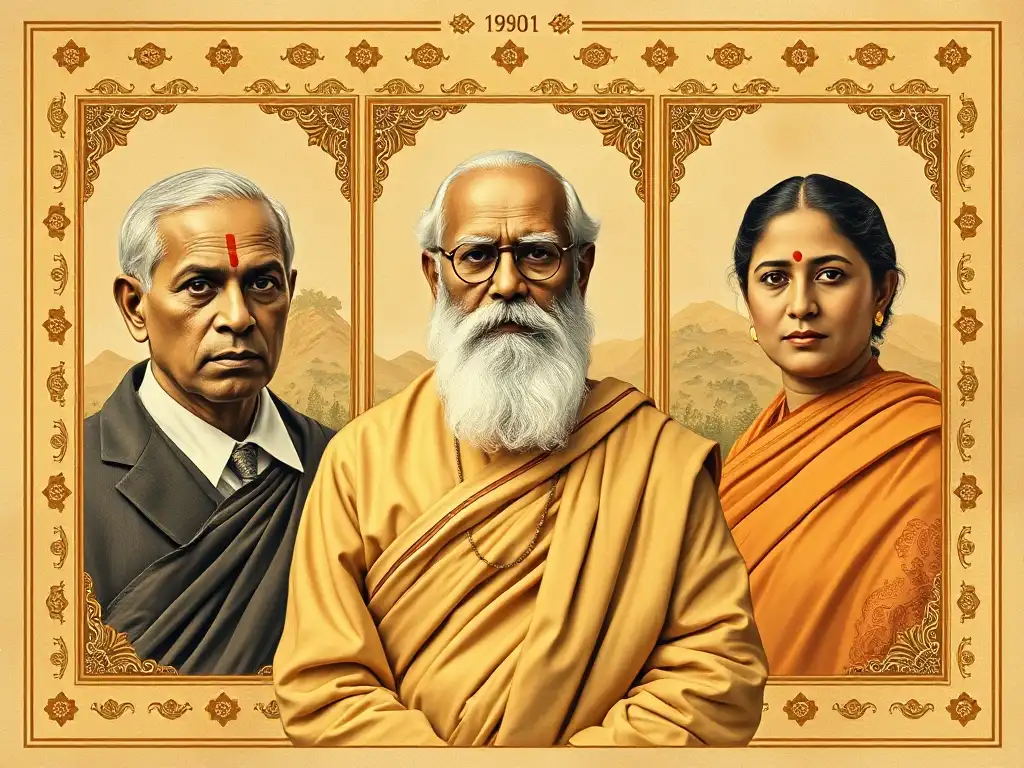
Eastern India has been a crucible for religious and social reform movements, primarily driven by visionary leaders who sought to transform society through their teachings and philosophies. Among these figures, two major movements stand out: Buddhism and the resurgence of Hindu thought through various saints.
The Rise of Buddhism and Its Influential Figures
Buddhism emerged in Eastern India during the 6th century BCE, largely attributed to the teachings of Siddhartha Gautama, known as the Buddha. His quest for enlightenment in the lush landscapes of Bihar led to the establishment of a profound philosophical and religious framework that emphasized compassion, non-violence, and the pursuit of enlightenment through the Four Noble Truths and the Eightfold Path.
Key figures in the spread and development of Buddhism include:
- Ashoka the Great: Following his conversion to Buddhism, Ashoka played a pivotal role in propagating Buddhist values across his vast empire. He established pillars inscribed with edicts promoting non-violence and moral governance, significantly influencing the ethical landscape of India and beyond.
- Bodhidharma: Though often associated with the Zen tradition, Bodhidharma's journey from India to China underscores the far-reaching influence of Eastern Indian Buddhism. His teachings emphasized meditation and direct experience, shaping the spiritual practices of millions.
The influence of these leaders not only spread Buddhism across Asia but also laid the groundwork for socio-political changes in Eastern India.
Hindu Saints and Their Impact on Eastern Indian Culture
In addition to Buddhism, Eastern India has been home to numerous Hindu saints who have made significant contributions to religious thought and cultural practices. Their teachings often aimed at social reform and the elevation of spiritual consciousness among the masses.
Notable figures include:
- Chaitanya Mahaprabhu: A proponent of the Gaudiya Vaishnavism tradition, Chaitanya emphasized the importance of devotion (bhakti) and the chanting of the holy names of God. His life and teachings not only revitalized Hindu spirituality but also fostered communal harmony and artistic expression in Eastern India.
- Sri Ramakrishna: Renowned for his spiritual insights and experiences, Ramakrishna's teachings on the unity of all religions inspired a generation of seekers. His disciple, Swami Vivekananda, further disseminated these ideas globally, highlighting Eastern spirituality's relevance in modern times.
These religious leaders and social reformers have left an indelible mark on the cultural fabric of Eastern India, fostering a climate of tolerance and spiritual inquiry.
Innovators and Their Legacy
Eastern India's legacy is also shaped by innovators in various fields who have contributed significantly to science, mathematics, and the arts. Their intellectual pursuits not only advanced knowledge but also enriched cultural life.
Notable Eastern Indian Scientists and Mathematicians
The region has produced several pivotal figures in the realms of science and mathematics, whose work has resonated beyond their time.
- Aryabhata: Often regarded as one of the first mathematicians and astronomers of India, Aryabhata was born in Bihar. His seminal work, the Aryabhatiya, introduced concepts such as zero, place value, and the approximation of π. His influence reached the Islamic Golden Age and beyond, laying foundational principles in mathematics.
- Brahmagupta: Another towering intellect, Brahmagupta made significant contributions to algebra and astronomy. His work on quadratic equations and the rules for arithmetic operations on negative numbers were groundbreaking, influencing both Indian and global mathematical traditions.
These figures exemplify the intellectual prowess of Eastern India, showcasing a rich tradition of inquiry and innovation.
Artistic Visionaries and Their Influence on Culture
The artistic heritage of Eastern India is equally noteworthy, with visionaries who have shaped its cultural landscape through literature, music, and visual arts.
- Kalidasa: Often hailed as the greatest Sanskrit poet and dramatist, Kalidasa’s works, such as Shakuntala and Meghaduta, reflect the beauty of nature and human emotion. His literary genius has inspired countless artists and writers across centuries.
- Ravindra Nath Tagore: A polymath, Tagore was a poet, philosopher, and musician whose contributions to literature and art earned him the Nobel Prize in Literature in 1913. His works, which blend Indian and Western styles, have had a profound impact on modern Bengali culture and beyond.
The contributions of these artistic visionaries highlight the rich cultural tapestry of Eastern India, emphasizing creativity's role in shaping societal values and identity.
The notable Eastern Indian historical figures in the realms of religion, science, and the arts have profoundly influenced not only the region but also the broader landscape of Indian civilization. Their legacies continue to inspire and guide contemporary thought and cultural practices.
Cultural Impact of Eastern Indian Historical Figures
Eastern India has been a cradle of civilization, producing notable historical figures whose contributions have left an indelible mark on the region's culture, education, and social structure. From the ancient dynasties of Bengal to the intellectual hubs of Odisha, these leaders, scholars, and visionaries have shaped the course of history and continue to influence contemporary society.
The Legacy of Leaders in Modern Eastern India
The leaders of Eastern India played pivotal roles in shaping the political and social landscapes of their times. Figures such as Maharaja Man Singh and Chandragupta II not only expanded their empires but also fostered a sense of unity and cultural identity among diverse populations.
- Political Consolidation: Leaders like Maharaja Man Singh laid the groundwork for political stability in Eastern India. His alliances and military strategies were crucial in consolidating territories, which allowed for the flourishing of trade and commerce.
- Cultural Patronage: The patronage of arts and literature by leaders such as Chandragupta II led to the golden age of Indian culture. Under his reign, the Nalanda University emerged as a prominent center of learning, attracting scholars from various regions.
- Social Reforms: Notable leaders also initiated social reforms that improved the lives of their subjects. For instance, the Mughals introduced various policies that promoted tolerance and diversity, influencing modern secular values in the region.
How Scholars Shaped Eastern Indian Education Systems
Scholars from Eastern India significantly contributed to the development of education systems that emphasized knowledge, philosophy, and the arts.
- Ancient Universities: The establishment of institutions like Nalanda and Takshashila marked a turning point in educational history. These universities became melting pots of knowledge, where students from different cultures studied subjects ranging from medicine to astronomy.
- Influential Texts: Scholars such as Aryabhata and Brahmagupta authored texts that laid the foundation for mathematics and astronomy. Their works not only enriched the curriculum of Eastern Indian education but also influenced scholars globally.
- Literary Contributions: The literary heritage of Eastern India, exemplified by poets like Jayadeva and Bhanubhakta Acharya, enhanced the region’s cultural identity. Their writings have been instrumental in shaping regional languages and literature.
The Lasting Influence of Visionaries on Regional Culture
Visionaries in Eastern India have played a crucial role in molding the cultural landscape, promoting ideals that resonate even today.
- Religious Reformers: Figures such as Chaitanya Mahaprabhu and Ramakrishna Paramahamsa not only emphasized spiritual awakening but also fostered a sense of community among followers. Their teachings have influenced modern spiritual practices and communal harmony in the region.
- Cultural Renaissance: The Bengali Renaissance, spurred by visionaries like Rabindranath Tagore and Ishwar Chandra Vidyasagar, revolutionized art, literature, and social reform. Their work encouraged a critical approach to traditional norms, paving the way for modern thought.
- Social Activism: Modern social reformers like B.R. Ambedkar, who hailed from the Eastern regions, have had a profound impact on social justice movements. Their advocacy for equality and rights continues to inspire activism today.
The notable Eastern Indian historical figures have contributed immensely to the rich tapestry of culture, education, and social reform. Their legacies are not just confined to the past but are woven into the very identity of modern Eastern India, shaping its present and future.
Conclusion: The Enduring Legacy of Notable Eastern Indian Historical Figures
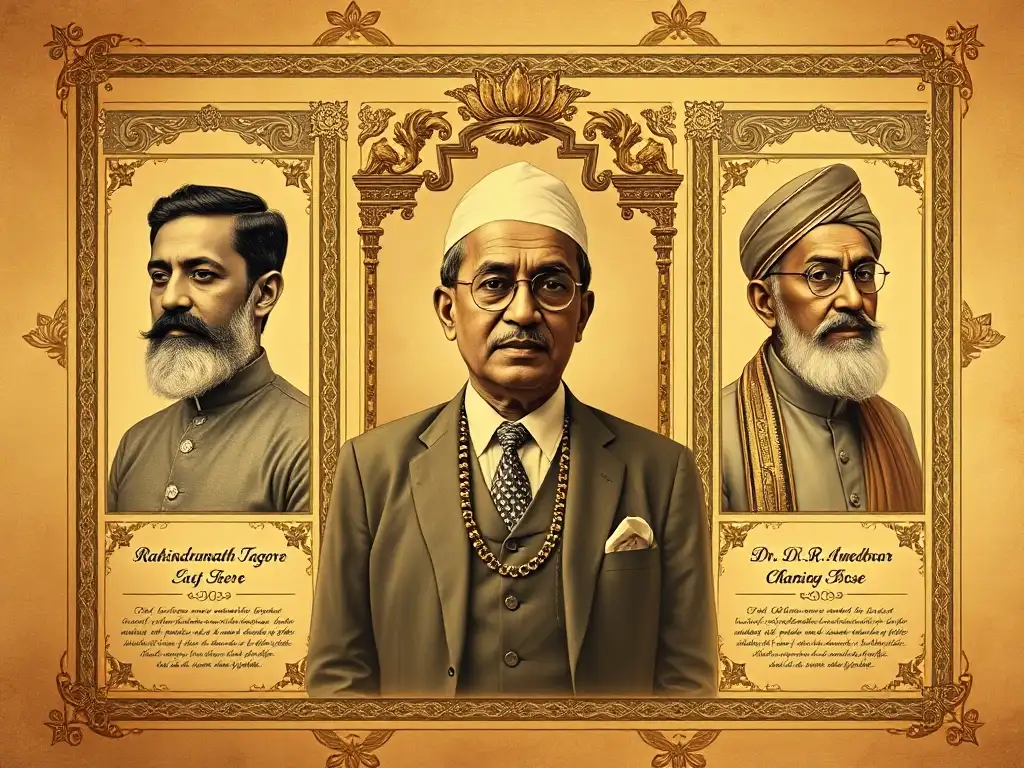
Reflection on the Contributions of Eastern India’s Historical Figures to Indian Civilization
The historical figures from Eastern India have played a pivotal role in shaping the cultural, political, and intellectual landscape of Indian civilization. From ancient kings who established powerful dynasties to visionary scholars who contributed to philosophy, literature, and the arts, the impact of these notable Eastern Indian historical figures continues to resonate today.
- Political Leaders: Rulers such as Ashoka the Great and the kings of the Mauryan Empire not only expanded their territories but also propagated the principles of Dhamma, emphasizing non-violence and moral governance. Their legacies influenced subsequent generations of leaders across the subcontinent.
- Scholars and Thinkers: Eastern India has been home to brilliant minds like Gautama Buddha and Adi Shankaracharya, whose teachings have transcended time and geography. Their philosophical discourses laid the foundation for various schools of thought, including Buddhism and Advaita Vedanta, enriching the spiritual fabric of India.
- Art and Culture: The artistic contributions of Eastern India, particularly in places like Bengal, can be seen in the exquisite craftsmanship of terracotta temples and the development of classical music forms. The Bengali Renaissance, led by figures such as Raja Ram Mohan Roy, further highlighted the importance of education and social reform, contributing significantly to modern Indian identity.
The confluence of these contributions illustrates how notable Eastern Indian historical figures have not only shaped their region but have also had a lasting impact on the entire nation, fostering a rich and diverse heritage that continues to inspire.
The Importance of Preserving Eastern India's Historical Narrative
Preserving the historical narrative of Eastern India is crucial for several reasons:
- Cultural Heritage: The unique traditions, languages, and art forms that have emerged from Eastern India are integral to the country's cultural mosaic. Documenting these narratives ensures that future generations understand and appreciate their rich heritage.
- Educational Value: Understanding the contributions of notable Eastern Indian historical figures provides insight into the broader context of Indian history. It enhances educational curricula and fosters a sense of pride and identity among students.
- Inspiration for Future Generations: The stories of resilience, innovation, and leadership exemplified by Eastern Indian historical figures serve as powerful inspirations. They can motivate contemporary and future leaders, scholars, and artists to pursue excellence and contribute positively to society.
- Historical Accuracy: The preservation of Eastern India's historical narratives aids in correcting misconceptions and omissions in mainstream historical accounts. It allows for a more balanced and inclusive view of Indian history, acknowledging the diverse contributions of various regions.
The notable Eastern Indian historical figures have left an indelible mark on the tapestry of Indian civilization. By reflecting on their contributions and prioritizing the preservation of Eastern India's historical narratives, we honor their legacies and ensure that their stories continue to inspire and educate future generations.
Frequently Asked Questions
What are some notable Eastern Indian historical figures?
Some prominent figures include Chandragupta Maurya, the founder of the Maurya Empire, and Rabindranath Tagore, a celebrated poet and philosopher known for his contributions to literature and music.
How did Eastern Indian leaders contribute to society?
Eastern Indian leaders played crucial roles in shaping the socio-political landscape, establishing powerful empires, and promoting cultural advancements through patronage of arts and education.
What is the significance of scholars from Eastern India in ancient history?
Scholars from Eastern India, like Aryabhata and Brahmagupta, made significant contributions to mathematics and astronomy, influencing scientific thought both in India and across the world.
How did Eastern Indian visionaries influence modern India?
The ideas and philosophies of Eastern Indian visionaries, such as Swami Vivekananda, laid the groundwork for modern spiritual thought and nationalism, inspiring movements for social reform and independence.
What role did Eastern Indian civilizations play in trade?
Eastern Indian civilizations, particularly during the Maurya and Gupta periods, were key players in regional trade, facilitating the exchange of goods, ideas, and cultures between India and other civilizations.
Final Reflection: Celebrating Notable Eastern Indian Historical Figures
The legacy of notable Eastern Indian historical figures continues to resonate in our contemporary society, reminding us of the profound impact that visionary leaders, scholars, and thinkers can have on the course of history. Their contributions not only shaped the cultural and intellectual landscape of their time but also laid the groundwork for future generations to build upon. As we navigate the complexities of the modern world, it is essential to recognize the enduring relevance of their ideas and actions, which still inspire us to strive for progress and unity.
The influence of these remarkable individuals is palpable in today's cultural and social fabric, as their teachings and philosophies continue to inspire movements for change and empowerment. The stories of leaders like Rabindranath Tagore and scholars like Swami Vivekananda remind us of the power of knowledge and compassion in driving societal transformation. The greatest gift of education is the ability to think for yourself.
This quote encapsulates the essence of their legacy, urging us to embrace critical thinking and self-awareness in our pursuit of truth and justice.
As we reflect on the lessons imparted by these notable figures, let us take a moment to consider how we can embody their spirit in our own lives. I invite you to explore your own potential as a leader, a thinker, or a visionary in your community. By embracing the values of courage, wisdom, and compassion, we can honor the legacies of those who came before us and contribute to a brighter future for all. Let their stories inspire you to make a difference, no matter how small, in the world around you.
Unveil the Legacy: Take Action Today!
Thank you for diving into the rich history of Eastern India's remarkable figures! We hope you gained valuable insights into the leaders, scholars, and visionaries who have shaped this vibrant region. Now, it's time to turn your curiosity into action.
Here are a few ways you can deepen your exploration:
- Join a local history group or online forum to discuss the impact of these historical figures and share insights with fellow history enthusiasts.
- Visit a museum or cultural site that celebrates Eastern India's heritage to experience the legacy firsthand.
- Share this article with friends or on social media to inspire others to learn about these incredible individuals!
As you reflect on their contributions, consider which historical figure from Eastern India inspires you the most. How can you embody their vision in your own life?