
The Mystique of Eastern India's Tribal Cultures: A Historical Exploration

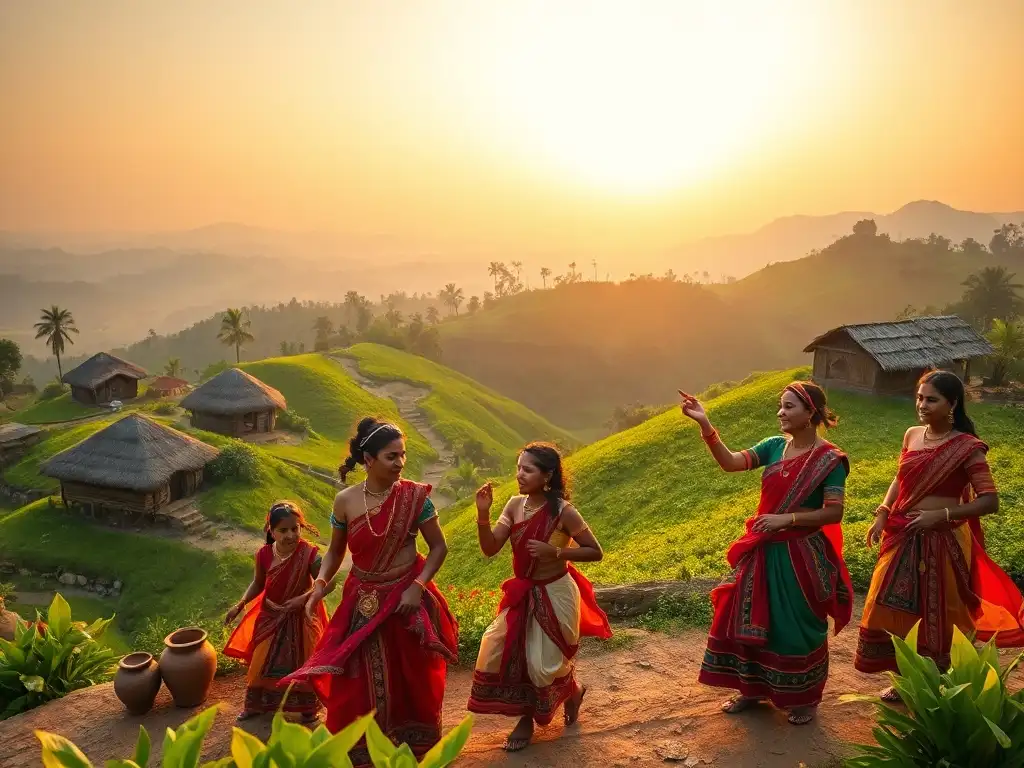
Welcome to Ancient India History, where we embark on a captivating journey through the rich tapestry of India's past! In this exploration, we delve into the mystique of Eastern India's tribal cultures, uncovering the fascinating histories that shaped their unique identities and contributions. From the ancient rituals to the vibrant traditions that endure today, each story adds a vibrant thread to the grand narrative of our civilization. Are you ready to uncover the secrets of these tribes and their historical significance? Dive deeper with us as we reveal the enchanting tales and cultural heritage that await!
Introduction to Eastern India's Tribal Cultures History
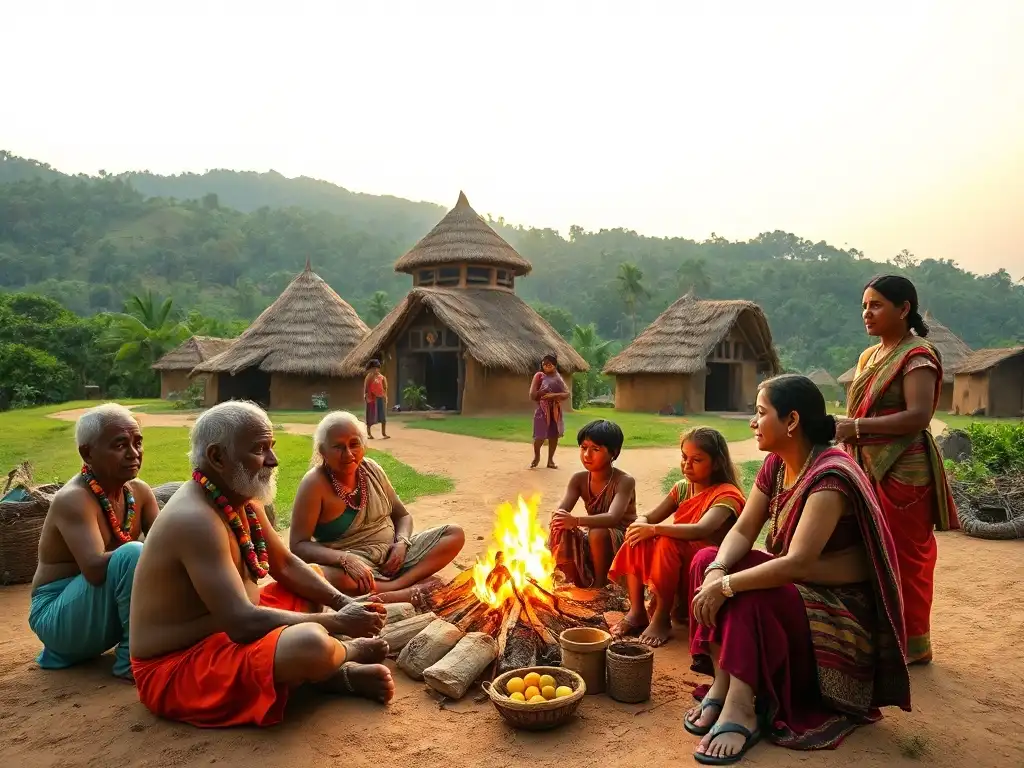
Eastern India, a region characterized by its lush landscapes and diverse ecosystems, is home to a myriad of tribal cultures that have thrived for centuries. These cultures are not only rich in traditions, customs, and languages but also play a significant role in shaping the historical narrative of the region.
The history of Eastern India's tribal cultures is a tapestry woven with unique practices, beliefs, and social structures that offer a glimpse into the lives of indigenous communities. By exploring these cultures, we can gain a deeper understanding of their contributions to the broader historical context of India, particularly in terms of resistance, adaptation, and innovation.
This article aims to delve into the intricacies of Eastern India's tribal cultures, examining their historical evolution and the factors that have influenced their development. From the ancient settlements of the Indus Valley civilization to the vibrant societies during the Gupta Empire, the tribal communities of Eastern India have demonstrated resilience and adaptability in the face of external pressures. Understanding their history is crucial not only for appreciating their cultural richness but also for recognizing their ongoing relevance in contemporary society.
Overview of Tribal Cultures in Eastern India
Eastern India is home to a diverse array of tribal groups, each with its unique identity, language, and customs. Some of the prominent tribes include the Santhal, Munda, Oraon, and the various ethnic communities of the northeastern states. These tribes have historically inhabited regions such as Jharkhand, Odisha, West Bengal, and parts of Assam and Bihar, contributing to the rich cultural mosaic of Eastern India.
- Cultural Practices: Each tribal community possesses distinctive cultural practices, including traditional dance forms, music, art, and festivals that reflect their relationship with nature and spirituality.
- Social Structure: Tribal societies often operate on a clan-based system, with strong emphasis on kinship and communal living, which fosters a sense of belonging and support among community members.
- Language: Many tribes maintain their languages, which are vital for preserving their oral histories and cultural narratives.
Importance of Studying Tribal Cultures in Historical Context
The significance of exploring Eastern India's tribal cultures extends beyond mere academic interest; it is essential for several reasons:
- Cultural Heritage: Understanding tribal cultures helps preserve the rich cultural heritage of Eastern India and promotes awareness of their historical contributions.
- Social Dynamics: Studying these cultures reveals insights into the social dynamics and interactions between tribal communities and other societal groups, shedding light on historical processes such as migration, trade, and conflict.
- Contemporary Relevance: Recognizing the history and evolution of tribal cultures informs current discussions about identity, rights, and social justice, particularly in light of modern challenges faced by these communities.
Historical Background of Eastern India's Tribal Societies
Early Settlements and Indigenous Communities
The history of Eastern India's tribal societies can be traced back to ancient times, with evidence of early settlements that showcase their adaptation to various environments. Archaeological findings indicate that these communities were primarily hunter-gatherers before transitioning to agricultural practices, which allowed for the establishment of more permanent settlements.
- Indigenous Roots: Many tribal groups claim ancestral ties to the land, viewing themselves as custodians of nature, which is integral to their identity.
- Cultural Continuity: Despite external influences, these communities have maintained cultural continuity through storytelling, rituals, and traditional governance systems.
Influence of Geography on Tribal Development
The geography of Eastern India has played a crucial role in shaping the tribal cultures of the region:
- Natural Resources: The abundance of forests, rivers, and fertile lands has provided tribes with resources for sustenance and economic activities, fostering a deep connection to their environment.
- Isolation and Interaction: Geographic isolation in certain areas has allowed tribes to preserve their unique customs, while proximity to trade routes has facilitated cultural exchanges with neighboring communities.
Key Historical Periods Influencing Tribal Cultures
Several key historical periods have left a lasting impact on the tribal cultures of Eastern India:
- Ancient Civilizations: Influences from ancient Indian civilizations, such as the Maurya and Gupta empires, shaped trade, politics, and cultural exchanges.
- Colonial Era: The British colonial rule introduced new socio-economic dynamics, leading to significant changes in tribal livelihoods and governance structures.
- Post-Independence: After India gained independence, tribal communities faced challenges related to integration, land rights, and preservation of their cultural identity amidst modernization.
The exploration of Eastern India's tribal cultures is not merely an academic endeavor; it is an essential journey into understanding the historical complexities and cultural richness that define this vibrant region. Through this exploration, we can appreciate the resilience and contributions of these communities throughout history.
Major Tribal Cultures of Eastern India
Eastern India is home to a variety of tribal cultures, each with its unique traditions, languages, and practices. The tribal communities in this region have a rich history that dates back thousands of years, contributing significantly to the cultural mosaic of India. Notable tribal groups such as the Santhal, Munda, and Oraon exemplify the diversity and richness of Eastern India's tribal heritage.
Each tribe offers insights into the region's historical trajectories, social structures, and interactions with surrounding cultures. The vibrant customs, arts, and social practices of these tribes reveal a profound connection to the land and its resources, showcasing their sustainable ways of life that have persisted through the ages.
The Santhal Tribe: Traditions and Contributions
The Santhal tribe, one of the largest tribal communities in India, primarily resides in the states of Jharkhand, West Bengal, Bihar, and Odisha. With a population of over 10 million, they have a significant presence and influence in Eastern India. The Santhals are known for their rich oral traditions, including folk songs and dances that celebrate their history, festivals, and daily life. Their most famous dance, the Santhal dance, is performed during harvest festivals and is characterized by rhythmic footwork and vibrant costumes.
The Santhals have also made substantial contributions to agriculture, particularly in the cultivation of rice and other crops in the hilly terrains of Eastern India. Their traditional practices of shifting cultivation and sustainable farming techniques have been pivotal in maintaining ecological balance in their habitats. Additionally, they engage in various crafts, such as weaving and pottery, which not only serve functional purposes but also reflect their artistic expressions and cultural identity.
The Munda Tribe: History and Socioeconomic Impact
The Munda tribe, predominantly found in Jharkhand, Odisha, West Bengal, and Bihar, has a historical significance that dates back to ancient times. The Mundas played a crucial role in the tribal uprisings against colonial rule, most notably during the Ulgulan (Great Rebellion) led by Birsa Munda in the late 19th century. This movement aimed to reclaim their rights over land and resources and resist the oppressive policies of British colonialism.
Economically, the Mundas are primarily agrarian, relying on agriculture and forest resources for their livelihood. They practice a mix of subsistence and commercial farming, growing crops like rice, maize, and millet. Their unique system of communal land ownership underscores their social structure, fostering cooperation and support among community members. The Mundas are also known for their skills in traditional medicine and herbal practices, which play a vital role in their health care.
The Oraon Tribe: Cultural Heritage and Practices
The Oraon tribe, mainly residing in Jharkhand, Chhattisgarh, and Odisha, is known for its rich cultural heritage and vibrant social life. They are primarily engaged in agriculture, with rice being the staple crop. The Oraons have a distinct social structure that emphasizes kinship and community ties, which are reflected in their festivals and rituals.
One of the most significant cultural practices of the Oraon tribe is the worship of their ancestors and nature. They celebrate various festivals, such as Karma and Sohrai, which are integral to their cultural identity. The Oraons are also known for their traditional music and dance forms, which serve as a medium for storytelling and preserving their history. Their art forms, particularly in painting and handicrafts, showcase their creativity and connection to their environment.
Other Notable Tribes in Eastern India
Apart from the Santhal, Munda, and Oraon tribes, Eastern India is home to several other notable tribal communities, each contributing to the region's cultural heritage. The Ho tribe, found mainly in Jharkhand, is known for its colorful festivals and unique dance forms, while the Bhumij tribe is recognized for its agricultural practices and traditional crafts. The Kharwar and Santal tribes also add to the rich tapestry of Eastern India's tribal cultures, with their distinct languages, customs, and traditions. Understanding these diverse tribal groups is essential for appreciating the historical and cultural landscape of Eastern India.
The Role of Religion and Spirituality in Tribal Cultures
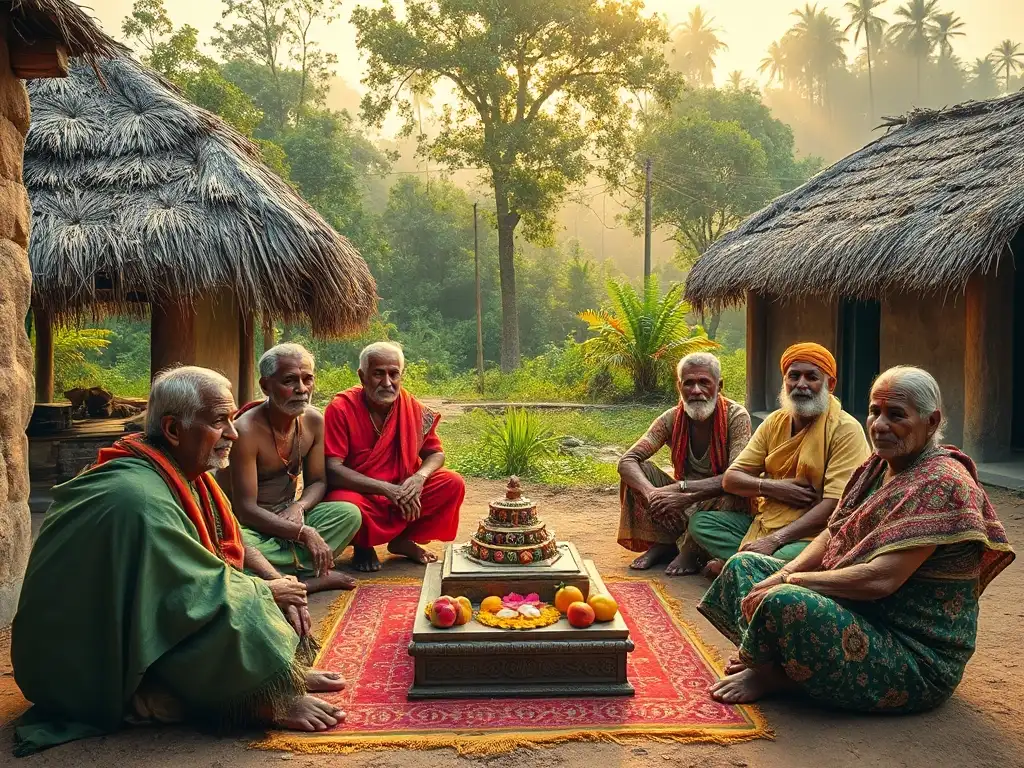
Religion and spirituality play a pivotal role in shaping the customs, practices, and social structures of Eastern India's tribal cultures. The belief systems of these communities often intertwine with nature, emphasizing a deep connection to the land and its resources. Rituals and ceremonies are integral to their lives, marking significant events such as births, marriages, and harvests, reflecting their spiritual beliefs and communal identity.
Indigenous Beliefs and Practices
Indigenous beliefs among Eastern India's tribal communities are often rooted in animism, where natural elements are regarded as sacred. Many tribes worship spirits associated with forests, rivers, and ancestral lands, believing that these entities influence their well-being and sustenance. Rituals, offerings, and festivals are conducted to appease these spirits and seek blessings for a bountiful harvest or protection from calamities.
The Santhal tribe, for instance, practices rituals that involve invoking the spirits of their ancestors during important agricultural cycles. Similarly, the Oraons celebrate festivals that honor nature and ancestral deities, emphasizing their respect for the environment and the interconnectedness of life. These indigenous practices not only reinforce community bonds but also foster a sustainable relationship with their surroundings.
The Impact of Hinduism and Other Religions on Tribal Cultures
Hinduism and other religions have significantly influenced Eastern India's tribal cultures, leading to a complex interplay between traditional beliefs and organized religious practices. Many tribal communities have adopted elements of Hinduism, such as the worship of Hindu deities, while still retaining their indigenous beliefs and customs. This syncretism has resulted in unique cultural expressions that blend tribal traditions with broader religious practices.
For example, the Munda tribe integrates Hindu festivals into their cultural calendar, celebrating occasions like Diwali and Holi alongside their traditional rituals. This coexistence illustrates the adaptability of tribal communities and their capacity to incorporate external influences while preserving their cultural identity. However, this interaction has also posed challenges, as some tribal groups face pressures to conform to mainstream religious practices, risking the dilution of their unique cultural heritage.
The tribal cultures of Eastern India are characterized by rich traditions, profound spirituality, and a historical legacy that continues to shape their identities. Understanding these cultures provides valuable insights into the broader narrative of India's diverse heritage.
Economic Practices of Eastern India's Tribal Communities
The economic practices of Eastern India's tribal communities are deeply rooted in their cultural traditions and the unique environmental contexts they inhabit. These practices not only sustain their livelihoods but also play a significant role in preserving their identities and heritage. Understanding these economic dynamics provides insight into the resilience and adaptability of these communities throughout history.
Traditional Agriculture and Subsistence Farming
Traditional agriculture forms the backbone of many tribal communities in Eastern India, where farming techniques have been passed down through generations. These communities often practice subsistence farming, focusing on cultivating crops primarily for their own consumption rather than for market sale.
- Crop Diversity: The cultivation of a variety of crops, including millets, pulses, and oilseeds, reflects the agricultural diversity suited to local climatic conditions. This biodiversity not only ensures food security but also enhances soil fertility and resilience against pests and diseases.
- Shifting Cultivation: In certain tribal areas, shifting cultivation, or jhum, is prevalent. This practice involves clearing a patch of forest for cultivation and then moving to a new area once soil fertility declines. While sustainable when practiced traditionally, external pressures can threaten its viability.
- Cultural Practices: Agricultural rituals and festivals play a crucial role in these communities, marking the farming calendar and fostering communal ties. For instance, festivals like Nuakhai among the Odia tribes celebrate the harvest season, reinforcing social cohesion and cultural identity.
Handicrafts and Artisanal Work: Cultural Significance
Handicrafts and artisanal work are integral to the economic and cultural fabric of Eastern India's tribal societies. These crafts are not merely economic activities but are expressions of identity, tradition, and artistry.
- Materials and Techniques: Tribals utilize locally available resources such as bamboo, clay, and wood to create an array of products, including pottery, textiles, and jewelry. The techniques used are often traditional, handed down through generations, which enriches the cultural narrative of these communities.
- Symbolism and Identity: Many handicrafts carry rich cultural symbolism, reflecting the beliefs, stories, and values of the tribes. For instance, the intricate designs in tribal art often depict local flora and fauna or ancestral legends, acting as a canvas for storytelling and cultural expression.
- Economic Impact: Beyond cultural significance, handicrafts provide a vital source of income. The growing interest in tribal arts and crafts from urban markets and international buyers has opened up avenues for economic development while encouraging the preservation of traditional skills.
Trade and Commerce in Tribal Societies
Trade and commerce have historically been crucial for the sustenance and growth of Eastern India's tribal cultures. Interactions with neighboring communities and external markets have shaped their economic landscape.
- Barter System: Traditionally, many tribal communities relied on a barter system for trade, exchanging goods and services directly without the use of currency. This system fostered strong community ties and facilitated the sharing of resources.
- Market Integration: With the advent of modern economies, tribal societies have gradually integrated into broader market systems. While this has provided access to wider markets for their goods, it has also posed challenges, including price exploitation by middlemen.
- Cultural Exchange: Trade routes have historically facilitated not just economic exchange but also cultural interactions. This exchange has led to the diffusion of ideas, traditions, and innovations, contributing to the dynamic cultural landscape of Eastern India.
The Impact of Colonialism on Eastern India's Tribal Cultures
Colonialism brought profound changes to the socio-economic structures of Eastern India's tribal cultures, often leading to disruption and transformation in their traditional ways of life. Understanding these impacts is essential for comprehending the present-day realities of these communities.
Changes in Land Ownership and Resource Management
One of the most significant effects of colonial rule was the alteration of land ownership and resource management practices among tribal communities.
- Land Alienation: Colonial policies often resulted in the alienation of tribal lands, with vast tracts being appropriated for agricultural expansion or commercial exploitation. This led to a loss of control over their traditional territories and resources, disrupting their subsistence practices.
- Introduction of Revenue Systems: The imposition of revenue systems compelled tribes to engage in cash cropping, which shifted their focus from traditional subsistence farming to market-oriented agriculture. This transition often undermined their food security and traditional agricultural practices.
- Resistance and Adaptation: In response to these challenges, many tribes adapted by developing new forms of resistance, including organized movements to reclaim their rights and resources. The struggle for land rights continues to be a significant aspect of tribal activism today.
Cultural Assimilation and Resistance
The colonial period also marked a time of cultural assimilation for many tribal communities, as colonial powers sought to impose their cultural norms and values.
- Cultural Erosion: The introduction of Western education and missionary activities often led to the erosion of indigenous cultures and languages. Many tribal practices were viewed as primitive, resulting in attempts to replace traditional beliefs with colonial ideologies.
- Revival Movements: Despite the pressures of assimilation, many tribes have engaged in cultural revival movements aimed at preserving and promoting their distinct identities. Festivals, crafts, and traditional practices have seen a resurgence as a form of resistance against colonial narratives.
- Legacy of Resilience: The resilience demonstrated by these communities in the face of colonial challenges has shaped their contemporary identity. Today, many tribal groups actively work to reclaim and celebrate their heritage, contributing to the rich tapestry of Eastern India's cultural landscape.
Contemporary Challenges Facing Tribal Cultures
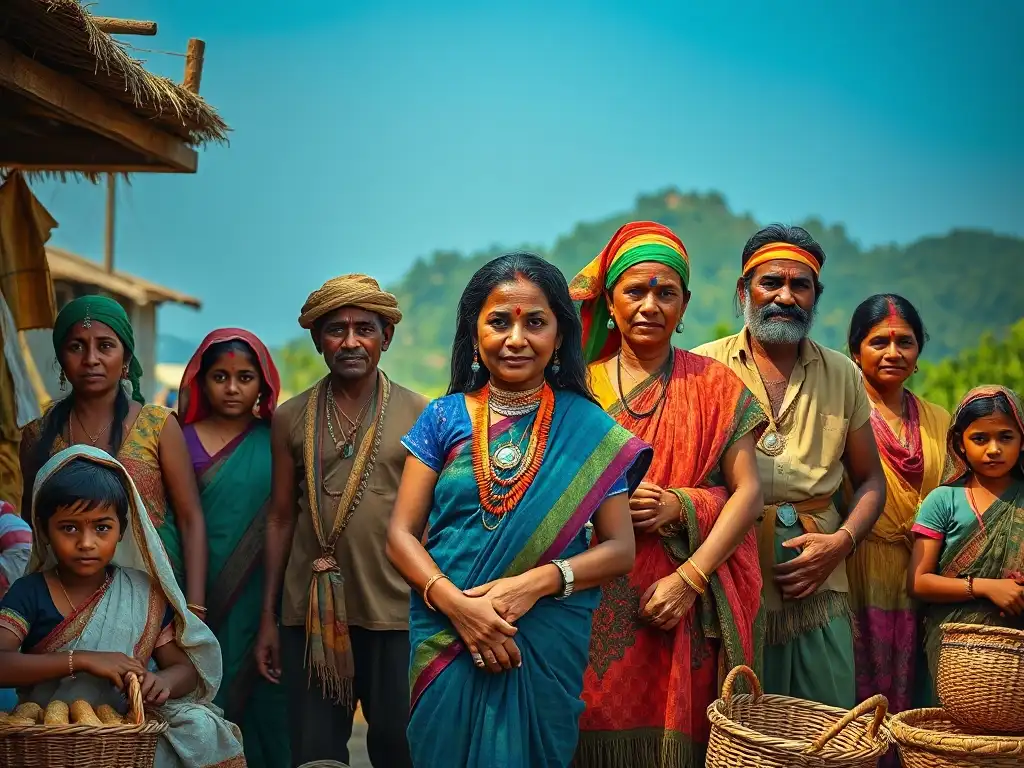
Eastern India's tribal cultures are rich and diverse, yet they face a multitude of contemporary challenges that threaten their traditional ways of life. These challenges stem from various factors, including modernization, globalization, and government policies. As these tribal communities navigate the complexities of the modern world, it is crucial to understand the implications of these changes on their cultural identity and heritage.
Modernization and Its Effects on Traditional Lifestyles
Modernization has brought significant changes to tribal societies in Eastern India, often resulting in the erosion of traditional lifestyles. As urbanization expands, many tribal individuals migrate to cities in search of better economic opportunities, leaving behind their ancestral lands and cultural practices. This move disrupts their social structures and community bonds, leading to a loss of cultural identity.
Additionally, the influx of modern technology and consumer culture poses a challenge to traditional practices. Younger generations are increasingly attracted to urban lifestyles, which often prioritize individualism over communal values. As a result, traditional crafts, rituals, and languages are at risk of being forgotten. To address these issues, efforts must be made to promote sustainable development that respects and incorporates tribal traditions.
Preservation of Languages and Cultural Practices
Language is a vital component of cultural identity, and many tribal languages in Eastern India are endangered. Factors such as the dominance of national and regional languages in education and media contribute to the decline of indigenous languages. This loss not only affects communication but also hinders the transmission of cultural knowledge, folklore, and history.
Cultural practices, including rituals, festivals, and traditional arts, are also under threat. The younger generation’s disengagement from these practices can lead to a cultural void. To combat this, initiatives aimed at revitalizing tribal languages and encouraging the practice of traditional arts are essential. Community-led programs that celebrate their heritage can foster pride and awareness among younger members of the tribe.
Government Policies and Tribal Rights
Government policies often significantly impact tribal communities, sometimes to their detriment. While there are laws in place aimed at protecting tribal rights, such as the Scheduled Tribes and Other Traditional Forest Dwellers (Recognition of Forest Rights) Act, implementation can be inconsistent. Many tribal populations find themselves marginalized, with limited access to resources and opportunities.
Moreover, development projects such as mining and infrastructure expansion frequently encroach upon tribal lands, displacing communities and disrupting their way of life. Advocacy for more effective policy implementation and community involvement in decision-making processes is crucial to ensure that the rights and voices of tribal populations are respected and upheld.
Conclusion: The Legacy of Eastern India's Tribal Cultures
The legacy of Eastern India's tribal cultures is a testament to resilience and adaptability. Despite facing numerous challenges, these communities continue to contribute to the rich tapestry of India's cultural landscape. Preserving their heritage is not only essential for their identity but also for the diversity of Indian culture as a whole.
Importance of Preserving Tribal Histories
Preserving tribal histories is vital for several reasons. Firstly, these histories provide insights into the unique ways of life, beliefs, and practices of various tribes, enriching our understanding of human experience. Secondly, they serve as a reminder of the importance of cultural diversity in a rapidly homogenizing world. By documenting and celebrating these histories, we can foster greater appreciation and respect for the contributions of tribal communities.
Moreover, preserving tribal histories can empower these communities by reinforcing their identity and cultural pride. This can lead to a more significant advocacy for their rights and needs, ensuring that their voices are heard in broader societal discussions.
Future Directions for Research and Cultural Preservation
Future research and cultural preservation efforts must adopt a multidisciplinary approach, integrating anthropology, history, and sociology to better understand and support tribal cultures. Collaborations between researchers, tribal communities, and policymakers can facilitate sustainable practices that respect traditional knowledge while promoting economic development.
Community-driven initiatives, such as cultural festivals, language workshops, and arts programs, can play a crucial role in revitalizing interest in tribal cultures. Furthermore, leveraging technology to document and share tribal histories can help reach wider audiences, raising awareness and appreciation for these unique cultures.
The challenges facing Eastern India's tribal cultures are significant, but with concerted efforts, their rich histories and traditions can endure, contributing to the vibrant mosaic of India's heritage.
References and Further Reading on Eastern India's Tribal Cultures History
Understanding the rich tapestry of Eastern India's tribal cultures requires delving into various resources that provide insights into their history, traditions, and contributions. Below are some recommended materials for further exploration.
Suggested Books and Articles
-
"Tribal India: A Cultural History" by R.C. Sharma
This comprehensive book offers a deep dive into the cultural practices, social organization, and historical developments of tribal communities in India, including those in Eastern India. It emphasizes the unique identities and contributions of these groups.
-
"The Forest of Stories: Tribal Folktales from Eastern India" by Sarojini Naidu
This collection of folktales captures the oral traditions of Eastern Indian tribes, reflecting their beliefs, values, and worldviews. It serves as an important resource for understanding the cultural heritage of these communities.
-
"A History of Tribal Society in Eastern India" by Sudhir Kumar
Kumar's work provides an analytical perspective on the evolution of tribal societies in Eastern India, discussing their interactions with non-tribal populations and the impact of colonial and post-colonial policies.
-
"The Tribes of Eastern India: A Sociological Perspective" by A.K. Sinha
This book examines the sociological aspects of tribal life, including kinship, marriage customs, and socio-economic conditions, offering a thorough understanding of the tribal dynamics in Eastern India.
-
Journal Articles and Research Papers
Several scholarly articles are available through academic databases such as JSTOR and Google Scholar, focusing on various aspects of tribal cultures in Eastern India. Topics include agricultural practices, rituals, and the impact of modernization on tribal lifestyles.
Documentaries and Online Resources
-
"The Forgotten Tribes of India" (Documentary Series)
This series explores the lives and cultures of various tribal communities in India, including those in the East. It highlights their challenges, traditions, and the ongoing efforts to preserve their heritage.
-
"Voices from the Forest" (Online Documentary)
Available on streaming platforms, this documentary provides a vivid portrayal of the tribal communities in Eastern India, showcasing their unique customs, art forms, and sustainable practices.
-
National Geographic's "Tribal India" Resource Hub
This online platform offers articles, photo essays, and videos that delve into the lives of India's tribal populations, including those in Eastern India. It serves as an educational resource for anyone interested in tribal history and culture.
-
YouTube Channels
Several educational YouTube channels focus on Indian history and culture. Channels like "Heritage India" and "The History Project" often feature episodes dedicated to tribal cultures, their history, and contemporary issues.
-
Online Archives and Digital Libraries
Websites like the Digital South Asia Library and the India Office Records provide access to historical documents, photographs, and maps related to Eastern India's tribal cultures, making them invaluable for researchers and enthusiasts alike.
By engaging with these suggested books, articles, documentaries, and online resources, readers can gain a more nuanced understanding of the diverse and vibrant histories that comprise Eastern India's tribal cultures.
- Introduction to Eastern India's Tribal Cultures History
- Historical Background of Eastern India's Tribal Societies
- Major Tribal Cultures of Eastern India
- The Role of Religion and Spirituality in Tribal Cultures
- Economic Practices of Eastern India's Tribal Communities
- The Impact of Colonialism on Eastern India's Tribal Cultures
- Contemporary Challenges Facing Tribal Cultures
- Conclusion: The Legacy of Eastern India's Tribal Cultures
- References and Further Reading on Eastern India's Tribal Cultures History
- What are the main tribal cultures of Eastern India?
- How did Eastern India's tribal cultures contribute to the region's history?
- What role did the environment play in the development of these tribal cultures?
- How can one explore the history of Eastern India's tribal cultures today?
- Are there any challenges faced by Eastern India's tribal cultures in modern times?
Frequently Asked Questions
What are the main tribal cultures of Eastern India?
Eastern India is home to several diverse tribal cultures, including the Santhal, Munda, and Oraon tribes, each with unique traditions, languages, and social structures.
How did Eastern India's tribal cultures contribute to the region's history?
The tribal cultures of Eastern India have significantly shaped the region's social structures, economic practices, and cultural expressions, influencing broader historical developments.
What role did the environment play in the development of these tribal cultures?
The geographical diversity of Eastern India, including forests and rivers, provided resources that shaped the livelihoods and cultural practices of tribal communities, fostering a deep connection to nature.
How can one explore the history of Eastern India's tribal cultures today?
Visitors can explore the history through museums, cultural festivals, and community interactions that celebrate and preserve the heritage and traditions of Eastern India's tribal societies.
Are there any challenges faced by Eastern India's tribal cultures in modern times?
Yes, many tribal communities face challenges such as urbanization, loss of land, and cultural assimilation, which threaten their traditional lifestyles and cultural identities.
Final Reflection: Embracing the Rich Tapestry of Eastern India's Tribal Cultures
The exploration of Eastern India's tribal cultures is not just a journey through history; it is a vital connection to the present that underscores the resilience and vibrancy of these communities. As we delve into their rich traditions, we uncover narratives that resonate with contemporary issues of identity, preservation, and cultural pride. The stories of these tribes remind us that history is not merely a record of the past but a living, breathing entity that shapes our understanding of who we are today.
Cultural heritage is a powerful force that influences our social landscape, fostering a sense of belonging and continuity. The traditions, art forms, and rituals of Eastern India's tribal cultures continue to inspire and challenge the mainstream narrative, urging us to recognize the value of diversity in our society. As Mahatma Gandhi once said, "> A nation's greatness is measured by how it treats its weakest members." This sentiment rings true as we acknowledge the importance of uplifting and celebrating the voices of these tribes, ensuring their stories are woven into the broader tapestry of our national identity.
As we conclude this exploration, I invite you to reflect on the lessons embedded in the histories of Eastern India's tribal cultures. Consider how you can contribute to the preservation of these rich traditions in your own life. Whether through supporting local artisans, advocating for their rights, or simply taking the time to learn about their stories, each action can help keep the flame of their culture alive. Let us honor their past, engage with their present, and ensure that their future remains bright and vibrant.
Embrace the Richness of Tribal Heritage!
Thank you for diving into the enriching world of Eastern India's tribal cultures! By exploring their fascinating histories, you've uncovered the beauty and depth of these unique communities. Now, why not take that inspiration to the next level?
Here are a few ways you can engage further and connect with this captivating heritage:
- Join a local cultural event or festival that celebrates tribal traditions to experience their vibrant customs firsthand.
- Share this article with friends and family to raise awareness and foster appreciation for the incredible tribal heritage of Eastern India.
- Watch documentaries or read books focused on tribal cultures to deepen your understanding and support ongoing discussions about indigenous issues.
Which aspect of tribal culture has inspired you the most, and how do you plan to incorporate that inspiration into your life?