
From Sita to Savitri: Iconic Female Figures in Ancient Indian Literature


Welcome to Ancient India History! Here, we delve into the rich tapestry of ancient Indian civilizations, uncovering the remarkable stories that have shaped our world. In our featured article, "From Sita to Savitri: Iconic Female Figures in Ancient Indian Literature," we shine a light on the pivotal roles played by female figures in ancient India, celebrating their strength, wisdom, and influence. Join us on this captivating journey as we explore the diverse contributions of women who have left an indelible mark on history. Are you ready to discover the legendary heroines who continue to inspire today? Let’s dive in!
- Introduction to Female Figures in Ancient India
- Sita: The Ideal Woman in the Ramayana
- Savitri: The Empowered Woman in the Mahabharata
- Other Notable Female Figures in Ancient Indian Literature
- The Impact of These Female Figures on Ancient Indian Society
- Conclusion: The Legacy of Female Figures in Ancient India
-
Frequently Asked Questions
- What are some iconic female figures in ancient Indian literature?
- How did female figures contribute to ancient Indian culture?
- What role did Sita play in ancient Indian literature?
- Why are female figures significant in the study of ancient Indian history?
- How do the stories of these women reflect ancient Indian values?
- Final Reflection: Celebrating the Resilience of Female Figures in Ancient India
- Unveil the Power of Ancient Heroines!
Introduction to Female Figures in Ancient India
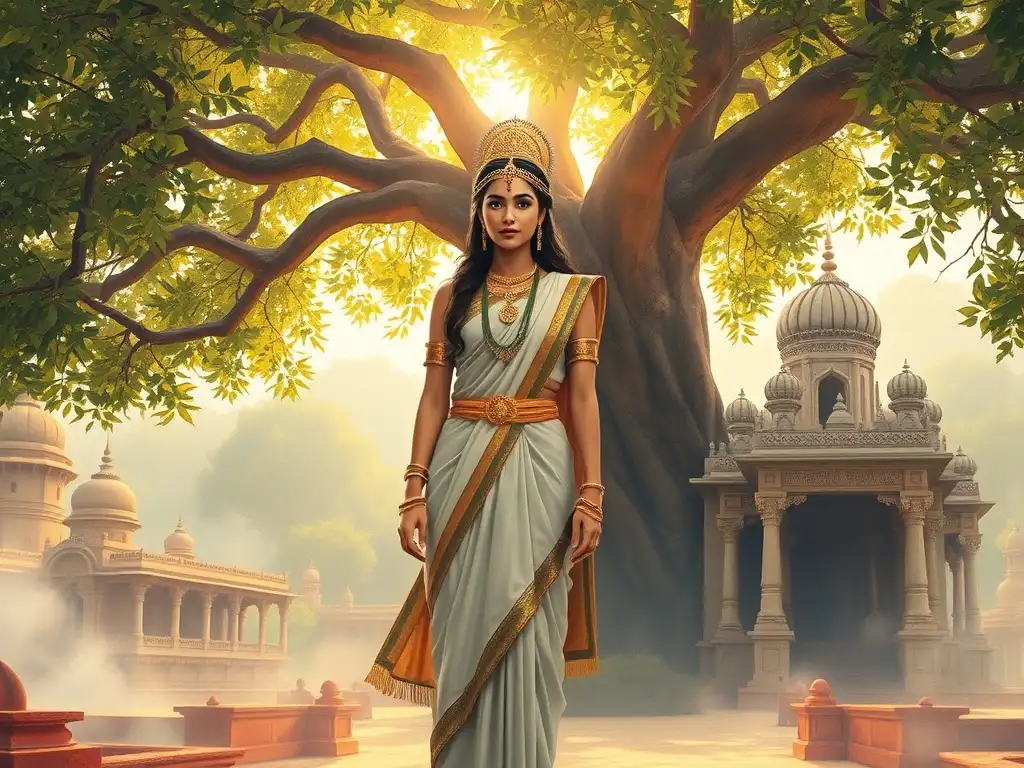
The history of ancient India is not only a tapestry of great kingdoms and remarkable events but also a rich narrative woven through the lives of its female figures. From the heroic tales of epic literature to the nuanced portrayals in philosophical texts, women have played pivotal roles that reflect the complexities of their society. The exploration of these female figures in ancient India reveals not only their contributions to literature but also their influence on cultural norms, societal structures, and the spiritual landscape of the time.
This article will delve into the significance of women in ancient Indian literature, highlighting iconic characters such as Sita and Savitri, who embody the virtues, struggles, and aspirations of their time. By examining these figures, we can better understand the multifaceted roles of women in ancient Indian society.
Importance of Women in Ancient Indian Literature
Women in ancient Indian literature serve as more than just characters; they are reflections of the societal values, religious beliefs, and cultural norms of their time. The presence of female figures in epics like the Ramayana and the Mahabharata illustrates their integral role in shaping the narratives that define Indian heritage.
- Cultural Significance: Female characters often symbolize ideals such as devotion, courage, and wisdom. Their stories resonate with moral lessons that have been passed down through generations.
- Social Commentary: The depiction of women in literature also provides insights into the status of women in society. For instance, characters like Draupadi challenge patriarchal norms and highlight the struggles faced by women.
- Religious and Mythological Context: Many female figures embody divine attributes. For example, Sita is not only a heroine but also revered as a goddess, reflecting the spiritual dimensions of womanhood in ancient texts.
Through these narratives, ancient literature preserves the complexities of women's roles, allowing modern readers to appreciate their contributions and the challenges they faced.
Overview of Iconic Female Characters
The rich tapestry of ancient Indian literature is adorned with numerous iconic female figures, each representing distinct virtues and life lessons. Here are a few notable characters:
- Sita: The heroine of the Ramayana, Sita epitomizes loyalty and self-sacrifice. Her journey through trials and tribulations highlights the strength of women in the face of adversity.
- Savitri: Known for her unwavering devotion, Savitri's story, told in the Mahabharata, exemplifies the power of love and determination, as she outwits the god of death to save her husband.
- Draupadi: A pivotal character in the Mahabharata, Draupadi's resilience against injustice and her role in the Kurukshetra War make her a symbol of empowerment and strength.
- Gargi and Maitreyi: These philosophers and scholars from the Brahmanas represent intellectual excellence and the pursuit of knowledge, breaking stereotypes of women in ancient times.
Each of these characters not only enriches the narrative landscape of ancient Indian literature but also serves as an inspiration, illustrating the diverse roles women occupied in a historically significant era. Through their stories, we gain insights into the values, struggles, and triumphs of women, making their contributions an essential part of understanding ancient Indian civilization.
Sita: The Ideal Woman in the Ramayana
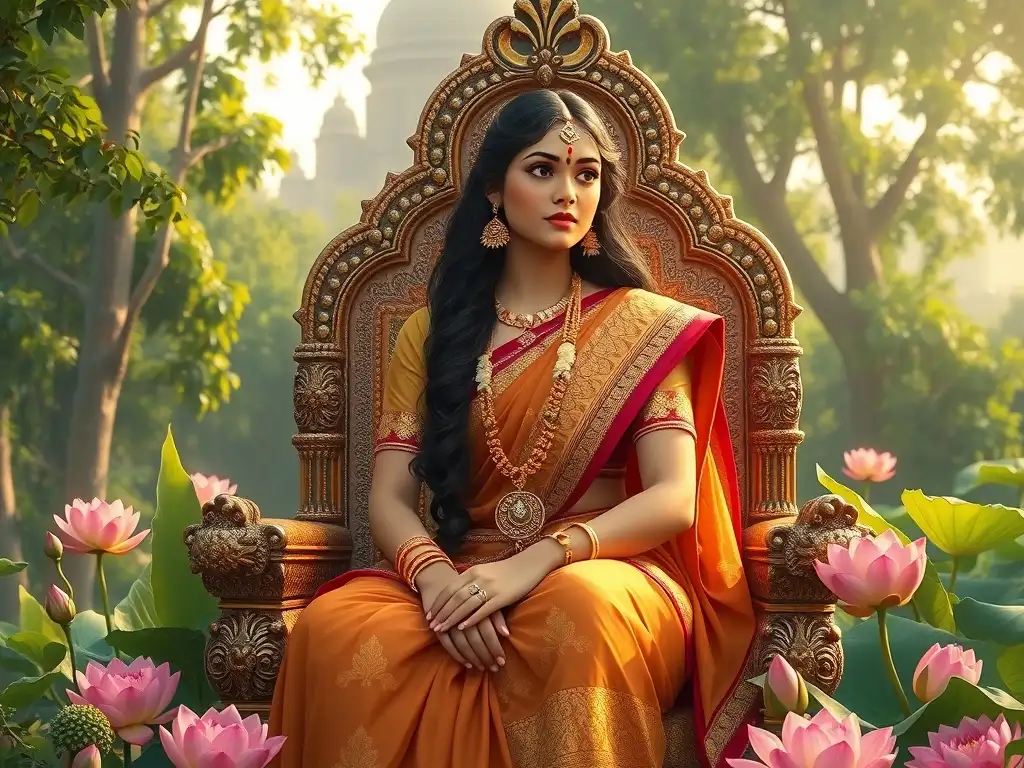
Sita's Role and Significance in the Epic
Sita, the central female figure in the Ramayana, is often hailed as the epitome of virtue, fidelity, and sacrifice. Her narrative begins with her birth from the earth, symbolizing her divine origins and her inherent purity. Throughout the epic, Sita's role transcends that of a mere wife; she embodies the moral compass of the narrative and serves as a catalyst for many of the events that unfold.
In the Ramayana, Sita is depicted as the devoted wife of Lord Rama, showcasing the ideals of loyalty and love. Her abduction by Ravana not only serves as the primary conflict of the story but also emphasizes her strength and resilience. Rather than succumbing to despair, Sita exhibits unwavering faith in Rama, consistently believing in his ability to rescue her. This unwavering faith is pivotal, as it ultimately drives Rama to confront and defeat Ravana, underscoring the theme of dharma (righteousness) that permeates the text.
Moreover, Sita's interactions with other characters, such as Hanuman and Lakshmana, reveal her wisdom and agency. She is not merely a passive figure; her actions and decisions significantly influence the narrative, challenging traditional gender roles of her time. The portrayal of Sita thus invites readers to explore the complexities of female identity and agency within the ancient Indian context.
Symbolism of Sita in Ancient Indian Society
Sita serves as a multifaceted symbol within ancient Indian society. She represents the ideal of patience and sacrifice, which were highly valued attributes for women in ancient texts. Her journey is often interpreted as a reflection of the societal expectations placed upon women, illustrating their roles as devoted wives and nurturing mothers. However, Sita's character also embodies the tension between these ideals and the harsh realities faced by women of her time.
In a broader context, Sita symbolizes the struggle between good and evil, embodying the moral and ethical dilemmas that arise in the pursuit of justice. Her steadfastness in the face of adversity positions her as a beacon of hope and strength for women, encouraging them to uphold their values even when faced with dire circumstances. This duality of Sita’s character resonates with the complexities of female existence and empowerment, making her an enduring figure in Indian literature.
Additionally, Sita's trials, particularly her agni pariksha (trial by fire), serve as a metaphor for purity and chastity, ideals that were deeply ingrained in ancient Indian culture. This event, while controversial, is often viewed as a testament to her strength and commitment to her husband, further reinforcing her status as a symbol of virtue and fidelity.
Lessons from Sita's Character
Sita’s character imparts several important lessons that transcend time and cultural boundaries. Firstly, her unwavering loyalty to Rama teaches the value of commitment in relationships, emphasizing that love often requires sacrifice. This aspect of her character encourages readers to reflect on the nature of devotion and the responsibilities that come with it.
Additionally, Sita’s resilience in the face of adversity provides a powerful lesson in courage. Despite the numerous challenges she encounters, including her abduction and the subsequent trials, Sita remains strong and dignified. This fortitude serves as an inspiration for women to stand firm in their convictions and to face life's challenges with grace.
Furthermore, Sita’s story prompts readers to question societal norms and the expectations placed on women. While she exemplifies the ideal woman of her time, her struggles also highlight the limitations imposed on women in ancient society. This duality encourages contemporary audiences to engage in discussions about gender roles, identity, and empowerment, making her a relevant figure in modern discourse on women's rights.
Sita is not merely a passive character confined to traditional roles; she is a dynamic figure whose story continues to resonate, offering insights into the complexities of female figures in ancient India. By examining her life and the lessons drawn from her character, we gain a deeper understanding of the rich tapestry of women's roles and contributions throughout history.
Savitri: The Empowered Woman in the Mahabharata
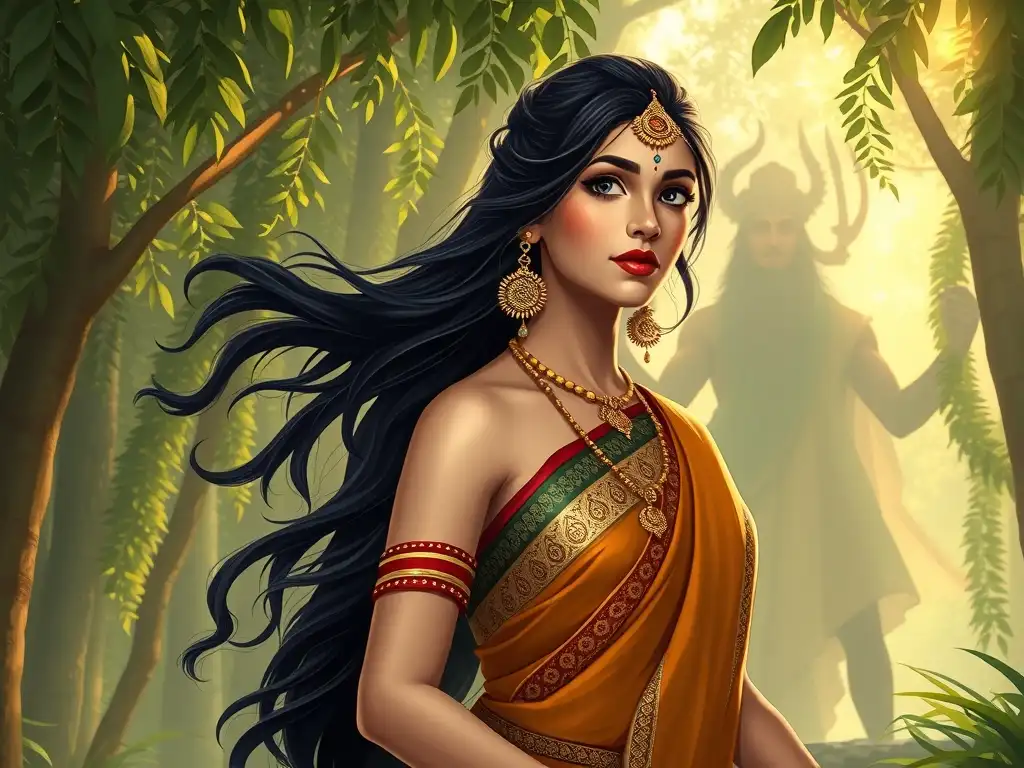
Savitri's Story and Her Trials
Savitri, a prominent female figure in ancient India, is celebrated for her remarkable story narrated in the Mahabharata. Her tale unfolds in a time when women's roles were largely confined to domestic spheres, yet Savitri defied these limitations. The epic recounts her unwavering determination to save her husband, Satyavan, from the clutches of death.
Savitri's journey begins when she chooses Satyavan, a prince living in exile, as her husband, despite knowing that he is destined to die within a year of their marriage. This act alone showcases her courage and conviction. When the fateful day arrives, Savitri's devotion is put to the ultimate test. As Yama, the god of death, comes to claim Satyavan, she does not simply succumb to despair; instead, Savitri engages in a profound dialogue with Yama, demonstrating her intelligence and strength.
Through her relentless efforts, Savitri confronts the challenges posed by fate itself. Her trials include not only the loss of her husband but also the societal expectations of women during that era. By refusing to accept her husband's death, she challenges the status quo and exemplifies the resilience and determination that define her character.
The Theme of Love and Sacrifice
At the heart of Savitri's narrative is the profound theme of love intertwined with sacrifice. Savitri's love for Satyavan transcends the physical realm, showcasing an emotional and spiritual bond that is central to her story. Her willingness to endure any hardship for the sake of her husband's life speaks volumes about the depth of her love.
In many interpretations of her story, sacrifice is not portrayed merely as a loss but as an act of strength. Savitri’s refusal to accept defeat in the face of death reveals that true love involves selflessness and resilience. She willingly sacrifices her comforts and security to pursue a path that will ultimately lead to Satyavan's revival.
Moreover, this theme resonates with the broader narrative of women's roles in ancient Indian society, where sacrifice was often expected of women. However, Savitri subverts this expectation by framing her sacrifice as a powerful choice rather than an imposed obligation. Her story reflects a nuanced understanding of love that encompasses both personal agency and collective responsibility.
Savitri as a Symbol of Strength and Determination
Savitri has emerged as an enduring symbol of strength and determination in ancient Indian literature. Her story is not merely a tale of love but a manifestation of the potential that women possess to challenge societal norms and assert their agency.
In the face of adversity, Savitri exemplifies mental fortitude and tactical intelligence. Her ability to engage Yama in conversation, outsmart him, and ultimately reclaim her husband illustrates not just her emotional strength but also her intellectual prowess. This multifaceted representation of strength positions Savitri as a role model for women across generations.
Furthermore, Savitri's tale has inspired numerous interpretations and adaptations in various forms of art, literature, and culture, serving as a potent reminder of women's resilience. By embodying the qualities of courage, loyalty, and determination, Savitri continues to inspire discussions surrounding female figures in ancient India and their vital roles in shaping societal narratives.
Savitri stands as a testament to the empowered woman in ancient Indian literature, embodying the intricate interplay between love, sacrifice, and strength. Her legacy endures as a powerful reminder of the significant contributions of female figures in shaping the cultural landscape of ancient India.
Other Notable Female Figures in Ancient Indian Literature
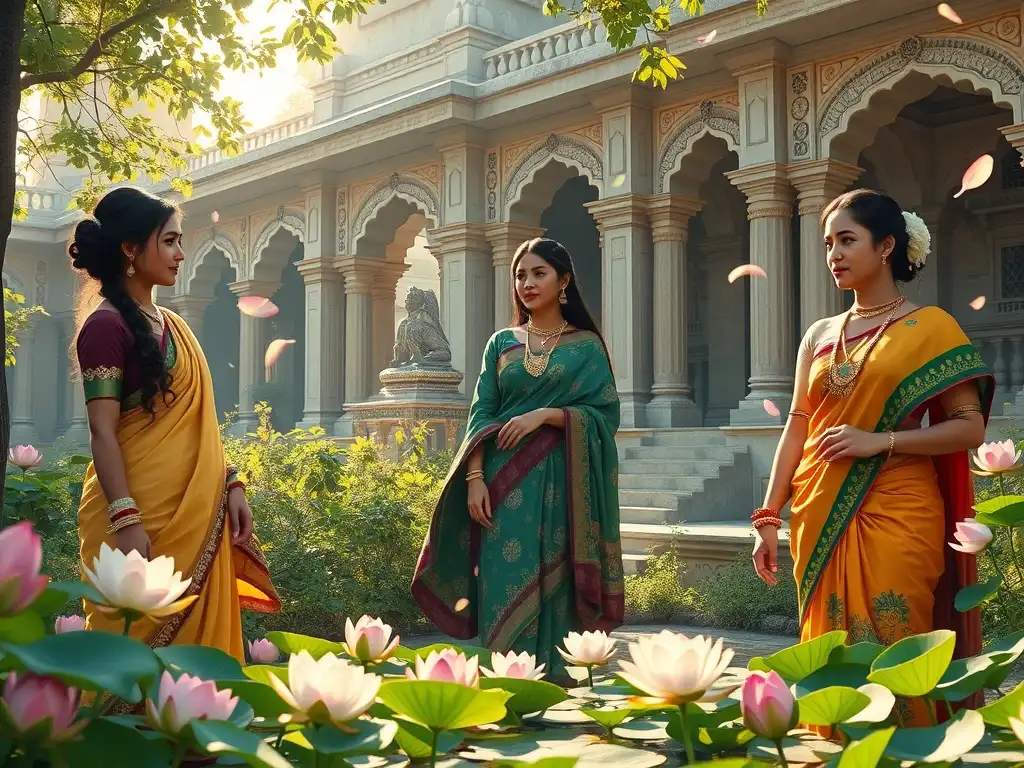
Draupadi: The Strong-Willed Queen
Draupadi, one of the central figures in the Indian epic Mahabharata, exemplifies strength and resilience in the face of adversity. Born from the fire, she is often referred to as "Panchali" or "the princess of Panchala." Her character is not just defined by her beauty but also by her fierce nature and unwavering commitment to justice.
- Strength in Adversity: Draupadi's strength becomes particularly evident during the infamous game of dice, where she is humiliated by the Kauravas. Rather than succumbing to despair, she invokes Lord Krishna, showcasing her deep faith and determination to uphold her dignity.
- A Symbol of Feminine Power: Draupadi's role as a wife to the five Pandavas reflects the complexities of female figures in ancient India. She navigates her relationships with wisdom and assertiveness, often influencing the decisions of her husbands and shaping the course of events in the epic.
- Legacy: Today, Draupadi is celebrated as a symbol of feminist strength, inspiring countless adaptations in literature, theater, and film. Her story emphasizes the importance of female voices in history and mythology, showcasing her as a formidable figure in ancient Indian literature.
Gargi: The Wise Philosopher
Gargi Vachaknavi, a renowned philosopher from the Upanishadic period, stands out as one of the earliest examples of women's intellectual contributions in ancient India. Known for her profound knowledge and philosophical inquiries, Gargi challenged the male-dominated discourse of her time.
- Contributions to Philosophy: Gargi's participation in philosophical debates, particularly during the court of King Janaka, illustrates her intellectual prowess. She is famously known for her questions about the nature of the universe and the essence of the self, which were critical in shaping early Indian philosophical thought.
- Recognition and Respect: Her dialogues are often presented in the Upanishads, where she is recognized and respected by male philosophers, an indication of her significant standing in a patriarchal society. This highlights not only her intellectual capabilities but also the possibility of women's engagement in scholarly pursuits during ancient times.
- Inspiration for Future Generations: Gargi's legacy continues to inspire women in academia today, representing the potential for women to contribute meaningfully to philosophical discourse and thought. Her life encourages modern scholars to recognize and celebrate the contributions of women in historical contexts.
Ahalya: The Redeemed Woman
Ahalya, a character from the Ramayana, encapsulates themes of redemption and transformation. Often portrayed as a victim of circumstances, her story reflects the societal attitudes towards women and their roles in ancient narratives.
- The Tale of Ahalya: According to the Ramayana, Ahalya was turned to stone by her husband, sage Gautama, after being deceived by Lord Indra. Her eventual redemption occurs when Lord Rama, during his journey to rescue Sita, touches the stone, restoring Ahalya to her original form. This narrative illustrates the complexities of female morality and virtue in ancient Indian literature.
- Symbol of Forgiveness and Redemption: Ahalya's story is often interpreted as a symbol of forgiveness and the possibility of redemption. It highlights the notion that women, despite facing societal condemnation, can be restored and revered, reflecting a nuanced understanding of female experiences.
- Cultural Impact: Ahalya's narrative has inspired numerous adaptations in various forms of art, including literature, dance, and drama. Her story serves as a reminder of the potential for change and the power of compassion in overcoming societal judgments faced by women.
The exploration of these notable female figures in ancient Indian literature showcases the diverse roles women played in shaping cultural narratives while highlighting their strength, wisdom, and resilience in a historically patriarchal society. The legacy of these figures continues to resonate today, emphasizing the importance of recognizing and celebrating the contributions of female figures in ancient India.
The Impact of These Female Figures on Ancient Indian Society
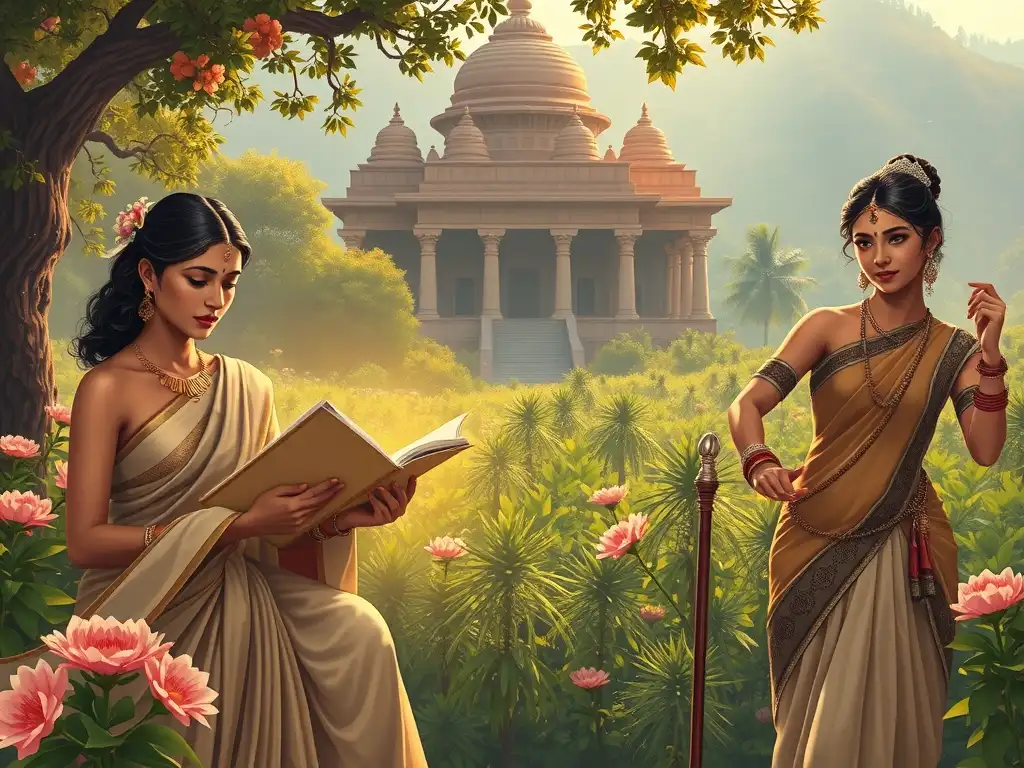
The portrayal of female figures in ancient Indian literature has been pivotal in shaping societal norms and values throughout history. These characters not only reflect the realities of their time but also influence the contemporary understanding of women's roles in society. By analyzing their stories, we can glean insights into the complexities of gender dynamics and societal expectations.
Representation of Women in Literature
Ancient Indian literature provides a rich tapestry of female representation, highlighting various archetypes and their significance. Prominent figures such as Sita from the Ramayana and Savitri from the Mahabharata exemplify different virtues and societal roles, showcasing the multifaceted nature of women in ancient narratives.
- Sita: Often regarded as the epitome of virtue and devotion, Sita's story reflects the ideals of womanhood in ancient India. Her unwavering loyalty to Rama, despite facing numerous trials, embodies the societal expectation of fidelity and sacrifice.
- Savitri: A symbol of determination and intelligence, Savitri's tale emphasizes the power of love and courage. Her ability to outwit Yama, the god of death, to save her husband demonstrates that women can possess agency and strength in a male-dominated environment.
These representations serve not only to entertain but also to instruct, reinforcing societal norms while simultaneously challenging them. The narratives allow women to be seen as complex characters with their own struggles, desires, and strengths, contributing to a richer understanding of gender roles in ancient India.
Cultural Reflections of Gender Roles
The cultural context of ancient India is deeply embedded in its literature, and the female figures within these narratives reflect the prevailing gender roles of their time. The stories often mirror the societal expectations imposed on women, including their roles as wives, mothers, and caretakers.
- Patriarchal Structures: Many tales depict the challenges faced by women within patriarchal frameworks, illustrating their struggle for autonomy while adhering to societal norms. For instance, characters often navigate familial duties and societal expectations, revealing the tension between personal desires and communal responsibilities.
- Symbolism of Female Figures: Women often serve as symbols within these narratives. For example, Sita's trials can be interpreted as a critique of the rigid standards of female behavior, prompting readers to question the fairness of such expectations. Similarly, Savitri's cleverness can be seen as a subtle rebellion against the constraints placed upon women.
Overall, these cultural reflections provide valuable insights into the historical context of women's roles in society, revealing both the limitations imposed on them and the ways in which they navigated these challenges.
Influence on Modern Interpretations of Gender
The legacy of these iconic female figures continues to resonate in contemporary discussions of gender roles. Modern interpretations of ancient texts often re-examine these characters through a feminist lens, allowing for a more nuanced understanding of their contributions to society.
- Re-evaluation of Characters: Scholars and authors are increasingly revisiting the narratives of figures like Sita and Savitri, exploring their complexities beyond traditional interpretations. This re-evaluation encourages a dialogue about the evolving perceptions of women's roles, emphasizing their strength and agency.
- Cultural Relevance: The stories of these female figures have inspired countless adaptations in literature, theater, and film, reflecting their enduring relevance. By examining their narratives, modern audiences can draw parallels to contemporary gender issues, fostering a deeper appreciation for the struggles and triumphs of women throughout history.
The impact of these female figures in ancient India extends far beyond their literary origins. They serve as catalysts for ongoing discussions about gender equality, identity, and the role of women in society, ensuring that their stories remain significant in the modern era.
Conclusion: The Legacy of Female Figures in Ancient India
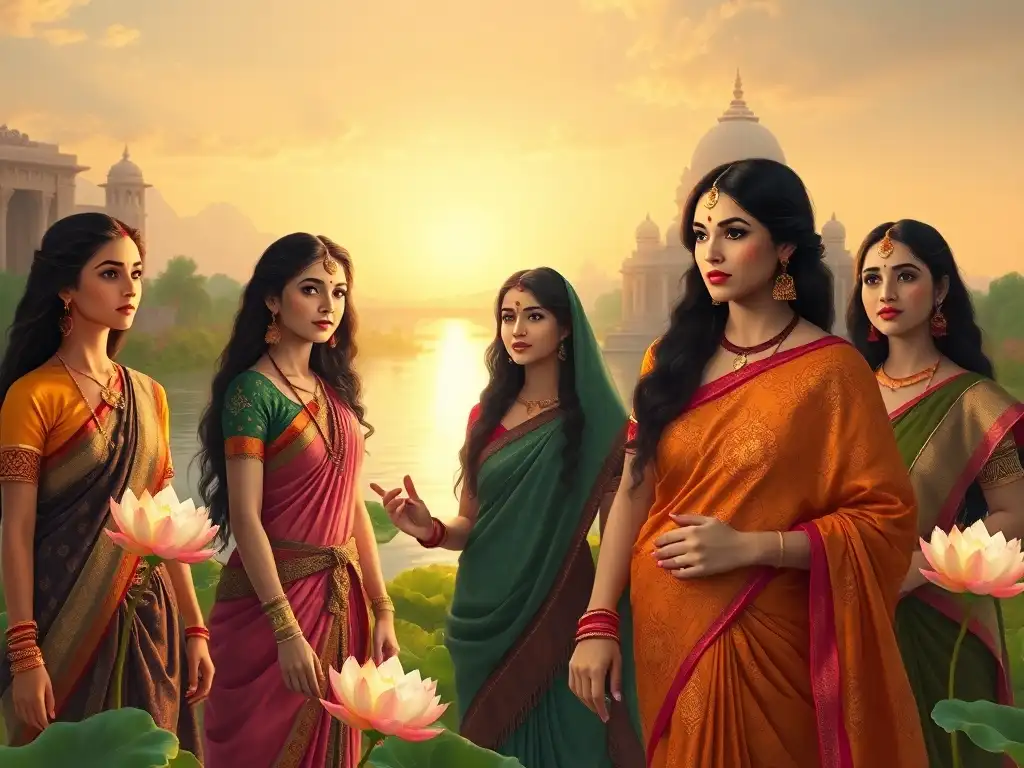
The legacy of female figures in ancient India is profound and multifaceted, shaping both historical narratives and cultural identities. Women such as Sita, Savitri, and others have transcended their textual confines to become symbols of virtue, strength, and resilience. Their stories serve as powerful reminders of the potential and agency of women in a society that has often been patriarchal. These narratives not only reflect the values and norms of their time but also challenge contemporary readers to reconsider the roles of women throughout history.
Relevance of Their Stories in Contemporary Society
The stories of iconic female figures in ancient India resonate strongly in today's world. They provide a framework for understanding the complexities of women's roles across different social strata and historical contexts. For instance, Sita's unwavering devotion and strength in the face of adversity can inspire modern women to stand firm in their beliefs and choices. Similarly, Savitri's determination and cleverness in outsmarting Yama, the god of death, serves as a reminder of the power of love and intellect.
- Cultural Identity: These figures contribute to cultural identity, encouraging a sense of pride and continuity among women today. Their stories are often invoked in discussions around feminism, agency, and empowerment.
- Social Commentary: The narratives often serve as social commentaries on the roles and expectations of women, encouraging modern society to reflect on progress made and challenges that remain.
- Feminist Perspectives: Scholars and activists draw on these ancient texts to argue for women's rights and equality, framing their struggles in a historical context that highlights the ongoing fight for gender justice.
Continuing the Discourse on Women's Roles in Literature
The discourse surrounding women's roles in ancient Indian literature is ongoing and dynamic. As scholars continue to analyze these texts, new interpretations emerge that shed light on the complexities of female experiences in ancient times. The following aspects are crucial for continuing this discourse:
- Interdisciplinary Approaches: Incorporating perspectives from history, sociology, and gender studies can enrich our understanding of women's roles in ancient literature. This multifaceted approach allows for a deeper exploration of the social, political, and cultural contexts that shaped these narratives.
- Representation and Empowerment: Modern adaptations and retellings of these stories can empower contemporary audiences by showcasing the richness of female experiences. Literature, theater, and film adaptations can bring these iconic figures to life, making them accessible and relatable to new generations.
- Critical Engagement: Encouraging critical engagement with ancient texts can challenge traditional interpretations that may reinforce stereotypes or diminish the agency of female characters. This engagement can foster discussions about women's roles in society, both historically and presently.
The exploration of female figures in ancient India is not just an academic pursuit; it is a vital part of understanding women's contributions to society and culture throughout history. By continuing to engage with these narratives, we can honor their legacies while fostering a more inclusive and equitable discourse on women's roles in literature and society today.
Frequently Asked Questions
What are some iconic female figures in ancient Indian literature?
Some iconic female figures include Sita, the devoted wife in the Ramayana, and Savitri, known for her unwavering devotion and strength in the Mahabharata.
How did female figures contribute to ancient Indian culture?
Female figures often embodied virtues such as devotion, strength, and sacrifice, influencing societal values and cultural narratives in ancient India.
What role did Sita play in ancient Indian literature?
Sita represents ideal womanhood and loyalty, facing numerous trials that highlight her strength and resilience throughout the Ramayana.
Why are female figures significant in the study of ancient Indian history?
Studying female figures reveals insights into the societal roles, gender norms, and cultural values of ancient Indian civilizations, emphasizing their contributions to history.
How do the stories of these women reflect ancient Indian values?
The narratives of these female figures often reflect values like dharma (righteousness), devotion, and sacrifice, serving as moral lessons for society.
Final Reflection: Celebrating the Resilience of Female Figures in Ancient India
The exploration of female figures in ancient India reveals a profound connection between their narratives and the contemporary struggles for gender equality. These iconic characters, such as Sita and Savitri, not only embody strength and resilience but also serve as timeless symbols of empowerment. In a world still grappling with gender biases, their stories resonate deeply, reminding us that the fight for women's rights is not a new battle but a continuation of a long-standing legacy.
The influence of these legendary women extends beyond literature; they have shaped cultural and social paradigms throughout history. Their tales inspire countless individuals to challenge societal norms and advocate for change. As we reflect on their journeys, we recognize the importance of these narratives in fostering a deeper understanding of women's roles in society. The stories we tell shape the world we live in.
This quote encapsulates the essence of how ancient female figures continue to inspire modern movements for equality and justice.
As we move forward, let us take a moment to reflect on the lessons these iconic women impart. Consider how their strength and determination can inspire you in your own life. Whether it’s standing up against injustice or supporting the women around you, remember that every action contributes to the larger narrative of empowerment. Embrace the legacy of Sita and Savitri, and let their stories guide you in creating a more equitable future for all.
Unveil the Power of Ancient Heroines!
Thank you for diving deep into the inspiring world of legendary female figures in ancient Indian literature! You've explored how the tales of Sita, Savitri, and other iconic women bring timeless wisdom to modern lives. Now, it’s time to take their strength and resilience into your own journey!
Here’s how you can connect further with these incredible stories:
- Dive into the Stories: Explore more literature and folklore that highlight strong women. Look for books, podcasts, or articles that celebrate these narratives to keep the inspiration flowing.
- Share Your Insights: Join the conversation! Share what you've learned with friends or on social media. Your voice can inspire others to reconnect with these powerful tales.
- Celebrate Heroines in Your Life: Reflect on and recognize the inspiring women in your own life. Who embodies the spirit of these legendary figures in your community? Celebrate them and their stories!
As you consider these actions, let me ask you: Which iconic figure's story resonates with you the most, and how will you incorporate her strength into your daily life?