
Female Warriors of Ancient India: Legends of Courage and Strength

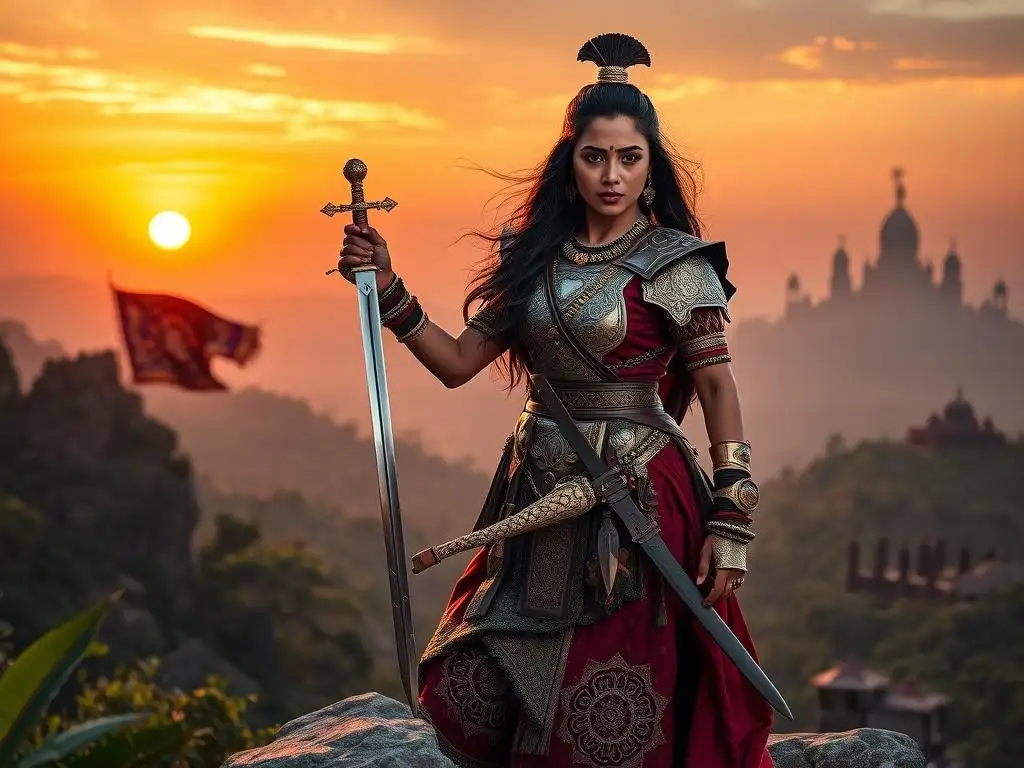
Welcome to Ancient India History, where we embark on a journey through the tapestry of time, exploring the profound and diverse legacies of ancient Indian civilizations. From the enigmatic Indus Valley to the illustrious Gupta Empire, every corner of this rich history tells a tale of valor and resilience. In our featured article, “Female Warriors of Ancient India: Legends of Courage and Strength,” we delve into the remarkable stories of women who defied conventions and emerged as formidable warriors.
What did their courage mean for their societies, and how did they shape the narratives of their time? Join us as we uncover the powerful roles women played in ancient India, and prepare to be inspired by their extraordinary contributions.
Introduction to Female Warriors in Ancient India
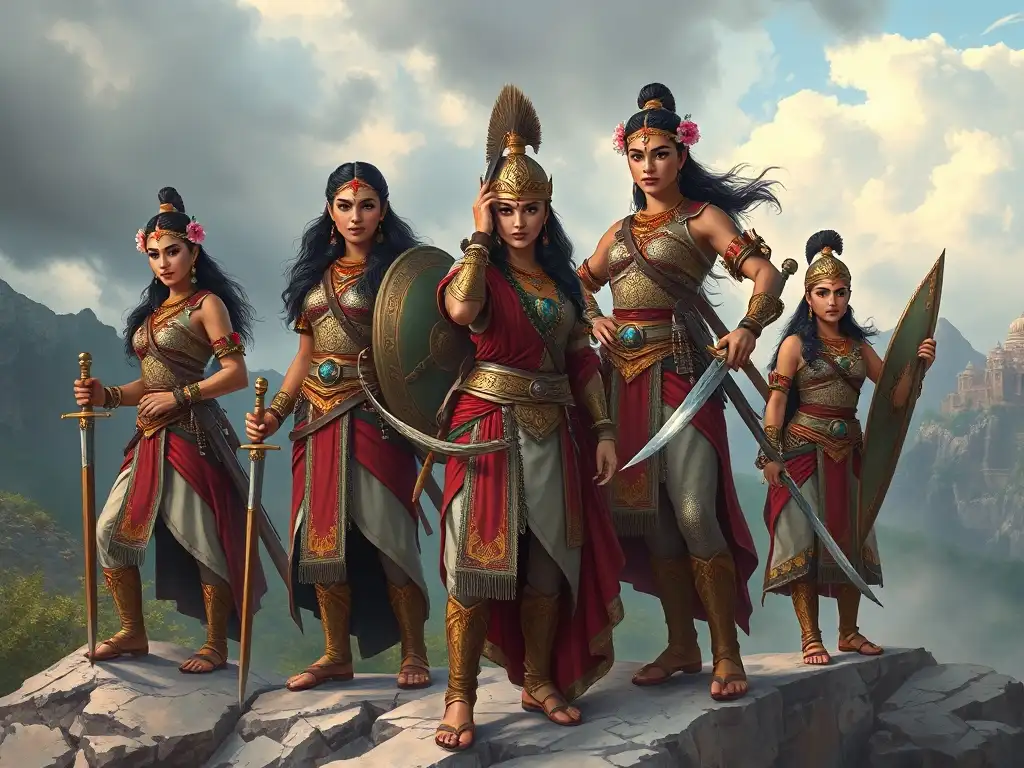
The narrative of ancient India is often dominated by tales of grand kingdoms, epic battles, and legendary heroes. However, woven into this rich tapestry of history are the remarkable stories of female warriors who defied societal norms and emerged as symbols of courage and strength.
These women, often overlooked in mainstream historical accounts, played pivotal roles not just in warfare but also in shaping the cultural and social fabric of their times. From the fierce queens who led armies to the skilled archers and swordswomen, the female warriors in ancient India represent a legacy of resilience and empowerment that continues to inspire modern generations.
Overview of Women's Roles in Ancient Indian Society
In ancient Indian society, women occupied various roles, ranging from homemakers to influential figures in politics and warfare. While traditional narratives often depict women as passive participants, evidence suggests that many were actively engaged in the defense of their realms and communities. Women's roles varied significantly across different regions and time periods, with some enjoying greater autonomy and influence than others.
- Social Status: Women of noble birth often received education and training in arts, literature, and combat.
- Cultural Contributions: Female figures contributed to religious rituals, literature, and arts, thus shaping the cultural landscape.
- Military Involvement: Women not only supported male warriors but also took up arms, leading troops in battle during times of conflict.
Importance of Female Warriors in Historical Context
The presence of female warriors in ancient India is crucial for understanding the broader historical context of gender roles and societal structures. Their involvement in warfare challenges the conventional perceptions of femininity and highlights the complexity of women's contributions to society.
- Challenging Norms: Female warriors often defied traditional gender roles, asserting their rights to participate in military affairs.
- Symbol of Resistance: In times of invasion and strife, women like Rani Lakshmibai became symbols of resistance, inspiring future generations to fight for their rights and freedoms.
- Historical Legacy: The stories of these women contribute to a richer understanding of India's past, illustrating how gender dynamics influenced historical events.
Historical Background of Female Warriors in Ancient India
To fully appreciate the impact of female warriors in ancient India, it is essential to examine the historical background that fostered their emergence. This exploration reveals the contexts in which women became prominent figures in military history.
Early Civilizations and the Emergence of Female Warriors
The roots of female warriors in ancient India can be traced back to early civilizations, where women played critical roles in both domestic and public spheres. Archaeological findings from sites like the Indus Valley Civilization suggest that women were not only engaged in agriculture and trade but also participated in religious and possibly military activities.
- Indus Valley Civilization: Evidence of women participating in various societal roles, indicating a complex social structure.
- Epic Literature: Texts such as the Mahabharata and Ramayana feature powerful female characters, highlighting their potential in warfare and leadership.
Notable Periods in Ancient Indian History
Throughout different dynasties and empires, the role of female warriors evolved, with notable periods marked by their significant contributions.
- Rajput Era: This period is renowned for its warrior queens like Rani Padmini and Rani Durgavati, who led their armies against formidable foes.
- Gupta Empire: Women during this time enjoyed relative freedom, and some took on military roles, showcasing their capabilities in combat.
- Mughal Period: The later Mughal era saw women like Begum Hazrat Mahal actively participating in uprisings, demonstrating that the legacy of female warriors continued to thrive.
The stories of female warriors in ancient India are not just tales of valor; they represent the strength, resilience, and enduring spirit of women who played indispensable roles in their societies. As we delve deeper into their lives and legacies, we uncover a rich history that celebrates the courageous and influential women of ancient India.
Prominent Female Warriors in Ancient India
Ancient India is rich with stories of strong and courageous women who played significant roles in battles and warfare. These female warriors, often overshadowed by their male counterparts, showcased remarkable resilience and leadership during tumultuous times. Their tales of valor and commitment to their kingdoms continue to inspire generations. Here we explore some of the most prominent female warriors in ancient India.
Rani Lakshmibai: The Queen of Jhansi
Rani Lakshmibai, the valiant queen of Jhansi, is perhaps one of the most celebrated female warriors in Indian history. Born in 1828, she became the queen after marrying Maharaja Gangadhar Rao. Following the death of her husband and the subsequent annexation of Jhansi by the British under the Doctrine of Lapse, Lakshmibai emerged as a formidable leader during the Indian Rebellion of 1857.
With unparalleled bravery, she led her troops into battle, donning a warrior's attire and fighting alongside her soldiers. Her tactical skills were evident in several key confrontations, particularly during the defense of Jhansi in 1858. Rani Lakshmibai's legendary escape from the besieged city, her fierce resistance against British forces, and her eventual martyrdom in battle have made her an enduring symbol of courage and nationalism in India. She remains an icon of female empowerment and strength, inspiring countless stories, plays, and films.
Chand Bibi: The Warrior Queen of Ahmednagar
Chand Bibi, an astute and courageous ruler, was the queen of Ahmednagar in the late 16th century. Born into the royal family of the Deccan Sultanates, she was well-educated and skilled in governance and warfare. When her kingdom came under threat from the Mughal Empire, Chand Bibi took command of her forces, showcasing her exceptional leadership capabilities.
Her most notable achievement was the defense of Ahmednagar against the Mughal siege led by Emperor Akbar's general, Mirza Aziz Koka. Chand Bibi's strategic acumen and ability to inspire her soldiers were evident as she successfully repelled the Mughal advances for several months. Unfortunately, after a series of betrayals and misunderstandings, she met her end in a tragic turn of events, yet her legacy as a strong female leader and warrior endures. Chand Bibi is celebrated for her dedication to her people and her fearless spirit in the face of overwhelming odds.
Other Notable Female Figures in Ancient Warfare
In addition to Rani Lakshmibai and Chand Bibi, several other women made significant contributions to warfare in ancient India.
- Draupadi: A central character in the Mahabharata, Draupadi is often regarded as a symbol of strength and resilience. Her role in instigating the Kurukshetra War showcases her influence and courage.
- Rani Durgavati: The queen of Gondwana in the 16th century, Rani Durgavati is remembered for her valor against the Mughal forces. She fought fiercely to protect her kingdom until her last breath.
- Kittur Rani Chennamma: The first woman to lead a rebellion against the British in 1824, she fought valiantly to protect her kingdom and her people from colonial rule.
These women, alongside many others, have left an indelible mark on the history of warfare in India, illustrating the crucial roles that women played in shaping the course of history.
Traits and Attributes of Female Warriors in Ancient India
The female warriors of ancient India were not just remarkable for their courage; they possessed a range of traits and attributes that enabled them to excel in the male-dominated sphere of warfare. Their resilience, intelligence, and skills were essential in their fight for justice, freedom, and honor.
Courage and Bravery as Defining Characteristics
Courage and bravery stand out as defining characteristics of female warriors in ancient India. These women faced insurmountable odds, often battling not only enemies on the battlefield but also societal norms that sought to restrict their roles. Their willingness to take up arms in defense of their kingdoms speaks to their unwavering spirit and determination.
- Fearlessness: Many of these warriors displayed exceptional fearlessness, charging into battle with the same fervor as their male counterparts.
- Resilience: The ability to withstand personal loss, betrayal, and hardship was a common trait among these women, allowing them to emerge stronger in adversity.
Their stories serve as a testament to the fact that valor knows no gender.
Skills and Training of Women Warriors
The skills and training of women warriors in ancient India were crucial in preparing them for the challenges of warfare. Many of these women engaged in rigorous training and were well-versed in various martial arts and combat techniques.
- Martial Arts: Female warriors practiced martial arts, equipping them with the skills necessary for hand-to-hand combat and weaponry. Techniques such as archery, sword fighting, and horseback riding were integral parts of their training.
- Strategic Acumen: Beyond physical skills, many women exhibited sharp strategic minds, capable of devising effective battle plans. Their ability to think critically under pressure often turned the tide of battle in their favor.
The combination of physical prowess, tactical intelligence, and unwavering spirit made these female warriors formidable figures in ancient Indian history. Their contributions continue to resonate, highlighting the essential roles women played in shaping the narratives of their time.
Cultural Depictions of Female Warriors in Ancient India
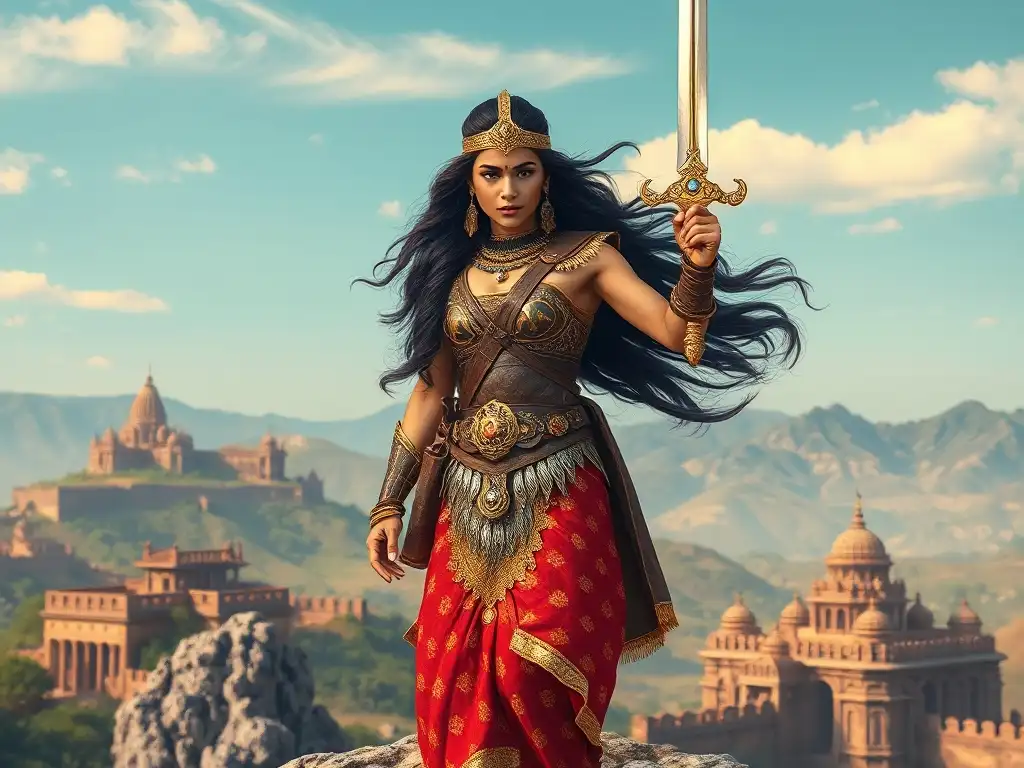
The portrayal of female warriors in ancient India is a fascinating aspect of the region's rich cultural tapestry. Through various forms of art, literature, and folklore, these women have been immortalized as symbols of strength, valor, and resilience. From the legendary tales of queen warriors to the celebrated exploits of mythological figures, these narratives have shaped the cultural understanding of women's roles in society. The depictions often highlight not only their martial prowess but also their strategic acumen and leadership qualities, presenting them as formidable figures in a predominantly patriarchal context.
Representation in Literature and Folklore
In ancient texts and folklore, female warriors often emerge as central characters who defy the norms of their times. The epic narratives like the Mahabharata and Ramayana feature remarkable women such as Draupadi and Sita, who, though not warriors in the conventional sense, exhibit strength and resilience in the face of adversity.
Additionally, local folklore across various regions recounts tales of women like Rani Lakshmibai of Jhansi, who became legendary for her valiant efforts during the First War of Independence in 1857. These stories not only celebrate their courage but also serve as powerful symbols of resistance against oppression, inspiring future generations of women to embrace their strength and fight for justice.
Influence of Religion and Mythology on Female Warrior Narratives
Religion and mythology have played a significant role in shaping the narratives surrounding female warriors in ancient India. Deities like Durga and Kali are often depicted as fierce warrior goddesses, embodying the principles of strength and protection. These representations serve a dual purpose: they not only provide divine validation for women's empowerment but also inspire real-life warriors to emulate these goddesses.
The tales of these divine figures bolster the belief that women can engage in battle and possess formidable power. This intertwining of spiritual strength with martial valor reinforces the idea that women have historically been integral to both warfare and the protection of societal values.
The Legacy of Female Warriors in Ancient India
The legacy of female warriors in ancient India extends far beyond their immediate historical context. Their contributions have left a lasting impact on the cultural landscape, influencing the roles and perceptions of women in society. By challenging traditional gender roles, these women not only created a space for future female leaders but also inspired movements that advocate for women's rights and empowerment.
Impact on Subsequent Generations of Women
The stories of female warriors have served as sources of inspiration for generations of women, encouraging them to challenge societal norms and pursue paths of strength and leadership. Historical figures like Rani Durgavati and Razia Sultana are celebrated as icons of bravery and independence, reminding contemporary women of their potential to effect change.
Their legacies motivate women to take on roles traditionally dominated by men, whether in politics, military service, or community leadership. By showcasing the courage and determination of their predecessors, today's women are empowered to forge their own paths and strive for equality in all spheres of life.
Contribution to National Identity and Resistance Movements
Female warriors have significantly contributed to the national identity of India, particularly during times of resistance against colonial powers. Figures like Rani Lakshmibai not only symbolized the fight for freedom but also represented the collective strength of women in the struggle for independence. Their courageous actions have been commemorated in various forms, including literature, art, and public celebrations, reinforcing the idea that women played a vital role in national movements. The narratives of these warriors continue to resonate in contemporary discussions about patriotism and resistance, reminding society of the integral role women have played in shaping the nation’s history.
Conclusion: Celebrating the Legacy of Female Warriors in Ancient India
The legacy of female warriors in ancient India is a testament to the courage, strength, and indomitable spirit of women throughout history. These remarkable figures, ranging from the fierce Rani Lakshmibai to the legendary warriors of the Rajput clans, have not only contributed to the military prowess of their respective kingdoms but also inspired generations to stand against oppression and fight for justice.
Their stories remind us that women have always played a crucial role in shaping history, often in ways that have been overlooked or forgotten. By celebrating their contributions, we acknowledge the multifaceted roles that women have held in society, transcending traditional boundaries and stereotypes.
Moreover, the tales of these female warriors serve as a source of empowerment for modern women, encouraging them to embrace their strength and resilience. It is essential to bring these stories into the limelight, ensuring that the remarkable feats of these women are recognized and appreciated. Their legacies are not just historical accounts but are also relevant in contemporary discussions about gender equality and women's rights, demonstrating that strength and courage are not confined by gender.
The Importance of Remembering Their Stories
Remembering the stories of female warriors in ancient India is vital for several reasons. First and foremost, it preserves the rich tapestry of India's history, highlighting the diverse contributions of women in shaping the nation's culture and values. These narratives challenge the traditional male-centric views of history and provide a more balanced understanding of the past. By acknowledging the roles of female warriors, we are reminded that leadership and bravery are qualities that know no gender.
Additionally, the stories of these women serve as powerful symbols of resistance and empowerment. They inspire current and future generations to fight for their rights and stand up against injustice. In an era where gender equality remains a pressing issue, these historical examples can motivate women to pursue leadership roles and challenge societal norms. The resilience displayed by these female warriors can foster a sense of pride and identity, encouraging individuals to embrace their heritage while advocating for change.
Call to Action: Understanding and Honoring Female Strength in History
In light of the incredible contributions of female warriors in ancient India, it is crucial to actively engage in understanding and honoring their strength. Here are some ways to do so:
- Educate Yourself and Others: Dive deep into the histories of these remarkable women and share their stories within your community. Books, documentaries, and academic works can provide valuable insights and context.
- Support Gender Equality Initiatives: Engaging with organizations that promote women's rights can help honor the legacies of these warriors. Support campaigns that advocate for equal opportunities and representation for women in all fields.
- Celebrate Cultural Events: Participate in cultural festivals or events that commemorate the contributions of women in history. This can help keep their legacies alive and inspire a sense of community.
- Promote Female Leadership: Encourage and support women in leadership roles across various sectors, recognizing that the strength exhibited by female warriors is still relevant today.
By taking these steps, we can ensure that the stories of female warriors in ancient India continue to resonate, inspiring future generations to embrace their own strength and potential. Let us honor their courage and ensure that their legacies are forever celebrated in our collective consciousness.
- Introduction to Female Warriors in Ancient India
- Historical Background of Female Warriors in Ancient India
- Prominent Female Warriors in Ancient India
- Traits and Attributes of Female Warriors in Ancient India
- Cultural Depictions of Female Warriors in Ancient India
- The Legacy of Female Warriors in Ancient India
- Conclusion: Celebrating the Legacy of Female Warriors in Ancient India
- What role did female warriors play in ancient Indian society?
- Can you name some notable female warriors from ancient India?
- How did the portrayal of female warriors impact Indian culture?
- What were some common attributes of female warriors in ancient Indian legends?
- How has the recognition of female warriors evolved in modern India?
Frequently Asked Questions
What role did female warriors play in ancient Indian society?
Female warriors in ancient India showcased courage and strength, often participating in battles and defending their kingdoms, thus challenging traditional gender roles.
Can you name some notable female warriors from ancient India?
Prominent female warriors include Rani Lakshmibai, who led her forces during the 1857 uprising, and Chand Bibi, known for her defense of Ahmednagar against the Mughals.
How did the portrayal of female warriors impact Indian culture?
The stories of female warriors inspired courage and empowerment, contributing to a cultural legacy that celebrates women's strength and resilience in the face of adversity.
What were some common attributes of female warriors in ancient Indian legends?
Legends often depicted female warriors as brave, strategic, and fiercely loyal, highlighting their integral role in battles and their dedication to their communities and families.
How has the recognition of female warriors evolved in modern India?
In contemporary India, there is a growing acknowledgment of female warriors, with their stories being celebrated in literature, education, and media, fostering a deeper appreciation for women's contributions in history.
Final Reflection: Celebrating the Legacy of Female Warriors in Ancient India
The stories of female warriors in ancient India resonate profoundly in today's society, reminding us of the indomitable spirit and strength that women have exhibited throughout history. These legends of courage and resilience are not merely tales of the past; they serve as powerful reminders of the potential that lies within every woman to challenge norms and fight for justice. In an era where gender equality is still a pressing issue, the bravery of these women inspires us to continue the fight for recognition and empowerment.
The influence of these remarkable female figures extends far beyond their historical context, shaping cultural narratives and social movements even today. They have become symbols of strength and defiance, encouraging women to reclaim their narratives and assert their rights. As we reflect on their legacies, we are reminded of the words of the renowned poet Maya Angelou: I am a woman, phenomenally. Phenomenal woman, that's me.
This sentiment encapsulates the essence of what these warriors represent—a celebration of femininity and strength that transcends time.
As we conclude our exploration of the female warriors of ancient India, I invite you to reflect on their stories and consider how you can embody their courage in your own life. Let their legacies inspire you to challenge societal norms, advocate for equality, and support the empowerment of women around you. Together, we can honor these legends by ensuring that their spirit of bravery and resilience continues to thrive in our modern world.
Unleash the Legacy of Bold Female Warriors!
Thank you for joining us on this journey through the inspiring tales of female warriors in ancient India. Their legends of courage and strength remind us that empowerment knows no bounds. Now, it’s time to step into their legacy and take action!
- Immerse yourself in these stories: Choose one warrior from this article and explore her life further. Read biographies or watch documentaries to uncover even more inspiring details about her journey.
- Share the stories: Inspire your friends and family! Share this article or discuss it on social media using the hashtag #AncientIndianWomenWarriors to honor these remarkable figures.
- Join the conversation: Visit our community forum here and explore threads on female empowerment throughout history. Share your insights or start your own discussion!
Which legendary female warrior resonates with you the most, and how will you embody her courage in your own life?