
The Art of War: Military Strategies and Conflicts in Eastern India's History

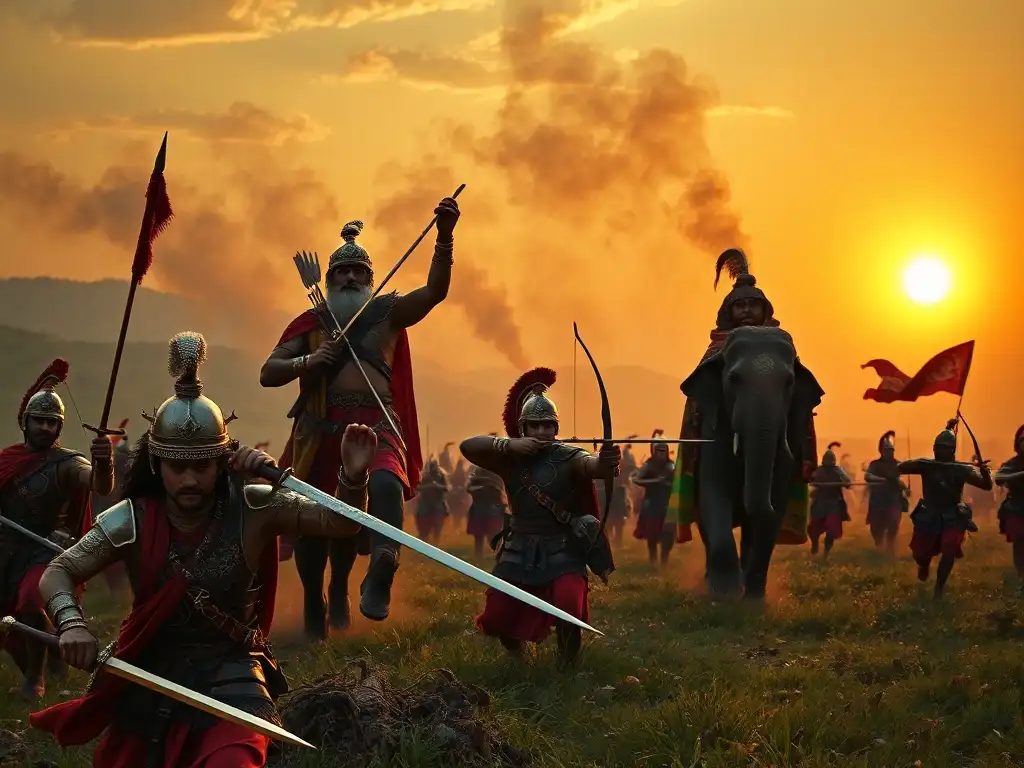
Welcome to Ancient India History, where we embark on a captivating journey through the rich tapestry of India's past. In our exploration of the military strategies in ancient India, we unravel the intricate techniques and tactics that shaped the conflicts of Eastern India, from the formidable Indus Valley to the illustrious Gupta Empire. Prepare to be intrigued as we delve into the Art of War and discover how these strategies not only influenced battles but also left a lasting impact on the cultural landscape of the region.
Curious about the warriors, their battles, and the legacies they forged? Join us as we uncover the stories that have shaped a civilization!
The history of Eastern India is a tapestry woven with intricate tales of valor, strategy, and conflict that shaped the course of its civilizations. From the ancient city-states of the Indus Valley to the grandeur of the Gupta Empire, military strategies in ancient India not only reflect the art of warfare but also the socio-political dynamics of the time.
This article delves into the various military tactics, formations, and significant battles that characterized the region, highlighting how these strategies were influenced by geography, culture, and technological advancements. As we embark on this exploration, we will uncover the essential role that warfare played in shaping Eastern India’s history and its lasting impact on the subcontinent's cultural heritage.
The Historical Context of Military Strategies in Eastern India
Eastern India, known for its rich cultural heritage and economic significance, has been a pivotal region for various dynasties and empires. The military strategies employed here were often a reflection of the local geography, from the dense forests of Bengal to the fertile plains of Bihar. Understanding this context is crucial to comprehending how these strategies evolved over time.
- Geography and Warfare:
- The diverse landscapes influenced troop movements and battle tactics.
- River systems, such as the Ganges and Brahmaputra, served as natural defenses as well as transportation routes for armies.
- Cultural Influences:
- The blending of various cultures led to unique military practices and strategies.
- Festivals and local customs often intertwined with military campaigns, showcasing the integration of warfare into daily life.
Key Military Strategies Employed in Eastern India
The military strategies in ancient Eastern India were multifaceted, drawing from both indigenous practices and influences from neighboring regions. Some notable strategies included:
- Guerrilla Warfare:
- Smaller, mobile units often utilized the terrain to their advantage, launching surprise attacks on larger forces.
- This tactic was particularly effective in the densely forested areas of Bengal.
- War Elephants:
- Elephants were not only used for transportation but also as a psychological weapon in battle.
- Their presence could turn the tide of war, as seen in several historical conflicts.
- Siege Warfare:
- Fortifications were a common feature in Eastern Indian cities, prompting the development of siege tactics.
- The use of siege engines and blockade strategies became prominent during significant conflicts.
Notable Conflicts and Their Impact on Eastern India
Several key battles and conflicts marked the military landscape of Eastern India, each contributing to the evolution of military strategies. Notable examples include:
- The Battle of Kalinga (261 BCE):
- A pivotal conflict in India’s history that led to significant changes in Mauryan policies and warfare.
- Emperor Ashoka's conversion to Buddhism post-battle emphasizes the profound impact of warfare on cultural shifts.
- The Pala Empire's Military Campaigns:
- The Pala Dynasty (8th to 12th centuries CE) is known for its advanced military organization and strategies.
- Their conflicts with the Gurjara-Pratiharas and the Rashtrakutas showcased the importance of alliances and naval power.
Conclusion
Understanding the military strategies in ancient India, particularly in the context of Eastern India, offers invaluable insights into the region's history and cultural evolution. The complexities of warfare, influenced by geographic and socio-political factors, not only shaped the outcomes of battles but also defined the very fabric of Eastern Indian society. By exploring these themes, we gain a deeper appreciation for the rich history that has laid the foundation for modern India.
- The Historical Context of Military Strategies in Eastern India
- Key Military Strategies Employed in Eastern India
- Notable Conflicts and Their Impact on Eastern India
- Conclusion
- What were the main military strategies used in ancient India?
- How did the geography of India influence its military strategies?
- Who were the prominent military leaders in ancient Indian history?
- What role did cavalry play in ancient Indian warfare?
- How did ancient Indian civilizations contribute to military technology?
Introduction to Military Strategies in Ancient India
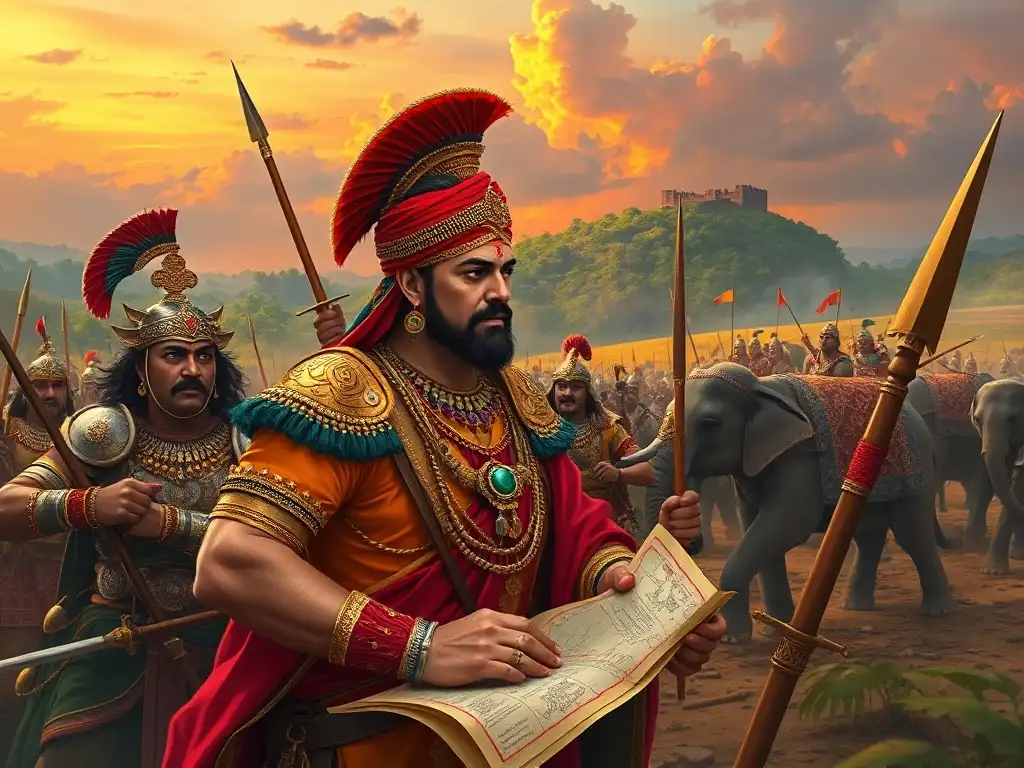
Military strategies in ancient India were deeply influenced by the diverse landscapes, cultural practices, and socio-political dynamics of the time. This rich tapestry of history reveals how various civilizations developed unique approaches to warfare, which not only shaped their own destinies but also influenced neighboring regions. From the well-organized armies of the Mauryan Empire to the guerrilla tactics employed by local kings, the art of war in ancient India reflects an intricate understanding of both military and psychological strategies.
Overview of Military Strategies in Ancient India
The military strategies in ancient India can be broadly categorized into several key elements:
- Formation and Organization:
- Ancient Indian armies were often organized into different units, each specializing in specific combat techniques. For instance, infantry was typically the backbone of the army, supported by cavalry and chariots.
- The Mahayana formation was a notable strategic arrangement that utilized cavalry on the flanks and infantry in the center, allowing for flexible maneuvering in battle.
- Fortifications and Siege Warfare:
- Cities were frequently fortified with walls and trenches, reflecting an understanding of defensive strategies. The use of mud and stone fortifications was prevalent, particularly in regions like the Indus Valley.
- Siege tactics included the use of catapults and other siege engines, showcasing advancements in engineering and military technology.
- Psychological Warfare:
- Strategy often extended beyond physical combat to include psychological tactics. The concept of "Dharma Yuddha" emphasized fighting with honor and integrity, aiming to demoralize opponents by highlighting their lack of righteousness.
- Misinformation and strategic retreats were also employed to confuse and mislead the enemy.
- Guerrilla Tactics:
- Local rulers, especially in Eastern India, often resorted to guerrilla warfare, leveraging their intimate knowledge of the terrain. This included ambush techniques and hit-and-run tactics against larger, more organized forces.
- The Kalinga War, fought between the Mauryan Empire and the Kalinga kingdom, is a prime example where local tactics played a crucial role against a more powerful adversary.
Importance of Military Tactics in Eastern Indian History
Military tactics were pivotal in shaping the course of history in Eastern India. The region's strategic geographical position, with its lush forests and river systems, provided both advantages and challenges for military campaigns.
- Regional Power Dynamics:
- As various kingdoms vied for dominance, military strategies often determined the rise and fall of empires. The Buddhist kingdoms in Eastern India, for instance, utilized both military might and diplomacy to expand their influence.
- Cultural Influence:
- Military strategies were intertwined with cultural practices, as seen in the epics like the Mahabharata, which not only narrate battles but also delve into the ethics of warfare. These texts have profoundly influenced military thought in the region.
- Technological Advancements:
- The need for effective military strategies spurred innovations in technology and tactics. The development of war elephants, for example, became a hallmark of ancient Indian warfare, demonstrating a blend of strategy and animal husbandry.
- Legacy and Influence:
- The military strategies developed in ancient India laid the groundwork for subsequent generations. The principles of warfare from this era continue to be studied and adapted in modern military science, illustrating the lasting impact of these ancient practices.
The exploration of military strategies in ancient India offers invaluable insights into the complexities of warfare and its profound impact on the history of Eastern India. The interplay of tactics, culture, and technology not only shaped regional dynamics but also contributed to the broader narrative of Indian civilization.
Historical Context of Eastern India
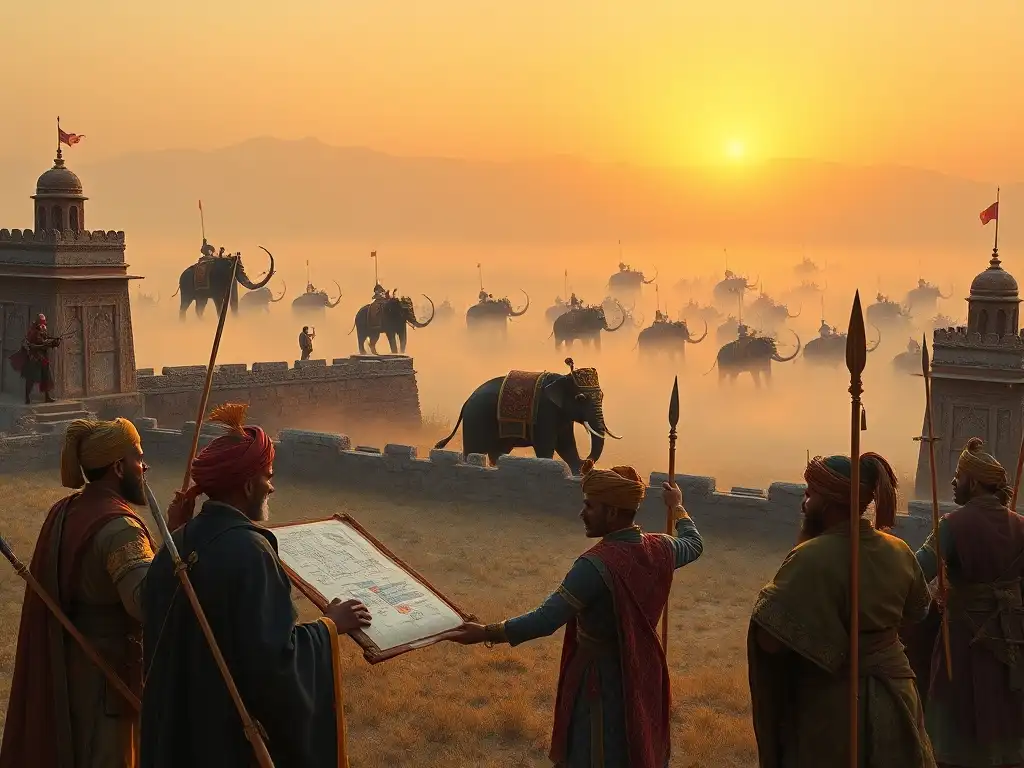
The historical context of Eastern India is deeply intertwined with its geographical, cultural, and political landscapes. This region, characterized by fertile plains, dense forests, and an extensive coastline, played a pivotal role in shaping its military strategies and conflicts. The rich tapestry of Eastern India's history includes a succession of powerful kingdoms and empires that employed various military tactics and innovations to maintain control over their territories and expand their influence.
The strategic importance of Eastern India can be traced back to the Indus Valley Civilization, where early urban centers developed sophisticated systems of governance and trade. As civilizations evolved through the Vedic period and into the rise of notable empires, the military strategies adopted were often reflective of the region's diverse topography. The lush geography not only provided resources but also posed challenges, influencing the nature of warfare and the types of armies that emerged.
Geographical Influences on Warfare in Eastern India
The geography of Eastern India significantly impacted military strategies, with its diverse terrain including mountains, rivers, and forests. These natural features played a crucial role in shaping the tactics used by various kingdoms.
- River Systems: Major rivers such as the Ganges and Brahmaputra served as vital transportation routes for armies. Control over these waterways allowed kingdoms to mobilize forces efficiently and conduct trade, enhancing their military capabilities. Additionally, rivers often acted as natural barriers in defense strategies.
- Mountainous Terrain: The presence of the Himalayas and other mountain ranges provided natural fortifications. Kingdoms utilized these geographical advantages to establish strongholds, making it difficult for invading forces to penetrate their territories.
- Forests and Marshlands: Dense forests and marshy areas offered concealment for guerrilla warfare tactics. Smaller units could ambush larger armies, leveraging their knowledge of the terrain to their advantage. This type of warfare was particularly effective for smaller kingdoms resisting larger empires.
The interplay between geography and military strategies in Eastern India led to the development of unique tactics that were tailored to the specific challenges posed by the region's landscape.
Major Kingdoms and Empires in Eastern India
Eastern India witnessed the rise and fall of several prominent kingdoms and empires, each contributing to the evolution of military strategies and conflicts. Some of the most notable include:
- The Maurya Empire: Founded by Chandragupta Maurya in the 4th century BCE, this empire marked a significant turning point in Eastern India's military history. Under Ashoka's reign, the Mauryan military became renowned for its organization and use of war elephants.
- The Gupta Empire: Often referred to as the Golden Age of India, the Gupta Empire (c. 320-550 CE) is distinguished by its advancements in military organization, strategy, and technology. The Guptas utilized a combination of traditional warfare and innovative strategies to expand their territory.
The Maurya Empire and Its Military Innovations
The Maurya Empire is particularly noted for its sophisticated military organization and strategies that set a precedent for future empires in Eastern India. One of the hallmark innovations of the Mauryan military was the extensive use of war elephants, which provided both mobility and psychological advantage in battles.
- Infantry and Cavalry: The Maurya military was well-balanced, comprising infantry, cavalry, and chariots, allowing for versatile tactics on the battlefield. The integration of these units facilitated complex maneuvers and adaptability in combat situations.
- Intelligence and Espionage: The Mauryan rulers emphasized the importance of intelligence gathering, employing spies to gather information about enemy movements and morale. This strategic use of espionage often provided a crucial edge in preemptive strikes or defensive strategies.
- Diplomatic Strategies: The Mauryas were adept at forming alliances and using diplomacy to weaken potential threats. By fostering relationships with neighboring states, they often avoided direct conflict, opting instead for strategic negotiations.
The Gupta Empire's Influence on Military Strategies
The Gupta Empire further refined military strategies, introducing several key innovations that had a lasting impact on warfare in Eastern India.
- Decentralized Military Structure: The Gupta Empire adopted a decentralized approach to military organization, allowing regional governors to maintain their own forces. This strategy ensured quick mobilization and local knowledge of the terrain during conflicts.
- Advanced Weaponry and Tactics: The Guptas are known for their advancements in metallurgy, which led to improved weaponry. The use of crossbows and more effective siege weapons revolutionized combat, allowing for more effective assaults on fortified positions.
- Cultural Integration: The Gupta Empire also influenced military strategies through cultural integration. The blending of various regional tactics and technologies helped create a more versatile military force capable of adapting to diverse combat situations.
The military strategies in ancient India, particularly in Eastern India, were shaped by a complex interplay of geographical, cultural, and political factors. The legacies of the Maurya and Gupta empires highlight the evolution of warfare in this region, showcasing innovations that would influence future generations.
Key Military Strategies in Eastern India
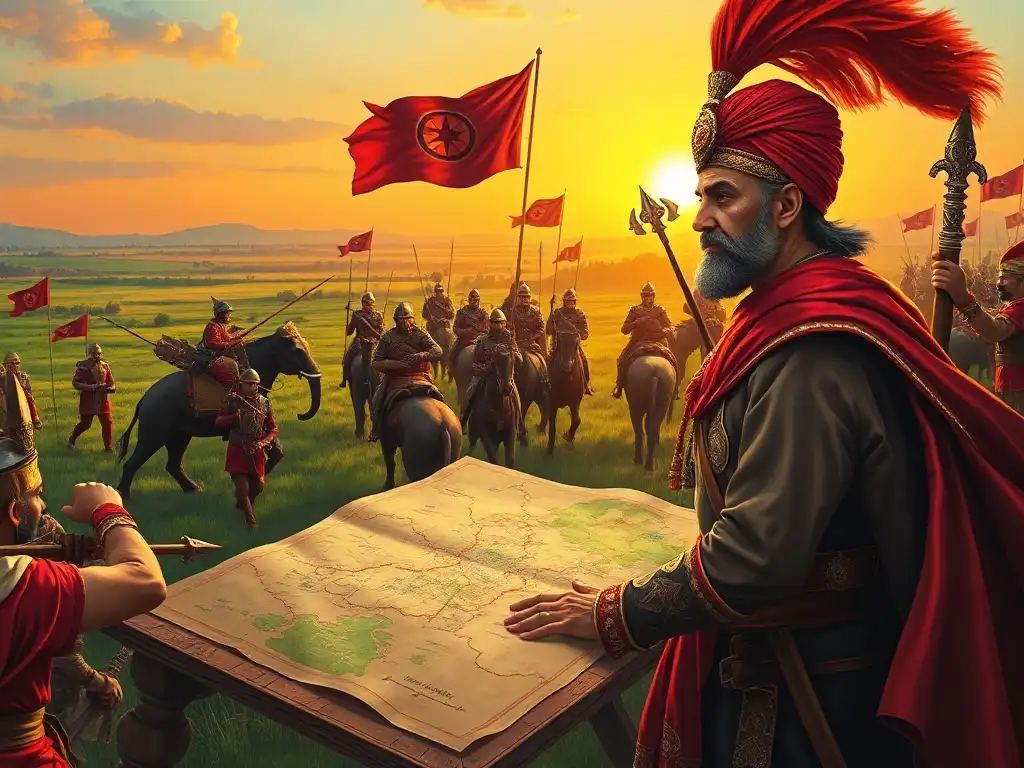
Eastern India, with its rich tapestry of history, has witnessed the evolution of various military strategies that shaped the course of conflicts throughout its ancient civilizations. From the formidable kingdoms of the Mauryas to the strategic prowess of the Guptas, the military strategies in ancient India were both sophisticated and diverse, adapting to the unique challenges posed by geography, resources, and rival powers.
Defensive Strategies Employed by Eastern Indian Kingdoms
Defensive strategies were paramount in the military planning of Eastern Indian kingdoms, primarily due to the need to protect their territories from invasions and rival claims. These strategies included:
- Fortification of Cities: Many kingdoms constructed robust fortifications to deter invaders. For instance, the cities of Pataliputra and Kalinga were surrounded by formidable walls and moats, making them difficult to breach.
- Use of Natural Barriers: Eastern India’s geography, characterized by rivers and hills, was strategically utilized. Rivers like the Ganges served as natural defenses, while mountain ranges were often used to create strongholds.
- Military Alliances: Forming alliances with neighboring states was a common strategy. The Mauryan Empire, under Ashoka, forged alliances that helped deter external threats and maintain peace.
- Guerilla Warfare: Smaller kingdoms often employed guerilla tactics, utilizing the dense forests and hilly terrains to conduct surprise attacks against larger armies. This was notably effective during local uprisings against larger empires.
The combination of these defensive strategies allowed Eastern Indian kingdoms to maintain autonomy and resist invasions from more powerful enemies.
Offensive Tactics: Siege Warfare and Conquests
Offensive tactics played a crucial role in expanding the influence of Eastern Indian kingdoms. Notable tactics included:
- Siege Warfare: The art of besieging fortified cities was well-developed in Eastern India. The Mauryan campaigns against Kalinga exemplified strategic sieges, where prolonged blockades and the cutting off of supplies forced cities to surrender. The use of catapults and other siege engines was common to breach walls.
- Use of Deception: Tactics such as feigned retreats were employed to lure enemy forces into vulnerable positions. This psychological warfare often led to significant victories for Eastern Indian commanders.
- Rapid Mobilization: The ability to rapidly mobilize troops was crucial for successful offensives. The Gupta Empire, for example, maintained a well-organized army that could be deployed swiftly to address threats or capitalize on opportunities.
- Conquests through Diplomacy: In addition to military might, some kingdoms used diplomatic negotiations to expand their territories. The Gupta rulers often integrated local leaders into their administrative framework, ensuring stability without the need for constant military engagement.
These offensive strategies allowed Eastern Indian kingdoms not only to defend their territories but also to extend their influence across the region.
Use of Cavalry and Elephants in Battle Strategies
The deployment of cavalry and war elephants was a distinguishing feature of military strategies in ancient Eastern India. These elements played a significant role in battles and conquests:
- Cavalry Tactics: The cavalry units provided mobility and speed, allowing armies to flank enemy formations. Skilled horsemen were trained to perform complex maneuvers, often turning the tide of battle in favor of their commanders.
- War Elephants: Elephants were a symbol of power and played a crucial role in warfare. They were used to charge enemy lines, causing chaos and disrupting formations. The psychological impact of elephants on the battlefield was profound, often instilling fear in opposing forces.
- Combined Arms Approach: Eastern Indian armies frequently employed a combined arms strategy, integrating infantry, cavalry, and elephants to create a cohesive fighting force. This approach maximized the strengths of each unit type while compensating for their individual weaknesses.
- Logistical Support: The use of elephants also facilitated transportation of supplies and artillery, crucial during long campaigns. They were essential in navigating rough terrains where conventional vehicles could not operate.
The effective use of cavalry and elephants not only showcased the military ingenuity of Eastern Indian kingdoms but also significantly influenced the outcomes of various conflicts throughout the region.
These military strategies in ancient India were instrumental in shaping the political landscape of Eastern India, reflecting a blend of tactical brilliance and adaptability that characterized its rich history.
Naval warfare played a significant role in the military strategies of ancient India, particularly in Eastern India, where numerous rivers and access to the sea shaped the dynamics of conflict and trade. The geography of Eastern India, with its extensive river systems such as the Ganges, Brahmaputra, and the Bay of Bengal coastline, provided both advantages and challenges for military leaders.
Strategic Importance of Rivers
Rivers served as vital arteries for movement and supply during military campaigns. Armies often utilized river transport to move troops and materials quickly. For instance, the Ganges River was crucial for the Mauryan Empire, enabling them to expand their territories effectively. Control over these waterways not only facilitated troop movement but also allowed for the establishment of strongholds and trading posts along the banks, enhancing economic and military power.
- Logistical Advantages: Rivers enabled faster logistics, making it easier to transport supplies and reinforcements.
- Defensive Structures: Fortifications were often built along key river points to control passage and protect against incursions.
The Bay of Bengal and Maritime Warfare
The Bay of Bengal was a significant maritime area that influenced naval strategies in Eastern India. Various kingdoms, including the Mauryas and the Guptas, recognized the potential of naval power to protect trade routes and engage in maritime conflicts. The ability to control sea routes allowed these empires to expand their influence beyond the Indian subcontinent.
- Trade and Economic Power: Control over maritime routes facilitated trade with Southeast Asia, enhancing the wealth and resources of Eastern Indian kingdoms.
- Naval Technology: Ancient Indian naval technology included the construction of ships capable of withstanding rough seas, which allowed for effective engagement in naval battles.
Notable Naval Conflicts
Eastern India witnessed several notable naval conflicts that influenced regional power dynamics. One of the prominent examples is the engagement between the rulers of Bengal and the Chola dynasty. The Cholas, known for their naval prowess, sought to extend their influence into the eastern regions, leading to skirmishes that showcased the importance of naval strategies.
- Chola Expeditions: The Chola expeditions into Southeast Asia emphasized the significance of naval power, demonstrating how naval strategies were integral to imperial ambitions.
- Bengal’s Resilience: The ability of Bengal's rulers to defend their territory against external naval threats highlighted the strategic importance of their maritime capabilities.
Conclusion
Naval warfare and the strategic use of rivers and seas were crucial components of military strategies in ancient Eastern India. The geographical features of the region shaped the tactics and outcomes of conflicts, illustrating the interconnectedness of land and naval warfare. As ancient Indian civilizations evolved, so did their military strategies, adapting to the rich tapestry of rivers and maritime routes that defined their historical narrative. By understanding these dynamics, we gain deeper insights into the complexities of military strategies in ancient India.
Notable Conflicts in Eastern Indian History
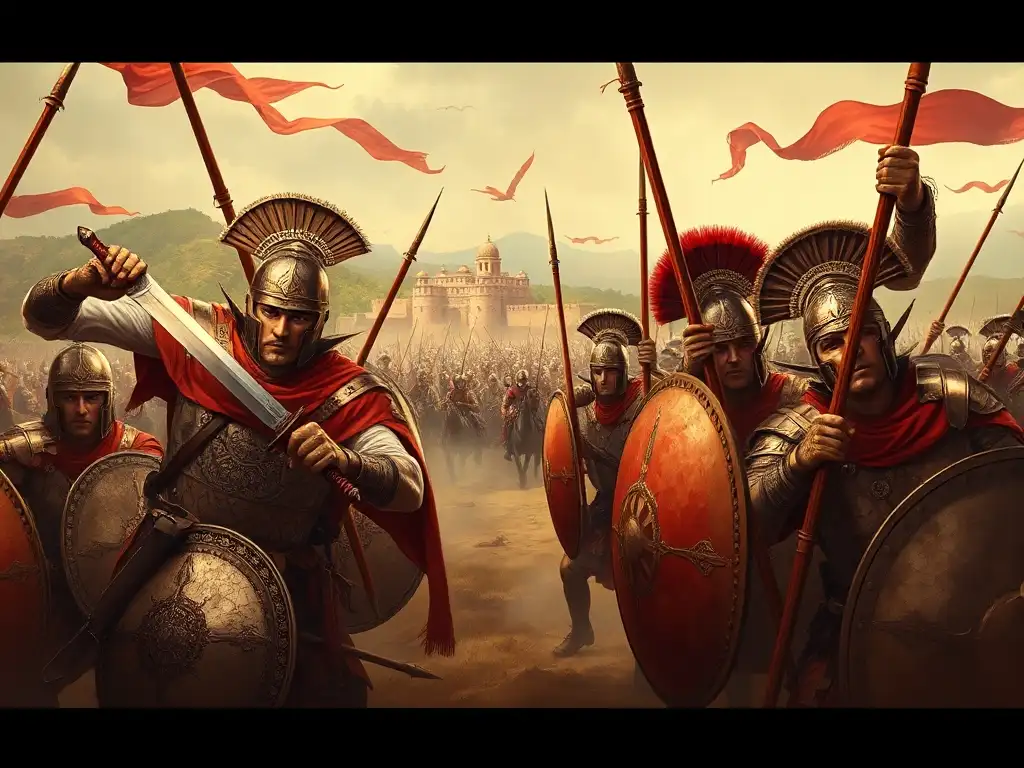
Eastern India has been a crucible of military strategies and conflicts that shaped the socio-political landscape of ancient Indian civilizations. This region, rich in resources and strategic routes, witnessed several notable conflicts that not only defined the power dynamics of the time but also influenced military tactics and strategies. Below, we delve into some of the most significant conflicts that exemplify military strategies in ancient India.
The Kalinga War: A Case Study in Strategy and Impact
The Kalinga War (circa 261–260 BCE) stands out as a pivotal moment in ancient Indian military history. Fought between the Mauryan Empire, led by Emperor Ashoka, and the Kalinga kingdom, this conflict was characterized by its monumental scale and profound consequences.
- Background and Causes:
- Kalinga was a prosperous region known for its trade routes and strategic location along the eastern coast of India.
- Ashoka sought to expand his empire and consolidate power, viewing Kalinga as a key territory.
- Military Strategies Employed:
- Intelligence and Diplomacy: Prior to the war, Ashoka reportedly sent emissaries to Kalinga, seeking peaceful submission. When diplomacy failed, he resorted to military action.
- War Tactics: The Mauryan army, known for its organized structure and use of war elephants, engaged in direct confrontations and sieges. The battle utilized infantry, cavalry, and chariots, showcasing a comprehensive approach to warfare.
- Consequences of the War:
- The Kalinga War resulted in massive casualties, with estimates suggesting over 100,000 deaths. The bloodshed profoundly affected Ashoka, leading to his conversion to Buddhism.
- Ashoka's subsequent promotion of Dhamma (moral law) and non-violence marked a significant shift in military strategies from conquest to diplomacy and social welfare.
Conflicts between the Mauryas and the Nandas
The Mauryan-Nanda conflicts represent another critical chapter in Eastern Indian military history, illustrating the transition from the Nanda dynasty's decline to Mauryan dominance.
- Background of the Nanda Dynasty:
- The Nandas were known for their wealth and powerful army, controlling a vast territory, including parts of Eastern India.
- Their rule was characterized by effective taxation and administration, but they faced growing unrest and dissatisfaction among the populace.
- Military Engagements:
- Chandragupta Maurya's Rise: Chandragupta Maurya, with the guidance of Chanakya, strategically mobilized discontented factions against the Nandas. They employed guerrilla tactics to undermine Nanda strongholds.
- Siege and Conquest: The Mauryan forces capitalized on the Nandas' weakened morale. The siege of Pataliputra (the Nanda capital) involved strategic planning, including cutting off supply lines and organizing a surprise attack.
- Impact on Military Strategies:
- The eventual victory of the Mauryas over the Nandas led to the establishment of one of the largest empires in ancient India.
- This conflict demonstrated the importance of alliances, intelligence gathering, and adaptability in military strategies, which became hallmarks of Mauryan governance.
The Fall of the Gupta Empire: Military Factors
The Gupta Empire (circa 320-550 CE), often referred to as a golden age of ancient India, faced a gradual decline influenced by various military factors.
- External Pressures:
- The Gupta Empire encountered invasions from the Huns and other nomadic tribes. These incursions tested the Gupta military strategies and resources.
- The lack of a strong, unified response to these external threats weakened the empire's defenses.
- Internal Conflicts:
- Discontent among local rulers and feudal lords contributed to fragmentation. The Guptas struggled to maintain control over their vast territories, leading to a series of civil wars.
- The rise of regional powers, such as the Maitrakas and the Maukharis, further exacerbated the situation.
- Military Strategies and Adaptations:
- The Gupta military was initially renowned for its cavalry and war elephants, but as external pressures mounted, their strategies became reactive rather than proactive.
- The lack of innovation in military tactics, coupled with an over-reliance on traditional methods, ultimately contributed to their downfall.
The conflicts in Eastern India, particularly the Kalinga War, the Mauryan-Nanda engagements, and the decline of the Gupta Empire, highlight the evolution of military strategies in ancient India. These historical events not only shaped the political landscape but also left a lasting impact on the military doctrines that followed.
Lessons from Eastern India's Military Strategies
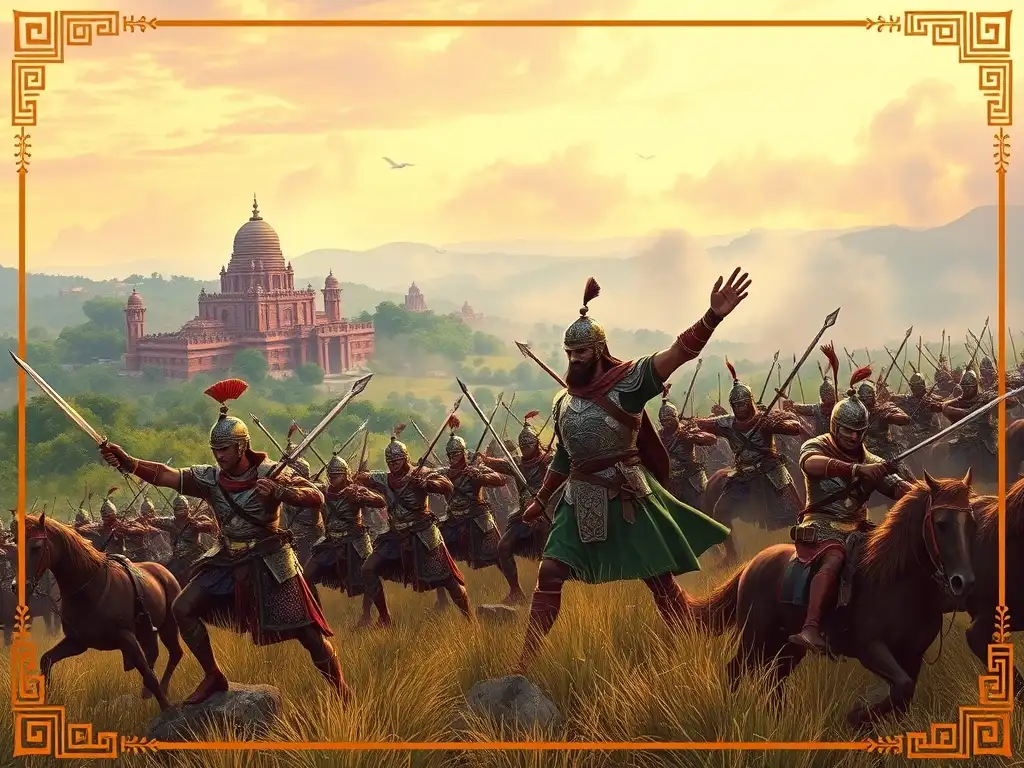
Eastern India, known for its rich cultural heritage and thriving civilizations, has a profound military history that reflects the strategic ingenuity of its leaders and the adaptability of its forces. This section delves into the lessons learned from military strategies in ancient India, showcasing how these approaches have shaped the region's historical narrative.
Adaptation and Evolution of Military Tactics
Military strategies in ancient Eastern India were not static; they evolved in response to changing geopolitical landscapes and technological advancements. The Indus Valley Civilization, one of the earliest urban cultures in the region, showcased an advanced understanding of fortification and city planning that contributed to its defense mechanisms.
- Fortification Techniques: The cities of Harappa and Mohenjo-Daro featured sophisticated drainage systems and fortified walls, demonstrating an early recognition of the importance of defensive architecture.
- Weaponry and Technology: As metallurgy advanced, the introduction of iron weapons transformed battlefield dynamics. The use of chariots, which were prevalent during the Vedic period, allowed for rapid troop movement and effective flanking maneuvers.
The evolution of military tactics can also be seen in the Mauryan Empire, particularly under Ashoka the Great. After witnessing the devastation of war, he shifted from aggressive expansion to a strategy focused on diplomacy and non-violence, which significantly altered the military landscape of the time.
The Role of Leadership in Military Success
Leadership played a crucial role in determining the outcomes of conflicts in Eastern India. Effective leaders were not only strategists but also visionaries who inspired their troops and garnered the support of their subjects.
- Charismatic Leaders: Figures like Chandragupta Maurya and Ashoka exemplified how strong leadership could unite diverse factions and mobilize resources for military campaigns. Their ability to communicate and rally support was instrumental in their successes.
- Strategic Alliances: Leaders often formed alliances with local chieftains and neighboring states to strengthen their military capabilities. Such alliances were critical during conflicts, enabling coordinated efforts against common enemies.
The impact of leadership extended beyond the battlefield. Leaders who prioritized the welfare of their people, like Ashoka, fostered loyalty and stability, which ultimately contributed to military effectiveness.
Cultural Influences on Warfare Strategies
The cultural milieu of Eastern India significantly influenced its military strategies. The integration of religious beliefs, societal norms, and artistic expressions into warfare practices provided a unique framework for understanding conflict.
- Religious Justifications: Warfare was often framed within a religious context, where victory was seen as divinely ordained. Texts like the Mahabharata reflected the moral and ethical dilemmas faced by warriors, emphasizing that righteousness (dharma) played a central role in warfare.
- Art and Symbolism: The use of symbols, such as the conch shell (shankha) in Hindu warfare, served not only as a call to arms but also as a spiritual rallying point for soldiers. This cultural dimension added depth to military strategies, intertwining the spiritual with the tactical.
The military strategies of ancient Eastern India were characterized by their adaptability, the pivotal role of leadership, and the profound influence of cultural factors. These elements combined to create a rich tapestry of military history that continues to resonate in the study of ancient Indian civilizations.
Conclusion: The Legacy of Military Strategies in Ancient India
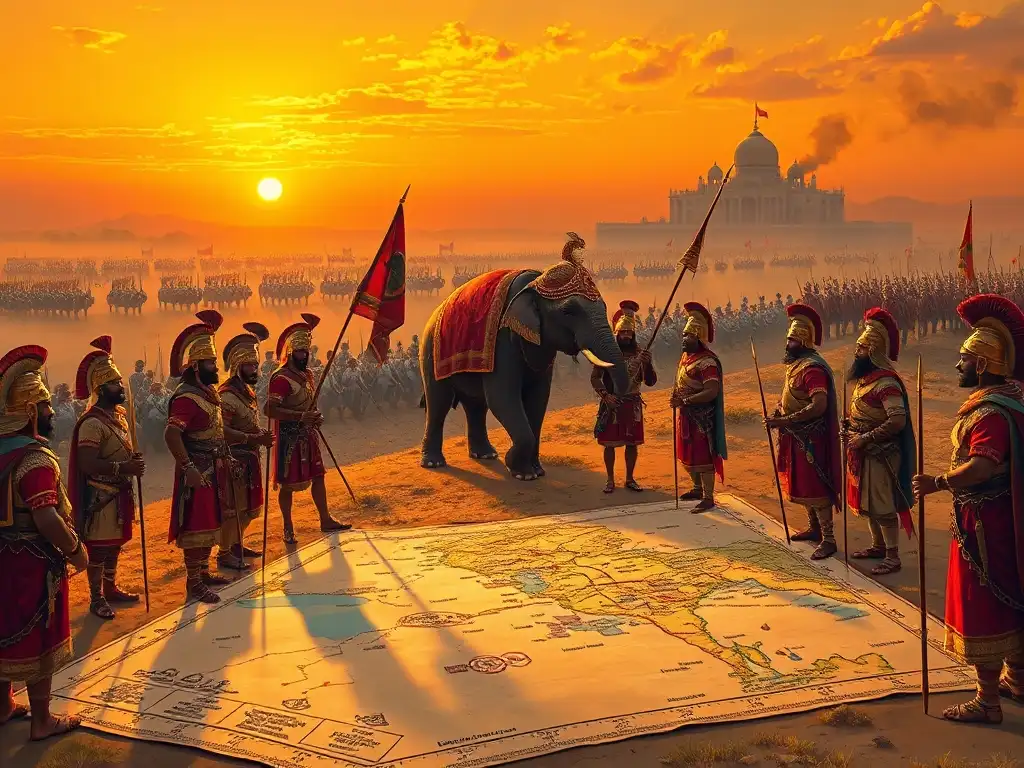
The military strategies in ancient India have left an indelible mark on the region's history, particularly in Eastern India. These strategies not only shaped the outcomes of numerous conflicts but also influenced the socio-political landscape of the time. From the intricate formations of the armies to the innovative use of terrain and resources, the military prowess demonstrated by ancient Indian leaders and their armies has been a defining aspect of their civilizations.
Key factors that contributed to the effectiveness of these military strategies include:
- Diverse Tactics: The armies employed a mix of traditional and innovative tactics, adapting to the circumstances of each battle.
- Geographical Advantage: Understanding and utilizing the diverse terrains of Eastern India played a crucial role in military success.
- Cultural Influences: Ancient Indian military strategies were often influenced by philosophical and religious beliefs, incorporating elements of strategy from texts like the Arthashastra by Kautilya.
This legacy continues to be a source of study and admiration, highlighting the brilliance of ancient Indian warfare.
Reflection on the Impact of Military Strategies on Eastern Indian History
The historical significance of military strategies in Eastern India is profound. Various dynasties, such as the Mauryas and the Guptas, utilized advanced military tactics that not only secured their empires but also fostered cultural and economic growth. These strategies were instrumental in the establishment and maintenance of trade routes, which facilitated cultural exchanges and the spread of ideas.
One notable example is the Mauryan Empire, which employed a well-organized army along with strategic diplomacy to expand its reach. The use of war elephants, cavalry, and infantry formations allowed them to dominate their adversaries and maintain control over vast territories.
The impact of these military strategies extended beyond immediate victories; they also influenced governance and administrative practices. The necessity of maintaining a strong military led to the development of sophisticated administrative systems that would support the needs of the army, thereby contributing to the overall stability of the region.
The Influence of Ancient Military Tactics on Modern Warfare
The military strategies in ancient India have not only shaped historical events but have also provided valuable lessons for modern warfare. Many contemporary military theorists and strategists draw inspiration from the tactics employed by ancient Indian armies.
Key Influences Include:
- Terrain Utilization: Modern militaries continue to study how ancient armies effectively used geographical features to their advantage, applying similar concepts in contemporary battle planning.
- Psychological Warfare: The strategic use of deception and psychological tactics, as evidenced in ancient texts, remains a crucial aspect of modern military strategy.
- Logistics and Supply Chains: The importance placed on logistics by ancient Indian commanders is echoed in today's military operations, where efficient supply chains are vital for success.
The analysis of military strategies in ancient India reveals a rich legacy that continues to resonate in modern military practices and thought. The innovative approaches and tactical ingenuity of ancient Indian leaders not only secured their dominions but also laid foundational principles that are relevant in today's complex warfare scenarios.
References and Further Reading on Military Strategies in Ancient India
Suggested Books on Military History of Ancient India
-
"The Art of War in Ancient India" by R. S. Sharma
This book delves into the military tactics and strategies employed by various ancient Indian kingdoms. Sharma offers a comprehensive analysis of warfare techniques, drawing from historical texts and archaeological findings.
-
"War and Society in Ancient India" by J. P. Sharma
This scholarly work examines the relationship between military practices and societal structures in ancient India. It explores how warfare influenced social hierarchies and cultural developments, focusing particularly on Eastern India.
-
"Military History of Ancient India" by S. P. Gupta
Gupta provides a detailed account of significant battles, military formations, and strategies used by various dynasties. His focus on Eastern India highlights the regional nuances in military organization and tactics.
-
"The Kautilya Arthashastra: A Treatise on Statecraft" by Kautilya (Chanakya)
This ancient Indian text, attributed to Chanakya, offers profound insights into governance, economics, and military strategy. It remains a pivotal reference for understanding the military philosophies that shaped ancient Indian warfare.
-
"Ancient Indian Warfare: History and Historiography" by A. K. Bhattacharya
Bhattacharya's work critically examines previous historical interpretations of warfare in ancient India, shedding light on the evolution of military strategies and their cultural impact.
Online Resources for Further Exploration of Eastern Indian Military Strategies
-
Digital South Asia Library
This resource provides access to a wealth of documents and texts related to the military history of India. Scholars can find primary sources and research articles focused on Eastern Indian military strategies.
-
The Indian History Congress
An academic platform that publishes proceedings and papers related to Indian history, including military studies. It is an excellent resource for those looking to explore the latest research on military strategies in ancient India.
-
South Asian Studies Association (SASA)
SASA offers articles and papers that focus on various aspects of South Asian history, including military conflicts and strategies. Their archives contain valuable insights into regional histories, particularly in Eastern India.
-
Academia.edu
A platform where scholars share research papers and articles. Here, one can find numerous studies specifically related to military strategies in ancient India, authored by historians and researchers in the field.
-
The Archaeological Survey of India (ASI) Website
The ASI provides access to reports and findings from archaeological sites in Eastern India. This information can help in understanding the military architecture and fortifications of ancient Indian civilizations.
By utilizing these resources, readers can deepen their understanding of military strategies in ancient India, particularly focusing on the rich historical context of Eastern India.
Frequently Asked Questions
What were the main military strategies used in ancient India?
Ancient Indian civilizations employed various military strategies, such as guerrilla tactics and elephant warfare, adapting to the terrain and technology of the time.
How did the geography of India influence its military strategies?
The diverse geography of India, from mountains to plains, shaped its military tactics, allowing for unique strategies like fortification in hilly regions and flanking maneuvers in open fields.
Who were the prominent military leaders in ancient Indian history?
Prominent military leaders included figures like Chandragupta Maurya and Samudragupta, known for their innovative strategies and successful conquests that expanded their empires.
What role did cavalry play in ancient Indian warfare?
Cavalry units were crucial in ancient Indian warfare, providing mobility and speed, which allowed armies to execute quick strikes and retreats effectively during battles.
How did ancient Indian civilizations contribute to military technology?
Ancient Indian civilizations made significant contributions to military technology, including the development of advanced weapons, fortifications, and war elephants, enhancing their combat effectiveness.
Final Reflection: The Enduring Legacy of Military Strategies in Ancient India
The exploration of military strategies in ancient India reveals not only the tactical brilliance of historical leaders but also their profound impact on contemporary society. As we navigate a world still shaped by conflict and strategy, the lessons learned from these ancient practices remain strikingly relevant. The intricate maneuvers and philosophies that governed battles in Eastern India serve as a reminder of the complexities of warfare and the necessity of strategic thinking in our modern lives.
Culture and society are inextricably linked to the military strategies of the past. The echoes of ancient conflicts resonate through the ages, influencing everything from political decisions to cultural narratives. The wisdom embedded in these strategies continues to inspire leaders and thinkers today. In war, the way is to avoid what is strong and to strike at what is weak.
This timeless insight, attributed to Sun Tzu, underscores the importance of understanding one’s environment and adapting strategies accordingly—an idea that transcends time and geography.
As you reflect on the themes presented in this article, consider how the principles of ancient military strategies can be applied to your own life. Whether in personal challenges or professional endeavors, the ability to strategize, adapt, and overcome is invaluable. Embrace the lessons of history, and let them guide you in navigating the complexities of your own battles. Remember, the art of war is not solely about conflict; it is also about wisdom, foresight, and the courage to act decisively.
Unleash Your Inner Strategist!
Thank you for exploring the fascinating world of military strategies and conflicts throughout Eastern India's history. You’ve gained insights that will deepen your understanding of both the past and present. Now, it’s time to harness this knowledge and take action!
Here’s how you can engage further with this captivating topic:
- Dive Deeper: Read about specific battles and their impacts by exploring our in-depth articles on key figures and strategies in Eastern India.
- Join the Conversation: Share your thoughts and insights on social media or in our comments section—let's discuss how these strategies can apply to today’s world.
- Discover Hidden Gems: Learn about lesser-known historical figures who played pivotal roles in these conflicts. You might uncover surprising stories worth sharing!
What aspect of Eastern India's military strategies intrigues you the most, and how do you think they can shape our understanding of modern conflicts?