
The Philosophical Contributions of Women in the Gupta Empire

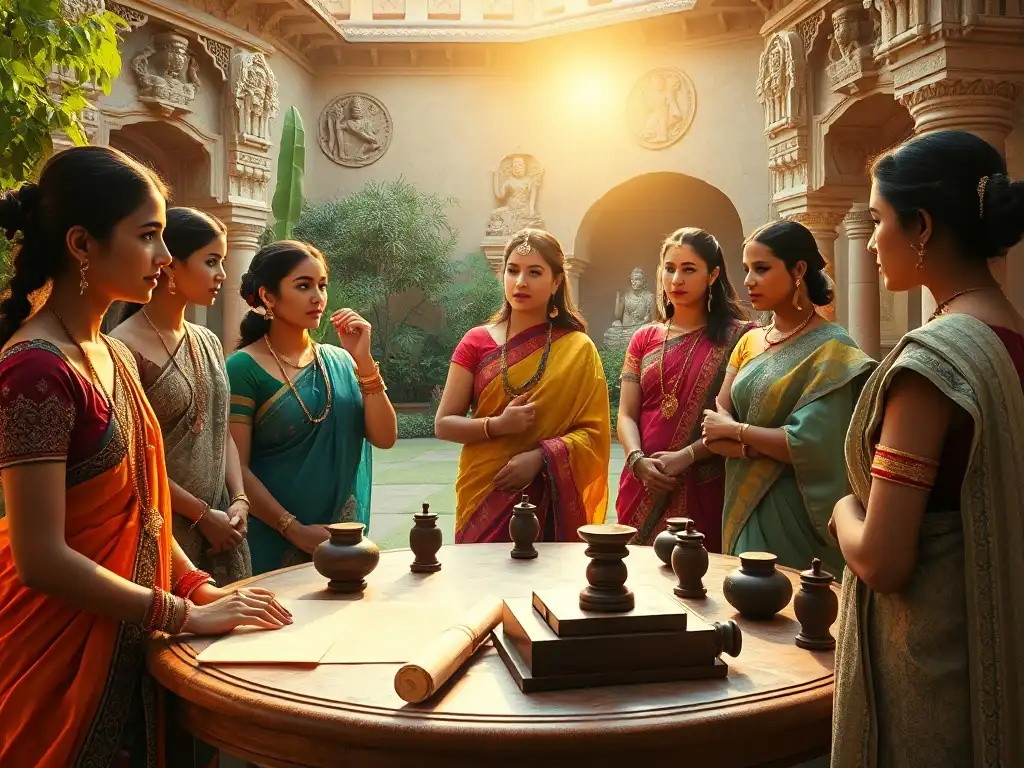
Welcome to Ancient India History, where we embark on a fascinating journey through the rich tapestry of India's past. In this exploration, we delve into the often-overlooked philosophical contributions of women during the Gupta Empire—a period renowned for its cultural and intellectual advancements. What insights did these remarkable women offer, and how did their thoughts influence the landscape of philosophy? Join us as we uncover the profound impact of female philosophers on this golden era, inviting you to discover the diverse roles women played in shaping ancient Indian thought. Your adventure into the depths of history begins here!
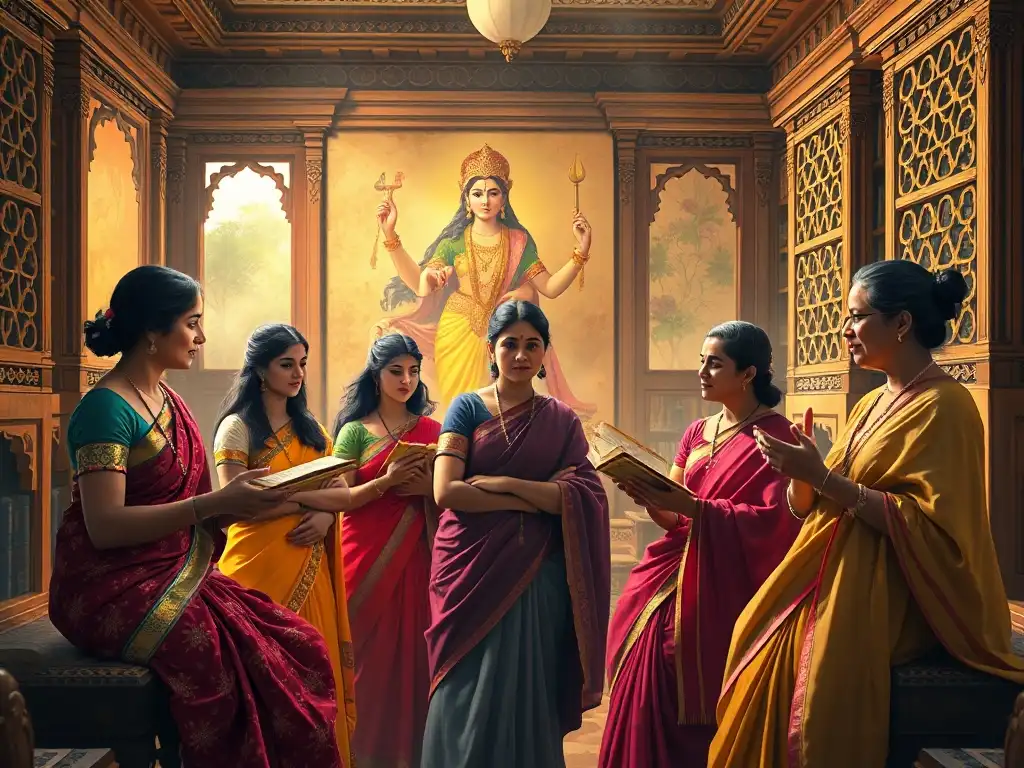
Introduction to Women Philosophers in the Gupta Empire
The Gupta Empire, often referred to as the "Golden Age of India," flourished from approximately 320 to 550 CE and is renowned for its remarkable advancements in art, science, and philosophy. While much of the historical narrative has predominantly highlighted male philosophers and intellectuals, the contributions of women during this era are increasingly recognized as both significant and transformative. Women philosophers in the Gupta Empire played a crucial role in shaping philosophical discourse, contributing to a rich tapestry of thought that encompassed spirituality, ethics, and social justice.
This article explores the philosophical contributions of women in the Gupta Empire, illuminating their roles and the societal frameworks that allowed for their intellectual pursuits. By examining their impact, we can better appreciate the nuanced dynamics of gender and philosophy in ancient India.
The Historical Context of Women in the Gupta Empire
The Social and Cultural Landscape
The Gupta period was characterized by a complex social structure, where the status of women varied significantly based on class, caste, and region. Generally, women enjoyed a relatively higher status compared to previous eras, with opportunities for education and participation in cultural life. Historical texts and inscriptions suggest that women were involved in various fields including literature, arts, and philosophy.
- Influential Women: Some notable figures emerged from this period, whose thoughts and writings contributed to philosophical discussions. Their voices challenged traditional norms and offered new perspectives on ethics and morality.
- Cultural Practices: The era also witnessed the flourishing of cultural practices that emphasized the importance of learning and intellectual discourse. This environment fostered a sense of community among women philosophers, allowing them to share and develop their ideas.
Education and Intellectual Opportunities for Women
Education during the Gupta Empire was primarily available to men; however, women, especially from higher social strata, did have access to learning, albeit to a limited extent.
- Availability of Learning: Texts indicate that some women had the opportunity to study under renowned scholars, participate in philosophical debates, and contribute to literary works.
- Philosophical Discourses: Women philosophers engaged in discussions surrounding spiritual philosophies, ethics, and the nature of reality. Their insights often intertwined with the prevailing Hindu and Buddhist doctrines, providing a unique perspective that enriched the philosophical landscape.
The contributions of women philosophers in the Gupta Empire represent a vital yet underappreciated facet of ancient Indian thought. By understanding their historical context and the opportunities available to them, we can gain a deeper appreciation of their philosophical legacies.
Prominent Women Philosophers in the Gupta Empire
During the Gupta Empire, which flourished from approximately 320 to 550 CE, the intellectual landscape was enriched by the contributions of women philosophers. Although historical records primarily focus on male scholars, there is evidence to suggest that women played a significant role in philosophical discourse. Notable figures such as Vatsala, Maitreyi, and Gargi emerged as influential thinkers who engaged with the philosophical ideas of their time, often intertwining them with spiritual and ethical considerations.
Vatsala, for instance, is known for her discussions on ethics and morality, which were crucial in shaping the social fabric of Gupta society. Maitreyi, a prominent philosopher mentioned in ancient texts, was renowned for her dialogues on metaphysics and the nature of the self. Gargi, a scholar of considerable repute, challenged the patriarchal norms of her time through her inquiries into the nature of knowledge and existence. Their contributions laid the groundwork for future generations, highlighting the essential role women played in the philosophical developments of the Gupta Empire.
Contributions of Specific Women Philosophers
The contributions of women philosophers in the Gupta Empire were multifaceted, often blending philosophy with poetry, spirituality, and ethics. Maitreyi, for instance, is famously noted for her philosophical debates with her husband, Yajnavalkya, in the Brihadaranyaka Upanishad. Her insights into the nature of the soul and the concept of non-duality reflect sophisticated philosophical thought that challenged prevailing views.
Vatsala contributed to ethical philosophy by advocating for the moral responsibilities of individuals within society. Her writings emphasized the importance of virtue and character, which resonated deeply in the context of Gupta values. Gargi, known for her formidable intellect, posed challenging questions about the ultimate reality and the nature of knowledge in her dialogues, particularly in the Brahmananda Valli, where she famously questioned the sage Varuna about the essence of Brahman.
These philosophers not only contributed to the academic landscape but also inspired a cultural shift that recognized the importance of women's voices in the philosophical discourse of the time.
Influences on Contemporary and Later Philosophical Thought
The philosophical contributions of women in the Gupta Empire had a lasting impact on both contemporary thought and later philosophical developments in India. Their dialogues and writings influenced the evolution of key concepts in Hindu philosophy, particularly in the areas of Advaita Vedanta and Sankhya philosophy.
The emphasis on ethical living and the exploration of metaphysical questions by women philosophers encouraged a broader acceptance of diverse viewpoints within philosophical discussions. This inclusivity reflected a cultural milieu that valued wisdom regardless of gender, paving the way for a more extensive examination of philosophical ideas in subsequent periods.
Moreover, the legacy of Gupta women philosophers can be seen in later philosophical texts and commentaries, where their ideas were revisited and expanded upon by male and female thinkers alike. The recognition of their contributions has become increasingly prominent in modern scholarship, fostering a re-evaluation of the historical narratives surrounding women's roles in philosophy.
Themes in the Philosophy of Women in the Gupta Empire
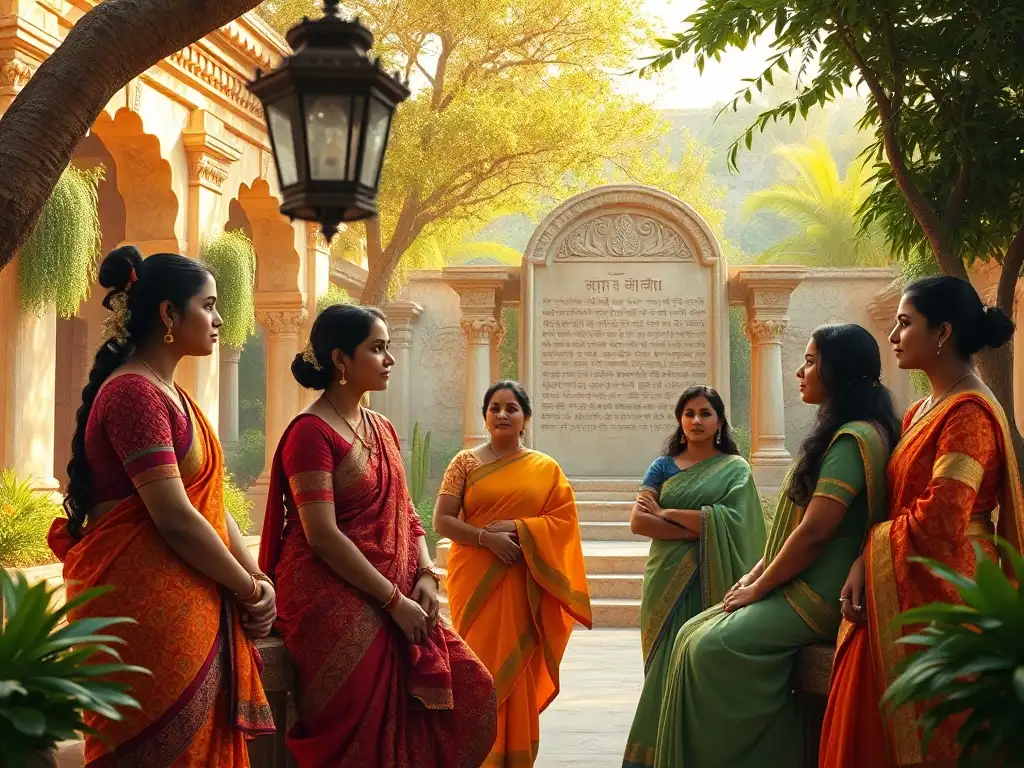
The philosophy of women in the Gupta Empire revolved around several key themes that reflected their unique perspectives and experiences. Central to these themes were notions of identity, ethics, and spirituality, which were often explored in tandem with broader philosophical inquiries.
Women philosophers approached the concept of identity through the lens of both personal and collective experiences, emphasizing the interconnectedness of self and society. Ethical considerations were paramount in their works, as they often engaged with the moral implications of human actions and societal obligations. Spirituality, too, played a crucial role, with many women philosophers integrating mystical elements into their philosophical frameworks, highlighting the pursuit of knowledge as a path to enlightenment.
Key Philosophical Ideas and Concepts
The philosophical ideas articulated by women in the Gupta Empire were characterized by their depth and complexity. Key concepts included:
- Non-Dualism (Advaita): Explored by thinkers like Maitreyi, this idea posits that the individual soul (Atman) and the universal soul (Brahman) are ultimately one, challenging dualistic notions prevalent in earlier philosophies.
- Ethical Virtue: The emphasis on moral character and ethical behavior was a common theme, with philosophers like Vatsala discussing the implications of virtue on personal and societal well-being.
- Knowledge and Ignorance: Philosophers like Gargi interrogated the nature of knowledge, questioning accepted truths and advocating for a deeper understanding of existence beyond mere appearances.
These concepts not only enriched the philosophical discourse of their time but also set the stage for future philosophical explorations in Indian thought.
Intersection of Gender and Philosophy
The intersection of gender and philosophy during the Gupta Empire reveals a complex dynamic between societal norms and intellectual pursuits. Women philosophers challenged the patriarchal structures of their time, asserting their right to engage in philosophical debates and contribute to the intellectual community.
Their works often reflected a critique of gender roles, advocating for a recognition of women's intellectual capabilities and their right to participate in philosophical discussions. This intersectionality fostered a unique philosophical perspective that combined personal experience with broader societal observations, ultimately enriching the philosophical landscape of the Gupta Empire.
In this way, women philosophers not only contributed to the evolution of philosophical thought but also laid the groundwork for future feminist philosophical inquiries, emphasizing that the pursuit of wisdom transcends gender boundaries.
Legacy of Women Philosophers in the Gupta Empire
The Gupta Empire, often referred to as the Golden Age of India, witnessed significant advancements in various fields, including philosophy. While the contributions of male philosophers like Aryabhata and Kalidasa are well-documented, the legacy of women philosophers during this period is equally noteworthy yet often overlooked. Women in the Gupta Empire played a pivotal role in nurturing philosophical thought, advancing spiritual discourse, and shaping moral values.
Women philosophers such as Gargi and Maitreyi from earlier traditions set the stage for their successors in the Gupta period. Although specific names from the Gupta era are less frequently cited, the philosophical contributions of women were likely embedded within the broader cultural and intellectual currents of the time.
This legacy can be seen in the emphasis on themes like ethics, morality, and the nature of the self, which were often explored through dialogues and teachings that included female perspectives. The philosophical inquiries of women during this time not only enriched the discourse but also provided a foundation for future generations, highlighting the integral role women played in shaping philosophical thought in ancient India.
Recognition and Historical Documentation
Despite their contributions, the recognition of women philosophers in the Gupta Empire has been sparse in historical documentation. Many texts from the period, predominantly authored by men, tend to marginalize or omit the roles of women. However, some ancient texts and later interpretations shed light on the intellectual activities of women. For instance, references to female philosophical figures in texts such as the "Mahabharata" and "Upanishads" illustrate their involvement in the discourse on metaphysics and ethics.
Moreover, epigraphic evidence and manuscripts suggest that women were not only participants in philosophical discussions but also held positions of influence in educational settings. Some inscriptions indicate that women were patrons of learning, supporting scholars and philosophical schools. The challenge remains to extract and highlight these contributions from the historical record, ensuring that the legacy of women philosophers in the Gupta Empire is recognized and celebrated.
Modern Relevance of Gupta Women Philosophers
The philosophical contributions of women in the Gupta Empire resonate with contemporary discussions on gender and philosophy. Their legacy serves as an inspiration for modern feminist philosophy, which seeks to address the historical underrepresentation of women in philosophical discourse. By revisiting the ideas and teachings of these ancient thinkers, contemporary scholars can uncover valuable insights into ethics, gender roles, and the nature of the self.
Furthermore, the philosophical inquiries of Gupta women can inform current debates on social justice, empowerment, and the intersection of gender and spirituality. As modern society grapples with issues of equality and representation, the exploration of ancient women's philosophical contributions provides a rich context for understanding the evolution of thought related to gender and authority in philosophical traditions.
Conclusion
The philosophical contributions of women in the Gupta Empire are a testament to their intellectual prowess and enduring influence. Though overshadowed by their male counterparts, the legacy of these women philosophers is significant and warrants greater recognition. Their insights into ethics, morality, and the human experience continue to resonate today, offering valuable perspectives for contemporary philosophical discourse. As we delve deeper into the history of the Gupta Empire, acknowledging and celebrating the contributions of women philosophers not only enriches our understanding of this period but also paves the way for a more inclusive narrative in the history of philosophy.
- Introduction to Women Philosophers in the Gupta Empire
- The Historical Context of Women in the Gupta Empire
- Prominent Women Philosophers in the Gupta Empire
- Themes in the Philosophy of Women in the Gupta Empire
- Legacy of Women Philosophers in the Gupta Empire
- Conclusion
- What were the contributions of women philosophers in the Gupta Empire?
- Who were some notable women philosophers during the Gupta period?
- How did the status of women influence their philosophical contributions?
- What themes were commonly explored by women philosophers in this period?
- How are the philosophical ideas of women in the Gupta Empire viewed today?
Frequently Asked Questions
What were the contributions of women philosophers in the Gupta Empire?
Women philosophers in the Gupta Empire played a crucial role in shaping philosophical thought, particularly in areas like ethics and metaphysics, influencing both contemporary and later thinkers.
Who were some notable women philosophers during the Gupta period?
Some notable women philosophers include Vatsala, who contributed to discussions on morality and dharma, and Gargi, known for her insights into knowledge and reality, both of whom left a lasting impact.
How did the status of women influence their philosophical contributions?
The status of women in the Gupta Empire allowed for intellectual engagement, and despite societal constraints, many women found avenues to express their philosophical ideas and contribute to the intellectual discourse of the time.
What themes were commonly explored by women philosophers in this period?
Women philosophers often explored themes such as ethics, the nature of knowledge, and spirituality, addressing the complexities of life and human existence while challenging prevailing norms.
How are the philosophical ideas of women in the Gupta Empire viewed today?
Today, the contributions of women philosophers from the Gupta Empire are increasingly recognized as integral to the broader narrative of Indian philosophy, showcasing the diversity and richness of thought during this historical period.
Final Reflection: The Enduring Legacy of Women Philosophers in the Gupta Empire
The contributions of women philosophers in the Gupta Empire resonate profoundly in today's discourse on gender equality and intellectual heritage. As we explore the philosophical landscape of this remarkable period, we uncover the vital roles women played, challenging the notion that philosophy was solely a male domain. Their insights and teachings not only enriched the intellectual fabric of their time but also laid the groundwork for future generations to recognize the importance of diverse voices in shaping thought.
Clearly, the influence of these women philosophers extends beyond their historical context, impacting our cultural and social landscape today. Their ideas continue to inspire discussions around women's rights and representation in philosophy and academia. As we reflect on their contributions, we are reminded of the words of feminist philosopher Simone de Beauvoir: One is not born, but rather becomes, a woman.
This statement encapsulates the ongoing journey of women in philosophy, urging us to acknowledge and celebrate the evolution of female thought leaders throughout history.
As you ponder the insights shared in this article, I invite you to reflect on the role of women in your own life and the broader society. Consider how you can champion diverse perspectives and ensure that the voices of women philosophers, both historical and contemporary, are heard and valued. Let us carry forward the legacy of these remarkable women by fostering an inclusive environment where all ideas can flourish, inspiring future generations to contribute to the rich tapestry of philosophical thought.
Unveil the Wisdom of Women in Ancient Philosophy!
Thank you for diving into the fascinating contributions of women during the Gupta Empire! Your interest helps keep the legacy of these brilliant thinkers alive. Now, let’s take the next step to further explore and honor their impact.
Here’s how you can engage with this rich history:
- Share your insights: Discuss what you've learned about these influential women on social media or with friends!
- Dive deeper into research: Explore scholarly articles and books that focus on women philosophers in ancient cultures to expand your understanding.
- Join a discussion group: Connect with other history enthusiasts to explore topics related to ancient philosophy and the significant roles women played in shaping it!
Which aspects of these women's contributions resonate with you the most? How do you believe their insights could influence contemporary philosophical discussions?