
Female Narratives: The Stories of Women in Ancient Indian Myths

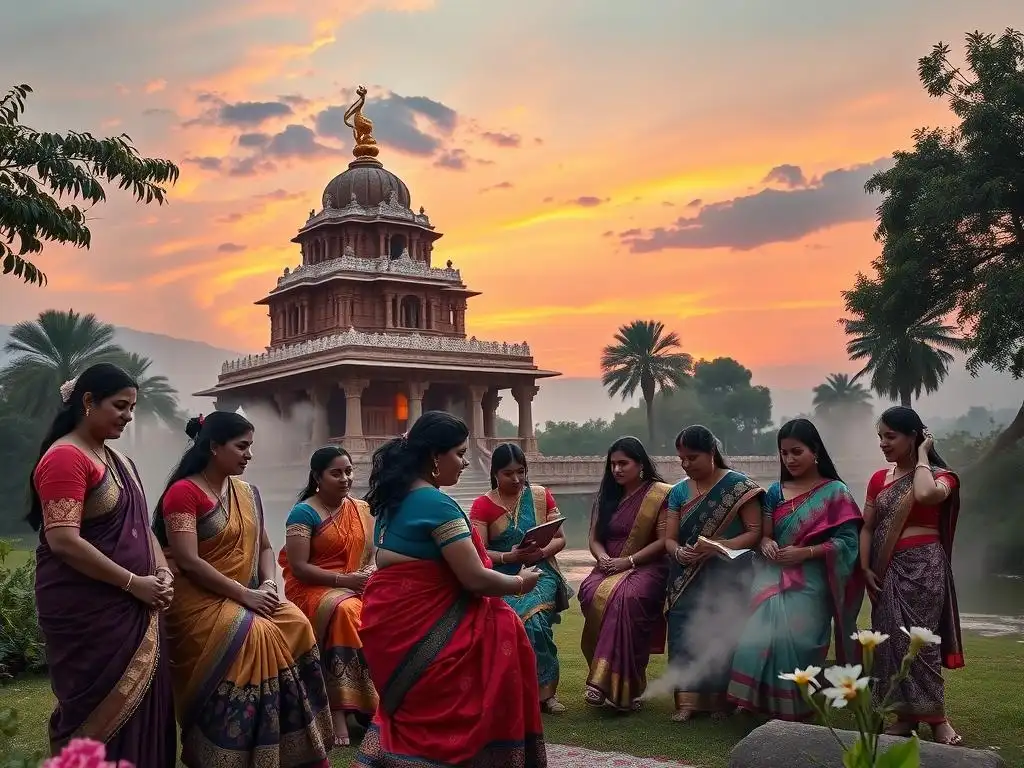
Welcome to Ancient India History, where we journey through the vibrant tapestry of ancient civilizations that shaped the cultural and historical landscape of India. In this exploration, we delve into the often-overlooked narratives that highlight the significant roles of women in ancient Indian myths. Our featured article, "Female Narratives: The Stories of Women in Ancient Indian Myths," invites you to uncover the powerful stories of these remarkable women, whose contributions and legacies have long echoed through time.
Prepare to be captivated as we reveal how these narratives not only reflect the societal values of their era but also inspire and resonate in today's world. Dive in to uncover the rich heritage waiting for you!
- Introduction to Women in Ancient Indian Myths
- Key Female Figures in Ancient Indian Myths
- Themes and Values Reflected in Female Narratives
- Comparative Analysis of Female Narratives Across Cultures
- Conclusion: The Legacy of Women in Ancient Indian Myths
-
Frequently Asked Questions
- What are some prominent female figures in ancient Indian myths?
- How did women contribute to ancient Indian society according to these myths?
- What themes are prevalent in the stories of women in ancient Indian myths?
- How do these myths reflect the status of women in ancient India?
- Why is it important to study women in ancient Indian myths?
- Final Reflection: Empowering Voices of Women in Ancient Indian Myths
- Unveil the Power of Female Narratives!
Introduction to Women in Ancient Indian Myths
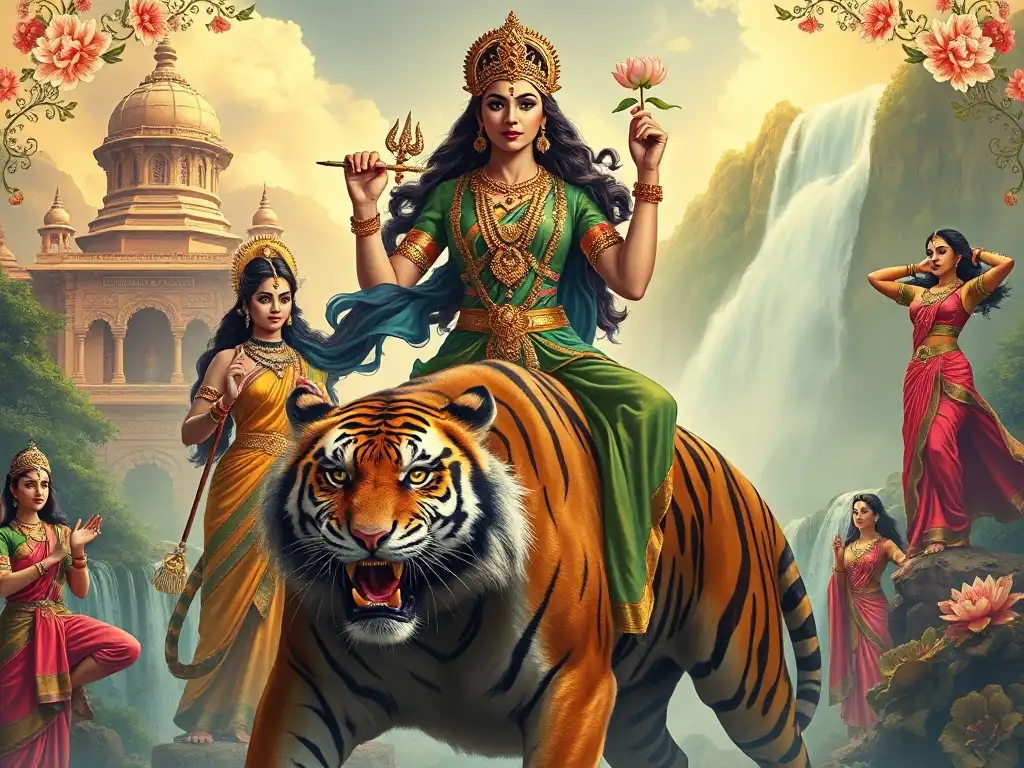
The role of women in ancient Indian myths is a profound and complex subject that reflects the rich tapestry of culture, spirituality, and societal norms of the time. Myths serve as a vital medium through which the values, beliefs, and experiences of ancient civilizations are conveyed, and women often occupy central roles in these narratives. From the revered goddesses to the sage-like figures, the stories surrounding women in ancient Indian myths reveal not only their power and agency but also the multifaceted nature of femininity in a society that has historically seen them in various lights.
Through the lens of these myths, we can explore the cultural significance of female figures, their contributions to the spiritual and moral fabric of society, and how these narratives have shaped perceptions of women throughout history. In this article, we will delve into the female narratives that have emerged from ancient Indian mythology, examining their implications and the lessons they impart about women's roles and contributions in ancient Indian society.
Overview of Myths and Their Significance in Ancient India
Ancient Indian myths are rich with symbolism and provide deep insights into the values and beliefs of the times. These mythological stories serve as more than mere entertainment; they are a means of transmitting wisdom and cultural heritage. Here are some key aspects of myths in ancient India:
- Cultural Heritage: Myths encapsulate the collective memory and identity of ancient Indian civilizations, highlighting the importance of traditions and moral values.
- Religious Significance: Many myths feature gods and goddesses, often showcasing the divine feminine. These narratives are integral to Hindu spirituality and philosophy, emphasizing the role of women in the spiritual realm.
- Social Commentary: Myths often reflect the societal norms and expectations of women, offering a critique or affirmation of women's roles within the family and society.
The significance of these myths cannot be overstated, as they continue to influence contemporary understanding of gender roles, spirituality, and cultural identity in India.
Importance of Female Narratives in Ancient Indian Culture
The female narratives found in ancient Indian myths are crucial for several reasons:
- Representation of Women: These stories often depict women in various roles, from nurturing figures to powerful deities, challenging the notion that women were merely passive participants in society.
- Empowerment: Myths like those of Durga and Sita portray women as embodiments of strength and resilience, serving as role models for future generations.
- Cultural Identity: Female figures in myths contribute to the understanding of femininity in ancient Indian culture, shaping societal expectations and norms regarding women's behavior and roles.
- Philosophical Insights: Many narratives offer profound philosophical reflections on the nature of reality, the divine, and the human experience, often through the lens of female experiences and perspectives.
The exploration of women in ancient Indian myths not only sheds light on the historical and cultural context of the time but also emphasizes the enduring legacy of these narratives in shaping modern perspectives on gender and spirituality in India.
Key Female Figures in Ancient Indian Myths
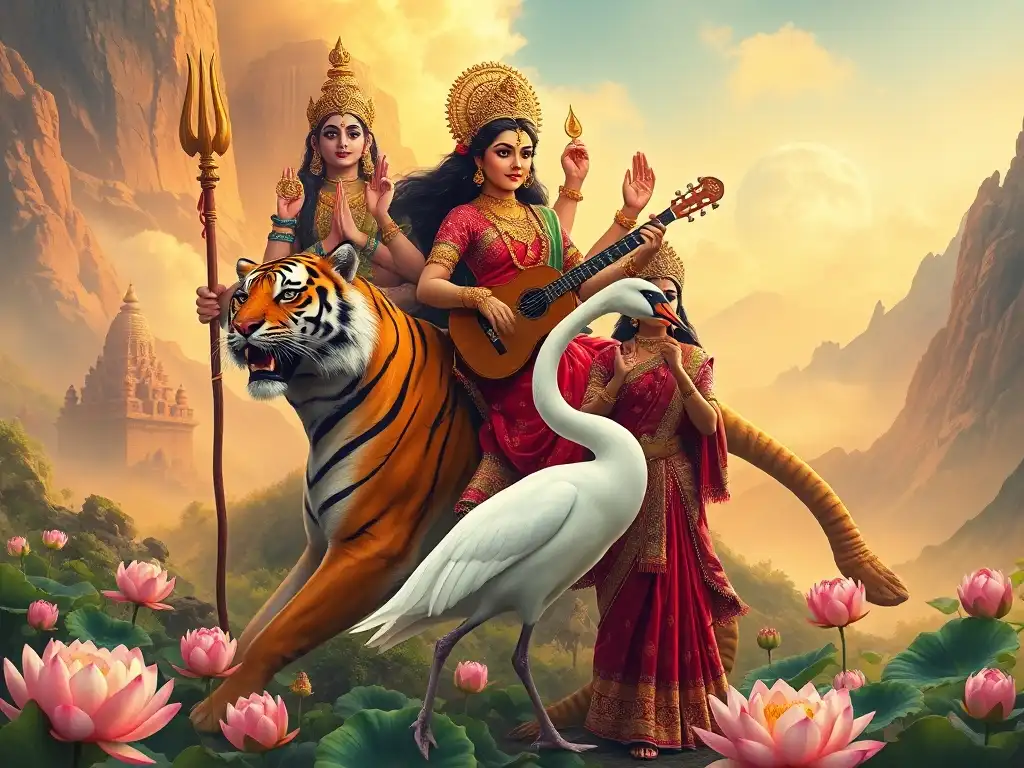
The narratives surrounding women in ancient Indian myths are rich and varied, showcasing the multifaceted roles that female figures played in the cultural and spiritual landscape of India. These characters often embody virtues, strengths, and complexities that reflect the societal values and philosophical teachings of their time. This section explores some of the most significant female figures, ranging from goddesses in Hindu mythology to legendary women in epic narratives.
Goddesses and Their Roles in Hindu Mythology
Hindu mythology is replete with powerful goddesses who represent various aspects of life, nature, and morality. Their stories not only provide insight into the divine feminine but also serve as moral and spiritual guides for followers.
Durga: The Warrior Goddess
Durga is one of the most revered goddesses in Hinduism, symbolizing strength, courage, and the victory of good over evil. Often depicted riding a lion or tiger, she is adorned with multiple arms, each holding weapons gifted by various gods.
- Significance: Durga’s narrative centers around her battle against the buffalo demon Mahishasura, who represents chaos and ignorance. Her victory symbolizes the triumph of righteousness and the protection of dharma (moral order).
- Cultural Impact: The festival of Durga Puja, celebrated predominantly in West Bengal, honors her and showcases her importance in cultural practices. This celebration reflects the community’s reverence for feminine power and resilience.
Lakshmi: The Goddess of Wealth and Prosperity
Lakshmi, the goddess of wealth, fortune, and prosperity, plays a crucial role in Hindu mythology. She is often depicted sitting or standing on a lotus flower, symbolizing purity and enlightenment.
- Attributes: Lakshmi is associated with not only material wealth but also spiritual abundance and well-being. She embodies the ideal of balance between material and spiritual life.
- Festivals: Diwali, the festival of lights, is one of the most significant celebrations dedicated to her. During this time, devotees seek her blessings for prosperity and success, illustrating her integral role in everyday life.
Legendary Women in Epics
The great Indian epics, the Ramayana and the Mahabharata, feature legendary women whose narratives transcend time and continue to resonate with modern audiences.
Sita: The Ideal Woman in the Ramayana
Sita, the central female character in the Ramayana, is often idealized as the epitome of virtue, loyalty, and self-sacrifice. Her story is one of profound love, resilience, and trial.
- Abduction and Trials: Sita’s abduction by the demon king Ravana leads to a series of challenges that test her loyalty and strength. Her unwavering devotion to Rama, her husband, highlights the virtues of fidelity and moral integrity.
- Symbolism: Sita represents the ideal woman in a patriarchal society. Her trials and eventual return to Rama symbolize the struggle for virtue against adversity, making her a powerful figure in discussions about women's roles in society.
Draupadi: The Strong-Willed Queen of the Mahabharata
Draupadi's character in the Mahabharata is complex and multifaceted, making her one of the most compelling female figures in Indian mythology.
- Strength and Resilience: Known for her fiery spirit, Draupadi’s humiliation in the Kaurava court becomes a catalyst for the great war of Kurukshetra. Her resilience and ability to challenge patriarchal norms reflect a strong feminist narrative.
- Role in the Epic: Draupadi’s relationships with the Pandavas and her role as a queen highlight the complexities of women's agency within the socio-political framework of the epic. She is often seen as a symbol of empowerment and social justice, advocating for her rights and dignity.
The female narratives in ancient Indian myths reveal a spectrum of characteristics—from the divine strength of goddesses like Durga and Lakshmi to the resilience and complexity of legendary women like Sita and Draupadi. These stories not only contribute to the understanding of women's roles in ancient Indian society but also continue to inspire discussions on gender and empowerment in contemporary contexts.
Themes and Values Reflected in Female Narratives
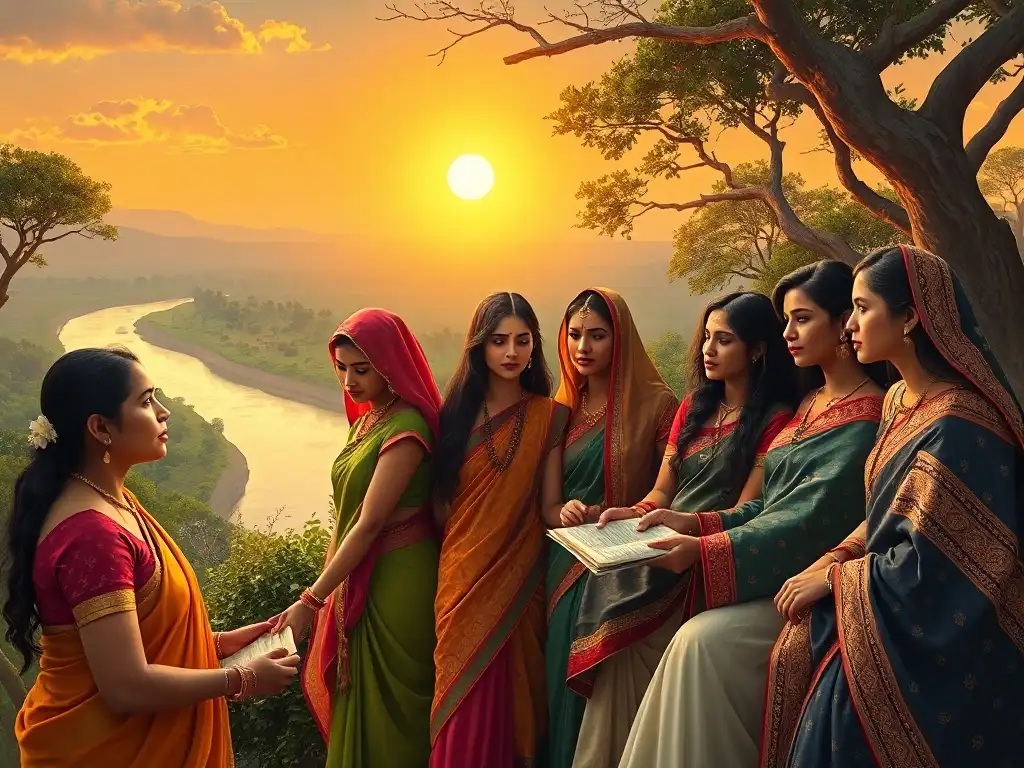
The Representation of Femininity in Ancient Indian Myths
The representation of femininity in ancient Indian myths is multifaceted, embodying a spectrum of characteristics that reflect the values and beliefs of the time. Women are often depicted as embodiments of virtue, beauty, and grace, yet they also exhibit strength, intelligence, and resilience. For instance, characters like Sita from the Ramayana and Draupadi from the Mahabharata showcase contrasting aspects of femininity.
- Sita is portrayed as the ideal woman, symbolizing loyalty and purity. Her trials in the forest and her abduction by Ravana highlight the themes of virtue tested by adversity.
- Draupadi, on the other hand, represents a more complex narrative. Her fierce spirit and outspoken nature challenge the patriarchal norms, particularly during the infamous game of dice where her dignity is at stake.
This duality in representation serves to illustrate the cultural perceptions of women—where they are revered as mothers and nurturers, yet also depicted as individuals capable of defiance and strength.
Female Empowerment and Agency in Mythical Stories
Female empowerment in ancient Indian myths is not merely a modern interpretation; it is woven into the very fabric of these narratives. Women such as Durga and Kali are not just deities but are powerful symbols of feminine strength and agency. Their stories depict a proactive approach to confronting evil and injustice.
- Durga, for instance, is celebrated for her role in vanquishing the buffalo demon Mahishasura. This myth serves as a metaphor for the empowerment of women, showcasing the ability to rise against oppression.
- Kali, often misunderstood, represents the destruction of ignorance and the fierce aspect of feminine power. Her narrative emphasizes that empowerment does not always conform to societal expectations but can embrace chaos and transformation.
Additionally, figures like Shabala, the divine female horse in the Mahabharata, highlight the notion of women possessing their own agency, capable of aiding heroes in their quests, thereby challenging traditional gender roles.
The Role of Women as Nurturers and Protectors
The nurturing role of women in ancient Indian myths is prominently featured, reflecting the societal values of motherhood and protection. Women are often depicted as caretakers, embodying the ideals of compassion, wisdom, and moral guidance.
- Parvati, the wife of Lord Shiva, represents the archetype of the nurturing mother and devoted wife. Her role extends beyond domesticity; she is integral in maintaining cosmic balance and supporting her husband in his endeavors.
- Similarly, Kunti, the mother of the Pandavas, exemplifies the protective nature of women. Her sacrifices and strategic thinking ensure the survival and success of her sons amidst great adversity.
In many narratives, the nurturing aspect is not limited to biological motherhood but extends to mentorship and guidance. The stories of these women illustrate how they play crucial roles in shaping the destinies of heroes and the moral compass of their families and communities.
The exploration of these themes and values not only enriches our understanding of women's roles in ancient Indian myths but also emphasizes their significance in the broader context of gender narratives throughout history. The stories of women in ancient Indian mythology continue to inspire and resonate, highlighting their contributions to culture, philosophy, and societal values.
Comparative Analysis of Female Narratives Across Cultures
Similarities and Differences with Other Ancient Civilizations
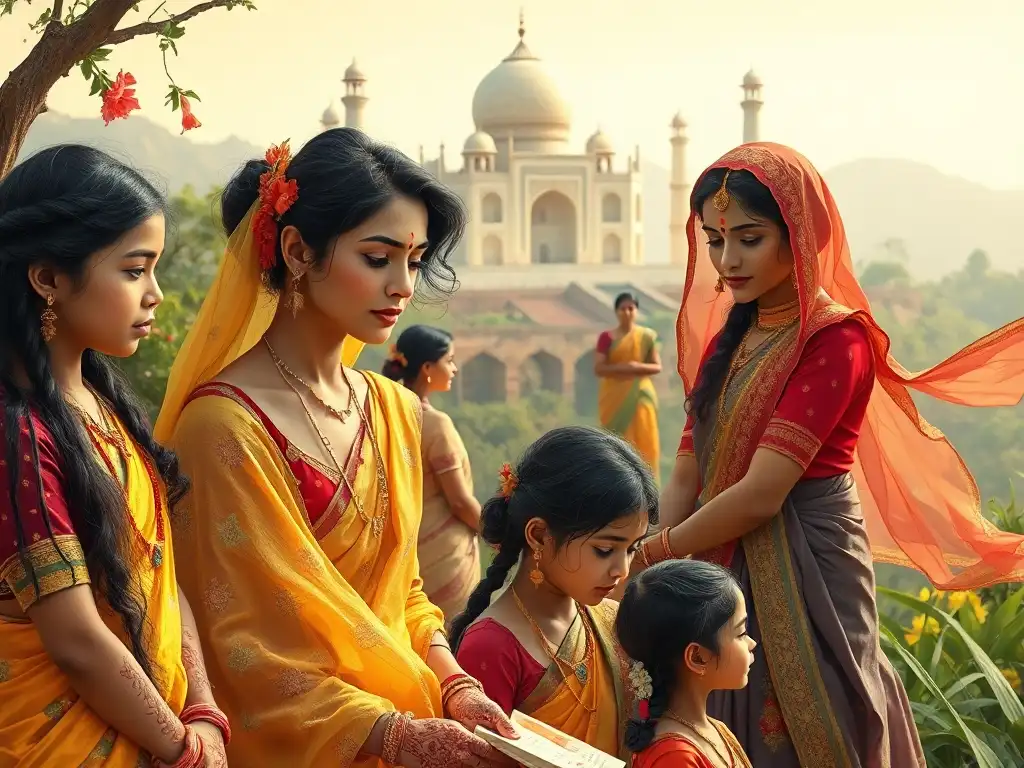
The narratives of women in ancient Indian myths present a unique tapestry woven with threads of cultural, social, and religious significance. When compared to other ancient civilizations, such as Mesopotamia, Greece, and Egypt, several similarities and differences emerge that highlight the unique positioning of women in ancient Indian society.
Similarities:
- Divine Feminine Figures:
- In many ancient cultures, women were revered as divine figures. For instance, Ishtar in Mesopotamian mythology and Aphrodite in Greek mythology are comparable to Devi in Hinduism, representing fertility, love, and war.
- The portrayal of goddesses in ancient Indian myths often carries dual aspects—nurturing and destructive—similar to the characteristics of female deities in other cultures.
- Role in Creation Myths:
- Across civilizations, women frequently play crucial roles in creation myths. For example, Inanna in Sumerian tales and Gaia in Greek mythology echo the narrative of Prakriti in Hinduism, where female figures embody the creative force of the universe.
- Moral and Ethical Lessons:
- Myths from various cultures often use female characters to impart moral lessons. The stories of Sita and Draupadi emphasize virtues such as loyalty and resilience, akin to the trials faced by female figures like Penelope in Greek mythology.
Differences:
- Cultural Context:
- Ancient Indian myths often reflect the complexities of caste and gender dynamics unique to the subcontinent. Unlike the more straightforward narratives in Greek and Mesopotamian myths, Indian myths frequently intertwine these social structures with their female characters' stories.
- Emphasis on Duty (Dharma):
- The concept of Dharma significantly shapes the narratives of women in ancient Indian mythology. Characters like Savitrī and Sita are celebrated for their adherence to their duties, which differs from the more individualistic pursuits often highlighted in Western myths.
- Multiplicity of Roles:
- Women in ancient Indian myths frequently embody multiple roles—goddess, mother, wife, and warrior—often within the same narrative framework. In contrast, women in other cultures may be confined to more singular or archetypal roles, such as the nurturing mother or seductress.
The Influence of Ancient Indian Myths on Later Female Narratives
Ancient Indian myths have significantly influenced the portrayal of women in later narratives, both within the Indian context and beyond. The reverberations of these stories can be seen in various aspects of literature, art, and religious practices.
- Literary Evolution:
- The rich tapestry of female characters in ancient Indian texts, such as the Mahabharata and Ramayana, laid foundational narratives that later writers and poets expanded upon. The character of Draupadi, for instance, has inspired numerous adaptations, reflecting evolving societal values and gender dynamics.
- Cultural Transformations:
- As Indian society transitioned through various historical phases, the narratives of women adapted accordingly. The portrayal of women in medieval texts often mirrored contemporary socio-political changes, showcasing the enduring influence of earlier myths while reflecting new realities.
- Modern Feminist Discourse:
- The reinterpretation of ancient female characters has become a focal point in contemporary feminist literature. Writers draw upon the complexities of figures like Sita and Durga to challenge traditional perceptions and advocate for women's rights, reflecting a continuous dialogue between ancient narratives and modern feminist ideals.
- Art and Performance:
- The influence of female narratives from ancient Indian myths extends into art forms, such as dance and theater. Performances that depict stories of Radha and Krishna or Durga's battle against evil not only celebrate these figures but also engage audiences in discussions about women's empowerment and agency.
The comparative analysis of female narratives across cultures reveals a rich interplay of similarities and differences that underscore the significance of women in ancient Indian myths. These narratives continue to resonate, shaping contemporary discourse on gender and identity within the broader cultural landscape.
Conclusion: The Legacy of Women in Ancient Indian Myths
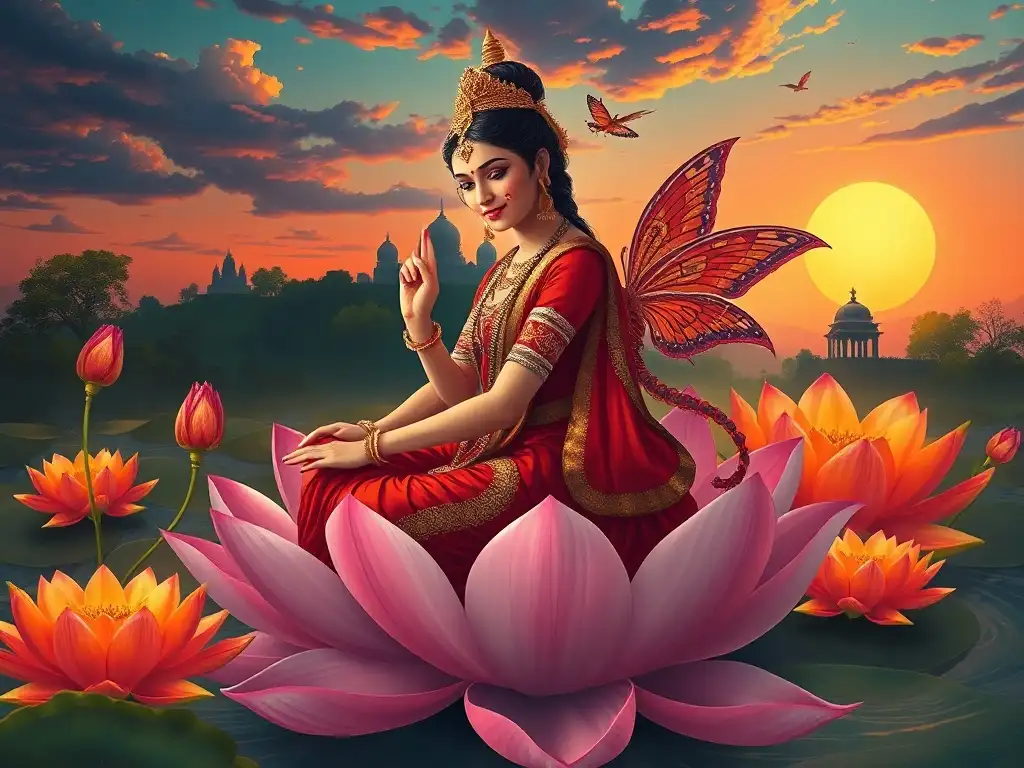
The rich tapestry of women's narratives in ancient Indian myths is not just a reflection of their roles in the past but also a profound legacy that continues to influence contemporary society. These stories, steeped in symbolism and moral lessons, highlight the multifaceted experiences of women, ranging from the divine to the earthly. Figures such as Sita, Draupadi, and Durga embody various virtues, challenges, and resilience, providing frameworks for understanding femininity and strength.
The legacy of these women transcends time, serving as a source of inspiration for both men and women today. Their tales encourage the questioning of societal norms and the exploration of gender roles. By examining their stories, modern audiences can engage in dialogues about equality, gender identity, and empowerment, fostering a deeper appreciation for the complexities of women's experiences throughout history.
The Continued Relevance of Female Stories in Contemporary Society
The narratives of women in ancient Indian myths resonate deeply within contemporary society, reflecting ongoing struggles and triumphs. In a world still grappling with gender inequality, these stories serve as reminders of the power and agency women have wielded throughout history.
- Empowerment: The stories of goddesses like Kali and Parvati emphasize the strength and resilience of women. Their ability to overcome adversity can inspire modern women to reclaim their narratives and assert their rights.
- Cultural Identity: These myths contribute to a sense of cultural heritage. Understanding the roles women played in these ancient tales can foster a stronger connection to one's roots and encourage pride in cultural identity.
- Moral Lessons: Many of these stories impart significant moral teachings. For instance, the trials of Sita can prompt discussions about fidelity, honor, and the sacrifices women often make for family and society.
In essence, the relevance of these narratives today lies in their capacity to inspire change, challenge stereotypes, and promote a deeper understanding of women's roles in society.
Encouraging Further Exploration of Women's Roles in Ancient Indian History
To fully appreciate the contributions of women in ancient Indian history, it is essential to delve deeper into their narratives and roles. Here are some avenues for exploration:
- Research and Scholarship: Encouraging academic exploration of female figures in ancient texts can yield new insights. Scholars can analyze how these narratives have been interpreted over time and their implications for contemporary issues.
- Cultural Events and Workshops: Attending or organizing events that celebrate women in ancient Indian mythology can foster community engagement. These gatherings can include storytelling sessions, discussions, and performances that bring these narratives to life.
- Literature and Media: Exploring novels, films, and documentaries that focus on women in ancient Indian myths can provide fresh perspectives. These mediums can help reinterpret traditional tales and make them accessible to a broader audience.
By actively engaging with these narratives, individuals can contribute to a richer understanding of women's roles in ancient Indian history, ensuring that their voices and contributions are recognized and celebrated. The stories of women in ancient Indian myths are not merely relics of the past; they are living narratives that continue to shape our understanding of gender, identity, and culture.
Frequently Asked Questions
What are some prominent female figures in ancient Indian myths?
Many prominent female figures include Sita, Draupadi, and Parvati, each representing unique virtues and strengths in the narratives of the Ramayana and Mahabharata.
How did women contribute to ancient Indian society according to these myths?
Women in ancient Indian myths often held key roles that influenced society, such as being mothers, warriors, or goddesses, symbolizing the nurturing and powerful aspects of femininity.
What themes are prevalent in the stories of women in ancient Indian myths?
Common themes include sacrifice, devotion, and empowerment, showcasing the resilience and complexity of female characters against societal norms and expectations.
How do these myths reflect the status of women in ancient India?
The myths reveal a complex portrayal of women, indicating that while they were often idealized, they also faced challenges and constraints, reflecting the societal views of their time.
Why is it important to study women in ancient Indian myths?
Studying these narratives enriches our understanding of gender dynamics, cultural values, and the historical context of women's roles in ancient Indian civilization, highlighting their contributions and significance.
Final Reflection: Empowering Voices of Women in Ancient Indian Myths
The exploration of women in ancient Indian myths reveals not only the rich tapestry of narratives that have shaped cultural identities but also the enduring relevance of these stories in today's society. As we delve into the lives of formidable female figures like Sita, Draupadi, and Kali, we uncover lessons of resilience, strength, and agency that resonate with contemporary discussions on gender equality and empowerment. These narratives remind us that women's voices have always been integral to the fabric of society, challenging the notion that their stories are merely relics of the past.
The impact of these ancient narratives continues to influence our cultural and social landscape, serving as a source of inspiration and reflection for generations. The stories of women in ancient Indian myths not only celebrate their triumphs but also highlight their struggles, offering a mirror to the ongoing fight for women's rights today. As noted by feminist scholar Devdutt Pattanaik, Mythology is a way of understanding the world, and the stories we tell shape our reality.
This underscores the importance of reclaiming and retelling these narratives, as they empower women to see themselves as protagonists in their own lives.
As we reflect on the significance of these stories, I invite you to consider how the lessons from these ancient myths can be applied in your own life. Embrace the strength and resilience of these female figures as a source of inspiration in your journey. Whether through advocating for gender equality, supporting women's voices in your community, or simply recognizing the power of storytelling, let us honor the narratives of women in ancient Indian myths and ensure that their voices continue to echo through time, shaping a more equitable future for all.
Unveil the Power of Female Narratives!
Thank you for taking the time to explore the incredible stories of women in ancient Indian myths! By diving into these narratives, you’ve uncovered a rich tapestry of female strength and wisdom that has shaped history. Now, let’s take the next step together!
Here’s how you can keep the momentum going:
- Dive Deeper: Explore more myths and their interpretations by visiting our extensive collection on our website.
- Share the Knowledge: Discuss these powerful stories with friends or on social media to inspire others to appreciate the significance of women in history.
- Join the Conversation: Contribute your thoughts by sharing your favorite female mythological character in the comments below!
Which stories resonate with you the most from the female narratives of ancient Indian myths, and how have these tales influenced your perspective on women’s roles today?