
Celebrating Female Figures: How Women Were Portrayed in Ancient Indian Art

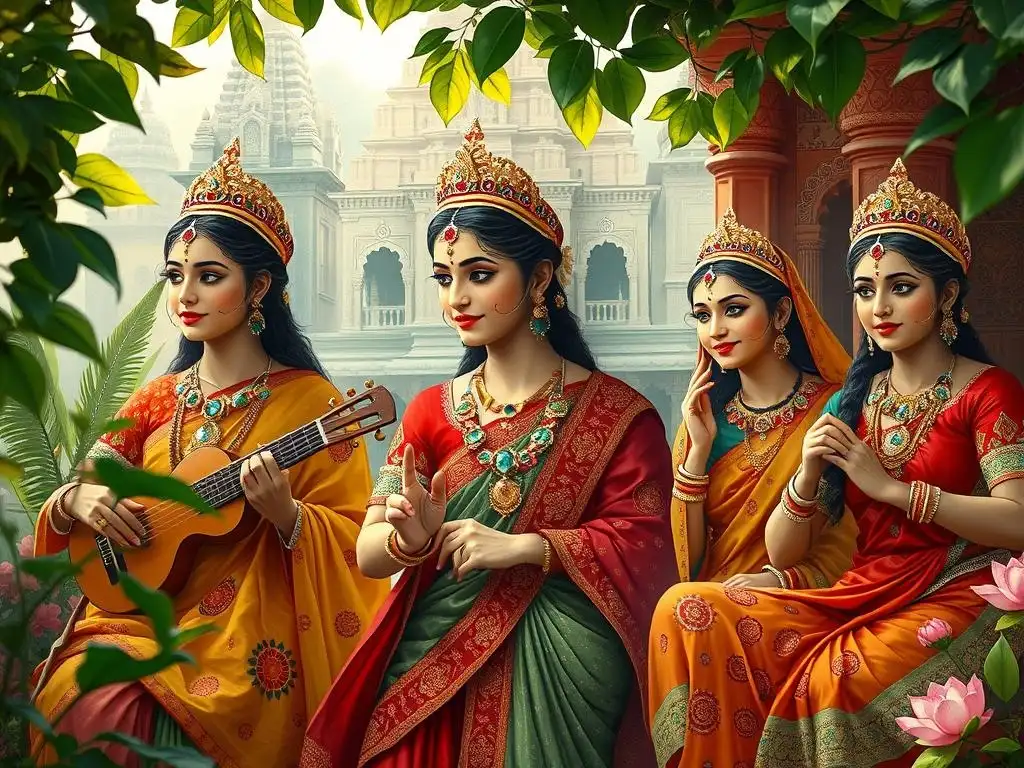
Welcome to Ancient India History, where we embark on a fascinating journey through the intricate tapestry of India’s past. In this exploration, we delve into the often-overlooked yet vital roles women played in shaping ancient Indian art. Our featured article, “Celebrating Female Figures: How Women Were Portrayed in Ancient Indian Art,” invites you to uncover the stories and symbolism behind these remarkable representations.
Prepare to be intrigued as we reveal how these artistic expressions reflect not only the cultural landscape of their time but also the powerful contributions of women throughout history. Join us as we uncover the untold narratives that lie within the strokes of ancient artisans!
The portrayal of women in ancient Indian art offers a captivating glimpse into the cultural, social, and religious values of the time. From the intricate carvings of the Indus Valley Civilization to the majestic frescoes of the Gupta period, the representation of female figures reflects the multifaceted roles that women played in society.
This article delves into how women were depicted in various forms of ancient Indian art, emphasizing their significance in religious, philosophical, and everyday contexts. By exploring the artistic expressions of these female figures, we can gain a deeper understanding of their contributions to ancient Indian civilization, not only as objects of beauty but as embodiments of strength, spirituality, and cultural identity.
The Artistic Representation of Women in Ancient Indian Civilization
The artistic representation of women in ancient India is a rich tapestry woven with symbolism, style, and significance. Women were often depicted in various roles, showcasing their importance in both domestic and public spheres.
- Divine Figures: Many artworks feature female deities, such as Durga and Lakshmi, highlighting the reverence for feminine power within Hinduism. These depictions often emphasize attributes such as strength, beauty, and grace, reinforcing the idea of women as embodiments of divine qualities.
- Everyday Life: Beyond the divine, women were also portrayed in their daily activities, such as cooking, dancing, and caring for children. These representations provide insight into the daily lives and societal roles of women in ancient Indian culture.
- Symbolism and Allegory: Many artworks used female figures to symbolize concepts such as fertility, prosperity, and knowledge. For example, the image of the mother goddess often represents fertility and the nurturing aspects of life.
The Role of Women in Religion and Philosophy
In ancient India, women were not merely subjects of art; they were also active participants in religious and philosophical discourses.
- Spiritual Leaders: Historical texts reveal that women like Gargi and Maitreyi were revered philosophers, engaging in dialogues that shaped spiritual thought. Their contributions highlight the intellectual capabilities of women in ancient times.
- Ritual and Worship: Women played vital roles in religious rituals, often acting as priestesses or caretakers of sacred spaces. This involvement is reflected in temple art, where women are depicted performing rituals, emphasizing their spiritual significance.
- Cultural Narratives: Myths and stories often featured strong female characters who challenged societal norms, providing role models for future generations. The arts served as a medium to convey these narratives, inspiring respect and admiration for women's roles.
Conclusion
The exploration of women in ancient Indian art reveals a complex interplay of cultural values, religious beliefs, and societal roles. From divine figures to philosophical thinkers, women were integral to the fabric of ancient Indian civilization. Through their artistic representation, we celebrate the contributions and significance of women, recognizing their enduring legacy in the history of India.
As we delve deeper into this topic, we invite you to join us in uncovering the rich narratives that celebrate female figures in ancient Indian art.
- The Artistic Representation of Women in Ancient Indian Civilization
- The Role of Women in Religion and Philosophy
- Conclusion
- What are the main themes of women in ancient Indian art?
- How did the portrayal of women evolve through different periods in ancient India?
- What materials and techniques were used to depict women in ancient Indian art?
- How did religious beliefs influence the depiction of women in ancient Indian art?
- Are there any notable examples of women in ancient Indian art?
Introduction to Women in Ancient Indian Art
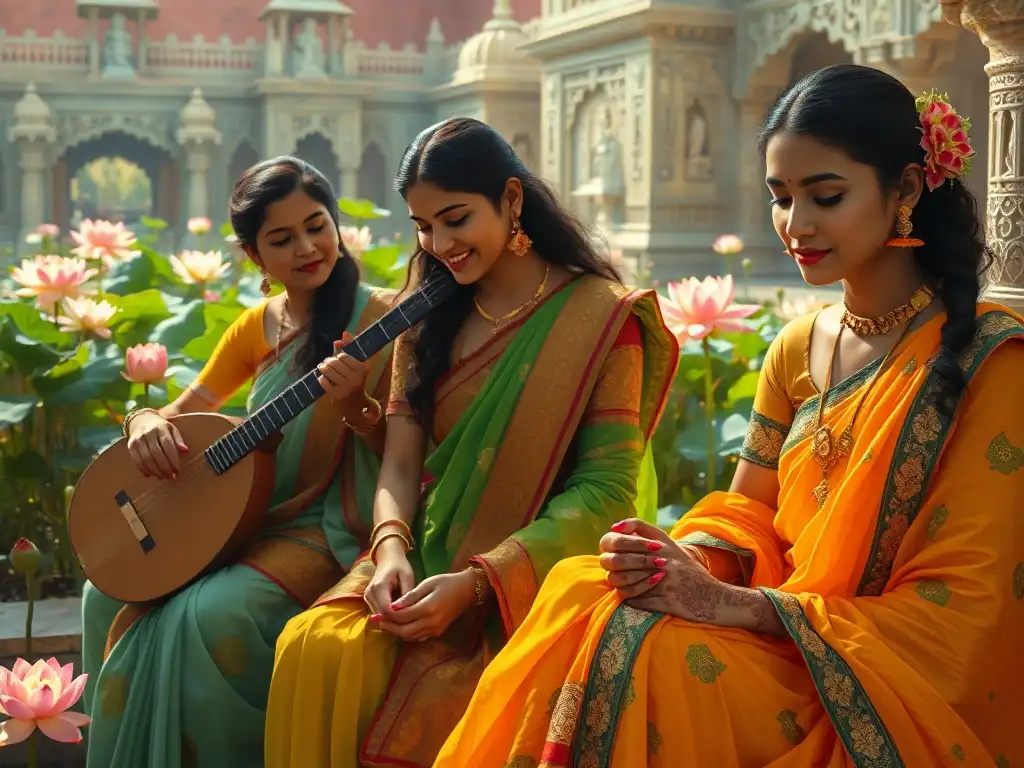
The portrayal of women in ancient Indian art offers a fascinating glimpse into the societal values, roles, and status of women across various periods. From the intricate carvings of the Indus Valley Civilization to the exquisite paintings of the Gupta Empire, women's representations in art are diverse and multifaceted. This exploration not only highlights the artistic skills of ancient artisans but also reflects the cultural narratives surrounding femininity, spirituality, and power in ancient Indian society.
The Significance of Women in Ancient Indian Culture
Women in ancient India held a significant place within the family and society, often embodying ideals of virtue, grace, and strength. The cultural narratives surrounding women were complex, and their representation in art mirrored their roles as nurturers, goddesses, and symbols of power.
- Cultural Roles: Women were often depicted in relation to domestic activities, fertility, and motherhood, emphasizing their roles as caregivers. These depictions can be seen in various art forms, such as terracotta figurines and temple sculptures.
- Spiritual Symbolism: In many artistic representations, women were associated with spirituality and divinity. Goddesses like Durga and Lakshmi were revered not only for their power but also for their nurturing characteristics. The imagery surrounding these deities often showcased them with attributes that symbolized strength and prosperity.
- Representation in Literature: Literary texts from ancient India, such as the Vedas and epics like the Mahabharata, often reflect women's roles in religious and philosophical contexts, further enriching their artistic portrayals. These texts provide insights into the virtues and qualities attributed to women, such as wisdom and devotion.
The significance of women in ancient Indian culture is thus deeply interwoven with artistic expressions, which serve as a testament to their enduring legacy in shaping societal values.
Overview of Artistic Depictions of Women in Ancient India
The artistic depictions of women in ancient India can be categorized into various forms, each reflecting different aspects of their societal roles and cultural significance.
- Sculptures and Reliefs:
- Indus Valley Civilization: Early representations of women, such as the famous "Dancing Girl" statuette, reflect both grace and skill. These sculptures often emphasized feminine beauty and were made with attention to detail.
- Temple Art: During the Gupta period, temples became centers of artistic expression. Intricate carvings often depicted women in various roles, from celestial dancers (apsaras) to nurturing mothers. The Khajuraho temples, for instance, feature numerous sculptures celebrating the beauty and sensuality of women, highlighting their importance in both sacred and secular contexts.
- Paintings:
- Miniature Paintings: The Mughal era saw the emergence of miniature paintings that illustrated court life, including depictions of women in royal attire. These artworks often portrayed women in leisure activities, emphasizing their elegance and status.
- Frescoes: The Ajanta Caves are famous for their frescoes, which depict women in various roles, from celestial beings to everyday life. These paintings offer insights into the clothing, adornments, and activities of women during that time.
- Artifacts:
- Terracotta Figurines: Found in archaeological sites, these figurines represent women in various poses and activities, often linked to fertility and domestic life. The diversity of these artifacts reflects the regional variations in the portrayal of women.
The artistic depictions of women in ancient India are not merely aesthetic; they serve as historical documents that reveal the complexities of women's lives and their cultural significance. Through these representations, we gain a deeper understanding of how women were perceived and celebrated in ancient Indian society, affirming their vital role in the historical narrative.
Historical Context of Women in Ancient Indian Art
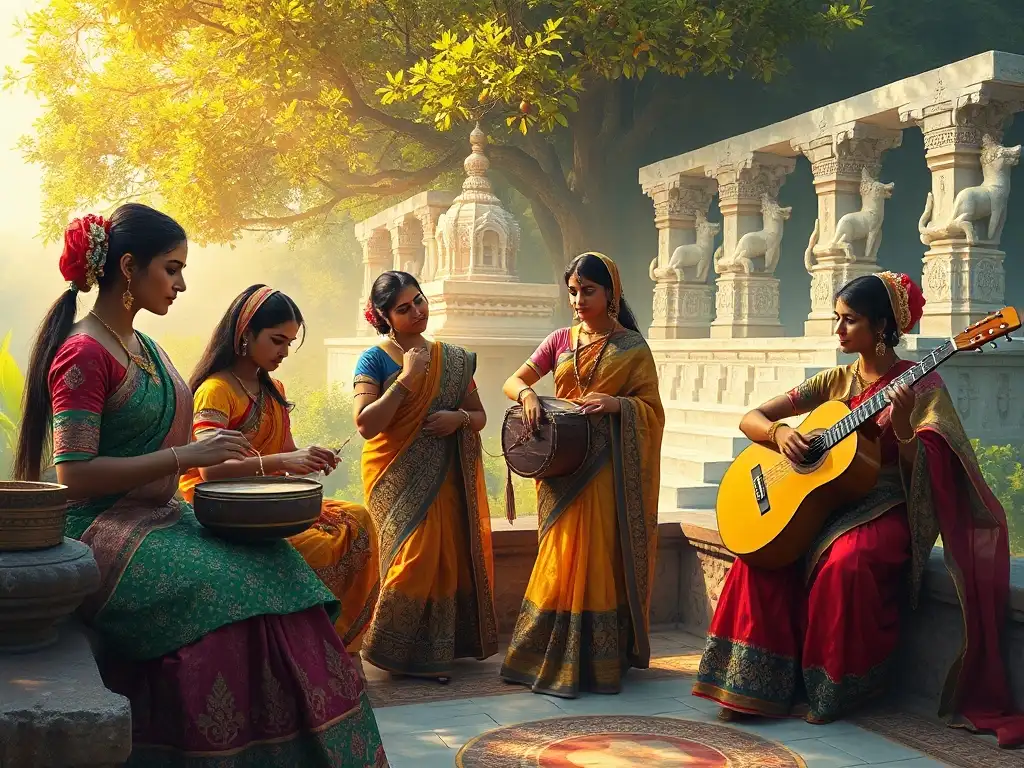
The Role of Women in Ancient Indian Society
The portrayal of women in ancient Indian art cannot be fully understood without examining their roles in society. Women in ancient India were multifaceted figures, actively involved in various domains, including family, religion, and governance. Their status, however, varied significantly across different periods and regions.
- Social Roles:
- Women were primarily seen as caretakers of the home, responsible for managing household duties and raising children. Yet, they also participated in agricultural work and trade, contributing significantly to the economy.
- In royal families, women often held considerable power and influence. Historical texts reveal instances where queens acted as regents or took part in political decision-making. For example, the legendary figure of Razia Sultana, who ruled the Delhi Sultanate, exemplifies the political capabilities of women.
- Cultural Significance:
- Women were celebrated in various forms of art, including sculpture, painting, and poetry. They were often depicted as muses and symbols of fertility, beauty, and grace. This artistic representation indicates that women were not merely passive subjects but integral to cultural narratives.
- The Bharatnatyam dance, rooted in ancient temple traditions, often features female performers who embody divine feminine energies, reinforcing the role of women as spiritual figures in society.
- Legal and Educational Rights:
- Ancient texts like the Manusmriti illustrate that women had some rights to education and property, although these were often limited. The existence of female scholars, such as Gargi and Maitreyi, indicates that women could attain considerable intellectual status in certain circles.
Influence of Religion and Philosophy on Artistic Representations
Religion and philosophy played a vital role in shaping the artistic representations of women in ancient India. The interplay between spiritual beliefs and artistic expression often highlighted women's roles in the divine and mundane spheres.
- Divine Feminine:
- Hinduism, with its pantheon of goddesses like Durga, Lakshmi, and Saraswati, provided a template for women's portrayal in art. These goddesses not only represented virtues like strength, prosperity, and knowledge but also embodied the ideal qualities expected of women in society.
- Temples dedicated to these goddesses featured intricate sculptures that celebrated feminine beauty and power, illustrating the reverence for women in spiritual contexts.
- Philosophical Texts:
- Ancient philosophical texts often highlighted the duality of feminine qualities, emphasizing the importance of women in maintaining cosmic balance. The concept of Shakti (divine energy) illustrates how women's strength is essential for the universe's functioning.
- Artworks depicting women in meditation or engaging in religious rituals reflect the philosophical underpinnings that valued women's spiritual contributions.
- Cultural Syncretism:
- The merging of various religious influences, such as Buddhism and Jainism, also affected women's representations in art. In Buddhist art, the depiction of female figures often symbolizes compassion and wisdom, reinforcing women's roles as nurturers and educators.
- Jain art, known for its intricate carvings, frequently portrays women in familial and spiritual contexts, highlighting their importance in maintaining religious traditions.
The interplay between societal roles and religious beliefs has shaped the artistic legacy of women in ancient India, revealing a rich tapestry of female representation that transcends mere aesthetics. The art not only celebrates women but also reflects their significant contributions to the cultural and spiritual fabric of ancient Indian civilization.
Key Themes in the Portrayal of Women in Ancient Indian Art
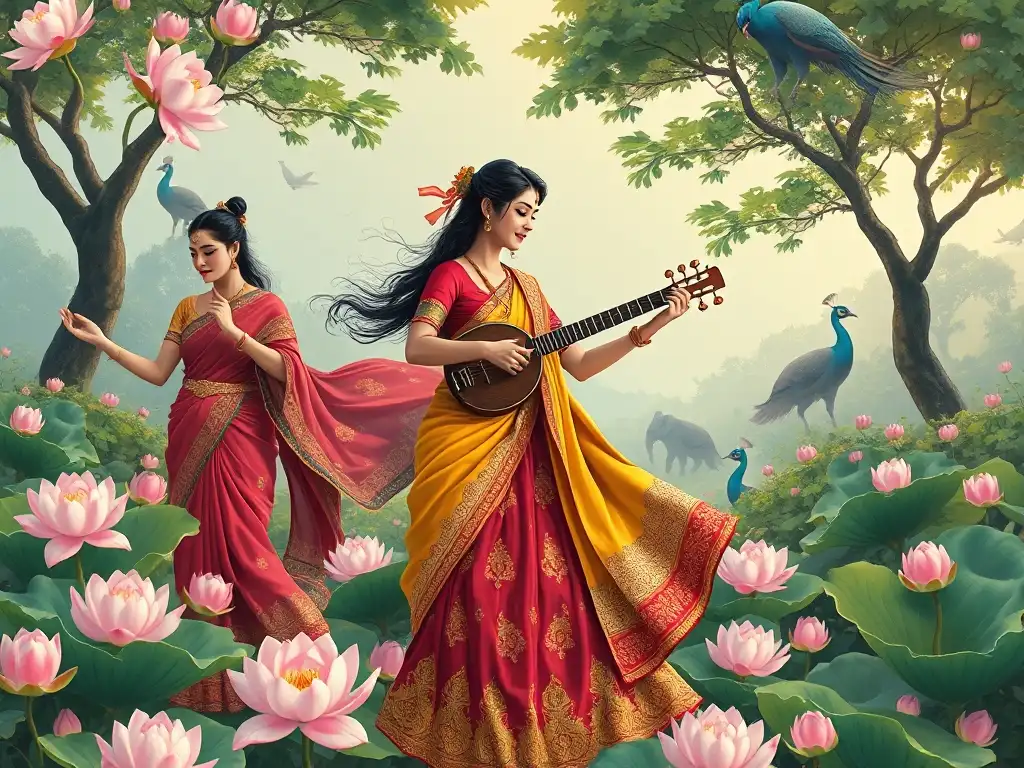
Women as Goddesses in Ancient Indian Art
In ancient Indian art, women are predominantly portrayed as goddesses, reflecting the deep-rooted reverence for feminine divinity within Hinduism and other Indian religions. The representation of goddesses such as Durga, Lakshmi, and Saraswati serves not only as religious iconography but also as a celebration of feminine power and virtue.
- Durga, often depicted riding a lion or tiger, symbolizes the victory of good over evil. Her multiple arms, each holding a weapon, represent her ability to combat various challenges.
- Lakshmi, the goddess of wealth and prosperity, is frequently shown seated on a lotus flower, a symbol of purity. This portrayal emphasizes her role as a nurturer of wealth and success.
- Saraswati, the goddess of knowledge and arts, is typically depicted with a veena, signifying the importance of education and creativity in ancient society.
These representations illustrate not just the attributes of the goddesses but also the ideals and values attributed to women in ancient Indian culture. The veneration of these divine figures highlights the significant role of women in the spiritual and philosophical realms, reinforcing their importance in society.
Depictions of Everyday Women in Art
Beyond the divine, ancient Indian art also presents a nuanced portrayal of everyday women, reflecting their roles in domestic and community life. These depictions can be found in various forms, from sculptures to frescoes, and they offer insights into the social structures and daily activities of ancient civilizations.
- Household Scenes: Many artworks illustrate women engaged in domestic tasks, such as cooking, weaving, and caring for children. These scenes provide a glimpse into the daily lives of women and their contributions to family and society.
- Cultural Activities: Women are often depicted in rituals and festivals, showcasing their involvement in cultural traditions. These representations not only highlight their participation but also signify their importance in fostering community bonds and cultural heritage.
- Fashion and Adornment: The intricate details in the clothing and jewelry of women in ancient art reveal the aesthetic values of the time. The use of vibrant colors and elaborate designs indicates a celebration of femininity and the significance of beauty in societal norms.
These portrayals are crucial for understanding the multifaceted roles of women, emphasizing their integral part in the tapestry of ancient Indian life.
The Symbolism of Femininity in Ancient Indian Art
The symbolism of femininity in ancient Indian art transcends mere representation; it embodies deeper philosophical and cultural meanings. The portrayal of women often aligns with themes of fertility, nurturing, and the cyclical nature of life.
- Fertility and Abundance: Many depictions include symbols of fertility, such as fruits and flowers, which are often associated with goddesses. This connection between women and fertility underscores the societal reverence for women's ability to give life and sustain families.
- Nature and Earth: Women are frequently likened to nature, symbolizing the earth's nurturing qualities. This connection is evident in depictions of women surrounded by flora and fauna, representing growth, sustenance, and harmony with the environment.
- Duality of Strength and Grace: Ancient Indian art often captures the duality of femininity, portraying women as both strong and graceful. This balance reflects the societal acknowledgment of women's power, whether in the form of goddesses or as mothers and caretakers.
Overall, the symbolism of femininity in ancient Indian art serves as a testament to the profound respect and multifaceted understanding of women’s roles in society. As such, the portrayal of women in this artistic domain not only reinforces their importance but also contributes to a rich narrative of cultural identity and continuity.
Major Art Forms Depicting Women in Ancient India
Sculptures and Statues of Women in Temples
Sculptures and statues of women in ancient Indian temples are among the most significant representations of femininity in Indian art. These works often depict women in various roles, symbolizing fertility, beauty, and divine attributes. One of the most celebrated examples is the intricate carvings found in the temples of Khajuraho, which showcase women in everyday activities as well as in sensual poses.
- Divine Representation: Many sculptures portray female deities such as Durga and Lakshmi. These figures often embody qualities of strength and prosperity, highlighting the respect and reverence afforded to women in a spiritual context.
- Symbolism of Fertility: Statues of women holding fruits or engaged in nurturing activities reflect the cultural importance of fertility in ancient Indian society. Such representations are often associated with agricultural prosperity and the continuity of lineage.
The craftsmanship of these sculptures varies in style and technique, with notable differences observed across different regions. For instance, the smooth, flowing lines of the sculptures from the Gupta period contrast with the more intricate detailing of earlier styles.
Frescoes and Murals Featuring Women
Frescoes and murals serve as another vital medium for depicting women in ancient Indian art. These forms of painting often adorned the walls of palaces and temples, illustrating stories from mythology and daily life.
- Narrative Art: Many murals depict scenes from epics like the Mahabharata and Ramayana, where women play crucial roles. For example, the portrayal of Sita in various contexts emphasizes her virtues and struggles, reflecting the societal ideals of womanhood.
- Cultural Practices: Frescoes often illustrate women engaged in traditional practices, such as music, dance, and rituals. These depictions provide insight into the everyday lives of women and their contributions to cultural heritage.
The vibrant colors and detailed expressions in these artworks not only highlight the aesthetic sensibility of the time but also communicate the societal values regarding women.
Pottery and Textiles Representing Female Figures
Pottery and textiles are integral to understanding the portrayal of women in ancient Indian art. These mediums have been used to convey gender roles and cultural significance across various periods.
-
Pottery Designs: Women are frequently depicted in pottery through painted motifs and figurines. In the Indus Valley Civilization, for instance, small terracotta figurines of women are believed to represent fertility goddesses, showcasing the reverence for femininity in early societies.
Type of Pottery Time Period Characteristics Painted Pottery Indus Valley Realistic depictions of women, often with elaborate hairstyles Black and Red Ware Mauryan Period Abstract designs, sometimes featuring female forms -
Textile Representations: Ancient textiles often included images of women, either as motifs or in the form of depictions of goddesses. The use of vibrant colors and intricate patterns in textiles gave life to the representations of women, often symbolizing grace and beauty.
The diverse forms of ancient Indian art—sculptures, frescoes, pottery, and textiles—collectively contribute to a rich narrative surrounding women. These representations not only celebrate femininity but also reflect the complexities of women's roles in society, religion, and culture throughout ancient Indian history.
Notable Examples of Women in Ancient Indian Art
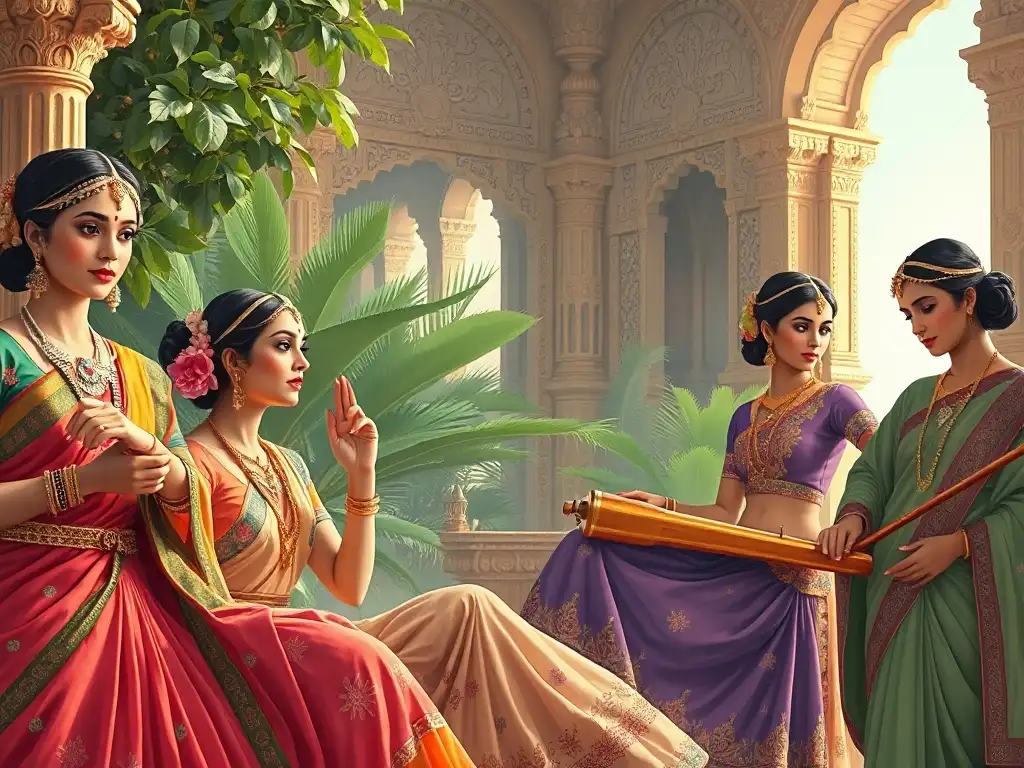
Ancient Indian art is rich with depictions of women, reflecting their roles and significance in society, religion, and culture. These artistic representations not only showcase the beauty and grace of women but also highlight their essential contributions to various aspects of life in ancient India. In this section, we will explore notable examples from significant sites, namely the Udayagiri Caves, Ajanta Caves, and the Khajuraho Temples, to understand how women were portrayed in ancient Indian art.
The Udayagiri Caves: Iconography of Female Figures
The Udayagiri Caves, located near Bhubaneswar in Odisha, are renowned for their exquisite carvings that date back to the 2nd century CE. Among these, the representations of female figures are particularly noteworthy.
- Goddess Durga: One of the most prominent depictions is of Goddess Durga, showcasing her as a powerful, warrior figure. This iconography reflects not only the divine femininity but also the strength attributed to women in ancient Indian culture. The intricate carvings illustrate her multiple arms wielding weapons, symbolizing protection and victory over evil forces.
- Female Attendants: The caves also feature carvings of female attendants, often depicted in graceful poses, adorned with elaborate jewelry and clothing. These figures represent the idealized beauty of women in that era and signify their roles as supporters and caretakers in both domestic and spiritual realms.
The Udayagiri Caves serve as a testament to the significance of women in religious narratives and the appreciation of feminine beauty in ancient Indian art.
Ajanta Caves: The Aesthetic Representation of Female Beauty
The Ajanta Caves, a UNESCO World Heritage Site, are famous for their stunning frescoes and sculptures that date back to the 2nd century BCE to the 6th century CE. The portrayal of women in Ajanta is particularly focused on aesthetic beauty and emotional expression.
- Apsaras and Female Figures: The caves are adorned with numerous depictions of apsaras (celestial nymphs) who embody the ideal of feminine beauty. These figures are often illustrated in flowing garments, with elaborate hairstyles and delicate features, representing the aesthetic values of the time. The artistic style emphasizes grace and elegance, showcasing women in various poses of dance and leisure.
- Symbolism of Apsaras: Apsaras are not only representations of beauty but also symbolize the ideals of love, joy, and the transient nature of beauty in life. Their presence in the art reflects the cultural belief in the importance of women as muses and sources of inspiration in both art and literature.
- Narrative Scenes: In addition to standalone figures, women are depicted in narrative scenes that often convey stories from Buddhist texts. These representations highlight their roles in the spiritual and social narratives, emphasizing their integral part in the broader context of life during ancient times.
The Ajanta Caves exemplify the celebration of women's beauty and emotional depth, showcasing their importance in the artistic heritage of ancient India.
The Khajuraho Temples: Celebrating Women's Roles in Society
The Khajuraho Temples, built between 950 and 1050 CE, are famous for their intricate sculptures that reflect various aspects of life, including the roles of women in society. The carvings found here are remarkable for their diversity and depth.
- Erotic Sculptures: Among the most famous features of Khajuraho are the erotic sculptures that depict intimate moments between couples. These representations challenge the conventional norms of femininity by celebrating sexuality and the erotic aspects of human relationships.
- Empowerment of Women: The depictions often show women as active participants in these scenes, suggesting a more liberated view of women's sexuality and their agency in relationships. This portrayal is significant as it contrasts with later conservative views on women's roles.
- Everyday Life and Rituals: In addition to erotic themes, the temples also feature sculptures showcasing women engaged in daily activities such as dancing, playing musical instruments, and participating in rituals. These scenes reflect the multifaceted roles of women in society, as nurturers, artists, and spiritual beings.
The Khajuraho Temples stand as a celebration of women's contributions and roles, portraying them as vital figures in both the sacred and secular realms of ancient Indian life.
The portrayal of women in ancient Indian art across these notable sites reveals a complex and rich narrative that underscores their significance in society, spirituality, and culture. From the powerful goddess figures in the Udayagiri Caves to the aesthetic beauty in Ajanta and the diverse roles in Khajuraho, these artistic representations continue to inspire and inform our understanding of women in ancient Indian art.
The Evolution of Women’s Portrayal in Art Through Different Eras
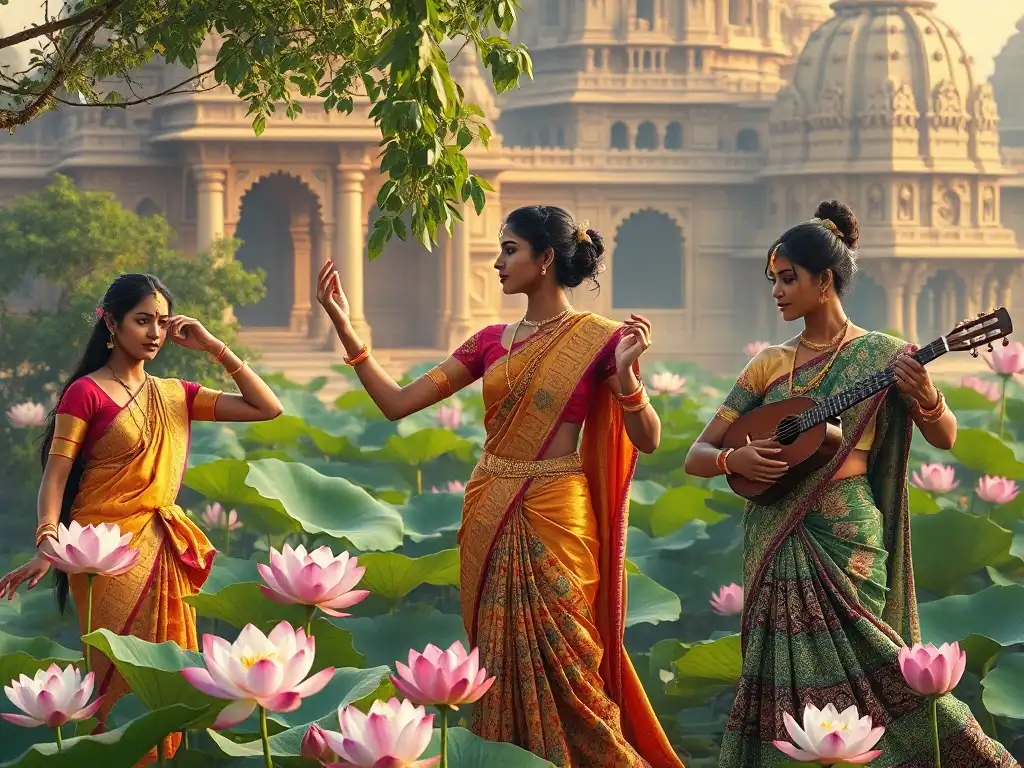
Pre-Mauryan to Mauryan Period: Initial Representations
The portrayal of women in ancient Indian art during the Pre-Mauryan and Mauryan periods reflects the complex social and cultural dynamics of the time. Women were primarily depicted in relation to their roles within the domestic sphere, showcasing their connection to family and home life. This is evident in the terracotta figurines and pottery artifacts that have been unearthed from sites like Mohenjo-Daro and Harappa, where women are often shown in nurturing positions, perhaps symbolizing fertility and motherhood.
- Artistic Characteristics:
- Terracotta Figurines: These often depicted women adorned with jewelry, emphasizing their beauty and grace.
- Stone Carvings: The emergence of stone art during the Mauryan period saw women depicted in more formal and regal poses, often beside men in depictions of court scenes.
The presence of female figures in religious contexts also began to emerge. Goddesses, such as Durga and Lakshmi, started to gain prominence, reflecting the reverence for feminine divinity. This dual representation of women as both earthly figures and divine beings highlighted the multifaceted roles women played in society.
Gupta Period: The Golden Age of Art and Women
The Gupta period (circa 320 to 550 CE) is often referred to as the "Golden Age" of Indian art, and during this time, the representation of women evolved significantly. This era saw an increase in the sophistication and intricacy of artistic techniques, leading to a richer depiction of women's roles in both domestic and public spheres.
- Artistic Innovations:
- Sculptures and Frescoes: Women were portrayed with greater individuality and emotion, as seen in the exquisite sculptures found in sites like Ajanta and Ellora. These works often depict women engaged in various activities, from musical performances to rituals.
- Iconography of Goddesses: The Gupta period also saw a flourishing of goddess iconography, with figures such as Saraswati and Parvati becoming central in temple art. These representations conveyed not only beauty but also power and knowledge.
The art of this period often celebrated the idealized feminine form, emphasizing grace and elegance. The intricate detailing of clothing, jewelry, and hairstyles in sculptures reflects the societal appreciation of women's beauty and status. Women in ancient Indian art during the Gupta period were thus represented not just as objects of beauty but as integral participants in the cultural and spiritual life of society.
Post-Gupta Influence: Changes and Continuities in Art
Following the Gupta period, the portrayal of women in art underwent notable changes, influenced by regional styles and the evolving sociopolitical landscape. The rise of various regional kingdoms led to a diversification of artistic expressions.
- Artistic Trends:
- Regional Variations: Different regions began to develop distinct styles, with women depicted in varying contexts. For example, in South India, the Chola dynasty's bronze sculptures showcased women in dance poses, emphasizing their cultural contributions.
- Continuity in Divine Representation: Despite the changes, the portrayal of goddesses remained a constant theme. The continued depiction of female deities in temples illustrated the enduring significance of women in spiritual narratives.
The later periods also began to reflect more realistic portrayals of women, stepping away from the idealized forms of earlier art. This shift suggested an increasing recognition of women's individual identities and contributions beyond their roles in relation to men or family.
The evolution of women’s portrayal in ancient Indian art is a rich tapestry that reflects societal values, religious beliefs, and the dynamic roles women played throughout different eras. From the nurturing figures of the Pre-Mauryan period to the empowered representations of the Gupta era and beyond, women in ancient Indian art serve as a vital lens through which we can understand the complexities of gender, culture, and identity in ancient India.
Conclusion: The Impact of Women in Ancient Indian Art
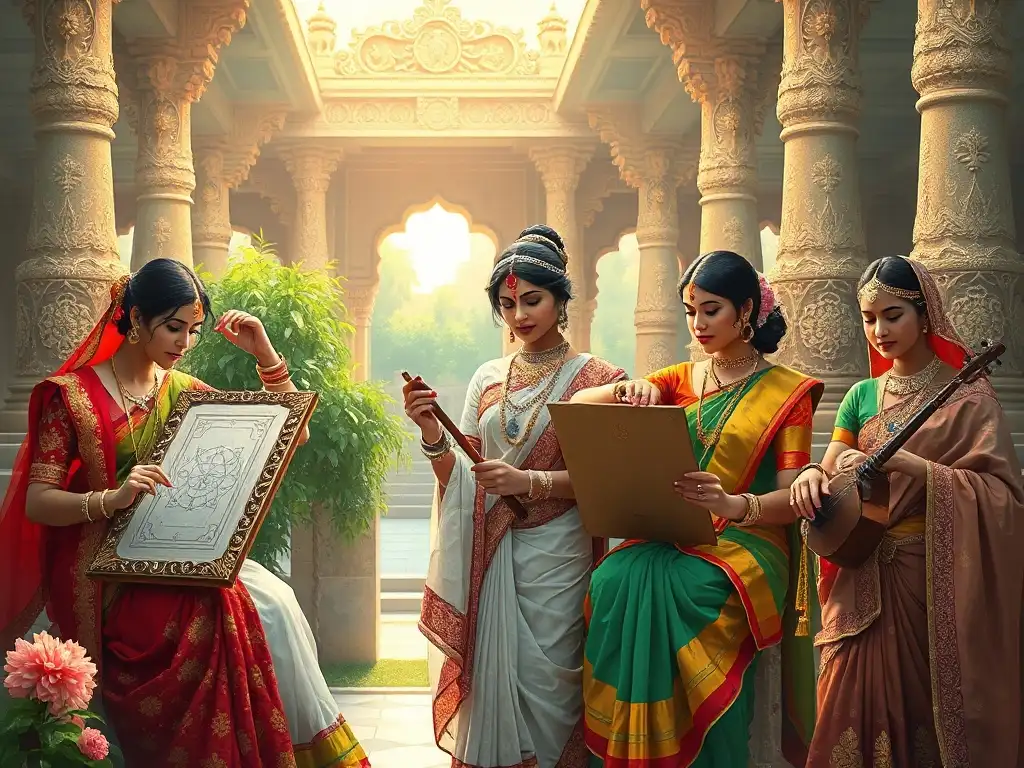
The portrayal of women in ancient Indian art serves as a profound reflection of societal values, beliefs, and cultural practices of the time. From the sculptures of the Indus Valley Civilization to the intricate frescoes of the Gupta period, women were depicted not solely as mere subjects but as dynamic figures embodying various roles—goddesses, nurturers, and symbols of beauty and grace. Their representations in art have not only enriched the aesthetic landscape of ancient India but also provided insights into the spiritual and philosophical ideologies that prevailed.
Reflections on the Representation of Women in Cultural Heritage
Throughout history, women in ancient Indian art have been celebrated for their diverse roles across different contexts. Whether as divine figures in religious sculptures or as everyday women in domestic settings, their representation has been multifaceted.
- Diverse Roles: Women were often depicted in roles that emphasized their significance in both domestic and public spheres. For instance:
- Goddesses: Figures like Durga and Lakshmi symbolize power and prosperity, showcasing the reverence for feminine divinity.
- Nurturers: Artworks featuring mother-child scenes highlight the importance of motherhood and familial bonds.
- Musicians and Dancers: These figures illustrate the cultural and artistic contributions of women, emphasizing their participation in social rituals.
- Symbolism and Metaphor: The representation of women often transcends mere physical portrayal. Artists used women as symbols of fertility, prosperity, and virtue, reflecting the values and aspirations of ancient Indian society.
- Cultural Narratives: Women in art also played a role in storytelling, where mythological tales were illustrated through their portrayal, thus preserving cultural narratives for future generations.
This nuanced representation fosters a deeper understanding of how women were perceived and revered in ancient Indian society, challenging contemporary stereotypes and highlighting their integral role in the cultural heritage.
The Legacy of Ancient Indian Art in Contemporary Society
The artistic legacy of ancient India continues to influence contemporary society in multiple ways. The representations of women in ancient art not only inform current artistic practices but also resonate with ongoing discussions about gender roles and representation.
- Inspiration for Modern Art: Contemporary artists often draw inspiration from ancient styles and themes, reinterpreting the portrayals of women to address modern issues of identity and empowerment. This continuity illustrates how historical narratives can inform and enrich current artistic expressions.
- Cultural Awareness: The study of women in ancient Indian art fosters cultural awareness and appreciation, encouraging a dialogue around gender dynamics through history. Educational programs and exhibitions that feature these artworks contribute to a broader understanding of women’s roles in society, both past and present.
- Social Movements: The rich portrayal of women in ancient art has become a point of reference in feminist discourse, highlighting the historical significance of women's contributions and advocating for their recognition in various fields today.
The representation of women in ancient Indian art encapsulates a rich tapestry of cultural, social, and spiritual values. Recognizing and celebrating these portrayals not only honors the legacy of women in history but also empowers contemporary society to embrace and promote gender equality and representation.
Further Reading and Exploration
Recommended Books and Resources on Women in Ancient Indian Art
For those interested in delving deeper into the portrayal of women in ancient Indian art, a variety of books and resources are available that offer insightful perspectives and analyses. Here’s a curated list of recommended readings:
- "Women in Ancient India" by V. S. Pathak
- This book provides a comprehensive overview of women’s roles across various periods in ancient India, including detailed discussions on their representations in art and culture.
- "The Hindu Female: A Study of Gender in Ancient Indian Sculpture" by R. N. Sharma
- Analyzing the sculptures from various temples, this book highlights the significance of female figures and their symbolic meanings in the context of Hindu beliefs.
- "Art and Architecture of Ancient India" by John C. Huntington and Dina Bangdel
- This extensive work includes sections dedicated to female figures in Indian art, exploring their representation in temple architecture and sculpture.
- "Feminine and Feminist Perspectives in Indian Art" edited by R. S. Kumar
- A collection of essays that discuss the representation of women in Indian art from both historical and contemporary feminist viewpoints.
- Online Archives and Databases
- The National Museum of India and the Archaeological Survey of India offer digital collections and exhibitions focusing on ancient artifacts, many of which feature female representations.
Suggested Documentaries and Online Exhibitions on the Topic
Visual learning can significantly enhance the understanding of women in ancient Indian art. Here are some recommended documentaries and online exhibitions:
- "The Divine Feminine in Indian Art" (Documentary)
- This documentary explores the diverse portrayals of goddesses and female figures in ancient Indian art, featuring interviews with art historians and showcasing significant artifacts.
- "Women in Ancient India: Perspectives through Art" (Online Exhibition)
- Hosted by the National Gallery of Modern Art, this exhibition provides a virtual tour of artworks depicting women, with detailed explanations of their cultural significance.
- "Sculpted Stories: Women in Indian Temples" (Documentary Series)
- A series that examines the intricate sculptures in Indian temples, focusing on the narratives and roles of the female figures depicted.
- YouTube Channels
- Channels such as "Art History with Dr. D" and "Ancient Art History" often feature episodes dedicated to women in ancient Indian art, providing accessible and engaging content for viewers.
By exploring these resources, readers can gain a more profound appreciation of the artistic representations of women in ancient Indian culture, enriching their understanding of their roles and contributions throughout history.
Frequently Asked Questions
What are the main themes of women in ancient Indian art?
Women in ancient Indian art often represent fertility, beauty, and divinity. They are depicted in various forms, showcasing their cultural significance and roles in society.
How did the portrayal of women evolve through different periods in ancient India?
The portrayal of women evolved from idealized figures in the Indus Valley to more diverse representations during the Gupta period, reflecting social changes and artistic styles that highlighted women's strength and grace.
What materials and techniques were used to depict women in ancient Indian art?
Artists used a variety of materials such as stone, metal, and clay, employing techniques like carving, painting, and mural art to capture the essence of women, often emphasizing their elegance and symbolism.
How did religious beliefs influence the depiction of women in ancient Indian art?
Religious beliefs played a significant role, as women were often depicted as goddesses or mythological figures, embodying spiritual ideals and moral virtues that were central to Hinduism and other ancient religions.
Are there any notable examples of women in ancient Indian art?
Yes, significant examples include the dancing girls of the Indus Valley, goddess sculptures in temples, and frescoes from Ajanta caves, all showcasing the diverse roles and attributes of women in ancient Indian society.
Final Reflection: Honoring the Legacy of Women in Ancient Indian Art
In exploring the portrayal of women in ancient Indian art, we uncover not only the aesthetic values of the time but also the profound societal roles women played. This topic remains incredibly relevant today as we continue to navigate discussions around gender representation and equality in art and culture. The artistic expressions of the past serve as a mirror reflecting the complexities of women's identities, roles, and contributions, reminding us that the narratives we choose to celebrate shape our understanding of history and identity.
The influence of these depictions extends beyond mere historical interest; they resonate deeply within our contemporary cultural landscape. The representation of women in ancient art not only informs our understanding of gender dynamics in the past but also inspires current movements advocating for women's rights and representation. As we witness a resurgence in the appreciation of female artists and their contributions, we can draw parallels to the reverence shown to women in ancient Indian art. Art is the most beautiful of all lies.
– Claude Debussy. This quote encapsulates the power of art to shape perceptions and narratives, emphasizing the importance of recognizing and celebrating the stories of women throughout history.
As we reflect on the lessons gleaned from the portrayal of women in ancient Indian art, I invite you to consider how you can contribute to the ongoing dialogue about gender representation in your own life. Take a moment to appreciate the female figures in your surroundings, whether in art, literature, or daily life, and recognize their stories and contributions.
By doing so, we not only honor the legacy of those who came before us but also empower future generations to continue the celebration of women's voices and experiences. Let us commit to amplifying these narratives, ensuring that the artistry and strength of women are acknowledged and cherished in all forms.
Unveil the Legacy of Women in Ancient Art!
Thank you for joining us on this remarkable journey through the portrayal of women in ancient Indian art! By exploring these historical figures, you’ve uncovered the rich narratives and cultural significance that resonate through our past. Now, let’s take meaningful steps to further engage with this fascinating subject.
Here are a few actionable suggestions to deepen your connection:
- Dive deeper into artwork: Explore local museums or galleries that feature ancient Indian art. Take time to analyze the details and stories behind each piece.
- Share your insights: Start a conversation on social media or with friends about your favorite female figures you discovered. Connect with others by sharing your thoughts and using relevant hashtags.
- Join a workshop or class: Look for online or local classes that explore the artistic techniques and themes of ancient Indian art. It’s a wonderful opportunity to engage creatively and learn historically!
Which female figure from ancient Indian art has inspired you the most, and in what ways does her story enhance your understanding of contemporary culture?