
The Role of Elderly in Indus Valley Society: Wisdom Passed Through Generations

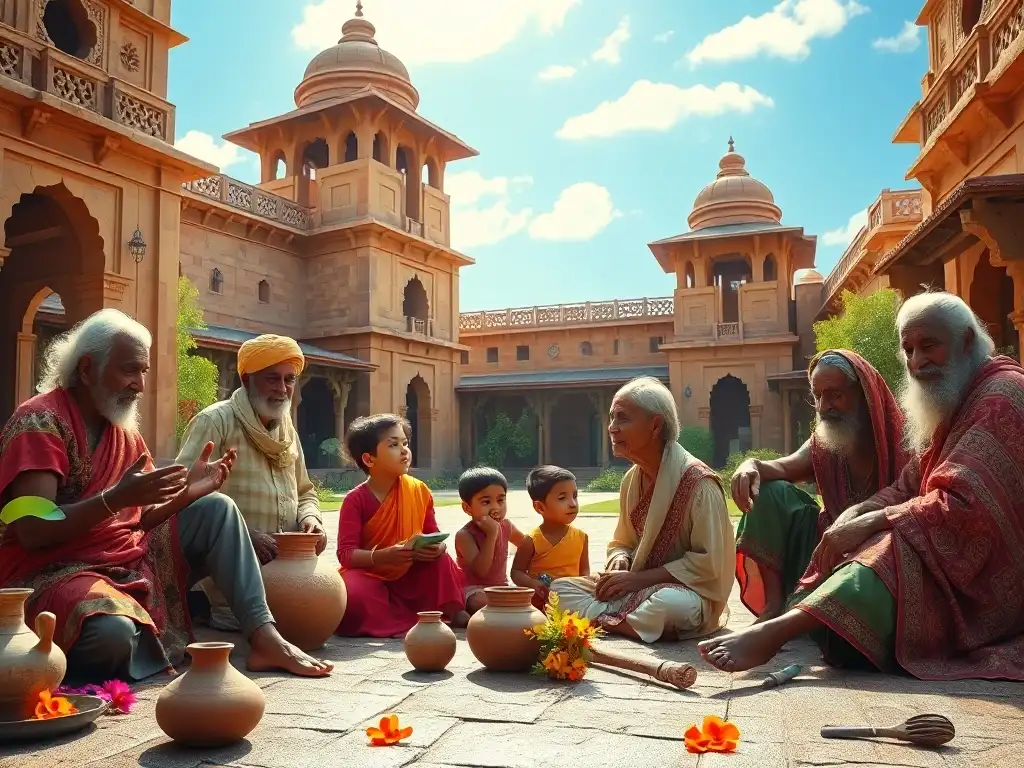
Welcome to Ancient India History, where we invite you to journey through the rich tapestry of ancient Indian civilizations. Delve into the captivating story of the Elderly Influence in Indus Valley, where wisdom was not just a trait but a cornerstone of society. How did the elders shape the cultural and social landscape of one of the world's earliest urbanizations?
As you explore our main article, The Role of Elderly in Indus Valley Society: Wisdom Passed Through Generations, you'll uncover the profound impact of generational knowledge and leadership that echoes through time. Get ready to unlock the secrets of a civilization that laid the foundations for future societies!
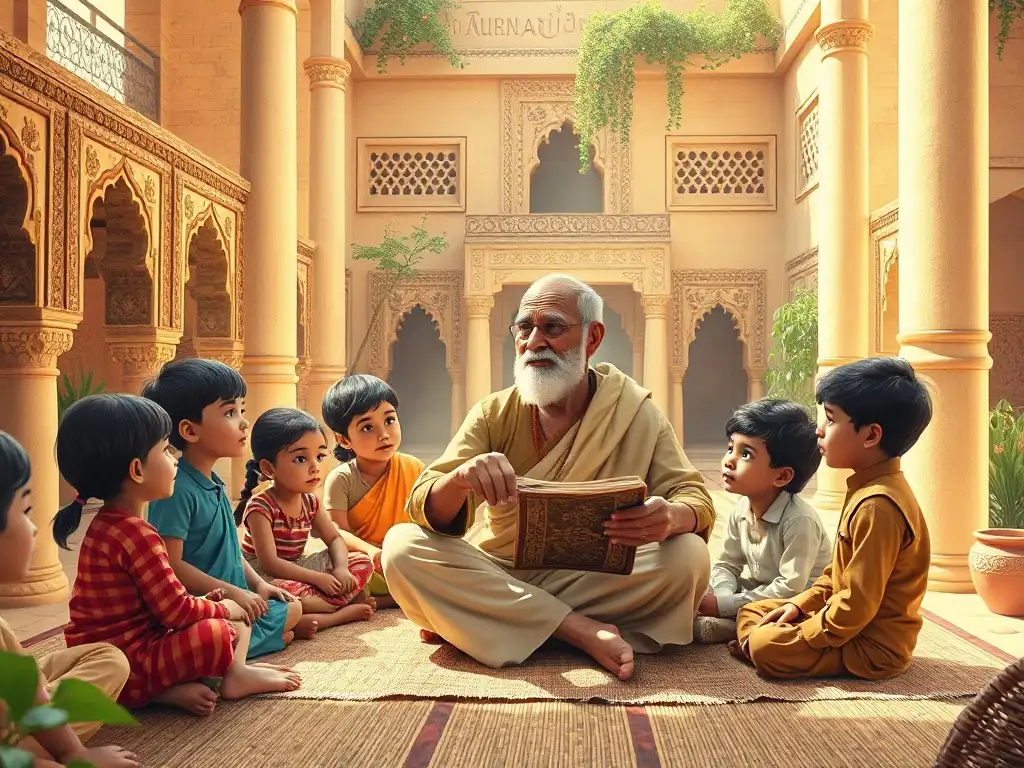
Introduction to Elderly Influence in Indus Valley
The ancient Indus Valley Civilization, flourishing between approximately 3300 and 1300 BCE, is renowned for its remarkable urban planning, advanced architecture, and vibrant trade networks. However, one of the often-overlooked aspects of this civilization is the profound influence of the elderly within its society.
The Elderly Influence in Indus Valley was pivotal, as they served not only as the custodians of knowledge and traditions but also played a critical role in shaping the community's cultural identity. This article explores how the wisdom of the elderly was passed through generations, enriching the societal fabric of one of the world's earliest urban cultures.
Understanding the Importance of Elders in Ancient Societies
In many ancient societies, including the Indus Valley, elders were revered figures who held significant authority and respect. Their roles extended beyond mere advisors; they were instrumental in:
- Decision-Making: Elders often participated in communal decision-making processes, providing insights drawn from their experiences.
- Conflict Resolution: Their wisdom was essential in mediating disputes, fostering harmony within the community.
- Education: Elders played a crucial role in educating the younger generations, imparting valuable life lessons and cultural knowledge.
The reverence for elders can be attributed to their accumulated wisdom, which was essential for the survival and growth of the society.
Overview of the Indus Valley Civilization
The Indus Valley Civilization, also known as the Harappan Civilization, thrived in the northwestern regions of the Indian subcontinent. Characterized by well-planned cities such as Harappa and Mohenjo-Daro, this civilization showcased remarkable advancements in various fields, including:
- Urban Planning: The cities were meticulously laid out with advanced drainage systems and grid patterns.
- Trade and Economy: The economy was robust, with extensive trade networks connecting various regions.
- Art and Craftsmanship: The civilization produced exquisite pottery, jewelry, and seals, reflecting a high level of artistic skill.
Understanding the context of the Indus Valley Civilization allows us to appreciate the integral role that elderly individuals played in maintaining the societal structure and cultural continuity.
The Cultural Significance of the Elderly in the Indus Valley
The elderly in the Indus Valley Civilization were not just passive figures; they actively contributed to the cultural and social dynamics of their communities. Their significance can be illustrated through various dimensions of life in this ancient society.
Wisdom and Knowledge Transmission
Elders were the primary channels through which knowledge and wisdom were transmitted across generations. Their contributions included:
- Oral Traditions: Elders shared stories, myths, and historical accounts, preserving the collective memory of the society.
- Practical Skills: They taught essential skills such as agriculture, crafting, and trading, ensuring the continuity of these practices.
- Religious Practices: Elders often guided the younger generations in spiritual rituals and religious observances, fostering a sense of community and shared belief.
This transmission of knowledge was critical not only for individual development but also for the sustainability of the entire civilization.
Elders as Keepers of Tradition and Culture
In addition to their role as knowledge bearers, the elderly served as the guardians of cultural identity within the Indus Valley. Their responsibilities included:
- Cultural Preservation: Elders ensured that cultural practices, festivals, and rituals were upheld, maintaining a sense of belonging and continuity.
- Social Cohesion: By fostering community bonds through shared traditions, elders played a crucial role in strengthening social ties.
- Intergenerational Relationships: They facilitated connections between different age groups, promoting mutual respect and understanding.
The presence of the elderly was vital in cultivating a rich cultural landscape that defined the Indus Valley Civilization, demonstrating their lasting impact on society.
The social structure of the Indus Valley Civilization was complex and intricately woven, with roles that defined the positioning of individuals within the community. Elders held a significant place in this hierarchy, often revered for their wisdom and experience. As figures of authority, they played a crucial role in fostering social cohesion and transmitting knowledge across generations. Their influence was not merely confined to family units but extended into broader societal dynamics, where their contributions shaped the cultural and ethical fabric of the civilization.
Elders were likely to be respected members of society, drawing from a lifetime of experiences that informed their perspectives and decisions. This respect for age is evident in various archaeological findings, including the layout of settlements and the organization of labor, which suggest that the wisdom of the elderly was integral to community planning and resource management. Thus, understanding the position of the elderly within the social structure of the Indus Valley is essential to grasp the overall dynamics of their civilization.
Hierarchical Roles within Indus Valley Society
Within the Indus Valley Society, a clear hierarchy existed, distinguishing roles based on age, gender, and social status. Elders often occupied a prominent position at the top of this hierarchy, functioning as advisors and leaders in both familial and communal contexts. Their authority was typically acknowledged in decision-making processes, with younger members of society looking to them for guidance and direction.
The hierarchical roles also extended to specializations such as trade, agriculture, and craftsmanship. Elders, possessing extensive knowledge in these areas, were likely to mentor younger artisans and farmers, ensuring the continuity of skills and practices essential for the community's survival and prosperity. This dynamic not only facilitated the transfer of practical knowledge but also reinforced the respect and authority that elders commanded within the society.
The Role of Elders in Family and Community Dynamics
In family structures, elders served as the cornerstone, guiding younger generations and influencing familial decisions. They were seen as custodians of tradition, ensuring that customs and values were passed down through storytelling and rituals. This mentorship was vital for instilling a sense of identity and continuity within families, as well as fostering unity among different families within the community.
In community dynamics, elders likely participated in councils or gatherings where significant decisions were made, such as resource allocation or conflict resolution. Their insights were invaluable, as they could draw on historical precedents and collective experiences. This role not only reinforced their status but also illustrated the essential contribution of the elderly in maintaining harmony and stability within the society. Thus, elders were pivotal in bridging the past with the present, ensuring that the wisdom of earlier generations informed contemporary life.
Contributions of the Elderly to Daily Life in Indus Valley
The contributions of the elderly to daily life in the Indus Valley were multifaceted, extending beyond mere social influence. Their knowledge and experience significantly shaped various aspects of the civilization, from agriculture to craftsmanship, and even governance. By understanding their contributions, we gain insight into how they helped sustain and advance the community.
Guidance in Agriculture and Craftsmanship
Elders played a crucial role in guiding agricultural practices and craftsmanship. As the primary knowledge holders, they would have passed down essential techniques and methods to younger generations. This included agricultural practices such as crop rotation, irrigation techniques, and seasonal planting schedules, which were vital for maximizing yields and ensuring food security.
In terms of craftsmanship, elders likely instructed apprentices in various trades, including pottery, metallurgy, and textile production. This mentorship ensured that skills were preserved and refined over generations, allowing for the development of specialized crafts that were hallmarks of the Indus Valley Civilization. Their involvement in these areas not only facilitated economic stability but also fostered a sense of community pride linked to shared craftsmanship and agricultural success.
Elders in Governance and Decision-Making Processes
The governance structure of the Indus Valley likely involved the participation of elders in decision-making processes. Their extensive life experiences and understanding of community dynamics made them ideal candidates for leadership roles. Elders would have been involved in councils or assemblies where critical issues were discussed, such as trade agreements, resource management, and conflict resolution.
Moreover, their influence in governance extended to maintaining order and justice within the community. By leveraging their authority and respect, elders could mediate disputes and ensure that societal norms were upheld. This capacity to influence governance highlights the essential role of the elderly in shaping not only daily life but also the overarching framework of society. Their wisdom provided a foundation upon which the community could build its values and norms, reinforcing the idea that the elderly were indispensable to the functioning of the Indus Valley Civilization.
Spiritual and Religious Roles of the Elderly
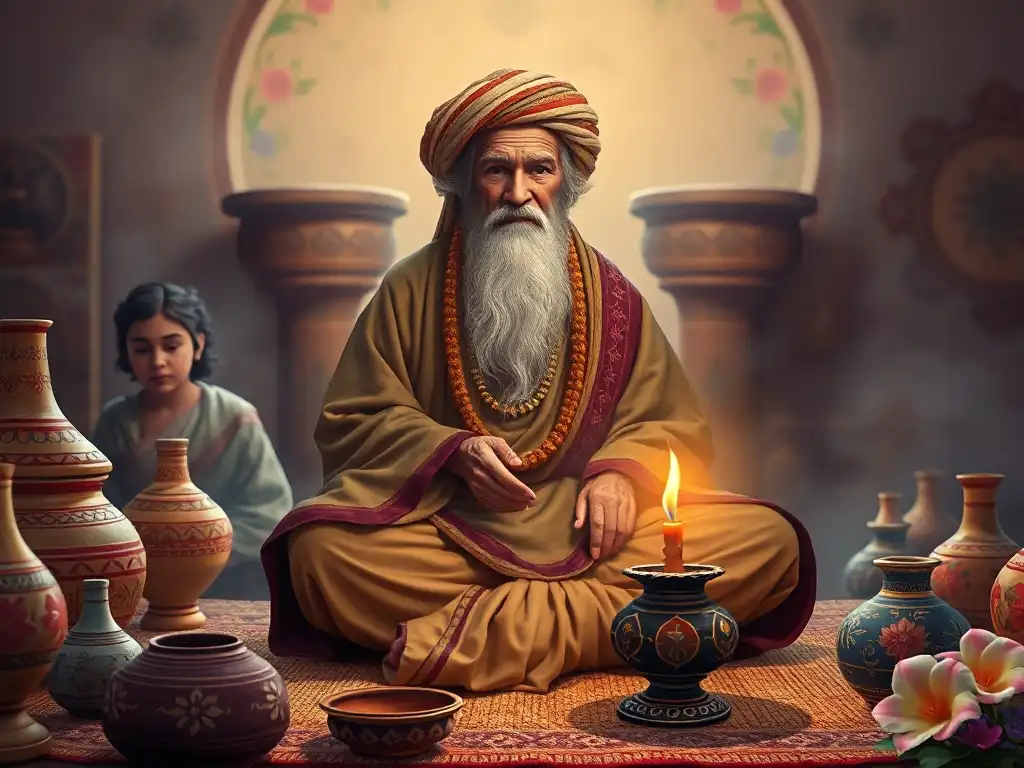
In the context of the Indus Valley Civilization, the elderly played a crucial role in the spiritual and religious life of their communities. Their wisdom and experience were often seen as essential in guiding the younger generations in matters of faith, morality, and community rituals. The elders acted as custodians of spiritual knowledge, preserving traditions and ensuring that cultural practices were passed down through generations. This reverence for the elderly is indicative of a broader societal structure that held wisdom in high regard, particularly in spiritual contexts.
Elders as Spiritual Leaders and Advisors
Elders in the Indus Valley were likely seen as spiritual leaders and advisors, a role that would have given them significant influence within their communities. They were entrusted with interpreting religious texts, conducting rituals, and providing guidance on ethical dilemmas. This leadership was not only a reflection of their age but also of their accumulated knowledge and experience.
The status of these elders can be linked to various archaeological findings, such as the presence of figurines and seals depicting ritualistic practices, which suggest organized religious activities. Elders would have been integral to these practices, ensuring continuity and fidelity to the community's beliefs. Their leadership would have fostered a sense of stability and cohesion, promoting collective identity among the members of the society.
Practices and Rituals Involving the Elderly
Rituals and practices involving the elderly likely formed a significant part of daily life in the Indus Valley. Ceremonies for birth, marriage, and death would have prominently featured the elderly, who were called upon to bless the participants or oversee significant rites. The elders' involvement in these rituals emphasized their role as mediators between the community and the divine.
Additionally, oral traditions and storytelling would have been vital in these societies, with elders acting as the primary transmitters of myths, legends, and moral teachings. This practice not only preserved cultural heritage but also reinforced the values and norms of the community. The stories told by elders served to educate the youth about their history, providing them with a sense of belonging and continuity.
The Legacy of Elderly Influence in Indus Valley Civilization
The influence of the elderly in the Indus Valley Civilization has left a lasting legacy that transcends time, shaping not only the cultural and spiritual landscape of the period but also influencing subsequent generations in India.
Impact on Subsequent Indian Societies
The respect and reverence for elders established during the Indus Valley period continued to resonate through subsequent Indian societies. As cultures evolved, the foundational role of the elderly in guiding spiritual and moral development remained a consistent theme. The principles of wisdom, guidance, and ethical leadership attributed to elders influenced the social structures of later civilizations, such as those during the Vedic period and beyond.
Elders were often regarded as sources of wisdom, and their counsel was sought in both familial and community matters. This enduring legacy is evident in the ongoing cultural practices in India, where elders are honored and their roles are integral to family dynamics and social organization.
Reflections on Modern Perceptions of Elders in Indian Culture
In contemporary Indian culture, the perception of elders reflects a complex interplay of tradition and modernity. While there is still a significant degree of respect for elderly individuals, the rapid societal changes and urbanization have led to shifts in family structures and dynamics.
Today, many younger individuals continue to seek the advice and blessings of their elders, particularly in spiritual matters, reinforcing traditional values. However, the integration of modern ideas and lifestyles sometimes challenges the traditional roles assigned to the elderly. This duality highlights the ongoing negotiation between honoring the wisdom of the past and adapting to the realities of modern life.
The enduring legacy of the elderly from the Indus Valley Civilization remains evident in these cultural attitudes, reminding us of the vital role that elders have played and continue to play in shaping Indian society.
Conclusion: The Enduring Wisdom of Elders in Indus Valley Society
The role of the elderly in Indus Valley society was fundamental, serving as custodians of knowledge, culture, and tradition. Their influence permeated various aspects of daily life, from spiritual practices to community decision-making. Elders were not merely passive figures; they actively contributed to the governance, education, and moral framework of their communities.
The respect afforded to them underscores a societal structure that valued experience and wisdom, ensuring that important lessons and cultural narratives were preserved and passed down through generations. This reverence for aging and the wisdom it encompasses is a hallmark of the Indus Valley Civilization, reflecting a sophisticated understanding of the social dynamics that underpin healthy communities.
Summary of Key Insights on Elderly Influence in Indus Valley
- Cultural Preservation: Elders played a pivotal role in preserving the rich oral traditions and cultural practices of the Indus Valley. Their storytelling not only entertained but also educated younger generations about their heritage and values.
- Social Structure: The societal hierarchy acknowledged the elderly as influential figures in decision-making processes, allowing their insights to guide community welfare and conflict resolution.
- Education and Mentorship: The elderly were likely seen as mentors, providing informal education to the youth, helping to cultivate skills essential for survival and societal contribution.
- Spiritual Leadership: Elders often held significant positions within spiritual practices, leading rituals and imparting moral teachings that shaped the ethical framework of the society.
- Community Cohesion: Their role in maintaining social harmony and cohesion cannot be overstated. Elders served as mediators in disputes and were central to community gatherings, fostering unity and shared identity.
The Continuing Relevance of Elderly Wisdom in Modern Times
The influence of elder wisdom remains relevant today, echoing the foundational practices of the Indus Valley Civilization. In many cultures, the elderly are still revered for their life experiences and insights. This ongoing respect for elders aids in bridging generational gaps, allowing for the transfer of knowledge that is vital for societal continuity.
- Intergenerational Learning: In contemporary society, the concept of intergenerational learning highlights the importance of wisdom exchange between ages. This fosters mutual understanding and respect, akin to the practices observed in the Indus Valley.
- Crisis Management: The wisdom of elders can be crucial during crises, including social upheaval and environmental challenges. Their historical perspective often offers valuable insights that promote resilience.
- Cultural Identity: Elders are key in preserving cultural identity in an increasingly globalized world. They act as guardians of tradition, ensuring that cultural narratives and practices thrive amidst modernization.
The legacy of the elderly in the Indus Valley serves as a reminder of the vital role that wisdom plays in shaping societies, a principle that is just as applicable in the modern context as it was thousands of years ago. Their influence continues to resonate, emphasizing the timeless value of learning from those who have come before us.
- Introduction to Elderly Influence in Indus Valley
- The Cultural Significance of the Elderly in the Indus Valley
- Social Structure and the Position of the Elderly
- Contributions of the Elderly to Daily Life in Indus Valley
- Spiritual and Religious Roles of the Elderly
- The Legacy of Elderly Influence in Indus Valley Civilization
- Conclusion: The Enduring Wisdom of Elders in Indus Valley Society
- What was the role of the elderly in Indus Valley society?
- How did the elderly influence decision-making in the Indus Valley?
- Were there any specific responsibilities assigned to the elderly in the Indus Valley?
- How did the contributions of the elderly shape the culture of the Indus Valley?
- Is there evidence of elderly influence in the archaeological findings of the Indus Valley?
Frequently Asked Questions
What was the role of the elderly in Indus Valley society?
The elderly played a crucial role in guiding and educating the younger generations, ensuring the transmission of cultural values and traditions.
How did the elderly influence decision-making in the Indus Valley?
Elders were often seen as advisors within their communities, influencing social norms and conflict resolution through their wisdom and experience.
Were there any specific responsibilities assigned to the elderly in the Indus Valley?
Yes, the elderly were responsible for maintaining social cohesion and were often involved in rituals and ceremonies, reflecting their esteemed position in society.
How did the contributions of the elderly shape the culture of the Indus Valley?
The knowledge and skills shared by the elderly shaped various aspects of art, craftsmanship, and agricultural practices, leading to a rich cultural tapestry.
Is there evidence of elderly influence in the archaeological findings of the Indus Valley?
Archaeological findings suggest that the elderly were respected figures, as indicated by the artifacts and settlement patterns that highlight their integral role in community life.
Final Reflection: The Enduring Influence of the Elderly in Indus Valley Society
The role of the elderly in the Indus Valley civilization is not just a relic of the past; it is a profound reminder of how wisdom passed through generations shapes societies today. The reverence for elders in this ancient culture underscores the importance of intergenerational knowledge transfer, a concept that resonates deeply in our fast-paced modern world where such connections are often overlooked.
The influence of the elderly in the Indus Valley continues to echo in contemporary society, reminding us of the invaluable lessons that come with age and experience. As we navigate the complexities of our lives, it is essential to recognize and honor the contributions of our elders, who serve as bridges to our cultural heritage. The greatest gift you can give your children is not your riches, but revealing to them their own.
This quote encapsulates the essence of the wisdom shared by the elderly, emphasizing the importance of understanding our roots and the values that have shaped us.
As we reflect on the insights gained from the role of the elderly in the Indus Valley, let us take a moment to consider how we can integrate these lessons into our own lives. Embrace the wisdom of those who came before you, seek their guidance, and foster connections that honor their experiences. By doing so, we not only enrich our own lives but also contribute to a culture that values and uplifts the voices of the elderly, ensuring that their influence continues to resonate for generations to come.
Embrace the Wisdom of the Ages!
Thank you for exploring the incredible role of the elderly in Indus Valley society! Your interest in this rich history highlights the invaluable lessons and wisdom passed down through generations. As you reflect on this knowledge, consider taking these impactful steps to connect further with this fascinating past:
- Dive Deeper into the historical context by reading more articles on our site about the contributions of seniors across various ancient societies.
- Share this powerful message of wisdom with friends and family on social media to spark discussions about the importance of elders in all cultures.
- Join our community in the comments section below! We encourage you to share your thoughts or personal stories about how the elders in your life have influenced your perspective on history and culture.
What insights have you gained from the elders around you that resonate with the teachings of the past?