
The Indus Valley and Its Neighboring Cultures: A CrossCultural Exchange of Ideas

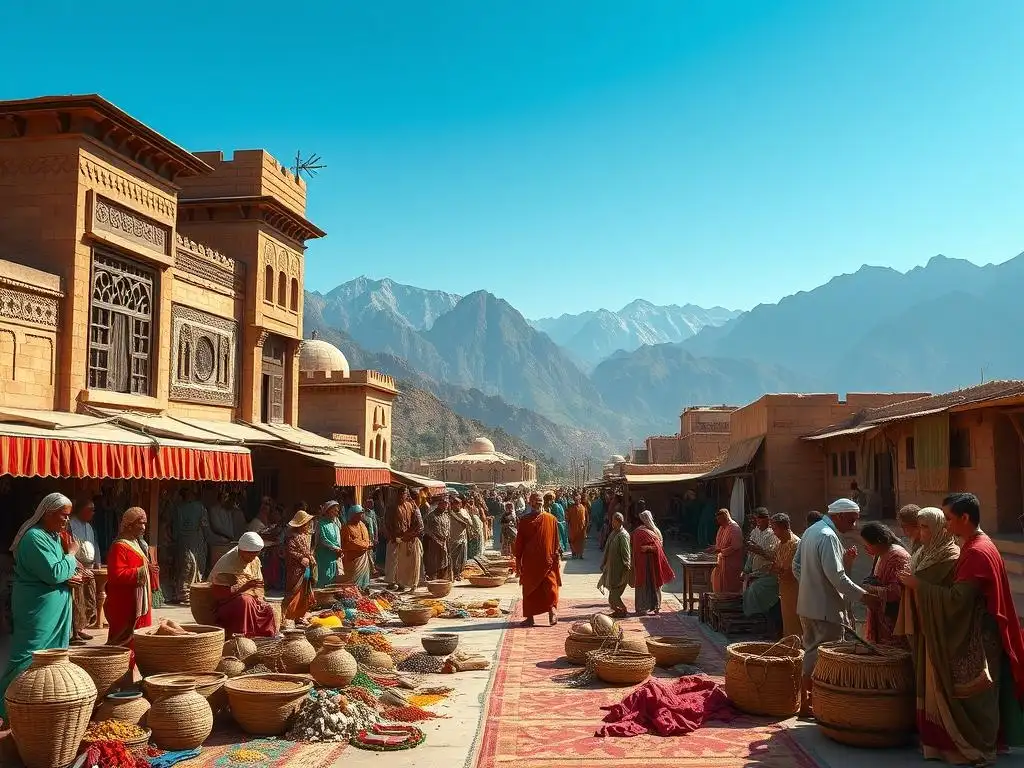
Welcome to Ancient India History, where we embark on a captivating journey through the rich tapestry of India’s past. Dive into the depths of the Indus Valley crosscultural exchange, a fascinating topic that unveils how ancient civilizations interacted, shared ideas, and influenced one another. As we explore the intricate connections between the Indus Valley and its neighboring cultures, you’ll uncover the remarkable contributions that shaped not just a region, but the course of history itself. Join us as we unravel the mysteries and celebrate the legacy of ancient Indian civilizations!
Introduction to the Indus Valley Civilization
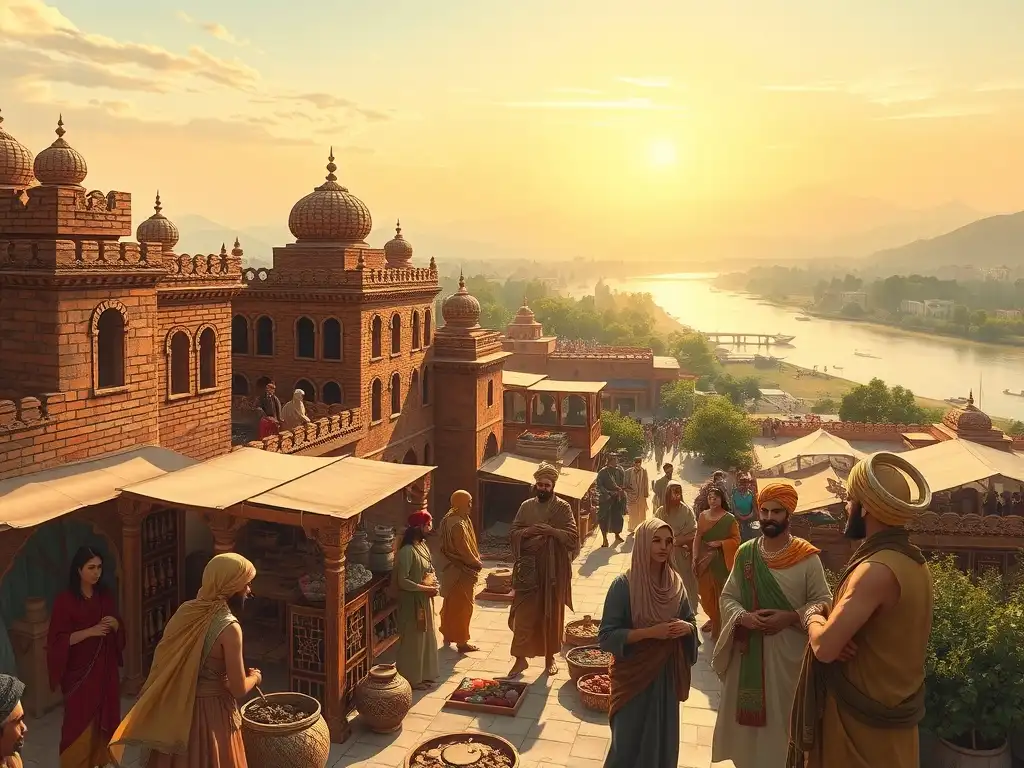
The Indus Valley Civilization (IVC), one of the world's earliest urban cultures, flourished around 2500 BCE in what is now modern-day Pakistan and northwest India. Characterized by advanced city planning, sophisticated drainage systems, and a unique script yet to be deciphered, the IVC stands as a testament to the ingenuity and complexity of ancient societies.
However, the significance of the IVC extends beyond its remarkable achievements; it is also pivotal in understanding the intricate web of cross-cultural exchanges that took place with neighboring cultures. This article delves into the Indus Valley cross-cultural exchange, exploring how interactions with surrounding civilizations influenced various aspects of life, trade, and societal norms.
Overview of the Indus Valley Civilization
The Indus Valley Civilization encompasses a vast area, including major urban centers such as Harappa and Mohenjo-Daro. Its population is estimated to have reached several million, showcasing a highly organized society. The civilization is renowned for its:
- Urban Planning: Cities were laid out in grid patterns with well-constructed buildings.
- Advanced Drainage Systems: Public baths and drainage systems indicate an understanding of sanitation.
- Trade Networks: Extensive trade routes with neighboring regions facilitated the exchange of goods and ideas.
This civilization's decline around 1900 BCE, attributed to factors such as climate change and shifting river patterns, marked a significant turning point in the region's history.
Importance of Cross-Cultural Exchange in Ancient Civilizations
Cross-cultural exchange played a fundamental role in the evolution of ancient civilizations. By allowing the transfer of ideas, technologies, and cultural practices across borders, these exchanges fostered innovation and adaptation. In the context of the Indus Valley, interactions with neighboring cultures such as the Mesopotamians and ancient Persians led to:
- Trade of Goods: The exchange of commodities like textiles, metals, and pottery enriched both IVC and its neighbors.
- Cultural Influences: Artistic styles, religious practices, and agricultural techniques spread through these interactions.
- Technological Advancements: Innovations in metallurgy and urban planning were likely shared and adapted across cultures.
Understanding these exchanges not only sheds light on the IVC but also emphasizes the interconnectedness of ancient civilizations.
Historical Context of the Indus Valley
Timeline of the Indus Valley Civilization
| Period | Description |
|---|---|
| 3300-2600 BCE | Early Harappan phase; formation of small settlements. |
| 2600-1900 BCE | Mature Harappan phase; peak of urban development and trade. |
| 1900-1300 BCE | Late Harappan phase; decline and transformation of society. |
The timeline above illustrates the phases of the Indus Valley Civilization, highlighting its emergence, peak, and decline. Each phase reflects significant developments in architecture, trade, and social organization.
Key Characteristics of Indus Valley Society
Indus Valley society was marked by several defining characteristics that contributed to its complexity:
- Social Structure: Evidence suggests a stratified society with a possible ruling elite, artisans, merchants, and laborers.
- Economic Activities: The economy was primarily based on agriculture, supplemented by trade with neighboring cultures.
- Religious Practices: While much remains unknown, artifacts suggest a belief system that included fertility symbols and possibly proto-deities.
The rich tapestry of the Indus Valley Civilization reveals a society that was not only advanced in its own right but also deeply connected to the broader ancient world through cross-cultural exchanges. Such interactions played a crucial role in shaping the cultural landscape of ancient India, leaving a legacy that continues to influence contemporary society.
Neighboring Cultures Influencing the Indus Valley
The Indus Valley Civilization, one of the world's earliest urban cultures, flourished between 3300 BCE and 1300 BCE. While it is renowned for its advanced urban planning, architecture, and sophisticated drainage systems, the civilization was not an isolated entity. Instead, it engaged in a vibrant cross-cultural exchange with neighboring cultures, particularly those in Mesopotamia, Persia, and the Central Asian steppes. This exchange significantly influenced the development of the Indus Valley, impacting its technological advancements, trade practices, and social structures.
The neighboring cultures brought various innovations and ideas that were adopted by the Indus Valley inhabitants, showcasing a rich tapestry of cultural interactions. This interaction was not merely one-sided; the Indus Valley also contributed to the cultural and economic landscapes of its neighbors, making the exchange a dynamic process of mutual influence.
Overview of Neighboring Cultures
The primary neighboring cultures that interacted with the Indus Valley include:
- Mesopotamia: Positioned to the west, Mesopotamia was one of the most advanced civilizations of its time, known for its writing system, monumental architecture, and extensive trade networks. The exchange of goods such as textiles, metals, and luxury items took place, enriching both societies.
- Persian Civilizations: The early Persian cultures, including the Elamites, shared geographical proximity and engaged in trade with the Indus Valley. They influenced the region's administrative practices and religious beliefs, as seen in shared deities and rituals.
- Central Asian Cultures: Nomadic tribes from Central Asia also played a role in the Indus Valley's cross-cultural exchanges. They contributed to the spread of agricultural practices and livestock breeding, which were crucial for the agrarian economy of the Indus Valley.
In essence, these neighboring cultures not only provided material goods but also ideas, technologies, and social practices that shaped the Indus Valley Civilization.
Mechanisms of Cross-Cultural Exchange
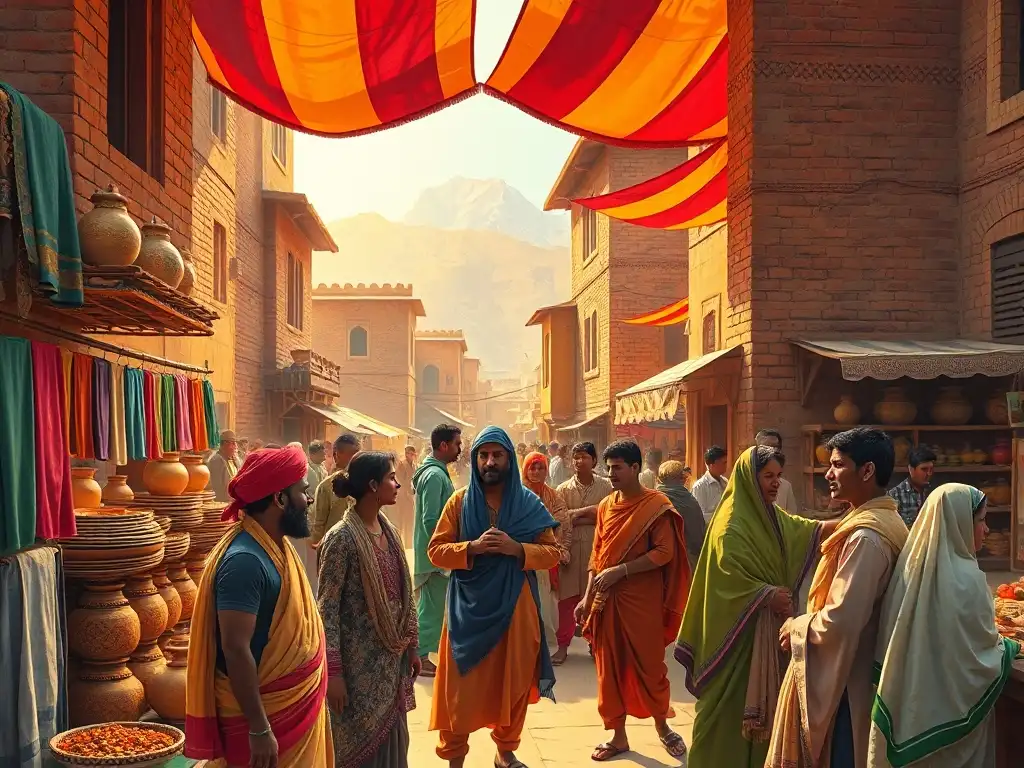
The cross-cultural exchange between the Indus Valley and its neighboring cultures occurred through various mechanisms, enabling the flow of ideas, goods, and innovations. These mechanisms can be categorized as follows:
Trade Routes Connecting the Indus Valley and Neighboring Cultures
Trade routes were the lifeblood of the Indus Valley Civilization, facilitating extensive commerce with neighboring regions. Key routes included:
- Land Routes: The famous Silk Road, which connected the Indus Valley to Central Asia and beyond, allowed for the exchange of goods like silk, spices, and precious metals. These routes were traversed by traders and nomads, leading to cultural interactions.
- Maritime Trade: The Indus Valley had access to the Arabian Sea, enabling maritime trade with Mesopotamia and the Persian Gulf. Evidence of seals and pottery found in Mesopotamia indicates that goods such as beads, textiles, and agricultural products were exchanged via ship.
- River Systems: The Indus River and its tributaries served as vital conduits for trade and communication. These waterways facilitated the movement of goods and people, fostering interactions with neighboring cultures along the riverbanks.
These trade routes were essential not only for economic prosperity but also for the exchange of ideas, technologies, and cultural practices, contributing to the rich tapestry of the Indus Valley's heritage.
Art and Craftsmanship: Shared Techniques and Styles
Artistic expression in the Indus Valley was deeply influenced by neighboring cultures, leading to the development of shared techniques and styles. Notable aspects include:
- Pottery and Terracotta Arts: The intricate pottery designs of the Indus Valley often mirrored those found in Mesopotamia, showcasing a blend of styles. The use of wheel-thrown pottery, which may have been influenced by Mesopotamian techniques, became widespread.
- Seal Carving: The famous Indus seals, often engraved with animal motifs and script, demonstrate similarities to Mesopotamian seals. This suggests an exchange of artistic ideas and possibly a shared language of symbols.
- Sculpture and Figurines: Terracotta figurines from the Indus Valley exhibit stylistic elements akin to those from neighboring cultures, indicating a cross-pollination of artistic ideas. The craftsmanship in jewelry and metalwork also reflects shared techniques, showcasing the blend of creativity across cultures.
These artistic exchanges enriched the cultural heritage of the Indus Valley, creating a unique identity that was both distinct and interconnected with its neighbors.
Agricultural Practices and Innovations Across Cultures
Agriculture was a cornerstone of the Indus Valley Civilization, and the exchange of agricultural practices with neighboring cultures significantly influenced its development. Key areas of exchange included:
- Crop Cultivation: The introduction of various crops, including barley and wheat from Mesopotamia, enhanced the agricultural diversity of the Indus Valley. The adoption of irrigation techniques also allowed for more efficient farming.
- Livestock Breeding: Cross-cultural interactions facilitated the exchange of livestock breeds, contributing to the enhancement of animal husbandry. The introduction of specific breeds improved agricultural productivity and supported the economic foundation of the civilization.
- Agricultural Tools and Techniques: The Indus Valley adopted and adapted agricultural tools and techniques from neighboring cultures, such as plows and irrigation systems. These innovations were essential for sustaining the urban population and played a significant role in the civilization's growth.
The collaboration and exchange of agricultural knowledge not only bolstered food production but also fostered a sense of community and interdependence among cultures in the region.
Evidence of Cross-Cultural Exchange in the Indus Valley
The Indus Valley Civilization, flourishing from approximately 3300 to 1300 BCE, presents a fascinating tapestry of cross-cultural exchange with neighboring cultures. This exchange is evidenced through various archaeological findings, linguistic connections, and the influence of religious and philosophical ideas. By examining these aspects, we can gain a deeper understanding of how the Indus Valley not only influenced surrounding cultures but was also shaped by them, leading to a rich blend of traditions and practices.
Archaeological Findings Supporting Cross-Cultural Interaction
Archaeological excavations at sites such as Harappa and Mohenjo-Daro have revealed artifacts that highlight the Indus Valley's extensive trade networks. Items such as beads, pottery, and seals bear motifs and styles that suggest connections with Mesopotamia, Persia, and even regions as far as the Mediterranean.
- Trade Goods: The discovery of materials like lapis lazuli from Afghanistan and carnelian from Gujarat indicates a vibrant trade system. These items were not only valuable for their beauty but also for their cultural significance, often used in jewelry and ceremonial objects.
- Seals and Inscriptions: The iconic Indus seals, often inscribed with symbols and creatures, share similarities with seals from contemporary Mesopotamian cultures. This suggests a possible interchange of ideas and practices, possibly indicating trade relations or shared cultural symbols.
These findings underline the importance of trade as a conduit for cultural exchange, demonstrating that the Indus Valley was an active participant in a wider network of ancient civilizations.
Linguistic Connections Between Indus Valley and Neighboring Cultures
Linguistic studies suggest that the people of the Indus Valley may have interacted with speakers of various languages, leading to potential exchanges of vocabulary and linguistic structures. While the script of the Indus Valley remains undeciphered, some scholars propose connections to Dravidian languages, which are still spoken in southern India today.
- Loanwords and Influence: Certain words related to agriculture, trade, and urban life found in later languages may trace back to interactions with the Indus Valley civilization. This could imply that the linguistic landscape of ancient India was shaped by the cultural exchanges that took place in this region.
- Cultural Transmission: The migrations and movements of peoples across the Indian subcontinent likely facilitated the exchange of ideas and language, further entrenching the cross-cultural interactions that characterized the era.
Religious and Philosophical Influences
The spiritual practices of the Indus Valley civilization display significant connections to the religious traditions of neighboring cultures, particularly in relation to early Hinduism and local animistic beliefs.
- Iconography and Deities: Artifacts such as terracotta figurines and seals depict figures that may represent early forms of deities, suggesting a shared spiritual framework. For example, the figure of a horned deity resembles later depictions of Shiva, indicating continuity in religious practices.
- Ritual Practices: Archaeological sites have uncovered evidence of ritual baths and fire altars, which point towards early forms of religious observance that would later influence the development of Hindu rituals. This exchange of spiritual ideas contributed to a more complex religious landscape in ancient India.
Daily Life in the Indus Valley: A Reflection of Cultural Exchange
The daily life of the inhabitants of the Indus Valley was profoundly influenced by their interactions with neighboring cultures. This is evident in various aspects such as urban planning, social structures, and culinary practices, which reflect a synthesis of ideas and traditions.
Urban Planning and Architecture: Influences and Innovations
The urban planning of Indus Valley cities like Harappa and Mohenjo-Daro is renowned for its advanced design and organization. The layout of these cities demonstrates not only innovative thinking but also possible influences from neighboring cultures.
- Grid Layout and Drainage Systems: The use of a grid system for city planning, along with sophisticated drainage and sanitation facilities, suggests a high level of civic organization that may have been inspired by Mesopotamian urban centers.
- Public Structures: Large public buildings, such as the Great Bath, indicate communal activities that were likely influenced by similar practices in neighboring regions. The architectural styles and construction techniques also show signs of cross-cultural borrowing.
Social Structure and Cultural Practices
The social fabric of the Indus Valley civilization was likely shaped by a blend of indigenous customs and those absorbed from neighboring cultures.
- Occupational Diversity: The presence of specialized crafts, such as bead-making and metallurgy, alongside evidence of trade and commerce, points to a complex social hierarchy influenced by interactions with other cultures.
- Cultural Festivals and Rituals: Festivals and communal rituals may have drawn from the practices of neighboring societies, leading to a rich tapestry of cultural expressions that celebrated both indigenous and foreign traditions.
Food, Agriculture, and Culinary Influences
The agricultural practices and culinary traditions of the Indus Valley reflect a dynamic exchange with surrounding cultures.
- Crops and Farming Techniques: The cultivation of crops such as wheat, barley, and cotton shows similarities to agricultural practices in Mesopotamia, indicating a transfer of knowledge regarding farming techniques and crop varieties.
- Culinary Traditions: Archaeological evidence of food storage and preparation suggests that the diet of the Indus Valley people included both local and foreign ingredients, illustrating the blending of culinary traditions. Items such as lentils and spices found in archaeological sites may have been introduced through trade, enriching the local cuisine.
The Indus Valley civilization represents a vibrant example of cross-cultural exchange, where interactions with neighboring cultures significantly shaped its societal structure, daily life, and cultural practices. This interplay of ideas and traditions underscores the importance of the Indus Valley in the broader context of ancient Indian history.
The Role of Trade in Cross-Cultural Exchange
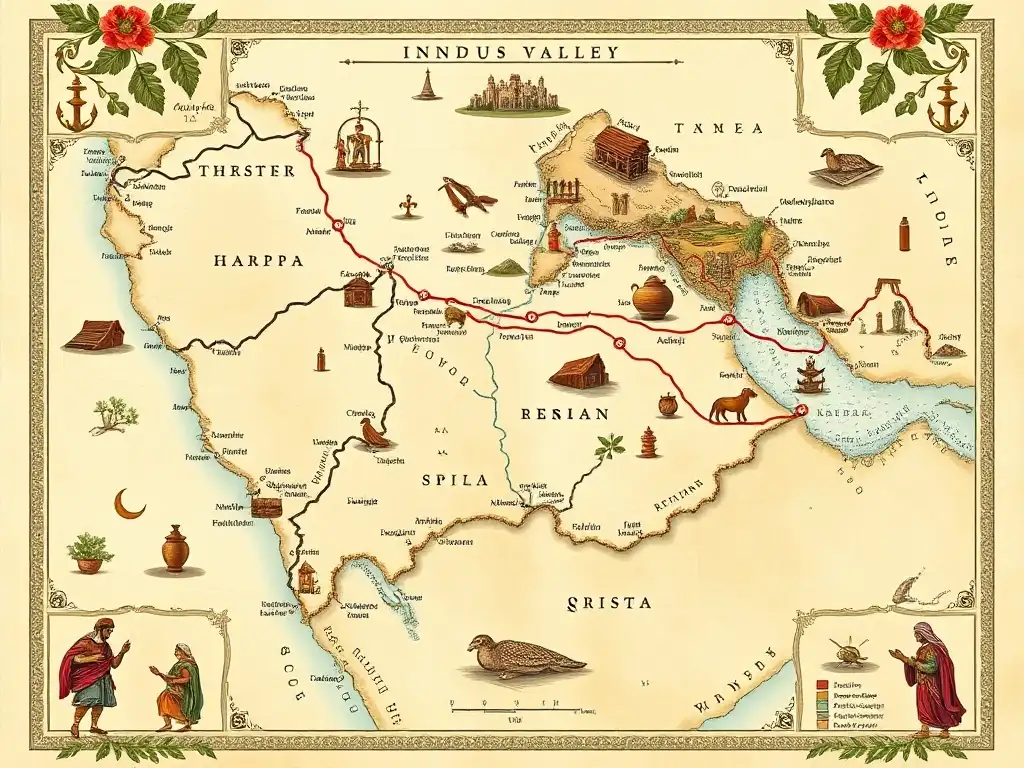
Trade played a pivotal role in the cross-cultural exchange between the Indus Valley Civilization and its neighboring cultures. The well-developed trade networks of the Indus Valley not only facilitated the exchange of goods but also acted as conduits for the transfer of ideas, technologies, and cultural practices. The strategic location of the Indus Valley, situated between the Arabian Sea and the fertile plains of northern India, allowed it to engage in extensive trade with regions such as Mesopotamia, Persia, and the Arabian Peninsula.
The trade activities were characterized by a variety of commodities ranging from everyday items to luxury goods, which significantly influenced both the economic stability and cultural identity of the societies involved. The exchange of goods created avenues for cultural interactions, allowing for the mingling of different traditions and practices, thus enriching the social fabric of the Indus Valley and its neighbors.
Trade Goods and Their Significance
The variety of trade goods exchanged among the Indus Valley Civilization and its trading partners highlights the significance of trade in fostering cross-cultural connections. Key commodities included:
- Cotton Textiles: The Indus Valley is known for its advanced textile production. Cotton garments were highly valued, not only in neighboring regions but also in far-off lands like Mesopotamia.
- Metals and Tools: The exchange of copper, bronze, and tools played a crucial role in technological advancement across civilizations. The Indus Valley's skill in metallurgy was respected and sought after.
- Semi-Precious Stones and Beads: Items such as carnelian, lapis lazuli, and agate were crafted into intricate jewelry and ornaments, which were traded for luxury items and raw materials.
- Agricultural Products: Grains, spices, and other agricultural products were exchanged, contributing to dietary diversity and agricultural practices in both the Indus Valley and neighboring regions.
This diverse range of goods not only reflects the economic prosperity of the Indus Valley but also underscores its influence on cultural practices through the introduction of new materials and technologies.
Exchange Networks and Economic Interactions
The Indus Valley Civilization established intricate exchange networks that linked it with various cultures. Evidence suggests that trade routes extended across land and sea, connecting the civilization with regions such as:
- Mesopotamia: The exchange with Mesopotamia was particularly significant, with artifacts such as seals and pottery found in both regions, indicating a robust trading relationship.
- Persian Gulf: Maritime trade routes facilitated the movement of goods and ideas, allowing the Indus Valley to import raw materials and export finished products.
- Central Asia: Trade with Central Asian cultures introduced new agricultural techniques and livestock, enriching the Indus Valley’s own farming practices.
These networks not only enhanced economic interactions but also allowed for the exchange of cultural elements, such as religious beliefs, artistic styles, and technological innovations, thereby fostering an environment of mutual influence and growth.
Conclusion: The Legacy of Indus Valley Cross-Cultural Exchange
The cross-cultural exchanges that occurred during the height of the Indus Valley Civilization left a profound legacy on subsequent Indian civilizations. The interconnectedness fostered by trade and cultural interactions laid the groundwork for future societal developments in the region.
Lasting Impacts on Subsequent Indian Civilizations
The impacts of the Indus Valley's cross-cultural exchange can be seen in several aspects of subsequent Indian civilizations:
- Cultural Syncretism: The blending of cultural practices and ideas led to a rich tapestry of traditions that can be observed in later Indian societies.
- Technological Advancements: Techniques in metallurgy, urban planning, and agricultural practices introduced through trade significantly influenced the development of later civilizations, including the Maurya and Gupta Empires.
- Art and Architecture: The artistic styles and architectural innovations derived from the Indus Valley set the stage for the evolution of art in ancient India, influencing religious and secular structures alike.
The Indus Valley's Role in Shaping Ancient Indian History
The Indus Valley Civilization's role in shaping ancient Indian history cannot be overstated. By establishing trade networks and engaging in cross-cultural exchanges, it not only contributed to its own prosperity but also facilitated the emergence of a rich cultural heritage that would influence subsequent generations. The legacy of trade and interaction continues to resonate in the cultural, social, and economic practices of India today, illustrating the importance of the Indus Valley in the broader narrative of ancient Indian history.
References and Further Reading on Indus Valley Cross-Cultural Exchange
To gain a comprehensive understanding of the Indus Valley and its interactions with neighboring cultures, a variety of texts and resources are available. These references not only cover the archaeological aspects and daily life within the Indus Valley Civilization but also explore the cultural exchanges that shaped the region's historical narrative. Below, we've outlined key texts and academic resources that provide deeper insights into the Indus Valley cross-cultural exchange.
Key Texts and Resources for Deeper Understanding
- "The Indus Civilization: A Contemporary Perspective" by Gregory L. Possehl
- This book offers an extensive overview of the Indus Valley Civilization, examining its urban planning, trade networks, and cultural practices. Possehl provides a contemporary perspective that links archaeological findings with broader historical contexts, making it essential for understanding cross-cultural interactions.
- "The Archaeology of Ancient India" by S. P. Gupta
- Gupta's work is significant for its detailed exploration of the archaeological findings in ancient India, including the Indus Valley. The text analyzes artifacts and structures, shedding light on the social and economic systems that facilitated cultural exchanges with neighboring regions.
- "Indus Valley Civilization: An Archaeological Perspective" by Rani P. R. Mohanty
- This resource delves into the archaeological evidence from the Indus Valley, focusing on trade routes and material culture. Mohanty discusses how these aspects contributed to cross-cultural dialogues with adjacent civilizations.
- "Civilizations of the Indus Valley and Beyond" by John Marshall
- Marshall provides an in-depth look at the broader context of the Indus Valley within the framework of ancient civilizations. The book discusses interactions with Mesopotamia and Persia, illustrating the dynamic exchanges that occurred over time.
- "Ancient India: From the Indus to the Gupta" by Romila Thapar
- Thapar's comprehensive narrative details the evolution of Indian civilization, including the pivotal role of the Indus Valley. Her analysis of cultural and ideological exchanges provides valuable insights into the social fabric of the time.
Suggested Academic Journals and Articles on Ancient Indian Civilizations
- Journal of Asian Studies
- This journal frequently publishes articles on ancient Indian civilizations, including the Indus Valley. It is a valuable resource for scholars and enthusiasts seeking peer-reviewed research on cross-cultural exchanges.
- Ancient Asia
- Focused on the archaeological and historical aspects of Asian civilizations, this journal includes studies specifically addressing the Indus Valley and its interactions with neighboring cultures.
- "Trade and Cultural Exchange Between the Indus Valley and Mesopotamia" - Article by Rita Lucarelli
- In this article, Lucarelli explores the trade relationships that existed between the Indus Valley and Mesopotamia, emphasizing the cultural exchanges that arose from their interactions.
- "The Role of the Indus Valley Civilization in the Development of Early Urban Centers" - Article by Ravi Kumar
- Kumar's work discusses the urban planning of the Indus Valley and how it influenced and was influenced by other early urban centers, contributing to a broader understanding of cross-cultural dynamics.
- "Indus Valley and Beyond: An Interdisciplinary Approach" - Edited by Anjali Joshi
- This compilation features multiple scholars discussing various aspects of the Indus Valley, from archaeology to cultural studies, offering a well-rounded view of its significance in the context of ancient Indian civilizations.
These references and suggested readings will provide an enriched understanding of the Indus Valley cross-cultural exchange and its lasting impact on the civilizations that followed.
- Introduction to the Indus Valley Civilization
- Historical Context of the Indus Valley
- Neighboring Cultures Influencing the Indus Valley
- Mechanisms of Cross-Cultural Exchange
- Evidence of Cross-Cultural Exchange in the Indus Valley
- Daily Life in the Indus Valley: A Reflection of Cultural Exchange
- The Role of Trade in Cross-Cultural Exchange
- Conclusion: The Legacy of Indus Valley Cross-Cultural Exchange
- References and Further Reading on Indus Valley Cross-Cultural Exchange
- What was the significance of the Indus Valley in ancient civilizations?
- How did cross-cultural exchange occur between the Indus Valley and its neighbors?
- What were some key contributions of the Indus Valley civilization?
- How did the Gupta Empire build upon the achievements of the Indus Valley?
- What role did archaeological discoveries play in understanding the Indus Valley's cross-cultural exchanges?
Frequently Asked Questions
What was the significance of the Indus Valley in ancient civilizations?
The Indus Valley served as a major hub for trade and cultural exchange, influencing neighboring cultures through its advanced urban planning and rich artistic traditions.
How did cross-cultural exchange occur between the Indus Valley and its neighbors?
Cross-cultural exchange occurred through trade routes that facilitated the movement of goods, ideas, and technologies, allowing cultures to influence one another significantly.
What were some key contributions of the Indus Valley civilization?
The Indus Valley civilization is known for its innovative urban planning, advanced drainage systems, and early forms of writing, which laid the groundwork for future civilizations.
How did the Gupta Empire build upon the achievements of the Indus Valley?
The Gupta Empire inherited and expanded upon the Indus Valley's advancements in trade, science, and the arts, leading to a cultural renaissance in ancient India.
What role did archaeological discoveries play in understanding the Indus Valley's cross-cultural exchanges?
Archaeological discoveries have uncovered artifacts and evidence of trade that reveal the interactions between the Indus Valley and surrounding cultures, enhancing our understanding of their shared histories.
Final Reflection: The Enduring Legacy of Indus Valley Cross-Cultural Exchange
The Indus Valley civilization stands as a testament to the profound impact of cross-cultural exchange on human development and societal progress. In an increasingly interconnected world, the lessons we glean from the interactions between the Indus Valley and its neighboring cultures resonate more than ever. The ability to share ideas, technologies, and philosophies across borders not only enriches societies but also fosters a sense of unity and understanding that transcends geographical boundaries.
Cross-cultural exchange has shaped our cultural and social landscapes in ways that continue to unfold today. The legacy of the Indus Valley is evident in the ways we communicate, trade, and collaborate across cultures. As we navigate a globalized society, we must recognize the importance of embracing diversity and learning from one another. The greatest danger in times of turbulence is not the turbulence; it is to act with yesterday's logic.
– Peter Drucker. This quote reminds us that the lessons of the past, particularly those derived from the Indus Valley's rich interactions, should inform our approach to contemporary challenges.
As we reflect on the significance of the Indus Valley and its cross-cultural exchanges, I invite you to consider how you can foster connections in your own life. Take the time to engage with diverse perspectives, learn from different cultures, and contribute to a dialogue that promotes understanding and collaboration. By doing so, you not only honor the legacy of the Indus Valley but also play a vital role in shaping a future where cross-cultural exchange is celebrated and embraced.
Unveil the Rich History of Cross-Cultural Connections!
Thank you for taking the time to explore the fascinating history of the Indus Valley and its neighboring cultures! Your interest in these ancient civilizations highlights a commitment to understanding how interconnected our world has always been. Now, let's take these insights a step further!
Here are some empowering actions you can take right now:
- Dive deeper: Explore a variety of readings and documentaries that delve into the Indus Valley and its cultural exchanges. Expand your knowledge and uncover even more intriguing stories of ancient innovation!
- Share your findings: Initiate a conversation about your newfound knowledge with friends or on social media. Spark curiosity and inspire others to discover the rich history surrounding the Indus Valley!
- Join a community: Connect with fellow history enthusiasts or participate in an online forum. Engaging with others can enhance your understanding and fuel your passion for ancient histories.
What surprises you the most about the cultural exchanges that shaped the Indus Valley civilization? **We invite you to share your thoughts in the comments below! **