
The Impact of Sangam Literature on Modern Tamil Identity: Bridging the Past and Present

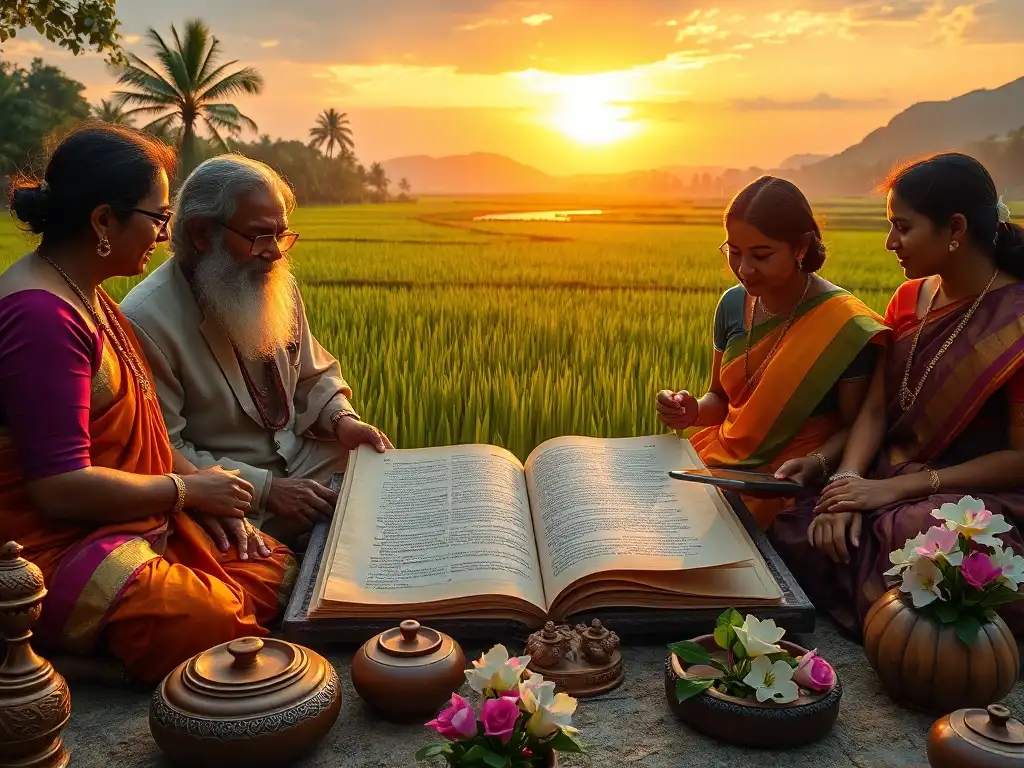
Welcome to Ancient India History, where we embark on an exhilarating journey through the rich tapestry of ancient Indian civilizations. As you delve into our featured article, “The Impact of Sangam Literature on Modern Tamil Identity: Bridging the Past and Present,” prepare to uncover how the profound insights of Sangam literature not only shaped the cultural landscape of the ancient Tamil society but also continue to resonate in contemporary Tamil identity.
Join us as we explore the intriguing connections between the past and present, revealing the timeless relevance of these literary treasures. Your adventure into the depths of history starts here—let's turn the pages together!
Introduction to Sangam Literature and Tamil Identity
Sangam literature holds a pivotal role in the cultural and literary landscape of Tamil Nadu, embodying the essence of Tamil identity that has evolved over centuries. This ancient body of work, produced between approximately 300 BCE and 300 CE, serves not only as a literary treasure but also as a cultural cornerstone that continues to influence modern Tamil identity.
The intricate narratives, profound poetry, and vivid imagery found in Sangam texts resonate deeply with contemporary Tamil speakers, echoing their historical roots and shaping their collective identity. As we explore the impact of Sangam literature on modern Tamil identity, we will uncover how these ancient texts bridge the past and the present, fostering a sense of unity and pride among Tamils today.
Overview of Sangam Literature
Sangam literature is a collection of Tamil poems and songs composed by various poets during the Sangam period, known for its rich and diverse literary forms. This literature is characterized by its thematic diversity, encompassing love, valor, ethics, and the beauty of nature. The poems, primarily written in Tamil, are categorized into two main types: Akam (interior or personal themes) and Puram (exterior or public themes). The Akam poems reflect the emotional and relational aspects of life, while the Puram poems often celebrate heroism and the social responsibilities of individuals.
Key Features of Sangam Literature:
- Diverse Themes: Love, war, heroism, ethics, and nature.
- Poetic Structure: Varied forms including lyrics, elegies, and ballads.
- Cultural Significance: Reflects the socio-political and cultural milieu of ancient Tamil society.
Significance of Tamil Identity in Historical Context
The significance of Tamil identity has roots deeply embedded in the historical context of ancient South India. The concept of Tamil identity is not merely linguistic; it encompasses a shared heritage, traditions, and values that have been passed down through generations. Sangam literature plays a critical role in this identity formation by documenting the lives, struggles, and aspirations of the Tamil people of the time.
Factors Contributing to Tamil Identity:
- Linguistic Unity: The Tamil language's long-standing history as a classical language fosters a sense of belonging.
- Cultural Heritage: Shared customs, festivals, and rituals that trace back to Sangam traditions.
- Literary Legacy: The continuous reference and reverence of Sangam texts in contemporary Tamil culture reinforce identity.
Historical Background of Sangam Literature
Origins and Timeline of Sangam Literature
Sangam literature emerged during a time of significant socio-political development in ancient Tamil Nadu. It is believed to have originated in the capital cities of the Tamil kingdoms, where poets gathered to compose and recite their works. The timeline spans several centuries, with evidence of its existence from around 300 BCE to 300 CE, marking a formative period for Tamil culture and language.
Key Points:
- Patronage: The literature thrived under the patronage of Tamil kings and chieftains who supported poets and scholars.
- Cultural Exchange: The period was characterized by trade and cultural exchanges with other civilizations, enriching Tamil literature.
- Historical Context: The backdrop of the three Tamil dynasties—the Chola, Pandya, and Chera—played a crucial role in shaping Sangam poetry.
Key Texts and Poets of the Sangam Era
The Sangam era produced a multitude of texts attributed to various poets, each contributing uniquely to Tamil literature. Some of the most celebrated texts include Thirukkural, Akananuru, and Purananuru, which encapsulate the ethos of Tamil society.
Notable Poets:
- Ilango Adigal: Credited with the epic Silappatikaram, blending narrative and poetic traditions.
- Kapilar: Known for his contributions to Akananuru, reflecting deep insights into love and relationships.
- Avvaiyar: A female poet whose works emphasize wisdom and ethics, leaving an indelible mark on Tamil literature.
The exploration of Sangam literature reveals a profound connection to modern Tamil identity. The legacy of these ancient texts continues to shape cultural narratives, instilling a sense of pride and continuity among Tamils today.
Core Themes in Sangam Literature
Sangam literature, a treasure trove of Tamil poetry from the ancient period, is renowned for its rich thematic elements that resonate with the Tamil identity. The works, dated between 300 BCE and 300 CE, encapsulate the socio-cultural milieu of the Tamil people, exploring themes such as love, valor, nature, and ethics. These themes not only illustrate the values and sentiments of ancient Tamil society but also serve as a bridge connecting the past with contemporary Tamil identity. The enduring legacy of these themes is reflected in modern Tamil culture, literature, and collective consciousness.
The poets of the Sangam era adeptly employed metaphors and vivid imagery to convey complex emotions and societal ideals. The nuanced representation of human experiences, especially love and valor, is pivotal to understanding how Sangam literature continues to shape Tamil identity. Furthermore, the integration of local landscapes and cultural practices in these texts highlights the deep-rooted connection of Tamils to their geography and heritage, reinforcing a sense of place and belonging that persists today.
Love and Nature in Sangam Poetry
One of the most celebrated aspects of Sangam literature is its portrayal of love, intricately interwoven with nature. The poems often depict the emotional landscape of love through the lens of the natural world, utilizing imagery of flora, fauna, and seasonal changes to enhance the emotional depth. This connection between human feelings and the environment reflects a holistic understanding of life, where love is not merely a personal experience but a universal phenomenon resonating with nature.
The concept of "Akam" (interior) and "Puram" (exterior) in Sangam poetry delineates the private and public spheres of life. The "Akam" poems explore intimate feelings, often using nature as a metaphor for love's complexities, while "Puram" poems celebrate heroism and valor in the broader social context. This duality not only enriches the literary tradition but also reinforces the idea that love and nature are integral to Tamil identity, influencing modern expressions of romance and emotional connections in Tamil culture.
Heroism and Valor: Reflections on Tamil Identity
Heroism and valor are prominent themes in Sangam literature that reflect the martial spirit and ethical codes of ancient Tamil society. The portrayal of heroic figures, often celebrated for their bravery and righteousness, serves to inspire pride and a sense of identity among the Tamil people. These narratives often include stories of warriors, chieftains, and their exploits, encapsulating the ideals of courage, honor, and loyalty, which are still revered in contemporary Tamil culture.
The valor depicted in Sangam poetry is not merely about physical prowess; it also encompasses moral strength and the ability to uphold justice. Such narratives have played a crucial role in shaping the collective identity of Tamils, fostering a sense of unity and cultural pride. The continued reverence for these heroic ideals in modern Tamil society highlights the enduring impact of Sangam literature in reinforcing a shared cultural narrative that emphasizes resilience, honor, and communal bonds.
The Influence of Sangam Literature on Modern Tamil Culture
The influence of Sangam literature extends far beyond its historical context, permeating various aspects of modern Tamil culture. From language and literature to music and cinema, the themes and stylistic elements of Sangam poetry continue to resonate, shaping contemporary expressions of Tamil identity. This ongoing engagement with Sangam literature reflects a collective effort to honor and revitalize Tamil heritage, ensuring its relevance in today's world.
The revival of interest in Sangam texts has led to a flourishing of Tamil language and literature, encouraging both academic study and popular appreciation. This resurgence not only fosters a deeper understanding of Tamil culture but also promotes a sense of pride in linguistic heritage, reinforcing the importance of preserving the Tamil language for future generations.
Revival of Tamil Language and Literature
The revival of Tamil language and literature, inspired by Sangam texts, is a significant cultural movement in contemporary Tamil society. Efforts to promote Tamil as a living language have gained momentum, with educational institutions and cultural organizations emphasizing the study of ancient texts. This revival is crucial for maintaining linguistic and cultural continuity, as it fosters an appreciation for the richness of Tamil heritage.
Literary festivals, workshops, and public readings of Sangam poetry have become popular, allowing new generations to engage with their literary roots. The incorporation of Sangam themes in modern Tamil literature further enriches the literary landscape, providing a connection to ancestral narratives and cultural values. As a result, the revival of Sangam literature is not only a celebration of the past but also a vital component of the ongoing evolution of Tamil identity.
Role of Sangam Poetry in Contemporary Tamil Identity
Sangam poetry plays a pivotal role in shaping contemporary Tamil identity, serving as a source of inspiration, cultural pride, and unity. The themes of love, heroism, and nature resonate with modern Tamil sensibilities, fostering a sense of belonging and continuity. In literature, cinema, and music, references to Sangam texts are prevalent, illustrating their enduring relevance and influence.
Moreover, the values articulated in Sangam literature, such as community, honor, and respect for nature, are increasingly important in today's global context. As Tamils navigate the complexities of modern life, the insights gleaned from Sangam poetry offer guidance and a framework for understanding their identity. Thus, Sangam literature remains a vital link between the past and present, ensuring that the essence of Tamil culture continues to thrive in an ever-changing world.
Comparative Analysis: Sangam Literature and Modern Tamil Identity
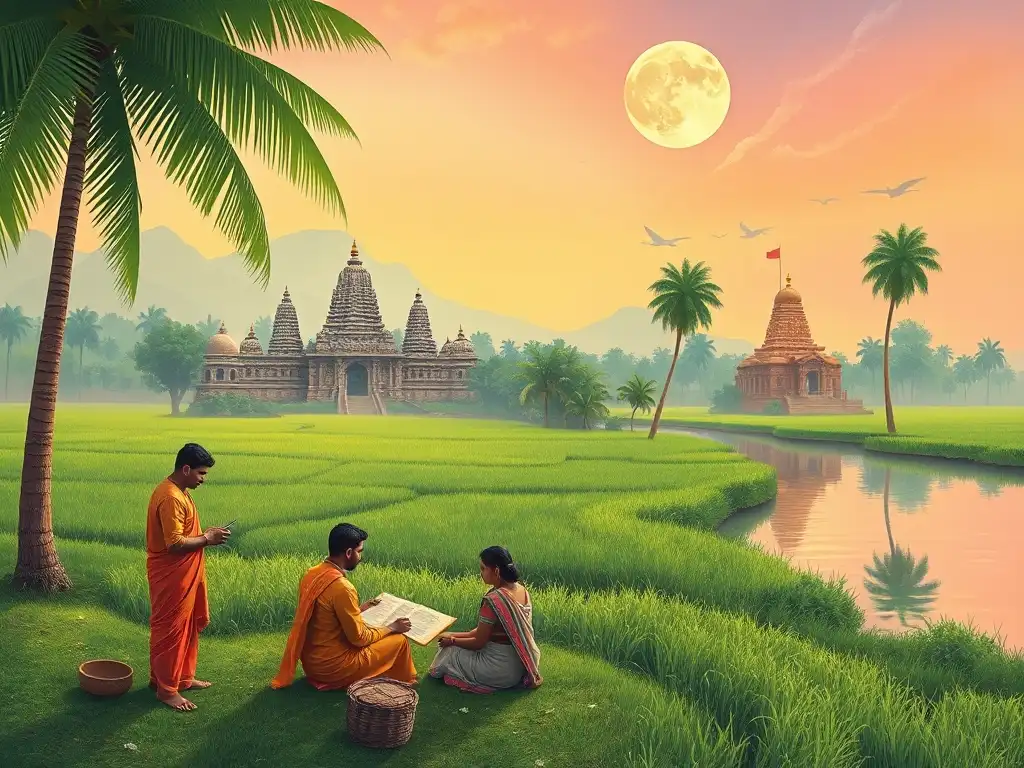
Sangam literature, a treasure trove of poetic expressions from ancient Tamil culture, plays a pivotal role in shaping modern Tamil identity. This literary corpus, composed between 300 BCE and 300 CE, reflects the socio-political, economic, and cultural life of the Tamil people. As we analyze the impact of Sangam literature on contemporary Tamil identity, it is essential to explore both the similarities and differences in the way these texts resonate with today's Tamil speakers.
Similarities Between Ancient and Contemporary Identity
The essence of Tamil identity, as articulated in Sangam literature, continues to be evident in modern Tamil society. One of the most striking similarities is the deep connection to the land and its natural beauty. The poets of the Sangam era celebrated the landscapes of Tamil Nadu, portraying lush forests, rivers, and mountains, which resonate with the contemporary Tamil ethos that values nature and agriculture.
Moreover, themes of love, valor, and community found in Sangam poetry still echo in modern Tamil cultural expressions. The concept of kamatam (love) and veera (valor) remains ingrained in Tamil literature, cinema, and music, serving as a bridge between the past and present. The communal spirit emphasized in Sangam texts fosters a sense of belonging and pride among modern Tamils, reinforcing their cultural identity in a rapidly globalizing world.
Differences in Interpretation and Relevance
Despite the enduring influence of Sangam literature, the interpretation of its themes has evolved. Modern Tamil identity is increasingly shaped by contemporary socio-political issues, including caste dynamics, gender roles, and globalization. While Sangam literature often idealized heroism and traditional gender roles, modern interpretations may critique these aspects, seeking a more inclusive representation of identity.
Additionally, the accessibility and relevance of Sangam texts can vary among different segments of Tamil society. For some, the intricate poetic language of the Sangam period may seem distant, leading to a disconnect with its themes. In contrast, others actively engage with these texts, drawing parallels between ancient wisdom and modern challenges, thus enriching their understanding of Tamil identity.
The Role of Sangam Literature in Shaping Tamil Nationalism
Sangam literature has played an influential role in the development of Tamil nationalism, particularly in the late 19th and early 20th centuries. As Tamils sought to assert their distinct identity in the face of colonialism and cultural assimilation, the revival of Sangam texts became a rallying point for nationalist sentiments.
Historical Context of Tamil Nationalism
The emergence of Tamil nationalism can be traced back to the socio-political upheavals during British colonial rule. Intellectuals and poets emphasized the richness of Tamil heritage, often invoking Sangam literature to advocate for cultural pride and political autonomy. This period saw the formation of various Tamil organizations aimed at preserving and promoting Tamil language and culture, drawing heavily from the ideals espoused in Sangam poetry.
The revivalist movement highlighted the historical significance of Sangam literature as a testament to Tamil civilization's antiquity and complexity. By celebrating the achievements of their ancestors, Tamil nationalists sought to inspire a sense of unity among Tamils, transcending regional and caste differences.
Influence of Sangam Texts on Political Movements
Sangam literature's influence on political movements cannot be overstated. Leaders like E.V. Ramasamy (Periyar) and C.N. Annadurai utilized themes from Sangam texts to galvanize support for social reform and political representation. They emphasized the values of equality and justice found in the ancient poems to challenge the prevailing caste hierarchies and advocate for the rights of marginalized communities.
Furthermore, the incorporation of Sangam ideals into contemporary political rhetoric has helped solidify a collective Tamil identity. Political parties in Tamil Nadu frequently invoke Sangam literature to legitimize their ideologies and connect with the historical consciousness of the Tamil populace. This enduring relationship between Sangam literature and Tamil nationalism underscores the literature's vital role in shaping a modern Tamil identity that honors its rich past while addressing present and future challenges.
Bridging the Past and Present: The Continued Relevance of Sangam Literature
Sangam literature, composed between 300 BCE and 300 CE, serves as a crucial link between ancient Tamil culture and modern Tamil identity. Its exploration of themes such as love, valor, and community reflects the values that continue to resonate within Tamil society today. The vivid portrayal of nature, emotions, and social norms in Sangam poetry not only captures the essence of the Tamil ethos but also provides a lens through which contemporary Tamils can engage with their heritage.
In modern Tamil Nadu, Sangam literature is more than just an academic subject; it is a source of inspiration for artists, writers, and cultural activists. The values enshrined in these ancient texts promote a sense of pride and belonging among Tamils, highlighting the importance of cultural continuity. By bridging the past and present, Sangam literature encourages a deeper understanding of identity, fostering a connection to ancestors while addressing contemporary issues.
Modern Adaptations and Interpretations of Sangam Poetry
The timeless nature of Sangam poetry has led to numerous modern adaptations and interpretations. Contemporary poets and writers often draw inspiration from the themes and styles of Sangam literature, infusing them with modern sensibilities. For instance, poets like Kannadasan and Subramania Bharati have reinterpreted classic Sangam verses, using them as a foundation for discussing current social and political issues.
In addition to poetry, Sangam literature has found its way into various art forms, including theater and cinema. Films often incorporate dialogues or themes inspired by Sangam texts, introducing these ancient works to new audiences. This blending of traditional and modern forms allows for a richer appreciation of Tamil identity, ensuring that the wisdom of the past remains relevant in contemporary discourse.
Educational Initiatives Focused on Sangam Literature
Educational initiatives aimed at promoting Sangam literature play a pivotal role in reinforcing Tamil identity among younger generations. Schools and universities in Tamil Nadu now incorporate Sangam texts into their syllabi, encouraging students to explore their cultural heritage. Programs that focus on the analysis of Sangam poetry foster critical thinking and appreciation for the linguistic artistry of the Tamil language.
Moreover, workshops and seminars organized by cultural organizations aim to engage the community in discussions about Sangam literature's significance. These initiatives not only preserve the literary traditions of Tamil Nadu but also create a platform for intergenerational dialogue, allowing elders to share their insights with youth, thus enriching the collective understanding of Tamil identity.
Conclusion: The Enduring Legacy of Sangam Literature in Tamil Identity
Sangam literature remains a cornerstone of Tamil identity, reflecting the rich cultural tapestry of ancient Tamil society. Its continued relevance in modern times underscores the adaptability of these texts, which serve as a source of inspiration and guidance for contemporary Tamil speakers. The values of love, honor, and community articulated in Sangam poetry resonate deeply within the hearts of modern Tamils, fostering a sense of pride and belonging.
Summary of Key Points
- Cultural Continuity: Sangam literature acts as a bridge connecting ancient Tamil culture with modern identity.
- Modern Adaptations: Contemporary interpretations of Sangam poetry enrich current artistic expressions.
- Educational Efforts: Initiatives focusing on Sangam literature enhance awareness and appreciation among younger generations.
- Enduring Legacy: The themes and values of Sangam literature continue to inspire and shape modern Tamil identity.
Future Directions for Research and Exploration in Sangam Literature and Tamil Identity
Future research on Sangam literature could explore various dimensions, such as its influence on contemporary Tamil politics, gender roles, and global Tamil diaspora identities. Scholars might examine how the themes within Sangam texts can inform discussions on social justice and cultural preservation. Additionally, interdisciplinary approaches combining literature with history, sociology, and anthropology could yield richer insights into the ongoing impact of Sangam literature on modern Tamil identity.
Exploration of digital humanities projects that focus on making Sangam literature more accessible through online platforms can also enhance engagement. By harnessing technology, researchers and educators can introduce younger audiences to these timeless works, ensuring that the legacy of Sangam literature continues to thrive in the 21st century.
- Introduction to Sangam Literature and Tamil Identity
- Historical Background of Sangam Literature
- Core Themes in Sangam Literature
- The Influence of Sangam Literature on Modern Tamil Culture
- Comparative Analysis: Sangam Literature and Modern Tamil Identity
- The Role of Sangam Literature in Shaping Tamil Nationalism
- Bridging the Past and Present: The Continued Relevance of Sangam Literature
- Conclusion: The Enduring Legacy of Sangam Literature in Tamil Identity
Frequently Asked Questions
What is Sangam literature?
Sangam literature refers to a collection of ancient Tamil texts that were composed between 300 BCE and 300 CE, showcasing the cultural and linguistic richness of Tamil Nadu.
How does Sangam literature influence modern Tamil identity?
Sangam literature serves as a cultural cornerstone for modern Tamil identity, reflecting values, traditions, and social norms that continue to resonate with Tamil-speaking communities today.
What themes are prevalent in Sangam literature?
Themes such as love, valor, ethics, and nature are prevalent in Sangam literature, which also emphasizes the connection between humans and their environment, enriching the Tamil cultural ethos.
Why is Sangam literature significant in the context of ancient Indian history?
Sangam literature is significant as it provides insights into the social, political, and economic life of ancient Tamil societies, thereby contributing to a broader understanding of ancient Indian history.
How can one access Sangam literature today?
Sangam literature is accessible through translations, anthologies, and various online resources, making it easier for enthusiasts to explore its rich language and poetic forms.
Final Reflection: Sangam Literature as the Soul of Tamil Identity
The exploration of Sangam literature and its profound influence on modern Tamil identity reveals a rich tapestry woven from the threads of history, culture, and language. Today, as we navigate a rapidly changing world, the relevance of these ancient texts becomes increasingly apparent. They serve not only as a reminder of our roots but also as a guiding light that shapes our contemporary identity. The enduring wisdom encapsulated in Sangam literature resonates with the challenges and aspirations of the present, urging us to reconnect with our heritage in a meaningful way.
Sangam literature has left an indelible mark on the cultural and social landscape of Tamil Nadu, influencing everything from literature and art to social values and community bonds. The themes of love, valor, and nature found in these ancient poems continue to inspire modern Tamil creators and thinkers. As we witness a resurgence of interest in our literary heritage, it becomes clear that these texts are not relics of the past but living documents that inform our identity today. The past is never dead. It's not even past.
— William Faulkner. This quote encapsulates the essence of how Sangam literature remains a vibrant part of our cultural consciousness, shaping our identity and values in the modern era.
As we reflect on the lessons of Sangam literature, I invite you to consider how these timeless themes can enrich your own life. Embrace the wisdom of our ancestors, and let it guide you in forging a deeper connection with your identity. Whether through reading the poems, engaging in discussions, or incorporating their values into your daily life, take action to bridge the past and present. In doing so, you not only honor the legacy of Sangam literature but also contribute to the ongoing evolution of Tamil identity in a world that is ever-changing.
Embrace Your Tamil Heritage Today!
Thank you for taking the time to explore the profound influence of Sangam literature on modern Tamil identity. By delving into this rich legacy, you've equipped yourself with valuable insights into how our past shapes the present. Now, let’s take steps to further connect with our vibrant culture!
- Dive deeper into Sangam literature: Choose a poem or story that resonates with you, and explore its themes and meanings to gain a deeper understanding of your heritage.
- Join a local Tamil literature group: Engage in discussions and share your thoughts with others who appreciate this rich cultural legacy.
- Spread the word: Share this article with friends and family to inspire them to honor and explore their own Tamil roots.
How will you honor your Tamil heritage in your daily life?