
The Emotional Depth of Sangam Literature: Love, Loss, and Longing in Ancient Tamil Poems

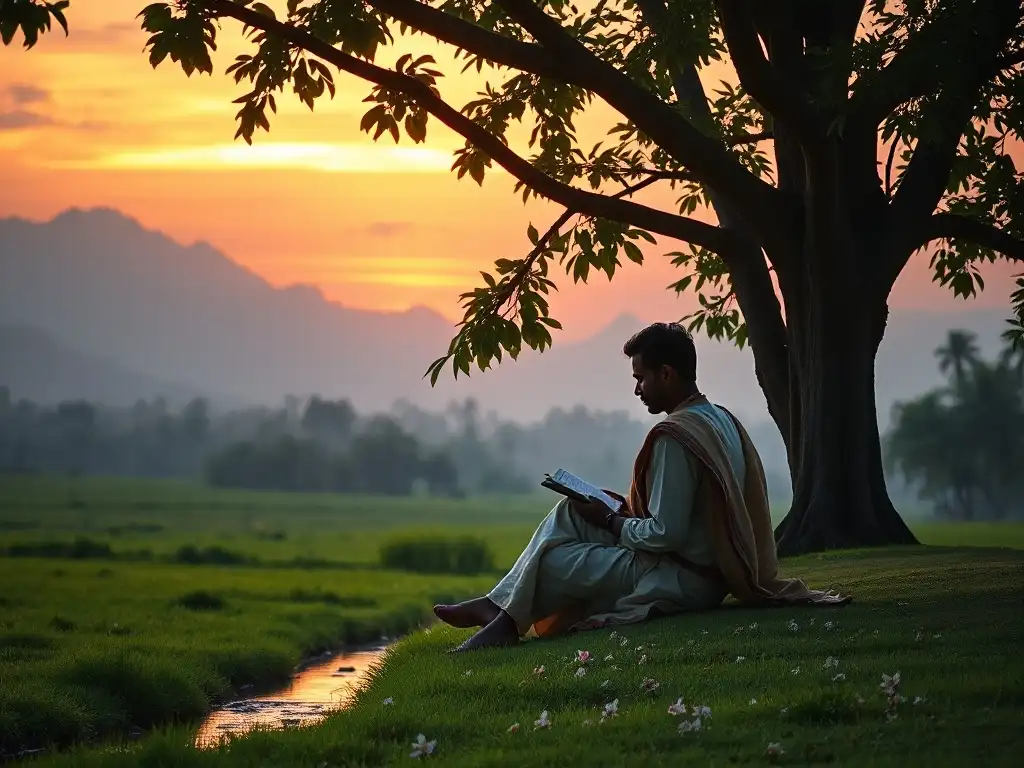
Welcome to Ancient India History, where we embark on a captivating journey through the rich and diverse tapestry of ancient Indian civilizations. In this exploration, we delve into the emotional depth of Sangam literature, uncovering the themes of love, loss, and longing that resonate through ancient Tamil poems. What secrets do these timeless verses hold about the human experience? Join us as we unravel the poignant stories and profound sentiments that shaped the literary landscape beyond the grand epics. Your adventure into the heart of Sangam literature awaits—let's dive deeper!
Sangam literature stands as a testament to the profound emotional landscape of ancient Tamil civilization, capturing the nuances of human experience through its rich poetic expressions. Composed between approximately 300 BCE and 300 CE, these poems reflect an intricate tapestry of emotions, particularly focusing on themes of love, loss, and longing.
The emotional depth of Sangam literature not only provides insight into the cultural fabric of ancient Tamil society but also resonates with universal human experiences that continue to be relevant today. This article delves into the emotional themes present in Sangam poetry, exploring how these ancient verses articulate the complexities of human emotions and relationships.
Introduction to Sangam Literature
Sangam literature is a body of classical Tamil poetry that emerged from a confluence of artistic and cultural endeavors in ancient Tamil Nadu. Characterized by its lyrical beauty and thematic variety, it serves as both a historical document and a reflection of the socio-political milieu of its time.
The poetry is traditionally attributed to a group of poets known as the Sangam poets, who were believed to have gathered in assemblies or “Sangams” to craft and share their works. This literature is not merely a collection of poems; it offers insights into the values, beliefs, and emotional landscapes of the Tamil people.
Overview of Sangam Literature and its Significance
The significance of Sangam literature lies in its ability to transcend time, addressing themes that resonate across generations. It consists of over 2,000 poems compiled into eight anthologies, known as the Ettuthokai and Pattupattu, that explore diverse subjects ranging from love and war to nature and the divine. The emotional themes embedded within these texts provide a rich understanding of the human condition, making Sangam literature a pivotal component of Indian literary heritage.
Key Features of Sangam Literature
Sangam literature is marked by several distinctive features:
- Diversity of Themes: It encompasses various themes, including love (akam), war (puram), and nature.
- Imagery and Symbolism: The poems are renowned for their vivid imagery and use of metaphors, which enhance emotional expression.
- Emotionally Charged Language: The linguistic richness and rhythmic qualities of Tamil contribute to the emotional impact of the poetry.
- Cultural Context: The poems reflect the social customs, traditions, and geography of ancient Tamil Nadu, providing a contextual backdrop for understanding the emotional depth.
Historical Context of Sangam Poetry
Sangam poetry flourished during a time of significant cultural and political development in southern India. The Tamil kingdoms of the time, such as the Cheras, Cholas, and Pandyas, fostered an environment that encouraged artistic expression. The patronage of these royal courts allowed poets to explore a variety of themes, further enhancing the emotional depth of their works. This historical context is essential for understanding the interplay between societal influences and individual emotions in Sangam literature.
Emotional Themes in Sangam Literature
The emotional themes in Sangam literature are timeless and multifaceted, capturing the essence of human experiences that transcend the boundaries of time and culture. The exploration of love, loss, and longing in these ancient poems reveals the complexities of relationships and the emotional turbulence that accompanies them.
Love in Sangam Poems: The Central Emotion
Love is perhaps the most prevalent theme in Sangam literature, often depicted through the lens of romantic relationships and yearning. The poems explore various dimensions of love, including the joy of union and the pain of separation. The emotional expressions range from the tender and ecstatic to the poignant and melancholic, showcasing the depth of affection that characters experience.
Loss in Sangam Literature: Mourning and Grief
Loss in Sangam literature is poignantly expressed through the themes of mourning and grief. The poems often depict the sorrow of separation from loved ones, whether through death or distance. This theme resonates deeply with the human experience, illustrating how loss shapes identity and emotional resilience within the cultural framework.
Longing in Sangam Literature: The Nature of Desire
Longing is intricately woven into the fabric of Sangam poetry, reflecting the deep-seated desires that drive human connections. The poets articulate a sense of yearning that extends beyond romantic relationships, encompassing aspirations, dreams, and the quest for belonging. This theme of longing captures the essence of human vulnerability and the desire for fulfillment, making it a central aspect of the emotional depth found in Sangam literature.
The Influence of Emotional Themes on Tamil Culture
Sangam literature, composed between 300 BCE and 300 CE, holds a significant place in the cultural tapestry of Tamil Nadu. The emotional themes prevalent in these ancient poems have profoundly influenced Tamil culture, shaping not only literary expressions but also social attitudes and values. The exploration of love, loss, and longing in Sangam literature resonates deeply with the Tamil psyche, fostering a rich tradition of emotional articulation that persists in contemporary forms of art and literature.
The emotional depth found in Sangam poetry has contributed to a collective identity among Tamils, where shared feelings and experiences are celebrated. Festivals, music, and dance often reflect the sentiments expressed in these poems, illustrating how emotional themes serve as a bridge connecting the past to the present. Additionally, the use of metaphors and imagery in Sangam poetry has inspired countless generations of artists, musicians, and writers, creating a vibrant cultural landscape steeped in emotional resonance.
How Sangam Literature Shaped Emotional Expressions
Sangam literature serves as a foundational text for understanding emotional expressions in ancient Tamil society. The poets employed a unique blend of personal and universal themes, crafting verses that articulate intimate feelings while also addressing broader societal issues. This duality allowed for a rich emotional vocabulary that encompasses various human experiences, particularly in the realms of love and loss.
For instance, the concept of "kaadal" (love) is explored through various lenses, from the joy of romantic relationships to the pain of separation. The nuanced portrayal of emotions in Sangam poetry has established a precedent for future Tamil literary works, encouraging subsequent generations to delve into emotional complexity. Moreover, traditional Tamil music and folk performances often draw from these poetic themes, ensuring that the emotional expressions of Sangam literature continue to thrive in modern cultural practices.
Emotional Depth and its Reflection in Tamil Society
The emotional themes articulated in Sangam literature reflect the values and social dynamics of ancient Tamil society. The poems often depict a deep connection to nature and the environment, mirroring the emotional states of the individuals. For example, the changing seasons in Sangam poetry frequently symbolize the cycles of love and longing, reinforcing the idea that human emotions are intrinsically linked to the natural world.
Furthermore, these emotional explorations fostered a sense of empathy and understanding within the community. The shared experiences of love, loss, and longing depicted in Sangam literature encouraged social cohesion, as individuals could relate to the sentiments expressed in the poems. This collective emotional landscape has had lasting implications, shaping Tamil identity and cultural practices that prioritize emotional expression and connection.
Notable Poets and Their Contributions
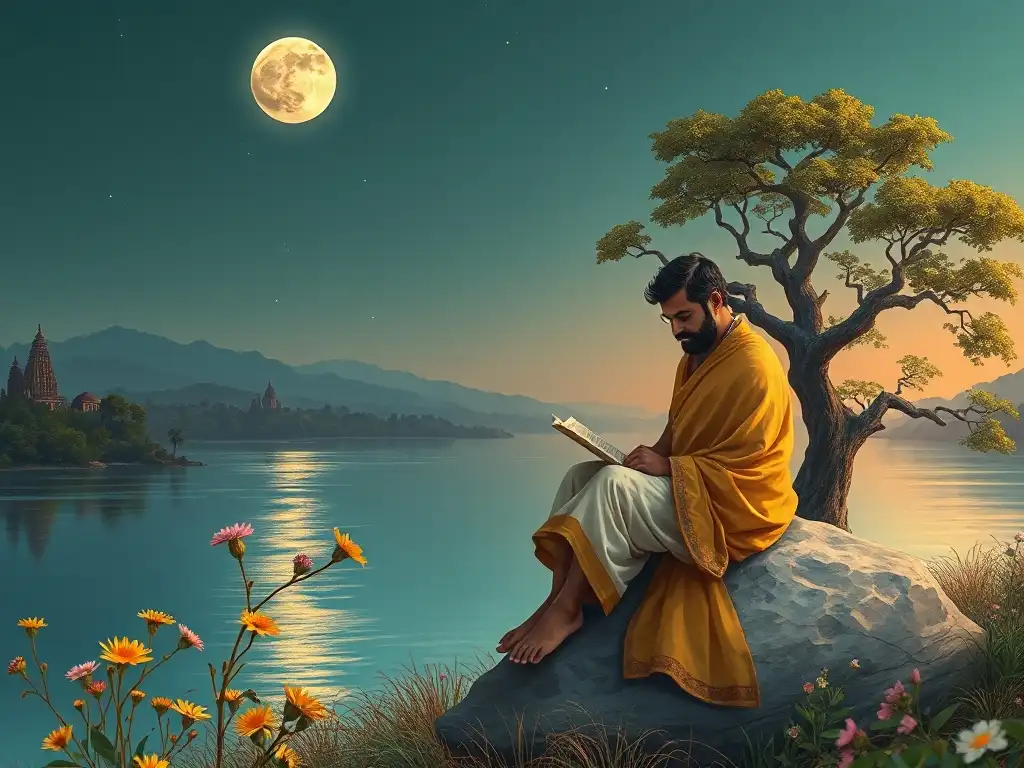
Sangam literature boasts a cadre of renowned poets whose works have left an indelible mark on Tamil culture. Among these, notable figures such as Thiruvalluvar, Kapilar, and Avvaiyar stand out for their exceptional contributions to the exploration of emotional themes. Each poet brought a unique perspective to the emotional landscape of their time, enriching the corpus of Sangam literature.
Thiruvalluvar's "Tirukkural," while primarily a philosophical text, touches upon emotional themes through its verses on love, ethics, and human relationships. Kapilar's poems often delve into the joys and sorrows of love, reflecting the intricacies of personal relationships against a backdrop of societal norms. Avvaiyar, a celebrated female poet, offers poignant insights into love and longing, providing a voice to women's experiences in a patriarchal society.
Key Poets of Sangam Literature
- Thiruvalluvar: Known for his philosophical insights, Thiruvalluvar's "Tirukkural" engages with emotional themes through its exploration of love, ethics, and morality. His work emphasizes the significance of emotional intelligence in human relationships.
- Kapilar: A prominent poet of the Sangam era, Kapilar's verses often reflect the complexities of love, addressing both its ecstasies and heartaches. His keen observation of human emotions resonates through his lyrical style.
- Avvaiyar: Renowned for her wisdom and lyrical prowess, Avvaiyar's poems highlight the emotional experiences of women, capturing the nuances of love and longing in a male-dominated society.
Comparative Analysis of Poets and Their Emotional Themes
A comparative analysis of notable Sangam poets reveals distinct yet interconnected emotional themes that permeate their works. While Thiruvalluvar often approaches love from a philosophical and ethical standpoint, Kapilar's poetry is more personal and reflective, painting vivid images of romantic relationships. In contrast, Avvaiyar's contributions focus on the emotional experiences of women, providing a counter-narrative to male-centric themes prevalent in other works.
This diversity in emotional expression showcases the richness of Sangam literature, as each poet contributes to a broader understanding of love, loss, and longing. The interplay of these themes across different poets not only enriches the literary landscape but also highlights the universality of human emotions, transcending time and cultural boundaries. The legacy of these poets continues to influence contemporary Tamil literature, underscoring the enduring relevance of emotional themes in understanding the human experience.
Conclusion
Sangam literature stands as a monumental testament to the emotional richness of ancient Tamil culture. Through its intricate poems, it delves into the profound themes of love, loss, and longing, reflecting the complexities of human relationships and emotions. The emotional themes captured in these verses resonate across time, offering insights into the psyche of individuals in ancient India. As readers engage with these texts, they encounter a world where emotions are vividly expressed, allowing for a deeper appreciation of the cultural and historical context that shaped these literary creations.
The exploration of emotional depth in Sangam literature not only enriches our understanding of ancient Tamil society but also highlights the universal nature of human emotions. The themes found within this body of work continue to be relevant today, speaking to the enduring nature of love, grief, and yearning that transcends cultural and temporal boundaries.
The Lasting Impact of Sangam Literature's Emotional Themes
The emotional themes prevalent in Sangam literature have left a profound mark on Tamil culture and beyond. These poems have influenced various forms of artistic expression, including music, dance, and contemporary Tamil literature. The rich imagery and emotional resonance found in Sangam poetry serve as a source of inspiration for modern writers and artists, allowing them to explore similar themes in their own works.
Moreover, the emotional depth of Sangam literature has fostered a sense of identity among Tamil speakers. By connecting with the emotions expressed in these ancient texts, individuals find a shared cultural heritage that reinforces community bonds. The poems encapsulate the joys and sorrows of life, making them relatable to contemporary audiences who continue to grapple with similar feelings.
Relevance of Sangam Literature in Contemporary Understanding of Emotions
In today's fast-paced world, the emotional themes of Sangam literature offer a poignant reminder of the importance of emotional expression and understanding. As society increasingly values mental health and emotional well-being, these ancient poems provide a historical perspective on the human condition. They encourage readers to reflect on their own emotions and relationships, promoting a deeper awareness of the complexities of love, loss, and longing.
Furthermore, the study of Sangam literature contributes to a broader discourse on emotional intelligence. By analyzing how emotions were articulated in these texts, scholars and readers alike can gain insights into the ways in which emotions have been perceived and expressed across different cultures and eras. This understanding can ultimately foster empathy and connection in contemporary society.
References
Suggested Readings on Sangam Literature and Emotional Themes
- "The Sangam Anthology: An Introduction": – This book provides an overview of the key themes and poets within Sangam literature, focusing on the emotional and cultural significance of the works.
- "Love and Loss in Tamil Literature" – A comprehensive analysis of the emotional expressions found in Tamil poetry, with a particular focus on the Sangam period.
- "Tamil Sangam Literature: A Historical Perspective": – This work explores the historical context of Sangam literature, shedding light on its emotional depth and social implications.
Additional Resources on Ancient Tamil Poetry
- Online Archives of Sangam Literature – A collection of ancient Tamil poems available for free, allowing readers to explore the texts and their emotional themes in depth.
- Documentaries on Tamil Literature – Various documentaries that delve into the history and significance of Sangam literature, featuring expert interviews and analyses.
- Workshops and Courses on Tamil Poetry – Opportunities to engage with Sangam literature through structured learning, providing insights into its emotional themes and cultural relevance.
- Introduction to Sangam Literature
- Emotional Themes in Sangam Literature
- The Influence of Emotional Themes on Tamil Culture
- Notable Poets and Their Contributions
- Conclusion
- References
Frequently Asked Questions
What is Sangam literature?
Sangam literature refers to a collection of ancient Tamil poems that were composed between 300 BCE and 300 CE, reflecting the emotional themes of love, loss, and longing.
What are the main emotional themes found in Sangam literature?
The emotional themes prevalent in Sangam literature include love, loss, and longing, which capture the complexities of human emotions and relationships in ancient Tamil society.
How does Sangam literature reflect ancient Tamil culture?
Sangam literature offers insights into the social norms, values, and daily life of ancient Tamil civilization, showcasing how emotional expressions were integral to their cultural identity.
What significance does Sangam literature hold today?
Sangam literature is considered a treasure of Tamil heritage, influencing contemporary literature, art, and music, and continues to be a source of inspiration for modern creative expressions.
How can one explore Sangam literature for emotional themes?
To explore the emotional themes in Sangam literature, one can read anthologies of the poems, attend lectures or workshops, and engage in discussions to understand the nuances of emotions expressed in this ancient body of work.
Final Reflection: The Enduring Resonance of Sangam Literature's Emotional Themes
The emotional themes of Sangam literature remain profoundly relevant today, as they explore the universal experiences of love, loss, and longing that transcend time and culture. In an era where human connections are often overshadowed by technology and rapid change, the poignant expressions found in these ancient Tamil poems remind us of our shared humanity. The depth of emotion captured in Sangam literature serves as a powerful testament to the timeless nature of our feelings, urging us to reconnect with the essence of what it means to be human.
The influence of Sangam literature on our cultural and social landscape is undeniable, as it continues to inspire artists, poets, and thinkers across generations. The themes of love and longing resonate deeply within us, shaping our understanding of relationships and the complexities of the human experience. As poet K. N. Sivaraja Pillai beautifully stated, In every heart, there lies a poem waiting to be sung.
This sentiment encapsulates the idea that the emotional depth found in Sangam literature is not just a relic of the past but a living force that continues to inspire and evoke feelings in our contemporary lives.
As you reflect on the emotional themes of Sangam literature, I invite you to consider how these ancient expressions of love, loss, and longing can inform your own experiences. Take a moment to engage with your emotions, to explore the depths of your connections, and to recognize the beauty in vulnerability. Let the wisdom of these ancient poems guide you in nurturing your relationships and embracing the emotional tapestry of life, for in doing so, you honor the legacy of those who came before us and enrich your own journey.
Dive Deeper Into the Heart of Sangam Literature!
Thank you for exploring the rich emotional landscape of Sangam literature with us! You've uncovered the profound themes of love, loss, and longing that resonate through these ancient Tamil poems. Now, let's take that newfound inspiration and turn it into action.
- Immerse yourself in Sangam poetry: Choose a poem that resonated with you and spend time analyzing its themes and emotions—perhaps even try writing your own verse inspired by it!
- Share your thoughts: Engage with fellow enthusiasts by discussing your favorite poems on our community forum. Your insights can spark meaningful conversations!
- Explore further: Consider reading related works from other literary traditions or participate in a local workshop on poetry appreciation to deepen your understanding.
What aspect of Sangam literature touched you the most, and how do you think it reflects our own experiences of love and loss today?