
How Puranas Influence Modern Indian Beliefs and Practices

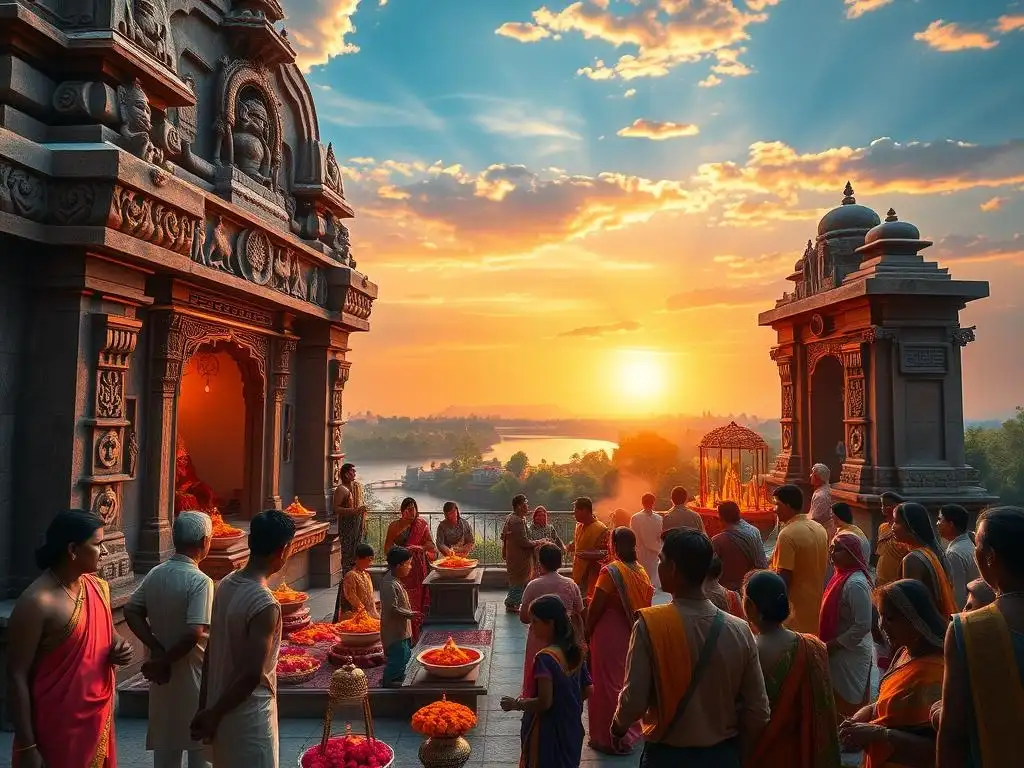
Welcome to Ancient India History, where we embark on a captivating journey through time to uncover the rich tapestry of ancient Indian civilizations. In our featured article, "How Puranas Influence Modern Indian Beliefs and Practices," we delve into the profound impact that these ancient texts have had on the cultural and spiritual landscape of India. What secrets do the Puranas hold, and how do they continue to shape contemporary beliefs?
Join us as we explore the enduring legacy of these texts, and discover the intricate connections that bind the past to the present in the vibrant mosaic of Indian culture. Let your curiosity lead you deeper into the fascinating world of ancient traditions!
- Introduction to Puranas and Their Significance
- Historical Context of Puranas
- Puranas and Their Influence on Modern Indian Beliefs
- Puranas' Impact on Indian Cultural Identity
- The Relevance of Puranas in Today's Society
- Conclusion: The Enduring Legacy of Puranas on Indian Culture
- Frequently Asked Questions
- Final Reflection: The Enduring Legacy of Puranas on Indian Culture
- Unlock the Wisdom of the Puranas Today!
Introduction to Puranas and Their Significance

The Puranas, a genre of ancient Indian literature, hold a pivotal place in the cultural and spiritual tapestry of India. These texts, composed over centuries, serve as vital repositories of mythological narratives, cosmology, and religious teachings. They encompass a diverse range of topics, including creation myths, genealogies of gods and heroes, and moral lessons, making them essential to understanding the evolution of Indian thought and culture.
In exploring the Puranas' impact on Indian culture, we can uncover how these ancient texts continue to shape modern beliefs, practices, and identity within the subcontinent. The significance of the Puranas extends beyond mere stories; they encapsulate the ethos of ancient Indian civilization and provide a lens through which we can examine contemporary practices and values.
Definition of Puranas in Indian Literature
Puranas are a class of Sanskrit literature that is characterized by their narrative style and rich mythological content. Traditionally, they are classified into 18 major Puranas, which include well-known texts such as the Bhagavata Purana, Vishnu Purana, and Shiva Purana. These texts were composed primarily between the 4th and 15th centuries CE, although their origins can be traced back to the Vedic period.
In essence, the term "Purana" translates to "ancient" or "old," and these texts serve to preserve the ancient knowledge and traditions of Indian society. Each Purana varies in content, but they often include the following elements:
- Cosmology: Descriptions of the universe's creation, structure, and cycles.
- Genealogy: Accounts of the dynasties of gods, sages, and legendary kings.
- Legends and Myths: Tales that illustrate moral and spiritual lessons.
- Rituals and Festivals: Guidelines on religious practices and celebrations.
Through their vast narratives, the Puranas provide a comprehensive view of the beliefs, values, and rituals that have influenced Indian culture for centuries.
Overview of the Puranas' Role in Ancient Indian Society
The Puranas played a crucial role in shaping the socio-religious landscape of ancient India. They were not merely literary works but also served as tools for education, moral instruction, and cultural preservation. Here are some key aspects of their influence:
- Religious Authority: The Puranas often solidified the doctrines of various Hindu sects, thereby contributing to the establishment of religious authority. They provided a framework for worship and rituals, guiding adherents in their spiritual practices.
- Cultural Identity: By narrating the genealogies of gods and heroes, the Puranas fostered a sense of identity among communities. They reinforced cultural ties and traditions, helping to unify diverse groups under common beliefs.
- Moral and Ethical Guidelines: Many Puranic stories contain moral lessons that address the complexities of human behavior. These narratives taught values such as dharma (righteousness), karma (action and consequence), and bhakti (devotion), influencing societal norms and individual conduct.
- Historical Context: The Puranas also serve as historical documents, reflecting the social, political, and economic conditions of their time. They provide insights into the lives of ancient peoples, their struggles, and their aspirations.
The Puranas are more than mere ancient texts; they are a dynamic force that continues to resonate within the framework of modern Indian beliefs and practices, warranting a deeper exploration of their enduring impact on Indian culture.
Historical Context of Puranas
Origins and Development of Puranas
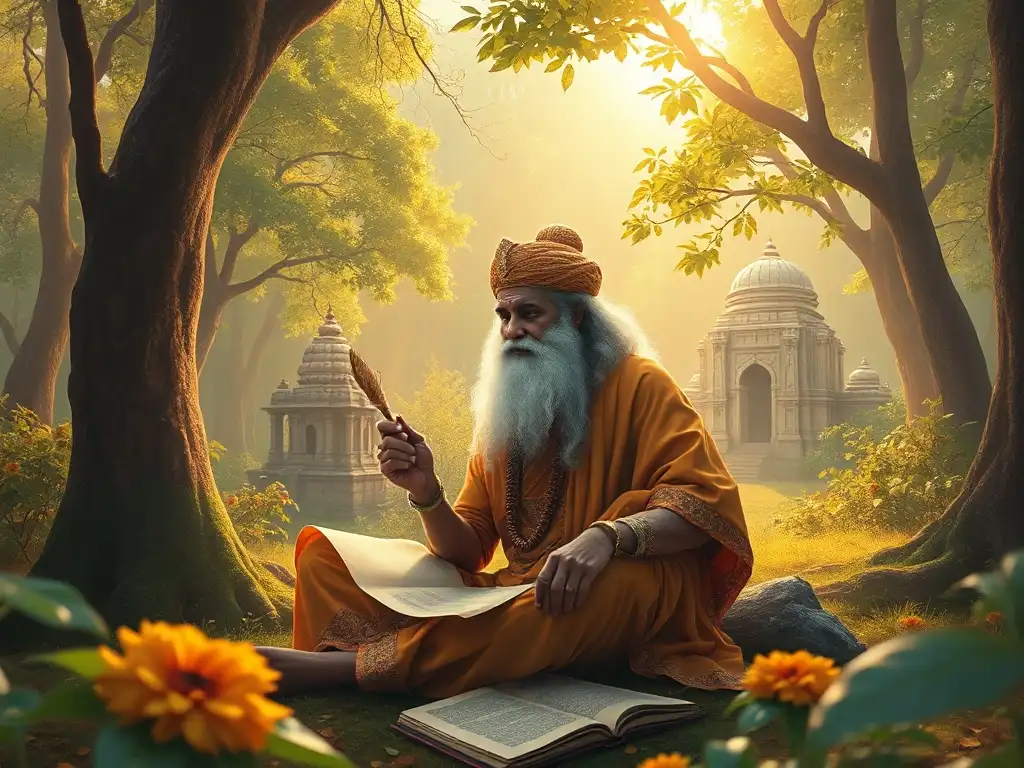
The Puranas, a genre of ancient Indian literature, are critical in understanding the cultural and religious landscape of India. These texts, composed approximately between 300 CE and 1500 CE, were written in Sanskrit and are believed to have evolved from oral traditions. The term "Purana" itself derives from the Sanskrit root "pur," meaning "ancient" or "old," which reflects their role in preserving historical narratives and mythologies.
The Puranas can be categorized into various types, with the most significant being the Mahāpurāṇas and Upapurāṇas. The Mahāpurāṇas include eighteen major texts, such as the Bhāgavata Purāṇa, Vishnu Purāṇa, and Shiva Purāṇa. Each of these texts serves distinct purposes, from cosmology to genealogy, and mythology to philosophy. Over time, the Puranas underwent various revisions and interpolations, mirroring the changing socio-political and religious contexts of the time.
The Puranic literature not only provides insights into the Hindu pantheon but also reflects the syncretic nature of Indian culture, incorporating elements from various traditions, including Buddhism and Jainism. This adaptability has allowed the Puranas to remain relevant, influencing modern practices and beliefs across generations.
The Role of Puranas in Preserving Indian Heritage
Puranas serve as invaluable repositories of Indian heritage, encapsulating diverse aspects of ancient life, including mythology, rituals, art, and culture. Their narratives, often enriched with allegorical meanings, provide profound insights into the values and ideologies of ancient Indian society.
- Cultural Transmission:
- The Puranas have played a crucial role in cultural transmission by:
- Preserving oral traditions that date back centuries.
- Documenting historical events and legends that shape regional identities.
- Offering a framework for understanding ethical and moral dilemmas through stories.
- The Puranas have played a crucial role in cultural transmission by:
- Religious Practices:
- The influence of Puranas on religious practices is significant:
- They outline various rituals and festivals, such as Navaratri and Diwali, linking them to mythological events.
- They guide devotees in understanding the significance of deities and sacred sites, fostering a sense of belonging and spirituality within communities.
- The influence of Puranas on religious practices is significant:
- Art and Architecture:
- The Puranas have also impacted Indian art and architecture:
- Temples and sculptures often depict scenes and figures from Puranic stories, reflecting the iconography described in these texts.
- Various dance forms and theatrical traditions draw upon themes from the Puranas, contributing to the richness of Indian cultural expressions.
- The Puranas have also impacted Indian art and architecture:
The Puranas' impact on Indian culture is profound and multifaceted, influencing various aspects of daily life, spirituality, and artistic endeavors. Their role in preserving and transmitting cultural knowledge ensures that they continue to resonate with modern audiences, bridging the gap between ancient traditions and contemporary beliefs.
Puranas and Their Influence on Modern Indian Beliefs
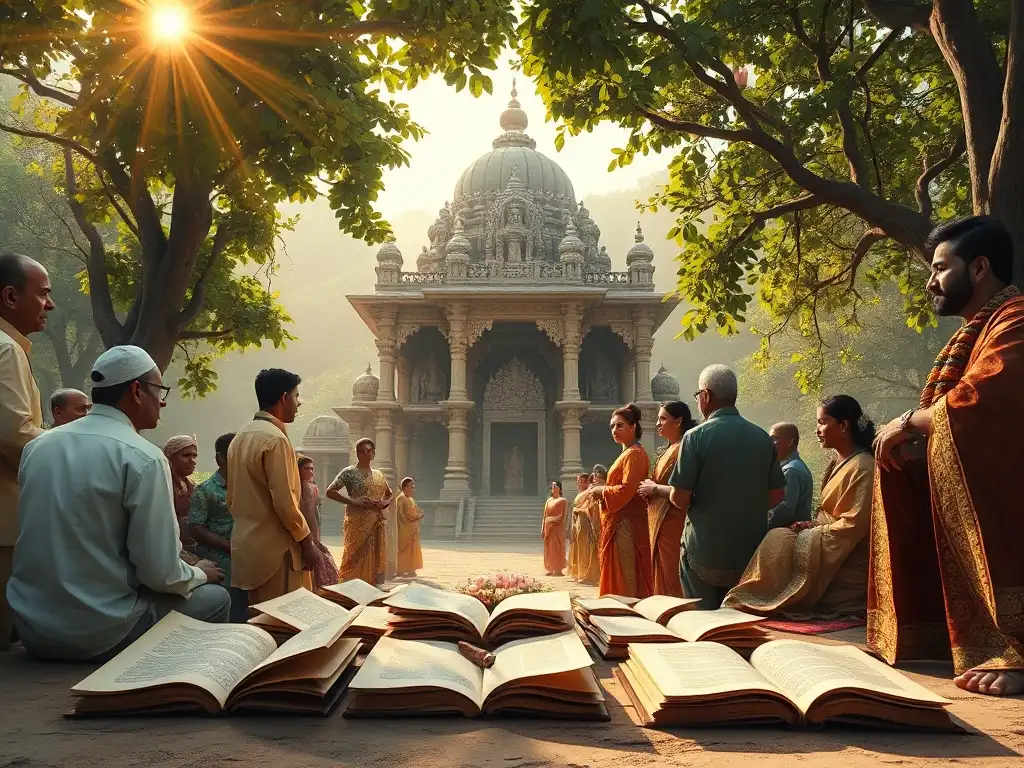
The Puranas, a genre of ancient Indian literature, hold a significant position in the cultural and religious landscape of India. Composed over centuries, these texts encompass mythology, cosmology, legends, and moral teachings. Their narratives are not only entertaining but also serve as a source of spiritual guidance, influence societal norms, and shape contemporary beliefs. This section explores the profound impact of the Puranas on modern Indian beliefs and practices, highlighting their relevance in today's society.
How Puranas Shape Contemporary Religious Practices
The Puranas have played a pivotal role in shaping contemporary religious practices in India. Many rituals and ceremonies practiced today can be traced back to Puranic traditions. For instance:
- Worship of Deities: The Puranas detail various forms of worship and the significance of different deities. The practices of puja (worship) and homa (fire sacrifice) often find their roots in these texts. The narratives surrounding deities like Vishnu, Shiva, and Devi inspire the rituals performed in homes and temples.
- Pilgrimages: The Puranas also prescribe various pilgrimage sites, known as tirthas, which are believed to hold spiritual significance. Locations such as Varanasi, Haridwar, and Puri are mentioned in the Puranas and continue to be major pilgrimage destinations for millions of devotees annually.
- Festivals: Many festivals celebrated in contemporary India, such as Diwali and Navaratri, are deeply rooted in Puranic stories. The tales of Lord Rama's return to Ayodhya during Diwali and the battles of Goddess Durga against the buffalo demon Mahishasura during Navaratri are derived from Puranic texts, shaping the way these festivals are celebrated today.
The teachings and narratives from the Puranas not only guide the rituals but also instill a sense of reverence and connection to the divine among practitioners, reinforcing their spiritual experiences.
The Puranic Influence on Festivals and Rituals
Festivals in India are vibrant expressions of culture and spirituality, and the Puranas significantly influence these celebrations. Various festivals are celebrated based on Puranic events, and they embody the values and teachings found within these texts. Key aspects include:
- Narrative-Based Festivals: Many festivals are celebrated to commemorate events described in the Puranas. For example, Maha Shivaratri is celebrated in honor of Lord Shiva, with rituals and stories derived from the Shiva Purana. This festival emphasizes devotion, fasting, and night vigils, reflecting the teachings about the significance of dedication and spirituality.
- Rituals and Offerings: The Puranas detail specific rituals and offerings associated with various deities during their festivals. For instance, during Durga Puja, worshippers follow rituals outlined in the Markandeya Purana, which describes the goddess's victory over evil. These customs, including the preparation of specific foods, adornments, and ceremonies, serve to strengthen community bonds and enhance spiritual connections.
- Cultural Integration: Festivals influenced by the Puranas often incorporate regional variations, showcasing the diversity of beliefs across India. While the core narratives remain the same, local customs and practices enrich the celebrations, fostering a sense of unity in diversity.
The Puranic influence thus not only perpetuates ancient traditions but also adapts them to modern contexts, ensuring their continued relevance in contemporary society.
Puranas and the Concept of Dharma in Modern India
The concept of dharma, or righteous duty, is central to Puranic teachings and remains a guiding principle in modern Indian life. The Puranas elaborate on various aspects of dharma, providing a framework for ethical living. Key points include:
- Moral Guidance: The Puranas offer narratives that illustrate the consequences of adhering to or deviating from dharma. These stories serve as moral lessons, encouraging individuals to act righteously in their personal and social lives. For example, the tales of King Harishchandra, who upheld truth and justice, inspire adherence to ethical principles even in challenging situations.
- Social Responsibilities: The Puranas emphasize the importance of fulfilling one's responsibilities towards family, society, and the environment. This aligns with the modern emphasis on social justice, community service, and environmental stewardship, demonstrating the timeless nature of these teachings.
- Personal Growth: The teachings of the Puranas encourage self-reflection and personal development, urging individuals to cultivate virtues such as compassion, honesty, and humility. This focus on inner growth resonates with contemporary spiritual practices, including yoga and meditation, which are increasingly popular in modern society.
The Puranas continue to shape the understanding of dharma in modern India, providing a rich tapestry of teachings that guide individuals in navigating their lives with integrity and purpose. The synthesis of ancient wisdom and contemporary values reflects the enduring impact of the Puranas on Indian culture.
Puranas' Impact on Indian Cultural Identity
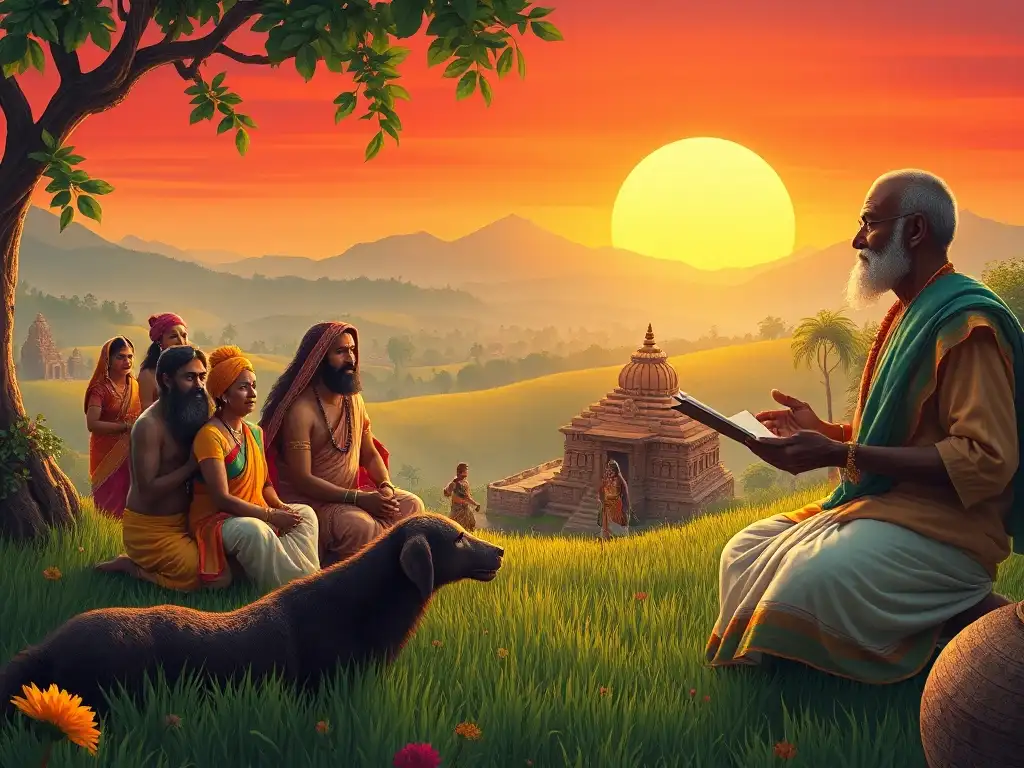
The Puranas, a genre of ancient Indian literature, serve as a vital link between historical narratives and contemporary Indian culture. These texts, rich with mythology, religion, and philosophy, have profoundly influenced the cultural identity of India. Their teachings and stories permeate various aspects of life, shaping values, traditions, and practices that continue to resonate today.
The Role of Puranas in Shaping Indian Values
The Puranas are not merely religious texts; they embody ethical teachings and moral lessons that have shaped Hindu values over centuries. Here are some key aspects of their influence:
- Moral Framework:
- The Puranas present a rich tapestry of stories that highlight virtues like dharma (duty), karma (action), and moksha (liberation). By portraying the consequences of good and evil actions, they instill a moral framework that guides individuals in their daily lives.
- For example, the Bhagavata Purana emphasizes devotion to Lord Vishnu and illustrates the importance of bhakti (devotion) through the tales of Prahlada and Dhruva.
- Cultural Practices:
- Many festivals and rituals in contemporary India find their roots in the Puranic narratives. Celebrations such as Diwali, Holi, and Navaratri are imbued with stories from these texts, which embody underlying spiritual meanings.
- The Markandeya Purana, for instance, describes the significance of Navaratri, a festival dedicated to the worship of the goddess Durga, which is celebrated with fervor across the country.
- Social Ethics:
- The Puranas address issues of social justice, gender roles, and community responsibilities. Texts like the Vishnu Purana articulate the ideal behaviors expected of individuals in society, influencing social norms and practices.
- The stories often include discussions about the roles of women, illustrating both empowerment and societal expectations, which continue to impact gender dynamics today.
Puranas and Their Contribution to Indian Art and Architecture
The influence of the Puranas extends beyond literature into the realms of art and architecture, where their narratives have been immortalized through various forms:
- Sculpture and Relief Work:
- Temples across India showcase intricate sculptures and reliefs depicting Puranic stories. The Vishnu Temple in Khajuraho features elaborate carvings that narrate tales from the Vishnu Purana, highlighting the artistry inspired by these texts.
- The Ajanta and Ellora Caves are also adorned with frescoes that depict scenes from the Jain Puranas, reflecting the syncretic nature of Indian art.
- Painting:
- Puranic themes have significantly influenced Indian painting styles, particularly during the Mughal and Rajput periods. Miniature paintings often illustrate stories from the Bhagavata Purana, capturing the divine play of Lord Krishna.
- These artworks not only served aesthetic purposes but also acted as educational tools, conveying spiritual and moral teachings through visual narratives.
- Architecture:
- The design of temples often incorporates elements from Puranic cosmology, reflecting the sacred geography described in these texts. For instance, the layout of many Hindu temples symbolizes the cosmic order, as described in the Skanda Purana.
- The architectural style of the Brihadeeswarar Temple in Thanjavur draws inspiration from Puranic cosmology, embodying the connection between the divine and the earthly realm.
Through these diverse contributions, the Puranas continue to shape and enrich the cultural landscape of India, reinforcing a sense of identity that is deeply rooted in its ancient traditions and beliefs. Their enduring legacy is a testament to their impact on Indian culture, influencing not only spiritual practices but also artistic expressions that resonate with the values and narratives of modern society.
The Relevance of Puranas in Today's Society
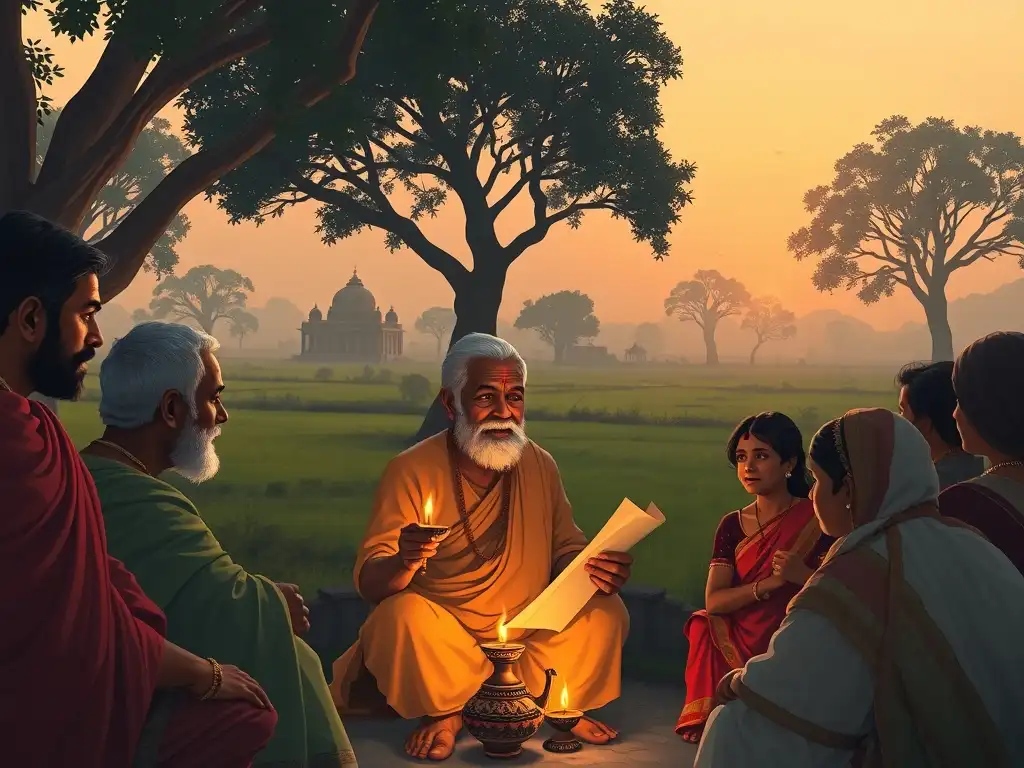
The Puranas, a genre of ancient Indian literature, continue to hold significant relevance in today's society. These texts, composed from approximately the 4th century CE onwards, serve as a vital link between the past and present, shaping the beliefs, customs, and cultural practices of modern Indian society. The teachings within the Puranas resonate with contemporary values, highlighting their enduring impact on Indian culture.
The Puranas encompass a diverse array of topics, including cosmology, mythology, history, and philosophy, making them a comprehensive source of knowledge. Their narratives not only provide historical insights but also reflect the socio-political contexts of the times in which they were written. As a result, they remain an essential resource for understanding the evolution of Indian thought, spirituality, and cultural identity.
Moreover, the Puranas have been instrumental in disseminating knowledge through oral traditions, community gatherings, and religious practices. Festivals, rituals, and ceremonies often draw from Puranic narratives, reinforcing their significance in everyday life. The teachings found within these texts continue to inspire individuals, guiding their moral compass and shaping their worldview in the modern era.
Educational Insights from Puranas
The Puranas serve as a rich source of educational insights, offering lessons that transcend their historical and mythological contexts. They provide a framework for understanding various aspects of life, including philosophy, science, and art. Here are some key educational insights derived from the Puranas:
- Philosophical Concepts: The Puranas delve into profound philosophical discussions, exploring concepts such as dharma (duty), karma (action), and moksha (liberation). These principles encourage individuals to reflect on their actions and moral responsibilities in society.
- Historical Documentation: Many Puranas contain historical accounts of ancient Indian kings, dynasties, and significant events. This information is invaluable for historians and researchers seeking to piece together the timeline of Indian history, providing context for the rise and fall of various civilizations.
- Scientific Knowledge: Some Puranas include references to ancient scientific ideas, such as astronomy, mathematics, and medicine. For instance, the "Brahmanda Purana" discusses the solar system's structure, while the "Sushruta Samhita," although not a Purana, is often associated with Puranic teachings, detailing surgical procedures and medicinal practices.
- Cultural Practices: The Puranas offer insights into traditional Indian customs, rituals, and festivals, preserving the cultural heritage of various regions. By studying these texts, individuals can gain a deeper appreciation for the diversity of Indian culture and its evolution over time.
Puranas as Sources of Moral Lessons and Ethical Teachings
The moral lessons and ethical teachings embedded within the Puranas play a crucial role in shaping the moral fabric of Indian society. These texts convey timeless values that continue to guide individuals in their personal and social lives. Several themes emerge prominently in the Puranas, emphasizing moral and ethical principles:
- Dharma and Righteousness: The Puranas often emphasize the importance of dharma, urging individuals to uphold their duties and responsibilities towards family, society, and the environment. This focus on righteousness serves as a guiding principle for ethical behavior.
- Stories of Virtue and Vice: Many Puranic narratives illustrate the consequences of virtuous and immoral actions. For example, the tales of Lord Rama and Lord Krishna embody ideals of honor, loyalty, and justice, while cautionary tales highlight the repercussions of greed, envy, and betrayal.
- Compassion and Forgiveness: The Puranas advocate for compassion and forgiveness, teaching that understanding and empathy can lead to unity and harmony within communities. These values remain pertinent in contemporary society, promoting peaceful coexistence among diverse groups.
- Role of Women: Puranic texts often depict women in various roles, showcasing their strength and moral integrity. Stories of female figures like Sita and Draupadi highlight resilience and dignity, encouraging a more nuanced understanding of gender roles in Indian culture.
The Puranas thus serve as a moral compass, offering guidance that is deeply rooted in the cultural ethos of India. Their teachings continue to influence modern beliefs and practices, demonstrating the lasting impact of Puranas on Indian culture.
Conclusion: The Enduring Legacy of Puranas on Indian Culture
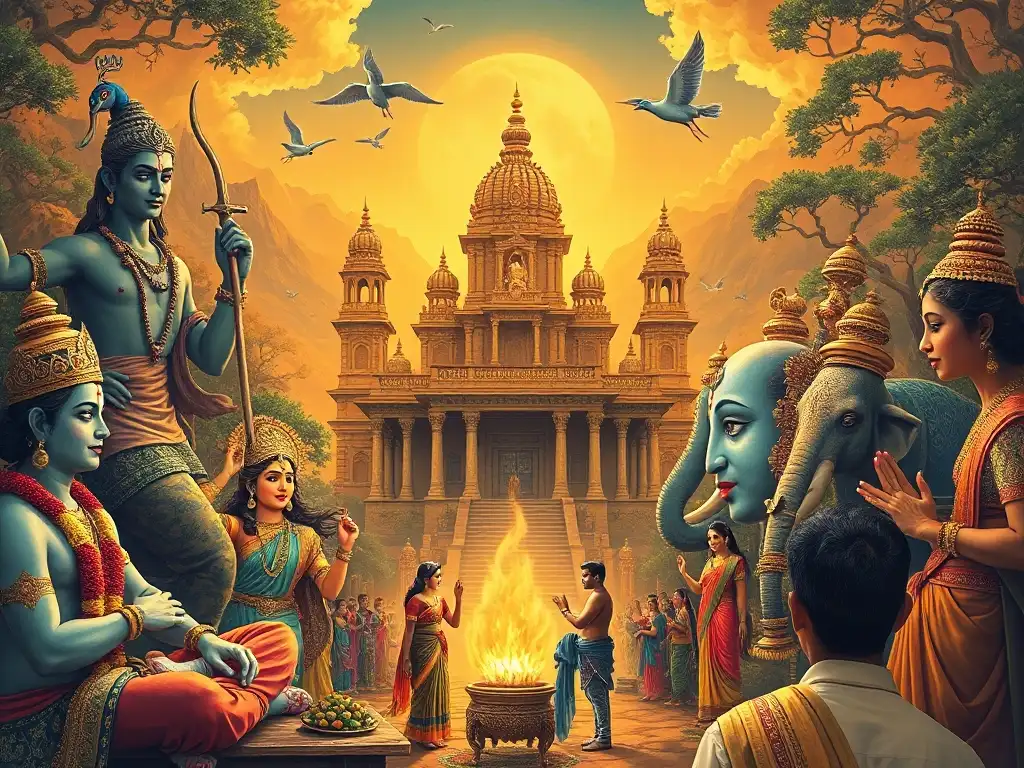
The Puranas hold a pivotal role in shaping the tapestry of Indian culture, serving as a bridge between ancient wisdom and contemporary beliefs. Their narratives, rich in mythological depth and moral teachings, continue to resonate with millions, influencing not just religious practices but also social norms and cultural expressions across diverse communities in India.
Summary of Puranas' Impact on Indian Culture
The impact of Puranas on Indian culture is multifaceted, encompassing various aspects of life:
- Religious Practices:
- The Puranas provide essential scriptures that guide rituals and worship practices. Festivals, such as Navratri and Diwali, often draw inspiration from stories narrated in these texts.
- They introduce a pantheon of deities, each with unique attributes and tales, fostering a rich tradition of worship.
- Moral and Ethical Guidance:
- Through tales of heroes and gods, Puranas impart moral lessons that influence ethical behavior. Stories of devotion, sacrifice, and righteousness serve as guiding principles for various societal interactions.
- The concept of Dharma (righteousness) is elaborated upon, encouraging individuals to align their actions with universal truths.
- Cultural Narratives and Identity:
- Puranic stories have become integral to regional folklore, reflecting local customs and traditions. They help in the preservation of cultural identity by embedding local beliefs within the broader framework of Hindu mythology.
- The narratives contribute to a sense of belonging and continuity among communities, often transcending linguistic and regional boundaries.
- Art and Literature:
- The Puranas have inspired countless works of art, including paintings, sculptures, and dance forms, which depict scenes from these texts. This artistic expression enhances cultural richness and diversity.
- They have also influenced literature, leading to adaptations and retellings that keep the stories alive for new generations.
Future Implications of Puranas in Cultural Practices
As we look to the future, the Puranas' influence on Indian culture is likely to evolve while retaining its core essence. Several implications can be observed:
- Revitalization of Traditions:
- In an increasingly globalized world, there is a resurgence of interest in traditional practices. The Puranas can serve as a foundation for cultural revival, encouraging younger generations to reconnect with their heritage.
- Interfaith Dialogues:
- The themes of unity and morality prevalent in Puranic texts can foster interfaith dialogues, promoting understanding among different religious communities. Such exchanges could lead to a more harmonious coexistence in a diverse society.
- Adaptation in Modern Narratives:
- As contemporary issues arise, the Puranas may inspire new interpretations and adaptations that address modern dilemmas, such as environmental concerns or social justice, thereby keeping the narratives relevant and impactful.
- Educational Integration:
- Incorporating Puranic teachings in educational curricula could enhance cultural literacy. This would help students appreciate the rich heritage of India while instilling values derived from ancient texts.
The enduring legacy of the Puranas ensures that they will remain a vital part of India's cultural landscape, influencing beliefs and practices for generations to come. Their teachings, rich in wisdom and adaptable to changing times, will continue to inspire, educate, and connect people within the diverse fabric of Indian society.
Frequently Asked Questions
What are the Puranas?
The Puranas are ancient Indian texts that contain mythological stories, traditions, and teachings. They play a significant role in shaping the cultural and religious landscape of India.
How have the Puranas influenced modern Indian beliefs?
The Puranas have deeply influenced modern Indian beliefs by providing narratives that resonate with contemporary spirituality, ethics, and values, thereby shaping rituals and practices.
What is the cultural significance of the Puranas?
The Puranas serve as a historical record of ancient Indian civilization, reflecting its customs, traditions, and social norms. They contribute to the understanding of India's diverse cultural heritage.
Are the Puranas still relevant today?
Yes, the Puranas remain relevant today as they continue to inform and inspire various aspects of Indian culture, including festivals, art, and literature.
How do the Puranas compare with other ancient texts?
Unlike other ancient texts, the Puranas offer a unique blend of mythology, history, and philosophy, making them a vital source for understanding the spiritual and cultural evolution of India.
Final Reflection: The Enduring Legacy of Puranas on Indian Culture
The Puranas are not just ancient texts; they are living narratives that continue to shape the beliefs and practices of modern India. In a world that often seems disconnected from its roots, the Puranas serve as a bridge, linking the past with the present and offering timeless wisdom that resonates with contemporary life.
Their impact on Indian culture is profound, influencing everything from festivals and rituals to moral values and social norms. As we navigate the complexities of modern existence, the teachings of the Puranas remind us of the importance of tradition and the power of storytelling in shaping our identities.
The Puranas have woven themselves into the very fabric of Indian society, influencing not only religious practices but also cultural expressions and social interactions. Their narratives inspire art, music, and dance, creating a rich tapestry of cultural heritage that is celebrated across generations. As noted by renowned scholar Dr. R. C. Sharma, The Puranas are a treasure trove of knowledge, offering insights that remain relevant in our quest for meaning and purpose.
This ongoing influence highlights the Puranas' role as a source of guidance, encouraging individuals to reflect on their values and the world around them.
As we contemplate the lessons embedded in the Puranas, I invite you to explore how these ancient texts can inform your own beliefs and practices. Consider how the stories and teachings resonate with your life today and how you can incorporate their wisdom into your daily routines. Whether through meditation, community service, or simply sharing these narratives with others, let the Puranas inspire you to cultivate a deeper connection with your cultural heritage and foster a sense of belonging in a rapidly changing world. Embrace the wisdom of the past as you forge your path into the future.
Unlock the Wisdom of the Puranas Today!
Thank you for exploring the fascinating world of the Puranas and their impact on modern Indian beliefs and practices. Your curiosity can transform not just your understanding but also the way you connect with India's rich spiritual heritage. Now, it's time to take that knowledge and turn it into action!
Here are a few steps you can take right now to deepen your engagement with the teachings of the Puranas:
- Explore a Purana: Select a Purana that resonates with you and delve into its key stories or teachings. Reflect on how these lessons can be applied to your life today.
- Join a Discussion Group: Connect with others who share your interest by seeking out local or online groups focused on ancient texts and philosophy.
- Share Your Insights: Create a blog post or social media update about a lesson you've learned from the Puranas and invite others to participate in the discussion.
What new perspective or practice from the Puranas will you embrace today?