
Sangam Literature and Its Reflection of SocioPolitical Dynamics in Ancient Tamil Nadu

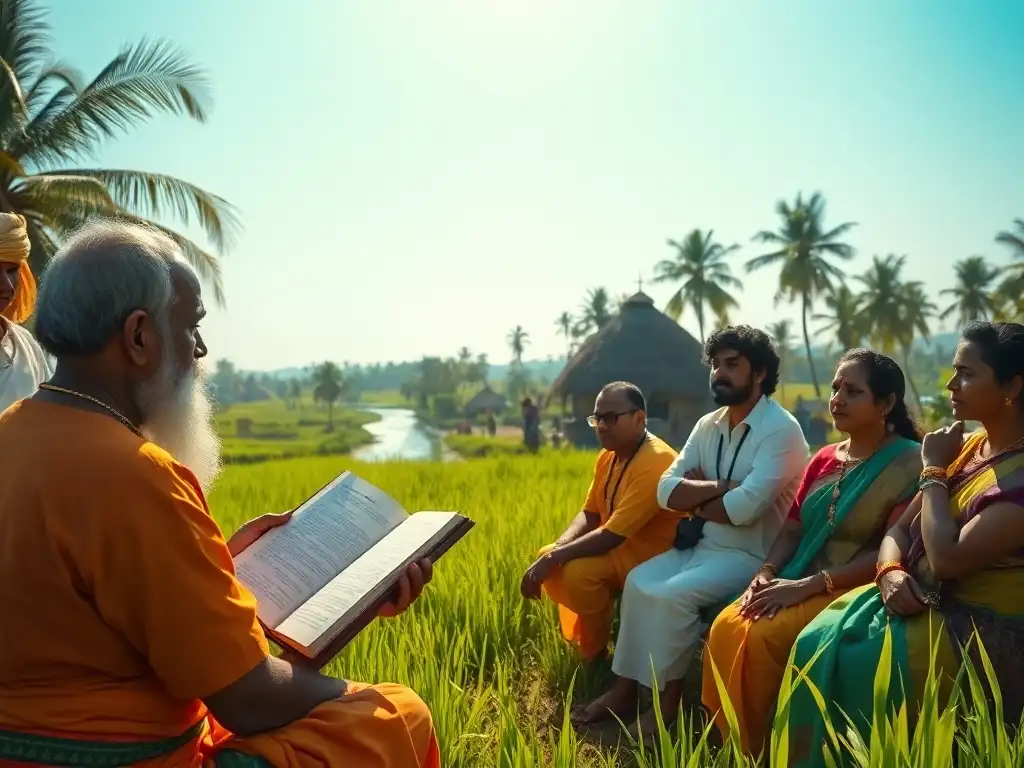
Welcome to Ancient India History, where we embark on a captivating journey through the rich tapestry of India's past. In this edition, we delve into the intriguing world of Sangam literature, a cornerstone of Tamil Nadu history, that vividly reflects the socio-political dynamics of ancient civilizations. What secrets do these timeless texts hold about the lives, struggles, and triumphs of a bygone era? Join us as we uncover the profound impact of this literary treasure and explore how it shapes our understanding of culture and society in ancient India. Your adventure into the depths of history begins here!
- Introduction to Sangam Literature in Tamil Nadu History
- Historical Context of Sangam Literature
- Themes and Characteristics of Sangam Literature
- Literary Genres in Sangam Literature
- Poetic Styles and Forms in Sangam Literature
- Socio-Political Dynamics Reflected in Sangam Literature
- The Role of Women in Sangam Literature and Society
- Economic Factors in Sangam Literature
- Religious and Cultural Influences on Sangam Literature
- Conclusion: Legacy of Sangam Literature in Tamil Nadu History
- Further Reading on Sangam Literature and Tamil Nadu History
- Frequently Asked Questions
- Final Reflection: The Enduring Legacy of Sangam Literature in Tamil Nadu's History
- Unveil the Rich Tapestry of Tamil Nadu's Past!
Introduction to Sangam Literature in Tamil Nadu History
Sangam literature stands as a monumental pillar in the rich tapestry of Tamil Nadu's history, providing invaluable insights into the region's socio-political dynamics, cultural ethos, and literary tradition. Composed between approximately 300 BCE and 300 CE, this body of work encompasses a vast array of poems and prose that reflect the lives, values, and aspirations of ancient Tamil society.
The writings of this era are not merely artistic expressions; they serve as historical documents that chronicle the political alliances, social structures, and cultural practices of the time. By exploring the depth and breadth of Sangam literature, one can unlock the complexities of Tamil Nadu's history, revealing how these literary works mirror the intricate interplay between society and politics during this vibrant period.
Overview of Sangam Literature
Sangam literature is characterized by its rich variety of themes, styles, and forms, encompassing poetry that celebrates love, valor, heroism, and nature. The term "Sangam" refers to the literary academies that flourished in ancient Tamil Nadu, where poets and scholars gathered to compose and share their works. This literature is primarily written in Tamil and consists of three major anthologies: Ettuthokai, Pattupattu, and Pathinenkilkanakku.
The poems often depict various landscapes, known as tinai, which correspond to different emotional states. These tinai include:
- Marudham (agricultural lands)
- Mullai (pastoral regions)
- Neithal (coastal areas)
- Palai (desert landscapes)
Each landscape serves as a backdrop for the exploration of human emotions and societal norms, highlighting the connection between the environment and the lived experiences of the people.
Importance of Sangam Literature in Ancient Tamil Nadu
The significance of Sangam literature extends far beyond its aesthetic value; it offers a crucial lens through which the socio-political dynamics of ancient Tamil Nadu can be understood. This literature encapsulates the political landscape of the time, including the rise and fall of kingdoms, the role of chieftains, and the influence of trade and commerce. It reflects the intricate web of relationships among various clans and the impact of war and peace on societal structures.
Moreover, Sangam literature serves as a record of the cultural and religious practices of the time, showcasing the deep-rooted traditions and values that shaped Tamil identity. The themes of valour, generosity, and love resonate throughout the texts, embodying the ideals that were esteemed in society. Through these works, one can trace the evolution of Tamil culture and its lasting influence on contemporary society.
Sangam literature not only enriches our understanding of Tamil Nadu's history but also emphasizes the interconnectedness of literature, culture, and politics. By delving into this ancient body of work, we gain a comprehensive understanding of the region's past and its enduring legacy in the fabric of Indian civilization.
Historical Context of Sangam Literature
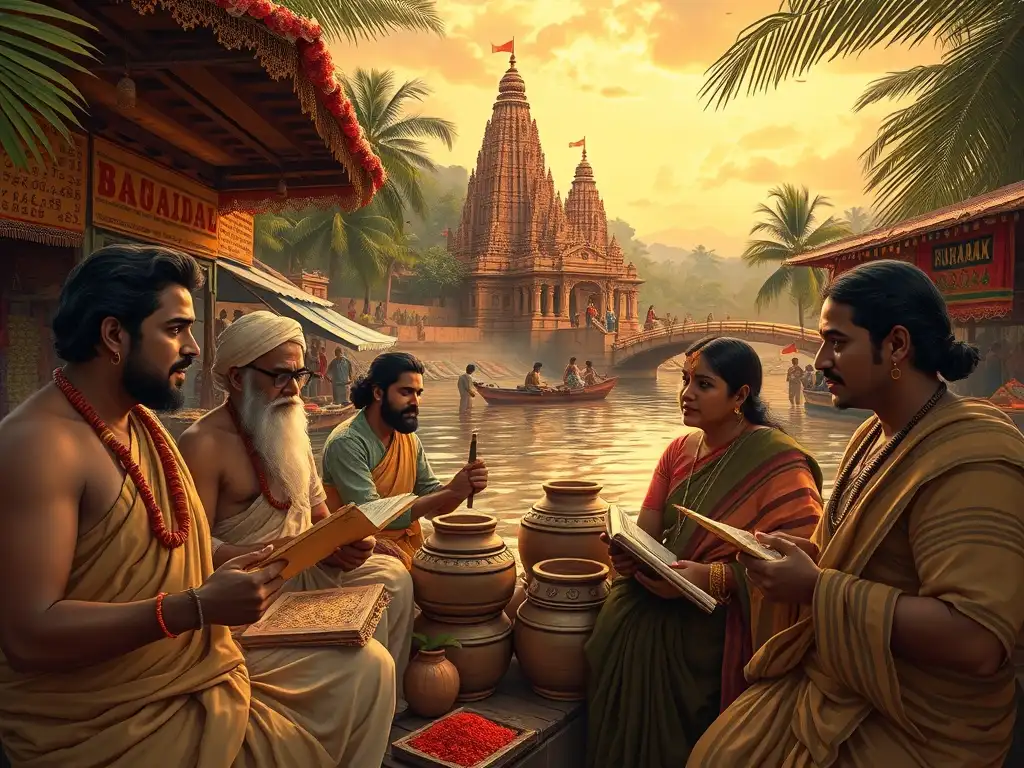
Sangam literature represents one of the most significant literary movements in ancient Tamil Nadu, flourishing between approximately 300 BCE and 300 CE. This period, known as the Sangam Era, is characterized by the emergence of a vibrant culture and a sophisticated literary tradition that reflected the socio-political dynamics of the time. The term "Sangam" refers to an assembly of poets and scholars who gathered to compose and critique poetry, contributing to a rich body of work that is foundational to Tamil literature.
The socio-political landscape during the Sangam Era was marked by the rise of several kingdoms in Tamil Nadu, notably the Cholas, Cheras, and Pandyas. These kingdoms not only patronized the arts but also played a significant role in the dissemination of literature. The literature produced during this time serves as historical documentation, providing insights into the cultural practices, social hierarchies, and governance of ancient Tamil society.
Timeline of Sangam Era in Tamil Nadu History
The timeline of the Sangam Era can be segmented into three distinct phases, each contributing to the development of Sangam literature.
- Early Sangam (300 BCE - 100 CE)
- Key Developments: Formation of the first Sangam in Tamil Nadu, where poets began to compose works that celebrated the lives of kings and the natural beauty of the land.
- Major Texts: "Tolkāppiyam," a foundational text on Tamil grammar and poetics, was composed during this period.
- Middle Sangam (100 CE - 250 CE)
- Key Developments: The emergence of prominent kingdoms such as the Cheras and Pandyas, leading to increased patronage of the arts. The second Sangam was believed to have taken place in this period, although much of its literature is now lost.
- Major Texts: "Akanānūru" and "Puranānūru," anthologies that focus on love and valor, respectively, were produced during this phase.
- Later Sangam (250 CE - 300 CE)
- Key Developments: The consolidation of power by the Chola dynasty, which further enriched the literary landscape. This era saw the final assembly of poets and the compilation of numerous texts, solidifying the legacy of Sangam literature.
- Major Texts: "Silappatikaram," an epic poem that intertwines themes of love, morality, and justice, emerged as a monumental work of this period.
Key Historical Figures in Sangam Literature
Sangam literature is not only notable for its poetic expressions but also for the influential figures who shaped its creation. Some of the key historical figures include:
-
Kaniyan Poongundranar
A revered poet known for his profound insights into the socio-political landscape of his time. His works often reflect themes of morality and ethics, with an emphasis on the responsibilities of rulers.
-
Avvaiyar
A legendary female poet whose philosophical verses addressed both personal and societal issues. Avvaiyar's poetry emphasizes wisdom and virtue, making her an iconic figure in Tamil literature.
-
Kapilar
An illustrious poet who was associated with the Chola dynasty. His verses often celebrated love and nature, blending personal emotion with a broader cultural narrative.
-
Nakkirar
A poet closely linked with the court of the Pandyas, Nakkirar’s contributions are notable for their historical references, providing valuable insight into the politics and culture of his era.
The contributions of these figures, among many others, not only enriched Sangam literature but also influenced subsequent generations of Tamil writers and poets. Together, they reflect the complex interplay of culture, politics, and society in ancient Tamil Nadu, offering a window into the region's rich historical tapestry.
Themes and Characteristics of Sangam Literature
Sangam literature, a treasure trove of early Tamil poetry, encapsulates the essence of ancient Tamil Nadu's socio-political, cultural, and emotional landscapes. Spanning from approximately 300 BCE to 300 CE, this body of work is characterized by its profound themes and distinctive characteristics that resonate through the ages.
Key Themes in Sangam Literature
- Love and Romance:
- The predominant theme in Sangam literature revolves around love, often depicted through the Akam (inner) and Puram (outer) themes.
- Akam poetry reflects the personal emotions and experiences of love, focusing on the romantic relationships between individuals. This genre deeply explores various aspects of love, including longing, separation, and reunion.
- Puram poetry, on the other hand, addresses themes of valor, heroism, and the public life of the individual, often celebrating the deeds of kings and warriors.
- Nature and Environment:
- Nature plays a crucial role in Sangam literature, serving as both a backdrop and a character in its own right. The tinai (landscape) concept categorizes poetry based on the geographic and seasonal settings, reflecting the intimate connection between the people and their environment.
- Each tinai—whether it be kurinji (mountain), mullai (forest), palai (desert), marudham (agricultural land), or neithal (coastal)—is associated with specific emotions and themes, enhancing the emotional depth of the poetry.
- Heroism and Valor:
- The valor of warriors and kings is celebrated in the Puram genre, where battles, conquests, and heroic deeds are chronicled. The portrayal of kingship and honor reflects the socio-political dynamics of the time, highlighting the importance of leadership and governance in ancient Tamil society.
- Philosophy and Ethics:
- Many poets delve into ethical dilemmas, moral teachings, and philosophical reflections, showcasing the rich intellectual traditions of ancient Tamil Nadu. The Tirukkural, attributed to the poet Thiruvalluvar, exemplifies this aspect through its aphoristic wisdom on virtue, wealth, and love.
Characteristics of Sangam Literature
- Oral Tradition: Sangam literature originated in an oral tradition, with poets reciting their works in assemblies known as Sangams. This communal aspect fostered a rich exchange of ideas and practices among poets and audiences.
- Diversity of Poets: The literature features contributions from a multitude of poets, including both male and female voices, reflecting a wide spectrum of experiences and perspectives within ancient Tamil society.
- Meticulous Structure: The poems are often meticulously structured with specific rules regarding meter and rhyme, showcasing the poets' command over language and form. This intricate craftsmanship adds to the aesthetic appeal of the poetry.
- Cultural Integration: Sangam literature serves as a cultural bridge, integrating various aspects of Tamil life, including social customs, religious practices, and daily experiences, thereby providing a holistic view of ancient Tamil civilization.
Literary Genres in Sangam Literature
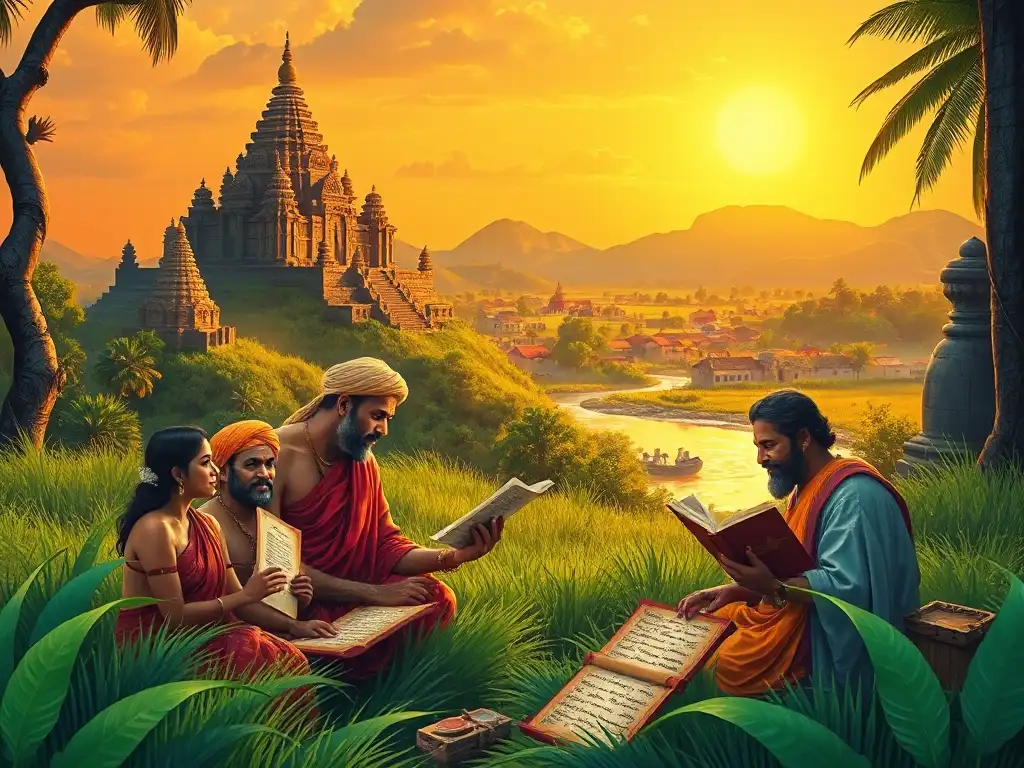
Sangam literature is categorized into two primary genres: Akam and Puram, each reflecting different aspects of life and love in ancient Tamil Nadu.
Akam (Inner) Literature
- Focus on Personal Relationships:
- Akam poetry centers around the emotional experiences of love and longing, often narrated through the voices of lovers.
- The use of metaphors and symbols, such as flowers and birds, enhances the lyrical beauty of these poems.
- Themes of Separation and Reunion:
- Many poems explore the pain of separation and the joy of reunion, encapsulating the emotional turmoil experienced in romantic relationships.
Puram (Outer) Literature
- Heroic Deeds and Valor:
- Puram poetry is characterized by its celebration of heroism, focusing on the achievements of kings and warriors, often in the context of battles and conquests.
- It reflects the societal values of bravery and loyalty, emphasizing the role of the individual in the collective identity of the community.
- Public Life and Governance:
- This genre often addresses the responsibilities of rulers and the importance of justice and ethics in governance, providing insights into the political dynamics of ancient Tamil Nadu.
Poetic Styles and Forms in Sangam Literature
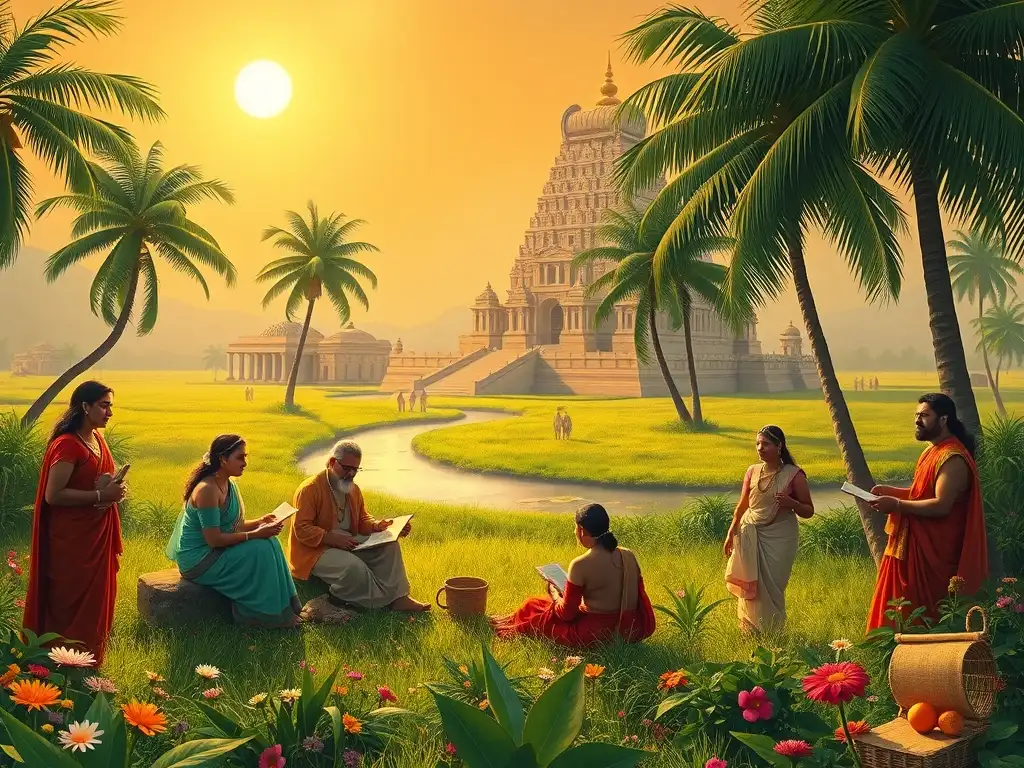
The poetic styles and forms in Sangam literature are marked by unique characteristics that contribute to its enduring legacy.
Varied Poetic Forms
- Venpa:
- A structured form characterized by strict metrical patterns, often used for praise and exaltation. Venpa poems typically employ a rhythmic cadence that enhances their lyrical quality.
- Aasiriyappaa:
- This form features a blend of narrative and lyric, often used for storytelling with an emotional undertone. It allows poets to explore deeper themes while maintaining a melodic flow.
Use of Imagery and Symbolism
- Nature Imagery:
- Poets frequently draw upon natural imagery to evoke emotions, utilizing symbols from the environment to represent feelings of love, longing, or despair.
- Symbolic Language:
- The use of metaphors and allegories is prevalent, where abstract concepts are illustrated through concrete images, allowing for a multifaceted interpretation of the poems.
Innovation in Language
- Lexical Richness:
- The poets of the Sangam era employed a rich vocabulary, drawing from various dialects and regional expressions to create a diverse linguistic tapestry.
- Figurative Language:
- The frequent use of similes, personification, and other figurative devices enhances the emotional resonance of the poetry, making it both relatable and profound.
Sangam literature stands as a testament to the rich cultural heritage of ancient Tamil Nadu. Through its exploration of diverse themes and innovative poetic forms, it provides invaluable insights into the socio-political dynamics of the time, reflecting the values, emotions, and experiences of its people.
Socio-Political Dynamics Reflected in Sangam Literature
Sangam literature serves as a profound lens through which the socio-political dynamics of ancient Tamil Nadu can be examined. This body of work, composed between 300 BCE and 300 CE, encapsulates not only the poetic expressions of its time but also the intricate relationships and structures that defined society and governance. The themes highlighted in these texts reflect the values, conflicts, and aspirations of the people, offering scholars a rich tapestry to analyze the historical context of the era.
Representation of Society in Sangam Tamil Literature
The Sangam poems vividly illustrate the diverse and complex society of ancient Tamil Nadu. The literature encompasses a range of themes that depict the lives of various social classes, including kings, warriors, merchants, and commoners. The Akam (interior) and Puram (exterior) genres of poetry specifically highlight personal emotions and public deeds, respectively, providing insights into both personal and social identities.
- Social Classes and Roles:
- Kings and Chieftains: Many poems celebrate the valor and nobility of kings, emphasizing their role as protectors and patrons of the arts. For instance, the Purananuru extols the qualities of a benevolent ruler who ensures the welfare of his subjects.
- Women’s Role: Women are often portrayed in various capacities, ranging from devoted wives to independent figures engaged in trade. The portrayal of women in works like Silappatikaram indicates their importance in socio-economic spheres.
- Common Folk: The literature also reflects the lives of farmers, shepherds, and laborers, illustrating the agrarian economy that formed the backbone of society. The poems reveal the struggles and joys of everyday life, emphasizing the connection to the land.
- Cultural Practices:
- Festivals, rituals, and community gatherings are recurrent themes, showcasing the cultural fabric of Tamil society. The celebration of harvest, marriage, and other life events not only reinforces community bonds but also reflects the agrarian lifestyle predominant in Tamil Nadu.
- Moral and Ethical Values:
- Sangam literature conveys ethical teachings and moral dilemmas faced by individuals. The emphasis on values such as bravery, loyalty, and honor in relationships signifies the collective consciousness of Tamil society.
Political Structures and Governance in Sangam Poetry
The political landscape of ancient Tamil Nadu, as depicted in Sangam literature, reveals a mosaic of governance, power dynamics, and territorial conflicts. The poems provide insights into the political structures that governed the region, reflecting the interplay between rulers and their subjects.
- Kingdoms and Confederacies:
- The Tamil landscape was characterized by multiple kingdoms, such as the Cholas, Pandyas, and Cheras. The poems often celebrate the achievements of these ruling dynasties, illustrating their territorial conquests and alliances. The Akananuru frequently references the political maneuvers and battles that shaped the region.
- Feudal Systems:
- Feudalism is evident in the relationship between kings and local chieftains, with vassals pledging loyalty in exchange for protection and land. This hierarchical structure is reflected in the poems, highlighting the socio-political obligations and the intricate web of allegiance.
- Civic Responsibilities and Governance:
- Governance is portrayed as a collective responsibility, with the king expected to uphold justice and welfare. The concept of Dharma (righteousness) in governance is a recurring theme, emphasizing the moral obligations of rulers. The Purananuru often critiques rulers who fail to protect their subjects, indicating the expectation of accountable leadership.
- Military and Warfare:
- The literature extensively discusses warfare, valor, and military strategies, which were critical to the survival of kingdoms. Descriptions of battles and heroic deeds reflect the importance of military prowess in maintaining power and influence.
Sangam literature not only serves as a rich source of poetic expression but also as a critical tool for understanding the socio-political dynamics of ancient Tamil Nadu. The interplay between societal roles, cultural practices, and political structures illustrates the complexities of life during this influential period in Tamil history.
The Role of Women in Sangam Literature and Society
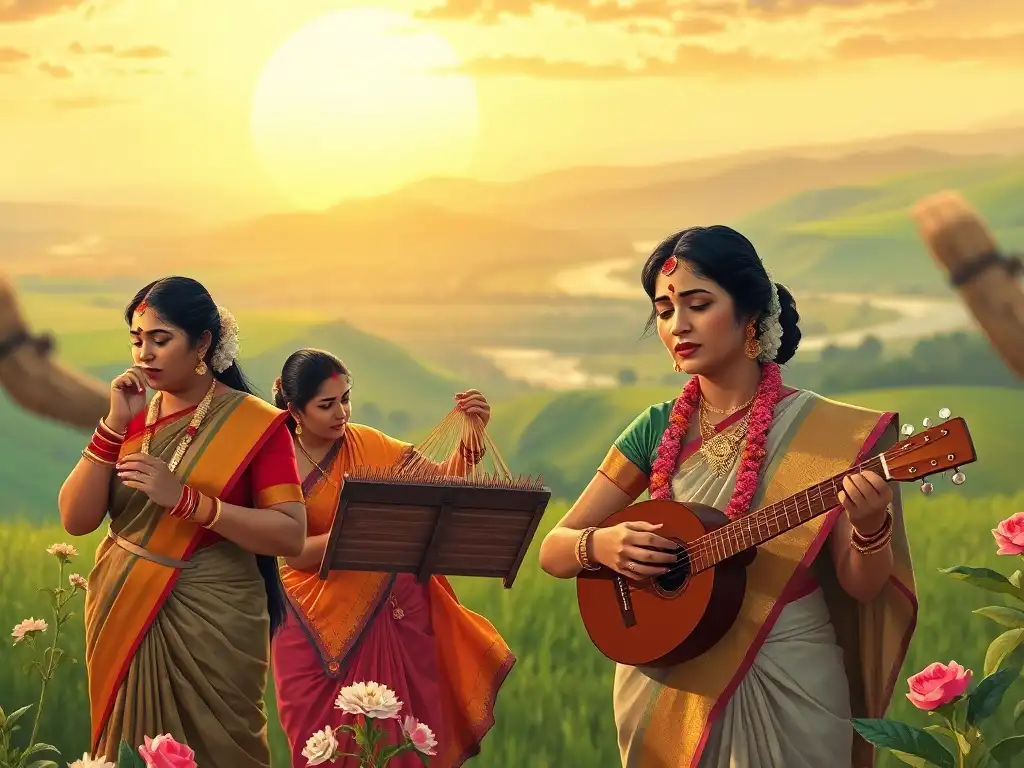
The role of women in Sangam literature is a multifaceted aspect that reflects the socio-political dynamics of ancient Tamil Nadu. This body of literature, which flourished between 300 BCE and 300 CE, provides valuable insights into the lives, roles, and perceptions of women in that era. Unlike many contemporary cultures, women in Sangam literature are depicted with a blend of reverence and realism, illustrating their significance in both domestic and public spheres.
Portrayal of Women in Sangam Texts
In Sangam texts, women are portrayed through various lenses, highlighting their strength, agency, and emotional depth. The poems, often composed by both male and female authors, showcase women as central figures in love, duty, and social life. Notable themes include:
- Lover and Beloved: Many poems explore the romantic relationships between men and women, often depicting women as active participants in love affairs. The Akam (interior) poetry presents women as expressing their desires, emotions, and longing, which signifies their vital role in relationships.
- Courage and Resilience: Women in Sangam literature are frequently portrayed as strong and resilient figures. For instance, the character of Kannagi from the epic Silappatikaram stands as a symbol of virtue and vengeance, showcasing a woman's ability to challenge societal norms and seek justice.
- Social Roles: Women are also depicted in the context of family and society. They manage households, participate in rituals, and are involved in agricultural activities, illustrating their integral role in sustaining community life.
- Diverse Identities: The literature represents women from various social classes, including queens, courtesans, and commoners. This diversity reflects the complex social fabric of ancient Tamil Nadu, where women occupied different roles and statuses.
Socio-Political Impact of Women in Ancient Tamil Nadu
The socio-political landscape of ancient Tamil Nadu was significantly influenced by the status and roles of women, as depicted in Sangam literature. Women were not merely passive figures; their actions and status had tangible impacts on society.
- Political Influence: Some women, particularly queens and noblewomen, wielded considerable power and influence. They participated in political decisions, often acting as advisors to kings. Their roles extended beyond the domestic sphere, and they could shape alliances and policies through marriage and diplomacy.
- Cultural Patrons: Women were also influential as patrons of arts and literature. Their support for poets and artists contributed to the rich cultural milieu of the time, fostering creativity and expression. This patronage is reflected in various Sangam works, where the contributions of women are acknowledged.
- Social Reformers: Certain women emerged as social reformers, challenging existing norms and advocating for women's rights. The poems often reflect their struggles and aspirations, highlighting the evolving perceptions of women's roles in society.
- Symbol of Resistance: The portrayal of women as strong, independent figures in Sangam literature serves as a form of resistance against patriarchal norms. Their representation in literature inspired future generations to recognize the importance of women in society and their rights.
The role of women in Sangam literature is a significant reflection of the socio-political dynamics of ancient Tamil Nadu. The nuanced portrayal of women as complex characters illustrates their integral position in society, while also shedding light on the evolving perceptions of gender roles during this era. This rich tapestry of women's experiences captured in Sangam texts continues to resonate, offering valuable insights into the historical and cultural legacy of Tamil Nadu.
Economic Factors in Sangam Literature
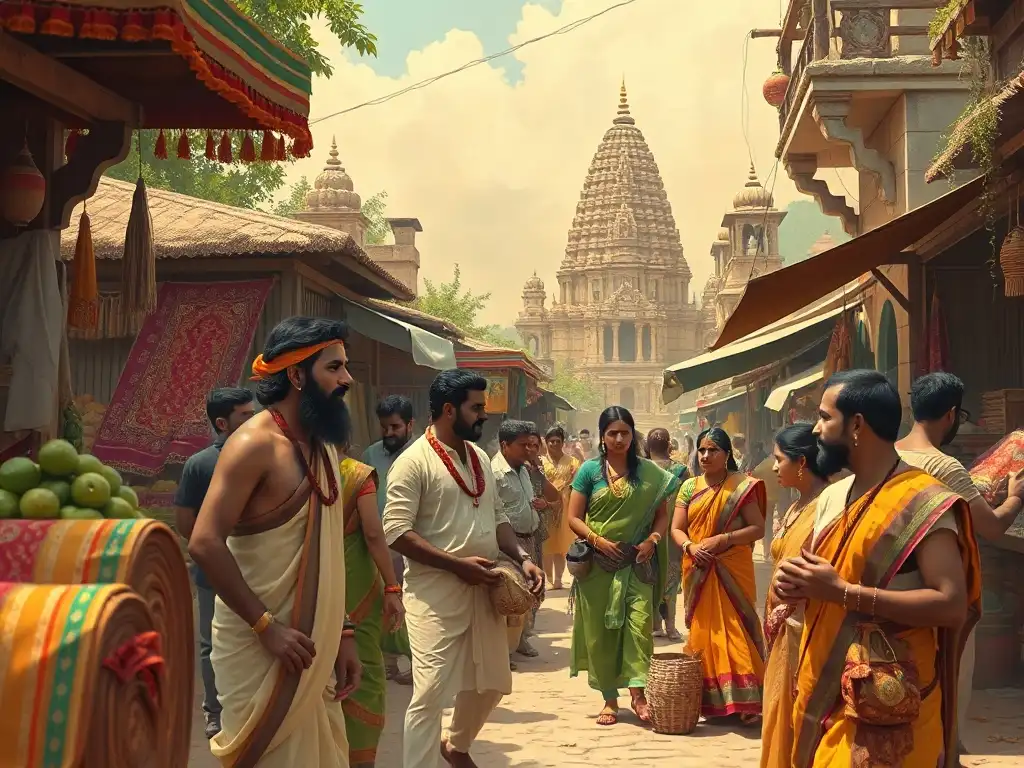
The economic landscape of ancient Tamil Nadu during the Sangam period (circa 300 BCE to 300 CE) plays a significant role in understanding the socio-political dynamics reflected in Sangam literature. This literature not only serves as a repository of poetic expression but also provides insights into the economic conditions that shaped the lives of its people. The themes of trade, agriculture, and wealth distribution are intricately woven into the fabric of Sangam poetry, revealing the multifaceted relationship between economy and culture.
Trade and Commerce in Sangam Era
Trade and commerce were pivotal to the prosperity of ancient Tamil Nadu, and this is vividly depicted in Sangam literature. The region was strategically located along key trade routes, facilitating interactions with both inland and overseas markets.
- Maritime Trade: The coastal cities such as Kaveripattinam and Nagapattinam thrived as bustling ports, engaging in maritime trade with distant lands like Rome, Greece, and Southeast Asia. The Sangam poets often celebrated the wealth brought in by merchants and the exotic goods exchanged, including spices, textiles, and precious stones.
- Land Routes: The establishment of land routes connecting Tamil Nadu with the northern kingdoms further bolstered trade. The poems frequently reference the caravans of traders and the bustling markets, highlighting the role of commerce in the region's economic framework.
- Guilds and Associations: The presence of merchant guilds, known as sennin, played a crucial role in regulating trade practices. These associations not only facilitated economic transactions but also provided a sense of community among traders. The Sangam texts often reflect the pride and social status associated with being part of these guilds.
Economic Reflections in Sangam Poetry
Sangam poetry serves as a mirror reflecting the economic realities of the time, encapsulating both the affluence and struggles of the community.
- Agricultural Imagery: A significant portion of Sangam literature celebrates agriculture, depicting the fertility of the land and the agricultural practices of the people. Poems often describe the seasonal rhythms of farming, the bounty of harvests, and the significance of rice cultivation, which was central to the economy.
- Wealth and Class Distinctions: The poems also delve into the themes of wealth and class, portraying the disparities between the affluent merchant class and the agrarian populace. This reflection of economic stratification provides a nuanced understanding of the social hierarchy in ancient Tamil society.
- Economic Challenges: While many poems extol the virtues of wealth, they also acknowledge the challenges faced by the people, such as droughts and famine. These themes highlight the resilience and adaptability of the Tamil people in the face of economic adversities.
The economic factors embedded in Sangam literature offer a rich tapestry of insights into the socio-political dynamics of ancient Tamil Nadu. By examining trade, commerce, and agriculture through the lens of poetry, we gain a deeper appreciation of how economic realities shaped the cultural and social fabric of the time. The interplay between economy and literature in this period not only enhances our understanding of Tamil Nadu's history but also underscores the profound impact of these factors on the lives of its inhabitants.
Religious and Cultural Influences on Sangam Literature
Sangam literature, a remarkable collection of Tamil poetry, emerged as a significant form of expression between 300 BCE and 300 CE in ancient Tamil Nadu. This era was marked by profound religious and cultural influences that shaped the thematic and stylistic elements of Sangam works. The intermingling of spirituality, community practices, and the socio-political landscape played a pivotal role in shaping the narratives found within this literary corpus.
Spiritual Themes in Sangam Poetry
The spiritual dimension in Sangam literature is evident through various themes that reflect the beliefs and practices of the time. Central to this discourse are the following aspects:
- Nature as Divine: Many poems portray nature as a manifestation of the divine. The poets often personify natural elements, attributing them with spiritual significance. For instance, the hills, rivers, and flora are depicted as sacred entities, emphasizing the intrinsic connection between the people and their environment.
- Devotion and Worship: The influence of early Tamil Shaivism and Vaishnavism is palpable in Sangam poetry. Poets express deep devotion to deities, often employing metaphors and similes that illustrate their reverence. For example, the imagery of the divine lover and the longing soul is a recurring motif, encapsulating both human emotions and spiritual aspirations.
- Ethical and Moral Values: Sangam literature often conveys ethical dilemmas and moral teachings, reflecting societal norms and expectations. The concept of Dharma (righteousness) is prevalent, with poets elucidating the importance of virtuous living and adherence to societal duties. This ethical underpinning serves as a guide for the community, mirroring the socio-political dynamics of ancient Tamil Nadu.
Cultural Practices and Their Representation in Sangam Literature
Cultural practices of ancient Tamil society are intricately woven into the fabric of Sangam literature, providing a vivid portrayal of daily life, social customs, and communal values. Key elements include:
- Festivals and Rituals: Sangam poetry often references various festivals and rituals that were integral to Tamil culture. These celebrations not only marked agricultural cycles but also reinforced social ties. For instance, poems celebrating harvest festivals depict communal joy and gratitude towards nature, showcasing the agrarian ethos of the society.
- Heroism and Valor: The portrayal of heroes, warriors, and their exploits is a significant aspect of Sangam literature. Many poems narrate tales of bravery, loyalty, and sacrifice, reflecting the societal admiration for valor and strength. This emphasis on heroism not only serves to inspire but also reinforces the socio-political hierarchy and the valorization of warrior culture.
- Love and Relationships: The theme of love, particularly Aham (inner) and Puram (outer), is prevalent in Sangam literature. These poems encapsulate the complexities of human relationships, including romantic love, familial bonds, and friendships. The nuanced portrayal of love reflects the cultural values surrounding relationships, highlighting the significance of emotional connections in the fabric of society.
The religious and cultural influences evident in Sangam literature provide a rich tapestry that reflects the socio-political dynamics of ancient Tamil Nadu. Through themes of spirituality, ethical values, and cultural practices, these poems not only document the zeitgeist of the era but also offer insights into the enduring legacy of Tamil traditions.
Conclusion: Legacy of Sangam Literature in Tamil Nadu History
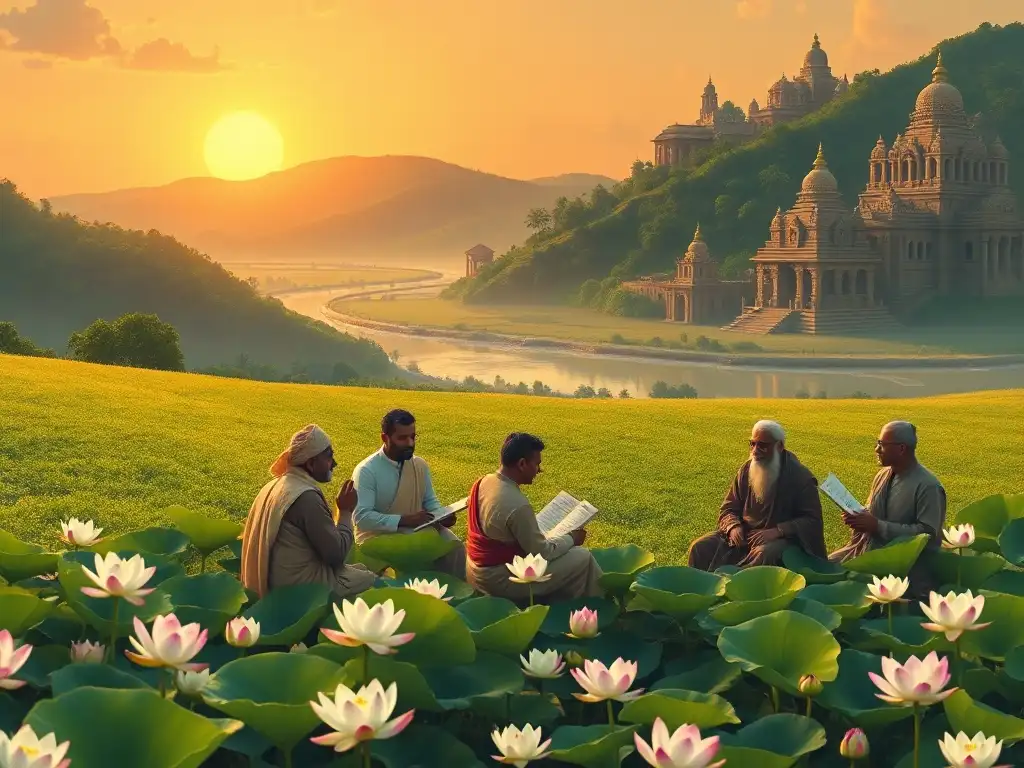
Sangam literature stands as a monumental testament to the rich tapestry of Tamil Nadu's history, encapsulating the socio-political dynamics of ancient Tamil civilization. Emerging from a period roughly between 300 BCE and 300 CE, these texts provide invaluable insights into the lives, values, and aspirations of the people of Tamil Nadu. The legacy of Sangam literature is not merely confined to its poetic brilliance; it serves as a mirror reflecting the intricate interplay between culture, politics, and society.
Lasting Impact of Sangam Literature on Tamil Culture
Sangam literature has left an indelible mark on Tamil culture, influencing various aspects of life, including language, arts, and societal norms.
- Language and Vocabulary: The texts are pivotal in shaping the Tamil language, contributing a plethora of words and poetic forms that continue to enrich contemporary Tamil literature. The use of metaphors and similes in Sangam poetry has influenced countless generations of poets and writers.
- Cultural Values and Social Norms: The themes of love (akam) and valor (puram) found within these texts underscore the cultural ethos of Tamil society. For instance, the portrayal of women in Sangam literature showcases a nuanced understanding of gender roles, presenting them as both revered figures and active participants in societal affairs.
- Art and Performance: The vivid descriptions of landscapes, emotions, and heroic deeds have inspired various art forms, including dance, music, and theatre. Traditional Tamil performances, such as Kavadi Attam and Silambam, often draw upon narratives found in Sangam poetry, thus preserving the cultural heritage.
Modern Interpretations of Sangam Literature and Its Socio-Political Relevance
In contemporary discourse, Sangam literature is increasingly recognized for its relevance in analyzing current socio-political contexts in Tamil Nadu. Scholars and writers are reinterpreting these ancient texts to draw parallels with modern societal issues.
- Political Commentary: The political themes prevalent in Sangam literature, such as governance, justice, and the role of kings, resonate with today's political landscape. For example, the emphasis on the king's duty to protect and serve his people reflects ongoing discussions about governance and accountability in modern Tamil Nadu.
- Social Justice and Identity: The literature also provides a framework for discussing issues of caste, identity, and social justice. The portrayal of diverse social classes in Sangam texts prompts critical reflections on contemporary caste dynamics and societal hierarchies.
- Literary Revival and Global Recognition: There is a renewed interest in Sangam literature as a vital part of global literary heritage. Modern translations and adaptations are making these ancient texts accessible to a broader audience, fostering a greater appreciation for Tamil culture worldwide.
The legacy of Sangam literature in Tamil Nadu history is profound and multifaceted. Its lasting impact on Tamil culture is evident in language, arts, and social values, while its modern interpretations continue to engage with current socio-political dynamics, ensuring that Sangam literature remains relevant in both historical and contemporary contexts.
Further Reading on Sangam Literature and Tamil Nadu History
Recommended Texts and Resources on Sangam Literature
Sangam literature, recognized for its poetic brilliance and historical significance, offers valuable insights into the culture and society of ancient Tamil Nadu. Here are some recommended texts and resources that delve into the nuances of Sangam literature:
-
"The Tamil Epic: A Study of Sangam Literature" by A.K. Ramanujan
This seminal work provides a comprehensive analysis of the themes and stylistic features of Sangam poetry. Ramanujan’s interpretation highlights the interplay of personal emotion and societal norms, making it an essential read for those interested in Tamil literary traditions.
-
"Sangam Literature: An Anthology" edited by R. Parthasarathy
This anthology collates key works from the Sangam period, providing translations alongside original Tamil texts. It serves as an excellent introduction for readers unfamiliar with the intricacies of Tamil poetic forms.
-
"The Classical Tamil Literature: A Survey" by K. M. K. N. S. S. Ramasamy
Ramasamy’s surveys explore the historical context, linguistic features, and thematic richness of Sangam literature, making it a valuable resource for understanding the socio-political landscape of ancient Tamil Nadu.
-
Online Resources:
- Digital Library of India offers digitized versions of classic texts from the Sangam era, making these resources readily accessible.
- Tamil Virtual University hosts lectures and articles on Sangam literature and its relevance in Tamil history, providing a platform for further exploration.
Academic Studies on Socio-Political Dynamics in Sangam Poetry
Sangam poetry is not merely a collection of artistic expressions; it reflects the socio-political dynamics of ancient Tamil Nadu. Several academic studies have explored these dimensions in depth:
-
"Sangam Literature and the Social Structure of Ancient Tamil Nadu" by V. I. Subramanian
This study investigates the caste dynamics, gender roles, and community relationships depicted in Sangam poetry. Subramanian’s analysis reveals how poetry served as a medium for negotiating social hierarchies and expressing communal identities.
-
"Political Themes in Sangam Literature" by P. M. Rajan
Rajan’s work focuses on the portrayal of kingship, warfare, and alliances in Sangam poetry. By examining key poems, the study elucidates how poets acted as chroniclers of political events and cultural values, reflecting the ethos of their time.
-
"Cultural Identity in Sangam Literature: A Historical Perspective" by S. K. Murugan
This research discusses how Sangam poetry contributed to the formation of a distinct Tamil identity. Murugan argues that the literature not only documented the socio-political milieu but also played a role in shaping collective cultural consciousness.
-
"Gender and Power in Sangam Poetry" by A. S. Krishnan
Krishnan’s exploration of gender roles within the context of Sangam literature reveals the complexities of female representation and agency. This analysis highlights the nuanced portrayals of women as both subjects and active participants in the socio-political sphere.
By engaging with these texts and studies, readers can gain a deeper understanding of how Sangam literature encapsulates the rich tapestry of Tamil Nadu history, reflecting the interconnections between poetry, culture, and politics in ancient times.
Frequently Asked Questions
What is Sangam literature?
Sangam literature refers to a collection of ancient Tamil texts composed between 300 BCE and 300 CE. It provides insight into the social, political, and cultural life of ancient Tamil Nadu.
How does Sangam literature reflect socio-political dynamics?
Sangam literature illustrates the complex social structures, political alliances, and cultural practices of ancient Tamil Nadu, highlighting the interactions between different kingdoms and communities.
What are the main themes found in Sangam literature?
The key themes include love, valor, ethics, and the beauty of nature. These themes are often intertwined with the social and political contexts of the time.
What role did poets play in Sangam literature?
Poets of Sangam literature, known as Auvaiyar and other Sangam poets, served as cultural commentators, reflecting societal values and influencing public perception of kingship and governance.
Why is Sangam literature important for understanding Tamil Nadu's history?
Sangam literature is crucial for understanding the historical and cultural evolution of Tamil Nadu, as it provides documented evidence of the region's ancient civilizations and their contributions to Indian history.
Final Reflection: The Enduring Legacy of Sangam Literature in Tamil Nadu's History
Sangam literature serves as a profound testament to the socio-political dynamics of ancient Tamil Nadu, revealing the intricate tapestry of its history and culture. Today, as we navigate a world increasingly defined by cultural diversity and historical narratives, the insights gleaned from Sangam texts resonate more than ever. They remind us that literature is not merely a reflection of artistic expression but a powerful lens through which we can understand the complexities of human society and governance.
The influence of Sangam literature extends beyond its historical context, shaping contemporary discussions around identity, community, and social justice. Its verses echo the values and struggles of the past, urging us to reflect on our own societal structures. As the poet Ilango Adigal once articulated, The greatness of a land is measured by its people and their virtues.
This sentiment underscores the importance of recognizing our roots and the lessons they impart, as we strive to build a more equitable future.
As we conclude this exploration of Sangam literature and its socio-political implications, I invite you to reflect on your own connection to history and literature. Consider how the narratives of the past can inform your understanding of the present and inspire your actions for the future.
Engage with these texts, not just as relics of history but as living dialogues that challenge us to think critically about our roles in society. Let the wisdom of Sangam literature guide you in fostering a deeper appreciation for the rich cultural heritage of Tamil Nadu and the lessons it holds for us all.
Unveil the Rich Tapestry of Tamil Nadu's Past!
Thank you for diving into the captivating world of Sangam literature and its profound reflection of socio-political dynamics in ancient Tamil Nadu. Your interest enriches our understanding of this incredible cultural heritage. Now, it’s time to take that knowledge further!
Here are some practical steps you can take:
- Engage with Sangam Texts: Start reading works from the Sangam period, such as "Thirukkural" or "Silappathikaram," to deepen your appreciation of the literature's nuances and historical context.
- Join a Discussion Group: Connect with fellow enthusiasts or academic peers to explore interpretations and insights. Sharing ideas can illuminate new perspectives!
- Share Your Knowledge: Consider writing a blog post or social media update about your favorite aspects of Sangam literature. Inspire others to explore this rich cultural heritage!
How do you think the socio-political themes in Sangam literature can resonate with today's societal issues? Let's spark an enlightening discussion!