
The Role of Music and Performance in the Transmission of Sangam Literature

Welcome to Ancient India History, where the echoes of a vibrant past come alive through the exploration of rich cultures and remarkable contributions of ancient Indian civilizations. Here, we delve into the intricate tapestry of history, from the Indus Valley to the Gupta Empire. Prepare to embark on a captivating journey as we uncover the profound role of music and performance in the transmission of Sangam literature. How did these art forms shape narratives and preserve traditions? Join us as we reveal the layers of this fascinating topic, inviting you to discover the melodies that resonate through time.
Introduction to Sangam Literature
Sangam literature represents a cornerstone of ancient Tamil culture, embodying a wealth of poetic expression that flourished between 300 BCE and 300 CE in Southern India. This body of work is not merely a collection of texts but a vibrant tapestry of human emotion, societal norms, and philosophical thought, intricately woven into the fabric of Tamil identity.
Within this literary tradition, music and performance played a pivotal role in the transmission and preservation of these poetic works, enriching their meaning and enhancing their accessibility to broader audiences. As we delve into the significance of music and performance in Sangam literature, we will uncover how these elements contributed to the endurance and evolution of this literary heritage.
Overview of Sangam Literature
Sangam literature consists of a diverse range of poems, primarily composed in Tamil, which reflect the lives, loves, and struggles of the people during the Sangam era. This literature is categorized into two major types: Aham, focusing on love and personal relationships, and Puram, which addresses themes of valor, ethics, and social issues. The richness of Sangam poetry lies in its ability to evoke deep emotional responses, often articulated through vivid imagery and nuanced metaphors.
| Type of Literature | Themes | Key Features |
|---|---|---|
| Aham | Love and relationships | Personal emotions, nature references |
| Puram | Valor and ethics | Social commentary, heroic deeds |
Historical Context of Sangam Poetry
The historical backdrop of Sangam literature is as compelling as the poetry itself. Emerging in a period marked by socio-political transformations, it reflects the interactions between various kingdoms in the Tamil region, including the Cheras, Cholas, and Pandyas. The patronage of poets by local chieftains and the establishment of academies or “Sangams” facilitated the growth of this literary tradition. This context is crucial in understanding how music and performance became integral to the dissemination of these poetic works, as they were often recited in public gatherings and festivals.
Importance of Music and Performance in Ancient Indian Culture
In ancient Indian culture, music and performance were not merely entertainment; they were essential mediums for storytelling and cultural expression. The rhythmic patterns and melodic structures inherent in music served to elevate the poetic experience, making the verses more memorable and impactful. Furthermore, performing arts were a communal activity that fostered a shared cultural identity, allowing diverse audiences to connect with the themes and emotions expressed in Sangam literature.
The Interconnection of Music and Sangam Literature
How Music Enhances the Understanding of Sangam Texts
Music serves as a powerful tool for enhancing the understanding of Sangam texts. The interplay of melody and lyrics creates a multi-sensory experience that deepens the listener's engagement with the poetry. For instance, specific ragas (musical scales) are associated with certain moods and themes, helping to convey the emotional essence of the poems. This melodic association not only aids in memorization but also allows the audience to experience the poetry on a visceral level, bridging the gap between the written word and lived experience.
The Role of Melody and Rhythm in Poetry Recitation
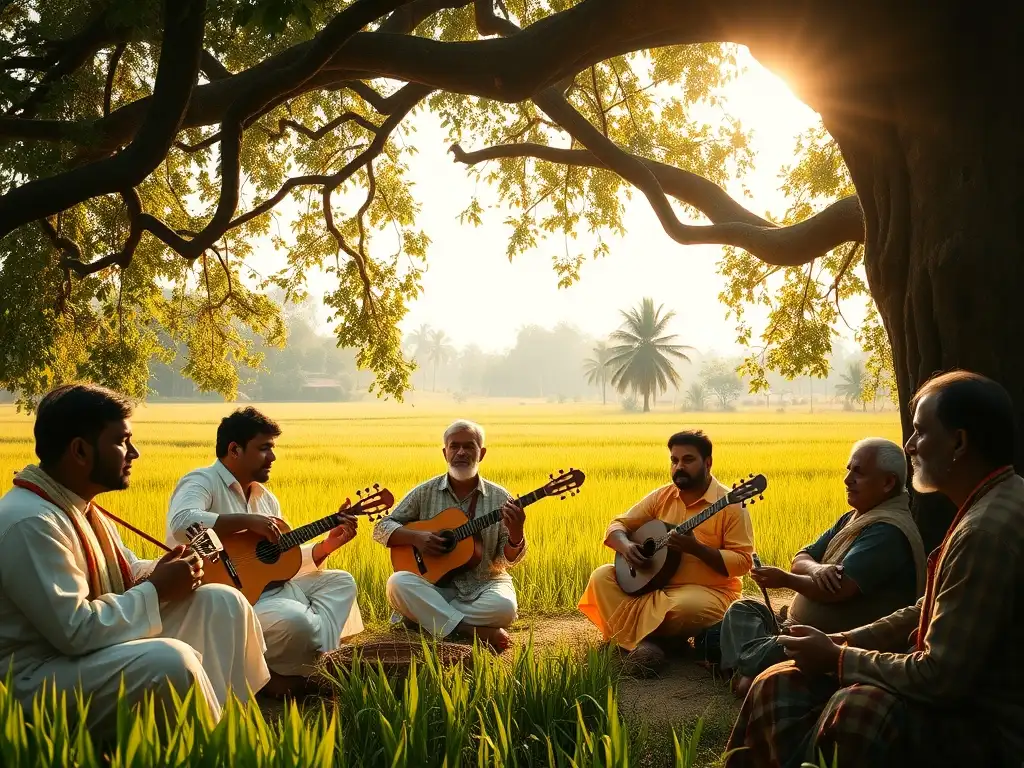
The recitation of Sangam poetry was often accompanied by musical instruments, with melody and rhythm playing crucial roles in the performance. The use of percussion instruments like the mridangam and string instruments such as the veena added layers of depth to the recitation, transforming it into a dynamic art form.
This rhythmic structure not only captivated audiences but also provided a framework for the poets to deliver their verses with heightened emotion and clarity. Through this fusion of music and poetry, Sangam literature was not only preserved but also celebrated across generations, ensuring its place in the annals of ancient Indian history.
Traditional Performance Practices in Sangam Culture
The transmission of Sangam literature was deeply intertwined with traditional performance practices, which played a vital role in preserving and popularizing these ancient texts. Sangam poets often composed their works to be recited or sung, transforming poetry into a communal experience. Performance was not merely a means of entertainment; it was a crucial method of cultural expression and education, allowing the values, emotions, and stories embedded in the literature to resonate with audiences.
In Sangam culture, performances typically took place in public spaces, including temples, village squares, and during festivals. These gatherings fostered a sense of community, as participants would engage in the shared experience of music and poetry. Artists, known as "sangam poets," would recite their verses, often accompanied by musicians and dancers, creating a vibrant atmosphere that encouraged participation and emotional engagement.
The importance of oral tradition is underscored in Sangam literature, where the melodic recitation of verses enhanced their memorability. The rhythmic patterns and intonations used by performers helped to convey deeper meanings and emotions, ensuring that the messages of the poems were not only heard but felt. This interactive nature of performance allowed for a dynamic relationship between the poet, the music, and the audience, cementing the role of performance in the transmission of this literary heritage.
Types of Performance: Solo vs. Group
In Sangam culture, performances varied in their structure and execution, primarily categorized into solo and group performances. Solo performances often showcased the skills of individual poets or musicians, allowing them to express personal interpretations of the literature. This format provided an intimate experience, where the performer could connect directly with the audience, drawing them into the emotional landscape of the poem.
On the other hand, group performances involved multiple artists collaborating to create a rich tapestry of sound and movement. These performances typically featured ensembles of musicians and dancers, enhancing the complexity of the presentation. Group dynamics fostered a communal atmosphere, encouraging audience participation and interaction. The interplay between different performers allowed for a multifaceted interpretation of the literature, as each artist brought their unique perspective and style to the performance.
Both solo and group performances served as essential vehicles for the transmission of Sangam literature, each offering distinct advantages. While solo performances highlighted individual artistry, group performances emphasized the collective cultural identity, showcasing the collaborative nature of the Sangam tradition. Together, these forms contributed to the enduring legacy of Sangam literature, ensuring its relevance across generations.
Instruments Used in Sangam Music
Sangam music was characterized by the use of various traditional instruments that enhanced the auditory experience of performances. Key instruments included:
- Veena: A string instrument, similar to a lute, that produced rich melodic lines and was often associated with classical music.
- Tambura: A long-necked lute used primarily for providing a drone, creating a harmonic backdrop for vocalists.
- Nadaswaram: A double-reed wind instrument known for its loud and vibrant sound, often played during temple ceremonies and celebrations.
- Thavil: A percussion instrument that added rhythmic depth and energy to the performances, commonly used alongside the Nadaswaram.
- Flute: This woodwind instrument contributed to the melodic elements, adding an airy quality to the music.
These instruments were not merely tools; they were extensions of the performers' emotions and expressions. The combination of different instruments allowed for a rich and diverse musical palette, enhancing the storytelling aspect of Sangam literature. The intricate interplay between vocals and instruments created an immersive experience, inviting audiences to engage deeply with the themes and emotions conveyed in the poetry.
Dance Forms Associated with Sangam Poetry
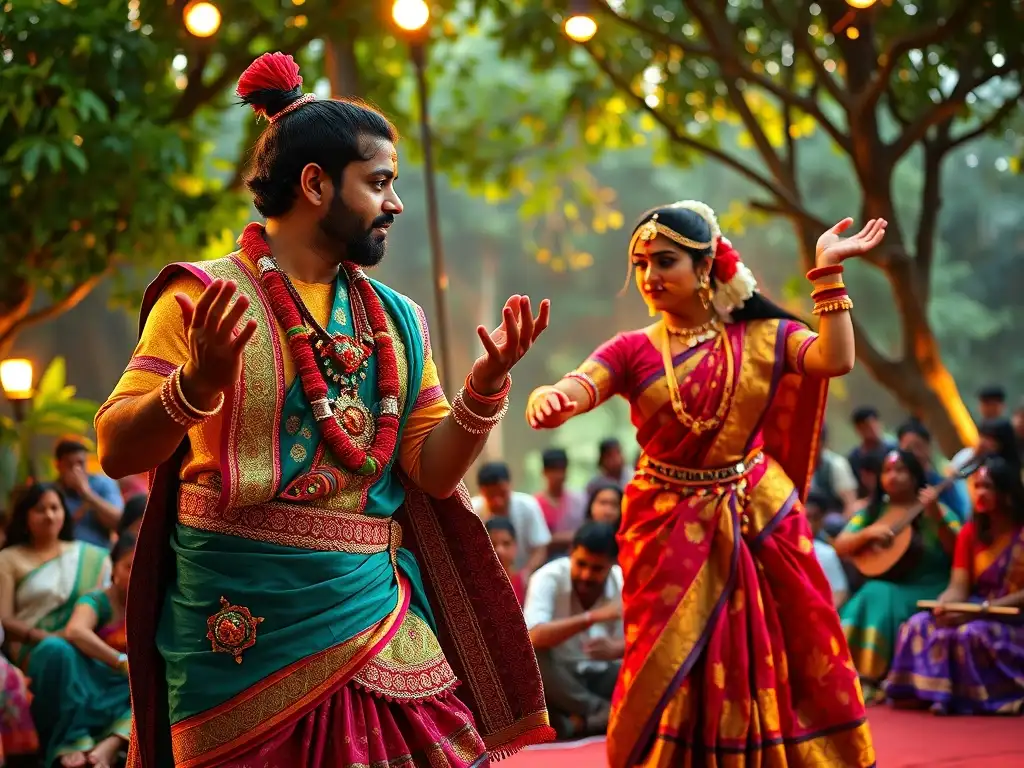
Dance forms were integral to the performance of Sangam literature, providing a visual representation of the themes present in the poetry. Traditional dance styles, such as Bharatanatyam and folk dances, were often performed in conjunction with music, allowing for a holistic artistic expression.
These dance forms incorporated intricate footwork, expressive hand gestures, and facial expressions that conveyed the emotions of the poems. For instance:
- Bharatanatyam: Known for its grace and precision, this classical dance form utilized storytelling techniques that aligned with the narratives of Sangam poetry. Dancers would embody characters and emotions, bringing the poems to life.
- Folk Dances: Various regional folk dances celebrated local cultures and traditions, often featuring lively movements and communal participation. These dances effectively conveyed the themes of love, nature, and valor prevalent in Sangam literature.
The synergy between dance, music, and poetry created a multifaceted performance experience, enhancing audience engagement and comprehension. Dance not only served as an artistic expression but also played a crucial role in preserving and transmitting the cultural heritage embedded within Sangam literature.
Thematic Elements of Music in Sangam Literature
Music in Sangam literature is not merely a backdrop; it plays a significant role in conveying the thematic elements of the poetry. The interplay of lyrics and melody enhances the emotional depth and resonance of the texts, allowing audiences to connect more profoundly with the underlying messages.
Love and Nature: Musical Expressions in Sangam Poems
One of the most prominent themes in Sangam literature is the celebration of love and nature. The lyrics often depict the beauty of the natural world intertwined with human emotions, creating a harmonious relationship between the two. Music serves as a vehicle for expressing these themes, with melodies that evoke the serenity of nature and the intensity of love.
For instance, many poems describe the landscapes of Tamil Nadu—lush fields, rivers, and mountains—using musical imagery that brings the setting to life. The rhythms and tones chosen in musical compositions reflect the moods of the poems, whether it be the joy of love or the sorrow of separation. This connection between music and nature enhances the sensory experience for the audience, making the themes more relatable.
Additionally, the use of metaphorical language in the poetry often parallels musical expressions. Poets employed similes and metaphors that likened human emotions to elements of nature, resonating with the audience on multiple levels. This synergy between music and thematic content creates a rich tapestry of meaning, ensuring that the messages of Sangam literature endure through time.
The Impact of Music on the Emotions Conveyed in Sangam Texts
The emotional impact of Sangam literature is significantly heightened through music performance. The melodies accompanying the poetry amplify the feelings expressed in the texts, allowing for a more visceral reaction from the audience. Different musical modes and scales were employed to evoke specific emotions, whether it be joy, longing, or melancholy.
For example, ragas—the melodic frameworks used in Indian classical music—were often selected to complement the emotional tone of the poetry. A raga associated with love might be performed with a soft, lilting melody, while one reflecting sorrow could feature a more somber and reflective composition. This intentional pairing of music with poetic themes allowed performers to convey complex emotional landscapes effectively.
Moreover, the communal aspect of performances added another layer of emotional resonance. As audience members engaged with the music, their collective reactions influenced the atmosphere, creating a shared emotional experience. This connection between the performer, the music, and the audience deepened the impact of the literature, ensuring that the emotions articulated in Sangam texts were not only heard but felt profoundly.
The role of music and performance in the transmission of Sangam literature is multifaceted, enriching the cultural tapestry of ancient India. Through various performance practices, instruments, and thematic elements, music has played an essential part in preserving and conveying the depth of Sangam poetry across generations.
Case Studies of Notable Performances
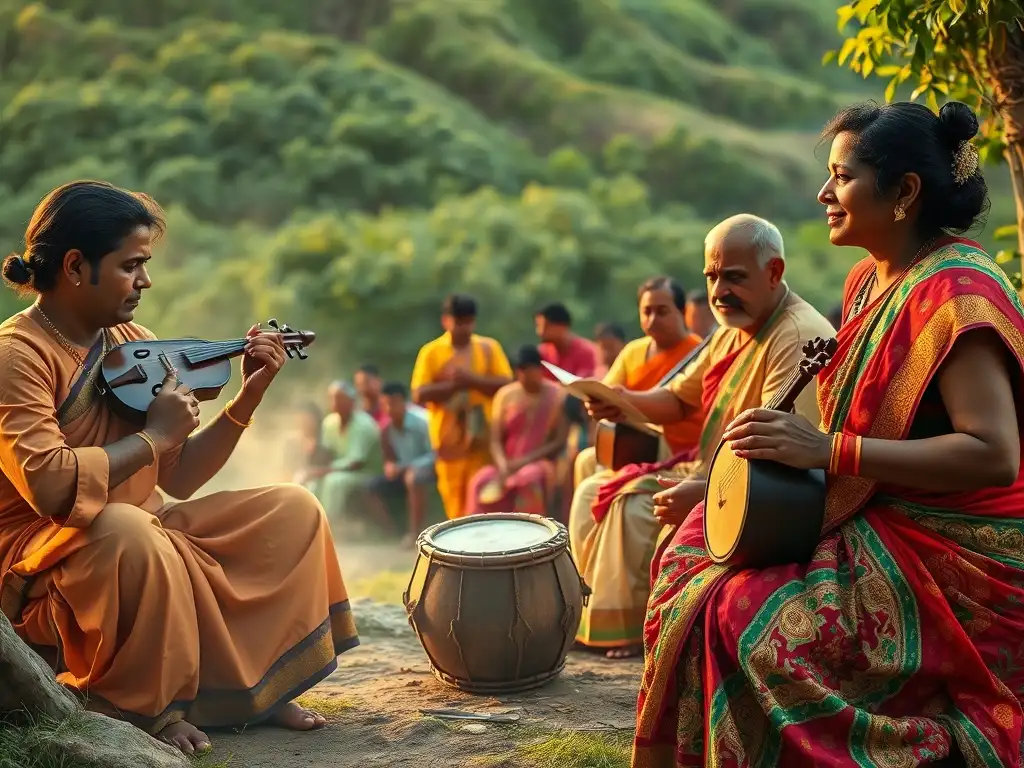
The performance of Sangam literature has historically played a crucial role in preserving and transmitting these ancient texts. One prominent case is the annual Tamil Sangam Festival, where poets recite Sangam poems accompanied by traditional musical instruments such as the nadaswaram and thavil. These performances not only highlight the lyrical beauty of the poems but also engage the audience through rhythmic and melodic interpretations that breathe life into the text.
Another notable example is the Kavadi Chindhu, a folk art form that incorporates Sangam verses into its performances during religious festivals. This vibrant display combines dance, music, and poetry, creating a multisensory experience that fosters community participation and ensures the continuity of Sangam literature within cultural practices.
Analysis of a Renowned Sangam Poem and its Musical Interpretation
One of the most celebrated poems from the Sangam era is "Ainkurunuru," a collection of love poems that encapsulate the intense emotions of longing and desire. When performed musically, the emotional depth of the verses is enhanced through melody and rhythm. The use of traditional ragas in these performances allows for an emotional resonance that connects the audience to the themes of love and separation.
For instance, the raga Kalyani is often paired with love poems to evoke feelings of devotion and tenderness. The melodic structure complements the poetic meter, creating a harmonious blend that enriches the listener's experience. This synergy between poetry and music not only aids in memorization but also deepens the emotional impact of the literature.
The Influence of Performance on Audience Reception
The interaction between performers and their audience is a pivotal aspect of how Sangam literature is received. Performances often transform passive listeners into active participants, allowing them to engage emotionally and cognitively with the material. This dynamic is particularly evident in village festivals where local poets perform Sangam verses, fostering a communal atmosphere of appreciation and celebration.
The immediacy of live performance leads to a unique reception of the texts. Audiences are more likely to remember lines and themes when they are emotionally stirred through music and performance. This participatory aspect of performance ensures that Sangam literature remains vibrant and relevant, as it is continuously reinterpreted and revitalized by each new generation of performers and listeners.
The Legacy of Music and Performance in Sangam Literature
The legacy of music and performance in Sangam literature is profound, influencing not only the preservation of the texts but also the cultural fabric of Tamil society. These artistic expressions have served as vehicles for storytelling, allowing the tales and themes of the Sangam era to endure through centuries.
The practice of reciting Sangam poetry in musical form has laid the groundwork for various traditional art forms, ensuring that the essence of these ancient texts continues to inspire contemporary performances. The intertwining of music and poetry has established a rich tradition that celebrates Tamil identity and cultural heritage.
Continuation of Traditions in Modern Tamil Culture
In modern Tamil culture, the traditions of music and performance rooted in Sangam literature continue to thrive. Contemporary artists often draw inspiration from these ancient texts, incorporating them into modern music genres such as folk, carnatic, and even fusion styles. This blending of old and new not only preserves the heritage of Sangam literature but also makes it accessible to younger generations.
Events such as poetry slams and cultural festivals feature performances that highlight Sangam themes, showcasing the enduring relevance of these ancient texts. The use of social media platforms has also broadened the reach of these performances, enabling artists to connect with audiences around the world and fostering a global appreciation for Sangam literature.
The Influence of Sangam Music on Contemporary Indian Art Forms
Sangam music has significantly influenced various contemporary Indian art forms, serving as a foundational element in genres such as classical music, dance, and theater. The intricate rhythms and melodic structures derived from Sangam poetry have found their way into modern compositions, enriching the artistic landscape of India.
For example, many classical dancers incorporate Sangam verses into their performances, utilizing the emotive power of the music to convey complex narratives. This blending of Sangam poetry with dance not only enhances the aesthetic experience but also bridges the gap between ancient traditions and contemporary expression, ensuring that the legacy of Sangam literature endures in the arts today.
The ongoing exploration and adaptation of Sangam music within various art forms underscore its timeless nature, demonstrating how these ancient works continue to resonate and inspire across diverse cultural contexts.
Conclusion
The intricate relationship between music, performance, and Sangam literature reveals a rich tapestry of cultural expression that has shaped the identity of ancient Tamil society. Through oral traditions, the melodies and rhythms of songs played a crucial role in the preservation and dissemination of these literary works. The performances not only entertained but also served as a means of education, allowing the values, stories, and philosophies embedded in Sangam literature to reach a wider audience. As a result, music and performance became essential tools for the transmission of knowledge and cultural heritage in ancient India.
Summarizing the Role of Music and Performance in Sangam Literature
In Sangam literature, music and performance acted as powerful conduits for storytelling and emotional connection. The poets, known as "Sangam poets," composed verses that were meant to be sung, thus blending poetry with musicality. This synergy allowed for a more profound engagement with the audience, enabling them to experience the sentiments and themes of the poems viscerally. Key aspects of this relationship include:
- Oral Tradition: The oral transmission of Sangam literature through music ensured that these works were accessible to all layers of society, transcending literacy barriers.
- Cultural Significance: Music and performance were deeply embedded in the social fabric, often associated with rituals, festivals, and communal gatherings, making the literature a lived experience rather than merely written texts.
- Emotional Resonance: The intonations and rhythms of music heightened the emotional impact of the poetry, allowing listeners to connect with the themes of love, valor, and nature on a personal level.
This multifaceted interaction between music, performance, and literature underscores the importance of the arts in the preservation and transmission of cultural heritage in ancient India.
The Enduring Impact of Sangam Traditions in Today's Cultural Landscape
The influence of Sangam literature and its associated musical traditions continues to resonate in contemporary Tamil culture. Modern performances of traditional songs and dances draw inspiration from the themes and styles of Sangam poetry, reflecting its enduring legacy. Several factors contribute to this ongoing significance:
- Cultural Revival: There has been a resurgence of interest in traditional arts, with many artists and scholars working to revive and reinterpret Sangam poetry through music and performance.
- Educational Framework: Institutions dedicated to classical Tamil art forms incorporate Sangam literature into their curricula, fostering a new generation of artists who appreciate and promote this rich heritage.
- Global Influence: The themes of Sangam literature, such as love, nature, and social values, resonate universally, allowing for cross-cultural exchanges that introduce the richness of Tamil traditions to a global audience.
Through these avenues, the music and performance traditions rooted in Sangam literature not only preserve the historical essence of ancient Tamil culture but also ensure its relevance and appreciation in today's diverse cultural landscape.
- Introduction to Sangam Literature
- The Interconnection of Music and Sangam Literature
- Traditional Performance Practices in Sangam Culture
- Thematic Elements of Music in Sangam Literature
- Case Studies of Notable Performances
- The Legacy of Music and Performance in Sangam Literature
- Conclusion
Frequently Asked Questions
What is Sangam literature?
Sangam literature refers to a collection of Tamil poems and texts that were composed during the Sangam period (circa 300 BCE to 300 CE) in ancient South India. It is known for its rich themes of love, valor, and nature.
How did music contribute to Sangam literature?
Music played a significant role in the transmission of Sangam literature, as many poems were performed musically. This helped preserve the cultural heritage and made the literature more accessible and engaging to audiences.
What types of performances were associated with Sangam literature?
Performances included singing, dancing, and storytelling. These art forms helped convey the emotional depth and aesthetic qualities of the literature, enhancing its impact on the audience.
Who were the key figures involved in the performance of Sangam literature?
Key figures included poets, musicians, and performers known as bards. They played a crucial role in bringing the literature to life through their artistic expressions and interpretations.
Why is Sangam literature important in Indian history?
Sangam literature is crucial as it reflects the social, cultural, and political dynamics of ancient Tamil society. It provides insights into the lives and values of people during that era, making it a vital part of Indian heritage.
Final Reflection: The Harmonious Legacy of Sangam Literature
The intricate relationship between Sangam literature, music, and performance remains profoundly relevant in today’s cultural landscape, as it highlights the timeless power of artistic expression to convey complex human emotions and societal values. In an era dominated by digital media and fleeting trends, the enduring essence of Sangam literature serves as a reminder of the rich heritage that shapes our identities and connects us across generations. The melodies and rhythms of this ancient tradition continue to resonate, breathing life into the words of poets who once walked the shores of Tamil Nadu.
The influence of Sangam literature on contemporary music and performance art is undeniable, as it fosters a deeper understanding of our shared history and cultural narratives. The themes explored in these ancient texts—love, valor, nature, and the human experience—continue to inspire artists and performers today, bridging the gap between past and present. As the poet Kaniyan Poongundranar famously stated, “Yathum Oore, Yavarum Kelir,” which translates to “Every place is my home, and everyone is my kin.” This sentiment encapsulates the universal nature of Sangam literature, inviting us to embrace our collective heritage while celebrating our unique identities.
As you reflect on the insights shared in this article, consider how you can incorporate the lessons of Sangam literature into your own life. Engage with music and performance as tools for personal expression and cultural connection. Whether through exploring traditional forms or creating your own interpretations, allow the rich tapestry of Sangam literature to inspire your journey. Let the rhythms of the past guide you toward a more profound appreciation of the present, and remember that every note and word carries the potential to unite us in our shared human experience.
Unveil the Power of Music in Sangam Literature!
Thank you for diving into the rich world of Sangam literature with us! You've explored the profound connection between music and performance and its pivotal role in preserving ancient narratives. Now, let’s take that knowledge further and engage directly with this vibrant heritage!
Here are a few exciting ways to connect with and celebrate Sangam literature:
- Join a local or online performance group that focuses on Indian classical music or literature to experience these art forms live.
- Share your favorite Sangam poems on social media, inviting friends to join the conversation about their themes and significance.
- Explore further: Read a modern interpretation of Sangam poetry or try your hand at writing your own verses inspired by the lyrical styles of the past!
How do you envision integrating the rhythms of Sangam literature into your daily life?