
The Mystique of MohenjoDaro: Insights into a Lost Civilization

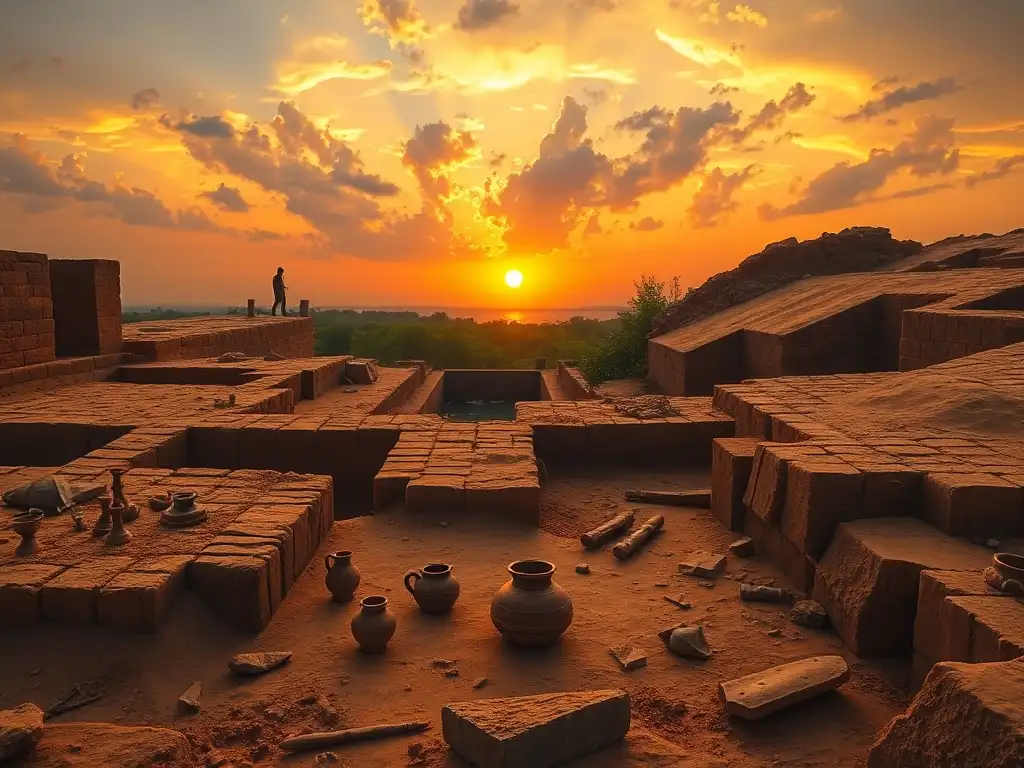
Welcome to Ancient India History, where we embark on a fascinating journey through time, unearthing the rich tapestry of cultures and innovations that shaped ancient Indian civilizations. In our featured article, “The Mystique of Mohenjo Daro: Insights into a Lost Civilization,” we delve into the enigmatic world of the Mohenjo Daro ancient civilization, revealing the groundbreaking achievements and enduring mysteries that continue to captivate historians and enthusiasts alike. Join us as we explore the wonders of the past and uncover the stories that lie beneath the sands of time!
Introduction to Mohenjo Daro Ancient Civilization
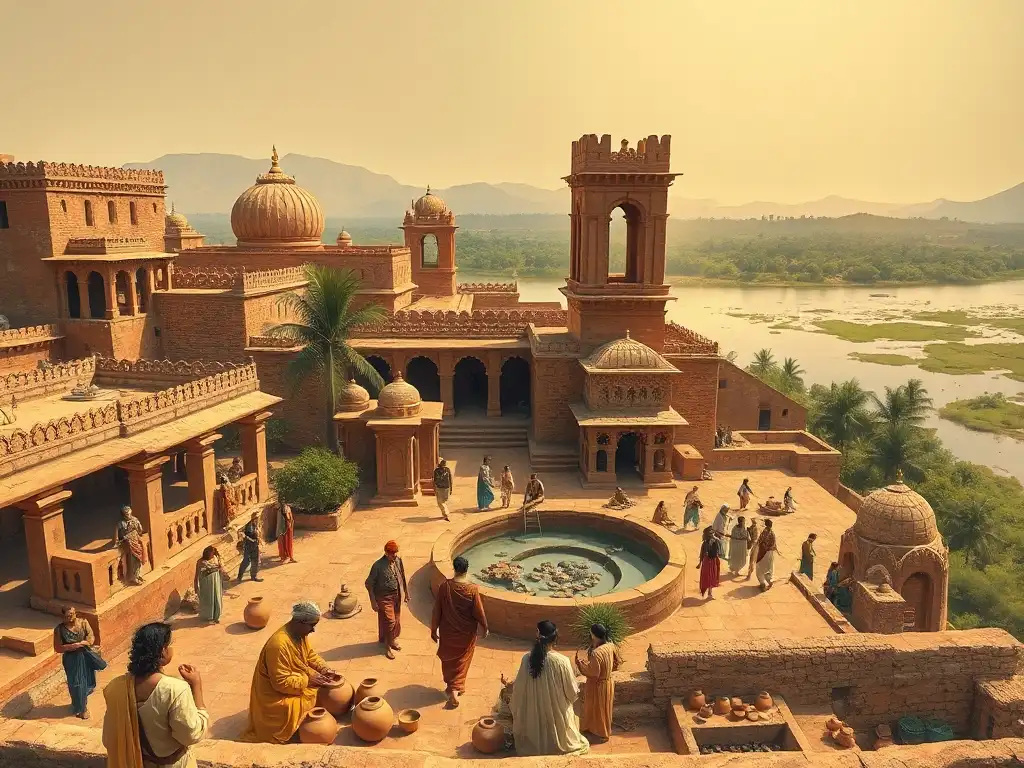
Mohenjo Daro, one of the most prominent urban centers of the Indus Valley Civilization, stands as a testament to the ingenuity and sophistication of an ancient civilization that flourished over 4,500 years ago. Located in present-day Pakistan, this archaeological site offers a fascinating glimpse into a society that was remarkable for its advanced urban planning, architectural prowess, and intricate social systems. The term "Mohenjo Daro," which translates to "Mound of the Dead," evokes a sense of mystery surrounding the civilization that once thrived here.
As we delve deeper into the Mohenjo Daro ancient civilization, we will explore its historical significance, the origins of the Indus Valley Civilization, and the key discoveries that have shaped our understanding of this enigmatic society. Through this exploration, we aim to illuminate the rich tapestry of culture, trade, and innovation that characterized one of the world's earliest urban civilizations.
Historical Context of Mohenjo Daro
Understanding Mohenjo Daro requires a broader perspective on the Indus Valley Civilization, which was one of the largest and most advanced ancient civilizations, spanning across much of present-day Pakistan and northwest India. This civilization thrived from approximately 3300 BCE to 1300 BCE and is known for its remarkable cities, sophisticated drainage systems, and standardized weights and measures.
Origins of the Indus Valley Civilization
The origins of the Indus Valley Civilization can be traced back to the Neolithic period, around 7000 BCE, when agricultural practices began to emerge in the region. The fertile plains of the Indus River supported the growth of crops like wheat and barley, which laid the foundation for settled communities. Over time, these communities evolved into complex societies with advanced urban centers like Mohenjo Daro and Harappa.
Key factors contributing to the rise of this civilization include:
- Agriculture: The development of agriculture allowed for food surplus, which enabled population growth and urbanization.
- Trade: The Indus Valley Civilization was strategically located near trade routes, facilitating commerce with other ancient cultures, including Mesopotamia.
- Innovative Techniques: Advances in metallurgy, pottery, and crafts contributed to economic stability and cultural richness.
Key Discoveries at Mohenjo Daro
The excavation of Mohenjo Daro in the 1920s revealed a wealth of information about this ancient civilization. Archaeologists uncovered a meticulously planned city, complete with:
- Grid-like Streets: The city layout featured well-organized streets that showcased an understanding of urban planning.
- Advanced Drainage Systems: Mohenjo Daro boasted an intricate drainage system, highlighting the civilization's commitment to public health and sanitation.
- Public Baths: The Great Bath, a large public bathing area, suggests the importance of ritual purification and social interaction in daily life.
These discoveries not only illuminate the architectural achievements of the Mohenjo Daro ancient civilization but also hint at the social and cultural practices that defined this lost world. As we continue to explore the mysteries of Mohenjo Daro, we gain valuable insights into the lives of the people who once inhabited this remarkable city.
Urban Planning and Architecture of Mohenjo Daro
Mohenjo Daro, one of the most prominent sites of the Indus Valley Civilization, showcases remarkable urban planning and architecture that highlight the sophisticated engineering skills of its inhabitants. The city, which flourished around 2500 BCE, is a testament to the advanced urban infrastructure that was not only functional but also reflected a high degree of social organization.
Advanced Urban Infrastructure
The urban infrastructure of Mohenjo Daro is characterized by its grid-like layout, which is indicative of thoughtful town planning. Streets were laid out in a north-south and east-west pattern, dividing the city into blocks, much like modern urban planning. The roads were wide, often measuring about 1.5 meters to 3 meters, facilitating movement and trade.
One of the standout features of Mohenjo Daro's infrastructure is its sophisticated drainage system. Almost every house had access to a private toilet, and the waste was channeled through a complex network of drains made from baked brick. These drains were covered and meticulously designed to prevent blockages, showcasing the city's commitment to sanitation and public health. Additionally, the presence of large public baths, such as the Great Bath, suggests that water management played a crucial role in the daily life of its residents.
Architectural Features of Mohenjo Daro
The architectural style of Mohenjo Daro is marked by the use of standardized fired bricks, which were uniform in size and shape, providing durability and aesthetic appeal. Buildings were typically two or three stories high, featuring flat roofs that were likely used for various activities, including storage and relaxation.
Structures in Mohenjo Daro were often constructed with a focus on ventilation and light. Many homes had large windows and ventilators, allowing for air circulation in the hot climate. The layout of rooms within houses often included a central courtyard, which served as a communal space for families.
The city also featured monumental structures, such as the Great Granary and the Great Bath. The Great Granary, believed to be a storage facility for surplus grain, was a significant indicator of the agricultural prowess of the civilization. Meanwhile, the Great Bath, measuring approximately 12 meters by 7 meters, is thought to have held religious or ritualistic importance, possibly indicating the spiritual beliefs of the society.
Daily Life in Mohenjo Daro
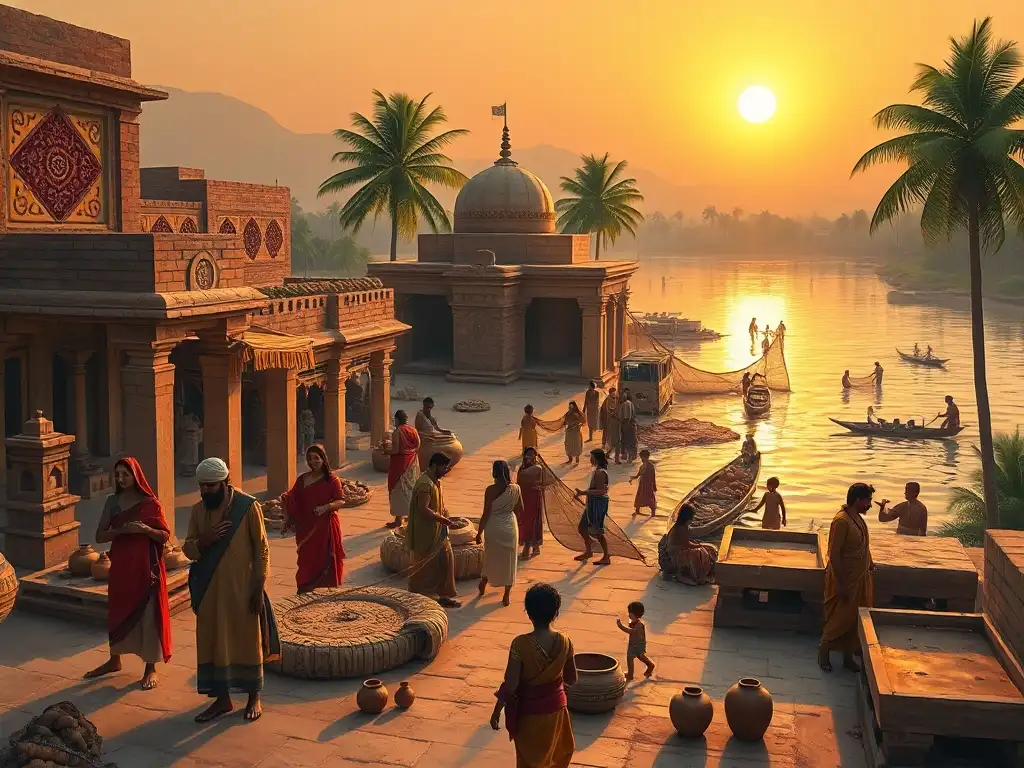
The daily life of Mohenjo Daro's inhabitants was intricately connected to the city's advanced infrastructure, social organization, and cultural practices. The evidence of various artifacts and structures provides insight into the routines, occupations, and overall lifestyle of this ancient civilization.
Social Structure and Community Organization
The social structure of Mohenjo Daro appears to have been complex and hierarchical. Evidence suggests that the society was organized into various classes, with a possible elite group that may have held power and influence over trade and governance. Artifacts such as seals and weights indicate that commerce played a vital role in their daily lives, facilitating trade both within and outside the civilization.
Community organization was likely centered around family units and clans, which were essential for social cohesion. Houses often contained multiple rooms, suggesting that extended families might have lived together. The presence of public buildings and communal spaces also points to a society that valued collective activities, fostering a sense of community among its residents.
Cultural Practices and Beliefs
Cultural practices in Mohenjo Daro were diverse and deeply integrated into daily life. Artistic expressions, such as pottery, jewelry, and seals, reveal the aesthetic values and craftsmanship of the people. The intricate designs and motifs on pottery often depict animals and religious symbols, hinting at the spiritual beliefs prevalent in the society.
Religious practices likely played a significant role, with possible worship of deities associated with nature, fertility, and agriculture. The Great Bath may have served as a ritualistic site, suggesting that water held spiritual significance. Additionally, burial practices, as observed in the cemetery areas, indicate beliefs in an afterlife, with grave goods often accompanying the deceased.
The combination of these cultural practices and beliefs contributed to a rich tapestry of life in Mohenjo Daro, reflecting the civilization's complexity and depth. Through these insights, we gain a greater understanding of the Mohenjo Daro ancient civilization and its enduring legacy in the annals of history.
Theories on the Decline of Mohenjo Daro
The decline of Mohenjo Daro, one of the most prominent cities of the Indus Valley Civilization, has been a subject of extensive research and debate among historians and archaeologists. Various theories have emerged, each attempting to explain the factors that led to the civilization's downfall. The theories range from environmental changes to socio-political disruptions, reflecting the complexity of this ancient society.
Possible Causes of Civilization's Downfall
Several hypotheses have been proposed regarding the decline of Mohenjo Daro:
- Environmental Changes: Many researchers suggest that climate change played a crucial role in the decline of Mohenjo Daro. It is theorized that shifts in the monsoon patterns may have led to prolonged droughts, severely impacting agriculture and water supply, which were essential for sustaining large populations.
- Natural Disasters: Evidence of seismic activity in the region indicates that earthquakes could have contributed to the city's decline. The destruction of infrastructure and the subsequent displacement of populations would have had devastating effects on the social fabric of Mohenjo Daro.
- Economic Decline: The over-reliance on trade, particularly with Mesopotamia, may have made Mohenjo Daro vulnerable to economic fluctuations. As trade routes changed or collapsed, the city could have faced significant economic hardship, leading to its eventual decline.
- Invasions and Conflicts: Some theories suggest that invasions by neighboring tribes or groups could have led to the downfall of Mohenjo Daro. Evidence of fortifications in other Indus Valley sites raises the possibility of conflict, although direct evidence of warfare remains scant.
- Social and Political Factors: The decline might also be attributed to internal strife, such as social inequalities or political upheaval. As resources dwindled, competition for survival could have led to unrest within the community.
Legacy of Mohenjo Daro
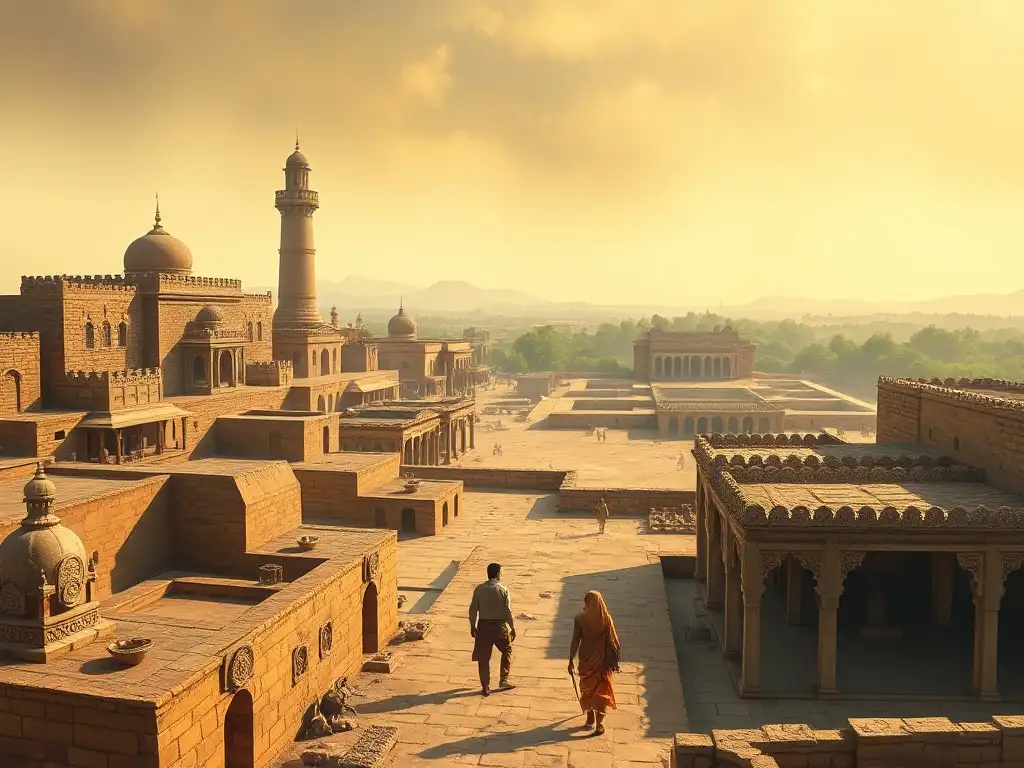
Mohenjo Daro's legacy is profound, influencing subsequent cultures and civilizations in the Indian subcontinent. The city is renowned for its advanced urban planning, which included:
- Sophisticated Drainage Systems: The drainage system of Mohenjo Daro is considered one of the most advanced of its time, showcasing a remarkable understanding of sanitation and public health.
- Urban Design: The layout of the city, with its grid pattern and standardized brick sizes, highlights the organizational skills of its inhabitants and their ability to plan for communal living.
- Cultural Influence: Artifacts found at Mohenjo Daro, such as seals and pottery, reveal a rich cultural heritage. These items reflect the social, religious, and economic practices of the time, offering insights into the lives of the people.
- Historical Significance: As one of the earliest urban centers in history, Mohenjo Daro serves as a crucial reference point for understanding the development of urbanization in ancient civilizations. Its study has enriched the broader narrative of human history.
Conclusion: The Lasting Impact of Mohenjo Daro Ancient Civilization
The impact of the Mohenjo Daro ancient civilization extends far beyond its time. As a cornerstone of the Indus Valley Civilization, it laid the groundwork for subsequent urban development in the region. The advancements in city planning, engineering, and social organization demonstrated by Mohenjo Daro continue to inspire modern urban studies and archaeological research.
Moreover, the mysteries surrounding its decline provoke ongoing inquiry into the resilience of human societies in the face of adversity. Mohenjo Daro remains a symbol of the ingenuity and sophistication of ancient Indian civilization, reminding us of the rich cultural tapestry that has shaped the history of the subcontinent. The lessons learned from this lost civilization encourage us to reflect on our relationship with the environment, resource management, and the importance of social cohesion in sustaining communities over time.
Further Reading and Resources on Mohenjo Daro
To gain a deeper understanding of the Mohenjo Daro ancient civilization, a variety of resources are available, including books, documentaries, and academic articles that provide insights into its historical significance, urban planning, and cultural practices.
Books
-
"Mohenjo-Daro: The Lost City of the Indus" by D. K. Chakrabarti
This comprehensive book delves into the archaeological discoveries at Mohenjo Daro, emphasizing the city's sophisticated urban planning and architecture. Chakrabarti provides a detailed analysis of artifacts, suggesting social and economic structures of the time.
-
"The Indus Civilization: A Contemporary Perspective" by J. M. Kenoyer
Kenoyer, a prominent archaeologist, offers an extensive overview of the Indus Valley Civilization, with a dedicated section on Mohenjo Daro. His work discusses the technological advancements and trade networks that defined this ancient civilization.
-
"Mohenjo Daro: The City of the Dead" by R. S. Sharma
This book focuses on the mysteries surrounding Mohenjo Daro, exploring various theories regarding its decline. Sharma analyzes the archaeological evidence, providing readers with a thought-provoking exploration of the site.
Documentaries
-
"Secrets of the Indus Valley"
This documentary takes viewers on a journey through the Indus Valley, highlighting the significance of Mohenjo Daro. It features interviews with archaeologists and historians, revealing the challenges faced in uncovering this ancient civilization.
-
"Mohenjo Daro: The Lost City of the Indus"
A visually captivating documentary that showcases the ruins of Mohenjo Daro, this film discusses the city's architecture, social organization, and the ongoing research efforts to understand its history.
Academic Articles
-
"Urban Planning in the Indus Valley Civilization"
This article examines the advanced urban planning techniques used in Mohenjo Daro, including drainage systems and grid layouts. It provides insights into how these features contributed to the city's functionality and sustainability.
-
"Trade and Economy in the Indus Valley Civilization"
Focusing on the economic aspects of Mohenjo Daro, this research paper discusses trade practices, the use of weights and measures, and the significance of various artifacts found at the site, which indicate a complex economic system.
Online Resources
-
Archaeological Survey of India (ASI)
The ASI website offers a wealth of information about Mohenjo Daro, including excavation reports, preservation efforts, and ongoing research initiatives.
-
Indus Valley Civilization Project
This online project compiles research findings, maps, and photographs from various excavations, providing a dynamic resource for anyone interested in the Mohenjo Daro ancient civilization.
By exploring these resources, readers can enhance their knowledge of Mohenjo Daro and appreciate the complexities and achievements of one of the world's earliest urban centers.
- Introduction to Mohenjo Daro Ancient Civilization
- Historical Context of Mohenjo Daro
- Urban Planning and Architecture of Mohenjo Daro
- Daily Life in Mohenjo Daro
- Theories on the Decline of Mohenjo Daro
- Possible Causes of Civilization's Downfall
- Legacy of Mohenjo Daro
- Conclusion: The Lasting Impact of Mohenjo Daro Ancient Civilization
- Further Reading and Resources on Mohenjo Daro
Frequently Asked Questions
What is Mohenjo Daro?
Mohenjo Daro is an ancient city of the Indus Valley Civilization, known for its advanced urban planning, sophisticated drainage systems, and unique architecture.
Why is Mohenjo Daro significant in ancient history?
Mohenjo Daro is significant because it represents a key site in understanding the social, economic, and technological advancements of early urban societies in ancient India.
What were the main features of the Mohenjo Daro civilization?
The main features included planned streets, brick houses, a granary, and a centralized drainage system, showcasing the civilization's engineering prowess.
How does Mohenjo Daro contribute to our understanding of ancient Indian culture?
Mohenjo Daro provides insights into the daily life, trade practices, and cultural values of ancient Indians, highlighting their artistic expressions and social organization.
What can we learn from the decline of Mohenjo Daro?
The decline of Mohenjo Daro offers lessons about the vulnerabilities of ancient civilizations, such as environmental changes and resource management, which can inform current societal challenges.
Final Reflection: Embracing the Legacy of Mohenjo Daro's Ancient Civilization
The exploration of Mohenjo Daro's ancient civilization reveals a profound connection between our past and present. As we delve into the remnants of this remarkable society, we uncover not only the architectural and technological advancements of its time but also the enduring lessons of sustainability, community, and innovation. The echoes of Mohenjo Daro remind us that civilizations, no matter how advanced, are ultimately transient, yet their legacies can inspire us to build a better future.
Mohenjo Daro serves as a poignant reminder of the complexities of human achievement and the fragility of our existence. The insights gleaned from this ancient civilization continue to shape our understanding of urban planning, social organization, and environmental stewardship. As the historian Will Durant once said, "> Civilization exists by geological consent, subject to change without notice." This quote encapsulates the essence of our relationship with history; it urges us to appreciate the delicate balance we must maintain to ensure the longevity of our own civilization.
As we reflect on the lessons from Mohenjo Daro, I invite you to consider how the values of this ancient society can be integrated into your own life. What can you learn from their innovations and community spirit? Embrace the opportunity to cultivate sustainability and connection in your daily actions, ensuring that you contribute to a legacy that honors the past while paving the way for a brighter future. Let the mystique of Mohenjo Daro inspire you to explore your role in the ongoing narrative of human civilization.
Uncover the Secrets of Mohenjo-Daro Today!
Thank you for exploring the fascinating world of Mohenjo-Daro with us! Your interest in this lost civilization opens the door to a treasure trove of knowledge about ancient cultures. Now that you've gained insights, it's time to take the next step in your journey of discovery.
Here’s how you can deepen your understanding and connect with others who share your passion:
- Dive deeper into research: Explore books or articles on ancient civilizations to broaden your knowledge on related topics.
- Share your thoughts: Join our community by commenting below or sharing this article with friends who have a keen interest in history.
- Visit a museum: Locate a nearby museum that features exhibitions on ancient civilizations and plan a visit to experience history firsthand.
What aspect of Mohenjo-Daro's history intrigues you the most, and how can we explore it together?