
The Maurya Empire’s Approach to Crisis Management in Governance

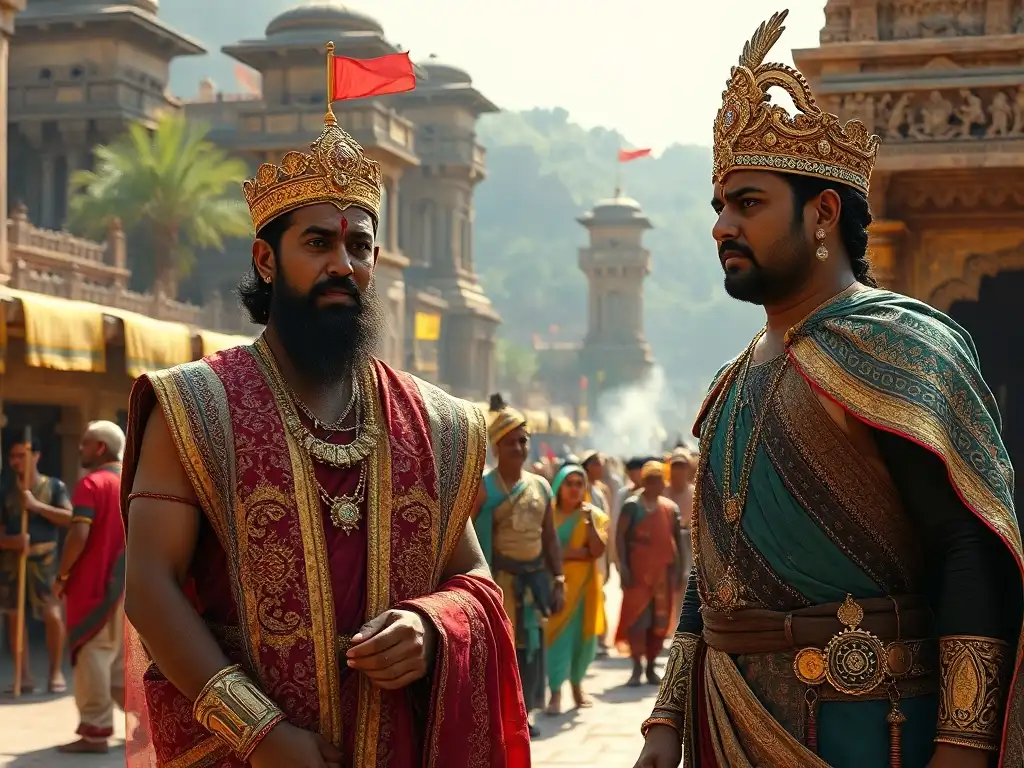
Welcome to Ancient India History, where we embark on a journey through the rich tapestry of India’s past! Dive into the captivating narrative of ancient civilizations that shaped the subcontinent, from the ingenious Indus Valley to the illustrious Gupta Empire. In this article, we unravel the Maurya Empire’s approach to crisis management strategies, revealing how its leaders navigated challenges to maintain stability and governance. Join us as we explore the remarkable insights that can still resonate today, and discover how history's lessons can illuminate our understanding of effective leadership. Are you ready to uncover the secrets of ancient wisdom?

Introduction to the Maurya Empire and Its Governance
The Maurya Empire, one of the most significant ancient Indian civilizations, flourished from 322 to 185 BCE and is renowned for its advanced governance structures and effective crisis management strategies. Under the leadership of its most famous ruler, Ashoka the Great, the empire expanded to encompass a vast territory across the Indian subcontinent.
The Mauryan administration was not only a remarkable achievement of political organization but also a testament to the importance of effective governance in maintaining stability and addressing challenges within the empire. In this article, we will explore the various crisis management strategies employed by the Maurya Empire, highlighting their relevance and effectiveness in the context of ancient governance.
Overview of the Maurya Empire's Historical Context
The Maurya Empire emerged in a period marked by political fragmentation and regional conflicts. Founded by Chandragupta Maurya, the empire rose to power by unifying various states and tribes through strategic alliances and military conquests. This unification laid the groundwork for a centralized administration, which was essential for managing the diverse challenges faced by the empire. The historical context of the Maurya Empire is characterized by significant developments in governance, trade, and culture, creating a unique environment for implementing crisis management strategies that would ensure the empire's longevity and prosperity.
Importance of Governance in Ancient Indian Civilizations
Governance in ancient Indian civilizations was crucial for maintaining order, justice, and economic stability. Effective governance not only facilitated the administration of laws but also fostered social welfare and the well-being of citizens. The Maurya Empire's approach to governance was particularly advanced for its time, incorporating elements such as bureaucracy, communication networks, and a system of local governance. These elements were instrumental in addressing issues such as famine, invasions, and internal dissent, showcasing the vital role that governance played in the survival and success of ancient empires.
Understanding Crisis Management in the Maurya Empire
Definition of Crisis Management in the Context of Governance
Crisis management in governance refers to the processes and strategies employed by leaders to address unexpected challenges that threaten the stability and integrity of a state. In the context of the Maurya Empire, crisis management encompassed a wide range of issues, including military threats, economic downturns, and social unrest. The ability to effectively manage crises was critical to the empire's resilience, allowing it to adapt and respond to changing circumstances while maintaining authority and public trust.
The Role of Crisis Management Strategies in the Maurya Empire
The Maurya Empire's crisis management strategies were multifaceted and included proactive measures, such as establishing robust communication systems and fostering public welfare initiatives. For instance, during times of famine, the government implemented policies to ensure the availability of food supplies, while also promoting agricultural practices to enhance productivity.
Additionally, the empire's diplomatic relations and military preparedness allowed it to respond swiftly to external threats, ensuring both territorial integrity and the safety of its citizens. These strategies not only mitigated the impact of crises but also reinforced the legitimacy of the Mauryan rulers, demonstrating their capability to govern effectively in turbulent times.
Key Crisis Management Strategies Employed by the Maurya Empire
The Maurya Empire, one of the most prominent ancient Indian civilizations, displayed remarkable governance capabilities, particularly in managing crises. The empire's approach to crisis management was multifaceted, combining both proactive and reactive strategies. These strategies were instrumental in maintaining stability and ensuring the welfare of its citizens. The leadership of figures like Chandragupta Maurya and his grandson Ashoka showcased a blend of foresight, adaptability, and responsiveness to both internal and external challenges.
The Maurya Empire's crisis management strategies can be categorized into two main types: proactive measures aimed at preventing crises before they arise, and reactive strategies developed to address crises once they occur. This dual approach allowed the empire to navigate various challenges effectively, from natural disasters to military conflicts, ensuring its longevity and influence in the region.
Proactive Measures in Crisis Prevention
Proactive measures were a cornerstone of the Maurya Empire's governance, focusing on early detection and mitigation of potential crises. The empire implemented comprehensive agricultural policies, including the establishment of state granaries and irrigation projects, which helped stabilize food production and supply. This foresight was crucial in reducing the impact of famines, as it ensured that surplus grain could be stored and distributed in times of need.
Additionally, the Mauryan administration emphasized public welfare through various social programs. These included health initiatives and infrastructure development, such as roads and trade routes, which facilitated commerce and communication. By improving the overall quality of life and economic resilience of its people, the empire reduced the likelihood of unrest and social upheaval.
Moreover, the Maurya Empire maintained a sophisticated intelligence network that monitored regional conditions. This system allowed the rulers to anticipate issues related to droughts, floods, or invasions, enabling them to mobilize resources and prepare responses in advance.
Reactive Strategies to Address Crises
When faced with crises, the Maurya Empire employed a series of reactive strategies that demonstrated its adaptability and resolve. One of the key strategies was the establishment of a robust administrative framework that allowed for rapid decision-making and resource allocation during emergencies. The centralized governance model facilitated the swift deployment of troops, materials, and aid to affected areas.
In times of military conflict, such as during the Kalinga War, the Mauryan leaders utilized diplomacy alongside military might. They often sought to negotiate peace and alliances with rival states, which helped mitigate conflicts and preserve resources. When conflicts could not be avoided, the empire demonstrated strategic military planning, often employing innovative tactics to minimize casualties and secure swift victories.
Additionally, the Maurya administration was known for its public communication efforts. During crises, leaders would often address the populace directly, providing reassurance and guidance. This approach helped maintain public order and trust in the government, reinforcing the social contract between the rulers and the ruled.
Case Studies of Crisis Management in the Maurya Empire
The Maurya Empire's approach to crisis management can be illustrated through significant historical events that tested its governance. Two notable case studies include the famine of 250 BCE and the Kalinga War. These events not only challenged the empire's resilience but also highlighted its strategies in crisis management.
The Famine of 250 BCE: A Test of Governance
The famine of 250 BCE posed a severe challenge to the Maurya Empire, impacting food supply and leading to unrest among the population. In response, the government quickly mobilized resources, utilizing state granaries to distribute food to the most affected regions. The proactive measures taken earlier, such as the establishment of storage facilities, proved essential in alleviating the crisis.
Furthermore, the emperor Ashoka implemented policies aimed at reducing taxes temporarily to ease the burden on farmers and laborers. This strategic decision helped maintain social stability and fostered goodwill among the populace. The administration's ability to respond effectively not only mitigated the immediate effects of the famine but also reinforced the legitimacy of the Mauryan rule.
The Kalinga War: Managing Internal and External Conflicts
The Kalinga War (circa 261 BCE) stands as a pivotal moment in Mauryan history, illustrating the empire's crisis management strategies in the face of external conflict. The war, fought against the Kalinga kingdom, was marked by its brutality and significant loss of life. However, it also served as a catalyst for change in Ashoka's governance approach.
Following the war, Ashoka adopted a policy of non-violence and dharma, moving away from military conquests to focus on moral governance. This shift represented a reactive strategy that sought to address the societal trauma caused by the conflict. Ashoka's efforts to promote peace and welfare through the spread of Buddhism and the establishment of edicts advocating for compassion marked a transformative period in the Maurya Empire.
The Kalinga War also highlighted the importance of diplomacy in crisis management. After the conflict, Ashoka engaged in diplomatic relations with neighboring states to ensure peace and stability, reflecting a strategic pivot in the empire's approach to governance.
The Maurya Empire's crisis management strategies were characterized by a blend of proactive and reactive measures that allowed it to navigate complex challenges effectively. Through historical events such as the famine of 250 BCE and the Kalinga War, it is evident that the empire's governance was marked by adaptability, foresight, and a commitment to the welfare of its citizens.
Lessons Learned from the Maurya Empire’s Crisis Management

The Maurya Empire, one of the largest and most powerful empires in ancient India, provides valuable insights into effective governance during times of crisis. The strategies employed by its leaders, particularly during challenging periods, offer lessons that remain relevant even in contemporary governance discussions. These lessons encompass effective leadership, adaptability, and a focus on the welfare of the populace, which were crucial in overcoming various challenges, including invasions, economic downturns, and internal strife.
Effective Leadership and Decision-Making
At the heart of the Maurya Empire’s crisis management strategies was the principle of effective leadership. Chandragupta Maurya and his grandson Ashoka exemplified decisive leadership in times of uncertainty. Their ability to make informed decisions quickly was essential in navigating crises.
- Centralized Authority: The Mauryan system of governance showcased a strong central authority that facilitated swift decision-making. The emperor had significant control over administrative functions, enabling rapid responses to threats.
- Advisory Councils: Leaders surrounded themselves with knowledgeable advisors and ministers, which allowed for a diversity of perspectives in decision-making. This collective approach helped in assessing situations accurately and devising appropriate strategies.
- Public Communication: Transparent communication with the populace was another hallmark of effective leadership. Ashoka, for instance, used edicts to inform citizens about governance policies and encourage public participation, which fostered trust and cooperation during crises.
The Importance of Adaptability in Governance
Adaptability emerged as a critical component of the Maurya Empire's governance framework. The political landscape of ancient India was rife with challenges that necessitated a flexible approach to administration.
- Responsive Policies: The Mauryan rulers were adept at adjusting their policies based on the changing needs of their subjects. For example, during famines or economic hardships, they implemented relief measures, such as reducing taxes and providing food supplies, to alleviate suffering.
- Military Strategy: The empire's military strategies reflected its adaptability. The Mauryas often modified their tactics in response to the methods employed by adversaries, ensuring they remained one step ahead in warfare.
- Cultural Integration: The Maurya Empire was known for its cultural pluralism. By embracing diverse cultures and practices, it was able to maintain social harmony and stability, which proved vital during times of crisis when unity was paramount.
Conclusion: The Legacy of Maurya Empire Crisis Management Strategies
The Maurya Empire's approach to crisis management has left an enduring legacy in the annals of governance. The strategies employed not only resolved immediate challenges but also set foundational principles for future empires and modern governance.
Lasting Impact on Subsequent Indian Empires
The effective crisis management strategies of the Maurya Empire influenced subsequent Indian dynasties, such as the Gupta Empire.
- Governance Models: Later rulers adapted the centralized governance model established by the Mauryas, recognizing the importance of strong leadership and efficient administration in maintaining stability.
- Crisis Protocols: The practices of involving advisory councils and emphasizing public communication served as precedents for future rulers, who sought to replicate the Mauryan successes in navigating crises.
Relevance of Ancient Strategies in Modern Governance
Today, the lessons derived from the Maurya Empire's crisis management strategies resonate with contemporary governance challenges.
- Leadership in Crisis: Modern leaders can learn from the Mauryan emphasis on decisive and informed leadership. In times of uncertainty, effective decision-making and clear communication remain vital for maintaining public confidence and stability.
- Adaptability: The ability to adapt policies and strategies in response to changing circumstances is a principle that transcends time, proving essential in the face of globalization, technological change, and socio-political challenges.
The Maurya Empire’s crisis management strategies not only shaped the course of ancient Indian history but continue to offer valuable insights for navigating the complexities of governance today.
Further Reading on Maurya Empire Governance and Crisis Management
To gain a deeper understanding of the governance and crisis management strategies employed by the Maurya Empire, several resources provide valuable insights. These materials encompass historical analyses, scholarly articles, and exploratory texts that detail the complexities of the Mauryan administrative system and its response to crises.
Recommended Books and Articles
-
"The Mauryan Empire" by Romila Thapar
This book offers an in-depth exploration of the Maurya Empire's socio-political structure and governance strategies. Thapar discusses the empire's methods of crisis management and the role of key figures like Ashoka in shaping its policies.
-
"Ashoka: The Search for Truth" by Charles Allen
Allen's work delves into the life of Ashoka, focusing on his leadership during crises and the strategic measures he implemented to maintain stability within the empire. The book is rich in historical context and provides a narrative that intertwines governance with personal leadership.
-
"The History of India: From the Earliest Period to the Present Day" by James Mill
Although slightly dated, Mill’s comprehensive history includes a section on the Maurya Empire that outlines its governance framework and responses to challenges. This classic text remains a useful reference for understanding the broader context of ancient Indian history.
-
"The Maurya Empire: A Historical Overview" by R. S. Sharma
Sharma's research presents a concise overview of the Maurya Empire, focusing on administrative strategies and crisis management. It includes discussions on economic management and diplomatic approaches during times of instability.
-
“Mauryan India: A Study of the Political and Economic History” by D. N. Jha
This book analyzes the political and economic landscape of the Maurya Empire, with particular attention to how governance strategies were adapted in response to crises. Jha’s examination of archaeological evidence complements the historical narrative.
Online Resources for Deepening Understanding of Ancient Indian Civilizations
-
The Ancient India Portal
This website serves as a comprehensive resource for exploring ancient Indian history, including the Maurya Empire. It features articles, timelines, and primary source documents that are valuable for understanding crisis management strategies.
-
Digital South Asia Library
This digital library offers a wealth of resources, including historical texts, maps, and images related to ancient Indian civilizations. It is an excellent tool for researchers and enthusiasts interested in the Maurya Empire and its governance.
-
The British Museum's Ancient India Collection
The British Museum provides an online collection of artifacts from ancient India, including those from the Maurya period. The accompanying descriptions and scholarly articles offer insights into the administrative practices and responses to crises during that time.
-
Academic Journals on JSTOR
JSTOR hosts a variety of scholarly articles that discuss various aspects of the Maurya Empire, including governance and crisis management. Access to these articles can deepen one’s understanding of the complexities involved in managing an empire during turbulent times.
-
YouTube Educational Channels
Several educational channels on YouTube, such as “CrashCourse” and “Kings and Generals,” feature documentaries and lectures on ancient Indian history, including the Maurya Empire. These visual resources can enhance understanding through engaging storytelling and expert commentary.
By exploring these recommended resources, readers can enrich their knowledge of the Maurya Empire and its innovative approaches to crisis management in governance.
- Introduction to the Maurya Empire and Its Governance
- Understanding Crisis Management in the Maurya Empire
- Key Crisis Management Strategies Employed by the Maurya Empire
- Case Studies of Crisis Management in the Maurya Empire
- Lessons Learned from the Maurya Empire’s Crisis Management
- Conclusion: The Legacy of Maurya Empire Crisis Management Strategies
- Further Reading on Maurya Empire Governance and Crisis Management
- What were the primary crisis management strategies used by the Maurya Empire?
- How did the Maurya Empire's governance structure support crisis management?
- What role did public welfare play in the Maurya Empire's crisis management?
- How did the Maurya Empire handle external threats?
- Can you describe any specific crises the Maurya Empire faced and how they were managed?
Frequently Asked Questions
What were the primary crisis management strategies used by the Maurya Empire?
The Maurya Empire implemented effective governance techniques, including centralized administration, resource allocation, and rapid communication to manage crises effectively.
How did the Maurya Empire's governance structure support crisis management?
The governance structure was highly organized, with a bureaucracy that facilitated quick responses and efficient decision-making during times of crisis, ensuring stability and continuity.
What role did public welfare play in the Maurya Empire's crisis management?
The focus on public welfare helped to build trust among citizens, which was crucial during crises. By prioritizing the needs of the people, the empire maintained loyalty and minimized unrest.
How did the Maurya Empire handle external threats?
The Maurya Empire employed a combination of military strategy and diplomacy to address external threats, ensuring the empire's security while maintaining relations with neighboring states.
Can you describe any specific crises the Maurya Empire faced and how they were managed?
The Maurya Empire faced economic downturns and rebellions; they addressed these issues through strategic resource management and negotiation, demonstrating their ability to adapt and maintain order.
Final Reflection: The Enduring Legacy of Maurya Empire Crisis Management Strategies
The Maurya Empire's innovative crisis management strategies remain profoundly relevant today, illustrating the timeless nature of effective governance in times of turmoil. In an era where global crises seem to emerge with increasing frequency, the lessons drawn from the Maurya Empire's approach to governance can serve as a guiding light for modern leaders. Their ability to adapt, strategize, and maintain stability amidst challenges speaks volumes about the importance of resilience in leadership.
The influence of the Maurya Empire's crisis management extends beyond historical analysis; it resonates within our contemporary cultural and social landscapes. The principles of strategic foresight and community engagement that were pivotal during the Maurya period can be seen in modern governance frameworks that prioritize transparency and citizen involvement. As Mahatma Gandhi once said, "> The best way to find yourself is to lose yourself in the service of others." This sentiment echoes the Mauryan ethos, reminding us that effective governance is rooted in the service and welfare of the populace, especially during crises.
As we reflect on these historical insights, I invite you to consider how the principles of the Maurya Empire can be applied in your own life and community. What strategies can you adopt to navigate challenges effectively, whether in personal or professional realms? Let the resilience and wisdom of the Mauryan leaders inspire you to foster a proactive mindset, ensuring that you not only survive crises but emerge stronger and more united. Embrace the lessons of the past, and let them guide you toward a future where effective crisis management becomes a shared responsibility for all.
Unveil Your Leadership Potential Today!
Thank you for exploring the fascinating world of the Maurya Empire and their unique approaches to crisis management! By examining their strategies, you’ve gained valuable insights into leadership and governance that can be applied in today's context.
Now, it’s time to take action! Here’s how you can harness this knowledge to elevate your leadership skills:
- Reflect on a recent challenge: Consider what strategies from the Maurya Empire can be adapted to your own situation.
- Join our community! Share your thoughts and experiences on how historical governance can inspire modern solutions in our forum.
- Explore further: Read related articles to broaden your understanding of ancient strategies that continue to resonate today.
What strategies will you implement from the Maurya Empire to navigate your next challenge? Let's discuss in the comments below!