
The Relationship Between Ancient Inscriptions and Oral Traditions

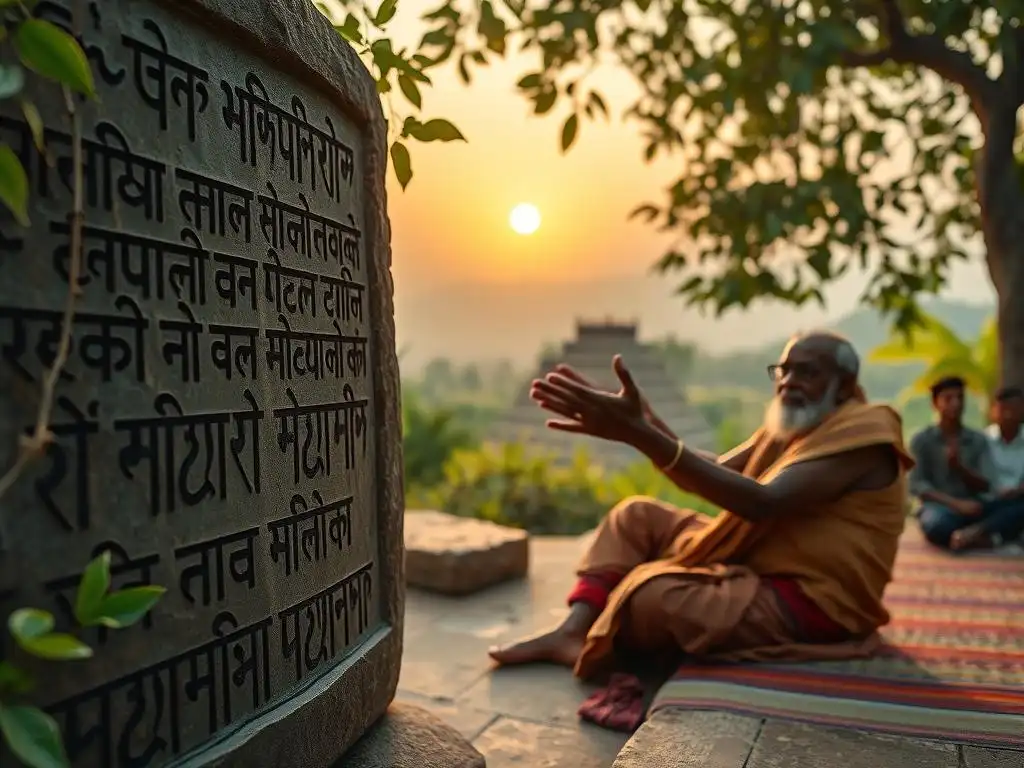
Welcome to Ancient India History, where we embark on a journey through time to uncover the rich tapestry of ancient Indian civilizations. In our featured article, “The Relationship Between Ancient Inscriptions and Oral Traditions,” we delve into the fascinating world of ancient Indian inscriptions and traditions—a topic that reveals the profound connections between written records and the oral narratives that have shaped India's cultural heritage.
Prepare to be captivated as we explore how these elements intertwine, leaving an indelible mark on history. Join us as we unlock the secrets of the past and invite you to discover the stories that still resonate today!

Introduction to Ancient Indian Inscriptions and Traditions
The relationship between ancient inscriptions and oral traditions is a pivotal aspect of understanding the rich tapestry of ancient Indian history. Inscriptions, meticulously etched into stone, metal, or clay, serve as tangible evidence of the cultural, religious, and political narratives of the time. Conversely, oral traditions, passed down generations through storytelling, embody the collective memory and values of communities. Together, these two forms of communication provide a comprehensive lens through which we can examine the intricate dynamics of ancient Indian civilizations, from the sophisticated urban planning of the Indus Valley to the philosophical advancements during the Gupta Empire.
Overview of Ancient Indian Civilizations
Ancient India is renowned for its diverse civilizations, each contributing uniquely to the subcontinent's cultural heritage. Key civilizations include:
- Indus Valley Civilization (c. 2500–1900 BCE): Known for advanced urban planning and trade.
- Vedic Period (c. 1500–500 BCE): Marked by the composition of the Vedas, the foundation of Hindu philosophy.
- Maurya Empire (c. 322–185 BCE): Famous for Ashoka's edicts promoting Buddhism and social welfare.
- Gupta Empire (c. 240–550 CE): A golden age of arts, science, and mathematics.
These civilizations utilized inscriptions to document their achievements, religious beliefs, and governance, while oral traditions preserved their myths, legends, and moral teachings.
The Significance of Inscriptions in Historical Context
Inscriptions play a crucial role in reconstructing the past, offering insights into political power, societal norms, and cultural practices. They serve multiple purposes, such as:
- Record Keeping: Inscriptions were used to document royal decrees, land grants, and treaties, ensuring a lasting record beyond the ephemeral nature of spoken word.
- Cultural Identity: Many inscriptions reflect the values and beliefs of the society, providing a sense of identity and continuity.
- Historical Narratives: They offer a counterpoint to oral histories, allowing historians to critically assess the reliability and biases of both sources.
The interplay between these forms of communication enriches our understanding of ancient Indian societies and their evolution over time.
Understanding Ancient Inscriptions
Definition and Examples of Ancient Indian Inscriptions
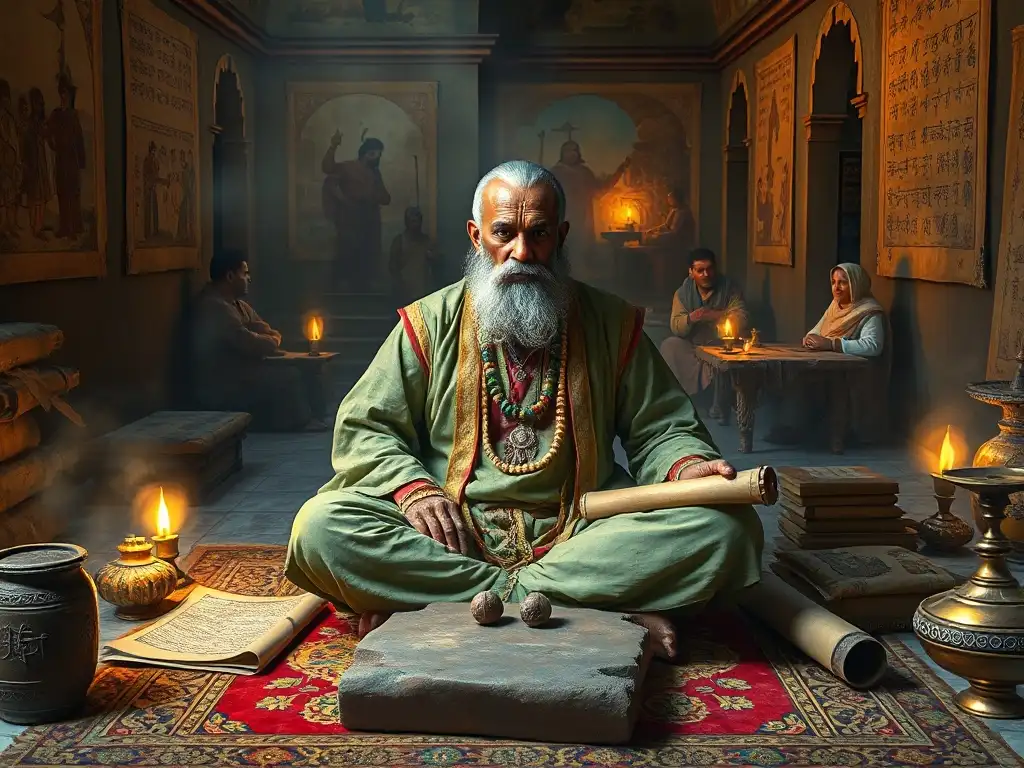
Ancient Indian inscriptions refer to texts carved or inscribed on durable materials, preserving language and thought for posterity. These inscriptions can be categorized into several types:
- Royal Inscriptions: Such as the Edicts of Ashoka, which convey messages of governance and philosophy.
- Religious Inscriptions: Found in temples or sacred sites, detailing rituals and deities.
- Funerary Inscriptions: Epitaphs that commemorate individuals and their contributions.
Examples include the Ashoka Pillars, which are not only artistic masterpieces but also profound statements of policy and ethics.
The Role of Inscriptions in Documenting History
Inscriptions serve as a primary source for historians studying ancient Indian history. They provide concrete evidence that helps to:
- Verify Events: Inscriptions can confirm or challenge the narratives found in oral traditions, leading to a more nuanced understanding of history.
- Track Changes: By analyzing the language and content of inscriptions over time, scholars can trace linguistic and cultural shifts within societies.
- Establish Timelines: Dating inscriptions can help establish chronological frameworks for historical events and periods.
Overall, the study of ancient Indian inscriptions and traditions reveals the depth and complexity of the civilizations that once thrived on the subcontinent, allowing us to appreciate their enduring legacy.
The Nature of Oral Traditions in Ancient India
Oral traditions in ancient India represent a vital aspect of cultural heritage, serving as the backbone for the transmission of history, folklore, and social norms. These traditions encompass a variety of forms, including storytelling, poetry, songs, and rituals, which were predominantly passed down through generations by word of mouth. Unlike written texts, oral traditions are dynamic, often evolving with each retelling, thus reflecting the changing social and cultural contexts of the communities that uphold them.
In ancient India, oral traditions were not merely a means of communication but were also integral to maintaining social cohesion and identity. They often involved collective participation, where communities would gather to share tales that reinforced shared values, moral lessons, and communal histories, thus strengthening bonds among members.
Definition and Characteristics of Oral Traditions
Oral traditions are defined as the cultural material and practices transmitted orally from one generation to another. They can include myths, legends, proverbs, and folklore, embodying the collective memory and identity of a community. Key characteristics of oral traditions include:
- Fluidity: Oral narratives can change over time, adapting to new contexts while retaining core themes.
- Community Involvement: These traditions often require participation from the community, fostering a sense of belonging and shared identity.
- Performance Aspect: Oral traditions are typically performed, engaging audiences emotionally and socially.
- Moral and Educational Values: Many oral traditions carry didactic messages, teaching lessons about ethics, morality, and cultural values.
These characteristics highlight the multifaceted role of oral traditions in ancient Indian society, serving not only as entertainment but also as crucial educational tools.
The Importance of Oral Traditions in Preserving Culture
Oral traditions play a significant role in preserving culture, particularly in societies where literacy rates were low or where written records were scarce. In ancient India, these traditions were essential for:
- Cultural Continuity: Oral traditions ensured the continuity of cultural practices, beliefs, and values across generations, acting as repositories of collective identity.
- Historical Record Keeping: They served as unwritten historical records, documenting significant events, genealogies, and societal changes, thereby complementing the more formal written inscriptions.
- Social Cohesion: Engaging in the sharing of oral narratives fostered social bonds and a sense of belonging, reinforcing community identity.
- Adaptability: Oral traditions could adapt to reflect contemporary issues, thus remaining relevant and accessible to the community over time.
In this way, oral traditions are indispensable to understanding the complexities of ancient Indian culture and its evolution throughout history.
Interconnections Between Ancient Inscriptions and Oral Traditions
The relationship between ancient inscriptions and oral traditions is intricate and multifaceted. Inscriptions, often engraved on stone or metal, serve as tangible records of societal norms, religious beliefs, and historical milestones. Conversely, oral traditions provide depth and context to these inscriptions, enriching the understanding of the cultural landscape they represent.
How Inscriptions Complement Oral Traditions
Inscriptions and oral traditions complement each other in several key ways:
- Validation of Narratives: Inscriptions can provide historical validation for the events and figures celebrated in oral narratives, thus enhancing their credibility.
- Cultural Context: Oral traditions often explain the significance of specific inscriptions, offering insights into the social and cultural milieu of the time.
- Preservation of Knowledge: While inscriptions serve as permanent records, oral traditions allow for the ongoing engagement with that knowledge, making it accessible to new generations.
Therefore, the interplay between these two forms of communication enriches the understanding of ancient Indian history, allowing for a more nuanced appreciation of its complexities.
Case Studies: Specific Inscriptions Reflecting Oral Narratives
Several notable inscriptions in ancient India provide insights into the narratives preserved through oral traditions:
- The Edicts of Ashoka: These inscriptions, found throughout the Indian subcontinent, reflect the moral and ethical teachings that were likely reinforced through oral traditions. The emphasis on Dharma in these edicts parallels moral tales shared in local communities.
- The Inscriptions of the Gupta Period: These inscriptions often celebrate the achievements of rulers and deities, encapsulating stories that were recited in temples and gatherings. They illustrate how oral traditions served to enhance the prestige of kings through legendary tales of valor and divinity.
- The Naneghat Inscriptions: These inscriptions include references to local gods and mythical narratives that were likely preserved and transmitted orally among the people, highlighting the interdependence of written and spoken forms of cultural expression.
By examining these inscriptions alongside the oral traditions, we can appreciate how they collectively contribute to a richer understanding of ancient Indian history and culture.
The Impact of Ancient Inscriptions on Oral Traditions
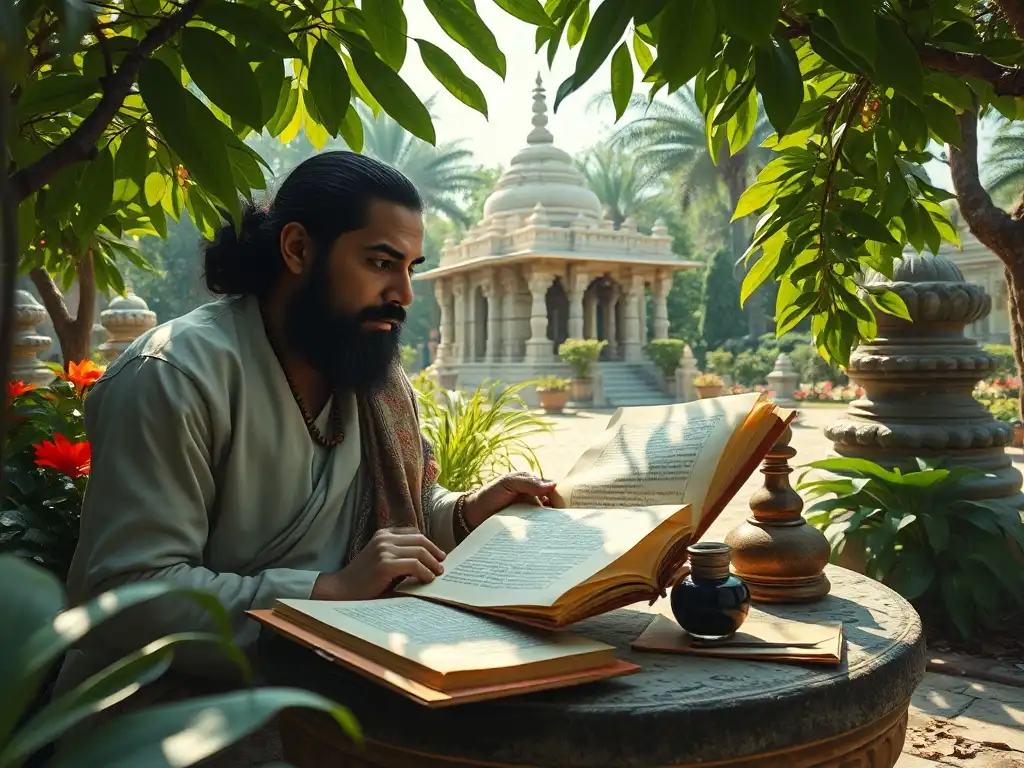
Ancient inscriptions have played a pivotal role in shaping and influencing oral traditions across civilizations, particularly in ancient India. These inscriptions, often engraved on stone, metal, or other durable materials, served not only as records of historical events but also as a means of communicating cultural values, religious beliefs, and social norms. They provided a tangible link to the past, allowing oral traditions to gain structure and context. The relationship between these two forms of knowledge transmission is complex and mutually enriching, as they both contributed to the preservation and evolution of cultural heritage.
Influence of Written Records on Oral Storytelling
The advent of written records significantly transformed oral storytelling practices. In ancient Indian societies, oral traditions were the primary means of passing down knowledge, history, and culture. However, once inscriptions began to emerge, they started to influence the content and delivery of oral narratives. For example, oral storytellers began to incorporate elements from inscriptions into their tales, enhancing the authenticity and credibility of their narratives.
Inscriptions often contained mythological references, genealogies, and significant historical events that storytellers could draw upon. As a result, oral traditions became richer, more detailed, and interwoven with the factual accounts provided by inscriptions. This interplay not only preserved the stories but also allowed them to adapt over time, reflecting contemporary values while remaining rooted in ancient texts.
Changes in Oral Traditions Due to Inscriptions
The presence of inscriptions led to notable changes in oral traditions. For instance, certain stories that were once fluid and subject to variations became more standardized as they were aligned with the information found in written records. This standardization helped in ensuring the transmission of accurate historical narratives, but it also reduced the flexibility that characterized oral storytelling.
Moreover, the emergence of inscriptions contributed to the rise of a literate class that valued written knowledge over oral transmission. This shift often led to a decline in the prominence of certain oral traditions, particularly those that were not documented. In some cases, this created a dichotomy between the literate elite, who had access to written texts, and the illiterate masses, who relied on oral traditions. Consequently, some oral practices were relegated to the background or lost altogether, while others evolved to coexist alongside the written word.
Challenges in Studying Ancient Inscriptions and Oral Traditions
The study of ancient inscriptions and oral traditions presents several challenges for historians and researchers. Understanding the intricacies of both forms of knowledge transmission requires a careful and nuanced approach, as they often reflect different aspects of the same historical reality.
Limitations of Inscriptions in Historical Interpretation
While ancient inscriptions are invaluable for historical interpretation, they come with inherent limitations. Inscriptions can be selective in the information they provide, often focusing on the perspective of those in power or specific events of significant importance. This bias can lead to an incomplete understanding of the broader social and cultural context of the time.
Additionally, the language and script used in inscriptions can present challenges for modern scholars. Variations in dialects, script styles, and the potential for damage or erosion over time can hinder accurate reading and interpretation. As a result, historians must approach inscriptions with caution, often supplementing them with oral traditions and archaeological evidence to construct a more comprehensive picture of ancient societies.
The Fragility of Oral Traditions in Historical Documentation
Oral traditions, while rich and dynamic, are inherently fragile when it comes to historical documentation. They rely on memory and performance, making them susceptible to change over time. As stories are passed down through generations, they can be altered, embellished, or even forgotten. This variability poses a challenge for historians seeking to capture the authentic essence of ancient narratives.
Moreover, the decline of oral traditions often correlates with the rise of written documentation. As societies modernize and literacy rates increase, oral traditions may diminish or become marginalized. This transition can result in the loss of unique cultural expressions and historical knowledge that cannot be retrieved from written records alone. Consequently, the preservation of oral traditions is crucial for maintaining the richness of cultural heritage and understanding the full scope of ancient Indian inscriptions and traditions.
Conclusion: The Symbiotic Relationship of Inscriptions and Oral Traditions
The relationship between ancient Indian inscriptions and oral traditions is fundamentally symbiotic, with each form of communication complementing and enriching the other. Inscriptions serve as concrete, permanent records that provide details about historical events, cultural practices, and societal norms, while oral traditions offer a dynamic, living narrative that evolves over generations. Together, they create a more comprehensive understanding of ancient Indian civilizations, enabling scholars to piece together the complexities of social structures, religious beliefs, and daily life.
Inscriptions often capture specific moments in time, detailing political agendas, religious dedications, or economic transactions. These records are invaluable for historians seeking to construct an accurate timeline of events. Conversely, oral traditions can provide context, emotional resonance, and the nuances of lived experience that inscriptions might overlook. This interplay ensures that the broader narrative of ancient India remains vibrant and relatable, allowing future generations to connect with their heritage.
Summary of Key Points about Ancient Indian Inscriptions and Traditions
- Preservation of History: Inscriptions serve as permanent records, documenting significant events and societal norms in ancient India, while oral traditions preserve cultural narratives and values through storytelling.
- Cultural Context: Oral traditions often provide the background and interpretation of inscriptions, helping to contextualize the written records within the broader spectrum of cultural practices and beliefs.
- Evolving Narratives: Oral traditions are adaptable and can change over time, reflecting the evolving identity of a community, whereas inscriptions provide a static point of reference that can be analyzed historically.
- Complementary Sources: Together, these forms of communication offer a fuller picture of ancient civilizations, enhancing our understanding of their complexities, including social structures, religious practices, and artistic expressions.
- Interdisciplinary Approach: The study of ancient Indian inscriptions and oral traditions encourages collaboration among historians, linguists, and anthropologists, fostering a multidisciplinary understanding of the past.
The Importance of This Relationship in Understanding Ancient Indian History
Understanding the relationship between ancient Indian inscriptions and oral traditions is crucial for several reasons. Firstly, it allows historians to reconstruct a more nuanced view of the past, as inscriptions often lack the emotional and cultural depth that oral narratives provide. By examining both sources, scholars can gain insights into the values, beliefs, and social dynamics of ancient Indian societies.
Moreover, this relationship highlights the diversity of communication methods used by ancient civilizations. Inscriptions were typically associated with literate elites, while oral traditions were accessible to the broader population, indicating a dual system of knowledge transmission. This duality reflects the complexity of ancient Indian society and its approach to preserving and sharing cultural heritage.
Additionally, the interplay between these forms of communication helps to identify gaps in the historical record. When inscriptions are scarce, oral traditions can fill in the blanks, providing critical information about marginalized groups or lesser-known events. This holistic approach ultimately enriches our comprehension of ancient Indian history, ensuring that all voices and narratives are considered in the pursuit of historical accuracy.
- Introduction to Ancient Indian Inscriptions and Traditions
- Overview of Ancient Indian Civilizations
- The Significance of Inscriptions in Historical Context
- Understanding Ancient Inscriptions
- The Nature of Oral Traditions in Ancient India
- Interconnections Between Ancient Inscriptions and Oral Traditions
- The Impact of Ancient Inscriptions on Oral Traditions
- Challenges in Studying Ancient Inscriptions and Oral Traditions
- Conclusion: The Symbiotic Relationship of Inscriptions and Oral Traditions
Frequently Asked Questions
What are ancient Indian inscriptions?
Ancient Indian inscriptions refer to the written records found on various materials, such as stone, metal, and pottery, which provide insights into the historical events, cultural practices, and administrative systems of ancient civilizations.
How do inscriptions relate to oral traditions?
Inscriptions often complement oral traditions by serving as tangible evidence of stories, beliefs, and events that have been passed down through generations, thus helping to preserve and validate cultural narratives.
What role did inscriptions play in ancient Indian society?
Inscriptions were crucial for record-keeping, including legal documents, royal decrees, and religious texts, which helped maintain social order and communicated important information across vast regions.
Are there notable examples of ancient Indian inscriptions?
Yes, significant examples include the Ashoka Edicts, which convey moral teachings and administrative policies of Emperor Ashoka, and the inscriptions from the Gupta period, highlighting advancements in science and art.
How do scholars study ancient inscriptions and traditions?
Scholars utilize epigraphy, the study of inscriptions, alongside anthropological and historical analysis of oral traditions to gain a comprehensive understanding of ancient Indian civilizations and their cultural heritage.
Final Reflection: Bridging the Past with Present Wisdom
The relationship between ancient inscriptions and oral traditions remains profoundly relevant today, as it reveals how cultures preserve their identity and history. In a world increasingly dominated by digital communication, the enduring significance of these ancient practices reminds us of the power of storytelling and the written word. The intricate dance between inscriptions and oral narratives not only enriches our understanding of ancient Indian civilizations but also highlights the timeless human desire to connect, remember, and share experiences.
The influence of ancient Indian inscriptions and traditions continues to resonate in our cultural landscape, shaping our values and beliefs. These inscriptions serve as a testament to the wisdom of our ancestors, while oral traditions breathe life into their stories, ensuring their relevance across generations. As noted by historian Romila Thapar, History is not just about the past; it is a living dialogue between the past and the present.
This dialogue invites us to reflect on how these ancient forms of communication have laid the groundwork for contemporary cultural practices, fostering a sense of belonging and continuity.
As we move forward, I encourage you to embrace the lessons embedded in these ancient traditions. Take a moment to reflect on your own stories and the ways you preserve them—whether through writing, storytelling, or shared experiences. Let us honor the legacy of our ancestors by actively engaging with our history, ensuring that the wisdom of the past informs our present and shapes our future. Together, we can weave a rich tapestry of narratives that not only celebrate our heritage but also inspire generations to come.
Unveil the Secrets of Ancient Voices!
Thank you for exploring the fascinating relationship between ancient inscriptions and oral traditions with us! We hope you've gained a deeper appreciation for how these two forms of communication intertwine to shape our understanding of history. Now, it’s time to take action and continue your journey into this captivating topic.
Here are some exciting steps you can take:
- Dive deeper: Research local museums or online archives that feature artifacts or inscriptions from ancient cultures. Discover their historical context and significance!
- Join the conversation: Share your thoughts on how oral traditions have influenced modern storytelling in your community. Engage your friends and family in discussions about the stories that shaped their backgrounds.
- Contribute to the narrative: Consider writing your own reflections or even a short essay about the impact of oral traditions in your life. Highlight local tales or family stories that connect with the themes explored in this article.
As you embark on this exploration, we’d love to hear from you: What ancient story or inscription resonates with you the most, and how does it relate to your own heritage?