
The Role of Inscriptions in Understanding Ancient Indian Society

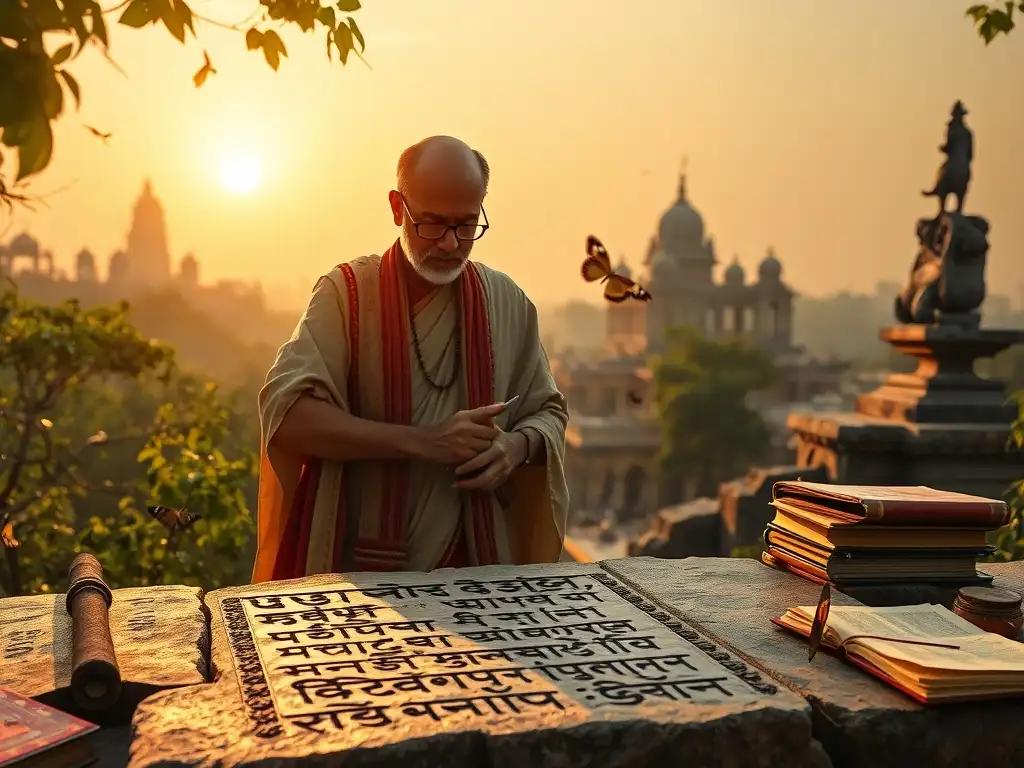
Welcome to Ancient India History, where we embark on a fascinating journey through the rich tapestry of ancient Indian civilizations. Have you ever wondered about the hidden stories etched in stone, waiting to be uncovered? In our latest article, we delve into the significance of ancient Indian inscriptions, revealing how these remarkable artifacts serve as vital keys to understanding the intricate social fabric of the past.
Join us as we explore the profound impact of inscriptions on our comprehension of history, culture, and identity, and discover why they are a treasure trove for historians and enthusiasts alike. Your adventure into the depths of ancient Indian society starts here!
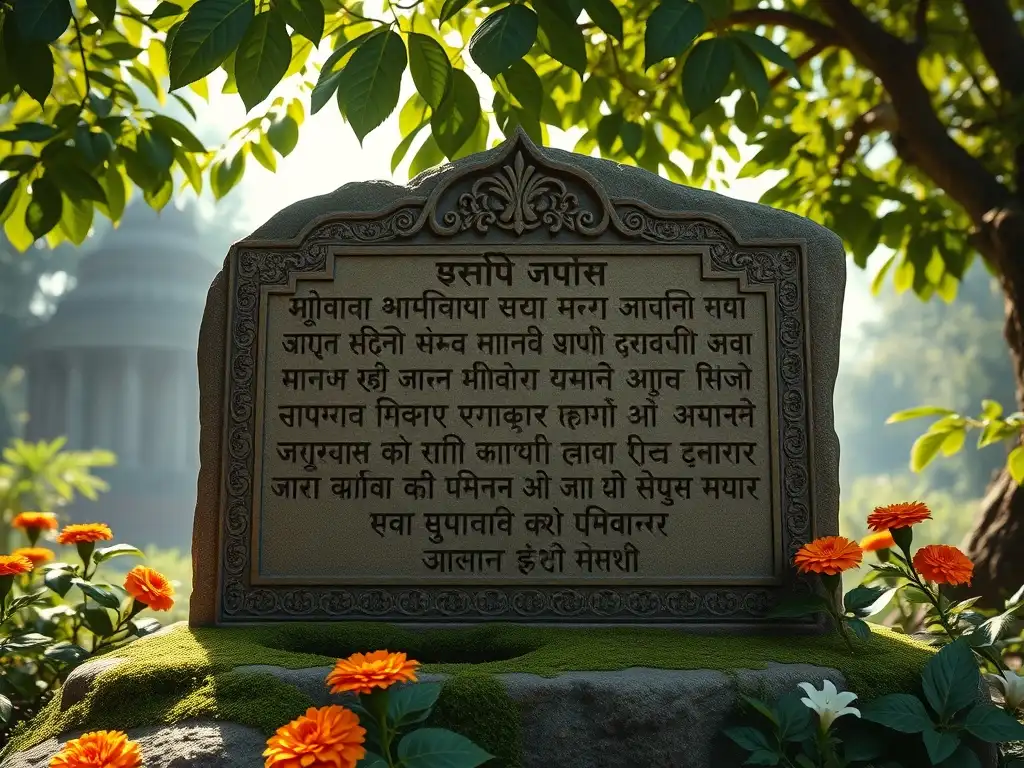
Inscriptions serve as a vital key to unlocking the rich tapestry of ancient Indian civilization. By examining these engravings, scholars and enthusiasts alike can gain profound insights into the social, political, and cultural dynamics of the time. From the early symbols of the Indus Valley Civilization to the elaborate edicts of the Mauryan Empire, these inscriptions not only chronicle historical events but also reflect the values, beliefs, and practices of ancient societies. This article delves into the significance of ancient Indian inscriptions, exploring their role in understanding the complexities of ancient Indian society and culture.
Introduction to Ancient Indian Inscriptions
Definition and Importance of Inscriptions in Ancient India
Inscriptions can be defined as texts engraved on hard surfaces such as stone, metal, or clay. In ancient India, they were used for various purposes, including royal proclamations, religious dedications, and commemorative records. Their importance lies in their ability to provide direct evidence of historical events, social structures, and cultural practices.
- Primary Sources of Information: Inscriptions serve as primary historical sources, offering insights that are often absent from literature or oral traditions.
- Cultural Reflection: They reflect the artistic and linguistic diversity of the time, showcasing the evolution of scripts and languages.
Overview of Ancient Indian Inscriptions Significance
The significance of ancient Indian inscriptions extends beyond mere documentation; they are instrumental in piecing together the societal framework of ancient India.
- Political Insights: Inscriptions frequently reveal the extent of empires, the nature of governance, and the relationships between rulers and their subjects.
- Social Structures: By analyzing the content of various inscriptions, researchers can infer information about social hierarchies, economic conditions, and daily life.
- Religious Context: Many inscriptions contain religious texts, offering a glimpse into the spiritual beliefs and practices that shaped ancient Indian society.
Historical Context of Inscriptions in Ancient Indian Civilizations
Inscriptions in the Indus Valley Civilization
The Indus Valley Civilization (c. 3300–1300 BCE) boasts some of the earliest known inscriptions, primarily in the form of seals. These seals often feature intricate designs and symbols, though their exact meanings remain a subject of debate among scholars.
- Symbolic Nature: The Indus script is still undeciphered, yet it reflects an advanced civilization that valued trade and communication.
- Archaeological Insights: Excavations have revealed that these inscriptions were likely used for administrative purposes and trade transactions.
Inscriptions during the Vedic Period
The Vedic Period (c. 1500–500 BCE) marks a significant transition in the use of inscriptions, where the oral tradition began to intertwine with written records.
- Sanskrit Language: The emergence of Sanskrit inscriptions highlights the evolution of language and literature during this era.
- Religious Texts: Many inscriptions from this period include references to Vedic rituals, emphasizing the importance of religion in societal structure.
The Mauryan Empire and Its Epigraphic Legacy
The Mauryan Empire (c. 322–185 BCE) is renowned for its extensive use of inscriptions, particularly those attributed to Emperor Ashoka.
- Edicts of Ashoka: These inscriptions, carved on rocks and pillars, communicate moral and ethical guidelines, showcasing a shift towards governance based on Dharma.
- Cultural Integration: The Mauryan inscriptions reflect the integration of diverse cultures and languages, emphasizing the empire's vast reach.
Gupta Empire Inscriptions: Cultural and Political Insights
The Gupta Empire (c. 240–550 CE) is often regarded as a golden age in Indian history, and its inscriptions provide valuable insights into this flourishing period.
- Literary Contributions: Gupta inscriptions often commemorate literary achievements and patronage of the arts, highlighting the era's cultural advancements.
- Political Narratives: They also document the political landscape, including territorial conquests and alliances.
Through the lens of inscriptions, we can gain a deeper understanding of how ancient Indian societies functioned, their cultural norms, and their contributions to the broader tapestry of human history.
Types of Ancient Indian Inscriptions
Ancient Indian inscriptions are invaluable artifacts that provide insights into the socio-cultural, political, and religious life of the time. They can be categorized into several types based on their content and purpose. Understanding these different types helps scholars piece together the intricate tapestry of ancient Indian society. The major categories include religious, administrative, and personal inscriptions, each serving distinct functions within the civilization.
Religious Inscriptions: Temples and Pilgrimages
Religious inscriptions are predominantly found in temples, caves, and pilgrimage sites, often engraved on stone tablets or walls. These inscriptions usually commemorate deities, describe religious rituals, or document donations made by devotees.
- Temple Inscriptions: Many temples in ancient India, such as those in Khajuraho and Hampi, bear inscriptions that detail the architectural contributions of patrons and the religious significance of the structure. These inscriptions often provide information about the deities worshiped, the festivals celebrated, and the rituals performed, reflecting the region's spiritual life.
- Pilgrimage Inscriptions: Pilgrimage sites like Bodh Gaya and Varanasi contain inscriptions that highlight the journey of pilgrims and their offerings. These inscriptions serve as testimonials to the importance of these sites in the religious landscape of ancient India. They often include names of notable pilgrims and the benefits they sought, offering insights into the spiritual motivations of individuals during that era.
Administrative Inscriptions: Royal Edicts and Governance
Administrative inscriptions are critical for understanding the governance, laws, and administrative practices of ancient Indian kingdoms. These inscriptions include edicts, proclamations, and records that were often issued by kings and emperors.
- Royal Edicts: The Ashoka Edicts, for example, are a set of inscriptions created during the reign of Emperor Ashoka (268-232 BCE) that outline his philosophies on governance, moral conduct, and welfare. These inscriptions were inscribed on pillars and rocks across the Indian subcontinent, promoting principles such as non-violence and tolerance.
- Land Grants and Tax Records: Other administrative inscriptions provide information on land grants made to temples or individuals and details about taxation systems. These inscriptions reveal the socio-economic structure and the relationship between the state and its subjects, highlighting how land ownership and taxation were recorded and regulated.
Personal Inscriptions: Funerary and Commemorative Texts
Personal inscriptions typically reflect individual lives, commemorating achievements or significant events. They are often found on funerary urns, tombs, and memorial stones.
- Funerary Inscriptions: These inscriptions serve to honor the deceased and often contain details about the individual's life, achievements, and their family lineage. For instance, inscriptions in the ancient city of Varanasi include epitaphs that provide insight into the beliefs about life after death and the customs surrounding funerals.
- Commemorative Texts: Inscriptions that commemorate significant events or achievements of individuals can be found in various locations, from temples to public spaces. These texts often highlight military victories, construction projects, or contributions to society, reflecting the values and priorities of the time.
Deciphering Ancient Indian Inscriptions
Deciphering ancient Indian inscriptions is a complex task that combines linguistic, archaeological, and epigraphic analysis to unlock the historical narratives embedded within these texts. This process is crucial for reconstructing the past and understanding the intricacies of ancient Indian society.
The Process of Decipherment: Techniques and Challenges
The decipherment of ancient inscriptions involves several techniques and methodologies, each with its own set of challenges.
- Linguistic Analysis: Scholars employ knowledge of ancient languages, such as Sanskrit, Prakrit, and Tamil, to translate inscriptions. Variations in script and language can complicate this process, as many inscriptions use regional dialects or script styles that evolved over time.
- Contextual Study: Understanding the historical and cultural context is essential. Inscriptions often reference contemporary events, rulers, or societal norms, which require extensive background knowledge.
- Challenges: One of the main challenges is the preservation state of the inscriptions. Weathering, erosion, and vandalism can obscure the text, making it difficult to read. Additionally, some inscriptions are fragmentary or damaged, necessitating conjecture and careful reconstruction.
Major Inscriptions and Their Decipherments
Several major inscriptions have been successfully deciphered, providing invaluable insight into ancient Indian history.
- The Ashoka Edicts: Discovered across the Indian subcontinent, these edicts represent one of the earliest examples of written law and governance. Scholars have extensively studied them, revealing Emperor Ashoka's commitment to non-violence and moral governance.
- The Hathigumpha Inscription: Found in a cave in Odisha, this inscription is attributed to King Kharavela of the Kalinga dynasty. It chronicles his achievements and the cultural advancements of his reign, illustrating the significance of regional powers in ancient India.
- The Masulipatnam Inscriptions: These inscriptions, dating back to the 1st century CE, provide insights into trade and commerce during the Satavahana period, highlighting the economic dynamics of the time.
Through ongoing research and advancements in epigraphic methods, our understanding of ancient Indian inscriptions continues to evolve, shedding light on the rich tapestry of India's past.
The Significance of Inscriptions in Understanding Society
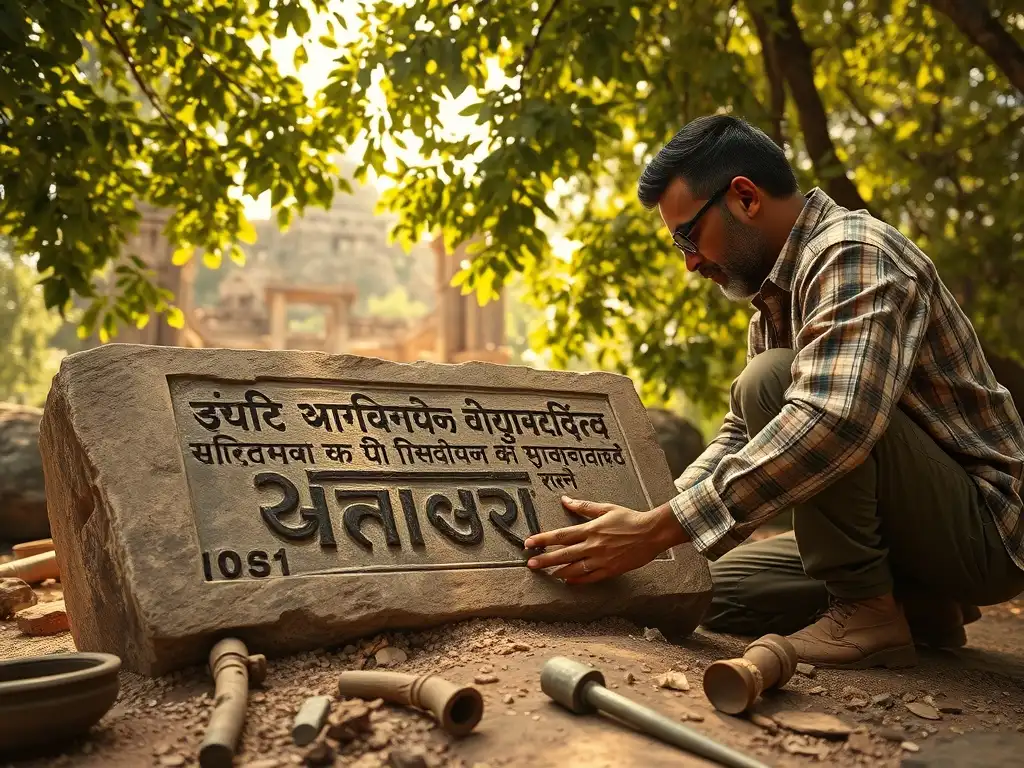
Inscriptions play a crucial role in deciphering the complexities of ancient Indian society. These engraved texts, found on stone, metal, and other materials, provide invaluable insights into the social, economic, and cultural dimensions of life in ancient India.
By studying these inscriptions, historians and archaeologists can piece together the tapestry of societal norms, governance, trade practices, and religious beliefs that characterized various Indian civilizations from the Indus Valley to the Gupta Empire. The significance of ancient Indian inscriptions lies not only in their content but also in their ability to connect the past with the present, forming a dialogue between historical narratives and modern understanding.
Social Structure and Hierarchy Reflected in Inscriptions
Ancient Indian inscriptions frequently reflect the intricate social structures and hierarchies that governed society. Through the examination of titles, roles, and affiliations mentioned in these texts, researchers can discern the stratification of society into various classes, such as the ruling elite, priests, merchants, and artisans. For instance, inscriptions from the Mauryan period often mention the roles of kings, ministers, and local governors, showcasing a well-defined political hierarchy.
Moreover, the use of language and terminology in these inscriptions can indicate the social status of individuals. Titles such as "Rajputra" (son of a king) or "Mahashakti" (great power) denote a connection to nobility, while terms used for commoners or laborers hint at their place within the societal framework. This stratification is further illuminated by the patronage mentioned in inscriptions, revealing how certain groups were favored over others, thus providing a lens into the dynamics of power and privilege in ancient India.
Economic Insights from Ancient Inscriptions
Inscriptions serve as vital records of economic activities and practices in ancient India. Through the analysis of trade-related inscriptions, historians can infer the nature of commerce, trade routes, and economic exchanges that were prevalent during various periods. For example, inscriptions from the Gupta Empire often reference guilds and trade associations, highlighting the organization of merchants and their economic roles in society.
Additionally, the mention of weights and measures in inscriptions provides insights into the economic standards of the time. Some inscriptions detail taxation, land grants, and agricultural practices, revealing the agrarian economy's reliance on agriculture and how land ownership was structured. This economic perspective is crucial for understanding the interdependence of various social classes and the flow of resources within ancient Indian society.
Cultural Practices and Beliefs Revealed through Epigraphy
The study of inscriptions also unveils the rich cultural tapestry of ancient Indian civilizations, illustrating their beliefs, values, and practices. Many inscriptions contain references to religious rituals, festivals, and deities, which are essential for understanding the spiritual landscape of the time. For instance, inscriptions dedicated to Hindu gods or Buddhist teachings highlight the religious pluralism that existed in ancient India.
Furthermore, inscriptions often reflect artistic and architectural styles, as many were inscribed on temples and monuments. This relationship between epigraphy and architecture not only showcases the aesthetic values of the time but also serves as a testament to the cultural priorities of ancient societies. By analyzing the language, iconography, and themes present in these inscriptions, scholars can gain a deeper appreciation for the philosophical and cultural underpinnings that shaped ancient Indian life.
The Role of Inscriptions in Historical Research
Inscriptions are indispensable tools in the field of historical research, offering concrete evidence that helps reconstruct the past. They provide a direct link to historical events, figures, and societal changes, allowing researchers to establish timelines and correlations within ancient Indian history. The meticulous study of inscriptions enables historians to cross-reference findings with other archaeological and literary sources, thereby enriching our understanding of ancient Indian civilization.
Contributions of Inscriptions to Ancient Indian History
Inscriptions contribute significantly to the reconstruction of ancient Indian history by documenting key events, such as royal edicts, treaties, and commemorations. For instance, the famous Edicts of Ashoka, inscribed by the Mauryan emperor, not only outline his policies but also illustrate the spread of Buddhism and the moral principles he espoused. Such texts are vital for understanding political shifts, cultural exchanges, and the evolution of governance in ancient India.
Additionally, inscriptions can provide insights into lesser-known historical figures and regional histories that may not be covered extensively in traditional historical texts. By examining local inscriptions, researchers can uncover narratives of local rulers, communities, and their interactions with larger empires, thus broadening the scope of ancient Indian history.
Inscriptions as Primary Sources for Historians
As primary sources, inscriptions hold a unique position in historical research. Unlike secondary sources, which interpret or analyze past events, inscriptions offer firsthand accounts that can be dated and contextualized. This authenticity allows historians to construct narratives based on direct evidence, making inscriptions invaluable for validating historical claims.
Moreover, the study of inscriptions often requires interdisciplinary approaches, incorporating linguistics, archaeology, and anthropology, which enriches the analytical frameworks used by historians. As scholars continue to decipher and interpret these ancient texts, inscriptions will remain a cornerstone of understanding ancient Indian society, revealing the complexities and nuances that characterize its rich history.
Modern Perspectives on Ancient Indian Inscriptions
Modern scholarship has reshaped our understanding of ancient Indian inscriptions, revealing their multifaceted roles in society. These inscriptions are not merely historical artifacts; they serve as vital links to the socio-political, economic, and cultural fabric of ancient India. Researchers today approach these inscriptions with an interdisciplinary lens, drawing from history, archaeology, linguistics, and anthropology to decode their meanings and implications. By analyzing the context in which these inscriptions were created, scholars can glean insights into the ideologies and values of ancient civilizations, as well as their interactions with neighboring cultures.
Additionally, contemporary perspectives emphasize the importance of local narratives and oral histories that accompany these inscriptions. Recognizing that inscriptions were often embedded within specific communities, there is a growing interest in understanding how these texts resonate with modern cultural identities. This intersection of past and present enriches our comprehension of ancient Indian society and the enduring legacy of its inscriptions.
Current Research Trends in Epigraphy
Current research trends in epigraphy focus on several key areas, highlighting the importance of ancient Indian inscriptions in understanding societal dynamics. Some notable trends include:
- Interdisciplinary Approaches: Scholars are increasingly collaborating across disciplines to enrich the interpretation of inscriptions. This includes the integration of archaeological evidence, linguistic analysis, and historical context to provide a comprehensive understanding.
- Digital Epigraphy: The advent of technology has revolutionized epigraphy. Digital tools allow for the preservation, analysis, and dissemination of inscriptions, making them accessible to a wider audience. Researchers use imaging techniques like 3D scanning and photogrammetry to capture detailed information that was previously difficult to discern.
- Cultural Contextualization: There is a growing emphasis on situating inscriptions within their cultural and historical contexts. This approach helps scholars to understand the motivations behind the inscriptions and how they reflect the values and beliefs of the societies that produced them.
These trends not only advance our understanding of ancient texts but also foster greater public engagement with history, as more people can access and appreciate the significance of these artifacts.
The Role of Technology in Deciphering Inscriptions
Technology plays a pivotal role in the study of ancient Indian inscriptions, unlocking new possibilities for research and analysis. Some key technological advancements include:
- Laser Scanning and Photogrammetry: These technologies are employed to create high-resolution 3D models of inscriptions, allowing researchers to analyze details that are not visible to the naked eye. This also aids in the preservation of fragile artifacts.
- Machine Learning and AI: The application of artificial intelligence in deciphering ancient scripts is a burgeoning field. Machine learning algorithms can analyze patterns in inscriptions, assisting researchers in identifying scripts and even predicting their meanings.
- Online Databases: The establishment of digital repositories for ancient inscriptions facilitates global access to data. Scholars and enthusiasts can share findings, collaborate on research, and contribute to a growing body of knowledge.
Through these technological innovations, researchers can not only decode existing inscriptions more effectively but also discover new insights into the societies that produced them.
Conclusion
Summary of the Significance of Ancient Indian Inscriptions
Ancient Indian inscriptions are invaluable resources that provide critical insights into the history, culture, and societal structures of their time. They serve as primary sources that reflect the political power, religious beliefs, economic practices, and social hierarchies of ancient civilizations. By studying these inscriptions, historians can reconstruct narratives of the past, giving voice to communities that may otherwise be forgotten. The significance of these texts extends beyond their historical context, as they continue to inform modern discussions about identity, heritage, and cultural continuity.
The Future of Research in Ancient Indian Epigraphy and Its Importance
The future of research in ancient Indian epigraphy holds great promise, fueled by ongoing technological advancements and interdisciplinary collaborations. As scholars continue to explore the depths of ancient inscriptions, they are likely to uncover new dimensions of historical significance. The integration of technology into epigraphy will not only enhance the accuracy of deciphering but also broaden the scope of research to include underrepresented voices from ancient societies.
Moreover, as the global interest in ancient cultures grows, the importance of these inscriptions will only increase. They will continue to serve as crucial links between the past and present, shaping our understanding of human history and cultural evolution. Continued research in this field is essential for preserving our collective heritage and ensuring that the stories of ancient Indian civilizations remain vibrant and relevant in contemporary discourse.
- Introduction to Ancient Indian Inscriptions
- Historical Context of Inscriptions in Ancient Indian Civilizations
- Types of Ancient Indian Inscriptions
- Deciphering Ancient Indian Inscriptions
- The Significance of Inscriptions in Understanding Society
- The Role of Inscriptions in Historical Research
- Modern Perspectives on Ancient Indian Inscriptions
- Conclusion
Frequently Asked Questions
What are ancient Indian inscriptions?
Ancient Indian inscriptions are writings found on stone, metal, and other materials that provide insights into the culture, administration, and religion of ancient Indian civilizations.
Why are ancient Indian inscriptions significant?
These inscriptions are significant because they serve as crucial primary sources for historians, revealing information about social structures, political events, and cultural practices of the time.
How do inscriptions help in understanding ancient Indian society?
Inscriptions help in understanding ancient Indian society by documenting laws, royal decrees, and religious beliefs, thus offering a glimpse into the values and norms of the civilization.
What is the role of language in ancient Indian inscriptions?
The language used in ancient Indian inscriptions, such as Sanskrit and Prakrit, reflects the linguistic diversity of the region and helps scholars identify regional variations in culture and governance.
Can inscriptions provide information about trade in ancient India?
Yes, inscriptions can provide valuable information about trade routes, commercial activities, and the economic conditions of ancient India, illustrating the connections between different regions and cultures.
Final Reflection: The Enduring Significance of Ancient Indian Inscriptions
The exploration of ancient Indian inscriptions reveals their profound significance in understanding the complexities of society, culture, and governance during that era. Today, as we navigate a world increasingly defined by rapid change and digital communication, the insights gleaned from these inscriptions remind us of the importance of historical context in shaping our identity and values. The stories etched in stone serve as a testament to the resilience and ingenuity of our ancestors, urging us to appreciate our heritage and its impact on contemporary society.
The influence of ancient Indian inscriptions extends beyond mere historical documentation; they are a bridge connecting us to our past and informing our present cultural landscape. These inscriptions not only provide a glimpse into the socio-political dynamics of ancient India but also reflect the philosophical and spiritual beliefs that continue to resonate today. As we engage with these texts, we are reminded of the words of the renowned historian Romila Thapar: History is not just about the past; it is about understanding the present and shaping the future.
This perspective emphasizes the ongoing relevance of our historical narratives in informing our collective consciousness.
As we conclude this exploration of ancient Indian inscriptions, I invite you to reflect on the lessons they impart and consider how they can inspire your own journey. Take a moment to think about the stories that shape your identity and the values you carry forward.
By embracing the significance of our history, we can cultivate a deeper understanding of ourselves and our place in the world, fostering a future that honors the wisdom of the past while striving for progress. Let the inscriptions of ancient India be a guiding light as we navigate the complexities of modern life, reminding us that our roots are as vital as our aspirations.
Unveil the Secrets of Ancient Indian Inscriptions!
Thank you for diving into this exploration of inscriptions and their profound impact on understanding ancient Indian society. Your curiosity has opened the door to a wealth of knowledge that shapes how we perceive our history. Now, let’s take the next step together!
Here’s how you can deepen your connection to this fascinating topic:
- Explore local museums or historical sites that feature inscriptions. Discover their stories and contribute to preserving our rich heritage!
- Start a discussion with friends or online communities about intriguing inscriptions you’ve come across. Sharing insights can reveal new perspectives!
- Visit a library or read books focused on ancient Indian inscriptions to enhance your understanding. Ignite your passion for history beyond the screen!
What inscription or ancient artifact fascinates you the most, and how do you believe it has influenced our understanding of society? Let's get the conversation started!