
The Art of Epigraphy: How Inscriptions Reveal Cultural Insights

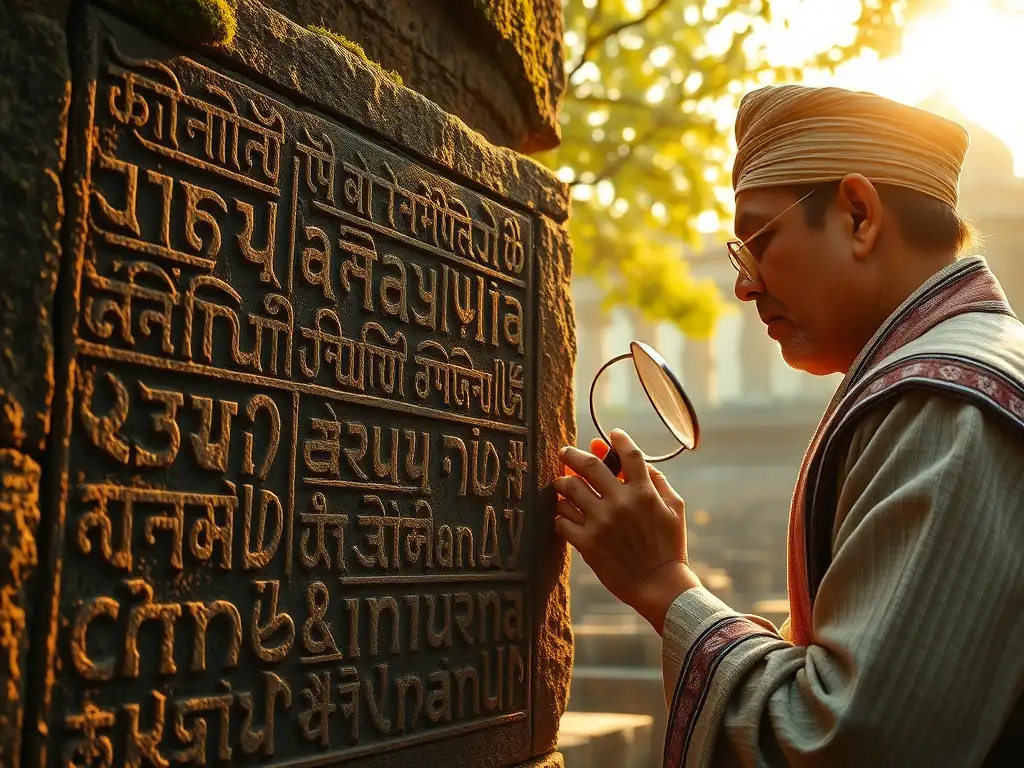
Welcome to Ancient India History, where we invite you to embark on a fascinating journey through time, exploring the rich tapestry of ancient Indian civilizations. Our latest article, "The Art of Epigraphy: How Inscriptions Reveal Cultural Insights," delves into the captivating world of ancient Indian epigraphy insights. Discover how these intricate inscriptions not only serve as historical records but also unveil the profound cultural narratives that shaped societies from the Indus Valley to the Gupta Empire. Get ready to unlock the secrets of the past—your adventure into the depths of history begins here!
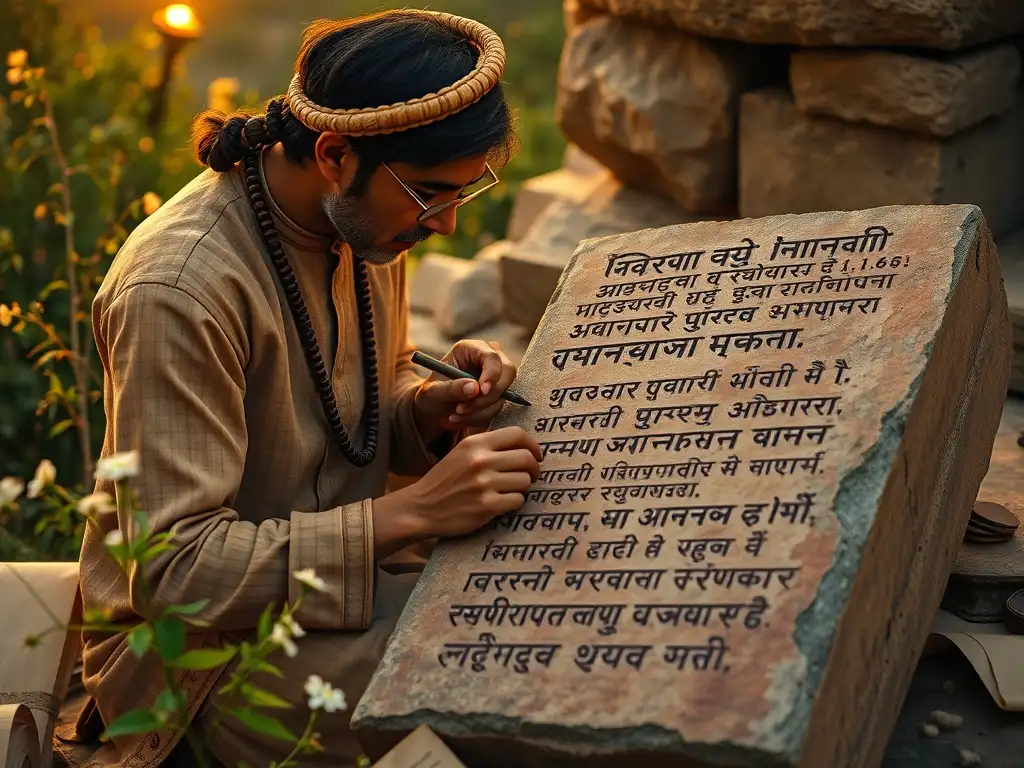
The study of ancient Indian epigraphy serves as a fascinating portal to the past, offering profound insights into the cultural, political, and social dynamics of early civilizations. Through the examination of inscriptions etched in stone, metal, and other materials, scholars can uncover a wealth of information about the beliefs, practices, and daily lives of those who lived in ancient India.
This article delves into the intricate world of ancient Indian epigraphy, exploring how these inscriptions illuminate the rich tapestry of history and provide valuable perspectives on the evolution of Indian society from the Indus Valley civilization to the Gupta Empire. By understanding the significance of these inscriptions, we can appreciate their role in revealing cultural insights that have shaped the identity of one of the world's oldest civilizations.
Introduction to Ancient Indian Epigraphy
Ancient Indian epigraphy encompasses a wide array of inscriptions that date back thousands of years. These inscriptions serve not only as historical records but also as artistic expressions that reflect the values and ideologies of their time. By analyzing the content, language, and context of these inscriptions, historians and archaeologists can reconstruct significant events, trace the lineage of rulers, and understand the socio-religious fabric of ancient India.
Understanding Epigraphy in Ancient India
Epigraphy is the study of inscriptions, particularly those that are historical in nature. In ancient India, inscriptions were primarily used for:
- Record-keeping: Documenting royal decrees, land grants, and treaties.
- Commemorative purposes: Honoring kings, deities, or significant events.
- Religious declarations: Inscribing texts that convey spiritual teachings or rituals.
These inscriptions were often crafted with great care, as they were intended to stand the test of time, preserving knowledge for future generations.
Importance of Inscriptions in Historical Research
Inscriptions are invaluable to historians for several reasons:
- Chronological framework: They provide dateable events that can anchor historical narratives.
- Cultural insights: Inscriptions reveal cultural practices, religious beliefs, and societal norms.
- Linguistic evolution: The study of inscriptions helps trace the development of languages and scripts over time.
Key Elements of Ancient Indian Epigraphy
To fully appreciate the insights provided by ancient Indian epigraphy, it is essential to understand its key elements, including the types of inscriptions, languages used, and the materials and techniques employed in their creation.
Types of Inscriptions Found in Ancient India
Ancient Indian inscriptions can be categorized into several types, each serving distinct purposes:
- Royal inscriptions: These commemorate the achievements and lineage of kings.
- Religious inscriptions: Such as those found in temples, detailing hymns or religious texts.
- Funerary inscriptions: Marking tombs or memorials, often elaborating on the lives of the deceased.
- Administrative inscriptions: Used for documenting land grants, tax records, and governance-related matters.
Languages and Scripts Used in Ancient Indian Epigraphy
The diversity of languages and scripts in ancient Indian epigraphy reflects the cultural pluralism of the subcontinent. Some prominent languages and scripts include:
- Sanskrit: Widely used in religious and royal inscriptions.
- Prakrit: Commonly employed in more localized contexts.
- Brahmi: One of the earliest scripts, serving as a foundation for many Indian scripts today.
- Kharosthi: Used primarily in the northwest regions of ancient India.
Materials and Techniques in Creating Inscriptions
The materials and techniques used in ancient Indian epigraphy varied based on the context, purpose, and resources available. Common materials included:
- Stone: Durable and often used for significant royal or religious inscriptions.
- Metal: Bronze or copper plates were used for important decrees or grants.
- Terracotta: Inscriptions on pottery provide insights into daily life and practices.
Techniques for creating inscriptions included chiseling, engraving, and even painting, each contributing to the aesthetic and informational value of the inscriptions.
Ancient Indian epigraphy is a vital field of study that not only enriches our understanding of the past but also sheds light on the cultural heritage of India. Through the exploration of inscriptions, we gain a deeper appreciation for the complexities and nuances of ancient Indian civilizations.
Cultural Insights from Ancient Indian Inscriptions
Ancient Indian inscriptions serve as invaluable artifacts that provide a window into the society, beliefs, and practices of civilizations long past. These inscriptions, found on stone, metal, and pottery, are not merely records of administrative transactions but also reflections of the cultural and social milieu of their times. They reveal a tapestry of narratives that illustrate the values, ideologies, and daily lives of ancient Indians.
Through the meticulous study of epigraphy, historians and archaeologists can decode the nuances of ancient Indian life. They uncover insights into social hierarchies, religious practices, economic transactions, and even artistic expressions. The language and script used in these inscriptions often vary, indicating regional dialects and cultural diversity. Moreover, the themes and subjects depicted in the inscriptions can provide clues about the interactions between different communities, their conflicts, and their collaborations.
Inscriptions from various periods of ancient India provide critical evidence about social structures. They often document the roles and status of different classes within society, including rulers, warriors, merchants, and artisans. For instance, inscriptions detailing land grants frequently highlight the privileges bestowed upon certain individuals, indicating the presence of a stratified society where wealth and power were concentrated in the hands of a few.
Additionally, many inscriptions reference guilds and professional associations, showcasing how trade and craft were organized. The presence of these groups illustrates the economic interdependence within communities and sheds light on the social mobility available to individuals. Such insights are pivotal in understanding how ancient Indian society functioned and evolved over time.
Religious Beliefs and Practices Illustrated in Epigraphy
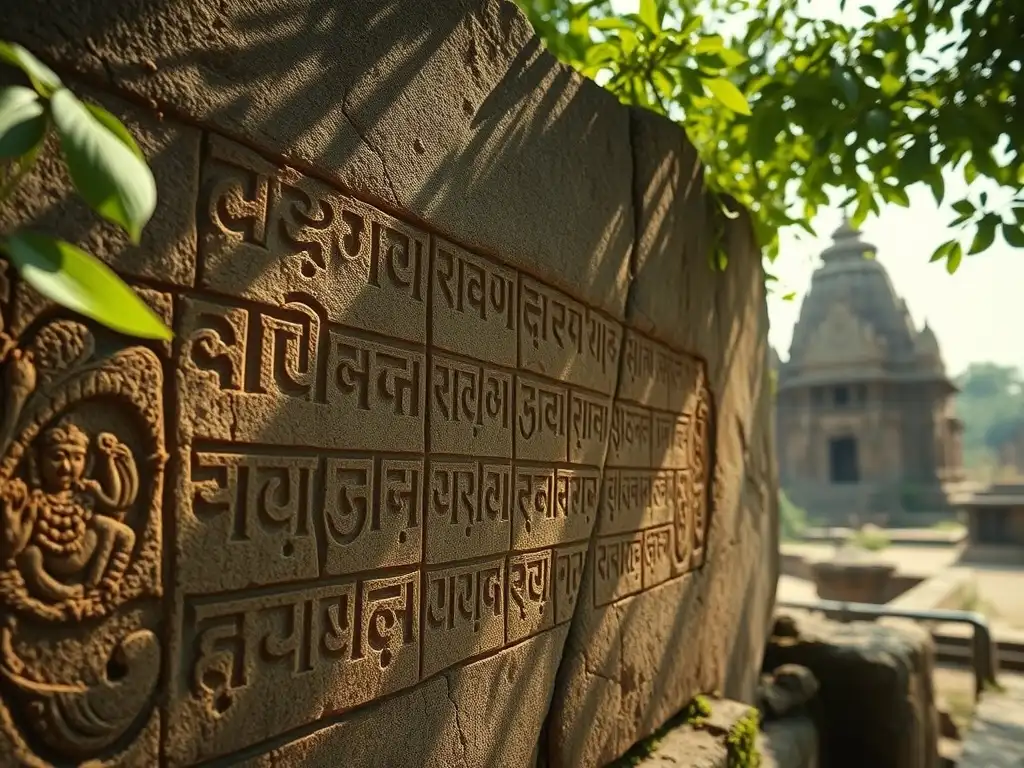
The role of religion in shaping ancient Indian culture is prominently reflected in epigraphic records. Inscriptions often commemorate religious dedications, temple constructions, and rituals, providing insight into the spiritual practices of the time. For instance, the numerous inscriptions dedicated to deities in temples reveal the importance of religion in daily life and governance.
Furthermore, these inscriptions frequently mention philosophical concepts and ethical teachings, illustrating how religion influenced moral values and social norms. The edicts of Ashoka are particularly notable in this regard, as they encapsulate Buddhist principles and promote the values of compassion, tolerance, and non-violence, which were central to Mauryan governance. This blend of religion and statecraft underscores the integral role of spiritual beliefs in shaping societal frameworks.
Economic Activities and Trade Insights from Inscriptions
Economic activities are another key focus of ancient Indian inscriptions, providing a comprehensive view of trade practices, agricultural production, and market regulations. Many inscriptions detail the exchange of goods, taxation systems, and trade routes, offering a glimpse into the economic landscape of the time. For example, records of weights and measures found in inscriptions indicate a sophisticated understanding of commerce and standardization.
Trade inscriptions often mention specific commodities, such as textiles, spices, and metals, reflecting the diversity of goods that were exchanged. Moreover, the mention of foreign traders in some inscriptions highlights the interconnectedness of ancient Indian economies with other regions, including Southeast Asia and the Mediterranean. Such insights contribute to our understanding of the economic prosperity that characterized various periods of ancient Indian history.
Notable Examples of Ancient Indian Epigraphy
The Edicts of Ashoka: A Testament to Mauryan Philosophy
The Edicts of Ashoka are among the most significant examples of ancient Indian epigraphy, providing profound insights into the philosophy and governance of the Mauryan Empire. Inscribed on pillars and rocks throughout the subcontinent, these edicts articulate Ashoka's commitment to Buddhist values and ethical governance. They address issues such as non-violence, compassion for all living beings, and the importance of moral conduct.
The edicts not only serve as a reflection of Ashoka's personal transformation after the Kalinga War but also illustrate how rulers can wield their authority to promote social welfare and harmony. They stand as a testament to the power of written word in influencing the cultural and moral fabric of society.
Gupta Inscriptions: Reflecting the Golden Age of India
During the Gupta period, inscriptions flourished, showcasing the artistic and intellectual advancements of what is often referred to as India's Golden Age. These inscriptions often celebrate royal achievements, patronage of the arts, and the flourishing of literature and science. The Gupta rulers frequently commissioned inscriptions to commemorate temple constructions, which are adorned with intricate carvings and elaborate scripts.
Moreover, inscriptions from this era highlight the advancements in mathematics and astronomy, underscoring the intellectual pursuits of the time. The Gupta inscriptions not only provide insights into royal patronage but also reflect the broader cultural renaissance that characterized this period.
Inscriptions from the Indus Valley Civilization: Early Cultural Insights
The inscriptions from the Indus Valley Civilization, though still undeciphered, offer tantalizing glimpses into one of the world's earliest urban societies. The seals and pottery bearing inscriptions suggest a complex system of trade, administration, and possibly even religious practices. The motifs and symbols found alongside these inscriptions indicate a rich cultural tapestry, although their exact meanings remain elusive.
These early inscriptions reflect a society that valued record-keeping and communication, providing evidence of trade networks and social organization. The study of these inscriptions continues to be a key area of research, as scholars strive to unlock the mysteries of the Indus Valley and understand its contributions to the broader narrative of ancient Indian history.
The Process of Deciphering Ancient Indian Inscriptions
Deciphering ancient Indian inscriptions involves a meticulous and systematic approach, as these texts often present a blend of linguistic, historical, and cultural elements. The process typically begins with the identification and preservation of the inscription, followed by recording its physical characteristics, such as location, material, and condition. Scholars then analyze the script used, which may include Brahmi, Kharosthi, or other regional scripts, each requiring specific expertise.
Once the script is identified, linguists and historians collaborate to translate the text, utilizing a combination of comparative linguistics and historical context. This phase often involves cross-referencing with known inscriptions, ancient texts, and glossaries to ensure accuracy and understanding. Moreover, the interpretation of the inscriptions is influenced by the socio-political and economic contexts of the period in which they were created, emphasizing the importance of interdisciplinary approaches in epigraphy.
Methods of Epigraphic Analysis
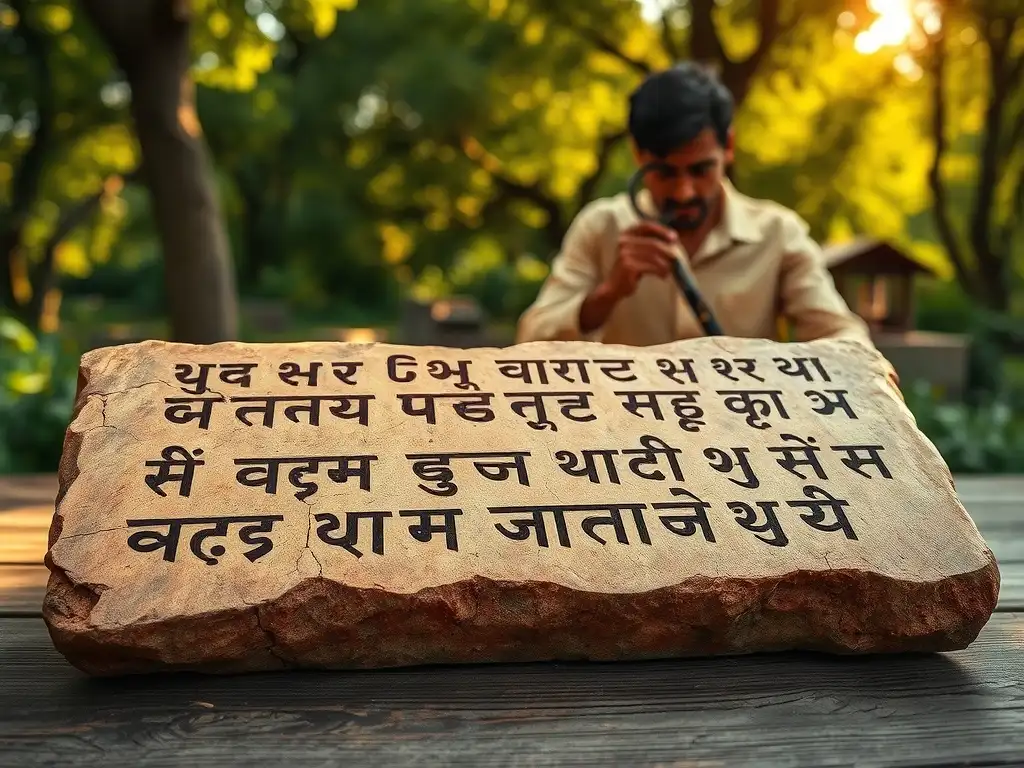
Epigraphic analysis employs various methodologies to ensure comprehensive understanding and accurate interpretations of inscriptions. Some of the primary methods include:
- Paleography: This technique focuses on the study of ancient writing styles and helps in dating inscriptions based on their script characteristics.
- Iconography: Analysis of symbols and images accompanying inscriptions provides insights into the cultural and religious beliefs of the time.
- Contextual Analysis: Understanding the historical and archaeological context in which an inscription was found is crucial for interpreting its significance.
- Comparative Linguistics: Linguists compare texts from various regions and periods to trace the evolution of language and script.
These methods, when used in conjunction, enhance the reliability of the findings and contribute to a richer understanding of ancient Indian civilizations.
Challenges in Reading and Interpreting Ancient Scripts
The process of reading and interpreting ancient scripts is fraught with challenges. One major difficulty arises from the deterioration and damage that inscriptions suffer over time, making them partially illegible or completely eroded. Additionally, the lack of a standardized script during certain periods can lead to inconsistencies in reading.
Another challenge is the linguistic evolution that has occurred over centuries, which can obscure meanings and complicate translations. Scholars often encounter regional dialects and variations, requiring a deep understanding of historical linguistics. Moreover, the cultural and historical context can sometimes be ambiguous, leading to multiple interpretations of a single inscription, which can spark debates among researchers.
Case Studies of Successful Deciphering Efforts
Several successful deciphering efforts have significantly advanced our understanding of ancient Indian epigraphy. One notable case is the deciphering of the Brahmi script, attributed to James Prinsep in the 19th century. His work on the inscriptions of Ashoka, the Mauryan emperor, opened the floodgates for understanding the spread of Buddhism and the administrative practices of the time.
Another example is the decipherment of the Kharosthi script, primarily used in the northwestern regions of ancient India. Scholars such as Georg Bühler played a pivotal role in interpreting inscriptions found at sites like Taxila, providing insights into trade, cultural exchanges, and the spread of Indian influence beyond its borders.
These case studies exemplify the importance of dedicated research and collaboration in the field of epigraphy, showcasing how deciphering inscriptions can lead to groundbreaking discoveries about ancient Indian civilization.
The Impact of Ancient Indian Epigraphy on Modern Understanding
Ancient Indian epigraphy has profoundly impacted modern historical and cultural studies. The wealth of information contained in inscriptions offers a direct link to the past, revealing insights into governance, social structures, and religious practices. These texts serve as primary sources that complement archaeological findings, allowing historians to construct more nuanced narratives of ancient Indian life.
Furthermore, epigraphy has contributed to the understanding of linguistic development in the region. The study of inscriptions has provided evidence of language evolution and the interactions between different linguistic groups, shedding light on the cultural exchanges that occurred throughout history.
Contributions to the Study of Ancient Indian History
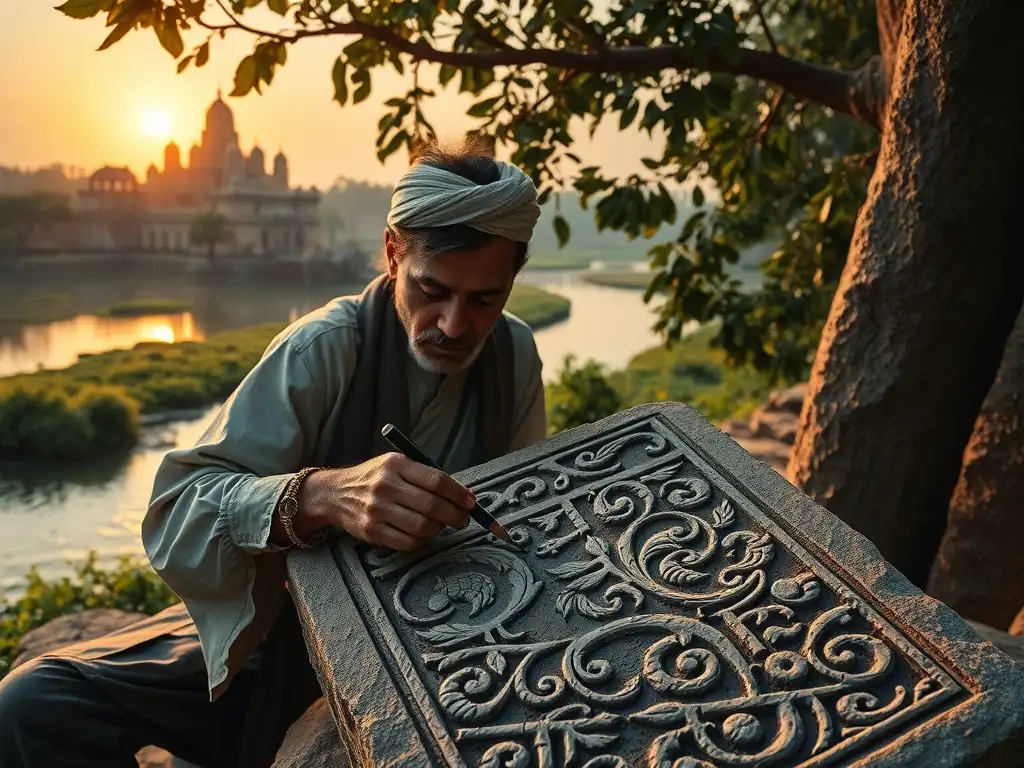
Epigraphy plays a crucial role in piecing together the fragmented history of ancient India. The inscriptions provide firsthand accounts of significant events, such as wars, treaties, and royal decrees, offering invaluable information that might be absent from other historical records.
Moreover, these inscriptions often include details about daily life, trade practices, and societal norms, enriching our understanding of the complexity of ancient Indian civilization. By analyzing the content of inscriptions, historians can identify patterns and shifts in political power, economic conditions, and cultural influences, thus constructing a more comprehensive picture of the past.
Epigraphy’s Role in Cultural Heritage Preservation
The preservation of ancient inscriptions is vital for maintaining cultural heritage. Inscriptions serve as tangible links to the past, and their deterioration poses a risk to the historical narrative. Efforts to document and conserve these inscriptions help safeguard not only the texts themselves but also the cultural identities they represent.
Furthermore, epigraphy informs modern practices of heritage management. By understanding the significance of inscriptions, cultural preservationists can prioritize conservation efforts and develop strategies that respect and protect historical sites. This role is particularly important in a rapidly globalizing world, where cultural heritage can be threatened by urban development and modernization.
Future Directions in the Study of Ancient Indian Epigraphy
The field of ancient Indian epigraphy is poised for continued growth and exploration. Emerging technologies, such as digital imaging and 3D scanning, offer innovative methods for documenting and analyzing inscriptions without causing damage. These tools can enhance the visibility of degraded texts and facilitate remote collaboration among scholars.
Moreover, interdisciplinary approaches that integrate epigraphy with fields like archaeology, anthropology, and digital humanities promise to deepen our understanding of ancient cultures. As researchers continue to uncover new inscriptions and apply advanced analytical techniques, the insights derived from ancient Indian epigraphy will evolve, enriching our historical narratives and cultural comprehension.
The future of ancient Indian epigraphy holds significant potential for revealing more profound insights into the region's vast and intricate history.
Conclusion: The Significance of Ancient Indian Epigraphy Insights
Ancient Indian epigraphy serves as a vital bridge connecting us to the past, illuminating the cultural, social, and political landscapes of historical civilizations. Through the meticulous study of inscriptions, scholars have uncovered a wealth of information that deepens our understanding of ancient Indian society. These inscriptions not only document historical events but also reveal the values, beliefs, and everyday life of people during various periods, from the time of the Indus Valley Civilization to the Gupta Empire.
The significance of ancient Indian epigraphy lies in its ability to provide a direct link to the thoughts and expressions of our ancestors. By analyzing the language, script, and content of these inscriptions, researchers can reconstruct narratives that highlight the complexities of human interactions, trade relationships, and even religious practices. Furthermore, as a primary source of historical data, epigraphy complements other archaeological findings, creating a more comprehensive picture of ancient life.
Summary of Key Cultural Insights from Inscriptions
The inscriptions of ancient India offer a myriad of cultural insights that reflect the values and dynamics of its civilizations. Here are some key takeaways:
- Language and Script Diversity: The evolution of scripts such as Brahmi and Kharosthi demonstrates the linguistic diversity and development of writing systems in ancient India. These scripts not only facilitated communication but also played a crucial role in administration and trade.
- Religious Practices: Many inscriptions document religious edicts, rituals, and temple dedications, providing insights into the spiritual beliefs that shaped societal norms. For instance, the edicts of Ashoka reveal the promotion of Buddhism and moral governance.
- Political Structure: Inscriptions often commemorate kings and their achievements, showcasing the political hierarchy and governance practices. The inscriptions of the Mauryan and Gupta empires highlight their administrative efficiency and patronage of arts.
- Social Hierarchies: The content of certain inscriptions reflects the social stratification within ancient Indian society, including the roles and statuses of different communities, castes, and genders.
- Economic Activities: Many inscriptions provide evidence of trade routes, economic exchanges, and market regulations, offering a glimpse into the economic landscape of ancient India.
These insights collectively underscore the intricate tapestry of ancient Indian civilization, revealing how diverse factors interplayed to shape its historical identity.
The Ongoing Relevance of Epigraphy in Understanding Ancient Civilizations
The study of ancient Indian epigraphy continues to be relevant in modern times, offering tools for deciphering the complexities of past societies. As new inscriptions are discovered, they provide fresh perspectives and challenge existing narratives, making epigraphy a dynamic field of study. Here are some reasons why it remains significant:
- Interdisciplinary Research: Epigraphy intersects with archaeology, anthropology, and history, fostering a multidisciplinary approach to understanding ancient cultures. This collaboration enriches our interpretations and provides a holistic view of ancient life.
- Cultural Heritage Preservation: Inscriptions serve as a crucial part of our cultural heritage. Their preservation and study are essential for maintaining the historical record and fostering a sense of identity among contemporary societies.
- Technological Advancements: With the advent of modern technology, such as imaging techniques and digital archiving, epigraphers can analyze inscriptions more accurately and efficiently. These advancements lead to better preservation practices and wider accessibility for researchers and the public.
- Educational Value: Epigraphy provides a tangible connection to the past, making it an invaluable educational resource. It allows students and scholars alike to engage with primary sources, fostering a deeper appreciation for ancient civilizations.
The insights gained from ancient Indian epigraphy not only enhance our understanding of historical contexts but also remind us of the enduring legacy of these civilizations. By continuing to explore and interpret these inscriptions, we contribute to a more nuanced comprehension of human history and cultural evolution.
- Introduction to Ancient Indian Epigraphy
- Key Elements of Ancient Indian Epigraphy
- Cultural Insights from Ancient Indian Inscriptions
- Social Structures Revealed through Inscriptions
- Religious Beliefs and Practices Illustrated in Epigraphy
- Economic Activities and Trade Insights from Inscriptions
- Notable Examples of Ancient Indian Epigraphy
- The Process of Deciphering Ancient Indian Inscriptions
- Methods of Epigraphic Analysis
- Challenges in Reading and Interpreting Ancient Scripts
- Case Studies of Successful Deciphering Efforts
- The Impact of Ancient Indian Epigraphy on Modern Understanding
- Contributions to the Study of Ancient Indian History
- Epigraphy’s Role in Cultural Heritage Preservation
- Future Directions in the Study of Ancient Indian Epigraphy
- Conclusion: The Significance of Ancient Indian Epigraphy Insights
- What is epigraphy in the context of ancient Indian history?
- How do inscriptions contribute to our understanding of ancient Indian culture?
- What are some key civilizations known for their epigraphic contributions?
- Why is ancient Indian epigraphy significant today?
- How can one access ancient Indian epigraphic resources?
Frequently Asked Questions
What is epigraphy in the context of ancient Indian history?
Epigraphy is the study of ancient inscriptions, which serve as vital artifacts that provide insights into the culture, language, and history of ancient Indian civilizations.
How do inscriptions contribute to our understanding of ancient Indian culture?
Inscriptions reveal social structures, religious beliefs, and administrative practices, allowing historians to piece together the cultural fabric of ancient India.
What are some key civilizations known for their epigraphic contributions?
The Indus Valley Civilization and the Gupta Empire are notable for their inscriptions, which offer a glimpse into their advanced societies and artistic expressions.
Why is ancient Indian epigraphy significant today?
Ancient Indian epigraphy is significant as it provides historical context and fosters a deeper appreciation of India's rich cultural heritage and its influence on contemporary societies.
How can one access ancient Indian epigraphic resources?
Many ancient inscriptions can be found in museums, archaeological sites, and various academic publications that focus on the study of ancient Indian history and epigraphy.
Final Reflection: The Enduring Legacy of Ancient Indian Epigraphy
The exploration of ancient Indian epigraphy reveals not only the artistic prowess of a bygone era but also serves as a vital link to our cultural heritage. In a world increasingly driven by digital communication, the tactile and deliberate nature of inscriptions reminds us of the importance of permanence in our expressions. The insights gleaned from these inscriptions are not merely historical artifacts; they are living testaments to the values, beliefs, and identities of ancient societies that continue to resonate in our modern lives.
The influence of ancient Indian epigraphy extends far beyond the confines of archaeology and history; it shapes our understanding of cultural identity and continuity. As we decipher the messages etched in stone, we uncover narratives that challenge and enrich our contemporary perspectives. The words of the renowned historian Romila Thapar echo this sentiment: History is not just about the past; it is about the present and the future, and how we understand ourselves in relation to it.
This ongoing dialogue with our past encourages us to appreciate the complexities of our cultural landscape and fosters a sense of belonging that transcends time.
As we reflect on the lessons embedded in ancient inscriptions, let us embrace the call to honor our heritage while actively shaping our future. Consider how the stories of those who came before us can inspire your own journey. Engage with the art of epigraphy not just as a study of the past, but as a catalyst for personal and collective growth. By recognizing the significance of these cultural insights, we can cultivate a deeper appreciation for our shared humanity and the narratives that bind us together across generations.
Unveil the Secrets of Ancient Inscriptions!
Thank you for diving into the fascinating world of epigraphy with us! You’ve learned how inscriptions serve as windows into ancient cultures and their beliefs. Now, it’s time to take that knowledge and transform it into action!
Here are a few ways you can deepen your understanding and appreciation of this art form:
- Explore local museums or exhibitions featuring ancient inscriptions to see these artifacts up close.
- Join a community forum or social media group dedicated to epigraphy or ancient history to share insights and discover new perspectives.
- Consider starting your own research project or blog focused on a specific inscription or cultural insight that captures your interest.
How do you think modern communities can learn from the inscriptions of the past? Share your thoughts below!