
How Monsoons Shaped Ancient Indian Agricultural Innovations

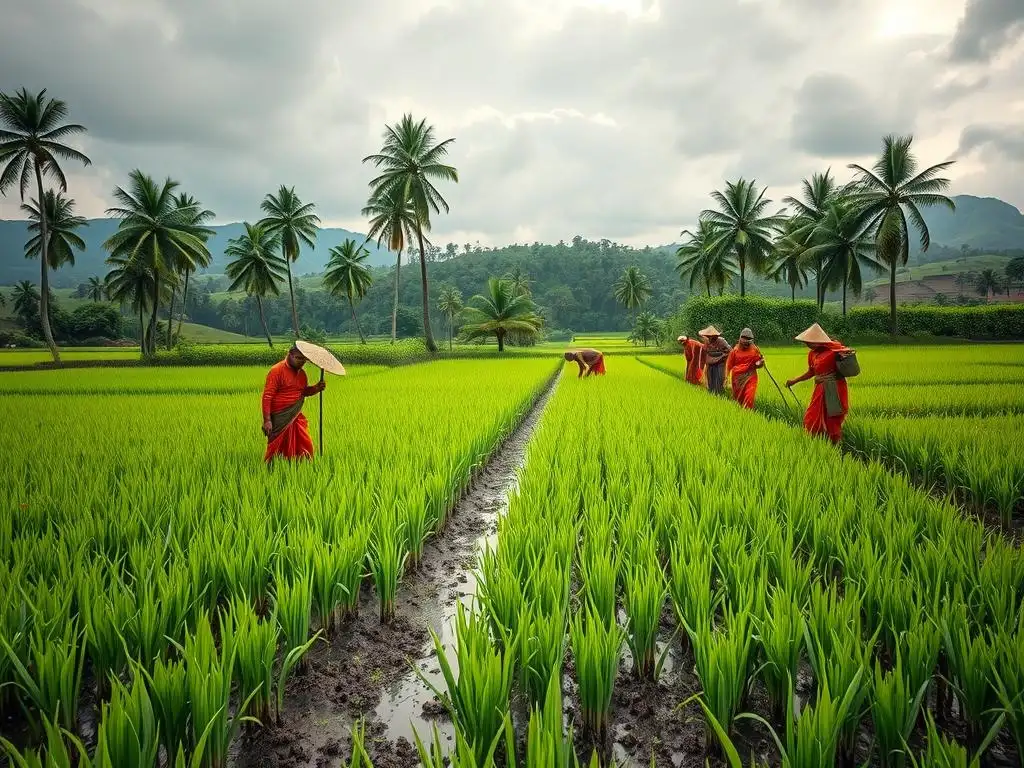
Welcome to Ancient India History, where we venture deep into the fascinating tapestry of ancient Indian civilizations! Today, we invite you to explore the remarkable agricultural techniques that thrived under the monsoon's benevolent embrace. How did these seasonal rains shape innovations that sustained entire communities? Join us on this journey to uncover the ingenuity of our ancestors, and discover how their legacy continues to influence modern practices. Prepare to be captivated as we delve into a world of rich traditions and groundbreaking advancements!
- Introduction to Ancient Indian Agricultural Techniques
- The Influence of Monsoons on Ancient Indian Agriculture
- Key Ancient Indian Agricultural Techniques
- Innovations Driven by Monsoon Cycles
- Case Studies of Monsoon-Influenced Agricultural Techniques
- The Long-Term Impact of Monsoons on Agricultural Practices
- Conclusion: The Legacy of Ancient Indian Agricultural Innovations
-
Frequently Asked Questions
- What role did monsoons play in ancient Indian agriculture?
- How did ancient Indian civilizations adapt their farming techniques to the monsoon climate?
- What are some examples of ancient Indian agricultural techniques?
- Did the Gupta Empire contribute to advancements in agriculture?
- How have ancient Indian agricultural innovations influenced modern practices?
- Final Reflection: The Enduring Legacy of Ancient Indian Agricultural Techniques
- Unleash the Potential of Ancient Wisdom!
Introduction to Ancient Indian Agricultural Techniques
The evolution of agricultural practices in ancient India is a testament to the ingenuity and adaptability of its civilizations. As a land characterized by its distinct seasonal patterns, particularly the monsoon rains, ancient Indian agricultural techniques were profoundly influenced by these climatic conditions.
From the fertile plains of the Indus Valley to the agricultural advancements during the Gupta Empire, the ability to harness the monsoons played a crucial role in shaping agricultural innovations that not only sustained local populations but also facilitated trade and cultural exchange. This article delves into how the monsoons shaped these practices, the diverse agricultural methods developed by ancient Indian civilizations, and their lasting impact on the region's agricultural landscape.
Understanding the Role of Monsoons in Agriculture
The monsoons, characterized by their seasonal winds and heavy rainfall, are a defining feature of the Indian subcontinent. These weather patterns have significant implications for agriculture, influencing everything from crop selection to irrigation practices.
- Seasonal Patterns: The southwest monsoon typically arrives in June and continues until September, bringing much-needed rain to the parched lands. This rain is crucial for the cultivation of staple crops such as rice, which thrives in flooded conditions.
- Irrigation Techniques: Ancient farmers developed various irrigation methods to maximize the benefits of monsoon rains. Techniques such as rainwater harvesting, the use of wells, and channeling water through canals allowed them to store excess water for drier months.
- Crop Diversity: The unpredictable nature of monsoon rains led to the cultivation of diverse crops. Farmers learned to plant drought-resistant varieties alongside water-loving species, ensuring a steady food supply even during erratic weather patterns.
Overview of Ancient Indian Civilizations and Agriculture
Ancient Indian civilizations were among the earliest to innovate in agricultural practices, driven by the need to adapt to their environment.
- Indus Valley Civilization:
- Located around the Indus River, this civilization (circa 2500-1900 BCE) is known for its advanced urban planning and agricultural techniques. The inhabitants cultivated wheat, barley, and cotton, employing sophisticated irrigation systems.
- Vedic Period:
- Following the decline of the Indus Valley Civilization, the Vedic society (circa 1500-500 BCE) saw the introduction of new crops and tools. The use of iron plows became prevalent, enhancing productivity and allowing for the cultivation of more challenging terrains.
- Maurya and Gupta Empires:
- The Mauryan (322-185 BCE) and Gupta (circa 320-550 CE) Empires marked a golden age in Indian agriculture. Innovations during this time included crop rotation practices, the introduction of new agricultural techniques, and the establishment of trade routes that facilitated the exchange of agricultural products.
Through these historical lenses, we can appreciate how ancient Indian agricultural techniques were not only responses to environmental challenges but also foundational to the development of civilization itself. The legacy of these innovations continues to influence modern agricultural practices in India today.
The Influence of Monsoons on Ancient Indian Agriculture

The monsoon season played a pivotal role in shaping ancient Indian agricultural techniques, influencing both the timing and methods of farming across the subcontinent. The arrival of the southwest monsoon, which typically occurs between June and September, brought much-needed rainfall that transformed the landscape and established a rhythm for agricultural activities. This seasonal phenomenon dictated not only the types of crops that could be cultivated but also the innovations that emerged in farming practices to maximize yield and manage water resources effectively.
The Climate of Ancient India
The climate in ancient India was characterized by a diversity of regions, each experiencing different rainfall patterns and temperature ranges. The primary climatic zones included:
- Tropical Wet: Found in regions like Kerala and parts of the northeastern states, where heavy and consistent rainfall supported lush vegetation.
- Semi-Arid: Areas such as Rajasthan experienced less predictable rainfall, necessitating innovative agricultural strategies.
- Temperate: The northern plains benefitted from the monsoons, allowing for the cultivation of various crops.
Ancient Indian farmers had to adapt to these climatic variations, leading to localized agricultural techniques that catered to specific environmental conditions. For instance, in regions with ample rainfall, farmers developed techniques for paddy cultivation, while in drier areas, they focused on drought-resistant crops like millets.
Seasonal Cycles and Agricultural Practices
The seasonal cycles driven by the monsoons were crucial in determining agricultural practices in ancient India. These cycles can be categorized as follows:
- Kharif Season (June to October):
- Crops: Primarily rice, millet, and pulses.
- Techniques: Farmers utilized the heavy rains to flood fields, optimizing conditions for rice cultivation. They also employed techniques such as bunding (building earthen embankments) to manage water flow and prevent soil erosion.
- Rabi Season (October to March):
- Crops: Wheat, barley, and mustard.
- Techniques: With the retreat of the monsoon, farmers shifted to sowing winter crops. They would often practice crop rotation and intercropping to maintain soil fertility. The use of irrigation systems, such as wells and canals, became more prevalent during this season to supplement water supply.
- Zaid Season (March to June):
- Crops: Vegetables and fruits.
- Techniques: This short season allowed for quick-growing crops. Farmers focused on utilizing any residual moisture and often practiced intensive farming techniques to maximize output.
The adaptation to monsoon cycles not only influenced what crops were grown but also led to the development of sophisticated agricultural tools and methods. For example, the plow, which became a fundamental tool in ancient Indian agriculture, allowed for more efficient tilling of the land, thereby enhancing productivity.
Overall, the interplay between monsoon patterns and agricultural practices shaped the evolution of ancient Indian agricultural techniques, laying the groundwork for future innovations and contributing to the sustainability of food production in the region.
Key Ancient Indian Agricultural Techniques
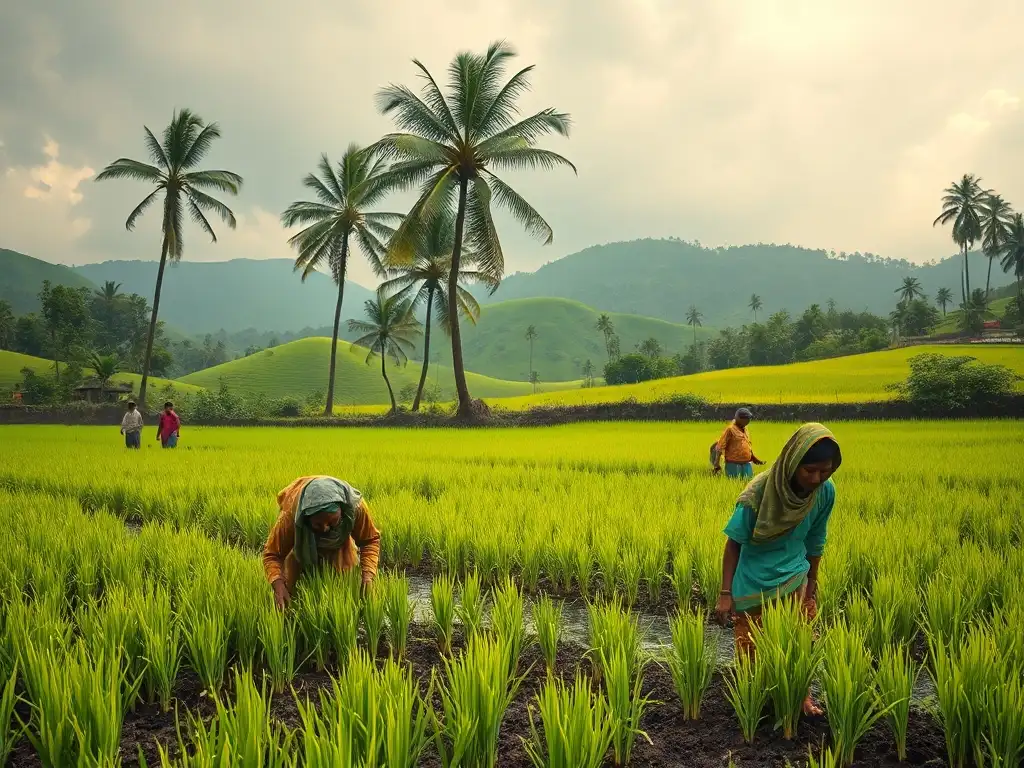
Ancient Indian agricultural techniques were significantly influenced by the region's monsoonal climate, which dictated the types of crops that could be cultivated and the methods employed to maximize yields. The innovations developed during this period not only catered to the immediate agricultural needs but also laid the foundation for future advancements in farming practices.
Crop Rotation and Its Importance
Crop rotation was one of the essential agricultural practices utilized by ancient Indian farmers to enhance soil fertility and manage pest populations. By alternating the types of crops planted in a particular field from season to season, farmers could minimize the depletion of specific nutrients in the soil, thus maintaining its productivity over time.
- Benefits of Crop Rotation:
- Soil Fertility: Different crops have varying nutrient requirements and contributions. For instance, legumes, such as lentils and peas, enrich the soil with nitrogen, benefiting subsequent crops.
- Pest Management: Rotating crops disrupts the life cycles of pests that thrive on specific plants, reducing the need for chemical interventions.
- Disease Control: Changing crops can help prevent the spread of soil-borne diseases that affect specific plant families.
This practice was further supported by the knowledge of seasonal cycles, which was critical in deciding the timing and selection of crops, ensuring that farmers could optimize their harvests in sync with the rains.
Irrigation Systems Developed in Ancient India
The development of sophisticated irrigation systems played a pivotal role in shaping ancient Indian agriculture, especially in regions where monsoons were unpredictable. These systems ensured a stable water supply, which was crucial for cultivating various crops throughout the year.
- Types of Irrigation Techniques:
- Canal Systems: Ancient engineers constructed canals to divert river water to fields. The most notable example is the elaborate canal system developed during the Mauryan period.
- Wells and Stepwells: Groundwater extraction through wells and stepwells allowed farmers to access water during dry spells. These structures were often built with incredible architectural skill and served dual purposes as water sources and community gathering places.
- Reservoirs: The creation of reservoirs helped store rainwater, providing a sustainable irrigation source during the drier months.
The combination of these techniques not only increased agricultural productivity but also fostered the growth of urban centers by supporting larger populations.
Use of Fertilizers and Soil Management
Ancient Indian civilizations understood the importance of soil health and employed various fertilizers and soil management techniques to enhance their agricultural output. The use of organic fertilizers derived from natural sources was prevalent, reflecting a sustainable approach to farming.
- Types of Fertilizers Used:
- Animal Manure: Farmers commonly used cow dung and other animal waste to enrich the soil with essential nutrients.
- Green Manuring: This practice involved cultivating specific crops that were later plowed back into the soil to improve its organic content and structure.
- Ash and Lime: Ash from burnt crop residues and lime were used to adjust soil pH and enhance fertility.
- Soil Management Practices:
- Mulching: Covering the soil with organic matter helped retain moisture and suppress weeds.
- Terracing: In hilly regions, farmers created terraces to prevent soil erosion and maximize arable land.
These ancient Indian agricultural techniques reflect a deep understanding of ecological principles, allowing civilizations to thrive in harmony with their environment. Through continuous innovation and adaptation, ancient Indian farmers laid the groundwork for sustainable agricultural practices that resonate even in contemporary farming.
Selection of Crops Based on Monsoon Patterns
The selection of crops in ancient India was intricately tied to the monsoon patterns that dictated agricultural cycles. Ancient Indian farmers developed a profound understanding of these seasonal rains, enabling them to optimize crop yields and ensure food security throughout the year.
Monsoon Timing and Crop Cycles
The Indian subcontinent experiences distinct monsoon seasons, primarily the southwest monsoon from June to September and the northeast monsoon from October to December. Farmers aligned their crop planting schedules with these patterns. For instance, they would typically sow kharif crops like rice, maize, and pulses at the onset of the southwest monsoon, taking advantage of the abundant rainfall. These crops are well-suited for the wet conditions and tend to thrive in the high humidity and warmer temperatures characteristic of this period.
Conversely, rabi crops such as wheat, barley, and mustard were planted after the monsoon season, utilizing the residual moisture in the soil. This strategic timing not only maximized land usage but also diversified the agricultural output, allowing for a more stable food supply.
Soil and Crop Compatibility
Ancient Indian farmers also considered the soil types prevalent in various regions when selecting crops. For instance, the alluvial plains of the Ganges and Indus rivers were ideal for rice cultivation due to their rich, fertile soil, which retained moisture effectively. In contrast, the sandy soils of Rajasthan were better suited for drought-resistant crops like millet and barley, which required less water.
Farmers often conducted trials to identify the best crop varieties that could withstand local conditions, such as varying rainfall and soil quality. This empirical approach led to the cultivation of diverse crop varieties, enhancing agricultural resilience.
Crop Rotation and Sustainability
To maintain soil fertility and prevent pest outbreaks, ancient Indian agricultural practices included crop rotation, a technique that played a crucial role in sustainable farming. By alternating between different types of crops, farmers could restore nutrients in the soil and reduce the prevalence of specific pests and diseases associated with monoculture practices.
For example, after harvesting legumes, which enrich the soil with nitrogen, farmers would plant cereals like wheat or barley, ensuring continuous productivity while promoting ecological balance in farming systems.
Influence of Local Knowledge
Local knowledge and traditions among various communities further influenced crop selection. Different regions had unique climatic conditions and cultural practices that shaped agricultural choices. For instance, coastal communities often relied on salt-tolerant rice varieties due to the saline conditions of their environment, while higher altitude regions favored crops like barley that could withstand cooler temperatures.
In essence, the selection of crops based on monsoon patterns in ancient India was a sophisticated practice that combined environmental awareness, traditional knowledge, and agricultural innovation. This deep-rooted understanding not only fostered agricultural diversity but also laid the foundation for the rich agrarian culture that flourished in ancient Indian civilization.
Innovations Driven by Monsoon Cycles
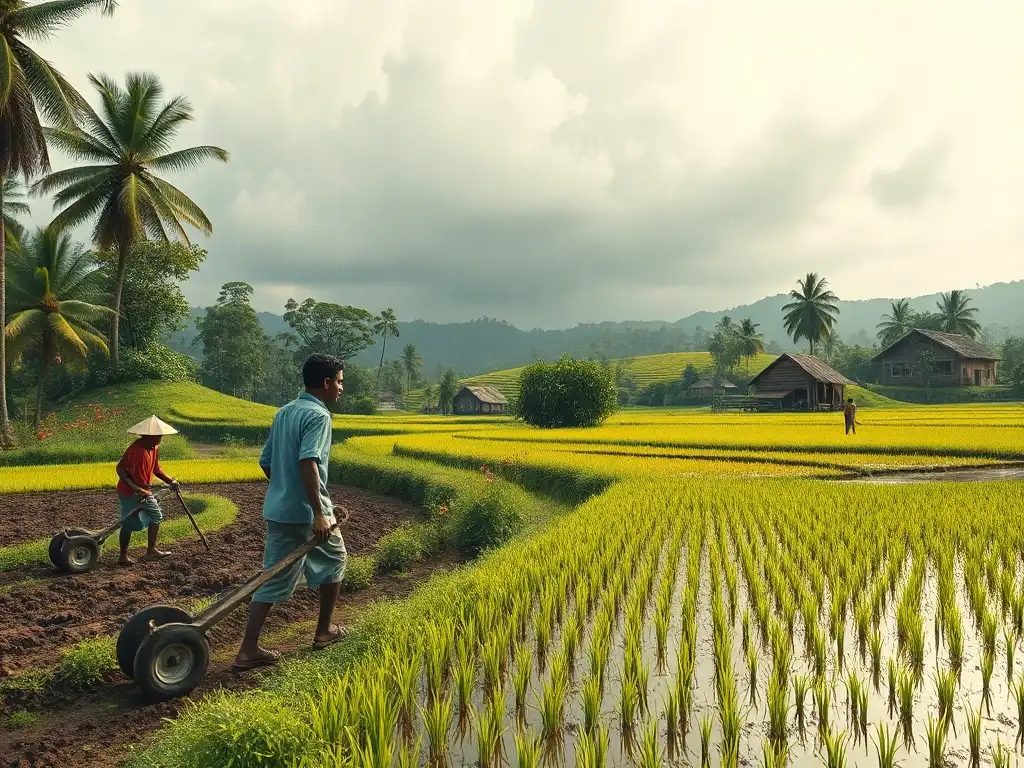
Monsoon cycles have profoundly influenced ancient Indian agricultural techniques, shaping the methods and innovations that emerged in response to the seasonal rains. The arrival of the monsoons not only dictated the timing of planting but also necessitated the development of specialized techniques to maximize agricultural output. The regularity and intensity of the monsoon rains prompted farmers to create innovative methods for water management, soil preservation, and crop diversification, all essential for thriving in a landscape characterized by fluctuating weather patterns.
Development of Water Conservation Techniques
Water conservation was crucial in ancient Indian agricultural practices, especially in regions where monsoon rains were unpredictable. Farmers developed innovative techniques to capture and store rainwater, ensuring a steady supply throughout the growing season. Some notable methods include:
- Stepwells and Baolis: These structures were designed to store water and were often built in steps, allowing easy access to water, even in dry conditions. They played a significant role in agricultural irrigation.
- Rainwater Harvesting: Farmers devised systems to channel rainwater into storage tanks or ponds, which could be used during drier periods. This practice became integral in areas with erratic monsoon patterns.
- Check Dams: Constructed across small streams, these structures helped slow down water flow, allowing for sediment deposition and groundwater recharge. Check dams significantly enhanced local water availability for agriculture.
These techniques illustrate the adaptability of ancient Indian farmers in utilizing natural resources to mitigate the uncertainties of monsoon rains, ensuring sustainable agricultural practices.
Advances in Plowing and Tillage Methods
The monsoon season also catalyzed advancements in plowing and tillage methods, as farmers sought to optimize soil conditions and crop yields. Various innovations emerged, influenced by the wet and dry cycles:
- Iron Plows: As iron technology advanced, the introduction of iron plows around 500 BCE transformed tillage practices. These plows were more durable and efficient, enabling deeper soil penetration, which was especially beneficial in monsoon-fed regions.
- Contour Plowing: This technique involved plowing along the contour lines of the land, helping to reduce soil erosion during heavy rains. By following the natural landscape, farmers could retain moisture and improve soil fertility.
- Crop Rotation and Intercropping: To maximize the benefits of the monsoon, ancient farmers practiced crop rotation and intercropping. By alternating different crops and planting complementary species together, they could enhance soil health, reduce pest outbreaks, and ensure a more resilient agricultural system.
These advancements underscore the ingenuity of ancient Indian agricultural techniques, as they adapted to the challenges and opportunities presented by the monsoon cycles.
The Role of Traditional Knowledge in Agricultural Innovation
Traditional knowledge played a pivotal role in the development of ancient Indian agricultural techniques. Passed down through generations, this knowledge encompassed a rich understanding of local ecosystems, weather patterns, and crop management practices. Key aspects include:
- Indigenous Crop Varieties: Farmers selectively bred crops that thrived in specific local conditions, resulting in diverse varieties that were resilient to monsoon variability. This practice ensured food security and sustainability.
- Agricultural Festivals and Rituals: Many agricultural practices were intertwined with cultural and religious traditions. Festivals often coincided with planting and harvesting seasons, fostering community cooperation and shared knowledge among farmers.
- Community-Based Irrigation Systems: Local communities often collaborated to manage irrigation systems, sharing resources and labor. This collective approach not only optimized water use but also strengthened social ties among farmers.
Traditional knowledge continues to influence modern agricultural practices, highlighting the importance of preserving these techniques and integrating them with contemporary innovations for sustainable agriculture.
The monsoon cycles were instrumental in shaping ancient Indian agricultural techniques through the development of water conservation methods, advances in plowing practices, and the invaluable role of traditional knowledge. These innovations laid the foundation for agrarian societies and have had a lasting impact on India's agricultural landscape.
Case Studies of Monsoon-Influenced Agricultural Techniques
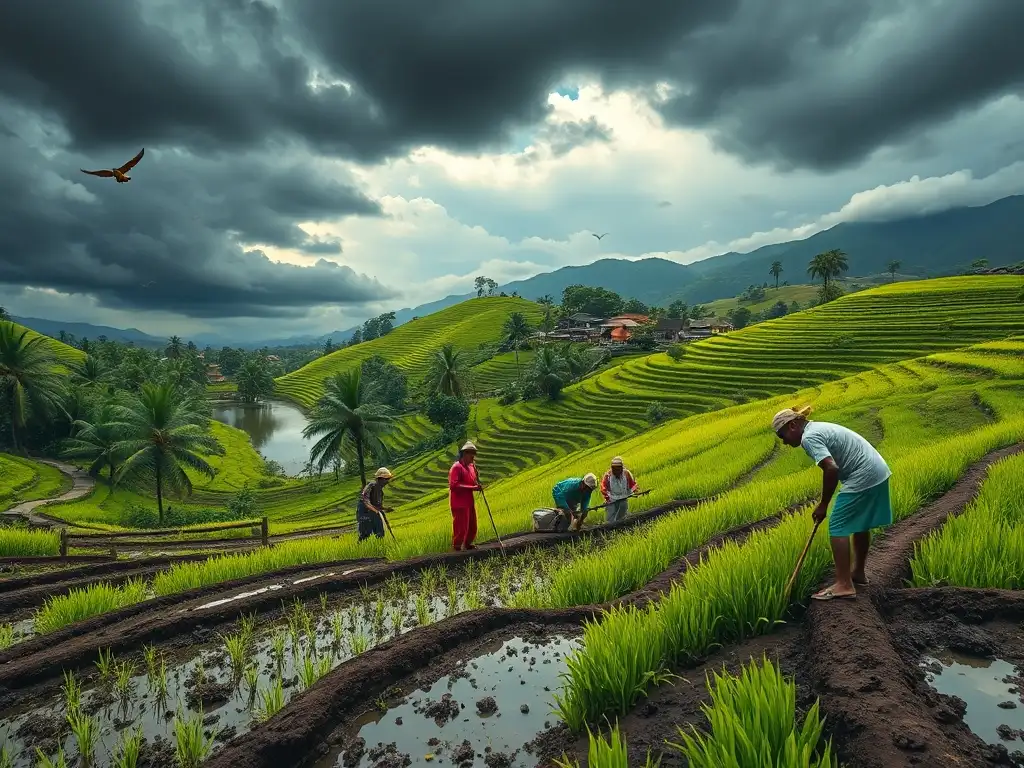
The monsoon season in India has historically played a pivotal role in shaping agricultural practices, leading to the development of innovative techniques tailored to harness the seasonal rains. This section explores significant case studies from various ancient Indian civilizations, illustrating how monsoons influenced agricultural innovations.
The Indus Valley Civilization
The Indus Valley Civilization (c. 3300–1300 BCE) is renowned for its advanced urban planning and agricultural prowess, largely attributed to its strategic understanding of monsoon patterns.
- Irrigation Systems: The civilization developed complex irrigation systems, including canals and water reservoirs, to manage the seasonal floods from the monsoon. This allowed for effective water distribution to crops, enhancing agricultural yields.
- Crop Diversity: Archaeological findings indicate that the Indus Valley farmers cultivated a variety of crops such as wheat, barley, peas, and cotton. The monsoon rains provided the necessary moisture for these crops, and the ability to predict rainfall patterns led to better planting schedules.
- Granaries: The construction of large granaries at sites like Mohenjo-Daro showcases an understanding of storage techniques to manage surplus food produced during the monsoon season. This surplus was crucial for trade and sustaining the urban population.
Agriculture in the Vedic Period
Transitioning from the urban centers of the Indus Valley, the Vedic period (c. 1500–500 BCE) reflects a shift towards rural agrarian societies that further adapted to monsoon conditions.
- Rituals and Agriculture: The Vedic texts emphasize the significance of rituals for ensuring timely monsoon rains. Farmers would conduct ceremonies to invoke favorable weather, showcasing an integration of spirituality and agriculture.
- Crop Rotation: Evidence from this period suggests the practice of crop rotation, which was essential for maintaining soil fertility. The monsoon provided a cycle of wet and dry seasons that farmers utilized to grow multiple crops throughout the year.
- Use of Plows: The introduction of iron plows during the Vedic period enabled deeper tilling of the soil, improving the ability to cultivate land effectively. This innovation was particularly beneficial in regions that received heavy monsoon rains, as it allowed for better drainage and soil aeration.
Innovations during the Mauryan Empire
The Mauryan Empire (c. 322–185 BCE) marks a significant period in the evolution of agricultural techniques, with monsoon influences leading to further advancements.
- State-Controlled Agriculture: Under Chandragupta Maurya and his successors, the state took an active role in agriculture, implementing policies to optimize crop production. This included the establishment of agricultural departments and the dissemination of techniques that effectively utilized monsoon rains.
- Improved Seeds and Fertilizers: The Mauryan period saw a focus on the selection of better seeds and the use of organic fertilizers, which were crucial for maximizing yields during the short monsoon season. Farmers learned to adapt their practices based on rainfall patterns, ensuring that crops received adequate nourishment.
- Commercial Agriculture: With the expansion of trade routes, agricultural surplus from monsoon-fed crops became a key driver of the economy. Innovations in storage and transport allowed for the movement of goods, linking rural production with urban markets.
The interplay between monsoon patterns and agricultural innovations in ancient India showcases a sophisticated understanding of environmental dynamics. These case studies illustrate how civilizations adapted their agricultural techniques to not only survive but thrive, laying the groundwork for future advancements in ancient Indian agricultural techniques.
The Long-Term Impact of Monsoons on Agricultural Practices

The monsoon season has been a defining feature of the Indian subcontinent, significantly influencing ancient Indian agricultural practices. The arrival of the monsoon not only dictated the sowing and harvesting periods but also shaped the very techniques employed by farmers. Understanding the long-term impact of monsoons on agricultural practices provides insights into how ancient civilizations adapted and thrived in response to climatic conditions.
Shifts in Crop Cultivation Due to Climate Changes
Ancient Indian civilizations experienced various shifts in climate that directly influenced their agricultural strategies. The monsoon rains, which typically arrive between June and September, were crucial for sustaining agriculture in regions like the Indus Valley and later in the Ganges basin. Here are some notable shifts in crop cultivation:
- Seasonal Crop Varieties: Farmers developed seasonal crops that thrived under specific monsoon conditions. For instance:
- Kharif Crops: Crops such as rice, maize, and millet were primarily sown at the onset of the monsoon and harvested at the end of the rainy season.
- Rabi Crops: These included wheat, barley, and peas, which were planted post-monsoon to take advantage of the cooler, drier months.
- Irrigation Innovations: The need to manage water resources led to the development of advanced irrigation techniques:
- Floodwater Harvesting: Ancient farmers utilized natural floodplains to collect and store rainwater, enhancing soil moisture.
- Canal Systems: The establishment of canal networks allowed for the distribution of water to fields, ensuring crops received adequate hydration even during dry spells.
- Crop Rotation: To maintain soil fertility and reduce pest outbreaks, ancient farmers practiced crop rotation, alternating between different crops each season. This technique not only sustained productivity but also helped in adapting to changing rainfall patterns.
Lessons from Ancient Techniques for Modern Agriculture
The agricultural innovations of ancient India offer valuable lessons for contemporary farming practices, particularly in the context of climate change and sustainability. Here are some key takeaways:
- Sustainable Practices: Ancient techniques emphasized sustainability, with practices such as organic farming and the use of local seeds. This approach can inspire modern agricultural systems to prioritize eco-friendly methods and reduce reliance on chemical fertilizers.
- Water Management: The sophisticated water management strategies developed by ancient civilizations are particularly relevant today. Techniques such as rainwater harvesting and the use of traditional irrigation systems can be adapted to combat water scarcity and ensure efficient usage of resources.
- Biodiversity and Resilience: The diversity of crops cultivated in ancient India allowed farmers to mitigate risks associated with crop failure. Encouraging biodiversity in modern agriculture can enhance resilience against pests, diseases, and climatic fluctuations.
- Community-Based Farming: Ancient agricultural practices often involved community cooperation, where knowledge sharing and collective labor were key. Reviving such community-based approaches in modern farming can foster collaboration and enhance food security.
By revisiting and integrating these ancient Indian agricultural techniques, contemporary society can develop more resilient, sustainable, and efficient agricultural systems capable of meeting the challenges posed by changing climatic conditions.
Conclusion: The Legacy of Ancient Indian Agricultural Innovations
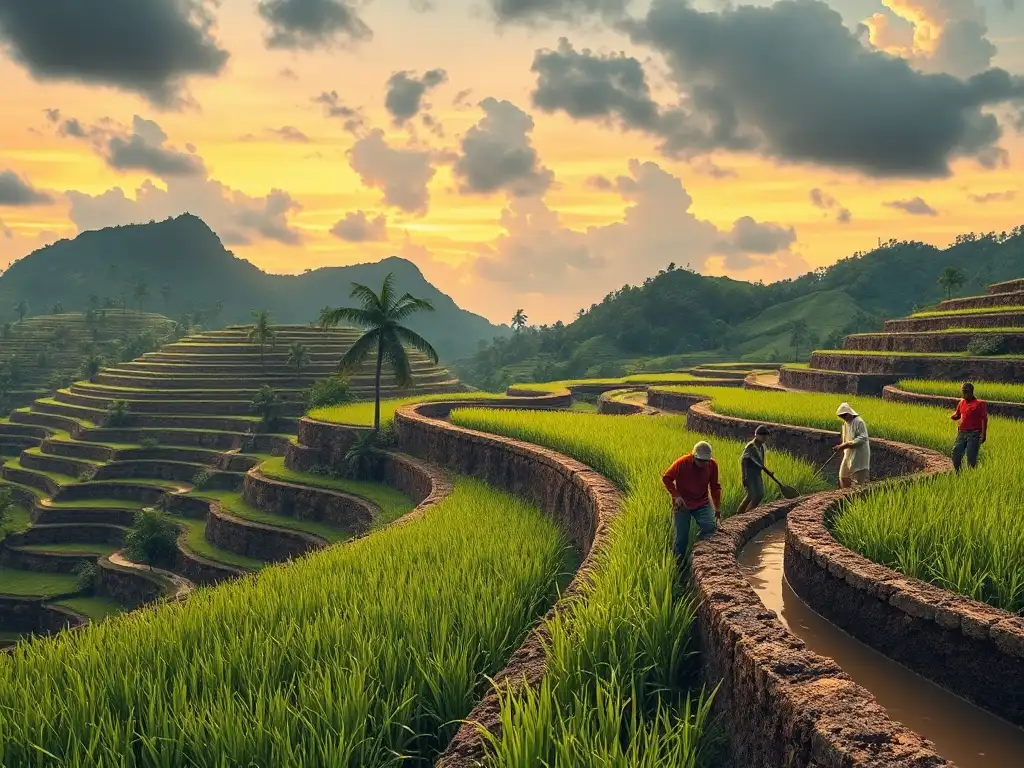
The agricultural innovations of ancient India not only transformed the agricultural landscape during their time but also laid the groundwork for sustainable practices that resonate today. The intricate relationship between the monsoon cycle and agricultural techniques allowed ancient civilizations to thrive, showcasing their adaptability and ingenuity. From advanced irrigation systems to crop diversification, the legacy of these practices is evident in the agricultural frameworks that exist in modern India and beyond.
Reflections on Sustainability and Agricultural Practices
Ancient Indian agricultural techniques were characterized by a deep understanding of the environment and a commitment to sustainability. Farmers developed methods that maximized the use of local resources while minimizing ecological disruption. Some key aspects include:
- Rainwater Harvesting: Ancient texts reveal that rainwater conservation was crucial. Systems such as tanks and wells were constructed to store excess monsoon water, enhancing water availability during dry periods.
- Crop Rotation and Intercropping: These strategies not only improved soil fertility but also reduced pest populations. By alternating crops and planting multiple species together, farmers could create a more resilient agricultural ecosystem.
- Organic Fertilizers: The use of compost and animal manure was prevalent, ensuring that nutrients returned to the soil without harmful chemicals. These practices promoted soil health and biodiversity.
These sustainable practices demonstrate how ancient Indian farmers were advanced in their ecological awareness, which can serve as a blueprint for modern agricultural strategies aimed at combatting climate change and food insecurity.
The Continuing Influence of Ancient Techniques on Contemporary Agriculture
The influence of ancient Indian agricultural techniques can still be seen in contemporary farming practices. Many farmers today incorporate traditional methods, recognizing their effectiveness and sustainability. For instance:
- Drip Irrigation: Although a modern invention, the principles behind drip irrigation mirror the ancient methods of precise water management used in areas like the Indus Valley, which enhanced crop yields while conserving water.
- Diverse Crop Cultivation: Today's organic farms often embrace the concept of polyculture, a practice that has its roots in ancient techniques. This approach not only increases resilience to pests and diseases but also promotes ecological balance.
- Use of Indigenous Seeds: Many farmers are returning to traditional seed varieties, which are often more resilient to local climatic conditions than modern hybrids. This practice echoes the ancient Indian emphasis on biodiversity.
The revival of these techniques highlights a broader trend towards sustainable agriculture. As the world faces challenges related to food production and environmental conservation, the lessons learned from ancient Indian agricultural practices offer valuable insights into building resilient and sustainable food systems for the future.
Frequently Asked Questions
What role did monsoons play in ancient Indian agriculture?
Monsoons were crucial for irrigation and crop cultivation in ancient India, providing the necessary rainfall for sustaining agricultural practices.
How did ancient Indian civilizations adapt their farming techniques to the monsoon climate?
Ancient Indian farmers developed various innovative agricultural techniques, such as crop rotation and terracing, to maximize the benefits of the monsoon rains.
What are some examples of ancient Indian agricultural techniques?
Key techniques included the use of plows, seed drilling, and water management systems like canals and reservoirs to effectively utilize monsoon water.
Did the Gupta Empire contribute to advancements in agriculture?
Yes, the Gupta Empire saw significant progress in agricultural productivity, with improvements in irrigation systems and the introduction of new crops that thrived in the monsoon season.
How have ancient Indian agricultural innovations influenced modern practices?
Many ancient techniques laid the groundwork for contemporary sustainable farming methods, emphasizing the importance of water conservation and soil management.
Final Reflection: The Enduring Legacy of Ancient Indian Agricultural Techniques
The intricate relationship between monsoons and ancient Indian agricultural innovations underscores a profound truth: the environment shapes human ingenuity. Today, as we face the challenges of climate change and food security, understanding how our ancestors adapted to their surroundings offers invaluable lessons. The resilience and creativity of ancient Indian farmers in harnessing the monsoon rains not only ensured their survival but also laid the groundwork for sustainable agricultural practices that resonate even in contemporary times.
The influence of these ancient agricultural techniques extends far beyond their historical context; they continue to inspire modern practices and cultural narratives. The wisdom embedded in traditional farming methods reminds us of the importance of harmony with nature. As we navigate the complexities of modern agriculture, we can draw from the past to create a more sustainable future. To forget the past is to lose the future.
This quote encapsulates the necessity of remembering and learning from the agricultural innovations that arose in response to the monsoon's rhythm.
As you reflect on the lessons of ancient Indian agricultural techniques, consider how you can apply these insights in your own life. Embrace the idea of sustainability and resilience, whether in your gardening practices, food choices, or community involvement. The legacy of our ancestors is not just a story of the past; it is a call to action for the present and future. Let their ingenuity inspire you to cultivate a deeper connection with the land and to innovate in ways that honor both tradition and progress.
Unleash the Potential of Ancient Wisdom!
Thank you for diving into the fascinating world of monsoons and their impact on ancient Indian agriculture! You've uncovered the incredible innovations that have shaped our food systems and resilience. Now, it’s time to put that inspiration into action!
Here’s how you can make a difference:
- Explore the roots of agriculture: Visit your local library or online archives to discover ancient farming techniques and learn how they can enhance modern sustainability practices.
- Share your insights: Start a conversation with friends or engage on social media about what you learned. Use the hashtag #AncientAgInnovation to inspire others!
- Get involved in community gardening: Join or initiate a community garden project that incorporates historical methods to promote sustainable practices.
What ancient agricultural innovation could you envision adapting to today’s challenges? Share your thoughts below!