
Ancient Indian Veterinary Practices: Innovations for Sustainable Farming

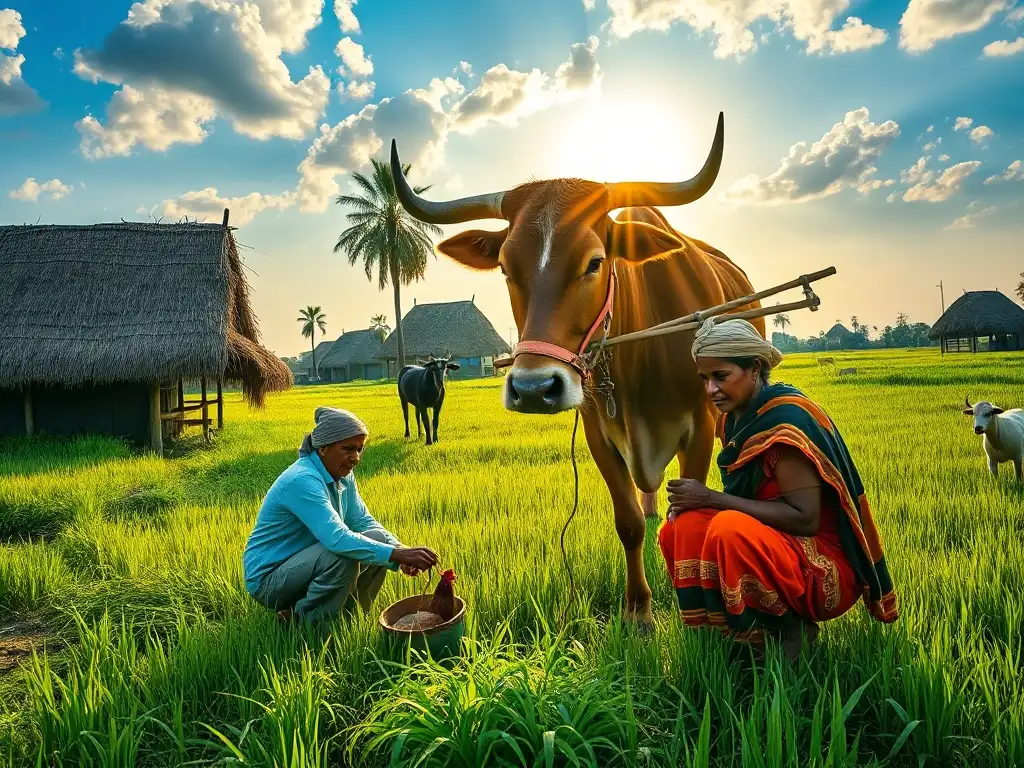
Welcome to Ancient India History, where we delve into the rich tapestry of civilizations that have shaped our world. Today, we invite you to explore the fascinating realm of ancient Indian veterinary practices. Discover how these time-honored innovations not only contributed to sustainable farming but also reflect the ingenuity and wisdom of a culture deeply connected to its agricultural roots. As you navigate through our insights, prepare to uncover the remarkable legacy that continues to influence modern practices and enrich our understanding of ancient technologies. Your journey into the past begins now—dare to uncover what lies beneath?
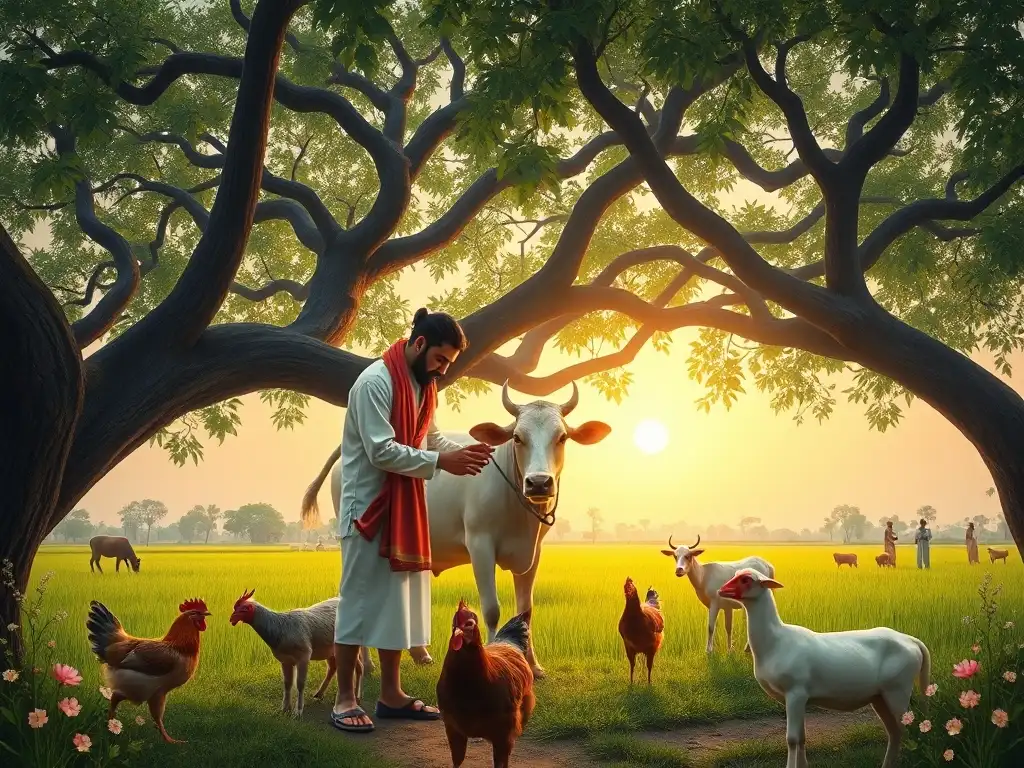
Introduction to Ancient Indian Veterinary Practices
The history of ancient Indian veterinary practices provides a fascinating insight into how early civilizations harmonized their agricultural activities with animal husbandry. As societies evolved, so did their understanding of animal care, leading to significant innovations that laid the groundwork for sustainable farming practices. Ancient Indian veterinary practices encompassed a range of techniques and knowledge that not only enhanced animal health but also improved crop yields, thereby ensuring food security. This article delves into the rich tapestry of veterinary innovations, highlighting their importance in the context of sustainable agriculture and the profound impact they had on ancient Indian civilization.
Overview of Veterinary Practices in Ancient India
Ancient Indian veterinary practices were characterized by a deep understanding of animal anatomy, health, and husbandry techniques. Key aspects included:
- Traditional Medicine: Use of herbs and natural remedies to treat ailments.
- Preventive Care: Regular health checks and vaccinations using indigenous methods.
- Breeding Techniques: Selective breeding to enhance desirable traits in livestock.
The Ayurvedic system, which dates back thousands of years, played a pivotal role in the development of these practices. It emphasized holistic health and the interconnection between humans, animals, and the environment.
Importance of Veterinary Innovations for Sustainable Agriculture
The innovations in veterinary practices during ancient times had far-reaching implications for sustainable agriculture. By ensuring the health and productivity of livestock, these practices contributed to:
- Increased Crop Yields: Healthy animals provided better manure, enriching the soil.
- Food Security: Livestock was crucial for sustenance, providing milk, meat, and labor.
- Economic Stability: Enhanced animal husbandry practices led to trade and prosperity.
These veterinary practices not only supported agricultural productivity but also fostered a symbiotic relationship between farming and animal rearing, vital for the sustenance of ancient communities.
Historical Context of Veterinary Practices in Ancient India
Understanding the historical backdrop of veterinary practices in ancient India is essential to appreciate their evolution and significance. The origins of these practices can be traced back to various ancient civilizations, each contributing uniquely to the field of veterinary medicine.
Origins of Veterinary Medicine in Ancient Civilizations
The roots of veterinary medicine can be found in ancient texts, such as the Rigveda and Atharvaveda, which document early practices and beliefs surrounding animal care. These texts illustrate that:
- Animal Husbandry: Was integral to agrarian society, with specific guidelines for the treatment and management of animals.
- Medicinal Knowledge: Included references to various plants and herbs effective in treating livestock ailments.
These early practices laid the foundation for systematic veterinary care, which would be refined over generations.
Influence of the Indus Valley Civilization on Animal Husbandry
The Indus Valley Civilization (c. 3300–1300 BCE) provides a remarkable example of sophisticated animal husbandry. Archaeological findings suggest that:
- Domestication: Of various animals such as cattle, sheep, and goats was prevalent.
- Infrastructure: Evidence of pens and stabling indicates a structured approach to animal management.
The civilization's emphasis on agriculture and animal care directly influenced subsequent cultures, embedding veterinary practices into the fabric of Indian society. This legacy continued through generations, shaping the agricultural innovations that would follow.
Key Ancient Indian Veterinary Practices
Ancient Indian veterinary practices encompass a rich tapestry of knowledge and techniques that were crucial for the health and productivity of livestock. These practices were not merely focused on treating ailments but also emphasized preventive care, holistic health, and sustainable farming methods. The integration of traditional wisdom with observational science led to a unique understanding of animal husbandry that supported agricultural advancements throughout ancient India.
Key practices included the use of specific breeding techniques to enhance desirable traits in livestock, as well as the application of ethical treatment and care for animals. Ancient texts, such as the Ashvamedha and Vaikhanasa Sutras, detail the importance of animal welfare, showcasing a sophisticated understanding of the interdependence between animals, humans, and the environment.
Traditional Techniques for Animal Care
Traditional techniques for animal care in ancient India were designed to ensure the well-being and efficiency of livestock. Techniques included:
- Routine Health Check-ups: Regular assessments of animals were carried out to monitor health and detect any issues early.
- Housing and Nutrition: Livestock were provided with suitable shelter and balanced diets tailored to their species, age, and health status. This included a variety of grains, grass, and legumes.
- Breeding Practices: Selective breeding was employed to improve livestock qualities, such as strength, milk production, and disease resistance. Farmers utilized natural mating strategies that prioritized genetic diversity.
These practices emphasized the importance of observing animal behavior and needs, leading to more effective care strategies that promoted both animal welfare and agricultural productivity.
Herbal Remedies and Their Applications in Veterinary Medicine
Herbal remedies played a pivotal role in ancient Indian veterinary medicine, reflecting a deep understanding of local flora and its medicinal properties. Ancient practitioners employed various herbs and plants, often documented in texts like the Sushruta Samhita, to treat a range of conditions in animals. Some notable applications included:
- Turmeric (Curcuma longa): Used for its anti-inflammatory properties, helping to treat wounds and infections.
- Neem (Azadirachta indica): Recognized for its antiseptic and anti-parasitic qualities, neem was commonly used to manage skin conditions and infestations.
- Ginger (Zingiber officinale): Utilized for its digestive benefits, it helped alleviate gastrointestinal issues in livestock.
These herbal applications not only treated ailments but also contributed to overall health, ensuring that animals remained productive and resilient.
Role of Livestock in Ancient Indian Agriculture
Livestock held a central role in ancient Indian agriculture, serving as vital contributors to farming practices. They provided essential services such as:
- Plowing and Preparation of Land: Animals like oxen were indispensable for tilling soil, making land ready for sowing crops.
- Fertilization: Animal manure was widely utilized as a natural fertilizer, enriching soil fertility and promoting sustainable farming.
- Transportation: Livestock facilitated the movement of goods and produce, connecting farmers to markets and enhancing trade.
This symbiotic relationship between livestock and agriculture underscored the holistic approach of ancient Indian farming practices, which balanced productivity with sustainability.
Innovations in Veterinary Practices
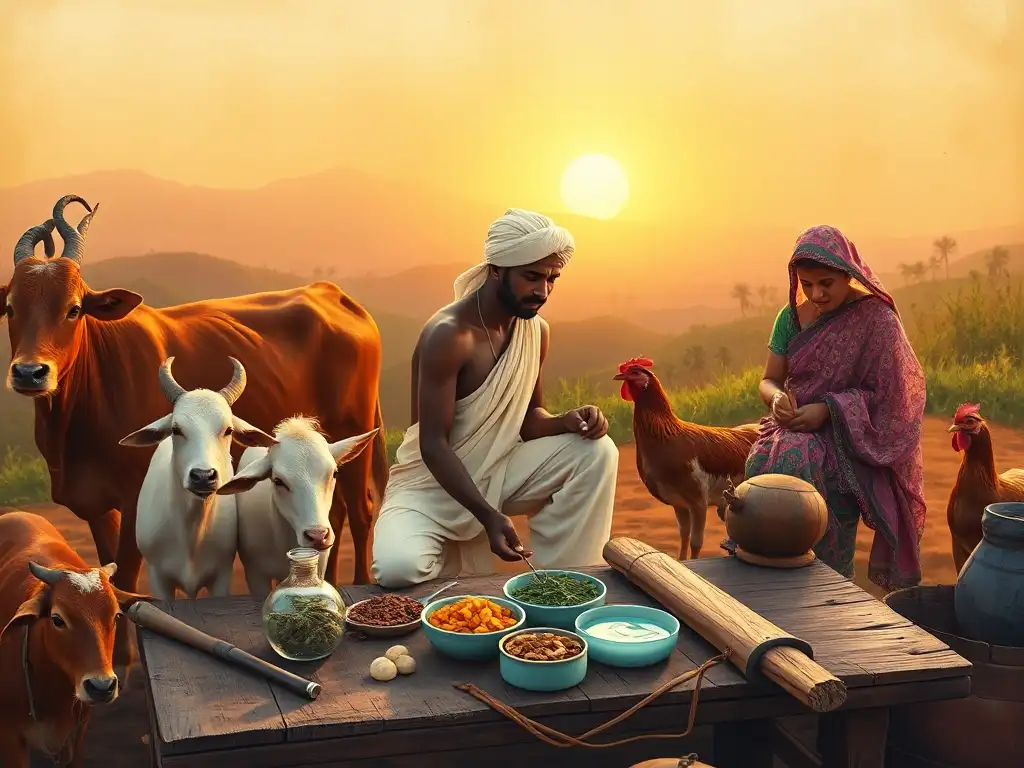
Innovations in veterinary practices during ancient times laid the groundwork for sustainable livestock management that continues to influence contemporary practices. These innovations were characterized by a blend of empirical knowledge and traditional beliefs, resulting in effective and sustainable approaches to animal husbandry.
Development of Sustainable Livestock Management Techniques
Ancient Indian societies developed a range of sustainable livestock management techniques that emphasized harmony with nature. Practices included:
- Rotational Grazing: This method allowed pastures to regenerate, maintaining soil health and preventing overgrazing.
- Mixed Farming: Integrating crop cultivation with livestock rearing optimized the use of land and resources, fostering ecological balance.
- Water Management: Ancient farmers implemented systems for efficient water use, ensuring livestock had access to clean water without depleting local resources.
These practices not only improved livestock health and productivity but also contributed to long-term agricultural sustainability.
Integration of Veterinary Knowledge with Agricultural Practices
The integration of veterinary knowledge with agricultural practices was a hallmark of ancient Indian farming. This approach included:
- Collaborative Farming: Farmers and veterinarians often worked together to optimize animal health and crop production, sharing insights on the needs of both crops and livestock.
- Seasonal Planning: Farmers aligned veterinary care with agricultural cycles, ensuring that animals received appropriate care during critical farming periods, such as planting and harvesting.
- Education and Training: Knowledge was passed down through generations, with experienced farmers training newcomers in best practices for both crop and livestock management.
This synergy fostered a comprehensive understanding of agricultural ecosystems, promoting resilience and productivity.
Impact of Ayurvedic Principles on Animal Health
Ayurvedic principles significantly influenced ancient Indian veterinary practices, focusing on balance and holistic health. The application of Ayurvedic concepts included:
- Dietary Recommendations: Just as human health was addressed through diet, specific nutritional plans for animals were designed to promote balance and vitality.
- Holistic Treatments: Ayurvedic treatments emphasized the interconnectedness of body, mind, and environment, leading to more comprehensive care for livestock.
- Preventive Care: The Ayurvedic approach prioritized prevention over treatment, advocating for practices that maintained animal health and prevented disease.
The incorporation of Ayurvedic principles into veterinary medicine not only enhanced animal wellbeing but also fostered sustainable agricultural practices, showcasing the profound interrelationships within ancient Indian ecosystems.
Case Studies of Ancient Indian Veterinary Innovations
Ancient India was home to a plethora of innovative veterinary practices that contributed significantly to sustainable farming. These practices not only ensured the health and productivity of livestock but also fostered a harmonious relationship between agriculture and animal husbandry. This section delves into specific case studies highlighting the ingenuity of ancient Indian veterinary practices.
Case Study: Veterinary Practices in Ancient Tamil Nadu
In ancient Tamil Nadu, veterinary practices were deeply intertwined with the region's agricultural framework. The Tamils revered cattle, considering them sacred and essential for agricultural productivity. Historical texts, such as the Tolkāppiyam, provide insights into the practices followed by Tamil farmers.
- Herbal Remedies: Farmers relied on indigenous herbs for treating livestock ailments. Common plants like Neem and Tulsi were used for their antimicrobial properties, while Turmeric was applied for wound healing. These remedies were not only effective but also environmentally friendly.
- Breeding Techniques: The Tamils practiced selective breeding to enhance desirable traits in cattle, such as strength and milk production. This practice ensured a robust livestock population capable of supporting the agricultural demands of the time.
- Record Keeping: Ancient Tamils maintained meticulous records of livestock health, breeding patterns, and treatment outcomes. This practice facilitated the sharing of knowledge and improved veterinary care across generations.
Case Study: The Role of Cattle in Vedic Agriculture
The Vedic texts provide comprehensive insights into the role of cattle in ancient Indian agriculture, particularly during the Vedic period (1500-500 BCE). Cattle were not merely a source of labor but played a multifaceted role in the agricultural ecosystem.
- Ploughing and Transportation: Cattle were primarily employed for ploughing fields and transporting goods. The use of the yoke allowed for efficient tilling of the land, enhancing crop yields.
- Fertilization: Cattle dung was recognized as an invaluable resource, used as a natural fertilizer to enrich soil fertility. This sustainable practice promoted soil health and improved agricultural productivity.
- Cultural Significance: Cattle held significant cultural value in Vedic society, often associated with prosperity and wealth. Rituals and hymns were dedicated to cattle, highlighting their importance in the agrarian lifestyle.
The Role of Veterinary Practices in Sustainable Farming
Ancient Indian veterinary practices were pivotal in promoting sustainable farming. By integrating animal husbandry with agriculture, these practices addressed the needs of the ecosystem while ensuring the welfare of livestock.
- Ecosystem Balance: The symbiotic relationship between crops and livestock created a balanced ecosystem. Livestock contributed to soil fertility, while crops provided fodder, ensuring mutual benefits.
- Resource Efficiency: Ancient practices emphasized the efficient use of local resources, minimizing reliance on external inputs. This approach not only reduced costs for farmers but also promoted self-sufficiency.
- Biodiversity Conservation: Traditional veterinary practices encouraged the maintenance of a diverse range of livestock breeds, which is crucial for resilience against diseases and climate variations.
Benefits of Ancient Practices for Modern Agriculture
Modern agriculture can derive numerous benefits from ancient Indian veterinary practices. These practices offer sustainable solutions that align with contemporary agricultural challenges.
- Organic Farming: The emphasis on herbal remedies and organic fertilizers aligns with the modern shift towards organic farming, reducing the dependence on chemical inputs.
- Animal Welfare: Ancient practices prioritized the health of livestock, promoting humane treatment and care. This focus resonates with today’s increasing awareness of animal welfare in agriculture.
- Sustainable Breeding: The traditional methods of selective breeding can inspire modern farmers to adopt more sustainable practices, ensuring the health and adaptability of livestock to changing environmental conditions.
Lessons from Ancient Indian Veterinary Practices for Today's Farmers
Today’s farmers can learn valuable lessons from ancient Indian veterinary practices that can enhance sustainability and productivity in agriculture.
- Integration of Livestock and Crop Production: Encouraging the integration of livestock into crop production systems can lead to enhanced soil health and increased farm productivity.
- Utilization of Traditional Knowledge: Drawing from the vast reservoir of traditional veterinary knowledge can empower farmers to develop localized solutions for livestock health and productivity.
- Focus on Biodiversity: Emphasizing the importance of biodiversity in livestock breeds can lead to more resilient agricultural systems, capable of withstanding environmental stresses.
By revisiting and integrating these ancient practices, modern agriculture can move towards a more sustainable and resilient future.
Conclusion: Reviving Ancient Indian Veterinary Practices for Modern Sustainability
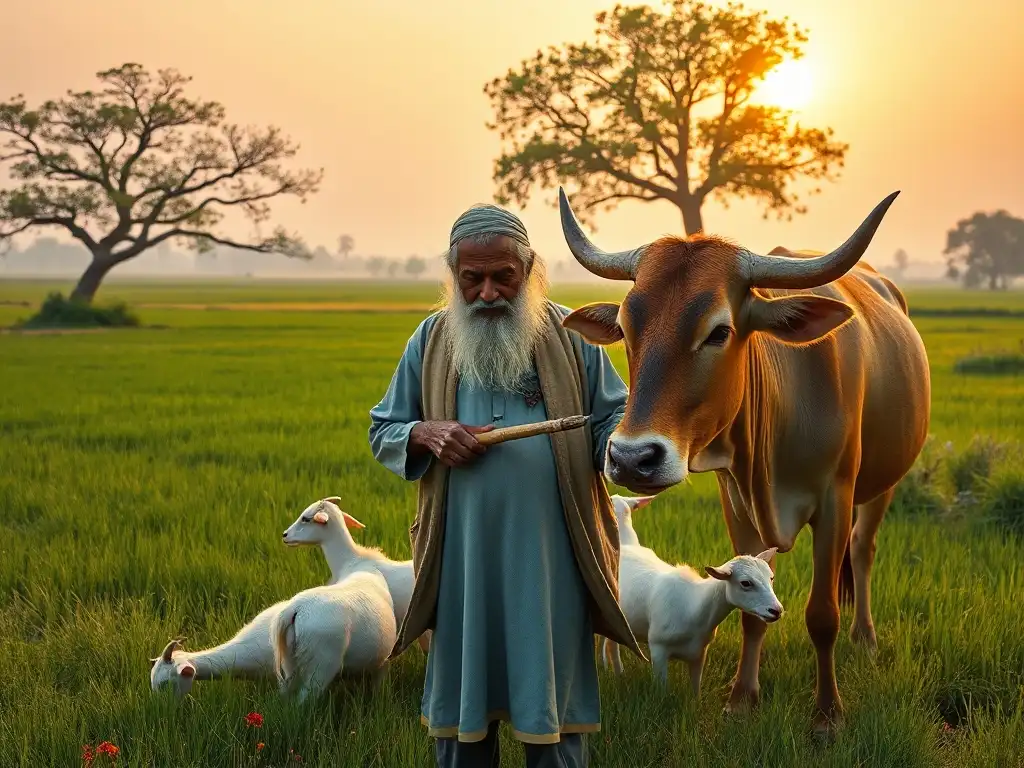
The ancient Indian veterinary practices present a remarkable tapestry of wisdom that intertwines animal husbandry with agriculture. These practices not only enhanced the health and productivity of livestock but also contributed significantly to the sustainability of farming in ancient times. As modern agriculture grapples with challenges such as climate change, soil degradation, and the need for ethical farming practices, there is much to learn from the innovative strategies developed by our ancestors. By revisiting and integrating these traditional methods into contemporary farming systems, we can foster a more humane and ecologically balanced approach to agriculture.
Summary of Key Innovations and Their Relevance Today
Ancient Indian veterinary practices encompassed several key innovations that laid the groundwork for sustainable animal husbandry. These included:
- Natural Remedies: Indigenous knowledge of herbal medicine allowed farmers to treat livestock ailments without reliance on synthetic drugs. Ingredients like turmeric, neem, and garlic were commonly used, which are now recognized for their antimicrobial and anti-inflammatory properties.
- Zebu Cattle Management: The careful breeding and management of Zebu cattle, known for their drought resistance and adaptability to harsh conditions, serve as a model for modern livestock programs in arid regions.
- Integrated Farming Systems: The integration of livestock with crops ensured efficient nutrient cycling. Livestock provided manure for fertilization, while crop residues served as feed, creating a closed-loop system that minimized waste and maximized productivity.
- Ethical Treatment of Animals: Ancient texts like the Arthashastra emphasized the humane treatment of animals, underscoring the importance of animal welfare in farming practices. This principle is increasingly relevant today as consumers demand more ethical and sustainable food sources.
These innovations demonstrate a holistic understanding of agriculture that resonates with modern sustainability goals. By adopting these practices, contemporary farmers can enhance biodiversity, improve soil health, and reduce dependency on chemical inputs.
Future Prospects for Sustainable Farming Inspired by Ancient Practices
Looking ahead, the revival of ancient Indian veterinary practices holds promising prospects for sustainable farming. As awareness of environmental issues rises, there is a growing movement towards regenerative agriculture, which aligns closely with the principles of ancient practices. Potential avenues for future exploration include:
- Research and Development: Continued scientific research into traditional remedies and livestock management techniques can lead to the development of sustainable products that respect both animal welfare and ecological balance.
- Education and Training: Incorporating ancient practices into agricultural education can equip new generations of farmers with the tools to implement sustainable methods, ensuring that these valuable traditions are not lost.
- Community-Based Initiatives: Promoting community engagement in the revival of these practices can foster a sense of pride and responsibility towards local ecosystems, encouraging sustainable practices at a grassroots level.
- Policy Support: Governments and organizations can play a crucial role by providing support and incentives for farmers who adopt traditional practices, thereby fostering a more sustainable agricultural landscape.
By embracing the wisdom of ancient Indian veterinary practices, we can pave the way for a more sustainable and ethical future in agriculture, ensuring that both livestock and land thrive for generations to come.
- Introduction to Ancient Indian Veterinary Practices
- Historical Context of Veterinary Practices in Ancient India
- Key Ancient Indian Veterinary Practices
- Innovations in Veterinary Practices
- Case Studies of Ancient Indian Veterinary Innovations
- The Role of Veterinary Practices in Sustainable Farming
- Conclusion: Reviving Ancient Indian Veterinary Practices for Modern Sustainability
- Summary of Key Innovations and Their Relevance Today
- Future Prospects for Sustainable Farming Inspired by Ancient Practices
- What were ancient Indian veterinary practices?
- How did ancient Indian civilizations contribute to veterinary science?
- What innovations in veterinary practices emerged during the Gupta Empire?
- How did religion influence veterinary practices in ancient India?
- What role did ancient Indian veterinarians play in society?
Frequently Asked Questions
What were ancient Indian veterinary practices?
Ancient Indian veterinary practices encompassed a variety of techniques and methods aimed at ensuring the health and productivity of livestock, crucial for sustainable farming.
How did ancient Indian civilizations contribute to veterinary science?
Civilizations in ancient India, like the Indus Valley, developed early veterinary texts and practices, which laid the foundation for modern animal care, emphasizing the importance of animals in agriculture.
What innovations in veterinary practices emerged during the Gupta Empire?
During the Gupta Empire, there were significant advancements in animal husbandry and treatment, including surgical techniques and herbal remedies that improved livestock health.
How did religion influence veterinary practices in ancient India?
Religious beliefs in ancient India often promoted the well-being of animals, leading to the establishment of animal hospitals and practices that prioritized care and compassion.
What role did ancient Indian veterinarians play in society?
Ancient Indian veterinarians, known as vets or vaidyas, were vital in farming communities, ensuring livestock health, which directly impacted the economy and food security of their societies.
Final Reflection: Embracing Ancient Wisdom for a Sustainable Future
The relevance of ancient Indian veterinary practices in today's world cannot be overstated; these time-honored techniques offer invaluable insights into sustainable farming. As we face pressing environmental challenges and a growing demand for food, the wisdom embedded in these practices serves as a beacon of hope, reminding us that innovation often lies in the past. The integration of traditional veterinary methods with modern science could pave the way for a more sustainable agricultural future.
The influence of ancient Indian veterinary practices extends beyond mere farming techniques; they embody a holistic approach to animal care and environmental stewardship. By respecting the interconnectedness of all life forms, these practices encourage a balance that modern agriculture often overlooks. As Mahatma Gandhi once said, "> The greatness of a nation and its moral progress can be judged by the way its animals are treated." This perspective highlights the profound impact that compassionate and sustainable practices can have on our society as a whole.
As we reflect on the lessons from ancient Indian veterinary practices, I invite you to consider how you can incorporate these principles into your own life and work. What steps can you take to honor the wisdom of the past while fostering a sustainable future? Whether through supporting local farmers, advocating for humane treatment of animals, or exploring traditional methods in your own practices, each action contributes to a larger movement toward sustainability. Let us embrace this ancient wisdom and work together to cultivate a more harmonious relationship with the earth and its creatures.
Embrace Ancient Wisdom for Modern Solutions!
Thank you for diving into the fascinating world of ancient Indian veterinary practices. You’ve uncovered valuable insights that can inspire sustainable farming today. Now, it's time to take the next step in applying this knowledge to create a positive impact!
Here’s how you can get started:
- Implement ancient techniques in your own farming practices – consider introducing herbal remedies and traditional animal husbandry methods to enhance the health of your livestock.
- Share your experiences with friends or fellow farmers! Discuss the potential benefits of these practices on social media or community forums to spark interest and conversation.
- Explore further: Visit local museums or libraries to find more resources on ancient practices that can inspire innovative solutions in modern agriculture.
What innovative approach will you try first to blend tradition with your sustainable farming practices? **We look forward to hearing your thoughts in the comments below! **