
Ancient Indian Agricultural Tools: Craftsmanship and Innovation

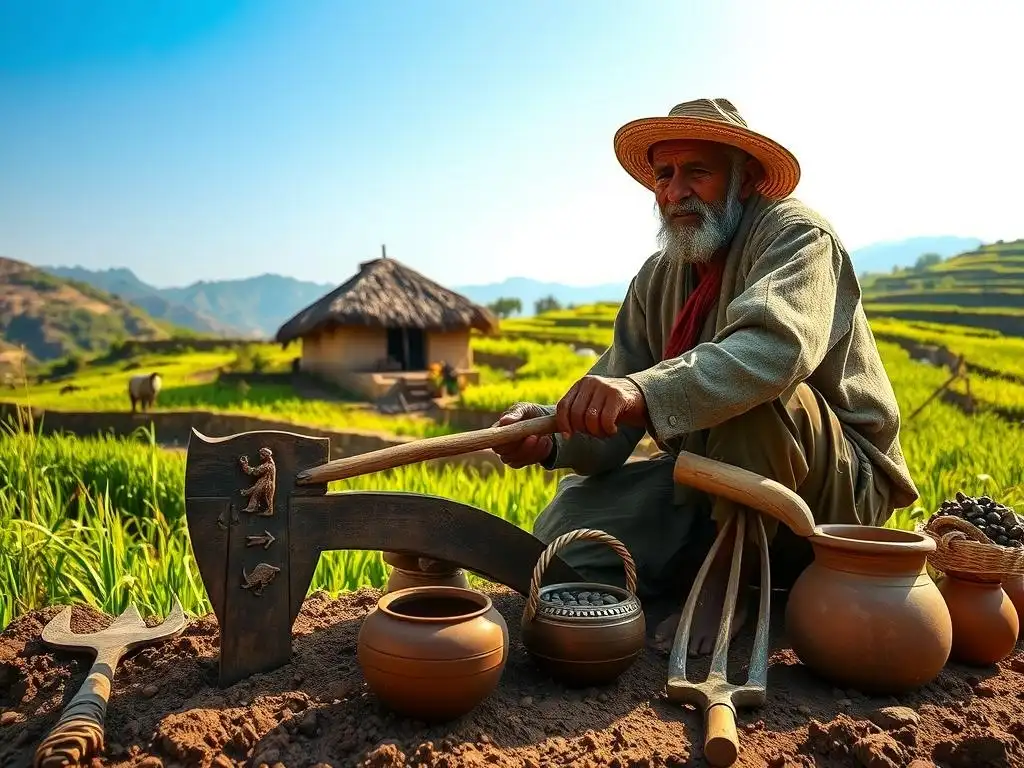
Welcome to Ancient India History, where we embark on a fascinating journey through the rich tapestry of ancient Indian civilizations. From the ingenuity of the Indus Valley to the cultural brilliance of the Gupta Empire, the stories of our past come alive! In our featured article, Ancient Indian Agricultural Tools: Craftsmanship and Innovation, we delve into the remarkable innovations that shaped agricultural practices, revealing the intricate craftsmanship behind these essential tools.
Prepare to be captivated by how these tools not only transformed farming but also played a pivotal role in the advancement of ancient society. Join us as we uncover the secrets of ancient Indian ingenuity and explore the legacies that still influence us today!
Introduction to Ancient Indian Agricultural Tools
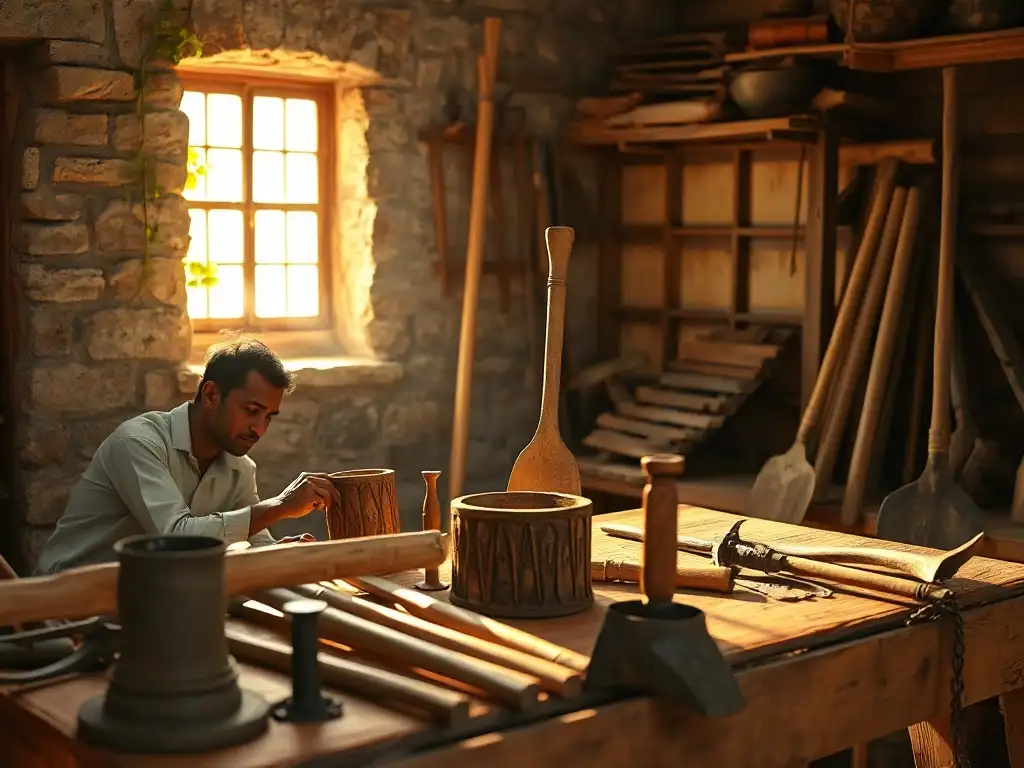
The history of agriculture in ancient India reflects a sophisticated understanding of the interplay between nature and human ingenuity. Ancient Indian agricultural tools were not merely implements; they were artifacts of craftsmanship and innovation that played a critical role in shaping the civilization's agricultural practices.
From the early days of the Indus Valley Civilization to the flourishing agricultural advancements during the Gupta Empire, these tools were pivotal in enhancing productivity, facilitating trade, and sustaining the populace. In this article, we will explore the various agricultural tools used in ancient India, their craftsmanship, innovations, and the profound impact they had on society.
Importance of Agriculture in Ancient India
Agriculture was the backbone of ancient Indian society. It provided sustenance, economic stability, and a foundation for urbanization. The importance of agriculture can be highlighted through several key points:
- Economic Foundation: The majority of the population engaged in farming, which led to the development of trade and commerce.
- Cultural Significance: Agricultural practices shaped festivals, rituals, and traditions, reflecting the deep connection between the land and the people.
- Sustainable Lifestyle: Ancient Indian civilizations developed sustainable farming techniques that ensured food security.
Overview of Agricultural Tools and Their Impact on Civilization
The tools utilized by ancient Indian farmers were a testament to their ingenuity and adaptability. Some of the notable tools included:
- Ploughs: Made from wood, these were essential for tilling the land.
- Sickles: Used for harvesting crops, they showcased precision in design.
- Irrigation Devices: Innovations such as wells and water channels helped in managing water supply.
The impact of these tools on civilization was profound, as they not only increased agricultural productivity but also contributed to the development of towns and cities.
Historical Context of Agricultural Tools in Ancient India
The evolution of agricultural tools in ancient India is a fascinating journey that reflects technological advancements and cultural shifts.
Evolution of Tools from the Indus Valley Civilization
The Indus Valley Civilization (circa 3300–1300 BCE) is regarded as one of the earliest urban cultures, and its agricultural tools were quite advanced for their time. The use of:
- Bronze and Copper Tools: These materials marked a shift from stone tools, allowing for increased durability and efficiency.
- Terracotta Models: Archaeological findings of terracotta models of ploughs indicate a sophisticated understanding of farming practices.
These innovations laid the groundwork for future agricultural advancements in the region.
Agricultural Innovations During the Vedic Period
The Vedic period (circa 1500–500 BCE) saw significant developments in agricultural practices and tools. Key innovations included:
- Iron Ploughshares: The introduction of iron tools greatly improved the efficiency of farming.
- Crop Rotation and Fertilization Techniques: These methods reflected a growing understanding of sustainable agriculture.
These innovations not only enhanced productivity but also allowed for a diversification of crops, which was vital for the economy.
The Role of Agriculture in the Maurya and Gupta Empires
During the Maurya (322–185 BCE) and Gupta (circa 320–550 CE) Empires, agriculture continued to flourish. The tools and techniques developed during these periods included:
- Advanced Irrigation Systems: Ingenious methods such as canals and dams supported large-scale farming.
- Specialized Tools: Innovations like seed drills and improved sickles indicated a significant leap in agricultural technology.
The emphasis on agriculture during these empires not only sustained large populations but also contributed to the prosperity and cultural richness of ancient India.
Through this exploration of ancient Indian agricultural tools, we can appreciate the craftsmanship, innovation, and profound impact these implements had on shaping one of the world's oldest civilizations.
Types of Ancient Indian Agricultural Tools
Ancient Indian agriculture was characterized by a variety of tools that showcased not only the craftsmanship of the era but also the innovations that catered to the diverse agricultural practices across the subcontinent. These tools were primarily made from locally available materials, such as wood, metal, and stone, and were designed to optimize farming processes, enhance productivity, and ensure sustainability. Let's delve into some key types of ancient Indian agricultural tools and their significance.
Plows: The Backbone of Ancient Farming
Plows were essential to ancient Indian agriculture, acting as the foundational tool for tilling the soil. The earliest forms of plows, known as the ard, were made from wood and featured a sharp end for breaking up the earth. Over time, plows evolved into more advanced forms, such as the iron-tipped plow, which significantly improved efficiency and durability.
- Design and Functionality: Ancient Indian plows typically consisted of a horizontal beam (the yoke) attached to two vertical handles. The sharp blade was designed to cut into the soil, turning it over to aerate and prepare it for planting.
- Regional Variations: Different regions in India developed unique plow designs based on local agricultural practices and soil types. For instance, the double-ox plow was prevalent in the fertile plains of the Ganges, while lighter versions were used in arid regions.
The development of the plow not only facilitated increased agricultural output but also played a crucial role in the transition from nomadic to settled agricultural societies.
Harrows and Hoes: Essential Tillage Tools
Following the initial plowing, harrows and hoes were vital for further soil preparation and crop cultivation.
- Hoes: These simple yet effective tools were used for digging, weeding, and shaping the soil. Made from materials like wood and metal, hoes often featured a broad blade that could be pushed or pulled through the earth. The versatility of the hoe made it indispensable for small-scale farmers.
- Harrows: Harrows were employed to break up the clumps of soil left after plowing and to create a smooth seedbed. Ancient harrows were typically made from timber and consisted of several horizontal bars with spikes or teeth that helped in leveling the field.
Both tools were crucial in ensuring that the soil was adequately prepared for planting, contributing to healthier crops and better yields.
Sickle: The Tool for Harvesting
The sickle is one of the oldest agricultural implements still in use today, with its origins tracing back to ancient civilizations.
- Design and Use: The sickle features a curved blade, which allowed farmers to efficiently harvest crops by cutting through stalks with a sweeping motion. Ancient Indian sickles were often made of iron or bronze, with wooden handles for better grip.
- Cultural Significance: The sickle was not only a practical tool but also held cultural importance in various agricultural rituals and festivals. Its design varied across regions, reflecting local craftsmanship and agricultural needs.
The sickle's effectiveness in harvesting made it an essential tool in ancient agriculture, directly impacting food production and storage.
Technological Innovations in Ancient Indian Agriculture
Ancient Indian agriculture was not only about tools but also involved significant technological innovations that facilitated improved farming practices and water management.
Water Management Tools: Irrigation and Wells
Water management was crucial for agricultural success in ancient India, given the varied climate and monsoon patterns.
- Irrigation Systems: Ancient Indians developed sophisticated irrigation systems, including canals, reservoirs, and wells, to harness water effectively. Techniques such as the stepwell and tank irrigation ensured that crops received adequate moisture throughout the growing season.
- Wells: Wells played a vital role in accessing groundwater, especially in arid regions. These were often constructed with stone or brick, demonstrating advanced engineering skills. The presence of wells allowed for year-round farming and supported the growth of settlements.
These innovations in water management significantly increased agricultural productivity and supported the sustenance of larger populations.
Seed Drills and Their Impact on Productivity
The introduction of seed drills marked a transformative moment in ancient Indian agriculture.
- Functionality: Seed drills were designed to plant seeds at a consistent depth and spacing, which enhanced germination rates and reduced seed wastage. This tool allowed farmers to sow seeds more efficiently compared to broadcasting methods.
- Impact on Yields: The use of seed drills contributed to higher agricultural productivity, enabling farmers to cultivate larger areas with greater precision. This innovation played a key role in supporting the growing populations and urban centers of ancient India.
The advancement of agricultural tools like seed drills reflects the ingenuity and adaptability of ancient Indian civilizations in their quest for sustainable farming practices.
Craftsmanship of Ancient Indian Agricultural Tools
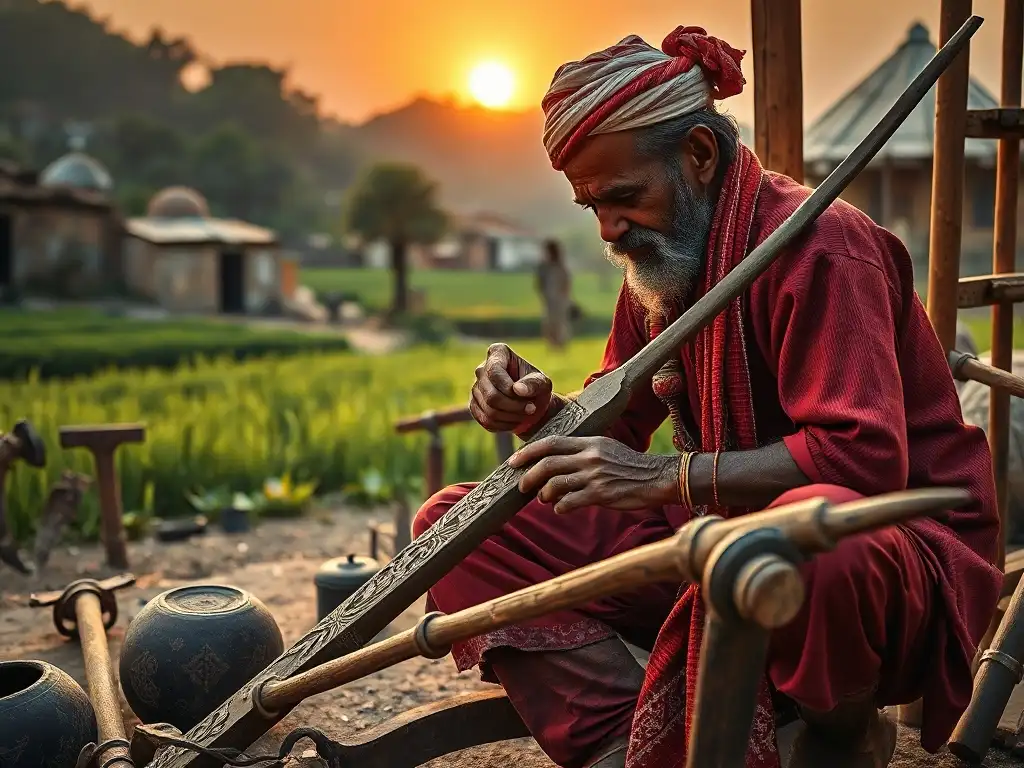
The craftsmanship of ancient Indian agricultural tools reflects a deep understanding of materials, functionality, and aesthetic values of the time. Artisans utilized locally available resources to create tools that were not only effective but also tailored to the specific needs of various agricultural practices. This craftsmanship was characterized by a blend of practical utility and artistic expression, showcasing the skills handed down through generations.
The tools varied significantly across different regions, influenced by local crops, climate, and soil types. For instance, the plough, a fundamental agricultural implement, was meticulously crafted, often from wood and sometimes reinforced with metal. The intricate designs and embellishments on these tools signified the artisan's expertise and the cultural identity of the community. Such craftsmanship played a crucial role in enhancing agricultural productivity and sustaining ancient Indian societies.
Traditional Techniques in Tool Making
Ancient Indian craftsmen employed several traditional techniques in the making of agricultural tools. One prominent method was the use of hand-forging, where artisans shaped metal into tools like sickles and hoes using hammers and anvils. This labor-intensive process required not only skill but also a profound understanding of metallurgy, allowing craftspeople to create durable and effective implements.
Additionally, woodwork was essential, with craftsmen using techniques such as carving and joining to create ploughs and other wooden tools. The use of natural adhesives from plant resins and animal glues further enhanced the durability of these wooden implements. These traditional techniques emphasized a sustainable approach, as artisans relied on renewable materials and local resources, which fostered a harmonious relationship between communities and their environment.
Influence of Culture on Tool Design
The design of ancient Indian agricultural tools was heavily influenced by the cultural practices and beliefs of the time. Each region had its unique agricultural rituals and festivals, which were often reflected in the tools used. For example, certain designs were embellished with symbols believed to bring fertility and prosperity to the land.
Moreover, the agricultural calendar, marked by seasonal changes and festivals, dictated the types of tools crafted. The arrival of monsoons would see the production of specific implements required for planting and harvesting. This cultural influence ensured that the tools were not only practical but also imbued with meaning, connecting the agricultural practices to the broader social and spiritual life of the community.
Innovations and Adaptations Over Time
Over the centuries, ancient Indian agricultural tools underwent significant innovations and adaptations in response to changing agricultural practices and environmental conditions. These innovations were a testament to the resilience and ingenuity of ancient Indian societies as they strived to improve agricultural efficiency and productivity.
Responses to Environmental Challenges
Ancient Indian farmers faced various environmental challenges, including variations in climate and soil fertility. In response, they developed tools suited to specific conditions, such as the use of iron-tipped ploughshares that could break through harder soils. These adaptations were crucial in enhancing crop yields and sustaining agricultural productivity in diverse landscapes, from the fertile plains of the Ganges to the arid regions of Rajasthan.
Additionally, techniques like crop rotation and the use of specific tools for different crops were adopted. For instance, sickles were designed with varying blade shapes to efficiently harvest different types of grains. This adaptability showcased the farmers' intimate knowledge of their environment and their commitment to improving agricultural outcomes.
The Influence of Trade on Agricultural Tools
Trade played a significant role in the evolution of agricultural tools in ancient India. As trade routes expanded, new materials and technologies were introduced, leading to innovations in tool design and functionality. The incorporation of metals such as bronze and iron into tool making marked a pivotal shift, enhancing the efficiency and durability of agricultural implements.
Furthermore, interactions with neighboring civilizations facilitated the exchange of ideas and practices. For example, the introduction of the seed drill from regions beyond India revolutionized sowing techniques. This cross-cultural exchange not only enriched the toolkit of ancient Indian farmers but also laid the foundation for agricultural advancements that would shape the future of Indian agriculture.
The craftsmanship, cultural influences, innovations, and adaptations of ancient Indian agricultural tools illustrate a rich tapestry of knowledge and skill that has significantly contributed to the agricultural heritage of India.
Conclusion: Legacy of Ancient Indian Agricultural Tools
The legacy of ancient Indian agricultural tools is a testament to the ingenuity and craftsmanship of early civilizations. These tools, meticulously crafted from locally sourced materials, played a pivotal role in shaping agricultural practices that sustained populations and contributed to the growth of trade and society.
From the simple plow to sophisticated irrigation systems, the innovations in agricultural tools mark significant advancements that laid the foundation for future agricultural methodologies. The understanding of crop cycles, soil management, and the use of tools like sickles and hoes not only enhanced productivity but also reflected a deep connection to the land and the rhythms of nature.
As we explore the evolution of these tools, we find that their design and function were closely aligned with the needs of the community, showcasing a blend of practicality and artistry. The intricate craftsmanship involved in creating these tools highlights the skills and knowledge passed down through generations. The legacy of these ancient innovations continues to inspire modern agricultural practices, reminding us of the importance of adapting to the environment while honoring traditional methods.
Lasting Impact on Modern Agriculture
The influence of ancient Indian agricultural tools can be seen in modern farming practices across the globe. Many contemporary tools and techniques still bear the imprint of ancient designs, demonstrating the enduring effectiveness of these innovations. For instance, the traditional plow, which originated from ancient India, has evolved into various forms but continues to serve its fundamental purpose in soil cultivation.
Moreover, the principles of sustainable farming that were practiced in ancient times are increasingly relevant today as we face the challenges of climate change and resource scarcity. Techniques such as crop rotation, organic farming, and water conservation methods have their roots in ancient agricultural wisdom. By revisiting these traditional approaches, modern farmers can enhance productivity while promoting environmental sustainability.
Lessons from Ancient Innovations for Contemporary Farming Practices
Ancient Indian agricultural tools offer valuable lessons for today's farmers. One key takeaway is the importance of adapting tools to local conditions, a practice that allowed ancient civilizations to thrive in diverse environments. This principle remains crucial as contemporary agriculture seeks to address regional challenges such as soil health, climate variability, and water availability.
Additionally, the emphasis on community-based farming observed in ancient India highlights the benefits of collaboration and knowledge sharing among farmers. In an era where large-scale industrial farming often dominates, integrating community practices can enhance resilience and sustainability in agriculture.
Furthermore, the holistic approach to farming, where tools and techniques were designed to work in harmony with nature, encourages today's farmers to adopt methods that prioritize ecological balance. This approach not only improves crop yields but also preserves biodiversity and promotes the long-term health of ecosystems.
References
Suggested Reading on Ancient Indian Agriculture
- "Agriculture in Ancient India" by Dr. R.S. Sharma: A comprehensive study on the agricultural practices of ancient Indian civilizations, exploring tools, crops, and techniques.
- "The Indus Valley Civilization: An Overview" by Rita Lucarelli: This work delves into the agricultural innovations of the Indus Valley, highlighting the tools and irrigation systems used.
Further Resources on Agricultural Innovations
- "Farming Innovations in Ancient Civilizations" by N. R. Jain: A comparative analysis of agricultural tools used across various ancient cultures, including India.
- "Sustainable Farming: Lessons from History" by A. P. Verma: This resource examines how historical agricultural practices can inform modern sustainability efforts, with a focus on ancient Indian methodologies.
- Introduction to Ancient Indian Agricultural Tools
- Historical Context of Agricultural Tools in Ancient India
- Types of Ancient Indian Agricultural Tools
- Technological Innovations in Ancient Indian Agriculture
- Craftsmanship of Ancient Indian Agricultural Tools
- Innovations and Adaptations Over Time
- Conclusion: Legacy of Ancient Indian Agricultural Tools
- References
- What were the primary agricultural tools used in ancient India?
- How did ancient Indian agricultural tools contribute to innovation?
- What materials were commonly used in the making of agricultural tools?
- How did the Indus Valley Civilization influence agricultural practices?
- Can you explain the significance of agricultural tools in the Gupta Empire?
Frequently Asked Questions
What were the primary agricultural tools used in ancient India?
Ancient Indian farmers utilized a variety of tools including the plough, sickle, and hoe, which were crucial for effective farming and harvesting.
How did ancient Indian agricultural tools contribute to innovation?
The development of tools like the iron plough and multi-crop sowers showcased the craftsmanship and innovation of ancient Indian civilizations, enhancing crop yields and efficiency.
What materials were commonly used in the making of agricultural tools?
Ancient Indian agricultural tools were primarily crafted from wood, stone, and metal such as bronze and iron, reflecting the technological advancements of the era.
How did the Indus Valley Civilization influence agricultural practices?
The Indus Valley Civilization was known for its sophisticated irrigation systems and agricultural tools, which laid the foundation for farming techniques that evolved over centuries.
Can you explain the significance of agricultural tools in the Gupta Empire?
During the Gupta Empire, advancements in agricultural tools facilitated increased agricultural productivity, which played a vital role in supporting the empire's economic growth and cultural achievements.
Final Reflection: The Enduring Legacy of Ancient Indian Agricultural Tools
The craftsmanship and innovation behind ancient Indian agricultural tools remain profoundly relevant today, as they not only shaped the agricultural practices of the past but also provide valuable insights into sustainable farming methods for the future. The ingenuity of these tools reflects a deep understanding of the environment and a commitment to efficiency that resonates with contemporary agricultural challenges.
The influence of ancient Indian agricultural tools extends beyond their historical significance; they serve as a reminder of the rich cultural heritage that informs modern agricultural practices. As we face pressing issues like climate change and food security, revisiting these traditional tools can inspire innovative solutions rooted in sustainability. The past is not dead; it is living in us, and we must learn from it to forge a better future.
As we conclude this exploration of ancient Indian agricultural tools, I invite you to reflect on how the lessons from our ancestors can guide our actions today. Consider how you can incorporate sustainable practices in your own life, whether through gardening, supporting local farmers, or advocating for environmentally friendly policies. Let us honor the craftsmanship of the past by cultivating a future that respects and learns from the wisdom of those who came before us.
Uncover the Legacy of Ancient Indian Farming!
Thank you for exploring the fascinating craftsmanship and innovation behind ancient Indian agricultural tools! We hope you’ve gained valuable insights into how these innovations shaped agricultural practices and influenced civilizations. Now, it's time to take actionable steps to dive deeper into this incredible legacy.
Here’s how you can continue your journey:
- Explore the Tools: Visit a local museum that showcases ancient agricultural tools to see them up close and understand their significance in a historical context.
- Share Your Knowledge: Initiate a conversation with friends or community groups about the innovations in agriculture you discovered. You might even inspire others to learn more!
- Get Creative: Consider creating a simple replica of one of these tools or writing a blog post about its historical importance—let your creativity shine!
What aspect of ancient Indian agricultural practices fascinates you the most— the tools themselves or the ingenuity behind their design?