
Ancient Indian Games and Sports: Their Influence on Southeast Asian Leisure Activities

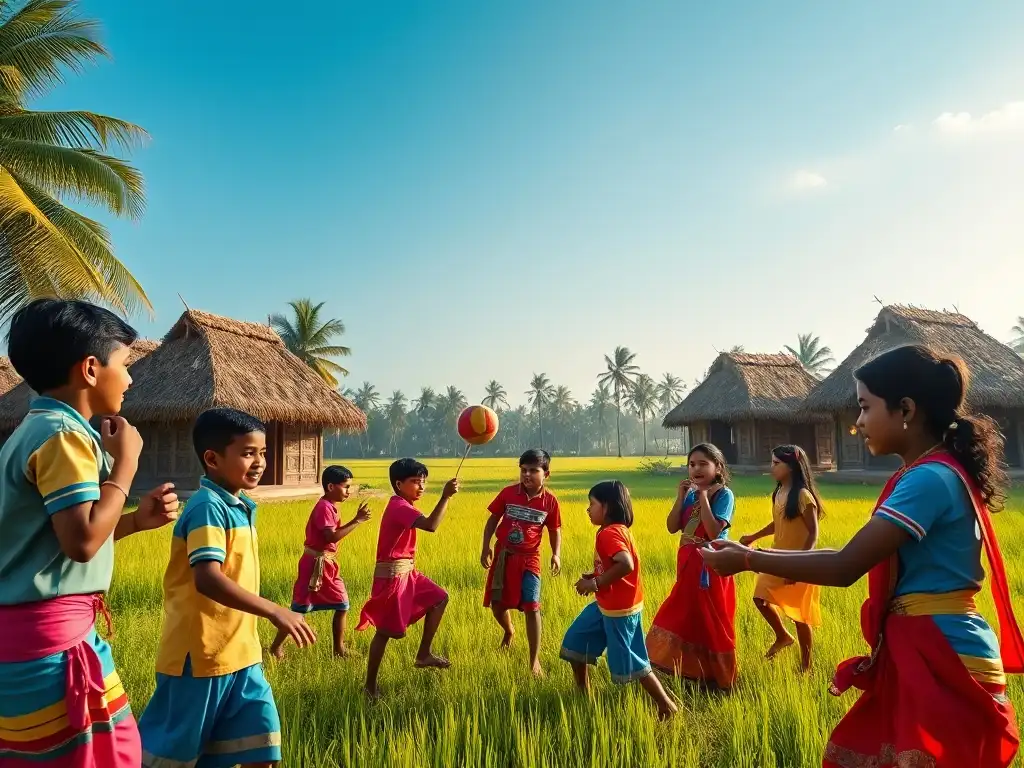
Welcome to Ancient India History, where we embark on a fascinating journey through the rich tapestry of ancient Indian civilizations! From the Indus Valley to the Gupta Empire, each era is a testament to the profound cultural exchanges that shaped our world. In our featured article, discover how ancient Indian games influenced Southeast Asian leisure activities—a captivating exploration of the playful legacies that continue to echo through time. Join us as we unveil the intricate connections between past and present, and uncover the hidden stories behind these timeless traditions. Dive deeper and let your curiosity guide you!
- Introduction to Ancient Indian Games and Their Influence on Southeast Asia
- Historical Context of Ancient Indian Games
- Types of Ancient Indian Games
- Mechanisms of Cultural Exchange Between India and Southeast Asia
- Ancient Indian Games Influence on Southeast Asian Leisure Activities
- Case Studies: Specific Examples of Influence
- The Legacy of Ancient Indian Games in Contemporary Southeast Asia
- Conclusion: The Enduring Impact of Ancient Indian Games
-
Frequently Asked Questions
- What are some examples of ancient Indian games?
- How did ancient Indian games influence Southeast Asian culture?
- What were the cultural impacts of these games on Southeast Asia?
- Did ancient Indian sports contribute to any modern games in Southeast Asia?
- How were games and sports viewed in ancient Indian society?
- Final Reflection: The Enduring Legacy of Ancient Indian Games in Southeast Asia
- Unlock the Legacy of Ancient Indian Games!
Introduction to Ancient Indian Games and Their Influence on Southeast Asia
The legacy of ancient Indian games and sports is a testament to the rich cultural tapestry that has shaped not only India but also its neighboring regions, particularly Southeast Asia. From the sophisticated board games that challenged the mind to physical sports that fostered strength and agility, ancient Indian games have left an indelible mark on leisure activities across Southeast Asia.
This article delves into the intricacies of these ancient pastimes, examining how they influenced the development of similar activities in Southeast Asian cultures. By exploring the origins, significance, and adaptations of these games, we aim to provide a comprehensive understanding of the cultural exchanges that have occurred over centuries, ultimately highlighting the keyword "ancient Indian games influence Southeast Asia."
Overview of Ancient Indian Games
Ancient India was home to a variety of games that catered to different interests and skill levels. Some of the most notable games included:
- Chaturanga: Often considered the precursor to modern chess, this strategic board game required players to think several moves ahead.
- Pachisi: Known as the "Royal Game of India," Pachisi involved a cross-and-circle board game that emphasized both luck and strategy.
- Kabaddi: This traditional contact sport combines elements of wrestling and tag, promoting physical fitness and teamwork.
- Malkhamb: A unique gymnastic sport that involves performing acrobatic moves on a vertical pole or rope.
These games were not merely pastimes; they played a crucial role in social interactions, education, and the development of strategic thinking and physical prowess.
Importance of Sports in Ancient Indian Culture
Sports were integral to ancient Indian society, reflecting the values and beliefs of the time. They served various purposes:
- Physical Development: Engaging in sports helped individuals develop strength, endurance, and agility, which were essential for survival and warfare.
- Community Building: Games fostered camaraderie and teamwork, bringing communities together during festivals and celebrations.
- Cultural Transmission: Sports acted as a medium for transmitting cultural values and traditions, with each game often accompanied by stories and rituals.
The significance of these activities extended beyond mere entertainment; they were intertwined with the philosophical and spiritual practices of the time, emphasizing the importance of balance between mind and body.
Relevance of Southeast Asian Leisure Activities
The influence of ancient Indian games can be observed in various Southeast Asian leisure activities, where adaptations and modifications have occurred over time. For instance:
- Chaturanga's Evolution: The principles of Chaturanga can be seen in the popular game of chess across Southeast Asia, each region adding its unique twist to the game.
- Pachisi Variants: Many Southeast Asian cultures have their versions of Pachisi, often played during family gatherings and festivities.
- Kabaddi's Spread: The game of Kabaddi has been embraced and adapted in countries like Malaysia and Indonesia, where it is played competitively.
These adaptations highlight the enduring legacy of ancient Indian games and their contribution to the cultural identities of Southeast Asian nations, showcasing a remarkable blend of tradition and innovation. The exploration of these connections not only enriches our understanding of historical interactions but also celebrates the shared heritage that continues to thrive today.
Historical Context of Ancient Indian Games
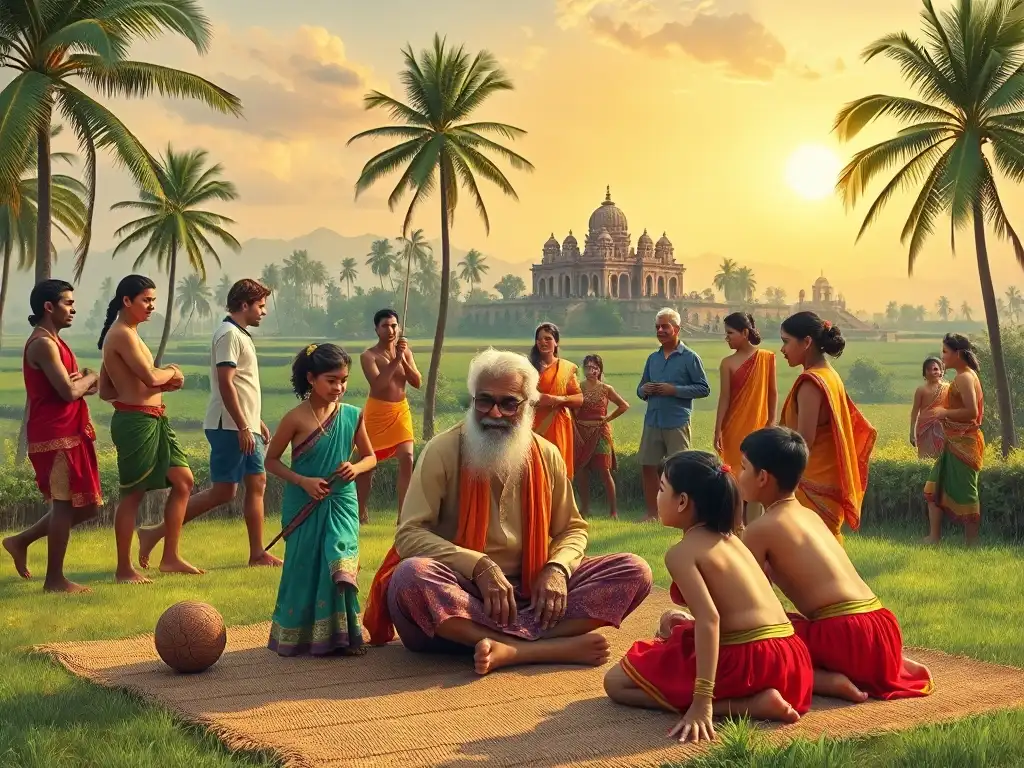
Origins of Traditional Indian Games
Traditional Indian games have roots that extend back to ancient civilizations, with evidence suggesting their existence during the Indus Valley Civilization (c. 2500–1900 BCE). Archaeological findings, such as game boards and dice, indicate that games were an integral part of social life. Games like Pachisi, which later evolved into modern-day Ludo, are believed to have originated from the strategies played in these ancient times.
The variety of games played in ancient India was vast, ranging from board games to physical sports. For example, Chaturanga, a precursor to chess, emerged around the 6th century CE and encompassed the four divisions of the military: infantry, cavalry, elephants, and chariots. This game not only entertained but also served as a tool for military strategy and planning.
Evolution of Sports During Different Ancient Indian Eras
The evolution of sports in ancient India can be categorized into several key eras:
- Vedic Period (c. 1500–500 BCE):
- Sports such as Malla-yuddha (wrestling) and archery were highly regarded.
- The Rigveda mentions various athletic contests, highlighting their importance in society.
- Maurya Empire (c. 322–185 BCE):
- Physical fitness and martial arts thrived, with wrestling being popular among the elite.
- The Arthashastra by Kautilya emphasized the significance of sports in military training.
- Gupta Period (c. 240–550 CE):
- This era is often referred to as the "Golden Age" of India, where arts and sciences flourished.
- Games like Chaturanga gained prominence, along with recreational sports such as hunting and polo.
- Medieval Period (c. 600–1200 CE):
- Traditional games were influenced by interactions with various cultures, leading to the introduction of new sports.
- The popularity of Kabaddi and Gilli-Danda became widespread, showcasing the blend of local and foreign athletic practices.
Cultural Significance of Games in Ancient Indian Society
Games and sports held a multifaceted role in ancient Indian society, reflecting both cultural values and social structures:
- Social Cohesion: Games were a means of bringing communities together. Festivals often included competitive games, fostering unity and camaraderie among participants.
- Moral and Ethical Lessons: Many games were designed with underlying moral lessons, teaching values such as teamwork, strategy, and perseverance. For instance, Chaturanga not only served as entertainment but also instilled the importance of tactical thinking.
- Religious and Ritualistic Aspects: Certain games were linked to religious practices. For example, Kite flying during Makar Sankranti served as a celebration of the sun's transition, combining sport with spiritual significance.
- Influence on Social Hierarchy: While many games were accessible to all social classes, certain sports like archery were primarily associated with the warrior class. This distinction highlighted the relationship between physical prowess and social status.
As ancient Indian games spread to Southeast Asia through trade routes and cultural exchanges, they significantly influenced local leisure activities, creating a lasting legacy of shared traditions and practices in the region. The ancient Indian games influence Southeast Asia is evident in various local adaptations of these traditional games, showcasing the profound impact of ancient Indian culture.
Types of Ancient Indian Games
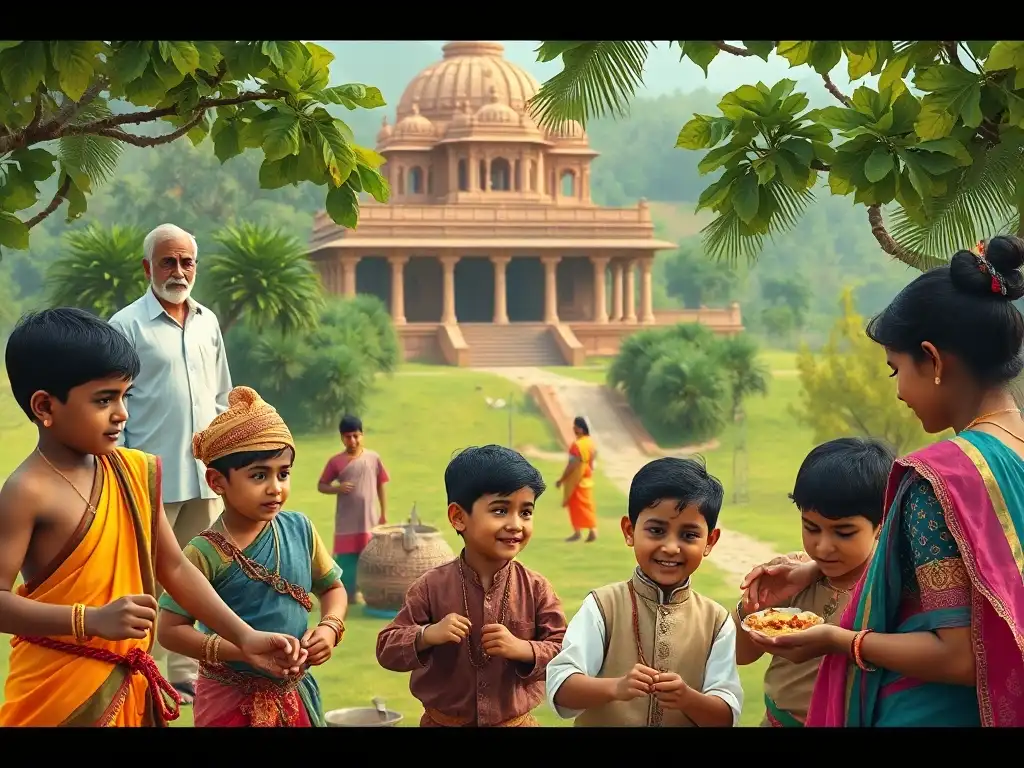
The rich tapestry of ancient Indian civilization is intricately woven with a variety of games and sports that not only provided entertainment but also played a significant role in social and cultural exchanges. These games have left a lasting influence on leisure activities in Southeast Asia, showcasing the interconnectedness of ancient cultures. Below, we explore the types of ancient Indian games that have shaped this influence.
Board Games: Chaturanga and Its Variants
Chaturanga, often considered the precursor to modern chess, is one of the most notable board games originating from ancient India. The game, which translates to "four divisions of the military" (infantry, cavalry, elephants, and chariots), reflects strategic thinking and military tactics.
- Variants of Chaturanga:
- Shahmat: This Persian adaptation of Chaturanga evolved into modern chess.
- Chaturaji: Played on a cross-shaped board, this variant allowed for four players, adding complexity and strategy.
The influence of Chaturanga spread to various regions, including Southeast Asia, where it is believed to have influenced local variants of chess-like games. The intricate strategy and tactical depth of Chaturanga can be seen in various Southeast Asian board games today, showcasing the enduring legacy of ancient Indian gaming culture.
Physical Sports: Wrestling and Archery
Wrestling and archery have roots deeply embedded in ancient Indian society, often linked to martial training and physical prowess. These sports were not only essential for military preparation but also enjoyed significant cultural importance.
- Wrestling (Kushti):
- This sport was popular in ancient India, with references found in texts like the Mahabharata. Wrestlers trained rigorously, and the sport was celebrated in local fairs and festivals.
- The techniques and training methods of Indian wrestling influenced similar practices in Southeast Asia, where traditional wrestling styles, such as "Bokator" in Cambodia, bear resemblance to Kushti.
- Archery:
- Archery was considered both a sport and a skill essential for warfare. It was prominently featured in epics like the Ramayana, where legendary archers like Arjuna showcased their prowess.
- The importance of archery in ancient India is reflected in Southeast Asian cultures, where archery remains a popular sport, often tied to traditional festivals and competitions.
Outdoor Games: Kabaddi and Gilli Danda
Outdoor games played a vital role in the social activities of ancient Indian communities, fostering teamwork and physical fitness. Two prominent games, Kabaddi and Gilli Danda, highlight the playful yet competitive spirit of ancient Indian society.
- Kabaddi:
- Known for its unique blend of strength and strategy, Kabaddi involves two teams trying to tag opponents while holding their breath. Its origins can be traced back to ancient India, where it was played in various forms.
- The game has transcended its Indian roots to become popular in Southeast Asia, particularly in countries like Bangladesh and Malaysia, where local adaptations and tournaments flourish.
- Gilli Danda:
- This traditional game, akin to a mix of cricket and baseball, involves a small wooden stick (gilli) and a larger stick (danda). It has been played in Indian villages for centuries and emphasizes agility and coordination.
- Gilli Danda's influence can be observed in similar stick-and-ball games found in Southeast Asian cultures, where variations of the game are played during festivals and community gatherings.
The types of ancient Indian games—ranging from strategic board games to physically demanding sports—have significantly influenced leisure activities in Southeast Asia. Their enduring legacy continues to shape cultural practices, highlighting the interconnectedness of ancient civilizations across regions.
Mechanisms of Cultural Exchange Between India and Southeast Asia
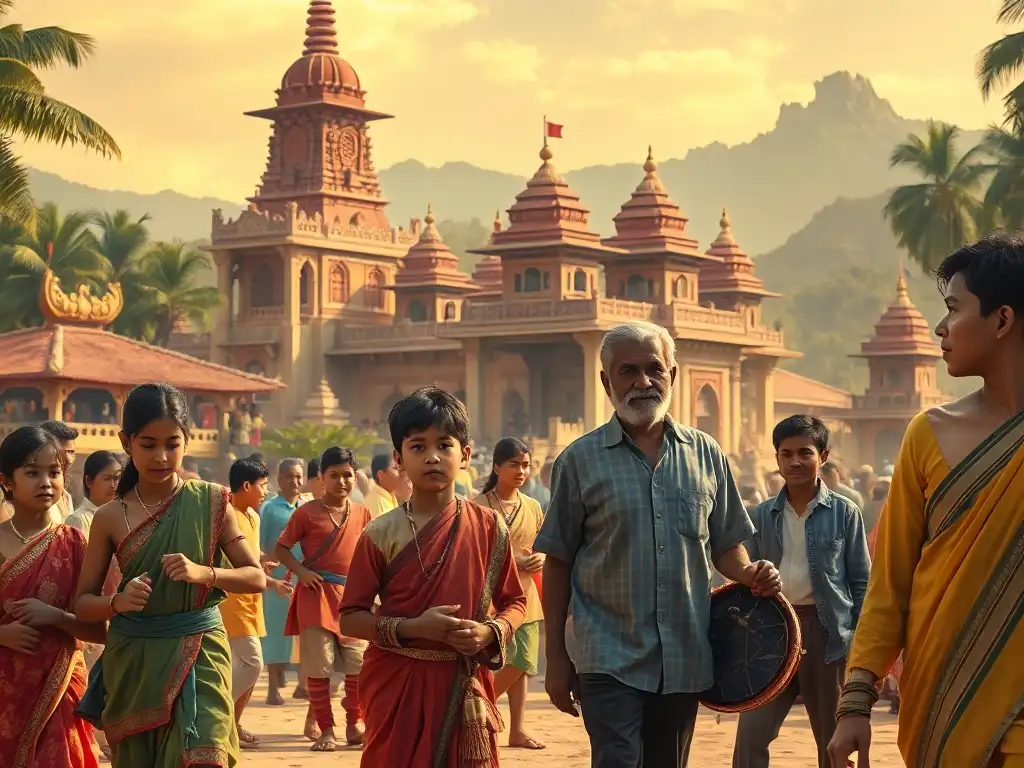
The cultural exchange between ancient India and Southeast Asia was a complex and multifaceted process, significantly shaped by various mechanisms that facilitated the movement of ideas, traditions, and practices. This exchange played a crucial role in the development of games and sports in Southeast Asia, with ancient Indian games influencing local leisure activities. Understanding these mechanisms provides insight into how cultural practices were transmitted and adapted across regions.
Trade Routes and Their Role in Cultural Transmission
Trade routes were among the primary conduits of cultural exchange between ancient India and Southeast Asia. The maritime trade network, particularly the Silk Route and the monsoon-driven sea routes, facilitated not only the exchange of goods but also the flow of ideas and cultural practices.
- Goods and Cultural Exchange: Merchants traveling these routes carried not only textiles, spices, and precious stones but also narratives, religious beliefs, and recreational practices. For instance, the spread of the game of chaturanga, a precursor to modern chess, can be traced back to traders who introduced it to Southeast Asian kingdoms during their travels.
- Cultural Melting Pot: Ports like Calicut and Malacca became melting pots of cultures, where Indian traders interacted with local populations. This interaction led to the integration of Indian games into the local customs of Southeast Asia. For example, the Indian game of pachisi influenced local variants such as ludo in Southeast Asian cultures.
- Documentation and Influence: Ancient texts and inscriptions found along these trade routes also played a role in documenting and spreading sports practices. The presence of Indian merchants and scholars led to the formal introduction of sports and games, which were often depicted in art and literature, further embedding these practices within local cultures.
Influence of Religion and Philosophy on Sports Practices
Religion and philosophy significantly influenced the development and popularity of games and sports in ancient Southeast Asia, with Indian traditions playing a pivotal role.
- Hindu and Buddhist Influences: The spread of Hinduism and Buddhism in Southeast Asia brought with it various cultural practices, including games and sports. Many traditional sports in Southeast Asia, such as * sepak takraw* (a game similar to volleyball), have roots in the ceremonial games played in ancient Indian temples.
- Philosophical Underpinnings: The philosophical teachings of Buddhism and Hinduism emphasized physical fitness and discipline, which translated into the popularity of martial arts and other physical activities. The Kalaripayattu, an ancient Indian martial art, influenced the development of similar fighting arts in Southeast Asia, showcasing how spiritual beliefs can shape physical practices.
- Festivals and Celebrations: Religious festivals often included games and competitions, promoting communal participation and reinforcing cultural identity. Games like Maha Shivaratri in India inspired similar festivities in Southeast Asia, where games became integral to religious celebrations, fostering a sense of unity and cultural continuity.
Migration Patterns and Their Impact on Game Popularity
Migration patterns were crucial in the dissemination of ancient Indian games and sports to Southeast Asia, as individuals carried their traditions with them to new lands.
- Diaspora Contributions: The movement of Indian communities to Southeast Asia, particularly during the early medieval period, played a significant role in the introduction of various games. These migrants brought their cultural practices, including sports, which became assimilated into local customs.
- Royal Patronage: Many Southeast Asian kingdoms, inspired by Indian rulers, adopted similar practices, including the promotion of games. The royal courts became centers for sporting activities, where games were not just leisure pursuits but also tools for demonstrating power and prestige.
- Cultural Adaptation: As Indian migrants settled in Southeast Asia, they adapted their games to fit the local context. This adaptation often resulted in hybrid forms of sports, such as the transformation of Indian gilli-danda into local variants that incorporated native rules and playing styles.
The influence of ancient Indian games on Southeast Asian leisure activities is evident through these mechanisms of cultural exchange, showcasing a rich tapestry of interactions that shaped the sporting landscape of the region.
Ancient Indian Games Influence on Southeast Asian Leisure Activities
Adoption of Indian Board Games in Southeast Asia
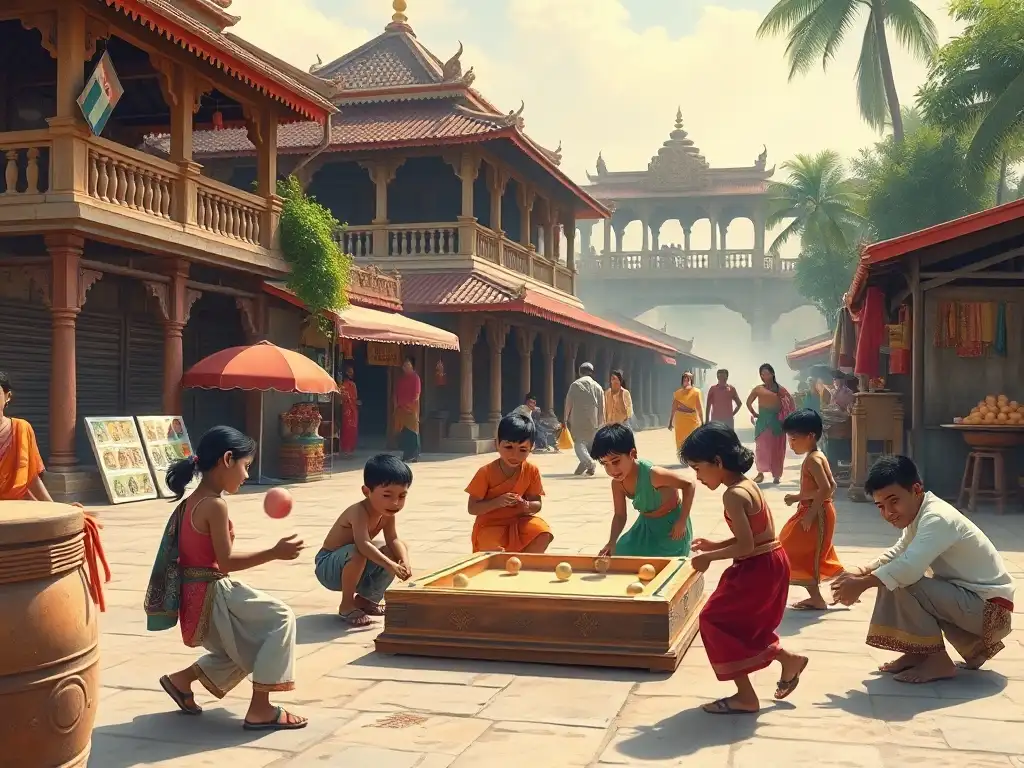
The influence of ancient Indian games on Southeast Asian leisure activities is prominently illustrated through the adoption of board games. One of the most significant games that traveled from India to Southeast Asia is Pachisi, often referred to as the "Royal Game of India." Its strategic gameplay and cultural significance made it an appealing pastime across various regions.
Key Examples of Board Game Adaptations:
- Chaturanga: This ancient Indian game, considered a precursor to chess, spread to Southeast Asia, leading to the creation of local variations like Makruk in Thailand. The strategic elements and pieces akin to the original further highlight the cultural exchange.
- Pachisi Variants: In countries such as Indonesia and Malaysia, Pachisi evolved into games like Ludo and Sama, each adapting the rules and gameplay to fit local tastes while retaining core elements of the Indian original.
- Cultural Significance: These games were not merely for entertainment; they served as a means of social interaction and education about strategy and negotiation, reflecting important societal values.
The enduring presence of these board games in Southeast Asia showcases how ancient Indian games influenced local cultures, merging entertainment with cultural learning.
Transformation of Physical Sports in Southeast Asian Cultures
The introduction of physical sports from ancient India has also left a lasting impression on various Southeast Asian cultures. Activities like Malla-yuddha (wrestling) and Kalaripayattu (martial arts) are prime examples of how Indian physical sports were adapted and transformed within local contexts.
Notable Transformations:
- Wrestling: The traditional Indian wrestling style influenced local wrestling forms in countries such as Thailand and Malaysia, where it evolved into Bujang Kecil and Lethwei, respectively. These adaptations incorporated unique regional rules and rituals, reflecting local cultural identities.
- Martial Arts: The principles of Kalaripayattu found their way into Southeast Asian martial arts such as Silat in Malaysia and Indonesia. Here, Indian techniques were blended with indigenous practices, resulting in a unique synthesis that emphasizes agility, strategy, and cultural storytelling through movement.
- Cultural Festivals: Many physical sports were integrated into local festivals, enhancing their significance within the community. Events often celebrate the shared heritage of these sports, demonstrating the rich tapestry of cultural influence.
This transformation of physical sports illustrates not only the adoption of Indian traditions but also their evolution, showcasing the dynamic nature of cultural exchange.
Integration of Indian Values in Southeast Asian Games
The influence of ancient Indian games extended beyond mere physical activity; they also carried with them fundamental values that were integrated into Southeast Asian games. Concepts such as fair play, strategy, and community bonding became central to these adapted games.
Core Values Reflected in Games:
- Community and Cooperation: Games like Pachisi promoted teamwork and cooperation, values that resonated deeply within Southeast Asian societies, where communal activities are highly valued.
- Strategic Thinking: The tactical nature of games such as Chaturanga encouraged critical thinking and planning, aligning with the region's emphasis on intellectual development through leisure.
- Cultural Narratives: Many games served as a medium for storytelling, passing down moral lessons and cultural heritage. This reflects how ancient Indian games influenced not only leisure activities but also the societal norms and values within Southeast Asia.
Through this integration of Indian values, Southeast Asian games not only preserved their Indian origins but also adapted them to create a distinct cultural identity that continues to thrive today.
Case Studies: Specific Examples of Influence
The Game of Chess: From India to Southeast Asia
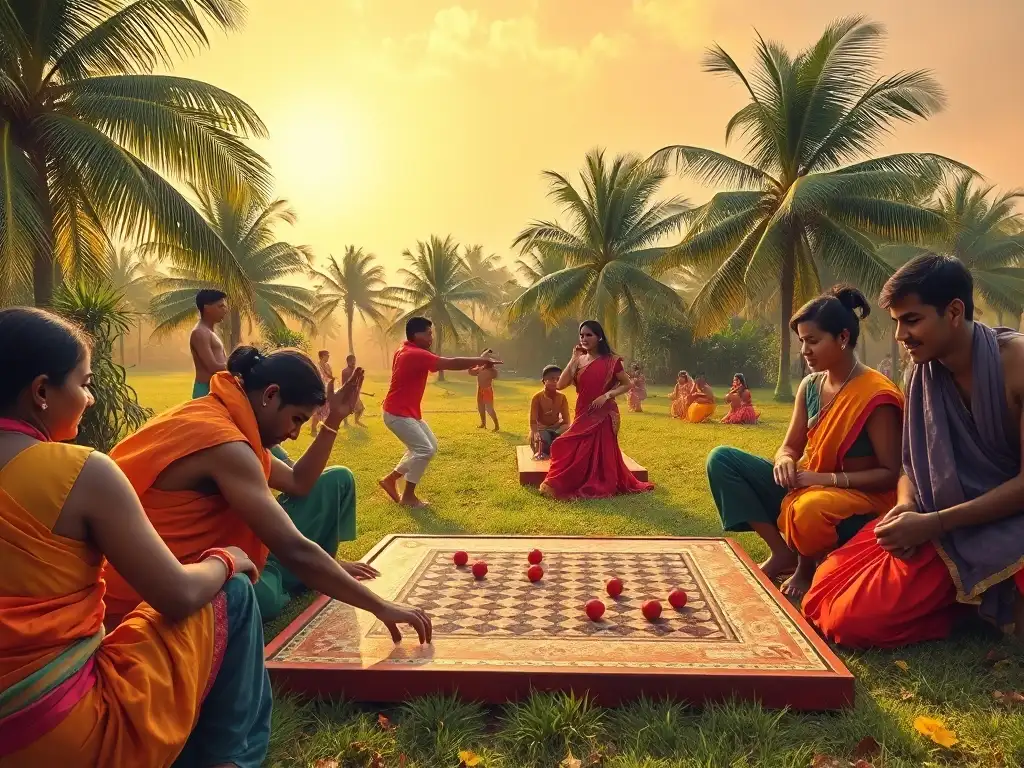
The game of chess, known as Chaturanga in ancient India, serves as a prime example of how ancient Indian games influenced Southeast Asian leisure activities. Originating around the 6th century CE, Chaturanga was played on an 8x8 grid and included pieces that represented different military units, such as infantry, cavalry, elephants, and chariots. This strategic board game quickly spread to various regions, adapting to local cultures and customs.
In Southeast Asia, the game evolved into various forms, most notably Xiangqi in China and Makruk in Thailand. The transition from Chaturanga to these new variants illustrates how the fundamental concepts, such as strategy and territorial control, were retained while the rules and gameplay adapted to regional preferences.
| Features | Chaturanga (India) | Makruk (Thailand) | Xiangqi (China) |
|---|---|---|---|
| Board Size | 8x8 | 8x8 | 9x10 |
| Key Pieces | King, Minister, Elephants, Horses, Chariots, Pawns | King, Queen, Elephants, Horses, Pawns | General, Advisors, Elephants, Horses, Chariots, Soldiers |
| Movement | Varies by piece | Varies by piece | Varies by piece |
The influence of ancient Indian games, particularly chess, on Southeast Asia highlights the cultural exchanges that occurred through trade routes and migration, leading to shared leisure activities that still thrive today.
Wrestling, known as Kushti in India, has a rich history that also influenced Southeast Asian sports. The techniques, styles, and cultural significance of wrestling in ancient India laid the groundwork for similar practices in various Southeast Asian countries.
In India, traditional wrestling was often held in akhadas (wrestling pits) and emphasized not only physical strength but also mental discipline and moral values. This holistic approach to sport resonated with Southeast Asian cultures, where wrestling is often incorporated into traditional festivals and community gatherings.
For example, Pencak Silat, a martial art form originating from Indonesia, showcases similarities in grappling techniques and combat philosophy with Indian wrestling. Both forms emphasize fluid movement, respect for the opponent, and a connection to cultural heritage.
Key Similarities in Wrestling Traditions
- Training Methods: Both cultures emphasize rigorous training and physical conditioning.
- Cultural Significance: Wrestling is often featured in festivals and celebrations, serving as a communal activity that strengthens social bonds.
- Techniques: Grappling and throwing techniques are prevalent in both Indian wrestling and Southeast Asian martial arts.
The shared practices and variations in wrestling between ancient India and Southeast Asia illustrate the profound impact of cultural exchanges in shaping regional sports.
Kabaddi's Journey: From Indian Fields to Southeast Asian Arenas
Kabaddi, a traditional Indian sport, has also made its mark in Southeast Asia, particularly in countries like Bangladesh and Malaysia. The game's origins can be traced back to ancient Indian martial practices, where it was used as a form of combat training and physical exercise.
The essence of kabaddi lies in its combination of physical endurance, strategy, and teamwork. Players take turns to raid the opposing team's side while holding their breath, attempting to tag as many opponents as possible before returning to their side. This dynamic gameplay has captivated audiences across Southeast Asia, leading to the establishment of regional variations and competitions.
In Malaysia, for instance, kabaddi has been adapted into a popular sport, known as Sepaktakraw, which combines kabaddi with elements of volleyball and is played using a rattan ball. The sport's growth in Southeast Asia reflects the adaptability of ancient Indian games to different cultural contexts, often resulting in hybrid forms that maintain the spirit of the original while catering to local tastes.
The Impact of Kabaddi in Southeast Asia
- Cultural Events: Kabaddi matches are often featured in local festivals, promoting community participation and entertainment.
- Competitive Leagues: Professional kabaddi leagues have emerged, attracting talent from various regions and showcasing the sport's popularity.
- Youth Engagement: The sport encourages physical activity among youth, fostering teamwork, discipline, and sportsmanship.
The journey of kabaddi from Indian fields to Southeast Asian arenas underscores the lasting influence of ancient Indian games on the region's leisure activities, creating a shared cultural tapestry that continues to evolve.
The Legacy of Ancient Indian Games in Contemporary Southeast Asia
Modern Adaptations of Traditional Indian Games
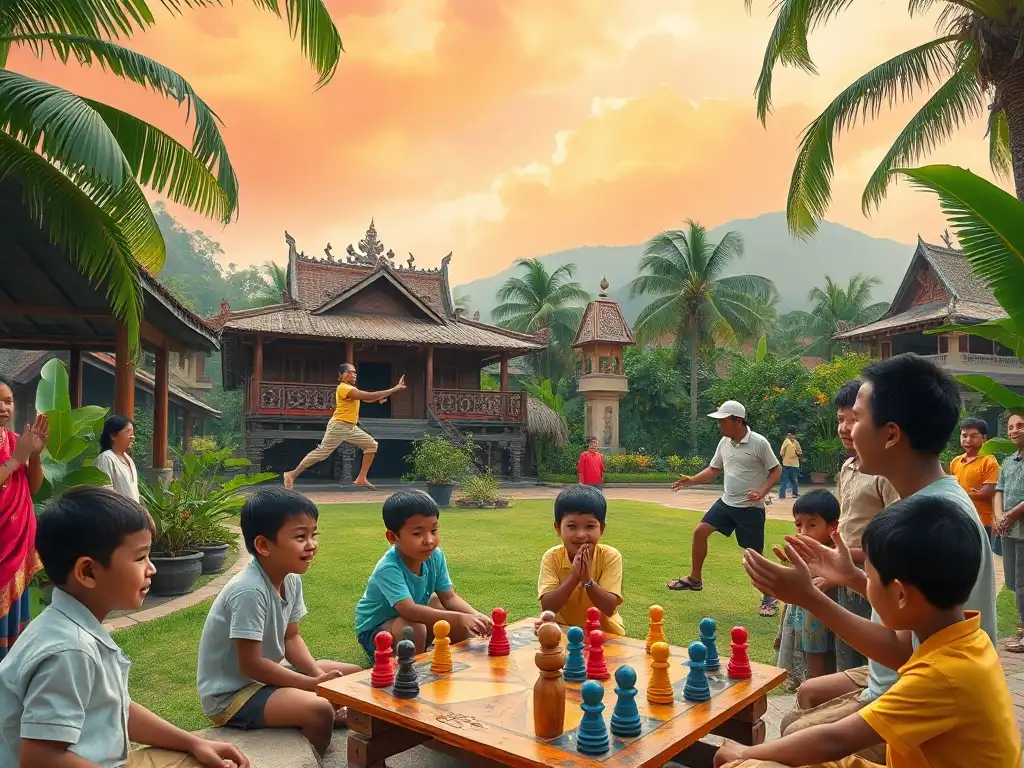
The influence of ancient Indian games extends far beyond the subcontinent, having made significant inroads into the cultural fabric of Southeast Asia. Many traditional games, such as Pachisi and Chaupar, have adapted and morphed into contemporary forms, reflecting both local customs and the enduring legacy of their Indian origins.
-
Pachisi and Its Variants
Pachisi, often referred to as the "Royal Game of India," has inspired various board games in Southeast Asia. For instance:
- Pachisi in Indonesia: Known as "Ludo," this game has been adapted with local rules and often involves colorful tokens representative of regional cultures.
- Chaupar in Malaysia: This game has transformed into "Pachisi Melayu," where the board is often handcrafted with intricate designs, showcasing the artistry of local craftsmen.
-
Kabaddi's Regional Evolution
Another significant game is Kabaddi, which has evolved into various forms across Southeast Asia. For example:
- In Thailand, the game has been adopted in schools and is played during festivals, emphasizing teamwork and physical fitness.
- In Vietnam, similar styles of tag games, influenced by Kabaddi, are played, showcasing the adaptability of this ancient sport.
Preservation of Cultural Heritage Through Sports
Sports serve as a vital conduit for the preservation of cultural heritage, and ancient Indian games play a crucial role in this aspect across Southeast Asia. Local communities often engage in these games not only for leisure but also as a way to connect with their historical roots.
-
Community Festivals and Competitions
Many Southeast Asian countries host festivals that feature traditional games, celebrating their heritage. For instance:
- In Cambodia, the annual Water Festival includes Boat Racing, which has roots in ancient Indian naval traditions, emphasizing teamwork and cultural solidarity.
- The Philippines also celebrates Tinikling, a game that, while distinct, shows the rhythmic footwork reminiscent of Indian dance forms, linking athleticism with cultural expression.
-
Educational Initiatives
Schools across Southeast Asia are increasingly incorporating traditional games into their curricula. This not only preserves the games but also fosters a sense of identity and pride among students. Programs focused on ancient Indian games help bridge cultural gaps and encourage appreciation of shared histories.
Continuing Influence of Ancient Indian Sports on Today's Leisure Activities
The legacy of ancient Indian games continues to permeate modern leisure activities in Southeast Asia, influencing everything from recreational sports to community gatherings.
-
Integration into Popular Sports
Many popular sports in Southeast Asia, such as Sepak Takraw, exhibit characteristics of ancient Indian games through their emphasis on agility, strategy, and teamwork. The spirit of competition and community engagement found in these sports echoes the values present in ancient Indian games.
-
Recreational Clubs and Organizations
Clubs dedicated to traditional games have emerged throughout Southeast Asia, often inspired by ancient Indian practices. These clubs not only host tournaments but also engage in cultural exchanges, where participants learn about the history and significance of the games, fostering a deeper understanding of their roots.
-
Cultural Exchange Programs
Various cultural exchange initiatives highlight ancient Indian games, promoting them as not just historical artifacts but as living traditions. Workshops and demonstrations allow individuals to experience these games firsthand, ensuring their relevance in contemporary society.
The influence of ancient Indian games on Southeast Asia is profound and multifaceted, manifesting in modern adaptations, cultural preservation efforts, and the continuing impact on leisure activities. This rich interplay showcases the resilience of cultural traditions and their ability to adapt and thrive across generations and geographical boundaries.
Conclusion: The Enduring Impact of Ancient Indian Games
The legacy of ancient Indian games is evident not just in India but also in the leisure activities of Southeast Asia. Through trade, cultural exchanges, and the spread of religions, various games and sports from ancient India found their way into Southeast Asian societies, profoundly influencing their recreational practices.
Summary of Influences on Southeast Asian Leisure Activities
Ancient Indian games introduced a variety of physical activities, strategies, and social interactions that were adopted and adapted across Southeast Asia. Some of the key influences include:
- Chaturanga and its Variants: The ancient Indian game of Chaturanga, the precursor to chess, made its way to Southeast Asia, leading to the development of various local adaptations. The strategic elements of Chaturanga influenced the game of Xiangqi in China and Makruk in Thailand.
- Kabaddi: Originating from ancient Indian traditions, Kabaddi has found a prominent place in Southeast Asian cultures, particularly in countries like Bangladesh and Malaysia. The game emphasizes teamwork and physical prowess, echoing the communal spirit prevalent in many Southeast Asian sports.
- Gilli Danda: This traditional Indian game, akin to street cricket, has seen adaptations in several Southeast Asian countries. In Malaysia, a similar game called Sepaktakraw integrates elements of acrobatics and agility, showcasing a blend of influences.
- Martial Arts: The ancient Indian martial art forms, such as Kalaripayattu, inspired various Southeast Asian martial arts, including Silat. The shared emphasis on discipline, agility, and strategy highlights the cultural exchange between these regions.
Final Thoughts on Cultural Exchange and Sports
The interplay between ancient Indian games and Southeast Asian leisure activities exemplifies the rich tapestry of cultural exchange that has occurred over centuries. These games not only served as forms of entertainment but also acted as conduits for social bonding and community-building.
As we reflect on this historical journey, it's clear that the influence of ancient Indian games on Southeast Asia extends beyond mere gameplay; it fosters a deeper understanding of how cultures can enrich one another. The legacy of these games continues to thrive, reminding us of the interconnectedness of human experiences across time and geography. The enduring impact of these ancient traditions highlights the importance of preserving and celebrating cultural heritage, which shapes contemporary leisure activities in profound ways.
Frequently Asked Questions
What are some examples of ancient Indian games?
Ancient Indian games include Chaturanga, a strategic board game considered a precursor to chess, and Pachisi, an outdoor game that influenced various modern board games.
How did ancient Indian games influence Southeast Asian culture?
The influence of ancient Indian games on Southeast Asia can be seen in the incorporation of similar game mechanics and styles, which enriched local leisure activities and traditions.
What were the cultural impacts of these games on Southeast Asia?
These games promoted social interaction and cooperative play, enhancing community bonds and cultural exchange between Indian and Southeast Asian societies.
Did ancient Indian sports contribute to any modern games in Southeast Asia?
Yes, many modern Southeast Asian games have roots in ancient Indian sports, such as Sepak Takraw, which showcases elements of both Indian martial arts and traditional games.
How were games and sports viewed in ancient Indian society?
Games and sports were considered vital for physical fitness, mental agility, and social cohesion, reflecting the values and lifestyle of ancient Indian civilizations.
Final Reflection: The Enduring Legacy of Ancient Indian Games in Southeast Asia
The influence of ancient Indian games on Southeast Asian leisure activities is not just a historical footnote; it is a testament to the interconnectedness of cultures and the timeless nature of play. As we explore the roots of these games, we uncover a rich tapestry of shared traditions that continue to shape social interactions and recreational practices in the region today. The games that once echoed through the courts and fields of ancient India have transcended time and geography, leaving an indelible mark on the cultural landscape of Southeast Asia.
The ongoing impact of these ancient games serves as a reminder of how cultural exchanges can foster unity and understanding among diverse communities. From traditional martial arts to strategic board games, the legacy of ancient Indian sports has woven itself into the fabric of Southeast Asian society, enriching local customs and leisure pursuits. As noted by historian Dr. Anjali Rao, “The games we play are not just forms of entertainment; they are reflections of our shared history and values.” This observation underscores the importance of recognizing and celebrating the cultural connections that bind us across borders.
As we reflect on the significance of ancient Indian games in shaping Southeast Asian leisure activities, I invite you to consider how these historical influences can inspire your own engagement with culture and community. Take a moment to explore the games and sports that resonate with you, and think about how they connect you to a larger narrative of shared human experience. By embracing these traditions, we not only honor our past but also pave the way for a more interconnected and vibrant future.
Unlock the Legacy of Ancient Indian Games!
Thank you for diving into the fascinating world of ancient Indian games and their impact on Southeast Asian leisure activities. You've gained valuable insights that are rich in history and relevant to understanding cultural exchange. Now it's time to take this knowledge and turn it into action!
Here are some engaging steps you can take:
- Explore traditional games: Spend some time researching and learning how to play one of the ancient Indian games. Share your experience with friends and family!
- Connect with your community: Join a local group or online forum that focuses on historical games and sports. Sharing stories and playing together can breathe new life into these traditions.
- Spread the word: Share this article on social media and inspire others to appreciate the ancient roots of our modern games. Use the hashtag #AncientGames to join a larger conversation!
Which ancient game would you like to try first, and how could it change your perspective on leisure activities today?