
The Maurya Empire: A Case Study in Effective Leadership and Governance

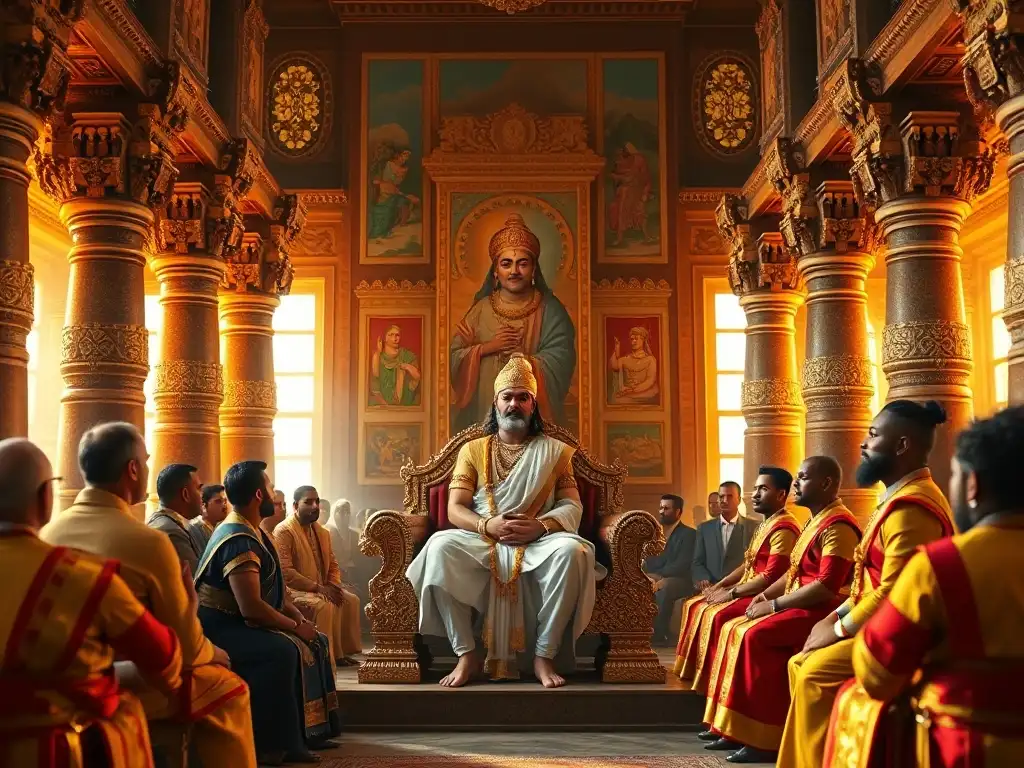
Welcome to Ancient India History, where we embark on a captivating journey through the rich tapestry of ancient Indian civilizations. Today, we delve into a remarkable case study: “The Maurya Empire: A Case Study in Effective Leadership and Governance.” Discover how visionary rulers shaped the course of history and left an indelible mark on the culture and governance of their time. As we unravel the secrets behind the effective leadership in the Maurya Empire, you'll find yourself drawn into a world of innovation, strategy, and resilience that continues to influence us today.
Ready to uncover the legacies of greatness? Let’s explore!
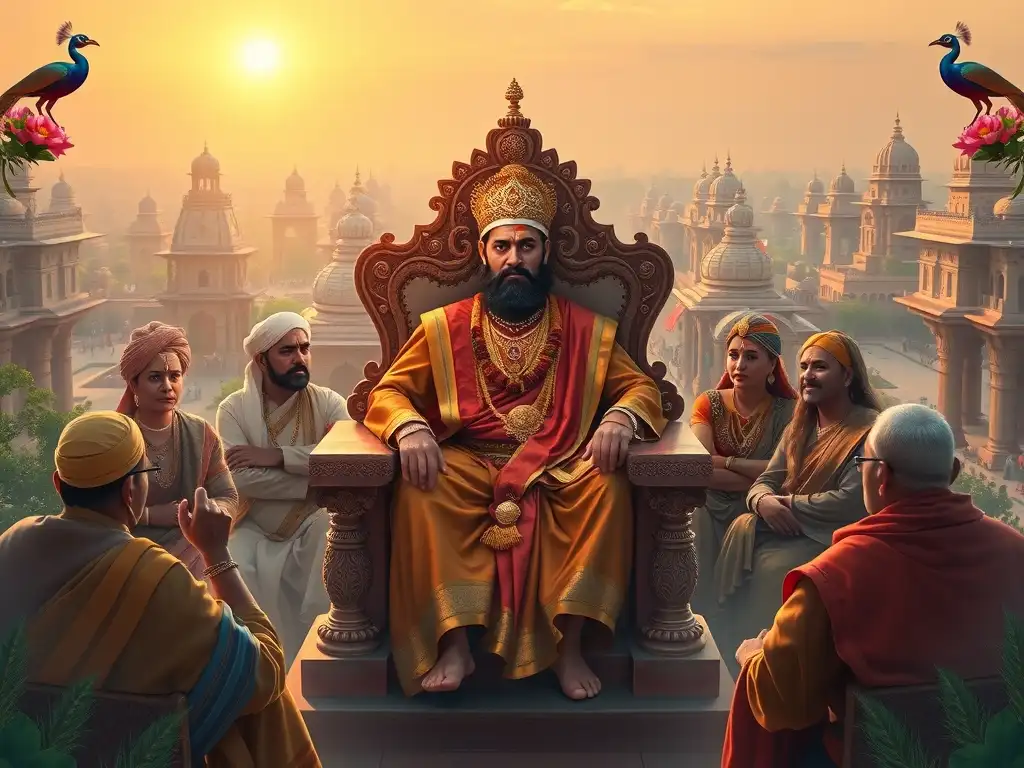
The Maurya Empire stands as one of the most significant empires in ancient Indian history, renowned for its remarkable governance and effective leadership. Spanning from approximately 322 to 185 BCE, it emerged as a powerful political entity, unifying a vast territory under a centralized administration.
This article delves into the concept of effective leadership within the Maurya Empire, examining how its rulers implemented innovative governance strategies that not only enhanced their authority but also fostered a sense of unity and prosperity among their subjects. By exploring the key characteristics of Mauryan leaders and the principles that underpinned their governance, we can gain valuable insights into the nature of effective leadership in one of the ancient world's most influential civilizations.
Introduction to the Maurya Empire
Overview of the Maurya Empire's Rise and Influence
The Maurya Empire was founded by Chandragupta Maurya, who, with the guidance of his mentor Chanakya, managed to overthrow the Nanda Dynasty and establish a new regime. This empire rapidly expanded under the rule of Chandragupta's successor, Ashoka the Great, who is often regarded as one of the most exemplary leaders in history. The empire's influence stretched across the Indian subcontinent, reaching parts of present-day Afghanistan and Bangladesh, showcasing a remarkable ability to unite diverse cultures and regions.
- Key Achievements:
- Establishment of a centralized bureaucracy.
- Promotion of trade and economic stability.
- Introduction of public welfare policies.
This vast empire became a hub of political, economic, and cultural activity, leaving a legacy that continues to impact contemporary governance.
Significance of Leadership in Ancient Indian Governance
In ancient India, leadership played a crucial role in the sustainability and success of empires. The Maurya Empire exemplifies how effective leadership can shape the destiny of a civilization. Leaders were expected not only to govern but also to inspire and mobilize their subjects towards common goals.
- Leadership Traits:
- Visionary thinking.
- Strong decision-making skills.
- Ability to communicate and connect with the populace.
The Mauryan rulers recognized that effective governance was intrinsically linked to the qualities of its leaders, making the study of their leadership styles essential for understanding the empire's historical significance.
The Concept of Effective Leadership in the Maurya Empire
Defining Effective Leadership in Historical Context
Effective leadership in the context of the Maurya Empire can be defined as the ability of its rulers to navigate complex political landscapes, implement policies that benefited the majority, and maintain social harmony. This definition encompasses both the strategic and ethical dimensions of leadership, which were critical in a diverse empire like Maurya.
- Strategic Leadership:
- Formulation of military strategies to protect and expand the empire.
- Diplomatic engagements with neighboring states.
- Ethical Leadership:
- Promotion of Dharma (moral law) as a guiding principle.
- Establishment of social welfare systems.
The Mauryan leaders’ approach to governance was not merely about exerting power but also about fostering an environment conducive to prosperity and peace.
Key Characteristics of Mauryan Leaders
Mauryan leaders, particularly Chandragupta and Ashoka, exhibited several key characteristics that defined their effective leadership:
- Visionary Leadership:
- Both leaders had a clear vision for their empire, focusing on unity and expansion.
- Administrative Acumen:
- The establishment of a sophisticated administrative system ensured efficient governance across vast territories.
- Empathy and Inclusiveness:
- Ashoka's conversion to Buddhism and his promotion of non-violence reflect a commitment to the welfare of his subjects.
- Flexibility and Adaptability:
- Leaders adapted their strategies in response to changing political and social dynamics.
Through these traits, the Maurya Empire not only thrived during its peak but also set a benchmark for effective leadership in governance, influencing future generations of rulers.
Chandragupta Maurya: The Visionary Leader
Chandragupta Maurya, the founder of the Maurya Empire, is often lauded for his visionary leadership that laid the groundwork for one of the largest empires in ancient India. His ability to unify diverse regions and cultures under a central authority is a testament to his effective leadership skills. Chandragupta's reign marked a significant shift in the political landscape of India, moving from fragmented kingdoms to a cohesive empire.
Early Life and Rise to Power
Chandragupta's early life is shrouded in mystery, with little concrete information available about his origins. It is widely believed that he was born into a humble family in the region of Magadha. His rise to power began with the influence of Chanakya, a learned Brahmin and strategist who played a crucial role in shaping Chandragupta's ambitions. After witnessing the oppression of his people under the Nanda dynasty, Chandragupta, with Chanakya's guidance, initiated a rebellion against them.
Through a combination of guerilla tactics, strategic alliances, and a keen understanding of local politics, Chandragupta successfully overthrew the Nandas and established the Maurya Empire around 321 BCE. His ascent was marked by a series of calculated moves that demonstrated his political acumen and vision for a unified India.
Strategies for Unification and Expansion
Chandragupta employed several strategies to unify the Indian subcontinent and expand his empire. One of his foremost tactics was forging alliances with influential local rulers, which helped him gain legitimacy and support. By marrying into powerful families and engaging in diplomacy, he established a network of alliances that facilitated his conquests.
Additionally, Chandragupta utilized military innovation to bolster his forces. He incorporated war elephants and a well-trained infantry, which proved effective in battles against rival kingdoms. His campaigns against the Nandas, and later against the regions of Punjab and parts of modern-day Afghanistan, showcased his strategic foresight and military prowess.
Chandragupta also recognized the importance of effective administration in maintaining control over his expansive territory. He implemented a centralized bureaucracy, which allowed for efficient governance and resource management across diverse regions.
Leadership Style and Governance Techniques
Chandragupta Maurya's leadership style was characterized by a blend of strength and pragmatism. He was known for his decisiveness in military matters and his ability to inspire loyalty among his followers. His governance techniques included the establishment of a structured administration that relied on appointed officials to oversee various regions of the empire.
Moreover, he adhered to the principles of justice and fairness, ensuring that laws were applied uniformly across his domain. This approach not only fostered stability but also earned him the trust of his subjects. Chandragupta's emphasis on economic prosperity through trade and agriculture further solidified his reputation as an effective leader.
Ashoka the Great: A Model of Effective Governance
Ashoka, the grandson of Chandragupta Maurya, is often regarded as one of the greatest emperors in Indian history. His reign marked a significant transformation in governance, characterized by a shift from militaristic expansion to a focus on moral and philosophical principles. Ashoka's commitment to effective governance and social welfare is a defining feature of his legacy.
Ashoka's Early Rule and Transformation
Initially, Ashoka followed in his grandfather's footsteps, expanding the empire through military conquests. However, after witnessing the devastation of the Kalinga War, which resulted in immense loss of life and suffering, Ashoka underwent a profound transformation. This pivotal moment led him to embrace Buddhism and its teachings, fundamentally altering his approach to leadership.
Ashoka's early rule was characterized by a relentless pursuit of power, but post-transformation, he prioritized the welfare of his subjects. He sought to create a just society based on compassion, non-violence, and ethical governance.
Principles of Dhamma as a Governance Tool
Ashoka’s philosophy of Dhamma became a cornerstone of his governance. Dhamma, which encompasses moral and ethical principles, served as a guiding framework for his policies. He emphasized values such as tolerance, respect for all living beings, and the promotion of social harmony.
To institutionalize Dhamma, Ashoka established a network of officials known as "Dharma Mahamatras," responsible for promoting ethical conduct and the welfare of the populace. This innovative approach to governance contributed to a more cohesive and peaceful society, reflecting the effectiveness of Ashoka's leadership.
Impact of Ashoka’s Leadership on Indian Society
The impact of Ashoka's reign on Indian society was profound and far-reaching. His commitment to spreading the principles of Dhamma led to significant advancements in various fields, including art, architecture, and education. The construction of stupas and rock edicts served as both monuments and means of disseminating his message of peace and moral governance.
Ashoka's policies also facilitated the spread of Buddhism beyond India, influencing cultures and societies across Asia. His legacy of effective leadership and governance is celebrated not only for its immediate impact but also for its lasting influence on the moral and ethical foundations of Indian society. Through his example, Ashoka demonstrated that effective leadership transcends mere political power; it encompasses a profound responsibility towards the welfare of the people.
Administrative Structure of the Maurya Empire
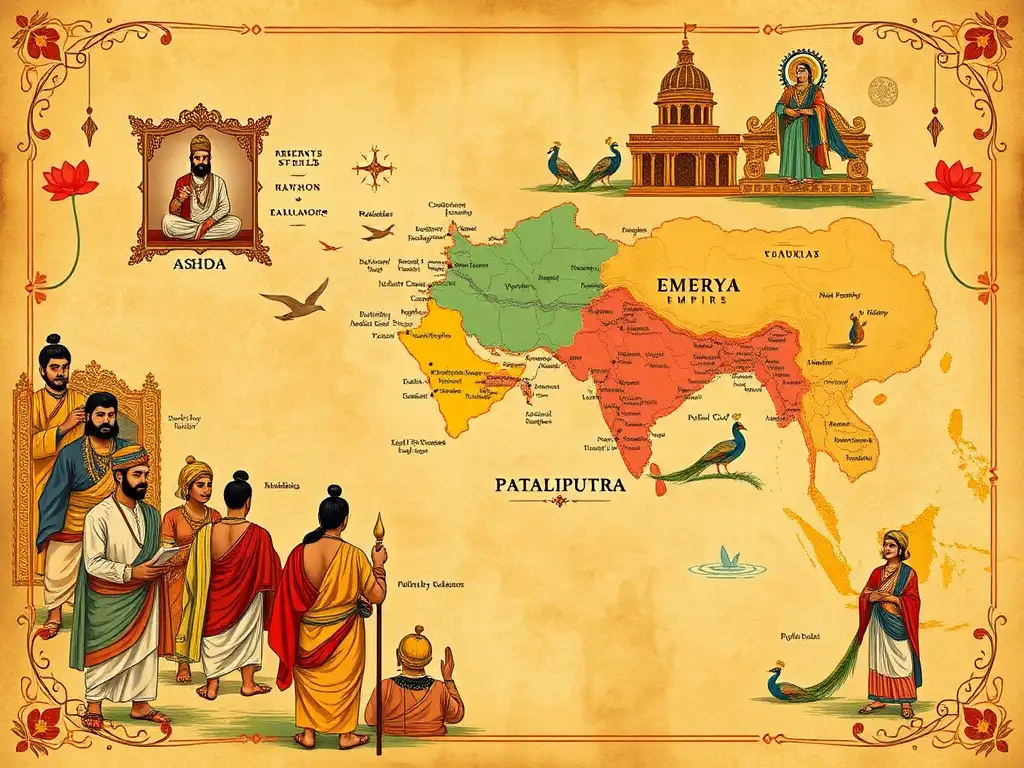
The Maurya Empire, which flourished from 322 to 185 BCE, is renowned for its sophisticated administrative structure that significantly contributed to its stability and expansion. The empire was characterized by a highly organized and centralized governance system that facilitated effective leadership across vast territories. Under Emperor Chandragupta Maurya, the foundation of this administrative framework was laid, and it was later refined by his grandson, Ashoka the Great.
The administrative hierarchy of the Maurya Empire was meticulously designed, featuring a central authority that commanded regional governors or viceroys responsible for overseeing various provinces. This structure allowed for efficient communication and enforcement of imperial edicts across the empire. Additionally, the use of a standardized legal system, taxation policies, and infrastructure development, including roads and communication networks, further enhanced the empire's governance.
Centralized Administration and Its Effectiveness
The centralized administration of the Maurya Empire played a pivotal role in maintaining order and promoting effective leadership. The emperor held supreme power, supported by a council of ministers who advised on matters of governance, law, and military affairs. This concentration of authority ensured that decisions could be implemented swiftly, reducing bureaucratic delays that often plagued less centralized states.
The effectiveness of the centralized administration was evident in the empire's ability to manage diverse cultures and populations spread across vast geographical regions. The Mauryas implemented a uniform system of governance, which included the establishment of provincial capitals and local administrative units. This not only facilitated better tax collection but also ensured the enforcement of laws and policies uniformly, fostering a sense of unity among the empire's subjects.
Moreover, the centralization allowed the Maurya rulers to focus on significant projects, such as infrastructure development and trade expansion. By investing in roads, irrigation systems, and trade routes, the empire enhanced economic stability, which in turn supported effective governance.
Role of Ministers and Advisors in Governance
Ministers and advisors were integral to the governance of the Maurya Empire, acting as a bridge between the emperor and the populace. The council of ministers, often referred to as the "Mantriparishad," comprised individuals with expertise in various domains, including finance, military strategy, and public welfare. Their diverse knowledge enabled the emperor to make informed decisions that reflected the needs and aspirations of the empire's subjects.
These advisors played a crucial role in policy formulation and implementation. For example, Kautilya, also known as Chanakya, served as a chief advisor to Chandragupta Maurya and is credited with the formulation of the Arthashastra, a treatise on statecraft, economic policy, and military strategy. His insights into governance not only shaped the administrative policies of the Maurya Empire but also provided a framework for effective leadership that has influenced subsequent Indian political thought.
Additionally, the role of ministers extended beyond mere advice; they were responsible for overseeing various departments, including taxation, law enforcement, and public works. This division of responsibilities ensured that the administration ran smoothly and that the emperor's directives were carried out effectively at all levels of governance.
Regional Governance: Provinces and Local Administration
The Maurya Empire was divided into several provinces, each governed by a viceroy or governor appointed directly by the emperor. This regional governance structure allowed for localized administration while maintaining a strong connection to the central authority. The provinces were further subdivided into districts and villages, each with its own administrative officers, enabling effective local governance.
Local administration was characterized by the presence of officials known as "amatyas," who were responsible for managing land revenue, maintaining law and order, and addressing the grievances of the populace. This hierarchical structure ensured that the needs of local communities were addressed while aligning with the broader goals of the empire.
The effectiveness of regional governance in the Maurya Empire can be attributed to several factors, including the emphasis on local customs and practices. Governors often adapted imperial policies to suit regional contexts, which enhanced compliance and loyalty among the subjects. This approach not only fostered a sense of participation among local leaders but also strengthened the overall administrative framework of the empire.
Military Leadership and Its Role in Governance
Military leadership was a cornerstone of the Maurya Empire's governance strategy, reflecting the interplay between military prowess and effective leadership. The Mauryan military was not only a tool for expansion but also a means of maintaining internal stability and enforcing the emperor's authority across the vast territories.
The Maurya Military System and Strategy
The Maurya military system was highly organized, incorporating infantry, cavalry, and war elephants, which played a crucial role in both offensive and defensive strategies. The army was well-trained and disciplined, reflecting the effective leadership of its commanders. The strategic use of military campaigns allowed the Maurya Empire to expand its territory significantly, incorporating diverse cultures and regions.
Military leaders were often granted significant authority, enabling them to make tactical decisions that influenced the outcomes of battles. Their success on the battlefield translated into political legitimacy, reinforcing the emperor's power. This close relationship between military success and governance was a hallmark of Mauryan leadership, as victorious generals were often elevated to positions of authority in the civilian administration.
Additionally, the Mauryan military system was supported by an extensive network of spies and informants, which allowed leaders to gather intelligence and anticipate threats, further enhancing the effectiveness of military governance.
Leadership in Warfare and Its Implications for Governance
Leadership in warfare during the Maurya Empire had profound implications for governance. Successful military campaigns not only expanded the empire's borders but also facilitated the integration of newly acquired territories. The leadership qualities exhibited by military commanders often mirrored those required for effective governance, such as decisiveness, strategic thinking, and the ability to inspire loyalty.
Emperor Ashoka, for instance, is known for his initial military conquests that expanded the empire significantly. However, following his conversion to Buddhism after the Kalinga War, he shifted his focus from military expansion to governance through dharma (moral law). This transformation illustrated how military leadership could transition into a more benevolent form of governance, prioritizing the welfare of the subjects over conquest.
Moreover, the experiences gained in warfare informed administrative practices. Military leaders often brought back insights from their campaigns regarding governance, resource management, and conflict resolution, which further strengthened the administrative structure of the empire. The legacy of military leadership in the Maurya Empire thus underscores the critical connection between effective leadership in warfare and governance, contributing to the empire's long-standing influence in ancient Indian history.
Innovations in Governance During the Maurya Empire
The Maurya Empire, flourishing from approximately 322 to 185 BCE, is renowned for its innovative governance strategies that laid the foundation for effective leadership in ancient India. Under the reign of Chandragupta Maurya and his successor Ashoka the Great, the empire implemented a centralized administrative system that facilitated efficient governance across vast territories.
One of the most notable innovations was the establishment of a bureaucratic structure that included a network of officials who managed various aspects of governance, from tax collection to law enforcement. This system allowed for a more organized approach to governance, ensuring that the needs of diverse populations within the empire were met. Furthermore, the Mauryan leaders introduced standardized laws and regulations that promoted uniformity and stability, which were crucial for maintaining order in such a large empire.
Additionally, the Maurya Empire was characterized by the use of local governance through a system of provincial administration. Each province was overseen by a governor, who reported directly to the emperor, thus allowing for a balance of local autonomy and centralized control. This hierarchical structure not only facilitated efficient communication but also empowered local leaders to address specific regional issues.
Taxation and Economic Policies
The taxation system of the Maurya Empire was sophisticated and played a pivotal role in its economic stability and growth. The empire employed a comprehensive approach to tax collection that ensured a steady revenue stream for the state while also supporting the welfare of its citizens.
Taxes were levied on agricultural produce, trade, and even professions, with rates that were designed to be fair and just. The Mauryan rulers understood the importance of agriculture, as it was the backbone of the economy, and thus implemented policies that encouraged agricultural productivity. This included providing irrigation facilities and support for farmers, which resulted in increased crop yields and, consequently, higher tax revenues.
Moreover, the Maurya Empire was known for its emphasis on economic regulation. The establishment of state-controlled markets allowed for price stabilization and fair competition among traders. By regulating trade, the Mauryan administration not only protected consumers but also ensured that trade flourished, contributing to the empire's wealth and economic resilience.
Legal Reforms and Justice System
The Maurya Empire introduced significant legal reforms that aimed to enhance justice and fairness within society. Ashoka, in particular, is recognized for his commitment to ethical governance and the promotion of Dharma (moral law).
The legal system was characterized by a codified set of laws that were accessible to the public, which fostered transparency and accountability. The edicts of Ashoka, inscribed on pillars and rocks throughout the empire, served as a means of communicating laws and ethical principles to the populace. This not only educated citizens about their rights and responsibilities but also reinforced the importance of moral conduct.
In terms of the judiciary, the Mauryan leaders established a structured court system that included local and imperial courts. This system allowed for the resolution of disputes at various levels, ensuring that justice was served efficiently. The emphasis on fair trials and the protection of individual rights marked a notable advancement in legal practices of the time, laying the groundwork for future legal systems in India.
Promotion of Trade and Infrastructure Development
The Maurya Empire was instrumental in promoting trade and infrastructure development, which were key components of its economic strategy. The rulers recognized the importance of trade routes for fostering economic growth and facilitating the exchange of goods and ideas.
To enhance trade, the Mauryan administration invested in the construction of extensive road networks that connected major cities and trade hubs. These roads not only improved transportation but also facilitated the movement of armies, thereby enhancing security across the empire. As a result, trade flourished, with merchants benefiting from decreased travel times and increased safety.
Additionally, the Maurya Empire actively engaged in establishing trade relations with other regions, including Persia and the Mediterranean. This not only expanded the empire's economic reach but also introduced a variety of cultural influences, enriching the social fabric of the empire. The promotion of trade and infrastructure development under the Mauryan rulers thus played a critical role in sustaining a prosperous economy.
Challenges Faced by Mauryan Leaders
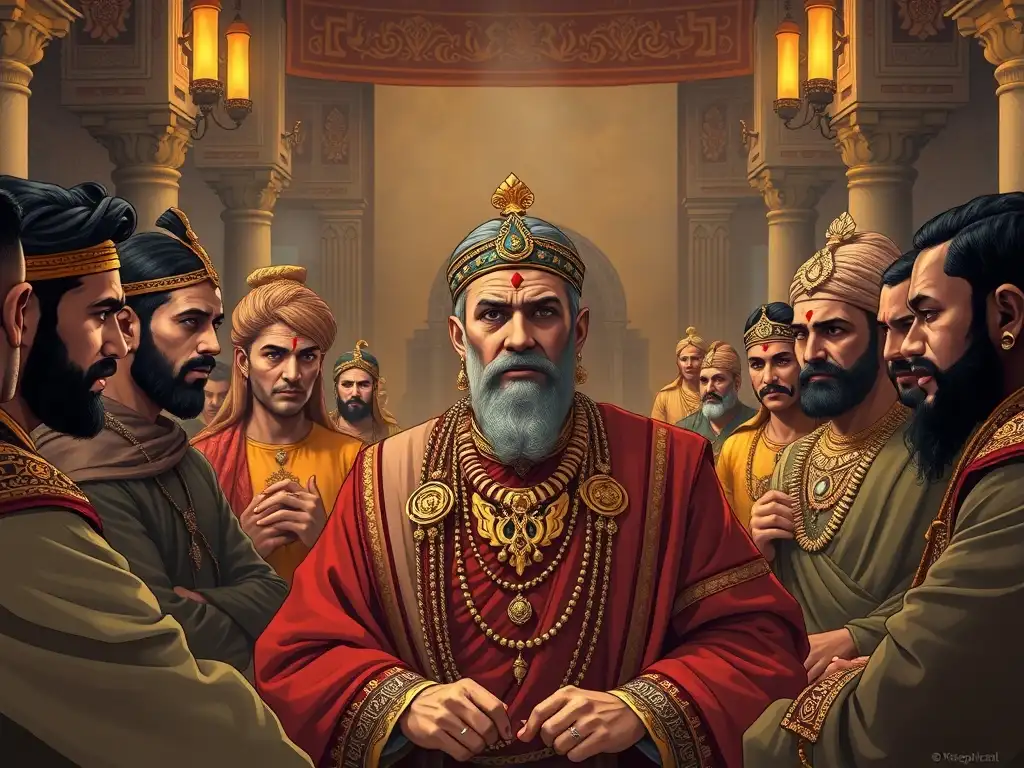
Despite the successes of the Maurya Empire, its leaders encountered numerous challenges that tested their governance and leadership capabilities.
Internal Conflicts and Political Challenges
Internal conflicts were a notable issue within the Maurya Empire, often arising from power struggles among nobles and provincial governors. As the empire expanded, the central authority faced difficulties in maintaining control over distant territories, leading to instances of rebellion and dissatisfaction among local rulers.
The Mauryan leadership had to navigate these challenges through a combination of diplomacy and military might. Ashoka, for instance, after the Kalinga War, adopted a more conciliatory approach, focusing on promoting peace and unity within the empire. However, the underlying tensions often persisted, highlighting the complexities of governance in such a vast and diverse empire.
External Threats and Military Engagements
The Maurya Empire also faced external threats that necessitated military engagement and strategic leadership. While the empire was largely successful in consolidating power, it was not immune to invasions and challenges from neighboring states.
The most significant military challenge occurred during Ashoka's reign when he confronted the kingdom of Kalinga. The Kalinga War was marked by intense conflict and significant loss of life, ultimately leading to a pivotal turning point in Ashoka's leadership philosophy. Following the war, Ashoka embraced the principles of Buddhism, advocating for non-violence and diplomatic resolutions to conflicts.
Despite the eventual cessation of aggressive military campaigns, the Mauryan leaders remained vigilant against external threats, which required a delicate balance of military strength and diplomatic engagement to maintain the integrity and stability of the empire.
Legacy of Effective Leadership in the Maurya Empire
The Maurya Empire, which flourished from 322 to 185 BCE, is often hailed as a hallmark of effective leadership in ancient India. Under the reign of its most illustrious ruler, Ashoka the Great, the empire not only expanded vast territories but also implemented a governance model that emphasized moral and ethical administration. The legacy of the Maurya Empire's leadership is characterized by its innovative approaches to statecraft, including the establishment of a centralized bureaucracy, effective taxation systems, and a commitment to public welfare.
Ashoka's edicts, inscribed on stone pillars and rocks across the empire, reflect his belief in the principles of Dharma (righteousness) and non-violence, which guided his policies. This focus on ethical leadership transformed governance from a mere exertion of power into a compassionate and responsible administration, ensuring the welfare of all subjects. The Maurya Empire’s emphasis on effective leadership continues to resonate throughout history, influencing the political landscape of subsequent Indian states.
Influence on Subsequent Indian Dynasties
The effective leadership exemplified by the Maurya Empire set a precedent for future Indian dynasties. The Gupta Empire, which succeeded the Mauryas in the 3rd century CE, borrowed heavily from Mauryan administrative practices, particularly in governance and taxation. The concept of a centralized authority, coupled with a nuanced understanding of regional autonomy, became a defining characteristic of Indian governance.
Moreover, the Maurya Empire’s approach to diplomacy and military strategy influenced later rulers. The alliances formed through both military conquests and peaceful negotiations showcased a sophisticated understanding of governance that emphasized both strength and wisdom. This duality of leadership became a template for numerous kingdoms that emerged in India, highlighting the enduring legacy of the Maurya Empire in shaping political strategies across centuries.
Lessons in Governance and Leadership for Modern Times
The governance strategies of the Maurya Empire offer valuable lessons for contemporary leaders. Key principles such as ethical administration, public welfare, and the importance of communication can be applied in today’s political and organizational frameworks. Ashoka’s emphasis on Dharma illustrates the significance of moral values in leadership, suggesting that effective governance is not merely about power but also about responsibility to the populace.
Furthermore, the Mauryan model of a centralized yet flexible administration can inspire modern organizations to balance authority with adaptability. By fostering a culture of transparency and accountability, leaders today can learn from the Mauryan emphasis on public welfare, ensuring that the needs of their constituents are addressed comprehensively and compassionately.
Conclusion
Summary of Effective Leadership in the Maurya Empire
The Maurya Empire serves as an exemplary case study in effective leadership, characterized by strategic governance, ethical administration, and a focus on public welfare. The innovative policies implemented during this era laid the groundwork for a political framework that prioritized the well-being of its citizens while maintaining order and stability. Ashoka's reign, in particular, stands out for its commitment to Dharma, marking a significant evolution in the principles of governance.
The Maurya Empire's Enduring Impact on Governance in India
The enduring impact of the Maurya Empire on the governance of India cannot be overstated. Its legacy is evident in the administrative practices of subsequent dynasties and continues to influence modern governance concepts. The principles of effective leadership established during the Maurya period serve as a timeless reminder of the importance of ethical governance, the role of leaders in promoting public welfare, and the intricate balance between authority and responsibility. As such, the Maurya Empire remains a critical reference point for understanding the evolution of governance in India and offers invaluable insights for contemporary leadership challenges.
- Introduction to the Maurya Empire
- The Concept of Effective Leadership in the Maurya Empire
- Chandragupta Maurya: The Visionary Leader
- Ashoka the Great: A Model of Effective Governance
- Administrative Structure of the Maurya Empire
- Military Leadership and Its Role in Governance
- Innovations in Governance During the Maurya Empire
- Challenges Faced by Mauryan Leaders
- Legacy of Effective Leadership in the Maurya Empire
- Conclusion
- What is the significance of effective leadership in the Maurya Empire?
- How did Ashoka's leadership contribute to the Maurya Empire's success?
- What were the key features of governance in the Maurya Empire?
- How did the Maurya Empire exemplify cultural diversity?
- What lessons can modern leaders learn from the Maurya Empire?
Frequently Asked Questions
What is the significance of effective leadership in the Maurya Empire?
The Maurya Empire is often cited as a prime example of effective leadership due to its centralized administration and the ability of its rulers, particularly Chandragupta Maurya and Ashoka, to maintain control over vast territories.
How did Ashoka's leadership contribute to the Maurya Empire's success?
Ashoka's leadership was pivotal in promoting Buddhism and non-violence, which fostered social harmony and cultural unity, ultimately strengthening the Maurya Empire's influence and stability.
What were the key features of governance in the Maurya Empire?
The Maurya Empire implemented a well-structured bureaucracy, efficient tax collection, and a network of spies and messengers that ensured effective governance across its vast territories.
How did the Maurya Empire exemplify cultural diversity?
The Maurya Empire was a melting pot of cultures, with diverse languages, religions, and traditions coexisting, largely due to Ashoka's policies that promoted tolerance and cultural exchange.
What lessons can modern leaders learn from the Maurya Empire?
Modern leaders can learn the importance of visionary leadership, the need for ethical governance, and the benefits of promoting social welfare and cultural unity, as exemplified by the Maurya Empire.
Final Reflection: The Enduring Legacy of Effective Leadership in the Maurya Empire
The principles of effective leadership demonstrated by the Maurya Empire remain strikingly relevant today. In an era where governance and leadership are often scrutinized, the lessons from the Maurya Empire offer timeless insights into how visionary leadership can shape societies. The empire's ability to unify diverse cultures and implement efficient administrative systems serves as a powerful reminder that effective leadership is not just about authority, but about fostering collaboration and inclusivity.
The impact of the Maurya Empire's leadership style continues to resonate within our cultural and social frameworks. The emphasis on ethical governance and the welfare of the populace laid the groundwork for future civilizations to build upon. As we navigate the complexities of modern leadership, it is crucial to remember the words of Chanakya, a key figure in the Maurya Empire: There is some self-interest behind every friendship. There is no friendship without self-interests. This is a bitter truth.
This observation underscores the importance of understanding human motivations in leadership, a lesson that remains pertinent in today's interconnected world.
As we reflect on the teachings of the Maurya Empire, I invite you to consider how you can embody the principles of effective leadership in your own life. What steps can you take to foster collaboration, inclusivity, and ethical governance in your community? By embracing these values, we can honor the legacy of the Maurya Empire and contribute to a more harmonious and effective society. Let us strive to be leaders in our own right, shaping a future that reflects the wisdom of the past.
Unlock the Secrets of Effective Leadership Today!
Thank you for exploring the rich history of the Maurya Empire and the timeless principles of effective leadership it offers. Your interest in understanding powerful governance strategies is the first step toward becoming an impactful leader!
Now, take the next leap in your journey:
- Embrace the Leadership Lessons: Identify a key lesson from the Maurya Empire that resonates with you and apply it to a current challenge in your life or work.
- Explore Further: Dive deeper into historical case studies or books on leadership to broaden your perspective and refine your skills.
- Share the Knowledge: Discuss your insights with friends or colleagues, or share this article on social media to spark conversations about effective leadership strategies.
As you reflect on these actions, consider this: How can the principles of governance from the Maurya Empire shape your own leadership style today?