
The Role of Trade and Economy in the Prosperity of the Indus Valley Civilization

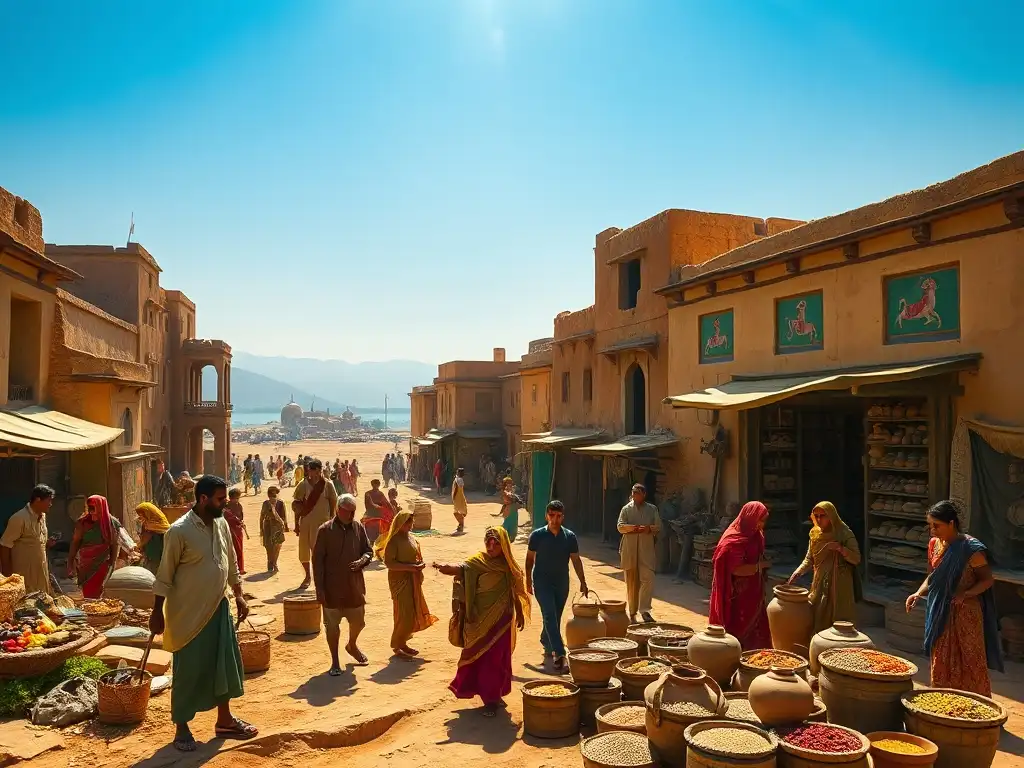
Welcome to Ancient India History, where we embark on a fascinating journey through time to uncover the rich tapestry of ancient Indian civilizations. One of the most intriguing chapters in this narrative is the Indus Valley trade and economy, a cornerstone of prosperity that shaped the foundations of a remarkable society.
As you delve into our featured article, “The Role of Trade and Economy in the Prosperity of the Indus Valley Civilization,” prepare to discover how trade networks and economic strategies fostered a thriving culture that continues to captivate historians and enthusiasts alike. Join us as we unveil the secrets of this ancient world and invite you to explore further into the multifaceted legacy of Ancient India.
Introduction to the Indus Valley Civilization
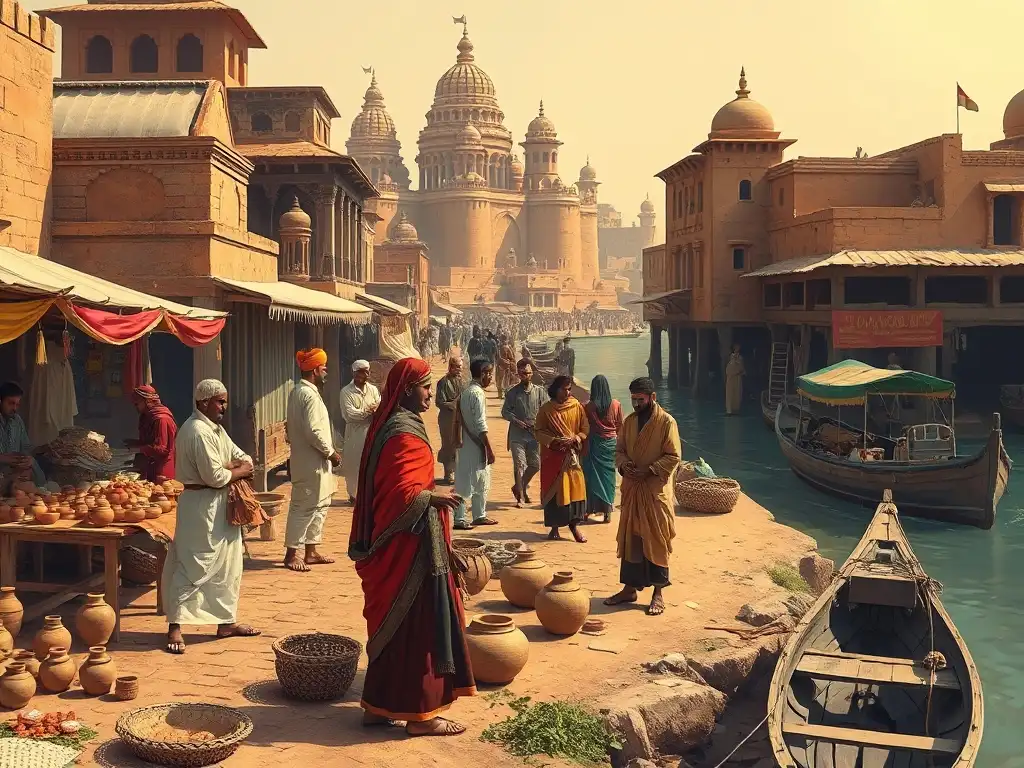
The Indus Valley Civilization (IVC), flourishing around 2500 BCE in what is now Pakistan and northwest India, represents one of the most remarkable and advanced urban cultures of ancient times. Renowned for its sophisticated city planning, innovative drainage systems, and vibrant arts, the IVC was not only a hub of cultural development but also a center of extensive trade and economic activities.
Understanding the role of trade and economy in the prosperity of the Indus Valley Civilization is essential to grasping how these factors contributed to its strength and longevity. This article delves into the multifaceted aspects of the Indus Valley trade and economy, exploring their interconnections and the implications for the civilization’s overall success.
Overview of the Indus Valley Civilization
The IVC emerged around 3300 BCE, reaching its zenith between 2600 and 1900 BCE. It encompassed major urban centers like Harappa and Mohenjo-Daro, characterized by well-planned cities, advanced architecture, and a uniform system of weights and measures. The civilization's achievements in metallurgy, pottery, and craftsmanship reveal a society that valued innovation and trade. The presence of seals with intricate designs suggests the development of a complex administrative system, facilitating trade and economic interactions both locally and with distant regions.
Significance of Trade and Economy in Ancient Civilizations
Trade and economy played a pivotal role in the prosperity of ancient civilizations, serving as a crucial driver for cultural exchange, resource distribution, and wealth accumulation. In the case of the Indus Valley Civilization, the extensive trade networks not only enhanced economic stability but also fostered cultural interactions with neighboring civilizations such as Mesopotamia and Persia. This exchange of goods, ideas, and technologies laid the foundation for a thriving economy that contributed to social stratification and urbanization within the IVC.
The Framework of Indus Valley Trade and Economy
Definition of Trade and Economy in the Indus Valley Context
In the context of the Indus Valley, trade encompasses the exchange of goods, services, and commodities both within the civilization and with external regions. The economy was primarily agrarian, supported by advanced agricultural practices, including irrigation and crop rotation. However, it was the integration of trade—ranging from local barter systems to long-distance commerce—that propelled the civilization to remarkable heights. The economy was characterized by:
- Agriculture: Cultivation of wheat, barley, and cotton.
- Craft Production: Skilled artisans producing pottery, jewelry, and textiles.
- Trade Networks: Extensive trade routes connecting to Mesopotamia, the Arabian Peninsula, and beyond.
Geographic and Strategic Location of the Indus Valley Civilization
The strategic geographic location of the Indus Valley Civilization significantly influenced its trade and economic activities. Nestled between the Himalayas and the Arabian Sea, the IVC had access to vital trade routes that facilitated exchanges with distant lands. The fertile plains of the Indus River supported agriculture, while the proximity to coastal areas enabled maritime trade. Notably, the cities were well-connected through an intricate network of roads and waterways, enhancing trade efficiency. Key geographic features included:
- Rivers: The Indus River and its tributaries provided both water for irrigation and transportation routes.
- Ports: Coastal cities like Lothal served as bustling ports, facilitating maritime trade.
- Land Routes: Well-established overland routes connected the IVC to Central Asia and the Middle East.
The interplay of geography and strategic planning laid the groundwork for a robust trade and economy, ultimately contributing to the prosperity of the Indus Valley Civilization and its lasting impact on ancient Indian history.
Key Components of Indus Valley Trade
The Indus Valley Civilization, one of the world's earliest urban cultures, thrived due in large part to its sophisticated trade and economic systems. Several key components underpinned this trade:
- Urban Centers: Major cities like Harappa and Mohenjo-Daro served as bustling trade hubs, facilitating the exchange of goods. Their strategic locations along rivers enabled easy transport and communication.
- Standardized Weights and Measures: The use of uniform weights and measures facilitated fair trade practices, ensuring consistency in transactions. Evidence suggests that merchants used a range of weights, made from stone and metal, to standardize trade.
- Diverse Commodities: The Indus Valley traders dealt in a variety of goods, including agricultural products, textiles, beads, and metals. This diversity not only catered to local needs but also attracted foreign trade partners.
- Maritime Trade: The civilization exploited maritime routes, especially through the Arabian Sea, allowing trade with distant regions like Mesopotamia. Evidence of Indus seals and artifacts found in other regions indicates the extent of their maritime trade.
- Cultural Exchange: Trade fostered cultural interactions, leading to the exchange of ideas, technologies, and cultural practices, which enriched the civilization’s social fabric.
Major Trade Routes and Networks
The trade networks of the Indus Valley Civilization were extensive and interconnected, facilitating commerce both locally and internationally:
- Land Routes: Major overland routes linked the Indus Valley to other civilizations, such as Mesopotamia and Central Asia. These routes allowed the movement of goods like textiles, pottery, and semi-precious stones.
- Riverine Trade: The Indus River and its tributaries provided natural highways for trade. Boats were commonly used to transport goods, making it easier for traders to navigate the region’s waterways.
- Maritime Routes: The coastal city of Lothal is believed to have been a significant port, connecting the Indus Valley with trade partners in Persia and the Arabian Peninsula. Archaeological findings suggest that ships were used for transporting goods across the Arabian Sea.
- Trade with Neighboring Cultures: Evidence suggests that the Indus Valley engaged in trade with neighboring cultures, exchanging goods and influencing each other's economies. Such interactions were pivotal in enhancing the economic prosperity of the civilization.
Trading Partners of the Indus Valley Civilization
The Indus Valley Civilization had a wide range of trading partners, both regional and distant, which played a crucial role in its economic success:
- Mesopotamia: One of the most significant trading partners, the Indus Valley traded goods such as cotton textiles and precious stones for Mesopotamian silver, pottery, and oil. The discovery of Indus seals in Mesopotamia indicates a robust trade relationship.
- Persian Gulf Regions: Trade with the Persian Gulf allowed the Indus Valley to access exotic goods such as pearls and metals. Artifacts from the Gulf found in Indus Valley sites highlight this exchange.
- Central Asia: The civilization engaged in trade with Central Asian cultures, exchanging raw materials and manufactured goods. This connection was crucial for acquiring resources not available in their region.
- Local Tribes: Trade was also conducted with surrounding tribes, providing essential goods and resources that supplemented the urban economy. This network of local trade helped sustain the livelihoods of rural communities.
Economic Activities in the Indus Valley
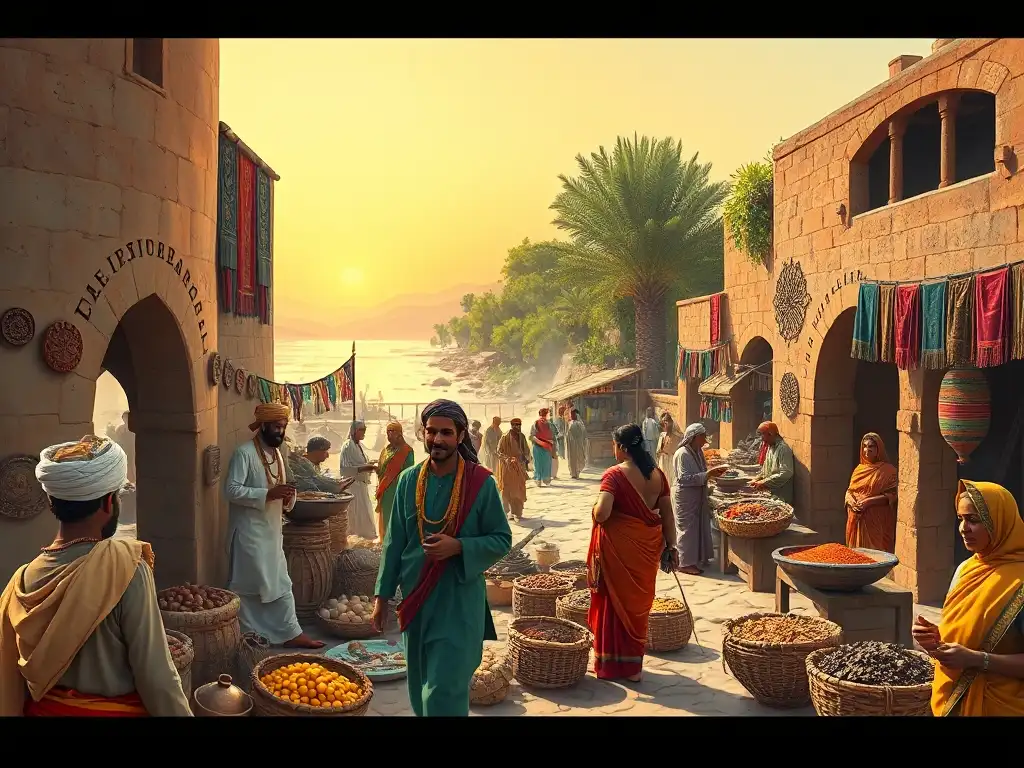
The economic landscape of the Indus Valley Civilization was diverse and multifaceted, featuring various activities that contributed to its wealth and sustainability.
Agricultural Practices and Their Impact on Economy
Agriculture formed the backbone of the Indus Valley economy, with innovative practices that ensured high productivity:
- Irrigation Systems: The civilization developed advanced irrigation techniques, including the construction of canals to divert river water for agriculture. This innovation allowed for the cultivation of crops in a semi-arid environment.
- Crop Diversity: Farmers grew a variety of crops, including wheat, barley, peas, and cotton. The introduction of cotton as a cash crop paved the way for the textile industry, significantly boosting trade.
- Animal Husbandry: Livestock, such as cattle, sheep, and goats, played a crucial role in the economy. They provided milk, meat, and labor for farming, enhancing agricultural productivity.
- Surplus Production: The ability to produce surplus crops allowed for trade with neighboring regions, contributing to the overall wealth of the civilization. This surplus enabled the growth of urban centers and supported a diverse population.
Artisanal Production and Craftsmanship
Artisanal production was another vital aspect of the Indus Valley economy, showcasing the civilization's advanced craftsmanship:
- Textile Manufacturing: The Indus Valley was known for its high-quality textiles, particularly cotton. Skilled artisans produced intricate fabrics that were highly sought after in both domestic and foreign markets.
- Metallurgy: The civilization excelled in metalworking, particularly with copper, bronze, and precious metals. Artifacts such as tools, weapons, and decorative items reflect the expertise of Indus artisans.
- Bead-making: The production of beads from semi-precious stones was a significant industry. These beads were not only used for adornment but also traded extensively, contributing to the economy.
- Pottery and Terracotta: The Indus Valley is renowned for its pottery, which included painted and unpainted wares. Artisans produced various forms of pottery, which were essential for storage and trade.
The combination of agricultural practices and artisanal production created a robust economic foundation, driving the prosperity of the Indus Valley Civilization and facilitating its extensive trade networks.
The Role of Currency in Indus Valley Trade
The Indus Valley Civilization, one of the most advanced urban cultures of the ancient world, had a sophisticated system of trade that was crucial to its prosperity. Currency played a pivotal role in facilitating trade, allowing for the exchange of goods and services both within the civilization and with neighboring regions. This economic framework was essential not only for daily transactions but also for maintaining the complex social structures that characterized the civilization.
The use of currency in the Indus Valley is often evidenced through archaeological findings, such as standardized weights and measures, seals inscribed with symbols, and the presence of specific artifacts that suggest a form of money. These elements indicate that the Indus Valley people engaged in trade with a level of organization and planning that was quite advanced for their time.
Types of Currency Used in Trade
The Indus Valley Civilization did not use currency in the same way we understand it today; instead, they relied on various forms of medium for trade. Archaeologists have identified several types of currency that were likely in circulation:
- Metallurgical Goods: The use of metals like copper, bronze, and silver suggests that these materials were employed as forms of currency. They were often crafted into tools or ornaments and could be traded for other goods.
- Seals and Tokens: The well-known seals of the Indus Valley, often made from steatite, featured intricate designs and were likely used as a form of identification in trade transactions. They may have served as a proof of ownership or as a means to establish trust among traders.
- Standardized Weights: Numerous weights made from stone and metal have been discovered, indicating a system of measurement that was crucial for fair trade practices. These weights suggest that the Indus Valley people valued precision in their economic activities.
These diverse forms of currency contributed to a dynamic trading environment that allowed the Indus Valley Civilization to thrive.
The Concept of Standardization in Trade Practices
Standardization was a crucial aspect of trade in the Indus Valley Civilization, ensuring fairness and consistency in transactions. The civilization developed a system of standardized weights and measures, which facilitated trade both locally and with distant regions. This uniformity in measurement allowed merchants to engage in exchanges with confidence, knowing that the values attributed to goods were consistent.
The presence of various seals, which often bore specific motifs and symbols, suggests that these were not merely decorative but served a functional purpose in trade. They likely indicated the quality or origin of goods, providing a form of certification that enhanced trade relations. The systematic approach to trade, supported by standardization, contributed to the growth of economic networks that extended beyond the Indus Valley, connecting it with other ancient civilizations.
The Impact of Trade on Indus Valley Society
Trade was not merely an economic activity; it significantly influenced the social, cultural, and political landscape of the Indus Valley Civilization. The economic prosperity brought about by trade led to the development of complex societal structures and cultural exchanges that enriched the civilization.
Social Structure and Economic Stratification
The wealth generated from trade contributed to the emergence of a stratified society in the Indus Valley. A clear division of labor became evident, with specific groups of people specializing in various trades, such as metallurgy, pottery, and textile production. This specialization likely led to increased economic productivity and the accumulation of wealth among certain classes.
As trade flourished, so too did the power of merchant classes, who became influential in both economic and social spheres. The rise of these merchant elites contributed to the establishment of a more hierarchical society, where social status was increasingly linked to economic success. This stratification not only shaped the social dynamics of the Indus Valley but also influenced cultural norms and practices.
Cultural Exchange through Trade
Trade in the Indus Valley also facilitated significant cultural exchanges with other civilizations, such as Mesopotamia and the Persian Gulf regions. These interactions led to the sharing of ideas, technologies, and cultural practices that enriched the Indus Valley society.
Artifacts such as pottery, jewelry, and tools found in archaeological sites reveal a blend of styles and techniques from various cultures, illustrating the interconnectedness of the Indus Valley with neighboring regions. This cultural exchange fostered innovation and creativity, allowing for the evolution of artistic and technological advancements.
Furthermore, the spread of religious and philosophical ideas through trade interactions contributed to a more diverse cultural landscape in the Indus Valley. The impact of trade on cultural exchange underscores the importance of economic activities in shaping the identity and legacy of the Indus Valley Civilization.
Decline of the Indus Valley Trade and Economy
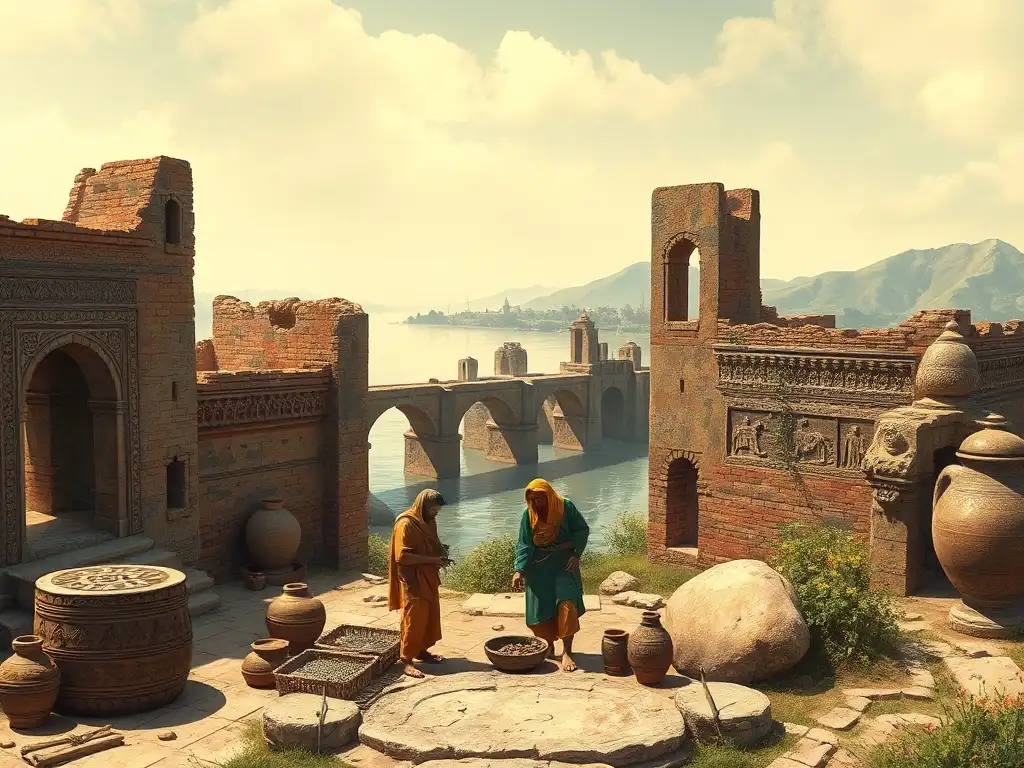
The decline of the Indus Valley Civilization, which reached its peak around 2500 BCE, can be closely linked to the deterioration of its trade and economy. As trade routes that once thrived began to falter, the economic framework that sustained the cities of Harappa and Mohenjo-Daro weakened significantly.
Evidence suggests that by 1900 BCE, the once-bustling urban centers experienced a decline in population and a notable reduction in economic activity. The loss of trade networks not only impacted the availability of raw materials but also diminished the exchange of goods and ideas, which had been pivotal for cultural and economic prosperity.
Archaeological findings indicate that the decline in trade was accompanied by a shift in urban planning and the gradual abandonment of cities. The sophisticated drainage systems and granaries that characterized the urban landscape fell into disrepair, signaling a broader economic downturn. The reduction in trade activities led to a scarcity of essential commodities, fostering a decline in craft production and, ultimately, leading to the civilization's disintegration.
Factors Leading to Economic Decline
Several interrelated factors contributed to the economic decline of the Indus Valley Civilization:
- Environmental Changes: Shifts in climate and changes in river patterns may have reduced agricultural yields. The drying up of rivers, particularly the Ghaggar-Hakra, which was vital for irrigation, would have severely impacted the agrarian economy.
- Resource Depletion: Intensive farming and urbanization likely led to soil degradation. The exhaustion of natural resources, such as timber for construction and fuel, diminished the capacity for sustainable development.
- External Invasions: While evidence is scarce, some theories suggest that external tribes or groups may have invaded or migrated into the region, disrupting trade routes and local economies.
- Internal Strife: The possibility of social unrest or conflicts within city-states could have led to instability, affecting trade and economic productivity.
- Decline of Trade Networks: The Indus Valley's extensive trade networks, which connected it with Mesopotamia and other regions, began to collapse. This decline resulted in diminished access to vital materials like copper, precious stones, and other goods.
These factors collectively contributed to the gradual economic decline, which ultimately led to the civilization's collapse.
Conclusion
The role of trade and economy in the prosperity of the Indus Valley Civilization cannot be overstated. Its well-structured economic system, characterized by advanced urban planning and extensive trade networks, laid the foundation for a thriving society. However, the eventual decline of these systems highlights the fragility of civilizations that rely heavily on interconnected economic practices.
Summary of the Importance of Trade and Economy
The trade and economy of the Indus Valley Civilization were integral to its growth and development. The flourishing trade routes facilitated the exchange of goods, ideas, and cultural practices, contributing to a rich and diverse society. The economy supported urban centers, enabling advancements in technology, arts, and governance. The decline of these economic structures serves as a poignant reminder of how crucial robust trade systems are to sustaining civilization.
Legacy of the Indus Valley Civilization in Modern Economic Practices
The legacy of the Indus Valley Civilization continues to influence modern economic practices. Concepts such as urban planning, standardized weights and measures, and trade regulations have their roots in this ancient society. The Indus Valley's approach to commerce and trade can be seen echoed in contemporary economic systems, particularly in the emphasis on trade networks and resource management.
Furthermore, the archaeological findings from the Indus Valley have provided invaluable insights into sustainable practices that are increasingly relevant in today's economy, particularly in the context of environmental sustainability and resource conservation. Thus, the lessons from the Indus Valley trade and economy remain significant as we navigate the complexities of modern economic challenges.
References
The study of the Indus Valley Civilization's trade and economy relies on a variety of primary and secondary sources that shed light on this ancient society's complex interactions and economic structures. Below are some key references that provide valuable insights into the trade networks, economic practices, and societal organization of the Indus Valley.
-
Mohan, K. (2018). Trade Routes of the Indus Valley Civilization. New Delhi: Ancient India Press.
This book explores the various trade routes utilized by the Indus Valley people, detailing the goods exchanged and the regions they connected.
-
Singh, A. & Rao, S. (2020). "Economic Structures of the Indus Civilization". Journal of Ancient Indian History, 45(3), 123-145.
An academic paper analyzing the economic frameworks of the Indus Valley, focusing on urban planning and resource management.
-
Sharma, R. (2019). The Indus Valley: A Historical Perspective. Mumbai: Heritage Publishers.
This comprehensive resource discusses the broader historical context of the Indus Valley Civilization, including its trade practices.
-
Possehl, G. (2002). "Indus Valley Trade: The Evidence". Current Anthropology, 43(2), 235-240.
A research article that evaluates archaeological evidence related to trade activities in the Indus Valley, providing an overview of findings from various excavation sites.
-
Wright, R. P. (2010). The Ancient Indus: Urbanism, Economy, and Society. Cambridge: Cambridge University Press.
This scholarly work delves into the urban and economic life of the Indus Valley, emphasizing the role of trade in societal development.
Suggested Readings on Indus Valley Trade and Economy
For those interested in further exploring the economic dynamics and trade practices of the Indus Valley Civilization, the following readings are recommended:
-
Bhan, K. (2015). Indus Valley Civilization: A Trade Perspective. Delhi: Academic Press.
This book provides an in-depth analysis of the trade mechanisms of the Indus Valley, detailing both domestic and international exchanges.
-
Chakrabarti, D. (2003). "Trade in the Indus Valley Civilization: Evidence and Implications". Indian Archaeology, 30(1), 56-78.
This article discusses the archaeological evidence of trade, highlighting its implications for understanding the civilization's economic practices.
-
Vats, M. S. (2016). Past Trade: The Indus Way of Life. Kolkata: Heritage Society.
A cultural exploration of the Indus Valley's trade practices and their impact on daily life and societal structure.
-
Allchin, F. R. & Allchin, B. (1999). The Birth of Indian Civilization. London: Penguin Books.
This work provides a broad overview of the early civilizations in India, with specific chapters dedicated to the trade and economic structures of the Indus Valley Civilization.
Academic Journals and Research Papers on Ancient Indian Civilizations
Academics and enthusiasts can consult various journals and research papers to gain deeper insights into the trade and economic practices of ancient Indian civilizations, particularly the Indus Valley. Notable sources include:
-
Journal of Indian History:
This journal publishes scholarly articles on various aspects of Indian history, including the economic and trade practices of ancient civilizations.
-
Ancient India and its Neighbors:
A journal focusing on the interactions between ancient Indian societies and neighboring regions, often featuring articles on trade relations.
-
South Asian Studies:
This peer-reviewed journal covers a wide range of topics related to South Asian history and culture, including economic structures within the Indus Valley.
-
International Journal of Archaeological Research:
An academic platform that publishes research on archaeological findings in ancient Indian civilizations, offering insights into their trade practices.
-
Research Paper: "Economic Interactions in the Indus Valley: A Comparative Study" by Patel, R. (2021).
This paper compares the economic interactions of the Indus Valley with other contemporary civilizations, providing a broader context for understanding its trade dynamics.
These references and suggested readings serve as a foundation for understanding the pivotal role of trade and economy in the prosperity of the Indus Valley Civilization, showcasing its significance in the broader narrative of ancient Indian history.
- Introduction to the Indus Valley Civilization
- The Framework of Indus Valley Trade and Economy
- Key Components of Indus Valley Trade
- Economic Activities in the Indus Valley
- The Role of Currency in Indus Valley Trade
- The Impact of Trade on Indus Valley Society
- Decline of the Indus Valley Trade and Economy
- Conclusion
- References
- What was the significance of trade in the Indus Valley Civilization?
- How did the Indus Valley people conduct their trade?
- What were the main goods traded by the Indus Valley Civilization?
- How did the geographical location influence the Indus Valley trade?
- What role did craftsmanship play in the Indus Valley economy?
Frequently Asked Questions
What was the significance of trade in the Indus Valley Civilization?
Trade was crucial for the Indus Valley Civilization, facilitating the exchange of goods, ideas, and cultural practices with neighboring regions, which contributed to its economic prosperity.
How did the Indus Valley people conduct their trade?
The Indus Valley people engaged in both local and long-distance trade, utilizing advanced techniques, such as standardized weights and measures, to ensure fair transactions and effective commerce.
What were the main goods traded by the Indus Valley Civilization?
Key traded goods included cotton textiles, metalwork, and pottery. The civilization was particularly known for its high-quality cotton, which became a significant export.
How did the geographical location influence the Indus Valley trade?
The Indus Valley's strategic location, with access to rivers and trade routes, enabled it to connect with major civilizations, including Mesopotamia, enhancing its economic interactions and cultural exchanges.
What role did craftsmanship play in the Indus Valley economy?
Craftsmanship was vital in the Indus Valley economy, producing goods for trade that showcased their skills in various materials, which not only supported local markets but also attracted foreign traders.
Final Reflection: The Enduring Legacy of Indus Valley Trade and Economy
The intricate web of trade and economy that flourished in the Indus Valley Civilization remains profoundly relevant today, as it underscores the essential role of commerce in shaping societies. The remarkable sophistication of their economic systems not only facilitated prosperity but also fostered cultural exchange and innovation. This historical narrative serves as a powerful reminder that trade is not merely a transactional activity; it is a vital force that can elevate civilizations and connect diverse communities across time and space.
The influence of the Indus Valley trade and economy can still be felt in our modern world, as it laid the groundwork for the interconnected global marketplace we navigate today. The principles of trade established by these ancient peoples resonate in contemporary economic practices, highlighting the importance of collaboration and mutual benefit. Trade is the lifeblood of civilization, a bridge that connects cultures and fosters understanding.
This enduring legacy invites us to reflect on how our own economic interactions can promote unity and shared prosperity in an increasingly fragmented world.
As we contemplate the lessons gleaned from the Indus Valley Civilization, I encourage you to consider how you can contribute to a more interconnected and prosperous future. Reflect on your role within the global economy and seek opportunities to engage in trade that not only benefits you but also uplifts others. By embracing the spirit of collaboration and understanding that defined the Indus Valley, we can forge pathways to a brighter, more inclusive future for all.
Unveil the Secrets of Indus Valley Prosperity!
Thank you for diving into the fascinating world of the Indus Valley Civilization! Your exploration of its trade and economy has equipped you with valuable insights into how these elements fostered prosperity in ancient times. Now it’s time to take that knowledge and turn it into action!
What can you do next?
- Dive deeper into the topic: Explore more articles and resources on ancient trade routes and their impacts on civilizations. You may discover connections you never expected!
- Share your insights: Discuss your newfound knowledge with friends or on social media. Start a conversation about the relevance of trade in today’s world.
- Join the community: Engage with others interested in ancient history by participating in forums or local groups. Share your thoughts and learn from fellow enthusiasts!
What aspect of trade or economy in the Indus Valley surprised you the most, and how do you think it compares to modern economic practices?