
Southern India's Contribution to Classical Music and Dance: A Historical Overview

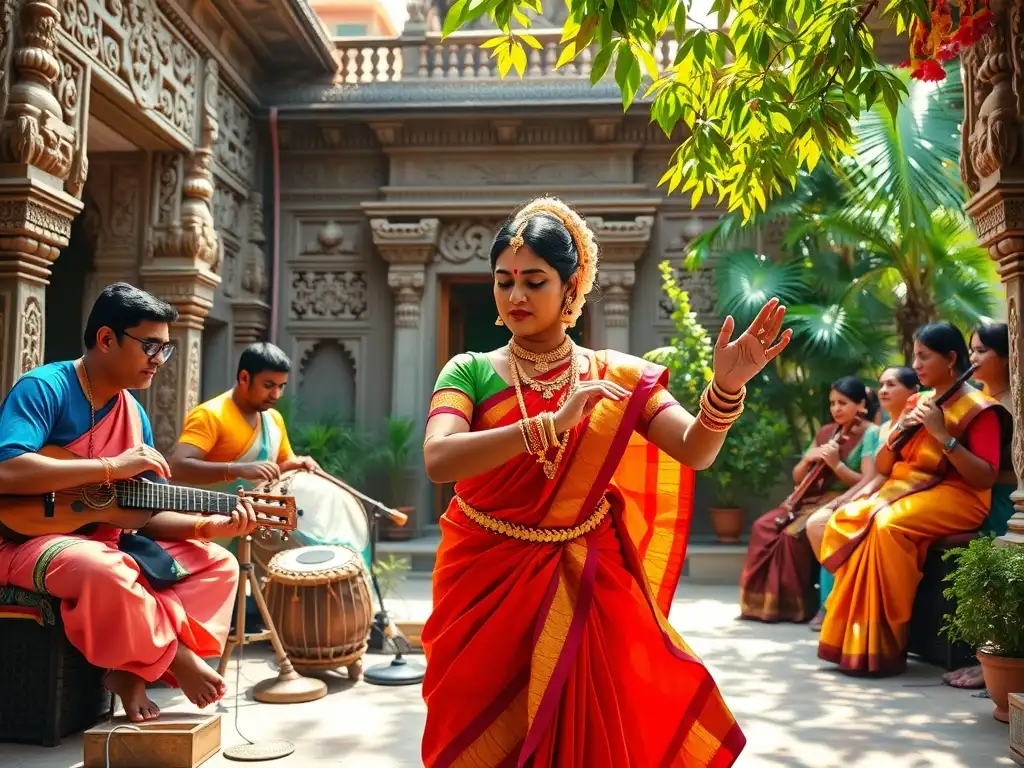
Welcome to Ancient India History, where we embark on a fascinating journey through the intricate tapestry of India's past. Dive into our latest article, “Southern India's Contribution to Classical Music and Dance: A Historical Overview,” and uncover the rich heritage that has shaped the musical landscape of this vibrant region. From the rhythmic beats of ancient instruments to the graceful movements of classical dance, the story of Southern India is one of artistic innovation and cultural significance.
Join us as we explore the melodies that echo through time and the profound impact they have had on the evolution of classical music. Prepare to be captivated by the hidden gems of history that await you!
-
Southern India Classical Music History: A Historical Overview
- Introduction to Southern India's Classical Music and Dance
- Historical Context of Southern Indian Classical Music
- Major Forms of Southern Indian Classical Music
- Carnatic Music: An In-Depth Exploration
- Folk Music and Its Role in Cultural Expression
- Dance Traditions of Southern India
- Influences and Contributions to Southern Indian Classical Music
- Modern Developments in Southern Indian Classical Music and Dance
- Conclusion: The Legacy of Southern India Classical Music and Dance
- References and Further Reading on Southern India Classical Music History
-
Frequently Asked Questions
- What are the main forms of classical music originating from Southern India?
- How has Southern India influenced classical dance?
- What historical periods are significant in the development of Southern Indian classical music?
- Are there any notable composers in Southern Indian classical music history?
- How does Southern Indian classical music differ from Northern Indian classical music?
- Final Reflection: Embracing the Legacy of Southern India's Classical Music and Dance
- Embrace the Rhythm of Southern Indian Arts!
Southern India Classical Music History: A Historical Overview
Introduction to Southern India's Classical Music and Dance
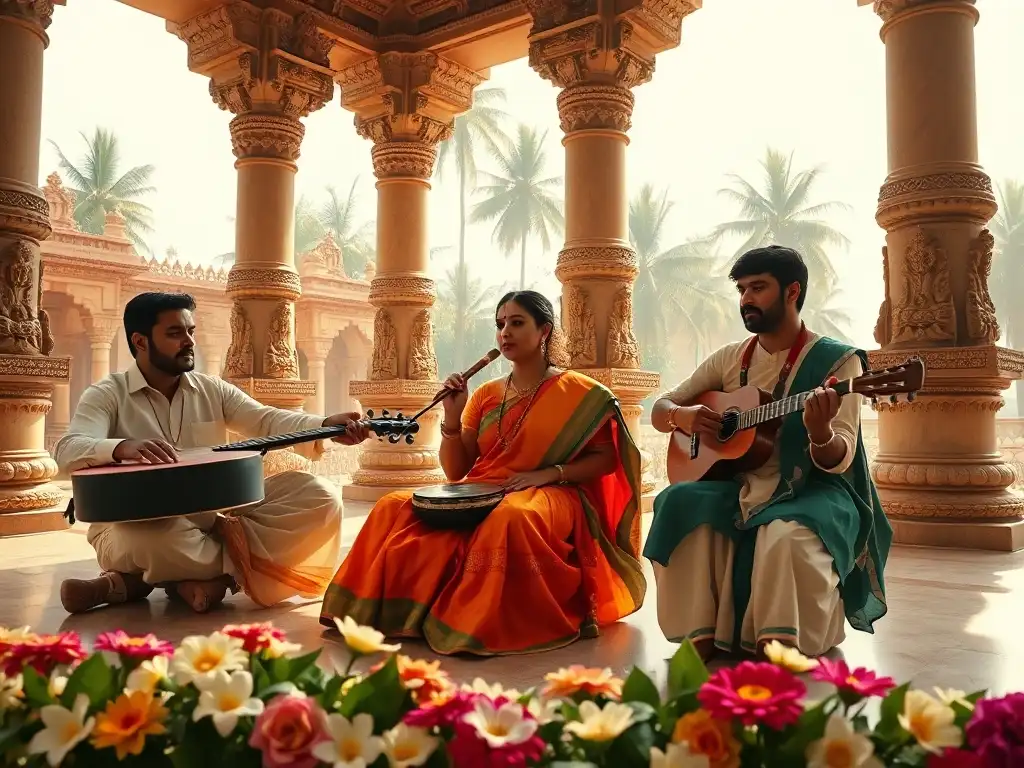
Southern India is renowned for its rich tapestry of classical music and dance, which reflects a profound cultural heritage that has evolved over millennia. This vibrant art form is not merely a mode of entertainment; it embodies the spiritual, philosophical, and social elements of society. From the intricate rhythms of Carnatic music to the expressive movements of Bharatanatyam, the classical traditions of Southern India offer a glimpse into the region's historical narratives and cultural ethos. Understanding the history and evolution of these art forms is essential for appreciating their significance in both ancient and contemporary contexts.
Definition of Classical Music and Dance in Southern India
Classical music and dance in Southern India primarily refer to the structured musical traditions governed by specific rules and styles, notably Carnatic music. This form of music is characterized by its intricate melodic patterns and rhythms, often incorporating improvisation. Dance forms like Bharatanatyam, Kathakali, and Kuchipudi are equally significant, showcasing elaborate storytelling through expressive gestures and facial expressions. Together, they serve as cultural touchstones, preserving the narratives, philosophies, and spiritual beliefs of the region.
Importance of Music and Dance in Southern Indian Culture
The role of music and dance in Southern Indian culture extends beyond mere performance; it is a crucial medium for expressing devotion, celebrating festivals, and preserving history. These art forms are often intertwined with religious rituals and ceremonies, reinforcing community bonds and cultural identity. Additionally, they serve as educational tools, teaching values and histories through engaging narratives. The legacy of classical music and dance continues to thrive, influencing contemporary performances and attracting global audiences.
Historical Context of Southern Indian Classical Music
The history of Southern Indian classical music is a complex interplay of various influences, traditions, and innovations that have shaped its development. By examining its early origins, the impact of ancient civilizations, and pivotal historical periods, we can better understand the evolution of this rich musical heritage.
Early Origins of Classical Music in Southern India
The roots of classical music in Southern India can be traced back to ancient texts and scriptures, such as the Natya Shastra, which provides foundational principles for music and dance. Archaeological findings suggest that musical instruments like the veena and mridangam were used as early as the Indus Valley Civilization. These early forms of music were likely used in religious ceremonies and social gatherings, paving the way for more structured musical expressions.
Influence of Ancient Civilizations on Music and Dance
The influence of ancient civilizations, such as the Chola, Pandya, and Cheras, played a significant role in shaping Southern India's classical music and dance. These dynasties patronized artists and scholars, leading to the flourishing of music as an integral part of royal courts and religious institutions. Furthermore, the synthesis of various regional styles and traditions created a diverse musical landscape that enriched the classical forms we recognize today.
Key Historical Periods in Southern Indian Music History
Southern Indian classical music has undergone several transformations through distinct historical periods:
- Ancient Period: The foundations of music and dance were laid, influenced by religious practices and royal patronage.
- Medieval Period: This era saw the codification of musical theory and the emergence of renowned composers, such as Thyagaraja and Muthuswami Dikshitar, who significantly contributed to the Carnatic repertoire.
- Modern Period: The 20th century brought about a revival and global recognition of Southern Indian classical arts, with artists like MS Subbulakshmi and Balasaraswati becoming icons in both India and abroad.
By exploring these historical contexts, we gain a deeper understanding of how Southern India's classical music history has evolved and continues to resonate with audiences today.
Major Forms of Southern Indian Classical Music
Southern India boasts a rich tapestry of classical music traditions, primarily characterized by two major forms: Carnatic music and various folk styles that have evolved over centuries. Each of these forms has its own unique characteristics, structures, and cultural significance.
- Carnatic Music: This is the predominant classical music tradition in Southern India, distinguished by its complex melodic and rhythmic frameworks. It emphasizes improvisation and is built around ragas (melodic frameworks) and talas (rhythmic cycles). Carnatic music has a vast repertoire, encompassing devotional compositions, kritis, and varnam. It is performed in a concert setting, typically featuring a lead vocalist accompanied by instrumentalists.
- Folk Music: Complementing the classical traditions, Southern India is home to a diverse range of folk music styles that reflect the region's rich cultural heritage. These forms often serve as a medium for storytelling and communal expression, featuring local dialects and traditional instruments. Some notable folk music traditions include Baul songs from Tamil Nadu and the various regional forms found in Andhra Pradesh and Karnataka.
Carnatic Music: An In-Depth Exploration
Carnatic music is not just a musical genre; it is a profound artistic expression that encapsulates the spiritual and emotional ethos of Southern India. Originating from ancient Vedic traditions, it has evolved significantly over the centuries.
- Structure: At the heart of Carnatic music lies the concept of raga, which is a melodic framework that evokes specific emotions. Each raga is associated with a particular time of day or season, enhancing its emotional impact. Talas, or rhythmic patterns, provide the structure for compositions.
- Compositional Forms: The primary forms of Carnatic music include the kriti (a structured song), varnam (a complex piece that serves as a warm-up for performers), and ragam-tanam-pallavi (a free-form improvisational piece). Each composition showcases the performer's virtuosity and understanding of the raga.
- Prominent Composers: The evolution of Carnatic music has been shaped by legendary composers like Thyagaraja, Muthuswami Dikshitar, and Syama Sastri, known collectively as the Trinity of Carnatic music. Their compositions remain central to the repertoire and are celebrated for their lyrical beauty and depth.
- Performance Context: Typically performed in temples and concert halls, Carnatic music is characterized by a call-and-response format between the vocalist and accompanying musicians. Instruments such as the violin, mridangam, and flute are commonly used, creating a rich sonic tapestry.
Folk Music and Its Role in Cultural Expression
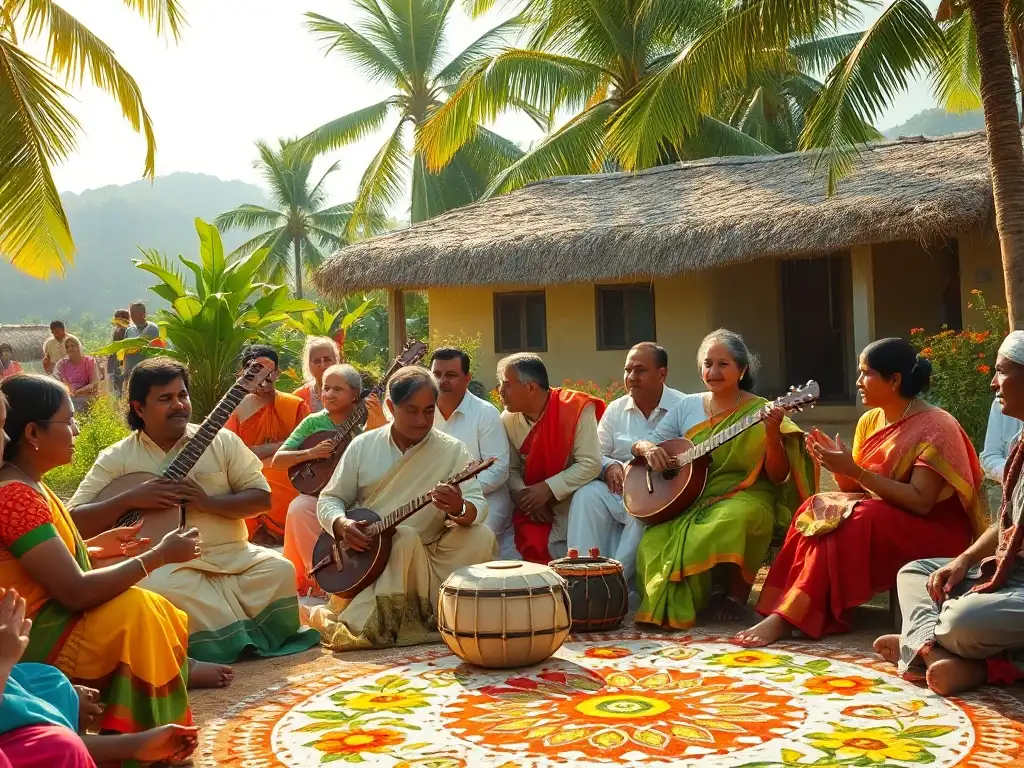
Folk music in Southern India serves as a vibrant reflection of the region's diverse cultures, traditions, and social contexts. It plays a crucial role in the cultural expression of communities, often intertwined with daily life, festivals, and rituals.
- Local Varieties: Each state in Southern India has its unique folk music traditions, often linked to regional languages and customs. For example, Tamil Nadu is known for its Naatupura Pattu, while Andhra Pradesh features Lambadi and Koya songs that celebrate local folklore and history.
- Cultural Significance: Folk music is not merely entertainment; it is a vessel for preserving oral traditions and storytelling. Through melodies and lyrics, communities convey their history, values, and social narratives, fostering a sense of identity and belonging.
- Instruments and Styles: Traditional instruments such as the dholak, nadaswaram, and thavil are commonly used in folk performances. The music is often accompanied by dance, further enriching the cultural experience and engaging audiences during festivals and communal gatherings.
Dance Traditions of Southern India
Southern India is renowned for its classical dance forms, each characterized by its unique style, expression, and storytelling techniques. These dance traditions often draw heavily upon classical music, enhancing the overall aesthetic experience.
Bharatanatyam: The Quintessential Classical Dance Form
Bharatanatyam is one of the oldest and most revered classical dance forms of Southern India, originating in Tamil Nadu. It is rich in tradition and is known for its grace, intricate footwork, and expressive gestures.
- Historical Background: Bharatanatyam has its roots in the temples of Tamil Nadu, where it was performed as a form of worship. It was traditionally performed by Devadasis, women who dedicated their lives to temple service. Over time, this dance form has undergone significant transformation, evolving into a popular performance art.
- Technical Aspects: The dance is characterized by its fixed upper torso, bent legs, intricate hand gestures (mudras), and expressive facial expressions (abhinaya). Bharatanatyam performances typically consist of a series of items, including alapana (improvisation), nritta (pure dance), and nritya (expressive dance).
- Cultural Importance: Bharatanatyam serves as a medium for storytelling, often depicting themes from Hindu mythology and epics. It plays a vital role in preserving cultural narratives and passing them down through generations.
Kathakali: The Storytelling Dance of Kerala
Kathakali is a highly stylized classical dance-drama that originated in Kerala, known for its elaborate costumes and makeup. This dance form is distinctive for its dramatic storytelling and vibrant visual aesthetics.
- Artistic Elements: In Kathakali, performers embody characters from Hindu epics, particularly the Mahabharata and Ramayana. The dance is characterized by its intricate footwork, expressive facial expressions, and the use of elaborate costumes and masks, which enhance the visual storytelling.
- Performance Structure: A typical Kathakali performance is a lengthy affair, often lasting several hours, encompassing various segments that include nritta (rhythmic dance) and abhinaya (expressive acting). Musicians play traditional instruments like the chenda and shankh, creating a dynamic auditory backdrop.
- Cultural Significance: Kathakali is not only a form of entertainment but also a means of conveying moral lessons and cultural values. It serves as a communal event, often performed during festivals and celebrations, fostering a sense of unity and cultural pride among audiences.
Through these rich musical and dance traditions, Southern India continues to contribute significantly to the broader landscape of classical arts, preserving and celebrating its unique heritage for generations to come.
Influences and Contributions to Southern Indian Classical Music
Southern India boasts a rich tapestry of classical music history, shaped by a confluence of various cultural, religious, and social influences. This region's classical music, primarily represented by Carnatic music, has evolved through centuries, drawing from diverse sources that have enriched its form and practice. The influences of ancient scriptures, regional folk traditions, and the patronage of royal courts have all played pivotal roles in shaping this genre.
Religious and Cultural Influences on Music
Religious traditions have profoundly influenced Southern Indian classical music. The roots of Carnatic music can be traced back to ancient texts, including the Natya Shastra by Bharata Muni, which emphasizes the importance of music and dance in religious rituals. Temples served as key centers for musical activity, where devotional compositions known as kritis were performed to honor deities. The integration of ragas and talas into religious practices underscored the belief that music could elevate the spiritual experience.
Moreover, cultural festivals and rituals have historically provided platforms for musicians and dancers to showcase their talents, thus ensuring the transmission of musical heritage across generations. The thematic focus on devotion and spirituality in many compositions reflects the intertwining of music and religion, making it a vital aspect of Southern India's cultural identity.
Role of Royal Patronage in the Development of Music and Dance
Royal patronage has been a cornerstone in the evolution of Southern Indian classical music and dance. Rulers from various dynasties, including the Cholas, Pandyas, and Nayaks, provided significant support to artists, enabling the flourishing of music and dance traditions. Courts became hubs of artistic expression, where musicians, dancers, and composers thrived under the auspices of kings and queens.
The patronage not only facilitated the performance of classical music but also encouraged the composition of new works. Notable composers such as Thyagaraja, Muthuswami Dikshitar, and Syama Sastri emerged during this period, contributing immensely to the repertoire of Carnatic music. Their compositions, often infused with devotional themes, continue to be celebrated in contemporary performances.
Interactions with Other Indian Music Traditions
The history of Southern Indian classical music is characterized by its interactions with other Indian music traditions. While maintaining its unique identity, Carnatic music has absorbed influences from Hindustani music, particularly during periods of political and cultural exchange. This interaction led to the blending of musical elements, such as ragas and talas, enriching the overall soundscape of Indian classical music.
Moreover, Southern India’s geographical location facilitated trade and cultural exchange with Southeast Asian countries, where Indian music and dance traditions were introduced and adapted. This cross-cultural interaction has left a lasting impact on the development of regional styles and forms in both Southern India and neighboring countries.
Modern Developments in Southern Indian Classical Music and Dance
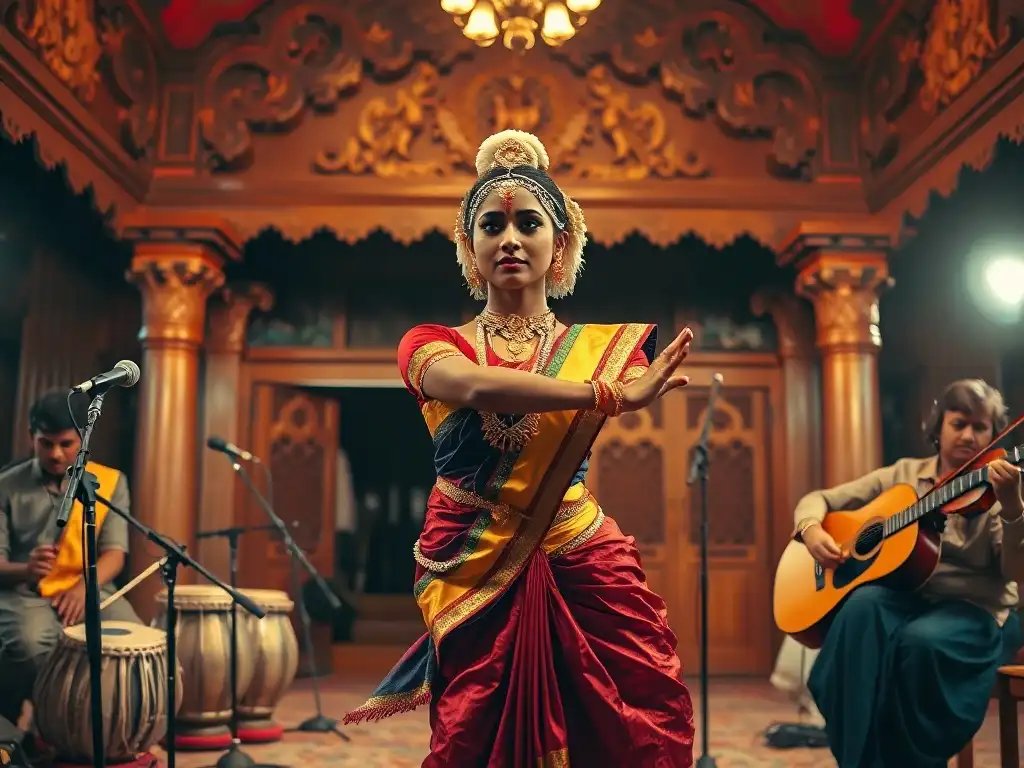
In recent decades, Southern Indian classical music and dance have experienced significant transformations, influenced by contemporary societal changes and technological advancements. Artists and composers have embraced new approaches while remaining rooted in tradition, ensuring the continued relevance of these art forms in the modern cultural landscape.
Contemporary Artists and Their Contributions
Today's artists are pivotal in the evolution of Southern Indian classical music, often blending traditional techniques with innovative ideas. Renowned musicians such as Lalgudi Jayaraman, T.M. Krishna, and Sudha Ragunathan have made significant contributions to the genre, pushing the boundaries of performance while honoring classical roots.
These contemporary artists not only perform but also engage in educational initiatives, fostering a new generation of musicians. Their efforts emphasize the importance of preserving classical music while adapting it to modern sensibilities, thus ensuring its continued vitality.
Fusion of Traditional and Modern Elements
The fusion of traditional and modern elements has become a hallmark of Southern Indian classical music today. Many artists experiment with genres like jazz, rock, and electronic music, creating unique fusions that appeal to a broader audience. This blending of styles has led to innovative performances that retain the essence of Carnatic music while exploring new musical landscapes.
Such fusions not only attract younger audiences but also encourage cross-cultural collaborations, showcasing the versatility of Southern Indian classical music on global platforms. The inclusion of contemporary themes and instruments reflects the adaptive nature of this art form.
Preservation Efforts for Classical Music and Dance
As Southern Indian classical music and dance navigate through modernity, various preservation efforts are underway to safeguard this rich heritage. Institutions dedicated to the study of music and dance, such as the Kalakshetra Foundation, play a crucial role in educating upcoming artists and promoting traditional practices.
Moreover, festivals and competitions serve as vital platforms for showcasing classical music and dance, ensuring that these traditions remain vibrant. Documentation through recordings, publications, and online platforms also aids in preserving the history and evolution of Southern Indian classical music, making it accessible to a global audience.
Southern India's classical music history is a dynamic narrative, interwoven with influences from religious traditions, royal patronage, and interactions with other cultural forms. As it continues to evolve in the modern era, the commitment to preservation and innovation ensures that this vibrant heritage will thrive for future generations.
Conclusion: The Legacy of Southern India Classical Music and Dance
The legacy of Southern India classical music and dance is profound and enduring, reflecting a rich tapestry woven from centuries of tradition, innovation, and cultural exchange. This legacy is not only a testament to the artistic brilliance of Southern Indian civilizations but also serves as a vital link to the spiritual and philosophical ideals that underpin these art forms. The intricate rhythms, melodic patterns, and expressive movements found in classical music and dance resonate with the historical narratives and social contexts of Southern India, bridging the past with contemporary interpretations.
As we look back, we can observe how the classical forms of music, such as Carnatic music, have evolved while still maintaining their foundational roots. Similarly, classical dance forms, including Bharatanatyam and Kathakali, have adapted to modern influences without losing their original essence. This adaptability, combined with a commitment to preserving traditional elements, ensures that the legacy of Southern Indian classical music and dance will continue to thrive.
Summary of Contributions to Indian Cultural Heritage
Southern India has made significant contributions to the broader spectrum of Indian cultural heritage, especially in the realms of music and dance. The development of Carnatic music, characterized by its rigorous structure and improvisational elements, showcases the region's unique musical philosophy. This genre has produced legendary composers like Tyagaraja and Muthuswami Dikshitar, whose compositions are integral to the repertoire of performers today.
In terms of dance, classical forms such as Bharatanatyam, Kuchipudi, and Mohiniyattam have played a pivotal role in articulating cultural narratives through movement and expression. These dance forms not only entertain but also serve as mediums for storytelling, spirituality, and social commentary, reflecting the historical transitions within society.
Overall, the contributions of Southern India to Indian classical music and dance have enriched the cultural dialogue within the nation and beyond, influencing countless artists and scholars around the world.
Future Prospects for Southern Indian Classical Music and Dance
The future of Southern Indian classical music and dance appears promising, with a growing interest among younger generations and an increasing global audience. As educational institutions and cultural organizations emphasize the importance of these art forms, there is a renewed commitment to preserving traditional practices while also encouraging innovation and experimentation.
The advent of digital platforms has further facilitated the dissemination of Southern Indian classical music and dance, allowing performers to reach wider audiences and engage in cross-cultural collaborations. This globalization of art forms can lead to exciting new interpretations and fusions, enhancing the visibility and relevance of Southern Indian classical traditions in the modern world.
Moreover, initiatives aimed at promoting regional art forms through festivals, workshops, and competitions are essential for nurturing talent and ensuring the sustainability of these practices. As long as there is a dedicated community of artists and enthusiasts, the legacy of Southern Indian classical music and dance will undoubtedly continue to flourish and evolve.
References and Further Reading on Southern India Classical Music History
Suggested Books and Articles
- "Carnatic Music: A Handbook" by V. S. Suryanarayana: - This book serves as a comprehensive introduction to Carnatic music, detailing its history, theory, and key figures.
- "Bharatanatyam: A Reader" edited by A. M. R. Srinivasan: - A collection of essays and articles that explore the history, technique, and cultural significance of Bharatanatyam.
- "The Music of South India" by R. S. Shankaranarayanan - An insightful exploration of the development of Southern Indian music and its various styles.
Online Resources for Learning More
- Sangam: The Indian Music Portal: - Offers a wealth of information on Southern Indian classical music, including articles, audio clips, and videos of performances.
- Natya Shastra Online - A digital resource dedicated to the traditional Indian dance forms, featuring tutorials, historical insights, and performance videos.
- YouTube Channels - Channels such as "Carnatic Music" and "Indian Classical Dance" provide extensive content ranging from performances to educational videos, making classical art forms accessible to a global audience.
By engaging with these resources, both enthusiasts and scholars can deepen their understanding of Southern India’s classical music history and its invaluable contributions to the cultural heritage of India.
Frequently Asked Questions
What are the main forms of classical music originating from Southern India?
Southern India is known for its Carnatic music, which is one of the two main forms of Indian classical music, characterized by its intricate ragas and talas.
How has Southern India influenced classical dance?
Southern Indian classical dance forms, such as Bharatanatyam and Kathakali, have contributed significantly to the artistic expression and cultural heritage of India, showcasing intricate storytelling through movement and music.
What historical periods are significant in the development of Southern Indian classical music?
The development of Southern Indian classical music can be traced back to ancient texts like the Natya Shastra and continued to evolve through the Chola and Pallava dynasties, which patronized the arts.
Are there any notable composers in Southern Indian classical music history?
Yes, notable composers like Tyagaraja, Muthuswami Dikshitar, and Syama Sastri have made lasting contributions to Carnatic music, influencing its repertoire and performative style.
How does Southern Indian classical music differ from Northern Indian classical music?
Southern Indian classical music, or Carnatic music, emphasizes improvisation and devotional themes, while Northern Indian classical music, or Hindustani music, often includes more instrumental compositions and fusion with other genres.
Final Reflection: Embracing the Legacy of Southern India's Classical Music and Dance
Southern India's classical music and dance traditions are not merely historical artifacts; they are vibrant expressions of cultural identity that resonate deeply in today's world. As we explore the rich tapestry of Southern India's classical music history, we recognize its enduring relevance in contemporary society. The melodies and rhythms that have been passed down through generations continue to inspire artists and audiences alike, reminding us that these art forms are living legacies that connect us to our roots and to each other.
The influence of Southern India's classical music and dance extends far beyond the stage; it shapes our cultural landscape and fosters a sense of community. From temple festivals to international performances, these art forms serve as a bridge between the past and the present, inviting us to engage with our heritage. As the renowned musician Ravi Shankar once said, Music is the universal language of mankind.
This sentiment underscores the power of Southern India's classical traditions to transcend boundaries and unite people through shared experiences of beauty and expression.
As we reflect on the significance of Southern India's classical music and dance, let us embrace the call to celebrate and preserve these art forms in our lives. Take a moment to explore the rhythms and melodies that have shaped our cultural identity, and consider how you can contribute to their legacy. Whether through learning, performing, or simply appreciating these traditions, each of us has a role to play in ensuring that the vibrant history of Southern India's classical music continues to thrive for generations to come.
Embrace the Rhythm of Southern Indian Arts!
Thank you for diving into the rich tapestry of Southern India's classical music and dance. Your curiosity about this vibrant heritage is what keeps our culture alive! As you reflect on the history and impact of these art forms, consider taking the next steps to deepen your connection.
Here are some ways you can continue exploring and engaging with Southern India’s artistic legacy:
- Attend a local performance of Carnatic music or Bharatanatyam to experience the beauty in person and support talented local artists.
- Join an online workshop or class to learn the basics, whether it's singing, playing an instrument, or dancing.
- Share your newfound knowledge with friends by organizing a cultural night or hosting discussions about what you’ve discovered.
Which dance form or musical piece from Southern India has left the biggest impression on you, and how do you plan to explore it further?