
The Role of Ayurveda in Enhancing Athletic Performance: Ancient Techniques


Welcome to Ancient India History, where we delve into the profound tapestry of India's rich and diverse past. Today, we invite you to explore the fascinating intersection of science and medicine through our featured article on Ayurveda for athletic performance. Discover how ancient techniques, rooted in the wisdom of Indian civilization, can enhance modern athleticism and unlock the secrets to peak performance. Are you ready to uncover the transformative power of Ayurveda? Join us on this journey and see how the legacies of the past continue to shape our present and future!

Introduction to Ayurveda and Athletic Performance
Ayurveda, the ancient system of medicine originating from India over 3,000 years ago, represents a profound understanding of health, wellness, and the human body. As a holistic approach, it emphasizes the balance between mind, body, and spirit, making it particularly relevant for athletes seeking to enhance their performance and recovery.
This article explores how traditional Ayurvedic practices can be integrated into modern athletic training, focusing on the principles that support physical capabilities and overall well-being. By examining the historical significance of Ayurveda in athletic contexts, we can uncover time-tested techniques that are still applicable today, ultimately promoting the keyword "Ayurveda for athletic performance."
Understanding Ayurveda: A Holistic Approach
Ayurveda is built on the foundation of understanding the interconnectedness of various bodily systems and their influence on health. It operates on the concepts of:
- Five Elements: Earth, Water, Fire, Air, and Ether, which are believed to form the basis of all matter.
- Three Doshas: Vata, Pitta, and Kapha, representing different combinations of the five elements, each affecting physical and mental traits.
By recognizing these elements and their roles, athletes can tailor their nutrition, exercise routines, and recovery strategies to enhance performance and maintain balance.
The Significance of Ayurveda in Ancient Indian Culture
In ancient Indian culture, Ayurveda was not just a medical system; it was a way of life. Athletes, warriors, and practitioners of various disciplines used Ayurvedic principles to maximize their potential. The integration of dietary practices, herbal remedies, and lifestyle adjustments played a crucial role in enhancing physical prowess. Historical texts such as the Charaka Samhita and the Sushruta Samhita detail these practices, underscoring Ayurveda's importance in preparing individuals for physical challenges.
The Principles of Ayurveda for Athletic Performance
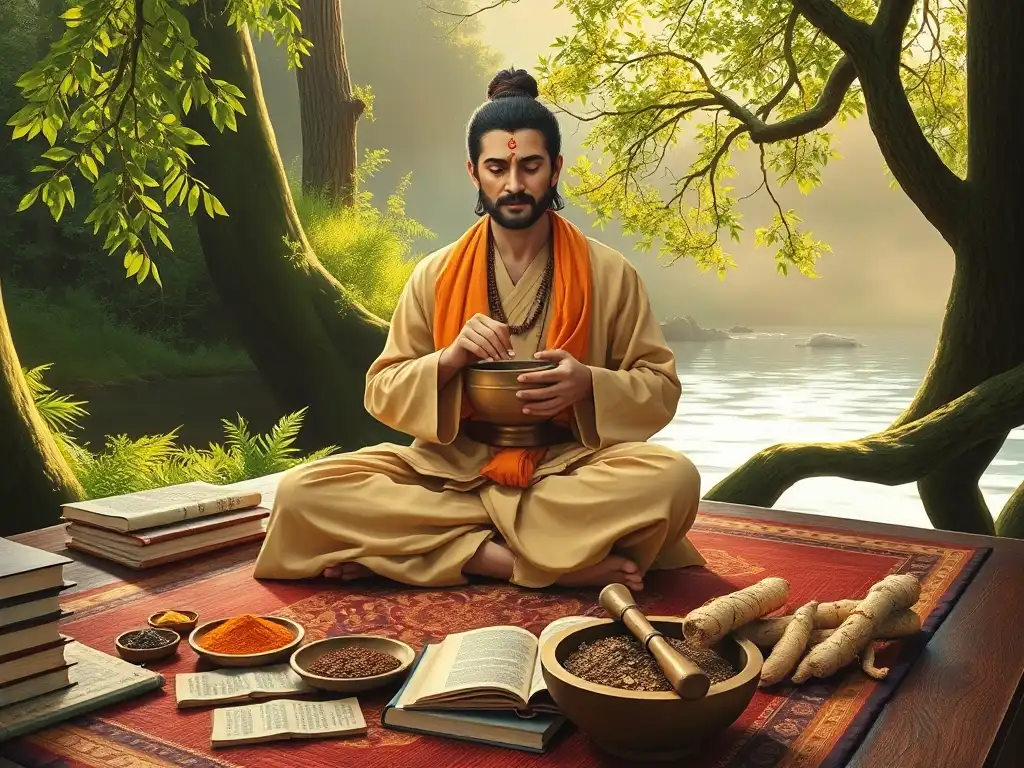
Doshas and Their Impact on Physical Capabilities
The concept of doshas is essential in Ayurveda, as each athlete may possess a unique combination that influences their capabilities. Understanding these doshas can help athletes:
- Identify strengths and weaknesses: Tailoring training regimens according to one's dominant dosha can optimize performance.
- Adjust diet: Consumption of foods that balance the dosha can enhance energy levels and stamina.
For example:
- Vata types may require grounding foods like nuts and grains to stabilize energy.
- Pitta types might benefit from cooling foods to manage heat during intense training.
- Kapha types should focus on stimulating foods to promote energy and agility.
The Role of Agni (Digestive Fire) in Enhancing Energy Levels
In Ayurveda, Agni, or digestive fire, is a crucial element that influences energy levels and overall health. A strong Agni ensures optimal digestion and absorption of nutrients, which is vital for athletes.
Key aspects include:
- Balanced nutrition: Consuming easily digestible foods enhances Agni, fueling athletic performance.
- Timing of meals: Eating in harmony with natural rhythms supports the digestion process and maximizes energy availability during training.
By prioritizing Agni, athletes can harness their body's potential, leading to improved endurance, strength, and recovery.
The integration of Ayurvedic principles can significantly benefit athletes by providing a personalized approach to training and wellness. By understanding the role of doshas and Agni, athletes can enhance their performance through ancient techniques that have stood the test of time.
Ancient Ayurvedic Techniques for Boosting Athletic Performance
Ayurveda, the ancient Indian system of medicine, emphasizes a holistic approach to health and well-being, making it a valuable resource for athletes seeking to enhance their performance. The foundational principles of Ayurveda focus on balancing the body, mind, and spirit through natural remedies and practices. This ancient wisdom includes various techniques aimed at improving physical endurance, strength, and overall athletic capability.
Among the primary Ayurvedic techniques for boosting athletic performance are the use of herbal formulations, specific dietary practices, and tailored physical regimens. These techniques are designed to align with the athlete's unique constitution (Prakriti) and the demands of their sport. Traditional Ayurvedic texts highlight the importance of understanding one's body type and energy levels to optimize performance and recovery.
Moreover, Ayurveda promotes the concept of Sattva, Rajas, and Tamas—three qualities that influence mental clarity, activity levels, and restfulness, respectively. By cultivating Sattva through specific practices, athletes can enhance their mental focus and resilience, essential components for peak performance.
Herbal Remedies and Their Benefits for Athletes
Herbal remedies play a crucial role in Ayurveda, particularly for athletes looking to enhance their performance and recovery. Several herbs are renowned for their ability to boost energy, improve stamina, and support muscle recovery.
- Ashwagandha: Known as the "Indian ginseng," this adaptogenic herb helps reduce stress and inflammation, promoting overall vitality and endurance.
- Ginger: Commonly used for its anti-inflammatory properties, ginger aids in muscle recovery and reduces soreness after intense workouts.
- Turmeric: Containing curcumin, turmeric is celebrated for its powerful anti-inflammatory and antioxidant effects, helping athletes manage pain and expedite recovery.
- Shatavari: This herb is particularly beneficial for women athletes, supporting hormonal balance and enhancing energy levels.
- Brahmi: Known for its cognitive-enhancing properties, Brahmi can improve concentration and mental clarity, crucial for athletes during competitions.
These herbs can be incorporated into daily routines through teas, powders, or supplements, providing athletes with a natural edge in their training and competition.
Dietary Guidelines from Ayurveda for Optimal Performance
Ayurveda emphasizes a balanced diet tailored to an athlete's individual needs, which is integral for enhancing performance and recovery. Key dietary guidelines include:
- Sattvic Foods: Emphasizing fresh, whole foods such as fruits, vegetables, whole grains, and legumes promotes clarity and energy. These foods are known for their vitality-boosting properties and support optimal digestion.
- Hydration: Staying well-hydrated is essential for athletic performance. Ayurvedic practices suggest drinking warm water infused with herbs like cumin or fennel to aid digestion and maintain electrolyte balance.
- Meal Timing: Athletes are encouraged to eat at regular intervals to maintain energy levels. Consuming a balanced meal before workouts and a protein-rich meal afterward supports muscle recovery.
- Avoiding Heavy Foods: Foods that are overly processed or fried can lead to lethargy and decreased performance. Ayurveda recommends lighter meals before physical exertion to ensure optimal energy levels.
By following these dietary guidelines, athletes can optimize their performance and recovery, leveraging the wisdom of Ayurveda for their training regimens.
Integrating Ayurvedic Practices into Modern Athletic Training
Integrating Ayurvedic practices into modern athletic training offers a comprehensive approach that enhances physical performance and mental resilience. This integration can be achieved through a combination of tailored training programs, dietary adjustments, and holistic therapies.
Athletes can benefit from personalized training regimens that account for their unique Prakriti and current health conditions. Regular assessments and adjustments based on Ayurvedic principles ensure that training remains effective and aligned with the athlete's needs.
Furthermore, combining traditional strength training with Ayurvedic exercises, such as yoga and pranayama (breath control), can improve flexibility, coordination, and mental focus, providing a well-rounded fitness program.
Ayurvedic Therapies for Recovery and Injury Prevention
Recovery is a critical aspect of athletic performance, and Ayurveda offers various therapies aimed at promoting healing and preventing injuries. Key Ayurvedic therapies include:
- Abhyanga: This traditional oil massage enhances circulation, reduces muscle tension, and supports detoxification. Regular Abhyanga can aid in quicker recovery and overall well-being.
- Panchakarma: A detoxification process that removes toxins from the body, Panchakarma helps restore balance and rejuvenate the athlete's system, enhancing overall performance abilities.
- Swedana: This herbal steam therapy promotes sweating and helps in the removal of toxins, aiding recovery from strenuous workouts and improving flexibility.
Through these therapies, athletes can achieve optimal recovery, allowing them to train harder and prevent injuries that may hinder their performance.
Mindfulness and Meditation Practices in Ayurveda
Mindfulness and meditation are integral to Ayurveda, offering mental clarity and emotional stability—both crucial for athletes. These practices help athletes manage stress, improve focus, and cultivate resilience.
- Meditation: Regular meditation sessions enhance concentration and mental fortitude. Techniques such as mantra meditation or guided visualization can help athletes prepare mentally for competitions.
- Mindful Breathing: Integrating breath control into training helps in managing anxiety and improving endurance. Practices such as pranayama teach athletes how to harness their breath for better oxygenation and relaxation.
- Yoga: This ancient practice combines physical postures with breath awareness, promoting flexibility, strength, and mental calmness. Yoga can serve as an effective recovery tool while enhancing an athlete's performance capabilities.
By incorporating mindfulness and meditation into their training, athletes can achieve a balanced mind-body connection, which is essential for excelling in their respective sports.
Case Studies: Successful Athletes Utilizing Ayurveda

Ayurveda, the ancient Indian system of medicine, has gained recognition among modern athletes for its holistic approach to enhancing performance and recovery. Numerous case studies illustrate how athletes have integrated Ayurvedic principles into their training regimens, leading to significant improvements in their physical capabilities and overall well-being.
One notable case is that of Sachin Tendulkar, the legendary Indian cricketer, who has openly credited Ayurveda for his longevity in the sport. Tendulkar adopted Ayurvedic treatments for injury management and overall health, utilizing herbs and dietary adjustments to maintain peak performance throughout his career. His commitment to Ayurveda not only aided in recovery but also enhanced his mental focus.
Another example is Baba Ramdev, who has influenced many athletes through his yoga and Ayurveda teachings. His programs emphasize the importance of a balanced diet, herbal supplements, and yoga practices, which have been adopted by various athletes aiming to improve flexibility and strength. The integration of these methods has been linked to reduced injury rates and enhanced performance levels.
These case studies demonstrate the potential of Ayurveda to complement conventional training methods, providing athletes with a unique edge in their pursuit of excellence.
Profiles of Athletes Embracing Ayurveda for Performance
Several prominent athletes have successfully integrated Ayurvedic practices into their training and lifestyle.
- Leander Paes: The Indian tennis star has been a proponent of Ayurveda, using it to enhance his stamina and recovery. He incorporates a balanced diet rich in Ayurvedic herbs and practices meditation to improve focus during matches.
- Sania Mirza: This renowned tennis player utilizes Ayurvedic treatments to maintain her physical and mental health. She emphasizes the role of a customized diet and regular detoxification processes, which have contributed to her resilience on the court.
- Virat Kohli: The captain of the Indian cricket team has explored various aspects of Ayurveda, from dietary changes to herbal supplements, focusing on nutrition that aligns with his body type and needs. Kohli's holistic approach has been integral to his fitness regime, allowing him to perform at top levels consistently.
These athletes exemplify how embracing Ayurveda can lead to enhanced performance, showcasing the adaptability and effectiveness of ancient practices in modern sports.
Results and Testimonials: The Impact of Ayurvedic Practices
The impact of Ayurveda on athletic performance is often validated by numerous testimonials from athletes who have experienced significant benefits. Many report improved energy levels, enhanced recovery times, and increased mental clarity.
For instance, Mithali Raj, the former captain of the Indian women's cricket team, has shared her positive experiences with Ayurvedic diets and therapies. She noted that incorporating Ayurvedic practices helped her recover faster from strenuous matches, allowing her to maintain peak performance without the usual fatigue.
Additionally, Deepika Kumari, an accomplished archer, attributes her success to a blend of traditional training and Ayurvedic principles. She emphasizes the importance of stress management techniques rooted in Ayurveda, which have aided her concentration during competitions.
Results from these personal accounts are supported by anecdotal evidence suggesting that athletes who adopt Ayurvedic practices may experience improved resilience and a lower incidence of injuries, paving the way for sustained athletic performance.
Conclusion: Embracing Ayurveda for Enhanced Athletic Performance
The integration of Ayurveda into athletic training is not merely a trend but a powerful approach that recognizes the body’s natural rhythms and promotes holistic well-being. As ancient practices gain traction in contemporary sports science, athletes are increasingly turning to Ayurveda for its potential to enhance performance and recovery.
The Future of Ayurveda in Sports Science
The future of Ayurveda in sports science appears promising, with ongoing research exploring its methodologies and their implications for athletic performance. As more athletes and coaches recognize the benefits of natural healing and preventive care, there is potential for Ayurveda to inform training regimens, nutrition, and recovery protocols.
The scientific community is beginning to validate Ayurvedic practices through rigorous studies, which could lead to broader acceptance and integration in sports training programs. This could ultimately enhance the performance of athletes across various disciplines, merging ancient wisdom with modern science.
Encouraging Athletes to Explore Ayurvedic Techniques
Athletes are encouraged to explore Ayurvedic techniques as part of their training and recovery strategies. By consulting with qualified practitioners, athletes can benefit from personalized dietary plans, herbal supplements, and stress management strategies tailored to their specific needs.
Incorporating Ayurveda into athletic routines not only promotes physical health but also supports mental well-being, resulting in a more balanced approach to sports. As the dialogue between traditional practices and modern athletic performance continues, Ayurveda stands out as a valuable resource for those seeking to enhance their capabilities and longevity in sports.
References and Further Reading on Ayurveda and Athletic Performance
The intersection of Ayurveda and athletic performance is a fascinating field that combines ancient wisdom with modern sports science. Below are some valuable resources to deepen your understanding of how Ayurvedic practices can enhance athletic performance.
Recommended Books and Articles
-
"Ayurveda: The Science of Self-Healing" by Vasant Lad
This foundational book outlines the principles of Ayurveda, providing insights into how these can be applied to improve physical health and performance. Vasant Lad’s expertise offers a comprehensive understanding of the holistic approach of Ayurveda.
-
"The Complete Book of Ayurvedic Home Remedies" by Vasant Lad
This book serves as a practical guide for athletes interested in integrating Ayurvedic remedies into their training regimens. It includes various treatments that can enhance recovery and boost performance.
-
"Ayurveda and Sports: A Guide for Athletes" by Dr. Abhishek P. Sinha
This article discusses specific Ayurvedic practices that athletes can adopt to optimize their performance, focusing on diet, lifestyle, and mental well-being.
-
"Nutrition and Athletic Performance: The Role of Ayurveda" in the Journal of Sports Sciences
This academic article explores the nutritional aspects of Ayurveda and how they relate to athletic performance, providing scientific evidence to support traditional practices.
-
"The Role of Yoga and Ayurveda in Enhancing Performance" by Dr. Shyam Sundar
Available in various sports journals, this article highlights the complementary relationship between yoga and Ayurveda, emphasizing their combined benefits for athletes.
Online Resources for Ayurvedic Practices and Guidelines
-
National Center for Complementary and Integrative Health (NCCIH)
The NCCIH provides a wealth of information on Ayurvedic medicine, including guidelines, safety, and efficacy related to athletic performance.
-
Ayurvedic Institute Website
The Ayurvedic Institute offers online courses, articles, and resources that focus on Ayurvedic practices for health and fitness. Their content is geared towards both practitioners and beginners.
-
The Art of Living
This organization features online workshops and resources on Ayurveda, including dietary guidelines and lifestyle practices that can be beneficial for athletes.
-
Yoga Journal
An excellent resource for athletes interested in incorporating yoga and Ayurveda into their routines, Yoga Journal offers articles focused on Ayurvedic diets and practices tailored for enhanced athletic performance.
-
Ayurveda for Athletes Facebook Group
This online community provides a platform for athletes to share experiences, tips, and resources related to Ayurveda and its application in sports.
By exploring these references and resources, athletes can gain valuable insights into how Ayurveda can play a significant role in enhancing their performance, recovery, and overall well-being.
- Introduction to Ayurveda and Athletic Performance
- Understanding Ayurveda: A Holistic Approach
- The Significance of Ayurveda in Ancient Indian Culture
- The Principles of Ayurveda for Athletic Performance
- Ancient Ayurvedic Techniques for Boosting Athletic Performance
- Integrating Ayurvedic Practices into Modern Athletic Training
- Case Studies: Successful Athletes Utilizing Ayurveda
- Conclusion: Embracing Ayurveda for Enhanced Athletic Performance
- References and Further Reading on Ayurveda and Athletic Performance
- What is Ayurveda and how does it relate to athletic performance?
- How can Ayurvedic practices improve recovery for athletes?
- Are there specific Ayurvedic herbs beneficial for athletes?
- How does diet play a role in Ayurveda for athletic performance?
- Can mindfulness and meditation in Ayurveda benefit athletes?
Frequently Asked Questions
What is Ayurveda and how does it relate to athletic performance?
Ayurveda is an ancient Indian system of medicine that focuses on holistic health. It offers techniques and practices to enhance athletic performance by promoting physical and mental well-being.
How can Ayurvedic practices improve recovery for athletes?
Ayurvedic principles emphasize balance and harmony in the body, which can aid in faster recovery. Techniques like herbal remedies, proper nutrition, and yoga help reduce inflammation and enhance overall recovery processes.
Are there specific Ayurvedic herbs beneficial for athletes?
Yes, certain herbs such as Ashwagandha, Turmeric, and Ginger are renowned for their anti-inflammatory properties and ability to boost endurance and strength, making them particularly beneficial for athletes.
How does diet play a role in Ayurveda for athletic performance?
Diet is a crucial aspect of Ayurveda, where a balanced diet tailored to an athlete’s dosha (body constitution) can enhance energy levels, support muscle recovery, and improve overall performance.
Can mindfulness and meditation in Ayurveda benefit athletes?
Absolutely! Practices such as meditation and mindfulness are integral to Ayurveda, helping athletes to improve their focus, reduce stress, and enhance mental clarity, all of which are essential for peak performance.
Final Reflection: Embracing Ayurveda for Athletic Excellence
The integration of Ayurveda into modern athletic performance training is not just a trend; it is a profound return to ancient wisdom that emphasizes holistic well-being. As athletes and fitness enthusiasts seek sustainable methods to enhance their performance, the principles of Ayurveda offer invaluable insights into balancing body, mind, and spirit. This ancient system of medicine, with its focus on individualized care and natural remedies, is more relevant today than ever, as we navigate the complexities of modern sports and health challenges.
The impact of Ayurveda on the cultural and social landscape of athletics is undeniable. Athletes are increasingly recognizing the importance of mental clarity, nutrition, and recovery in their training regimens, and Ayurveda provides a comprehensive framework for achieving these goals.
By embracing practices such as yoga, meditation, and herbal supplementation, athletes can unlock their full potential while fostering a deeper connection to their bodies. As Mahatma Gandhi once said, “It is health that is real wealth and not pieces of gold and silver.” > This quote encapsulates the essence of Ayurveda’s approach to athletic performance, reminding us that true strength lies in our overall well-being.
As you reflect on the insights shared in this article, consider how you can incorporate Ayurvedic principles into your own life, whether you are an athlete or simply someone seeking to enhance your health. Take a moment to evaluate your current practices and explore how a holistic approach can lead to greater balance and performance. The journey toward athletic excellence is not solely about physical prowess; it is also about nurturing the mind and spirit. Embrace the wisdom of Ayurveda and let it guide you toward a more fulfilling and effective path in your pursuit of health and performance.
Unlock Your Athletic Potential with Ayurveda!
Thank you for taking the time to explore the incredible ways Ayurveda can enhance your athletic performance! By diving into these ancient techniques, you've already taken the first step toward a healthier, more powerful version of yourself. Now, let's put that knowledge into action!
Here are some specific steps you can take today:
- Incorporate Ayurvedic principles into your training by adopting a personalized diet that aligns with your body type for optimal energy and recovery.
- Explore herbal supplements known for their performance-enhancing properties, such as Ashwagandha and Brahmi, and consider integrating them into your routine.
- Share your journey with others! Join an online community or forum where you can discuss your experiences and learn from fellow athletes who are also utilizing Ayurveda.
How do you envision integrating the wisdom of Ayurveda into your daily workout routine? We would love to hear your thoughts in the comments!