
The Role of Ayurveda in Balancing Hormones Naturally


Welcome to Ancient India History, where we embark on a fascinating journey through the rich tapestry of ancient civilizations that shaped the Indian subcontinent. In this exploration, we delve into the profound wisdom of Ayurveda, particularly its role in achieving hormonal balance naturally. Have you ever wondered how ancient practices can influence modern wellness? Join us as we uncover the secrets of this holistic science and its transformative power on health. Let your curiosity guide you deeper into the world of Ayurveda and discover how the ancient knowledge continues to resonate with contemporary lives.
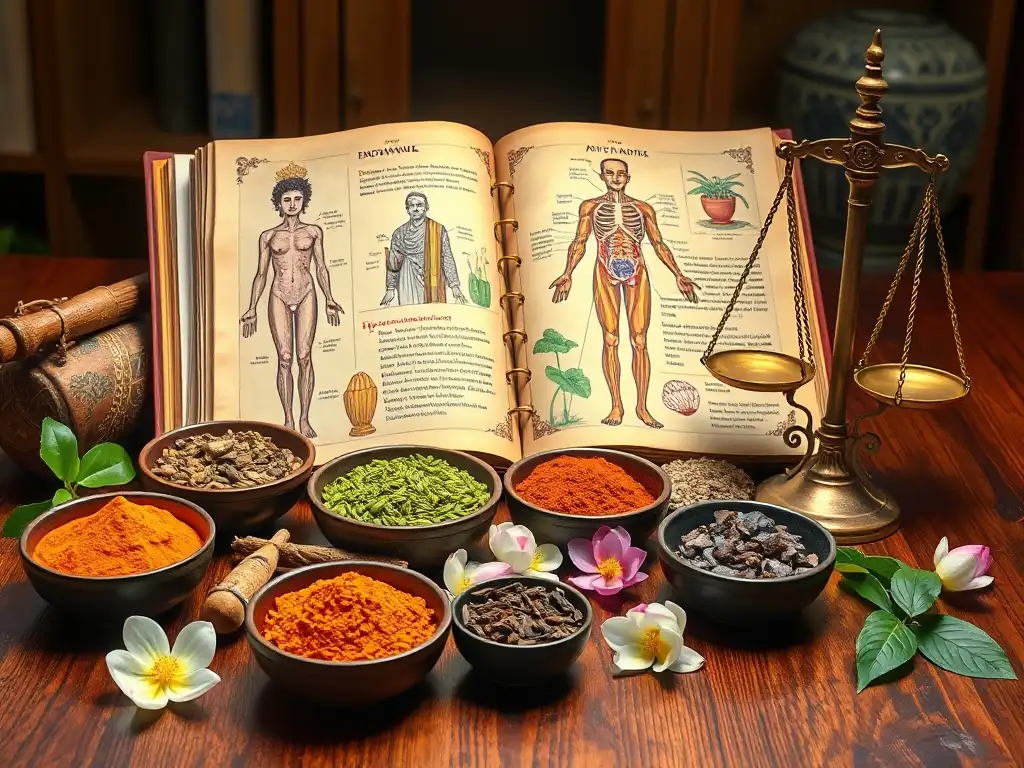
Introduction to Ayurveda and Hormonal Balance
Ayurveda, a time-honored system of medicine that originated in ancient India, offers profound insights into holistic health and well-being. Central to its philosophy is the belief that harmony within the body leads to optimal health, and this balance is particularly crucial when it comes to hormones. Hormonal balance is essential for various bodily functions, influencing everything from metabolism to mood and reproductive health. In this article, we will explore how Ayurveda can be utilized as a natural approach to achieving hormonal balance, detailing its foundational principles, practices, and the intricate relationship between hormones and overall health.
Understanding Ayurveda: An Ancient Healing System
Ayurveda, which translates to "the science of life," encompasses a holistic approach to health that integrates physical, mental, and spiritual well-being. Key principles of Ayurveda include:
- Doshas: The three fundamental energies (Vata, Pitta, and Kapha) that govern physiological and psychological functions.
- Sattva, Rajas, and Tamas: The three gunas (qualities) that influence mental states and behaviors.
- Diet and Lifestyle: Emphasizing personalized nutrition, herbal remedies, and lifestyle practices tailored to individual needs.
Through these principles, Ayurveda aims to restore balance to the body, fostering resilience against diseases and enhancing overall vitality.
The Concept of Hormonal Balance in Ayurveda
In Ayurveda, hormonal health is viewed through the lens of doshas and their influence on bodily functions. Hormones are seen as vital messengers that regulate various processes, and their balance is essential for maintaining health. Key aspects of hormonal balance in Ayurveda include:
- Individual Constitution: Understanding one's unique dosha helps in identifying specific needs for hormonal support.
- Dietary Recommendations: Foods are categorized based on their effects on doshas, and specific dietary choices can promote hormonal equilibrium.
- Herbal Remedies: Ayurveda employs a range of herbs known for their adaptogenic properties, which help the body adapt to stress and promote hormonal stability.
The Importance of Hormonal Balance
Hormonal balance is not merely a health ideal; it is crucial for overall well-being. When hormones are balanced, they function optimally, contributing to physical health and emotional stability. Conversely, imbalances can lead to a host of issues that affect quality of life.
What are Hormones and Their Functions?
Hormones are biochemical substances produced by glands in the endocrine system. They travel through the bloodstream to target organs, regulating vital functions such as:
- Metabolism: Hormones like insulin and glucagon regulate blood sugar levels and energy production.
- Growth and Development: Growth hormone and thyroid hormones play key roles in physical development.
- Reproductive Health: Estrogen, progesterone, and testosterone are pivotal in regulating reproductive functions.
A well-functioning endocrine system is essential for maintaining homeostasis and supporting overall health.
Common Hormonal Imbalances and Their Effects
Hormonal imbalances can have widespread effects on health, manifesting in various symptoms and conditions. Some common imbalances include:
- Hypothyroidism: Low thyroid hormone levels can lead to fatigue, weight gain, and depression.
- PCOS (Polycystic Ovary Syndrome): This condition is characterized by elevated androgen levels, causing irregular menstrual cycles and weight gain.
- Menopause Symptoms: Fluctuations in estrogen during menopause can result in hot flashes, mood swings, and sleep disturbances.
Recognizing these imbalances and their effects is the first step towards addressing them, and Ayurveda offers a holistic pathway to restore harmony and balance.
Ayurvedic Principles for Hormonal Balance
Ayurveda, the ancient system of medicine from India, promotes a holistic approach to health, focusing on the balance of body, mind, and spirit. Central to Ayurveda is the concept of Doshas, which are the three fundamental energies that govern physiological and psychological functions in the body: Vata, Pitta, and Kapha. When these Doshas are in harmony, the body functions optimally, including hormone production and regulation.
In terms of hormonal balance, Ayurveda emphasizes the importance of creating equilibrium within the body. This involves understanding how individual lifestyle choices, environmental factors, and dietary habits can either support or disrupt hormonal harmony. Ayurvedic practices encourage not only the management of symptoms but also the root causes of imbalance.
Moreover, Ayurveda recognizes the influence of the mind on hormonal health, advocating for the cultivation of positive mental states and emotional well-being. By integrating physical, mental, and spiritual practices, Ayurveda offers a comprehensive strategy for achieving and maintaining hormonal balance naturally.
Doshas and Their Influence on Hormonal Health
Each Dosha plays a distinct role in influencing hormonal health.
- Vata: Associated with movement and communication, Vata governs the nervous system and the processes of elimination. Imbalances in Vata can lead to anxiety, irregular menstrual cycles, and issues related to fertility.
- Pitta: Linked to transformation and metabolism, Pitta is responsible for the production of hormones that regulate digestion and metabolism. An excess of Pitta can cause irritability, inflammation, and conditions such as hyperthyroidism.
- Kapha: Representing structure and stability, Kapha supports reproductive health and emotional balance. An imbalance can lead to weight gain, sluggishness, and menstrual irregularities.
Understanding one's Dosha is crucial for tailoring dietary and lifestyle modifications to restore hormonal balance. By addressing the unique needs of each Dosha, individuals can achieve optimal health and well-being.
Sattva, Rajas, and Tamas: The Three Gunas in Hormonal Balance
In addition to the Doshas, Ayurveda recognizes three Gunas: Sattva, Rajas, and Tamas. These qualities influence mental states and can significantly affect hormonal balance.
- Sattva: Represents purity, knowledge, and harmony. A Sattvic lifestyle, characterized by clarity and calmness, fosters emotional stability and promotes balanced hormone levels. Foods that are Sattvic, such as fresh fruits and vegetables, enhance overall well-being.
- Rajas: Associated with activity, passion, and change, Rajas can lead to overstimulation and imbalance. Excessive Rajas may contribute to stress-related hormonal issues, such as adrenal fatigue. It is important to manage Rajas through practices that promote relaxation and mindfulness.
- Tamas: Denotes inertia, darkness, and lethargy. A predominance of Tamas can result in a lack of motivation and emotional challenges, adversely affecting hormonal health. Consuming Tamasic foods, like processed or overly heavy meals, can exacerbate these effects.
By cultivating Sattva and moderating Rajas and Tamas, individuals can create an environment conducive to hormonal balance, enhancing both mental and physical health.
Ayurvedic Practices for Achieving Hormonal Balance
Ayurveda offers a variety of practices designed to promote hormonal balance through dietary and lifestyle changes. These practices are rooted in the belief that a harmonious lifestyle can lead to optimal health.
Dietary Changes for Hormonal Health
Diet plays a pivotal role in Ayurveda, especially concerning hormonal balance. Specific dietary modifications can support the body’s hormonal systems:
- Incorporate Whole Foods: Focusing on fresh, organic, and whole foods helps provide essential nutrients. Foods rich in omega-3 fatty acids, such as flaxseeds and walnuts, support hormonal health.
- Herbs and Spices: Certain Ayurvedic herbs, like Ashwagandha, Shatavari, and Turmeric, are known for their hormone-regulating properties. These can be integrated into daily meals or taken as supplements.
- Balance Macronutrients: Ensuring a balanced intake of carbohydrates, proteins, and fats is crucial for maintaining stable blood sugar levels, which in turn supports hormonal balance.
- Hydration: Adequate hydration is essential for overall health. Herbal teas and warm water with lemon can aid digestion and detoxification.
By making these dietary changes, individuals can foster an internal environment that promotes hormonal harmony.
Lifestyle Modifications to Support Hormonal Balance
In addition to dietary changes, lifestyle modifications are vital in achieving hormonal balance:
- Regular Exercise: Engaging in regular physical activity, such as yoga or brisk walking, helps regulate hormones and enhances mood. Yoga, in particular, is beneficial for stress reduction and hormonal regulation.
- Mindfulness and Meditation: Practices that cultivate mindfulness and reduce stress, such as meditation and deep-breathing exercises, can positively influence hormonal balance by lowering cortisol levels.
- Adequate Sleep: Prioritizing sleep is essential, as hormonal production and regulation occur primarily during rest. Aim for 7-9 hours of quality sleep each night.
- Routine: Establishing a consistent daily routine helps regulate bodily rhythms and supports hormonal balance. Eating meals at regular times and maintaining a sleep schedule can significantly influence hormone levels.
By incorporating these lifestyle modifications alongside dietary changes, individuals can enhance their overall health and achieve a natural balance of hormones, embodying the principles of Ayurveda.
Specific Ayurvedic Treatments for Hormonal Issues

Ayurveda, an ancient Indian system of medicine, offers a holistic approach to managing hormonal imbalances through natural treatments. By focusing on the unique constitution (Prakriti) of each individual, Ayurvedic practices aim to restore balance in the body. Specific treatments often include dietary changes, herbal remedies, yoga, and lifestyle adjustments tailored to address hormonal issues effectively.
The use of herbal formulations such as Ashwagandha, Shatavari, and Guggulu plays a crucial role in treating hormonal imbalances. Additionally, therapies such as Panchakarma, which involves detoxification and rejuvenation techniques, have been recognized for their effectiveness in promoting overall hormonal health. Each treatment is designed not only to correct the imbalance but also to enhance the individual's overall well-being.
Ayurveda for Thyroid Imbalance
Thyroid disorders, including hypothyroidism and hyperthyroidism, are common hormonal imbalances that can significantly impact health. Ayurveda categorizes these conditions under the umbrella of "Kapha" and "Pitta" doshas, which may become aggravated due to various lifestyle factors.
Key Ayurvedic Treatments:
- Herbal Remedies: Herbs like Kanchanar Guggulu and Ashwagandha are commonly used to support thyroid function. Kanchanar Guggulu is particularly known for its ability to promote healthy metabolism and reduce Kapha imbalances.
- Dietary Adjustments: A diet rich in iodine, selenium, and zinc is recommended. Incorporating sea vegetables, nuts, and seeds can provide essential nutrients that support thyroid health.
- Lifestyle Practices: Regular yoga and meditation help in reducing stress, which is crucial for maintaining hormonal balance. Specific asanas such as Sarvangasana (Shoulder Stand) and Halasana (Plow Pose) are beneficial for stimulating thyroid function.
Ayurveda for Menstrual Disorders
Menstrual disorders, including irregular cycles, heavy bleeding, and painful periods, are often rooted in imbalances within the body. Ayurveda views these issues as manifestations of dosha imbalances, primarily involving Vata and Pitta.
Key Ayurvedic Treatments:
- Herbal Formulations: Shatavari, a well-known adaptogen, is used to support female reproductive health and regulate menstrual cycles. Other herbs like Ginger and Turmeric can help alleviate pain and inflammation.
- Dietary Recommendations: A balanced diet that includes warm, nourishing foods can help stabilize Vata. Foods rich in iron and calcium, such as leafy greens and dairy, are encouraged to support overall health during menstruation.
- Stress Management: Techniques such as yoga, meditation, and abdominal breathing (Diaphragmatic Breathing) are vital for reducing stress and promoting emotional well-being, which can influence menstrual regularity.
Ayurveda for Menopause Management
Menopause marks a significant transition in a woman's life, bringing a range of symptoms related to hormonal changes. Ayurveda provides a comprehensive approach to managing these symptoms naturally, focusing on restoring balance to the body.
Key Ayurvedic Treatments:
- Herbal Support: Ashwagandha and Shatavari are often recommended for their adaptogenic properties, helping to alleviate symptoms like hot flashes and mood swings.
- Dietary Guidelines: Consuming foods rich in phytoestrogens, such as flaxseeds and soy products, can aid in balancing hormones. A diet that emphasizes whole grains, fruits, and vegetables supports overall vitality during menopause.
- Lifestyle Adjustments: Regular exercise, particularly yoga and walking, can improve mood and energy levels. Incorporating relaxation techniques, such as Pranayama (breath control), can help manage stress and emotional fluctuations.
Scientific Research on Ayurveda and Hormonal Health
The integration of Ayurveda with modern scientific research is gaining momentum, particularly in understanding its efficacy in promoting hormonal health. Various studies have explored the biochemical and physiological effects of Ayurvedic herbs and practices on hormonal regulation.
Recent Studies Supporting Ayurveda for Hormonal Balance
Recent research has highlighted the effectiveness of specific Ayurvedic treatments in managing hormonal imbalances. For instance, studies have shown that Ashwagandha can significantly reduce cortisol levels, helping to alleviate stress-induced hormonal disturbances.
Moreover, clinical trials have indicated that herbal formulations like Kanchanar Guggulu have a positive impact on thyroid hormone levels in individuals with hypothyroidism. These findings reflect the potential of Ayurveda as a complementary approach to conventional treatments for hormonal health.
Integrating Ayurvedic Practices with Modern Medicine
The integration of Ayurvedic practices with modern medicine is becoming more prevalent, particularly in the management of hormonal issues. Healthcare providers are beginning to recognize the benefits of a holistic approach that combines dietary changes, lifestyle modifications, and herbal treatments alongside conventional therapies.
Key Integration Strategies:
- Collaborative Care: Encouraging collaboration between Ayurvedic practitioners and conventional healthcare providers can lead to more comprehensive patient care.
- Patient Education: Educating patients about the benefits of Ayurveda in managing hormonal health empowers them to make informed decisions about their treatment options.
- Research and Development: Continued research into the efficacy of Ayurvedic practices will strengthen the case for their integration into mainstream healthcare, ensuring that patients benefit from a well-rounded approach to hormonal balance.
By leveraging the wisdom of Ayurveda alongside modern medical practices, individuals can achieve a more balanced and healthier life.
Conclusion: Embracing Ayurveda for Natural Hormonal Balance
As we delve into the intricate world of Ayurveda for hormonal balance, it becomes clear that this ancient practice offers a holistic approach to health that is both time-tested and relevant in today's context. By focusing on the balance of the doshas—Vata, Pitta, and Kapha—Ayurveda provides personalized strategies that cater to individual needs. These strategies include dietary modifications, herbal remedies, lifestyle changes, and mindfulness practices, all aimed at restoring equilibrium within the body.
The principles of Ayurveda emphasize prevention and maintenance of health rather than merely treating symptoms. This preventative outlook is particularly beneficial in addressing hormonal imbalances, as it encourages individuals to adopt healthy habits that can mitigate issues before they arise. By incorporating Ayurvedic practices, individuals can work towards achieving a state of balance that not only enhances their hormonal health but also improves overall well-being.
The Future of Ayurveda in Hormonal Health
The future of Ayurveda in hormonal health appears promising, especially as more individuals seek natural and holistic alternatives to conventional medicine. Ongoing research is increasingly validating Ayurvedic methods, leading to greater acceptance within the mainstream medical community. The integration of modern scientific research with traditional wisdom has the potential to create a synergistic approach to health.
Moreover, with the rise of personalized medicine, Ayurveda's individualized treatment plans align well with contemporary health trends. As more healthcare practitioners become educated in Ayurvedic principles, we can expect to see an increase in collaborative care models that incorporate both Ayurvedic and allopathic practices, providing patients with comprehensive options for managing hormonal health.
Final Thoughts on Ayurveda for Hormonal Balance
Ayurveda offers a wealth of knowledge and practices that can significantly contribute to achieving and maintaining hormonal balance naturally. The emphasis on individualized care, lifestyle modifications, and the use of natural herbs and remedies makes Ayurveda a valuable resource for those seeking to enhance their hormonal health. By embracing these ancient practices, individuals not only work towards resolving hormonal issues but also cultivate a deeper understanding of their bodies and promote long-term wellness.
References
Key Texts in Ayurveda and Hormonal Health
- Charaka Samhita: An ancient text that discusses various aspects of Ayurveda, including treatments for hormonal issues through dietary and lifestyle changes.
- Sushruta Samhita: This foundational text provides insights into surgical techniques but also addresses the balance of bodily systems, including hormonal health.
- Ashtanga Hridaya: A comprehensive guide to Ayurveda that encompasses various treatments, including those focused on hormonal balance.
Recommended Readings on Ayurveda and Hormonal Balance
- "The Complete Book of Ayurvedic Home Remedies" by Vasant Lad: This book offers practical advice on using Ayurvedic principles to address various health concerns, including hormonal imbalances.
- "Ayurveda: The Science of Self-Healing" by Vasant Lad: A foundational text that explores Ayurvedic philosophy and its application to health, including hormonal balance.
- "Women’s Health in Ayurveda" by Dr. Shailaja M. Shukla: This book specifically addresses women's health issues from an Ayurvedic perspective, providing insights into maintaining hormonal balance naturally.
- Introduction to Ayurveda and Hormonal Balance
- The Importance of Hormonal Balance
- Ayurvedic Principles for Hormonal Balance
- Ayurvedic Practices for Achieving Hormonal Balance
- Specific Ayurvedic Treatments for Hormonal Issues
- Scientific Research on Ayurveda and Hormonal Health
- Conclusion: Embracing Ayurveda for Natural Hormonal Balance
- The Future of Ayurveda in Hormonal Health
- Final Thoughts on Ayurveda for Hormonal Balance
- References
Frequently Asked Questions
What is Ayurveda?
Ayurveda is an ancient Indian system of medicine that emphasizes a holistic approach to health, focusing on the balance of mind, body, and spirit.
How does Ayurveda contribute to hormone balance?
Ayurveda utilizes natural remedies, dietary changes, and lifestyle adjustments to help achieve hormonal balance by addressing the root causes of imbalances.
What are some Ayurvedic herbs known for balancing hormones?
Several herbs, such as Ashwagandha, Shatavari, and Tulsi, are known for their properties in promoting hormonal equilibrium and reducing stress.
Can Ayurvedic practices be integrated into modern health routines?
Yes, many people incorporate Ayurvedic practices, such as meditation, yoga, and herbal treatments, into their modern health routines for enhanced well-being.
Is Ayurveda safe for everyone?
While Ayurveda is generally safe, it’s advised to consult with a qualified practitioner before starting any new treatment, especially for those with existing health conditions.
Final Reflection: Embracing Ayurveda for Hormonal Harmony
In today's fast-paced world, the quest for natural solutions to hormonal imbalances has never been more relevant. As we navigate the complexities of modern life, many are turning to ancient wisdom for guidance. Ayurveda, with its holistic approach to health and well-being, offers profound insights into achieving hormonal balance naturally. The resurgence of interest in these time-honored practices underscores a collective yearning for harmony in our bodies and minds.
The influence of Ayurveda extends far beyond individual health; it is reshaping our cultural and social landscapes. As more people seek alternatives to conventional medicine, the principles of Ayurveda are becoming integral to discussions around wellness and self-care. This shift is not merely a trend; it reflects a deeper understanding of the interconnectedness of body, mind, and spirit. The greatest wealth is health.
– Virgil. This quote resonates with the essence of Ayurveda, reminding us that true wealth lies in our well-being, and that nurturing our hormonal health is a vital part of this journey.
As we reflect on the teachings of Ayurveda, I invite you to consider how these principles can be woven into your daily life. Take a moment to explore your own hormonal health and embrace the natural remedies that Ayurveda offers. Whether it's through mindful eating, herbal supplements, or lifestyle adjustments, each step you take towards understanding and balancing your hormones can lead to a more vibrant and fulfilling life. Let us honor this ancient wisdom and commit to nurturing our bodies with the care they deserve.
Embrace Your Hormonal Harmony Today!
Thank you for taking a moment to explore the profound insights on how Ayurveda can help balance hormones naturally. By understanding these ancient practices, you've unlocked the door to potential well-being and vitality. Now, let's put that knowledge into action!
Here are some simple yet powerful steps you can take:
- Begin your journey with Ayurvedic herbs: Consider integrating Ashwagandha or Shatavari into your daily routine to nurture your hormonal balance.
- Dive deeper into Ayurvedic practices: Experiment with meditation and yoga, essential practices that can help manage stress and enhance overall wellness.
- Share your experiences: Connect with others by sharing this article or posting about your Ayurvedic journey on social media. You might inspire a friend to join you!
How will you incorporate Ayurvedic wisdom into your life to foster more balanced hormonal health? Let's discuss!