
How Ancient Indian Laws Addressed Social Justice and Inequality


Welcome to Ancient India History, where we embark on a captivating journey through the intricate tapestry of one of the world's oldest civilizations. Here, we delve into the ancient Indian social justice laws that shaped societal norms and addressed inequalities long before modern frameworks emerged. What innovative measures did these laws implement to promote equity?
As you explore our featured article, "How Ancient Indian Laws Addressed Social Justice and Inequality," prepare to uncover the profound insights and remarkable contributions of ancient Indian legal systems. Join us in unlocking the secrets of a civilization that laid the foundation for justice, harmony, and societal progress. Your adventure into the past begins now!
- Introduction to Ancient Indian Social Justice Laws
- Historical Context of Social Justice in Ancient India
- Key Legal Texts Addressing Social Justice
- Mechanisms for Addressing Inequality in Ancient Laws
- Case Studies of Social Justice in Ancient Indian Society
- Evolution of Social Justice Concepts Over Time
- Conclusion
- Frequently Asked Questions
- Final Reflection: Embracing the Legacy of Ancient Indian Social Justice Laws
- Embrace Social Justice: Take Action Today!
Ancient Indian social justice laws represent a significant aspect of the rich tapestry of legal systems that governed the diverse and complex societies of ancient India. From the early Indus Valley Civilization to the flourishing Gupta Empire, these laws were not merely rules but reflections of the societal values and norms that sought to promote equity and justice among various groups.
The legal texts, such as the Manu Smriti, offer insights into how ancient lawmakers approached the concepts of justice, fairness, and equality. Understanding these laws provides us with a unique perspective on how ancient Indian civilizations grappled with issues of social hierarchy, caste dynamics, and individual rights, thereby laying the groundwork for discussions on social justice that resonate even today.
Overview of Ancient Indian Legal Systems
The legal systems of ancient India were diverse and varied across regions and periods, shaped by philosophical, religious, and cultural influences. Central to these systems were texts such as the Dharmashastras, which provided guidelines for law, morality, and the duties of individuals within society.
- Key Features of Ancient Indian Legal Systems:
- Varied Sources: Laws were derived from multiple sources, including religious texts, royal edicts, and customary practices.
- Caste System Influence: The caste system played a vital role in the legal framework, dictating the rights and responsibilities of different social groups.
- Judicial Procedures: Dispute resolution often involved local assemblies (panchayats) where community elders would arbitrate conflicts based on established laws.
These elements highlight the complexity of ancient Indian law and its adaptation to the needs of a multicultural society, creating a legal landscape that aimed to address issues of justice and inequality.
Social justice was a cornerstone of ancient Indian thought and governance, deeply embedded in the moral and ethical considerations of the time. The principles of fairness, equity, and the pursuit of dharma (righteousness) were paramount, influencing how laws were formulated and implemented.
- Key Aspects of Social Justice:
- Protection of the Vulnerable: Laws often included provisions to safeguard the rights of women, children, and marginalized communities, reflecting a commitment to protecting those most at risk.
- Balancing Rights and Duties: There was a notable emphasis on balancing individual rights with societal duties, reinforcing the idea that justice was not solely about punishment but also about restoring harmony.
- Philosophical Underpinnings: Influences from philosophical schools, such as Buddhism and Jainism, contributed to the discourse on compassion, non-violence, and social equity.
This focus on social justice illustrates how ancient Indian societies sought to create a balanced and equitable framework, addressing the challenges of inequality and fostering a sense of community cohesion. Understanding these historical underpinnings enriches our comprehension of contemporary discussions around social justice and law.

The concept of social justice in ancient India is deeply embedded in its legal texts and societal norms, reflecting a complex interplay of ethics, morality, and law. These early laws were not merely regulatory frameworks; they were also imbued with philosophical and spiritual dimensions that aimed to create a balanced society. The origins of these laws can be traced back to the Vedic period, evolving through various dynasties and cultural influences that shaped the Indian subcontinent over centuries.
Ancient Indian social justice laws, particularly those found in texts like the Manu Smriti, were instrumental in addressing inequality within the rapidly diversifying society of ancient India. They sought to establish norms that governed not just legal transactions but also interpersonal relationships, economic interactions, and moral conduct. The idea was to create a harmonious society where every individual, irrespective of their background, could find justice and fairness.
The legal frameworks were shaped by historical events and socio-political changes, reflecting the values and priorities of different eras. As kingdoms rose and fell, the laws adapted to uphold the prevailing social order while attempting to mitigate injustices. This adaptability is a testament to the dynamic nature of ancient Indian civilization and its commitment to social equity.
The caste system, a fundamental aspect of ancient Indian society, played a pivotal role in shaping social justice laws. Society was traditionally divided into four main varnas: Brahmins (priests and teachers), Kshatriyas (warriors and rulers), Vaishyas (traders and agriculturists), and Shudras (laborers and service providers). Each caste had specific duties and rights, which were codified in various legal texts.
- Social Stratification: The caste system created a rigid social hierarchy that influenced access to resources, education, and legal rights. While the laws aimed to provide justice, they often reinforced the existing social order, inadvertently perpetuating inequality.
- Legal Protections: Certain texts provided specific protections for lower castes, which aimed to prevent exploitation. For instance, the Manu Smriti outlined duties and rights meant to protect the marginalized, albeit within the constraints of the caste system.
- Judicial Practices: Courts in ancient India often reflected this hierarchy, with judges from higher castes presiding over cases, which could lead to biased interpretations of justice. The laws were structured in a way that marginalized voices were often unheard.
Despite these limitations, ancient Indian social justice laws did contain provisions aimed at reducing inequality, promoting welfare, and ensuring that the basic needs of all societal members were met. The complexity of these laws reflects the ongoing tension between social order and the quest for justice.
Religion profoundly influenced the formulation and implementation of social justice laws in ancient India. The primary religious texts, such as the Vedas, Upanishads, and Puranas, provided ethical frameworks that underpinned legal principles.
- Dharma: The concept of dharma (duty/ righteousness) was central to ancient Indian law. It emphasized moral responsibility and social obligations, guiding individuals to act justly within their societal roles. Laws were often framed within the context of dharma, promoting a sense of ethical conduct aligned with cosmic order.
- Religious Texts as Legal Guides: The Manu Smriti and similar texts served not only as religious doctrines but also as legal codes. They outlined various aspects of social justice, including property rights, family law, and criminal justice, all based on religious teachings. For instance, the text provided guidelines for fair treatment of women and the poor, albeit within the confines of the prevailing social norms.
- Ritual and Justice: Religious rituals and ceremonies often intertwined with legal processes, reinforcing the belief that social justice was not just a legal matter but a spiritual one. Violations of law were seen as offenses against divine order, which necessitated both legal and spiritual remedies.
The intersection of religion and legal frameworks in ancient India shaped a unique landscape of social justice laws. While these laws sought to address inequality and promote fairness, they were inevitably influenced by the underlying caste system and the prevailing religious ideologies. Understanding this intricate relationship is crucial for appreciating the legacy of ancient Indian social justice laws and their impact on contemporary discussions around justice and equality.
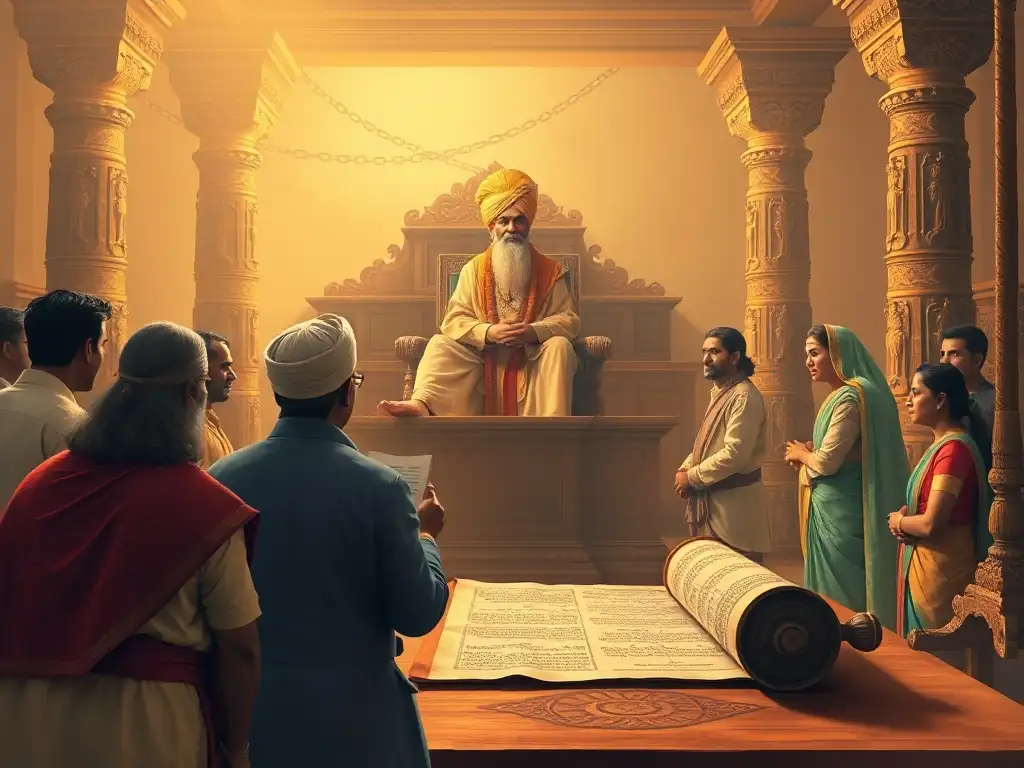
Ancient Indian legal texts provide valuable insights into how social justice and inequality were addressed in early Indian society. The two most notable works, the Manu Smriti and the Arthashastra, present frameworks for governance, justice, and societal conduct that reflect the values and priorities of their time. These texts not only shaped the legal landscape of ancient India but also influenced the social fabric, offering a lens through which we can explore the concept of social justice.
The Manu Smriti, also known as the Laws of Manu, serves as one of the foundational texts in Hindu law and ethics. Composed around 200 BCE to 200 CE, it outlines various aspects of social conduct, duty, and justice, encapsulating the moral fabric of ancient Indian society.
Core Principles of Justice in the Manu Smriti
The Manu Smriti articulates several core principles that underpin social justice:
- Dharma (Righteousness): Central to the text is the concept of dharma, which denotes duty, law, and ethics. It emphasizes that each individual must perform their duties according to their varna (social class) and ashrama (stage of life). This hierarchical approach aimed to maintain social order and harmony.
- Equity in Justice: The text advocates for a form of justice that considers the circumstances of individuals, suggesting that punishment should be proportional to the offense and take into account the offender's social status and intent.
- Protection of the Vulnerable: The Manu Smriti stresses the importance of protecting those who are vulnerable, such as women and the lower castes. Specific laws were designed to safeguard their rights and ensure their welfare within the societal framework.
- Restorative Justice: Rather than focusing solely on punitive measures, the text often encourages reconciliation and restitution, aiming for the restoration of social harmony.
Critiques and Interpretations of Manu Smriti
While the Manu Smriti is praised for its ethical guidelines, it has also faced significant critique and reinterpretation over the centuries:
- Caste System Reinforcement: Critics argue that the text reinforces the caste hierarchy, which has led to systemic inequality in society. The rigidities of varna-based duties have often been misused to justify discrimination.
- Gender Inequality: The text has been criticized for its prescriptions regarding women, often placing them in subordinate roles. Although it offers some protections, it simultaneously limits women's autonomy and rights.
- Historical Context: Modern scholars suggest that interpretations of the Manu Smriti must consider its historical context, recognizing that it reflects the values and norms of its time rather than serving as a contemporary legal model.
Arthashastra: A Practical Approach to Justice
In contrast to the Manu Smriti, the Arthashastra by Kautilya (Chanakya), written in the 4th century BCE, provides a pragmatic approach to governance and justice. It focuses on the practicalities of ruling and the maintenance of order in society.
Kautilya's Views on Governance and Equity
Kautilya's philosophy on governance emphasizes:
- Realpolitik: He advocates for a realistic approach to politics, suggesting that rulers must prioritize the stability and prosperity of the state over strict adherence to moral principles.
- Meritocracy: Kautilya promotes the idea that positions of power and responsibility should be based on merit rather than birth, which aligns with a more equitable vision of governance.
- Role of the Ruler: The ruler is seen as a protector of the state and its people, responsible for ensuring justice through effective administration and law enforcement.
Economic Justice and Its Social Implications
The Arthashastra also delves into economic justice:
- Resource Distribution: Kautilya emphasizes the importance of equitable distribution of resources and wealth, arguing that economic disparities can lead to social unrest and instability.
- State Intervention: The text advocates for state intervention in markets to prevent exploitation and ensure fair prices, reflecting an early understanding of economic regulation as a means to promote social justice.
- Taxation Policies: Kautilya proposes taxation policies that consider the economic capacity of different classes, illustrating an awareness of the need for economic equity as part of social justice.
The exploration of these ancient texts reveals that the foundations of social justice in India were complex and multifaceted, rooted in a blend of ethical considerations, practical governance, and economic equity. Through the lens of the Manu Smriti and the Arthashastra, we can appreciate the depth of ancient Indian thought regarding social justice laws and their enduring relevance.
Dharmashastra: Law and Morality in Ancient India
The Dharmashastra is a crucial body of ancient Indian literature that encompasses legal, ethical, and moral guidelines aimed at creating a harmonious society. Rooted in the Vedic tradition, these texts, including the well-known Manusmriti, articulate a comprehensive framework for law that intertwines with concepts of morality and duty, collectively referred to as Dharma. The Dharmashastra outlines not only the duties and rights of individuals within various social strata but also emphasizes the importance of social justice and the equitable treatment of all members of society.
The Dharmashastra is often viewed as a means to maintain societal order and promote ethical conduct. It addresses various aspects of life, including family, inheritance, property rights, and criminal justice. By establishing norms and guidelines, these texts sought to ensure that justice was served while also upholding the moral fabric of society. This is particularly significant given the hierarchical structure of ancient Indian society, where social stratification could lead to inequality and injustice if left unchecked.
Moreover, the Dharmashastra's approach to law reflects a deep-seated belief in the interdependence of law and morality. It posits that true justice is not merely a function of legal codes but is intrinsically linked to moral principles. This intersection of law and ethics is fundamental to understanding how ancient Indian social justice laws were designed to address and mitigate social inequalities.
The Concept of Dharma in Social Justice
The concept of Dharma is central to ancient Indian thought, underpinning the legal and ethical systems outlined in the Dharmashastra. Dharma encompasses duties, rights, laws, conduct, and virtues that guide individuals in their personal and social lives. In the context of social justice, Dharma serves as a moral compass, directing individuals to act in ways that promote fairness, equity, and social harmony.
Within the framework of social justice, Dharma emphasizes the importance of balancing individual rights with communal responsibilities. Ancient texts articulate that social justice is achieved when individuals fulfill their Dharma, thereby contributing to the greater good of society. This includes the responsibilities of rulers, who are tasked with ensuring justice and protecting the welfare of all citizens, especially the marginalized and vulnerable.
Furthermore, the Dharmashastra provides guidance on addressing injustices and inequalities. It advocates for mechanisms to rectify wrongs and establish fairness, whether through restitution, punishment for wrongdoers, or support for the disadvantaged. The emphasis on compassion and equitable treatment illustrates a profound understanding of social dynamics and the necessity of justice in maintaining societal stability.
Case Studies from Dharmashastra
Several case studies from the Dharmashastra exemplify its application to social justice issues. One prominent example is the treatment of women and their rights within marriage and inheritance. The Dharmashastra stipulates that women have the right to inherit property, which was a progressive notion for its time. For instance, the Manusmriti states that a daughter is entitled to a share of her father's property, ensuring that women are not left vulnerable or dependent.
Another case study involves the treatment of lower castes or marginalized groups. The Dharmashastra encourages the protection of the rights of these individuals, mandating that they should not be subjected to undue hardship or discrimination. For example, it lays down specific provisions that require fair treatment and stipulate punishments for those who exploit or harm members of lower castes, thereby promoting social equity.
Additionally, the Dharmashastra addresses issues related to crime and punishment, advocating for justice that is proportional to the offense committed. This principle of proportionality is essential in ensuring that penalties are fair and do not disproportionately affect the disadvantaged, thus reinforcing a system that seeks to balance justice with mercy.
Through these case studies, it becomes evident that the Dharmashastra not only provided legal frameworks but also served as a moral guide aimed at fostering social justice and addressing inequalities within ancient Indian society. The enduring relevance of these teachings continues to resonate in discussions of justice and ethics today.
Mechanisms for Addressing Inequality in Ancient Laws
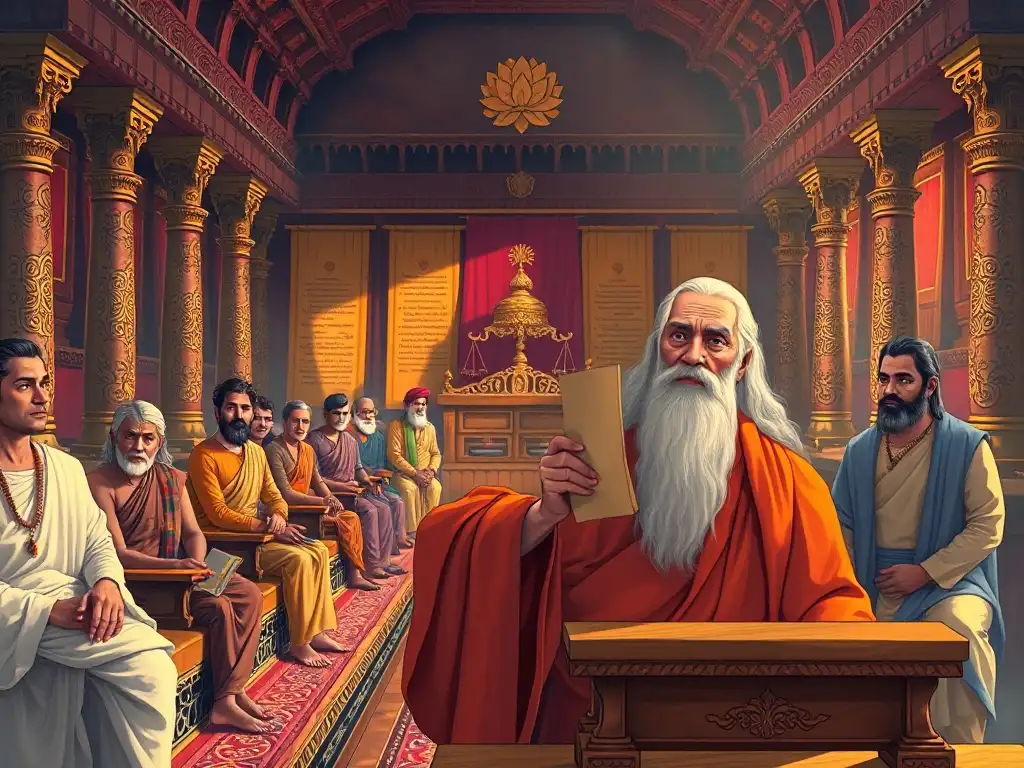
Ancient Indian laws were not merely a collection of rules; they were complex systems designed to address social justice and inequality. These laws, primarily derived from texts like the Manu Smriti, established frameworks that sought to regulate societal behavior and promote equity among various strata of society. The mechanisms for addressing inequality included legal frameworks, punitive measures, and community involvement, each playing a crucial role in upholding justice and social order.
The legal frameworks of ancient India were deeply rooted in the philosophical and moral principles of the time. Texts such as the Arthashastra and the Manu Smriti offered comprehensive guidelines on how to govern society fairly.
- Varna System: While the Varna system categorized society into four main groups (Brahmins, Kshatriyas, Vaishyas, and Shudras), ancient texts also emphasized the duty of each group to ensure societal harmony. For instance, the responsibilities outlined for each Varna were intended to ensure that all members could contribute to the common good.
- Dharma and Justice: The concept of Dharma (righteousness) was central to ancient Indian legal thought. Laws were often framed to reflect the ethical responsibilities of individuals towards their community. The emphasis on Dharma meant that justice was not merely punitive but aimed at restoring balance and order in society.
- Provisions for the Underprivileged: Certain laws explicitly aimed to protect the rights of the weaker sections of society. For example, texts prescribed that debts owed by the impoverished should be forgiven during times of distress, showcasing an early understanding of economic justice.
Punitive Measures Against Injustice
Ancient Indian laws included specific punitive measures designed to deter and address injustices. These measures were not only about punishment but also about rehabilitation and societal restoration.
- Fines and Restitution: Legal texts often mandated fines for wrongdoers, which served both as punishment and a means to compensate victims. This approach aimed to restore social harmony rather than merely inflicting punitive measures.
- Social Ostracism: In cases of severe misconduct, communities could impose social ostracism on individuals, effectively removing them from social engagement. This served as a powerful tool for enforcing social norms and expectations.
- Judicial Review and Appeals: The ancient legal system allowed for mechanisms of appeal. If individuals felt that a judgment was unjust, they could seek a review, which provided a layer of protection against wrongful convictions.
Community Involvement in Legal Matters
Community involvement was a cornerstone of ancient Indian legal processes. The legal systems were not solely reliant on formal courts; instead, they encouraged community participation.
- Village Assemblies (Sabhas): Local assemblies played a significant role in the administration of justice. These gatherings allowed community members to discuss disputes and arrive at collective resolutions, often reflecting the community's values and norms.
- Role of Elders: Elders in the community were often called upon to mediate conflicts. Their wisdom and experience were valued, and their involvement often led to fairer outcomes, as they were seen as impartial figures.
- Public Trials: Trials were often public events, allowing community members to witness proceedings. This transparency was crucial for maintaining trust in the legal system and ensuring that justice was seen to be done.
The mechanisms for addressing inequality in ancient Indian laws were multifaceted, combining legal frameworks, punitive measures, and community involvement to promote social justice. These ancient Indian social justice laws laid the groundwork for a legal system that sought not only to punish but also to rehabilitate and restore societal balance.

Ancient Indian society was not only complex but also deeply influenced by its legal texts, which sought to address social justice and inequality. Through various case studies, we can observe how these legal frameworks functioned in practice, reflecting the principles of fairness and equity that were central to ancient Indian thought.
Several notable cases from ancient texts provide insight into how social justice was upheld through legal doctrines. These cases often highlight the tensions between different social classes and the mechanisms in place for resolving disputes.
-
The Case of the Shudra and the Brahmin
In one of the recorded instances from the Manu Smriti, there is a case where a Shudra was wrongfully accused of theft by a Brahmin. The legal proceedings mandated that the Brahmin present credible evidence against the Shudra, reflecting the principle that even the lowest caste had the right to defend themselves against false allegations. This case emphasized the importance of truth and fairness, transcending social hierarchy.
-
Women’s Rights in Inheritance
Ancient legal texts also addressed the rights of women regarding inheritance, which was a significant aspect of social justice. For instance, in certain cases documented in the Yajnavalkya Smriti, women were entitled to a share of their father’s property, which was progressive for that era. This provision aimed to mitigate economic inequality and empower women in a patriarchal society.
-
Dispute Resolution among Varna
A noteworthy case involved a dispute between a Vaishya (merchant) and a Kshatriya (warrior), where the adjudicator applied principles from the Arthashastra to ensure equitable resolution. The case exemplified that disputes were addressed based on legal principles rather than social status, thereby promoting a sense of justice across varnas.
Ancient Indian laws not only aimed to maintain order but also fostered social reforms that directly contributed to social justice. The following reforms illustrate the proactive measures embedded in legal texts to address inequality and promote fairness.
-
Promotion of Education for All
Ancient legal codes advocated for the education of all classes, particularly emphasizing the importance of learning for women and lower castes. This initiative aimed to level the playing field and ensure that everyone had access to knowledge, which was a critical step towards social equity.
-
Regulation of Labor and Wages
The Arthashastra delineated fair wages for laborers, emphasizing that workers should be compensated justly for their work. This regulation aimed to protect the rights of laborers and prevent exploitation, thereby addressing economic inequalities prevalent in society.
-
Legal Protection against Oppression
Ancient texts provided mechanisms for protecting individuals from oppression, particularly from higher castes. For instance, there were provisions for appeals to higher authorities if a landowner unjustly evicted a tenant. Such protections were crucial for maintaining social order and ensuring that justice was accessible to all, regardless of their social standing.
The case studies and reforms discussed illustrate that ancient Indian social justice laws were not merely theoretical constructs but were actively implemented to address social inequalities. The legal frameworks of ancient India sought to create a more just society by upholding the rights of various classes and ensuring equitable treatment under the law.
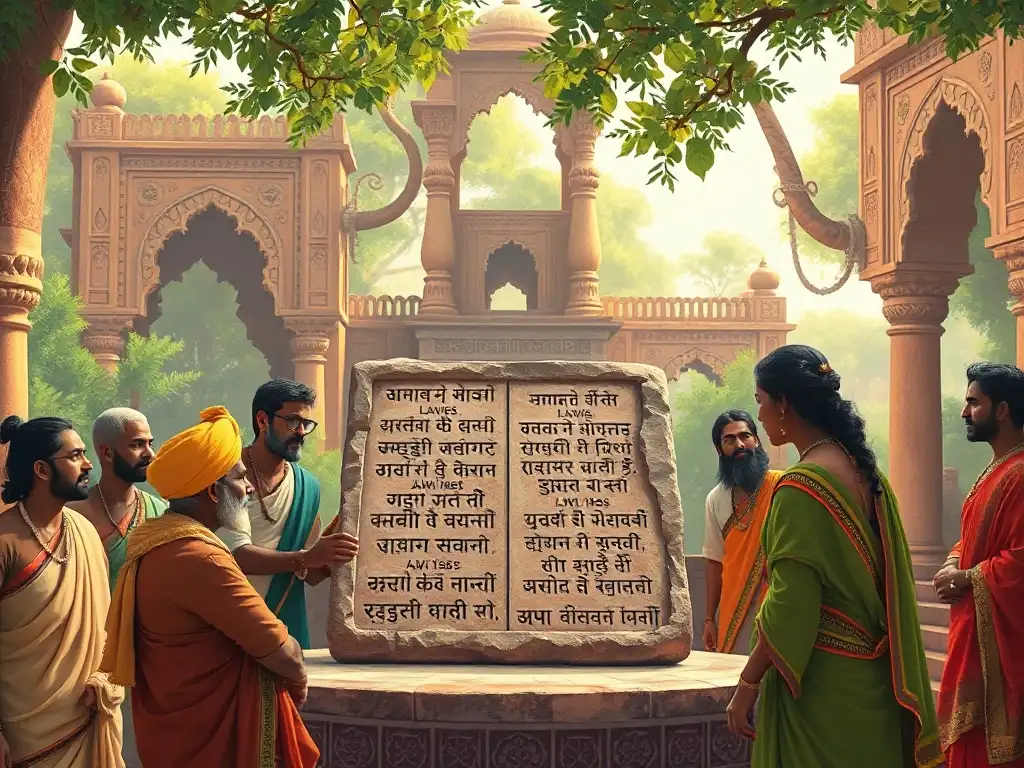
The concept of social justice in ancient India evolved through various legal texts and societal changes, reflecting the needs and values of its time. From the early codes of conduct established during the Indus Valley Civilization to the more codified laws seen in texts like the Manu Smriti, the framework of social justice began to take shape as a response to the complexities of societal hierarchy and inequality.
The Transition from Ancient to Medieval Indian Laws
As ancient Indian civilization progressed, the transition to medieval laws signified a shift in the understanding and implementation of social justice. The ancient legal texts, such as the Manusmriti and the Arthashastra, laid the groundwork for addressing social inequalities by introducing concepts like dharma (duty/righteousness) and varna (social class). These texts provided guidelines for individual conduct and societal organization, emphasizing the importance of justice in maintaining order.
During this transition, several pivotal changes occurred:
- Increased Codification: Medieval texts began to further delineate the rights and responsibilities of various social classes, expanding on the principles established in earlier texts.
- Regional Variations: Different regions in India started to adapt these laws to reflect local customs and practices, leading to a more diverse legal landscape.
- Judicial Practices: The establishment of local courts and the role of kings as protectors of justice became more prominent. This was a significant development, as rulers were expected to uphold social justice through their governance.
- Influence of Other Cultures: The interactions with foreign cultures, particularly through trade and conquest, introduced new ideas about governance and justice, which were assimilated into the Indian legal framework.
The evolution of these laws indicated a growing recognition of the need for social equity, albeit often within the confines of the existing caste system.
Continuing Relevance of Ancient Laws in Modern India
The principles embedded in ancient Indian social justice laws continue to resonate in contemporary Indian society. Though modern legal frameworks have evolved, the foundational ideas of social justice find reflection in various aspects of Indian law today, such as:
- Constitutional Provisions: The Indian Constitution, adopted in 1950, embodies many ideals of social justice that can trace their origins back to ancient texts. Articles promoting equality, prohibiting discrimination, and ensuring the right to justice echo the sentiments found in earlier legal codes.
- Legal Reforms: Many contemporary laws aimed at social equity, such as the Scheduled Castes and Scheduled Tribes (Prevention of Atrocities) Act, are grounded in the recognition of historical injustices that ancient laws sought to address.
- Cultural Continuities: Social practices and norms influenced by ancient laws still persist in various forms, such as community-based dispute resolution and the emphasis on moral duty within family and societal roles.
- Judicial Interpretations: The Indian judiciary often refers to historical precedents when adjudicating cases related to social justice, demonstrating the ongoing relevance of ancient legal principles.
The evolution of ancient Indian social justice laws has laid a significant foundation that continues to influence modern legal systems and societal norms in India. Understanding this historical context is crucial for addressing current social inequalities and fostering a more just society.
Conclusion

The ancient Indian legal texts, particularly the Manu Smriti, provide invaluable insights into how social justice was conceptualized and implemented in early Indian society. These laws were not merely punitive measures; they were designed to maintain social order and ensure fairness among the various strata of society. The principles enshrined in these texts reflect a deep understanding of human behavior and societal needs, emphasizing the importance of dharma (righteousness) in achieving social harmony.
One notable aspect of ancient Indian social justice laws is their focus on duty and responsibility. For instance, the Manu Smriti prescribes specific duties for different varnas (social classes) and ashramas (stages of life), aiming to balance individual rights with societal obligations. This interdependence underscores a collective approach to justice, where the well-being of the community is prioritized over individual interests.
Furthermore, the recognition of certain rights, such as the right to education and protection against exploitation, highlights a progressive stance towards social equity. Ancient Indian laws addressed issues of gender and caste, albeit within the confines of their historical context, indicating a nuanced approach to social justice that evolved over time. As we reflect on these laws, it becomes clear that they laid foundational principles that resonate with modern concepts of justice and equality.
Exploring ancient Indian social justice laws opens up avenues for contemporary discourse on social equity and legal frameworks. These historical texts can serve as a reference point for understanding the evolution of legal systems and their impact on societal norms. By studying the mechanisms of justice in ancient India, modern legal scholars and policymakers can glean insights into how laws can be structured to promote equity and prevent discrimination.
Moreover, the comparative analysis of ancient Indian laws with other historical legal systems can enrich our understanding of global social justice movements. For example, examining the concepts of restorative justice and community-based resolution in ancient Indian texts can offer alternative perspectives to modern punitive approaches.
In a world grappling with issues of inequality and social justice, the principles articulated in ancient Indian social justice laws remind us of the importance of context, culture, and history in shaping legal frameworks. Engaging with these ancient texts not only honors the complexity of the past but also informs our ongoing quest for a just society. The legacy of these laws continues to inspire discussions about the role of law in addressing social disparity, making it crucial for future scholars and practitioners to explore and integrate these teachings into modern legal discourse.
Frequently Asked Questions
Ancient Indian social justice laws refer to a set of legal frameworks and codes that aimed to address issues of inequality and injustice within the society, promoting fairness and social harmony.
The Indus Valley Civilization showcased advanced urban planning and social organization, suggesting a degree of equality and community welfare that reflects their understanding of social justice principles.
The Dharmashastras, ancient Indian texts, outlined moral and ethical laws governing behavior, emphasizing duties and rights, which were foundational in addressing social justice and maintaining societal order.
During the Gupta Empire, legal codes evolved to focus on protecting the rights of individuals, particularly women and lower castes, showing a progressive approach towards social justice in ancient Indian society.
Yes, modern legal frameworks often draw inspiration from ancient Indian social justice principles, adapting these timeless concepts to contemporary issues of inequality and human rights.
The exploration of ancient Indian social justice laws reveals a profound understanding of equality and fairness that resonates deeply in today's society. As we navigate the complexities of modern social justice issues, it becomes increasingly clear that the foundational principles established in ancient texts continue to inform our quest for equity. The wisdom embedded in these laws serves as a guiding light, reminding us that the fight for justice is not a new endeavor but rather a continuation of a long-standing tradition.
The influence of these ancient laws on contemporary cultural and social landscapes cannot be overstated. They challenge us to reflect on our current systems and the ways in which we can improve them. The principles of justice, fairness, and social responsibility articulated in these texts encourage us to question the status quo and strive for a more equitable society. As Mahatma Gandhi once said, An unjust law is itself a species of violence. Arrest for its breach is more so.
This quote encapsulates the ongoing relevance of ancient Indian social justice laws, urging us to recognize that the fight for justice is a collective responsibility that transcends time.
As we conclude this exploration, I invite you to reflect on how the lessons from ancient Indian social justice laws can inspire your actions today. Consider how you can embody these principles in your daily life, advocating for fairness and equality in your community. Let us carry forward the legacy of these ancient teachings, fostering a society where justice is not just an ideal but a lived reality for all. Together, we can honor the past while shaping a brighter future grounded in the values of social justice and equality.
Thank you for dedicating your time to explore the profound insights of ancient Indian laws and their relevance in addressing social justice and inequality. Your journey into this vital subject can lead to meaningful change and greater awareness.
Now, let's take steps together toward a more equitable society:
- Engage with Your Community: Start or join a local discussion group focused on examining historical legal frameworks and their contemporary implications.
- Share What You’ve Learned: Disseminate knowledge by sharing this article on social media to spark discussions about social justice within your networks.
- Uncover More Knowledge: Delve into related topics in our archives to enhance your understanding of how historical perspectives inform modern challenges.
How do you envision applying the lessons from ancient laws to promote social change in your community?