
The Role of Dynasties: How Indian and Chinese Leaders Shaped Each Other’s Histories

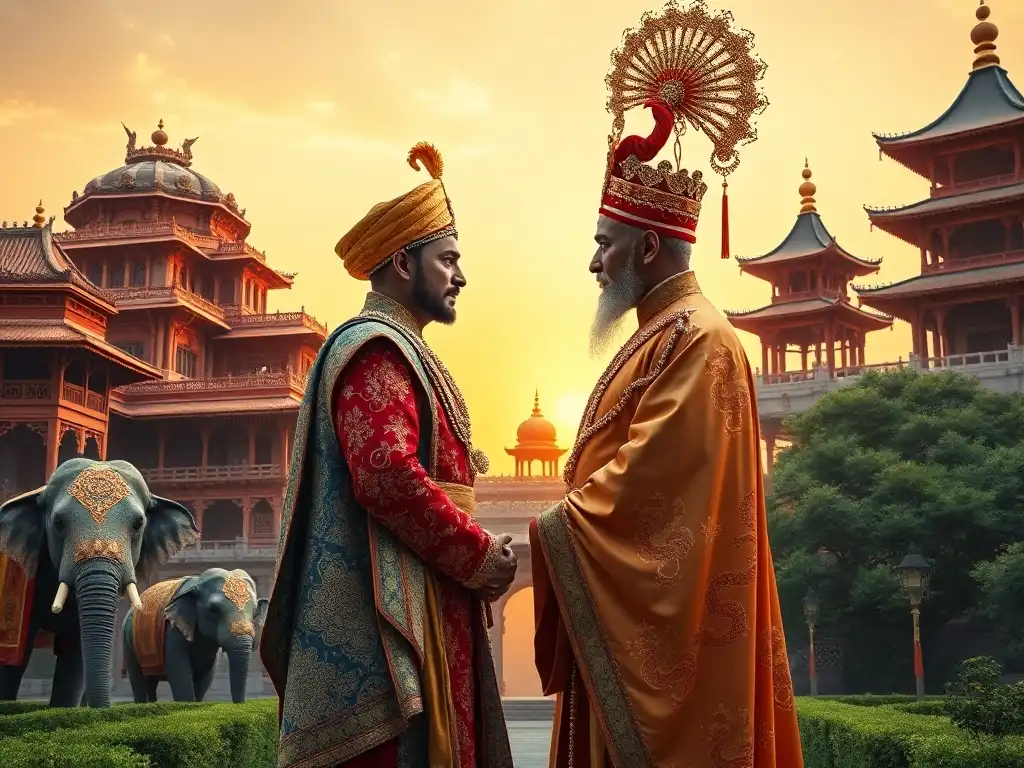
Welcome to Ancient India History, where we delve into the captivating tapestry of India's rich and diverse past. In our featured article, "The Role of Dynasties: How Indian and Chinese Leaders Shaped Each Other’s Histories," we uncover the intricate interactions between Indian and Chinese dynasties that not only influenced their respective cultures but also left an indelible mark on the course of history.
Prepare to embark on a journey through time that reveals how these great civilizations intertwined, shaping each other's destinies in profound ways. Join us as we explore the echoes of their legacies and the fascinating stories that await within!
- Introduction to Indian and Chinese Dynasties History
- Historical Context of Indian and Chinese Dynasties
- Key Dynasties in Indian and Chinese History
- Political and Economic Exchanges between Indian and Chinese Dynasties
- Mutual Influences: How Indian and Chinese Dynasties Shaped Each Other
- Conclusion: The Legacy of Indian and Chinese Dynasties History
- Further Reading and Resources on Indian and Chinese Dynasties History
-
Frequently Asked Questions
- What is the main focus of the article "The Role of Dynasties: How Indian and Chinese Leaders Shaped Each Other’s Histories"?
- How did Indian dynasties influence Chinese history?
- What were some key dynasties discussed in the article?
- How did trade play a role in the relationship between Indian and Chinese dynasties?
- What contributions did these dynasties make to world history?
- Final Reflection: The Interwoven Legacies of Indian and Chinese Dynasties
- Unveil the Tapestry of History: Take Action Today!
Introduction to Indian and Chinese Dynasties History
The interwoven histories of Indian and Chinese dynasties offer a fascinating glimpse into how two of the world’s most ancient and influential civilizations have shaped each other’s trajectories over millennia. From the flourishing trade routes of the Silk Road to the exchange of philosophical and cultural ideas, the interactions between Indian and Chinese dynasties were pivotal in molding their respective histories. This article delves into the profound impact that these dynasties had on one another, highlighting the shared legacies and transformative exchanges that have left an indelible mark on their civilizations.
Overview of Dynastic Influence in Ancient Civilizations
Both Indian and Chinese dynasties developed intricate societal structures and rich cultures that influenced not only their own regions but also the wider world. The Maurya Empire in India, with its expansive governance and promotion of Buddhism, interacted with the Han Dynasty in China, known for its advancements in technology and trade. These dynastic exchanges were characterized by:
- Cultural Exchange: Philosophical ideas, religious beliefs, and artistic styles traveled across borders, enriching both cultures. For instance, the spread of Buddhism from India to China led to significant cultural transformations.
- Trade Relationships: The establishment of trade routes facilitated the exchange of goods such as silk, spices, and precious metals, fostering economic ties and interdependence.
- Political Alliances: Dynasties often formed alliances through marriage or diplomacy, influencing political landscapes and stability in both regions.
This mutual influence set the stage for a rich tapestry of historical events that continued to evolve over centuries.
Importance of Studying Indian and Chinese Interactions
Understanding the interactions between Indian and Chinese dynasties is crucial for several reasons:
- Historical Insight: By studying these exchanges, historians can gain deeper insights into how two great civilizations adapted and thrived amidst changing political and social landscapes.
- Cultural Heritage: The shared legacies highlight the importance of cultural exchange and the ways in which societies can learn from one another.
- Modern Implications: Understanding historical interactions can provide context for contemporary relationships between India and China, shedding light on ongoing economic and political dynamics.
The history of Indian and Chinese dynasties is not merely a tale of two separate civilizations but rather a narrative of interconnectedness that has shaped their pasts and continues to influence their futures.
Historical Context of Indian and Chinese Dynasties
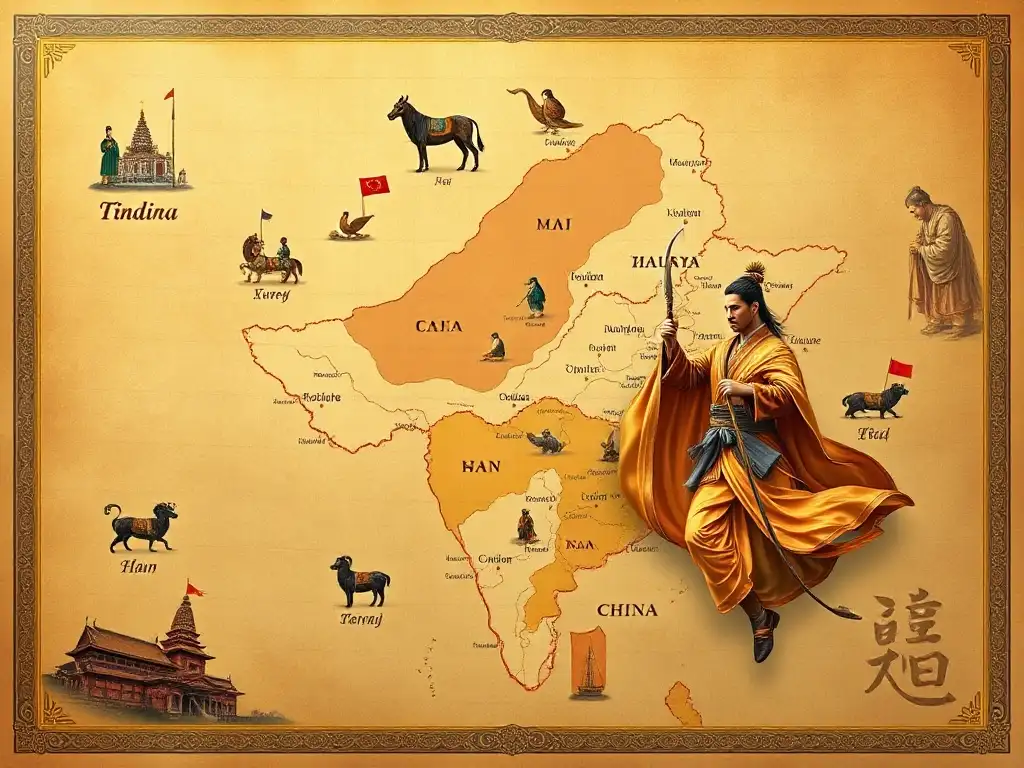
The historical context of Indian and Chinese dynasties is intricately woven through centuries of interaction, trade, cultural exchange, and diplomatic relationships. Both regions have experienced periods of significant development and decline, shaped by their unique dynastic histories. Understanding these dynamics provides insight into how Indian and Chinese civilizations influenced each other, leaving lasting legacies that continue to resonate today.
The Emergence of Dynasties in India
The emergence of dynasties in India can be traced back to the Vedic period (circa 1500-500 BCE), where early tribal kingdoms began to form. The transition from tribal confederacies to organized dynasties marked a pivotal shift in Indian history.
- Mahajanapadas: By the 6th century BCE, the Indian subcontinent was dotted with Mahajanapadas, or great realms, which were republican or monarchical states. Notable among these were the Maggadha, Kosala, and Vatsa. The competition among these realms led to the consolidation of power and the establishment of dynastic rule.
- Mauryan Empire: The emergence of the Mauryan Empire in the 4th century BCE under Chandragupta Maurya marked a significant unification of India. This empire was notable for its administrative innovations, extensive trade networks, and the spread of Buddhism under Ashoka the Great.
- Gupta Empire: Following the Mauryan decline, the Gupta Empire (circa 320-550 CE) is often regarded as a golden age of Indian culture, characterized by advancements in science, mathematics, and arts. The Gupta rulers, such as Chandragupta I and Samudragupta, fostered an environment of intellectual growth and stability.
The emergence of these dynasties laid the groundwork for India's rich historical narrative, influencing various aspects of society, including religion, governance, and culture.
The Rise of Dynasties in China
China's dynastic history began much earlier than India's, with the establishment of the Xia Dynasty (circa 2070-1600 BCE), followed by the Shang and Zhou Dynasties. The characteristics of these early dynasties set the stage for China's political and cultural landscape.
- Feudal System: The Zhou Dynasty introduced a feudal system, where land was granted to nobles in exchange for loyalty and military service. This system encouraged the rise of regional powers and laid the foundation for future dynastic conflicts.
- Qin Dynasty: The unification of China under the Qin Dynasty (221-206 BCE) marked a turning point in Chinese history. Qin Shi Huang, the first emperor, centralized power and standardized measurements, currency, and writing, significantly impacting governance.
- Han Dynasty: Following the Qin, the Han Dynasty (206 BCE-220 CE) is noted for its expansion of trade along the Silk Road, thus fostering cultural and economic exchanges with neighboring civilizations, including India. The Han era is recognized for advancements in technology, philosophy, and the arts.
The rise of these dynasties in China not only shaped its internal dynamics but also affected its interactions with other civilizations, including India, through trade and cultural exchanges.
Comparative Timeline of Indian and Chinese Dynasties
To better understand the parallel developments in Indian and Chinese dynastic histories, the following comparative timeline highlights key dynasties and their significant periods:
| Period | Indian Dynasties | Chinese Dynasties |
|---|---|---|
| Circa 3000-1500 BCE | Indus Valley Civilization | Xia Dynasty |
| Circa 1500-500 BCE | Early Mahajanapadas | Shang Dynasty |
| Circa 4th Century BCE | Mauryan Empire | Qin Dynasty |
| Circa 320-550 CE | Gupta Empire | Han Dynasty |
| Circa 600-1200 CE | Chola and Pala Dynasties | Tang and Song Dynasties |
| Circa 1200-1500 CE | Delhi Sultanate and Mughal Empire | Yuan and Ming Dynasties |
This timeline illustrates the overlapping eras of Indian and Chinese dynasties, emphasizing how their historical trajectories intersected through trade, cultural exchanges, and mutual influences.
Understanding these dynasties provides a foundation for further exploration of the rich tapestry of interactions that shaped both civilizations throughout history.
Key Dynasties in Indian and Chinese History
Prominent Indian Dynasties and Their Contributions
The history of India is marked by several key dynasties that not only shaped the subcontinent but also had significant interactions with Chinese civilizations. These dynasties contributed to various fields such as governance, culture, and trade, establishing a legacy that influenced both regions.
The Maurya Dynasty: Unification and Governance
The Maurya Dynasty (circa 322–185 BCE) stands as one of the most influential dynasties in ancient Indian history. Founded by Chandragupta Maurya, it marked a period of significant unification and governance across much of the Indian subcontinent.
- Political Structure: The Mauryan Empire was notable for its sophisticated administrative system. Chandragupta's governance laid the groundwork for centralized control, which was further refined by his grandson, Ashoka the Great. Ashoka is particularly renowned for his promotion of Dharma (moral law) and the spread of Buddhism across Asia, including China.
- Cultural Exchange: The Maurya Dynasty facilitated early exchanges with Chinese states, primarily through trade routes that connected the two regions. This period saw the introduction of Indian cultural elements into China, including religious ideas and artistic influences.
- Economic Impact: The Mauryan Empire established a vast trade network, which not only connected various parts of India but also reached into Central Asia and China. This trade introduced luxury goods, spices, and textiles, enhancing economic ties between Indian and Chinese dynasties.
The Gupta Empire: Golden Age of Culture and Science
The Gupta Empire (circa 320–550 CE) is often heralded as the Golden Age of India, characterized by remarkable achievements in arts, science, and philosophy.
- Scientific Advancements: Mathematicians like Aryabhata emerged during this period, contributing significantly to mathematics and astronomy. His work on the concept of zero and the decimal system laid foundational principles that would later influence Chinese scholars.
- Cultural Flourishing: The Gupta period witnessed a renaissance in literature and the arts, with notable works such as Kalidasa’s plays and the development of classical Indian sculpture and architecture. These artistic innovations often found their way to China, influencing Buddhist art and architecture.
- Trade and Diplomacy: The Gupta Empire maintained extensive trade relations with China, facilitating the exchange of goods and ideas. The Silk Road became a vital artery for cultural interaction, allowing for the transmission of Indian inventions and philosophies to Chinese society.
Influential Chinese Dynasties and Their Achievements
Chinese dynasties also played critical roles in shaping their own history and influencing neighboring civilizations, including India. Through their achievements, they established frameworks for governance, culture, and trade that resonated across Asia.
The Han Dynasty: Expansion and Trade
The Han Dynasty (206 BCE–220 CE) is often regarded as one of the golden ages of Chinese history, known for its territorial expansions and economic prosperity.
- Territorial Expansion: Under the Han, China expanded its borders significantly, reaching parts of Central Asia. This expansion not only solidified China's influence in the region but also opened new trade routes, including the famed Silk Road.
- Cultural Exchange with India: The Han Dynasty facilitated cultural exchanges with India, particularly through the introduction of Buddhism to China. Indian monks, such as Faxian, traveled to China, bringing with them religious texts and practices that enriched Chinese spiritual life.
- Economic Prosperity: The Han Dynasty's economic policies encouraged trade, leading to increased interactions with Indian traders. The import of Indian goods, such as spices and textiles, became a significant aspect of the Han economy.
The Tang Dynasty: Cultural Flourishing and Silk Road
The Tang Dynasty (618–907 CE) is often celebrated as a high point in Chinese civilization, marked by cultural flourishing and extensive trade networks.
- Cultural Syncretism: The Tang era was characterized by a blend of cultures, including Indian influences. The Silk Road facilitated the exchange of art, literature, and religious ideas, with Indian Buddhism becoming a major force in Chinese culture.
- Artistic Achievements: This dynasty saw significant advancements in poetry and painting. Influences from Indian art styles can be observed in Tang ceramics and sculptures, reflecting the deep cultural exchanges between the two civilizations.
- Trade Networks: The Tang Dynasty maintained robust trade relations with India, which were instrumental in the exchange of goods and ideas. The flourishing trade routes allowed for the movement of not only commodities but also scholars and artisans who contributed to the cultural tapestry of both regions.
The histories of Indian and Chinese dynasties are intricately linked through a complex web of cultural exchanges, trade relationships, and mutual influences that shaped each civilization's trajectory. Understanding these dynastic interactions provides valuable insights into the rich tapestry of Asian history.
Political and Economic Exchanges between Indian and Chinese Dynasties
The political and economic exchanges between Indian and Chinese dynasties played a crucial role in shaping the histories of both civilizations. As neighboring powers, these ancient societies engaged in a variety of interactions that facilitated not only the exchange of goods but also ideas, culture, and technologies. The dynamics of their relationships were influenced by trade routes, diplomatic missions, and cultural exchanges, which collectively contributed to their development.
Trade Routes: Silk Road and Maritime Connections
The Silk Road was one of the most significant trade routes connecting India and China, facilitating the flow of goods, ideas, and cultures. This extensive network of overland routes began as early as the Han dynasty (206 BCE – 220 CE) and continued to thrive well into the Tang dynasty (618–907 CE). Indian merchants played a pivotal role in this trade, bringing valuable commodities such as spices, textiles, and gemstones to Chinese markets.
- Key Commodities Traded:
- From India to China:
- Spices (e.g., pepper, cardamom)
- Textiles (e.g., silk, cotton)
- Gems (e.g., diamonds, rubies)
- From China to India:
- Silk
- Porcelain
- Tea
- From India to China:
In addition to overland routes, maritime connections became increasingly important during the Tang and Song dynasties. The Maritime Silk Road facilitated trade across the Indian Ocean, connecting Indian ports like Calicut and Cochin with Chinese ports such as Guangzhou. This route enabled not only the exchange of goods but also the movement of people and ideas.
Diplomatic Relations: Envoys and Treaties
Diplomatic relations between Indian and Chinese dynasties were marked by the exchange of envoys and treaties. Notably, during the Han dynasty, the envoy Zhang Qian was dispatched to establish relations with Central Asia and India, which highlighted the importance of these connections for trade and political alliances.
- Significant Diplomatic Events:
- The arrival of Indian monks in China, such as Faxian and Xuanzang, who sought to gather Buddhist texts and spread the teachings of Buddhism.
- The establishment of treaties that facilitated trade agreements and established peace between the two regions.
These diplomatic initiatives were not merely about trade; they often included cultural exchanges that enriched both societies. The presence of Indian scholars in Chinese courts and vice versa allowed for a deeper understanding of mutual philosophies and religions, fostering an environment of intellectual growth.
Cultural Exchanges: Art, Religion, and Philosophy
The cultural exchanges between Indian and Chinese dynasties had a lasting impact on both civilizations. One of the most significant influences was the spread of Buddhism from India to China. This spiritual tradition transformed Chinese culture, leading to the establishment of Buddhist schools, art, and architecture.
- Cultural Influences:
- Art: The introduction of Indian artistic styles influenced Chinese sculpture and painting, particularly during the Tang dynasty, where Buddhist motifs became prevalent.
- Religion: The establishment of Buddhist monasteries in China served as centers of learning and contributed to the blending of Indian and Chinese spiritual practices.
- Philosophy: The interaction between Indian and Chinese philosophical thought resulted in the exchange of ideas regarding metaphysics and ethics, enriching both traditions.
The political and economic exchanges between Indian and Chinese dynasties were characterized by a rich tapestry of interactions that shaped their respective histories. The legacy of these exchanges continues to be felt today, as they laid the groundwork for future engagements between the two great civilizations.
Mutual Influences: How Indian and Chinese Dynasties Shaped Each Other
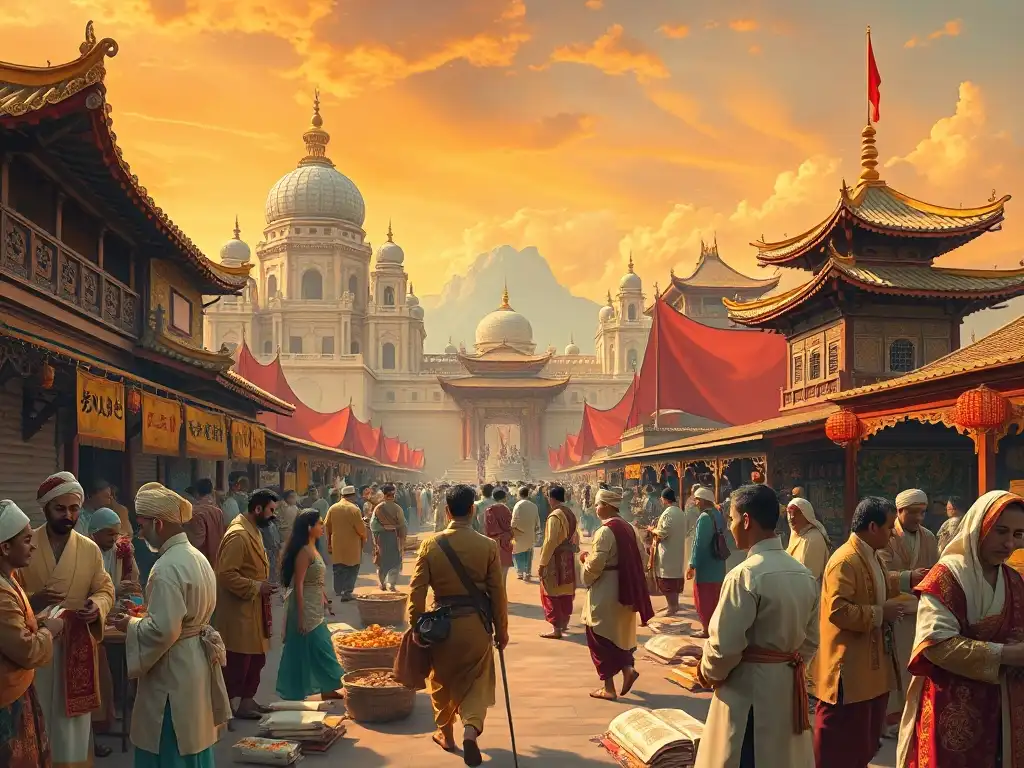
Indian Influence on Chinese Culture and Governance
The historical interactions between India and China have significantly influenced both civilizations, particularly in cultural and governance aspects. One of the most profound impacts has been the introduction of Indian concepts of governance, philosophy, and religion into Chinese society.
Cultural Exchange through Trade
Indian traders traveled along the Silk Road, facilitating not just the exchange of goods, but also ideas and cultural practices. This interaction led to the introduction of Buddhism into China, which fundamentally altered Chinese spiritual and philosophical landscapes. The teachings of the Buddha provided a moral framework that resonated with many in China, offering concepts of compassion and ethical conduct that complemented existing beliefs.
Administrative Systems
India's sophisticated governance systems were also observed and adapted by Chinese dynasties. The Mauryan Empire, for example, set a precedent with its centralized administration and bureaucratic structures. These systems influenced the Qin and Han dynasties, which implemented similar administrative frameworks to establish control over their vast territories. The concept of a meritocratic bureaucracy, where officials were selected based on capabilities rather than aristocratic birth, can also be traced back to Indian practices.
Chinese Impact on Indian Philosophies and Practices
The influence of Chinese philosophies, particularly Confucianism and Daoism, on Indian thought is less documented but equally significant. These philosophies introduced new ideas about governance, ethics, and personal conduct that were gradually integrated into Indian society.
Confucianism's Ethical Teachings
Confucianism emphasizes the importance of ethics, familial loyalty, and social harmony. These concepts found resonance within various Indian philosophical schools, particularly in the context of Hinduism and Buddhism. The emphasis on social responsibility and moral behavior in Confucian thought contributed to the development of similar ethical frameworks in Indian society.
Daoism and Spiritual Practices
Daoism, with its focus on harmony with nature and the cosmos, influenced Indian practices concerning meditation and spirituality. The integration of these ideas can be observed in the development of various sects of Buddhism that emphasize a balance between the inner self and the external world.
Case Studies of Specific Interactions
The Arrival of Buddhism in China
The arrival of Buddhism in China during the Han dynasty (206 BCE – 220 CE) represents one of the most significant examples of Indian influence. Initially introduced through traders and missionaries, Buddhism adapted to Chinese culture, leading to the development of unique schools of thought such as Chan (Zen) Buddhism.
- Key Developments:
- Translations of Buddhist texts into Chinese, such as the Lotus Sutra.
- The establishment of monasteries, which became centers of learning and cultural exchange.
- The fusion of Buddhist and Chinese cultural elements, leading to distinct artistic styles in sculpture and painting.
The Influence of Confucianism on Indian Thought
While Confucianism primarily shaped Chinese society, its ethical teachings subtly permeated Indian philosophies. The ideals of social harmony and respect for authority found parallels in Indian texts, particularly in the Arthashastra by Kautilya, which emphasizes statecraft and moral leadership.
- Notable Influences:
- The concept of Raja Dharma in Indian politics, which parallels Confucian ideals of just governance.
- The adoption of Confucian-style civil service examinations in some Indian kingdoms, echoing the meritocratic principles championed by Confucian thinkers.
The interplay between Indian and Chinese dynasties is a testament to the enduring legacy of mutual cultural influences that shaped their histories, illustrating how interconnectedness enriched the civilizations across Asia.
Conclusion: The Legacy of Indian and Chinese Dynasties History
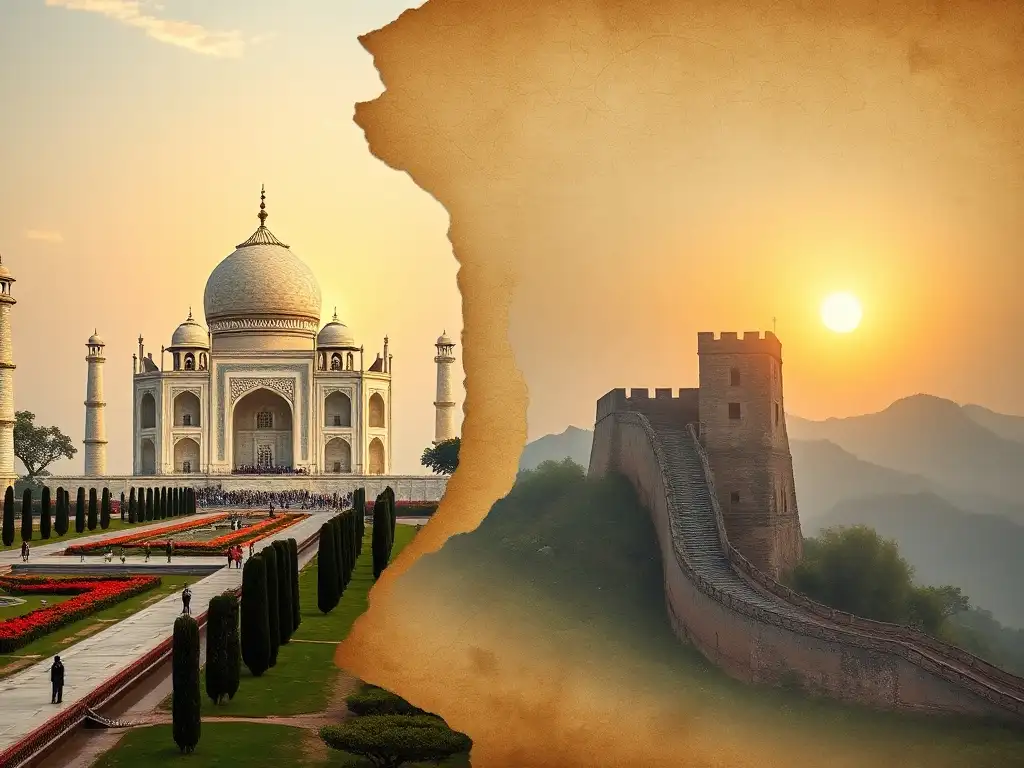
The intricate tapestry of Indian and Chinese dynasties history reveals a profound legacy that continues to shape the cultural, political, and economic landscapes of both nations. Through centuries of interaction, these two ancient civilizations not only influenced each other but also laid the groundwork for their modern identities. The exchange of ideas, trade practices, and cultural attributes fostered a rich environment that nurtured innovation and progress.
As we reflect on the significant contributions of dynasties such as the Maurya and Gupta in India, alongside the Han and Tang in China, it is evident that their legacies extend beyond mere historical records. These dynasties facilitated advancements in philosophy, science, and the arts, establishing a foundation that future generations would build upon. The dissemination of Buddhism from India to China is a prime example of how religious and philosophical ideas transcended borders, fostering mutual respect and understanding.
Lasting Impact on Modern India and China
The enduring influence of Indian and Chinese dynasties is palpable in various aspects of contemporary society. In India, the architectural marvels, such as temples and forts, echo the grandeur of dynastic rule, while the philosophical teachings rooted in ancient texts continue to inspire millions. Similarly, China’s Great Wall and the ancient Silk Road remain testaments to the ingenuity and vision of its dynasties.
- Cultural Exchange:
- The blending of Indian and Chinese cultures can be seen in art forms, cuisine, and festivals. For instance, the introduction of Indian spices into Chinese culinary practices illustrates the depth of these exchanges.
- Philosophical Contributions:
- Both nations continue to draw from the philosophical doctrines established during their dynastic periods, with Confucianism in China and Hinduism and Buddhism in India shaping moral and ethical frameworks.
- Economic Ties:
- The historical trade routes laid down by ancient dynasties have evolved into modern economic partnerships, emphasizing the importance of historical interactions in fostering contemporary commerce.
Reflections on Historical Interactions and Their Significance
The historical interactions between Indian and Chinese dynasties are not merely relics of the past; they serve as vital lessons for modern diplomacy and international relations. The mutual respect and understanding cultivated through centuries of exchange highlight the importance of collaboration in addressing contemporary challenges.
- Diplomatic Relations: The historical precedent of cooperation suggests that both nations can benefit from renewed dialogues and partnerships to tackle issues such as climate change and economic disparities.
- Cultural Heritage: Recognizing the shared cultural heritage can serve as a bridge to strengthen ties and promote peace between India and China, fostering a spirit of unity amidst diversity.
- Educational Exchanges: The legacy of these dynasties encourages educational exchanges that promote a deeper understanding of each other's histories, contributing to a more informed global citizenry.
The legacy of Indian and Chinese dynasties history is a testament to the enduring power of cultural and historical exchanges. As we look to the future, the lessons from these ancient interactions remain relevant, guiding both nations towards a more collaborative and peaceful coexistence.
Further Reading and Resources on Indian and Chinese Dynasties History
Recommended Books and Articles
To deepen your understanding of the intricate relationships between Indian and Chinese dynasties, the following books and articles provide a wealth of knowledge. These resources explore various aspects of governance, culture, trade, and cross-cultural exchanges that shaped the histories of both civilizations.
- "India and China: An Ancient Relationship?" by John W. I. Lee
- This book examines the historical interactions between India and China, tracing their diplomatic relations and cultural exchanges from ancient times to the modern era.
- "The Silk Roads: A New History of the World" by Peter Frankopan
- Frankopan presents a comprehensive view of the Silk Road, detailing how trade routes facilitated cultural interactions between Indian and Chinese dynasties and influenced their development.
- "The Art of War" by Sun Tzu
- While primarily a military treatise, this classic work reflects the strategic thinking of ancient China, with implications for understanding the military tactics and political strategies of Indian dynasties in response.
- "The Indus Civilization: A Contemporary Perspective" by Gregory L. Possehl
- This book provides insights into the early Indian civilization, setting the stage for understanding its interactions with neighboring cultures, including China.
- "Cultural Exchanges between India and China" (Journal Article)
- This article highlights significant cultural exchanges, focusing on how Buddhism spread from India to China and altered the cultural landscape of both regions.
Online Resources for Exploring Ancient Civilizations
The internet offers a plethora of resources for those interested in exploring the rich tapestry of Indian and Chinese dynasties history. Here are some recommended websites and databases:
-
Ancient History Encyclopedia
A comprehensive online resource offering articles, timelines, and maps related to ancient civilizations, including Indian and Chinese dynasties.
-
The British Museum - Ancient India and China
The British Museum's website features interactive exhibits and collections that showcase artifacts from both Indian and Chinese dynasties, providing insights into their histories and cultures.
-
Internet Archive
A treasure trove of historical texts, including translations and writings on Indian and Chinese dynasties. Users can access a wealth of primary sources and academic publications for free.
-
Asia Society
This organization provides educational resources, articles, and videos that explore the historical interactions between India and China, focusing on trade, culture, and diplomacy.
-
Digital Silk Road Project
An initiative that digitizes historical documents and artifacts related to the Silk Road, offering scholars and enthusiasts access to valuable resources on the exchanges between Indian and Chinese civilizations.
By exploring these recommended books and online resources, readers can gain a deeper appreciation for the dynamic interplay of Indian and Chinese dynasties throughout history, enhancing their understanding of how these civilizations shaped each other’s legacies.
Frequently Asked Questions
What is the main focus of the article "The Role of Dynasties: How Indian and Chinese Leaders Shaped Each Other’s Histories"?
The article explores the interactions and influences between Indian and Chinese dynasties, highlighting how these leaders shaped each other's histories through trade, culture, and diplomacy.
How did Indian dynasties influence Chinese history?
Indian dynasties contributed to Buddhism's spread in China, significantly impacting its philosophy and art. This cultural exchange fostered a deeper understanding between the two civilizations.
What were some key dynasties discussed in the article?
The article discusses several prominent Indian dynasties like the Maurya and Gupta empires, alongside significant Chinese dynasties such as the Han and Tang, showcasing their political and cultural interactions.
How did trade play a role in the relationship between Indian and Chinese dynasties?
Trade routes, such as the Silk Road, facilitated the exchange of goods, ideas, and cultural practices, allowing Indian and Chinese dynasties to influence each other's economies and societies profoundly.
What contributions did these dynasties make to world history?
Both Indian and Chinese dynasties made significant contributions in areas like science, literature, and philosophy, laying the groundwork for many modern practices and ideas that resonate globally today.
Final Reflection: The Interwoven Legacies of Indian and Chinese Dynasties
The exploration of Indian and Chinese dynasties history reveals a profound interconnectedness that transcends borders and time. In an era where globalization is reshaping our world, understanding how these ancient powers influenced one another is more relevant than ever. The intricate tapestry of cultural exchanges, trade routes, and diplomatic relations between India and China serves as a reminder that our histories are not isolated narratives but rather part of a larger human story that continues to evolve.
The legacies of these dynasties have left an indelible mark on the cultural and social landscapes of both nations. The exchange of ideas, art, and philosophy between India and China has fostered a rich heritage that resonates in contemporary society. As we reflect on this historical dialogue, we can appreciate the words of the historian John Keay: The history of India and China is a shared narrative of mutual influence and inspiration.
This ongoing influence is not merely a relic of the past; it shapes our modern identities and informs our global interactions today.
As we conclude this exploration, I invite you to reflect on the lessons of collaboration and mutual respect that emerge from the histories of Indian and Chinese dynasties. Consider how these ancient interactions can inspire us to foster understanding and cooperation in our own lives. Let us carry forward the legacy of these great civilizations by embracing diversity and seeking connections that enrich our shared human experience. The past offers us a roadmap; it is up to us to navigate the future with wisdom and empathy.
Unveil the Tapestry of History: Take Action Today!
Thank you for exploring the fascinating interplay between Indian and Chinese dynasties! Your journey through this interconnected history not only enriches your understanding but also inspires a broader perspective on cultural influences. Now, let's transform that knowledge into action!
Here’s how you can further investigate this captivating subject:
- Dive deeper into the dynasties: Choose a specific period or dynasty that captured your interest and explore books, documentaries, or articles to uncover more stories of their interactions.
- Share your insights: Engage with family or friends by discussing the connections between these two great civilizations and their impact on the world today. You might even inspire them to learn more!
- Join our community: Become a part of the Ancient India History community! Participate in discussions and share your thoughts on our forums or social media platforms.
Now, let me ask you: What connections between Indian and Chinese history have inspired you the most? Share your thoughts, and let’s keep the conversation going!