
Women and the Arts: Spiritual Expression in Ancient Indian Culture

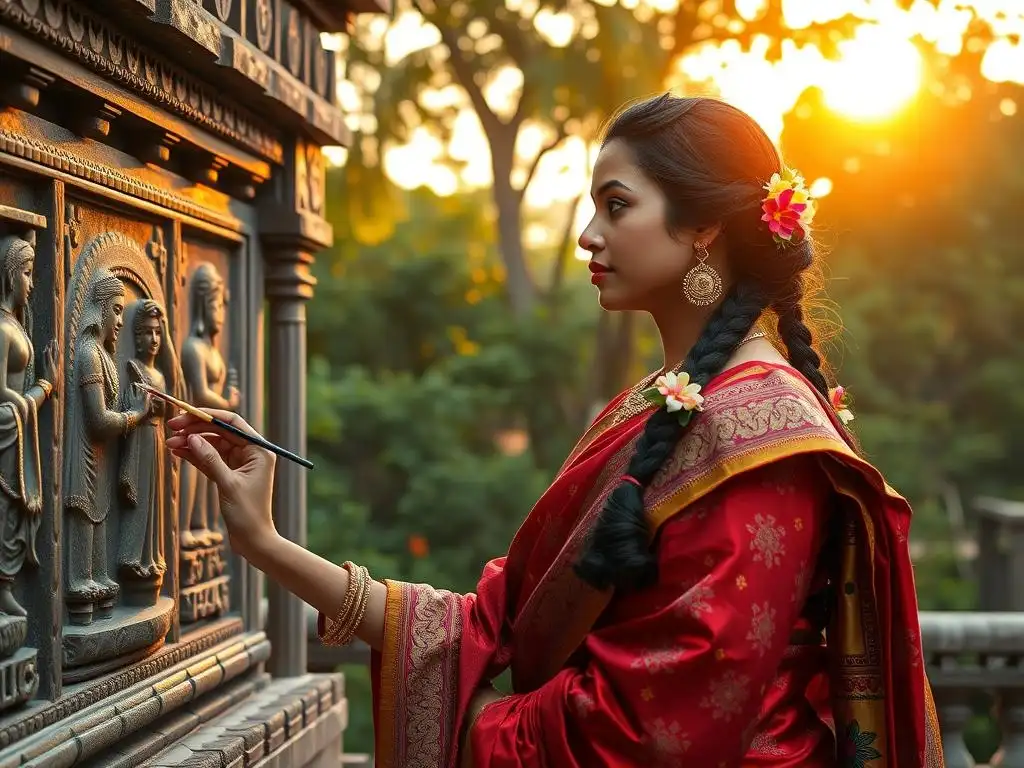
Welcome to Ancient India History, where we take you on a mesmerizing journey through the vibrant tapestry of ancient Indian civilizations. Discover how women played a pivotal role in the arts, shaping spiritual expression and leaving an indelible mark on culture. In our featured article, "Women and the Arts: Spiritual Expression in Ancient Indian Culture," we delve into the remarkable contributions of women in this rich heritage.
Uncover their stories, talents, and the profound impact they had on the artistic landscape of ancient India. Are you ready to explore this often-overlooked facet of history? Dive in and let the past inspire your present!
- Introduction to Ancient Indian Women in Arts
- Historical Context of Women in Ancient Indian Arts
- Spiritual Expression of Ancient Indian Women
- Forms of Art Practiced by Women in Ancient India
- Notable Ancient Indian Women Artists
- The Impact of Ancient Indian Women in Arts on Society
- Challenges Faced by Women in the Arts
- Conclusion
- Further Reading and Resources
-
Frequently Asked Questions
- What role did ancient Indian women play in the arts?
- How did spirituality influence women's contributions to the arts in ancient India?
- Were there any notable female artists or performers in ancient Indian history?
- How did the social status of women affect their involvement in the arts?
- What are some key art forms associated with ancient Indian women?
- Final Reflection: The Enduring Legacy of Ancient Indian Women in Arts
- Unveil the Spirit of Ancient Indian Culture!
Introduction to Ancient Indian Women in Arts
The exploration of Ancient Indian women in arts reveals a profound connection between gender, spirituality, and creative expression within the tapestry of ancient Indian culture. Women were not mere bystanders in the artistic and spiritual realms; they played pivotal roles in shaping the aesthetic landscape of their time.
From the earliest civilizations of the Indus Valley to the flourishing Gupta Empire, women contributed significantly to various art forms, reflecting their beliefs, experiences, and societal positions. This article delves into the intricate relationship between women and the arts in ancient India, highlighting their contributions and the spiritual dimensions that infused their creative endeavors.
Overview of Women’s Roles in Ancient Indian Culture
In ancient India, women's roles were multifaceted and deeply intertwined with the cultural and spiritual fabric of society. They were often seen as the custodians of tradition, responsible for preserving and transmitting cultural knowledge through generations.
- Family and Community: Women played essential roles within their families, engaging in activities that ranged from household management to participation in religious rituals. Their involvement in these practices often included the creation of art forms such as pottery, textiles, and decorative items that were integral to domestic life.
- Patrons and Practitioners: Many women were not just participants but also patrons of the arts. They commissioned works of art and supported artists, thus influencing the artistic landscape. For example, historical texts indicate that royal women often sponsored temple constructions and artistic endeavors, contributing to the development of religious iconography.
- Spiritual Leaders: Some women emerged as spiritual leaders and philosophers, contributing to the religious and philosophical discourse of the time. Figures like Gargi and Maitreyi are celebrated for their intellectual prowess and influence, showcasing that women's contributions extended beyond the arts into the realms of thought and spirituality.
Significance of Spiritual Expression in Arts
The spiritual dimension of art in ancient India was profound, reflecting the cultural ethos and beliefs of the time. Artistic expressions served as a medium for spiritual exploration and communication, and women were integral to this process.
- Symbolism and Rituals: Many art forms, including sculpture, dance, and music, were imbued with spiritual significance. Women participated in rituals that celebrated life cycles, seasons, and deities, using art as a form of worship and devotion. The intricate designs found in temple carvings and murals often depicted female figures engaged in these spiritual practices, emphasizing their role in the sacred narrative.
- Cultural Identity: The arts provided women with a platform to express their cultural identity and beliefs. Through dance and performance, female artists conveyed stories that were central to the spiritual and social fabric of their communities. This not only allowed for personal expression but also reinforced collective cultural values.
- Legacy of Spirituality in Art: The legacy of women's spiritual expression in arts continues to resonate in contemporary Indian culture. Many traditional art forms still draw upon the themes and narratives established by women in ancient times, showcasing the enduring influence of their creative contributions.
The examination of ancient Indian women in the arts unveils a rich tapestry of spiritual expression that shaped and defined cultural identity. Their roles as creators, patrons, and spiritual leaders illuminate the significance of women's contributions to the artistic heritage of ancient India.
Historical Context of Women in Ancient Indian Arts
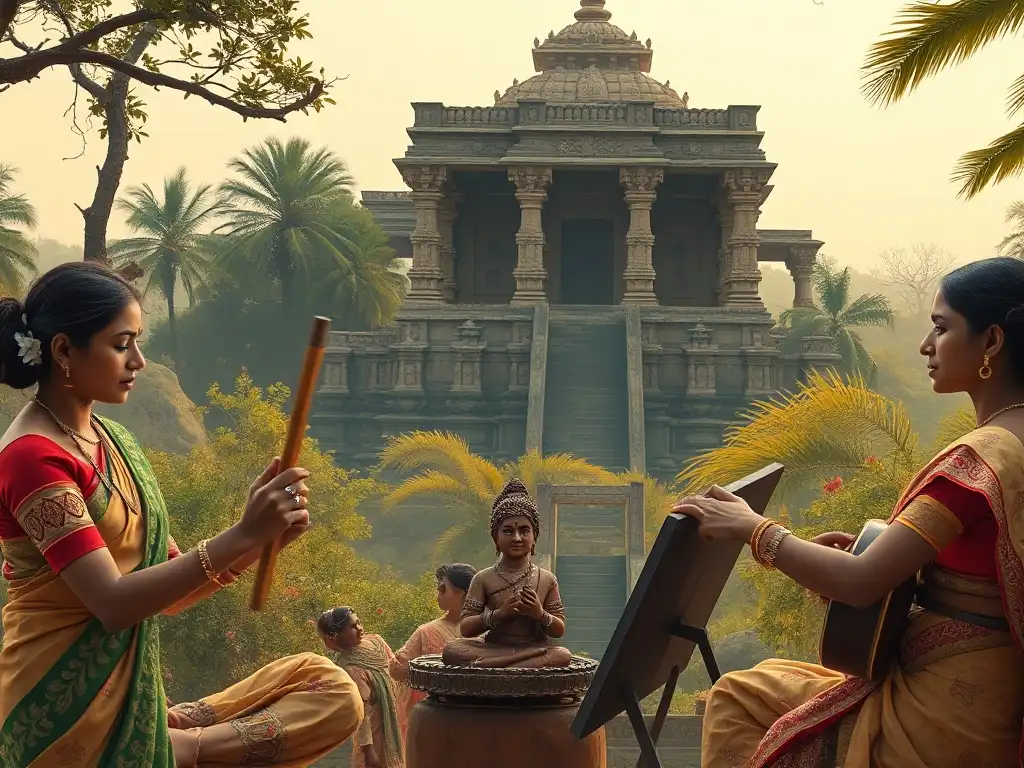
The role of women in ancient Indian arts is multifaceted, reflecting the rich tapestry of cultural, spiritual, and artistic expression throughout the ages. Women were not merely passive observers in the realm of arts; they were active participants, creators, and innovators. Their contributions spanned various forms of art including music, dance, painting, and sculpture, often deeply intertwined with religious and spiritual practices.
In ancient India, the arts served as a medium for spiritual expression, and women played a crucial role in preserving and transmitting cultural heritage. The societal status of women throughout different periods, influenced by factors such as religion, class, and geography, shaped their artistic participation and contributions. Despite facing various constraints, many women emerged as renowned artists, dancers, and musicians, reflecting their resilience and creativity.
Timeline of Women’s Artistic Contributions in Ancient India
-
Indus Valley Civilization (c. 3300–1300 BCE)
Women in the Indus Valley were likely involved in various artistic practices, including pottery and textile production. Archaeological findings indicate that they may have participated in the creation of intricate seals and figurines, showcasing early forms of artistic expression.
-
Vedic Period (c. 1500–500 BCE)
During this era, women were acknowledged in Vedic literature as poets and sages. The Rigveda mentions female seers, called "Rishikas," who contributed to the composition of hymns, reflecting their engagement in spiritual and artistic endeavors.
-
Maurya and Post-Maurya Period (c. 322–185 BCE)
The rise of Buddhism and Jainism saw women participating in religious arts. The emergence of rock-cut caves and sculptures showcased women, both as patrons and subjects of art, indicating their vital role in the spiritual narrative.
-
Gupta Period (c. 320–550 CE)
This era is often referred to as the Golden Age of India. Women excelled in classical dance and music, with references to female performers in courtly settings. The Natya Shastra, an ancient treatise on performing arts, codified the roles of women in dance and drama, highlighting their significance in artistic expression.
-
Medieval Period (c. 600–1200 CE)
The Bhakti movement empowered women, leading to the emergence of female saints and poets. Their devotional songs and poetry became a form of artistic expression that transcended traditional boundaries, reflecting personal spirituality and social issues.
Key Civilizations and Their Influence on Women’s Arts
-
Indus Valley Civilization
The art produced in this civilization often featured female figures, suggesting that women were significant in both domestic and artistic spheres. The motifs and symbols used in their crafts hint at a complex understanding of femininity and spirituality.
-
Mauryan Empire
The Mauryan period witnessed the flourishing of rock-cut architecture, with women depicted in sculptures, often associated with divine figures. This representation indicates the respect and reverence afforded to women in religious contexts.
-
Gupta Empire
The Gupta Empire is renowned for its patronage of arts, where women were not only artists but also the subjects of art. Classical dance forms like Bharatanatyam and Odissi gained prominence, with women as central figures in performance traditions, illustrating their vital contributions to the arts.
-
Medieval Indian Kingdoms
Various regional kingdoms during the medieval period saw the rise of courtly arts where women played a pivotal role. Their participation in music, dance, and poetry was often celebrated, as seen in the works of female poets like Mirabai, whose contributions resonate in the spiritual and artistic domains.
Through these periods, the contributions of ancient Indian women in arts reflect a dynamic interplay between creativity and spirituality, underscoring their essential role in shaping India's rich artistic heritage. The legacy of these women continues to inspire contemporary artists and cultural practitioners, highlighting the enduring influence of ancient Indian women in arts.
Spiritual Expression of Ancient Indian Women
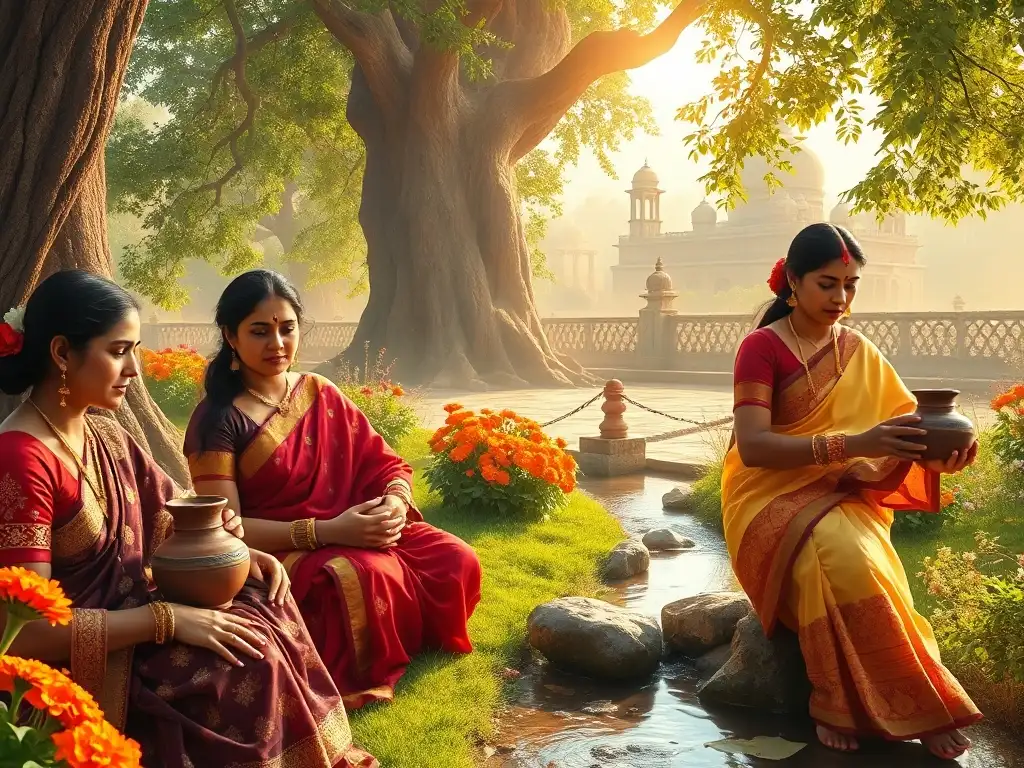
The Relationship Between Spirituality and Artistic Expression
The spiritual expression of ancient Indian women was deeply intertwined with the arts, reflecting their roles as custodians of cultural heritage and spiritual traditions. From the early Indus Valley Civilization, where figurines and seals depicted female deities, to the intricate temple sculptures of the Gupta period, women played a pivotal role in conveying spiritual narratives through various art forms.
- Cultural Symbolism: Women were often depicted in the arts as symbols of fertility, prosperity, and devotion. This representation can be seen in numerous sculptures and paintings that emphasize their connection to the divine.
- Narrative Art: Ancient Indian women contributed to narrative art forms, including murals and frescoes, that illustrated religious stories and myths. Their artistic depictions helped to communicate spiritual teachings and moral lessons to society.
Furthermore, the concept of Shakti—the divine feminine energy—was central in Hindu philosophy, influencing artistic expressions. Women, as embodiments of Shakti, inspired a wealth of artistic creations that celebrated their spiritual significance.
Role of Women in Religious and Spiritual Practices
Women in ancient India were not only participants but also leaders in various religious and spiritual practices. They held significant positions in rituals and ceremonies, often serving as mediators between the divine and the community.
- Priestesses and Gurus: Some women acted as priestesses in temples, overseeing rituals and offerings. They played crucial roles in maintaining spiritual sanctity and educating others about religious practices. Women like Gargi and Maitreyi were revered for their philosophical contributions and spiritual wisdom, often leading discussions on sacred texts.
- Sculptors and Artisans: Many women were skilled artisans who created sculptures, pottery, and textiles imbued with spiritual meaning. Their craftsmanship was essential in producing items used in religious ceremonies, such as murtis (idols) and decorative elements for temples.
- Patrons of the Arts: Wealthy women often sponsored artists and craftsmen, creating an environment where the arts could flourish. This patronage allowed for the exploration of spiritual themes through various forms of art, including dance, music, and poetry.
The impact of ancient Indian women in arts and spirituality is profound, highlighting their essential roles in shaping the cultural landscape of their time. Their contributions continue to resonate in contemporary discussions about women's roles in religion and the arts, reminding us of the enduring legacy of ancient Indian women in arts.
Forms of Art Practiced by Women in Ancient India
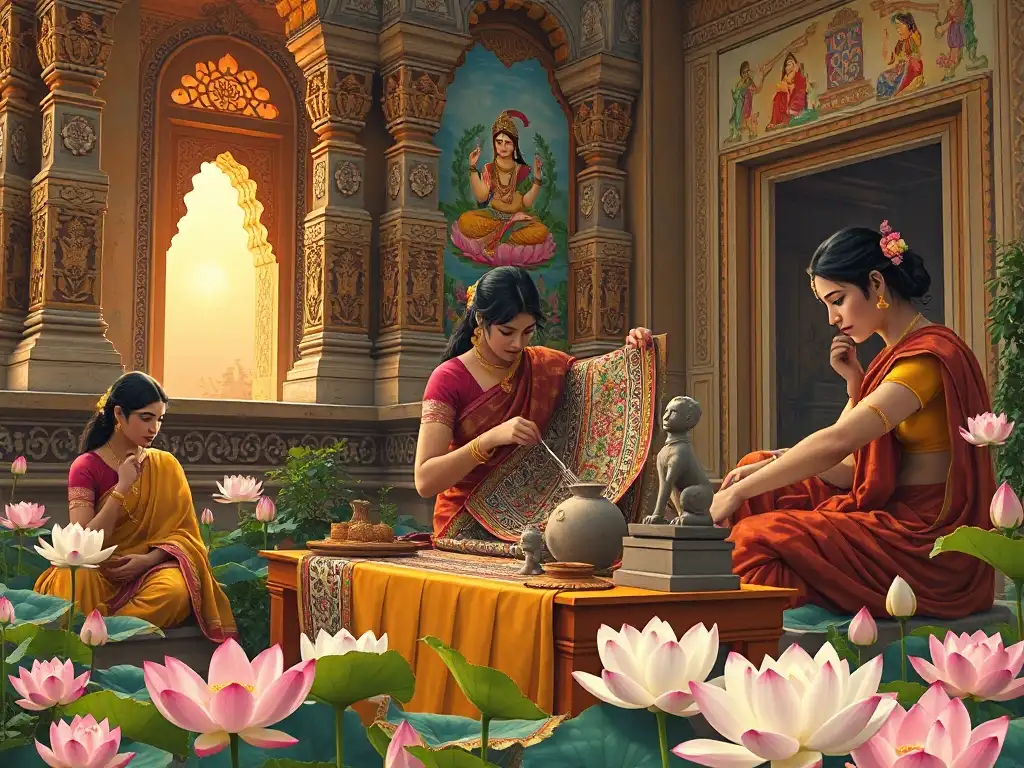
The contributions of ancient Indian women in the arts reflect their diverse roles and profound influence within society. From visual arts to performing arts and literature, women were integral to the cultural fabric of their time. This section explores the various forms of art practiced by women in ancient India, highlighting their creativity and spiritual expression.
Visual Arts: Painting and Sculpture
In ancient India, women played a significant role in visual arts, particularly in painting and sculpture. Many of these artworks were not only creative expressions but also carried deep spiritual significance.
- Mural Painting: Women often participated in mural painting, especially in temples and palaces. These murals portrayed religious themes, deities, and narratives from epics such as the Mahabharata and Ramayana. The vibrant colors and intricate designs reflected the social and spiritual values of the time.
- Sculpture: Women were involved in the sculpting of idols and figures, particularly for temples. This craftsmanship was often passed down through generations, with women contributing their skills to create divine representations. Notably, the beautiful sculptures from the ancient sites of Khajuraho and Hampi showcase the meticulous work done by female artisans.
- Artistic Techniques: Techniques such as fresco and terracotta modeling were common among women artists. The use of natural pigments and materials demonstrated their connection to the environment and their ability to transform simple elements into divine art.
The art of women in ancient India was not merely a pastime; it was a reflection of their spirituality and connection to the divine.
Performing Arts: Dance and Music
Performing arts in ancient India were enriched by the participation of women, who used dance and music as forms of spiritual expression and storytelling.
- Classical Dance Forms: Women were essential in the development of classical dance forms such as Bharatanatyam, Kathak, and Odissi. These dances often conveyed spiritual narratives, depicting stories from mythology and religious texts. The intricate footwork, hand gestures (mudras), and facial expressions illustrated the devotion and artistry of women dancers.
- Music: Women also contributed to the musical landscape, both as vocalists and instrumentalists. Ancient texts mention female musicians known as "Gandharvas" and "Devadasis" who performed in temples and royal courts. Their songs often celebrated divine love, devotion, and the beauty of nature.
- Cultural Significance: The performances of women were not just entertainment; they were ritualistic and often involved in temple worship. The integration of dance and music in religious ceremonies underscored the spiritual significance of these art forms.
Literature and Poetry by Women
The literary contributions of women in ancient India were profound and varied, encompassing poetry, prose, and philosophical texts.
- Poetic Works: Some renowned female poets, such as Akkamahadevi and Mirabai, expressed their spiritual journeys through poetry. Their verses often reflected themes of love, devotion to God, and social issues, resonating with the struggles and aspirations of women in society.
- Philosophical Texts: Women like Gargi and Maitreyi, mentioned in ancient texts such as the Upanishads, contributed to philosophical discussions. Their inquiries into the nature of existence and spirituality showcased the intellectual capabilities of women and their active participation in philosophical discourse.
- Storytelling and Oral Traditions: Women were also key figures in oral storytelling traditions, passing down myths and legends through generations. These stories often included moral teachings and cultural values, reinforcing the role of women as educators within their communities.
The literary contributions of ancient Indian women are a testament to their intellectual prowess and spiritual depth, shaping the cultural landscape of their time.
The arts in ancient India were a vibrant domain where women expressed their spirituality, creativity, and intellect. Their contributions to visual arts, performing arts, and literature are not only significant historical artifacts but also reflections of the rich cultural heritage that continues to inspire contemporary society.
Notable Ancient Indian Women Artists
The role of women in the arts of ancient India is often understated, yet many female figures were influential in shaping the cultural and artistic landscape of their time. From sculptors to poets, women contributed significantly to various art forms, reflecting their spiritual beliefs and social contexts.
Influential Female Figures in the Arts
Throughout ancient Indian history, several women have left an indelible mark on the arts. Here are a few notable figures:
- Amrapali: A celebrated courtesan from the 6th century BCE, Amrapali was not only known for her beauty but also for her artistic talents in dance and music. Her performances were renowned, and she often engaged with philosophical discourses, highlighting the blend of art and spirituality.
- Maitreyi: A philosopher and poet from the Vedic period, Maitreyi is known for her contributions to the Brahmanas, particularly in discussions around spiritual knowledge. Her dialogues in ancient texts illustrate her deep understanding of metaphysics and ethics, showcasing her as a pivotal figure in ancient Indian intellectual arts.
- Gargi Vachaknavi: Another prominent philosopher from the Vedic age, Gargi was known for her wisdom and eloquence. She challenged male scholars in debates on spirituality and the universe, reflecting a profound engagement with the arts of rhetoric and philosophy.
These women exemplify the intersection of gender and artistic expression in ancient India, showcasing how their contributions transcended mere artistic endeavors and entered the realms of spirituality and philosophy.
Contributions of Women to Sacred Texts and Literature
Women in ancient India also played a crucial role in the creation and preservation of sacred texts and literature. Their voices resonated through various genres, from hymns to philosophical treatises.
- Poetry and Hymns: Many women composed hymns and poems that were integral to Vedic rituals. The Rigveda, one of the oldest known texts, includes contributions attributed to women, such as the hymns of Vishwavara, who is celebrated for her spiritual verses.
- Philosophical Texts: Women like Maitreyi and Gargi were not just participants but were active contributors to the philosophical discourse, which was often dominated by male scholars. Their insights into issues such as the nature of the self and the cosmos enriched the spiritual literature of the time.
- Narratives and Mythology: Women also shaped narratives within sacred texts, influencing the portrayal of deities and moral tales. Characters like Sita and Draupadi in the Ramayana and Mahabharata respectively, reflect the complexities of womanhood and spirituality, providing deeper insights into the cultural fabric of ancient India.
The contributions of ancient Indian women in arts and literature reveal a rich tapestry of creativity and spiritual expression, underscoring their pivotal roles in shaping not only artistic traditions but also the cultural and philosophical foundations of Indian civilization.
The Impact of Ancient Indian Women in Arts on Society
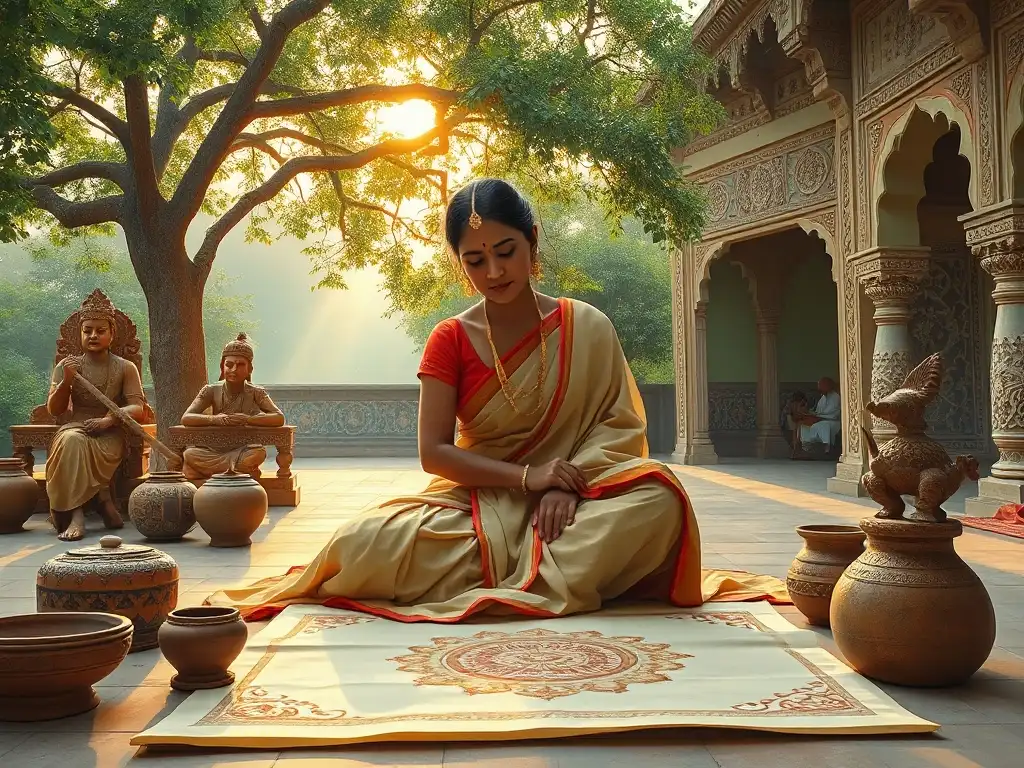
Ancient Indian women played a pivotal role in the arts, shaping not only the cultural landscape but also influencing societal norms and values. Through various forms of artistic expression, these women contributed to the spiritual and cultural fabric of their time, leaving an indelible mark on subsequent generations.
Influence on Religious Practices and Beliefs
The contributions of ancient Indian women to the arts were intricately linked to religious practices and beliefs. Many women were involved in temple rituals, performing sacred dances and music that were integral to worship.
- Dancing as Devotion:
- Women often performed classical dances like Bharatanatyam and Odissi in temples, serving as a medium to connect the divine with the devotees. These dances were not merely entertainment; they were spiritual rituals that conveyed stories from Hindu mythology, showcasing the divine feminine through embodiments of goddesses like Durga and Saraswati.
- Patronage and Participation:
- Wealthy women, such as queens and noblewomen, often acted as patrons of the arts, commissioning sculptures, paintings, and textile works that depicted religious themes. Their support helped sustain artisans and facilitated the transmission of cultural narratives through visual arts.
- Storytelling Through Art:
- Women utilized various art forms, including pottery and textile weaving, to depict religious stories and symbols. These artworks served as educational tools, conveying moral and ethical lessons rooted in spiritual beliefs.
- Influence on Spiritual Texts:
- Female poets and philosophers, like the revered Mirabai, contributed to the bhakti movement, using their artistic talents to express spiritual devotion through songs and poetry. This created new avenues for women's voices in spiritual discussions, enriching the religious landscape of ancient India.
The fusion of women's artistic expressions with spiritual practices not only enhanced the religious experience but also elevated the status of women as key contributors to the cultural and spiritual life of society.
Legacy of Women’s Artistic Contributions in Modern Indian Culture
The artistic legacies of ancient Indian women resonate in contemporary Indian culture, influencing various aspects of life, from religious celebrations to modern art.
- Continuity of Artistic Traditions:
- Many traditional art forms, such as rangoli and Madhubani painting, have origins that can be traced back to ancient practices often nurtured by women. These art forms remain popular today, symbolizing cultural continuity and the enduring influence of women's creativity.
- Representation in Modern Media:
- The narratives of ancient women artists and their contributions have inspired films, literature, and theater. For instance, stories of women dancers and poets from ancient times are frequently depicted in contemporary storytelling mediums, highlighting their significance in India's cultural heritage.
- Empowerment Through Arts:
- The resurgence of interest in traditional arts among women today reflects a reclaiming of cultural identity and empowerment. Workshops and initiatives aimed at teaching ancient art forms, such as dance and painting, are empowering modern women, echoing the contributions of their ancestors.
- Recognition of Women Artists:
- Today, women artists are gaining recognition for their works, drawing inspiration from ancient practices while innovating new styles. They continue to explore themes of spirituality, identity, and social issues, fostering a dialogue that connects the past with the present.
The legacy of ancient Indian women in the arts serves as a foundation for understanding the complexities of women's roles in society, emphasizing their contributions to culture and spirituality. As modern Indian culture evolves, it continues to celebrate and draw inspiration from the rich artistic heritage left behind by these remarkable women.
Challenges Faced by Women in the Arts
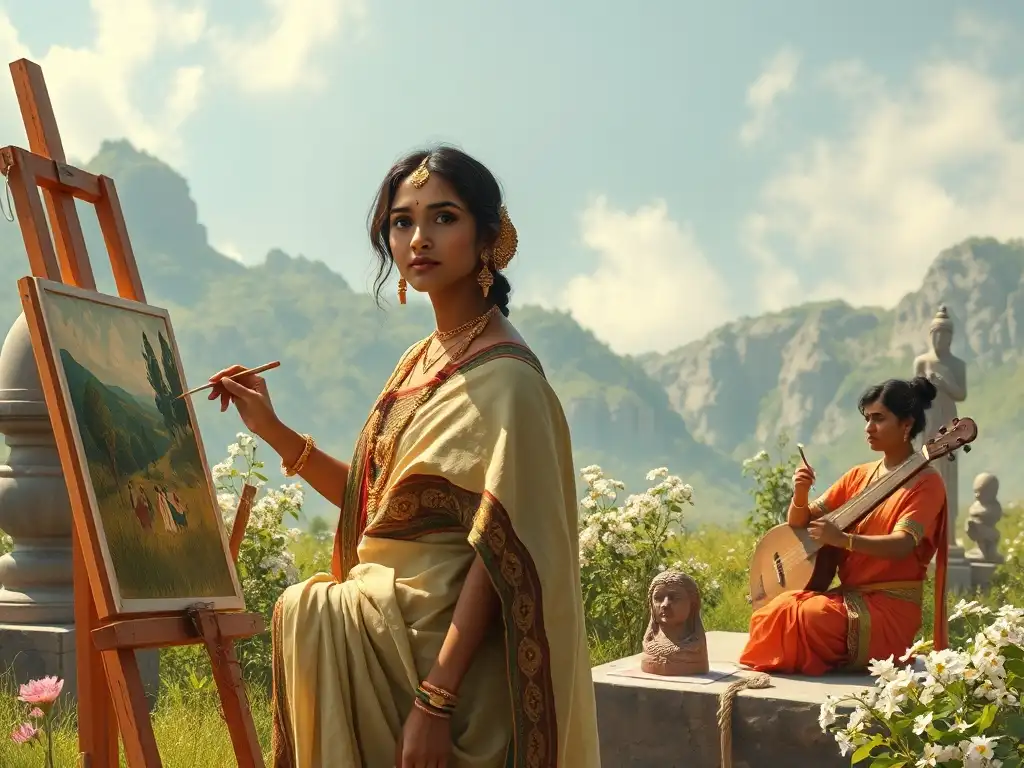
Societal Constraints and Limitations
In ancient India, the roles and responsibilities of women were often defined by rigid societal norms that limited their participation in various fields, including the arts. These constraints were deeply rooted in cultural and religious traditions, which often dictated that women's primary roles revolved around domestic duties and family responsibilities. This societal framework created significant barriers for women aspiring to become artists, musicians, or dancers.
One prominent constraint was the patriarchal structure of society, which prioritized male authority and often marginalized women's voices. For instance, while men were encouraged to pursue artistic endeavors, women faced discouragement and were frequently excluded from formal training and public performances. This led to a lack of visibility for female artists, resulting in their contributions being overlooked or credited to male counterparts.
Moreover, cultural perceptions of women as nurturers and caretakers reinforced the notion that artistic pursuits were not suitable for them. This mindset was reflected in the artistic themes of the time, which often portrayed women in subordinate roles, reinforcing their societal position. As a result, many talented women were compelled to suppress their artistic ambitions or express them only within the confines of their homes.
The Struggle for Recognition and Equality in the Arts
Despite the challenges faced by women in ancient Indian arts, many persevered and made significant contributions that deserve recognition. However, the path to acknowledgment was fraught with obstacles. Women artists often had to navigate a landscape that favored male artists and their narratives, making it difficult for their work to gain the same level of appreciation and respect.
A notable example of this struggle can be seen in the classical dance forms of India, where women played a pivotal role in preserving and innovating these art forms. Yet, their contributions were often overshadowed by their male counterparts, who received greater acclaim and patronage. Female dancers had to work tirelessly not only to perfect their craft but also to assert their place within the artistic community.
Additionally, the patronage system in ancient India, which relied heavily on royal and elite support, often favored male artists. Women artists faced significant challenges in securing sponsorship, which limited their opportunities for exposure and advancement. This created a cycle where women's artistic endeavors were relegated to private spheres, further entrenching their marginalization in the arts.
Despite these barriers, some women managed to carve out a niche for themselves, gaining recognition for their talents. However, their stories are often lost in the annals of history, underscoring the need for a more nuanced understanding of the contributions of ancient Indian women in arts. Their struggles for recognition and equality not only highlight the resilience of these artists but also serve as a testament to the rich tapestry of ancient Indian culture, where women's artistic expressions were integral to the spiritual and cultural landscape.
Conclusion
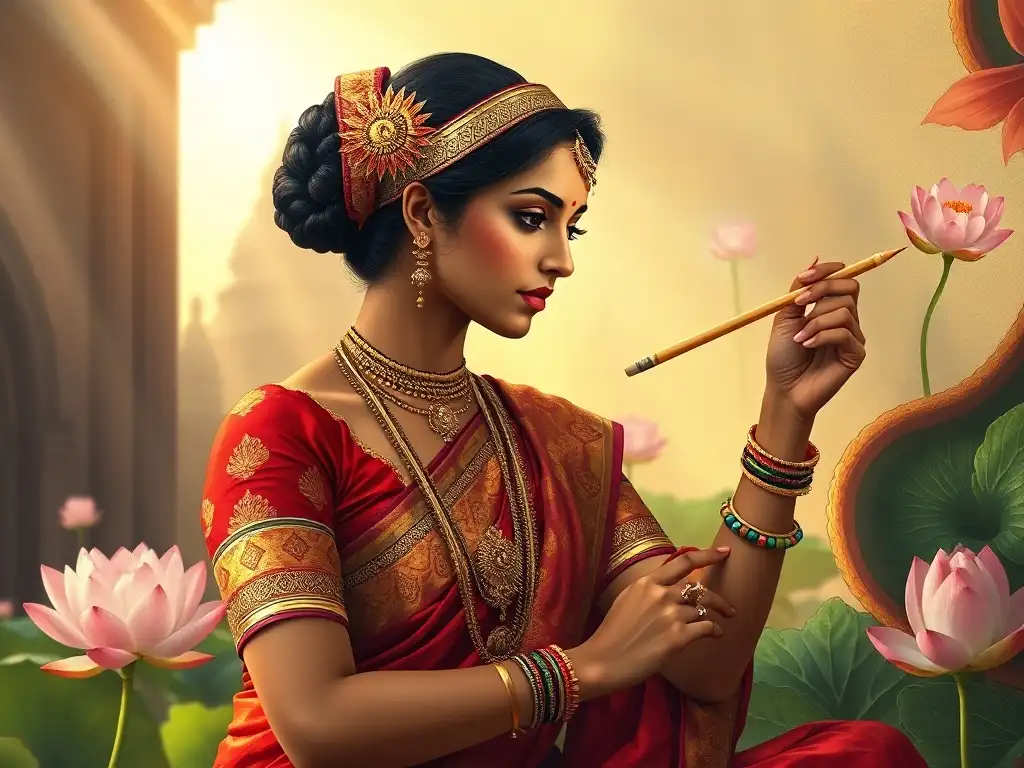
Summary of Spiritual Expression of Women in Ancient Indian Arts
The spiritual expression of women in ancient Indian arts is a profound testament to their integral role in shaping the cultural landscape of the civilization. From the earliest days, women were not just passive participants but active creators and innovators in various art forms. Their contributions spanned sculpture, painting, textiles, and performance arts, all richly infused with spiritual significance.
- Sculpture and Iconography: Women sculptors were pivotal in creating intricate deities and figures that adorned temples and public spaces. The feminine form was often idealized and celebrated, reflecting the divine aspects of Shakti, the goddess of power. These works were not merely artistic endeavors but served as vessels for spiritual worship and devotion.
- Painting and Textiles: The vibrant traditions of Madhubani and Warli painting showcase narratives that often feature women as central figures, illustrating themes of fertility, nature, and spirituality. Textile arts, particularly weaving, were predominantly female domains where intricate designs often held symbolic meanings tied to regional deities and rituals.
- Performance Arts: In classical dance forms like Bharatanatyam and Odissi, women played crucial roles, embodying divine stories and philosophies that transcended the mere act of performance. These dance forms were not only entertainment but also a means of spiritual storytelling, reflecting the intricate relationship between the body, art, and spirituality.
Through these artistic expressions, ancient Indian women not only showcased their creative prowess but also contributed to the spiritual fabric of society, embedding their presence in the cultural memory of the civilization.
The Lasting Legacy of Ancient Indian Women in Arts
The legacy of ancient Indian women in arts continues to resonate in contemporary society, embodying a rich heritage that influences modern artistic expressions and spiritual practices. This legacy can be explored through various dimensions:
- Cultural Preservation: The traditions and techniques passed down through generations ensure that the artistry of ancient women remains alive. Craftswomen today often draw inspiration from ancient motifs and practices, maintaining a connection to their ancestors.
- Revival and Recognition: Recent movements have sought to revive and recognize the contributions of women in ancient arts, emphasizing their roles as artists and cultural custodians. Exhibitions and academic research are increasingly highlighting their achievements, allowing for a re-evaluation of their historical significance.
- Empowerment Through Art: The arts continue to serve as a platform for women's empowerment, echoing the spirit of those ancient creators. Initiatives aimed at uplifting women artisans and providing them with opportunities for showcasing their work reflect the enduring influence of their ancient predecessors.
- Spiritual Practices: Contemporary spiritual practices often draw from the artistic expressions of ancient Indian women, reflecting their enduring impact on rituals, celebrations, and community gatherings. The integration of these art forms into modern spirituality highlights the timelessness of their contributions.
The spiritual expressions of ancient Indian women in arts not only enriched their own culture but also laid the groundwork for future generations. Their legacy continues to inspire and empower, reminding us of the vital role women have played in shaping both the artistic and spiritual dimensions of society.
Further Reading and Resources
Suggested Texts on Ancient Indian Women and Arts
-
Women in Ancient India: A Historical Perspective by Nita Kumar
This comprehensive text delves into the socio-economic status of women in ancient India, exploring their roles in various art forms, including dance, music, and literature. Kumar emphasizes the influence of spirituality on women's artistic expression.
-
The Art of Indian Women: The Legacy of the Female Artist by Radha Kumar
This book highlights the contributions of women artists throughout ancient Indian history, detailing their spiritual motivations and the cultural significance of their work. Kumar provides rich illustrations and critical analysis.
-
Dance and the Divine: The Role of Women in Indian Classical Dance by Maya Rao
Rao examines the historical roots of classical dance forms in India, focusing on the pivotal role women played in their development. The text captures the intersection of spirituality and artistic expression in dance.
-
Women and Ritual in Ancient India by Aditi Desai
Aditi Desai's work focuses on how women participated in religious rituals and how these experiences influenced their artistic expressions. This text offers insights into the spiritual dimensions of women's roles in ancient Indian culture.
-
The Feminine Divine: Women in Indian Art and Literature by Kavita Singh
Singh explores the representation of the feminine divine in various art forms, analyzing how women were portrayed and how these portrayals reflected societal values and beliefs.
Recommended Documentaries and Exhibitions
-
Documentary: Daughters of the Sun: The Sacred Art of Women in Ancient India
This documentary explores the artistic contributions of women in ancient India, focusing on their spiritual motivations and the cultural impact of their work. Through interviews with historians and artists, it provides a nuanced view of women's roles in the arts.
-
Exhibition: Goddesses and Creators: Women in Indian Art
Hosted at the National Museum of India, this exhibition showcases various artworks created by women, celebrating their contributions to art and spirituality. It includes sculptures, paintings, and textiles, accompanied by informative panels.
-
Documentary: The Dance of the Divine: Women in Bharatanatyam
A deep dive into one of the oldest classical dance forms, this documentary highlights the historical significance and spiritual essence of Bharatanatyam, featuring interviews with contemporary practitioners who discuss the legacy of women in this art form.
-
Exhibition: Her Story: Women Artists of Ancient India
This traveling exhibition features works from various periods of ancient Indian history, showcasing the talents and spiritual expressions of women artists. The exhibition includes interactive elements and workshops to engage visitors.
-
Documentary Series: Voices from the Past: The Role of Women in Indian Arts
This series presents in-depth discussions on the contributions of women to various art forms, including music, dance, and visual arts. Each episode features expert analysis and historical context, emphasizing the significance of women's spiritual expression in ancient Indian culture.
Frequently Asked Questions
What role did ancient Indian women play in the arts?
Ancient Indian women were significant contributors to the arts, often engaging in activities such as dance, music, and craftsmanship, reflecting their cultural and spiritual expressions.
How did spirituality influence women's contributions to the arts in ancient India?
In ancient India, spirituality deeply influenced women's artistic expressions, with many women using art as a means to convey devotion and connect with the divine.
Were there any notable female artists or performers in ancient Indian history?
Yes, there were several notable female artists and performers, many of whom were celebrated for their skills in dance, theater, and literature, contributing to the rich cultural landscape.
The social status of women often determined their level of involvement in the arts, with women from higher castes typically having more opportunities to engage in cultural activities compared to those from lower castes.
What are some key art forms associated with ancient Indian women?
Key art forms associated with ancient Indian women include classical dance, music, weaving, and painting, each serving as a vital medium for cultural expression and social commentary.
Final Reflection: The Enduring Legacy of Ancient Indian Women in Arts
The exploration of ancient Indian women in arts reveals a profound connection between creativity and spirituality that resonates powerfully in today's world. As we navigate a society that often overlooks the contributions of women, it becomes increasingly vital to recognize and celebrate the artistic expressions that have shaped our cultural heritage. The stories of these women remind us that their voices were not only present but pivotal in the tapestry of ancient Indian culture, and their legacies continue to inspire contemporary artists and thinkers alike.
The influence of ancient Indian women in arts extends beyond mere historical significance; it has woven itself into the very fabric of our cultural identity. Their contributions serve as a testament to resilience, creativity, and the spiritual depth that art can embody. As we reflect on their impact, we are reminded of the words of the poet Rumi, who said, "> The wound is the place where the Light enters you." This sentiment encapsulates the transformative power of art, which has the ability to heal, inspire, and connect us to our shared humanity, transcending time and space.
As we conclude this exploration, I invite you to reflect on the lessons of ancient Indian women in arts and consider how their spirit of creativity can manifest in your own life. Embrace the artistic expressions that resonate with your soul, and allow them to guide you on your journey of self-discovery and spiritual growth. Whether through painting, music, dance, or any form of creativity, let the legacy of these remarkable women inspire you to express your own unique voice and contribute to the rich tapestry of our cultural narrative.
Unveil the Spirit of Ancient Indian Culture!
Thank you for taking the time to explore the profound connections between women and the arts in ancient Indian culture! You’ve uncovered the rich tapestry of spiritual expression that has shaped our history. Now, it’s time to take that inspiration and channel it into concrete actions that honor and celebrate this legacy.
Here’s how you can engage further:
- Dive Deeper: Visit your local museum or art exhibition dedicated to Indian heritage to explore ancient art forms and spiritual practices.
- Create and Share: Organize a community project to celebrate women's contributions to the arts, such as a workshop, an art show, or an online discussion group.
- Connect with Others: Participate in online forums or social media groups centered around ancient Indian culture to share your insights and learn from others who are passionate about this topic.
What aspect of ancient women's artistic expression resonates with you the most, and how do you plan to celebrate that in your life today?