
The Spiritual Journey of Women in Ancient Indian History

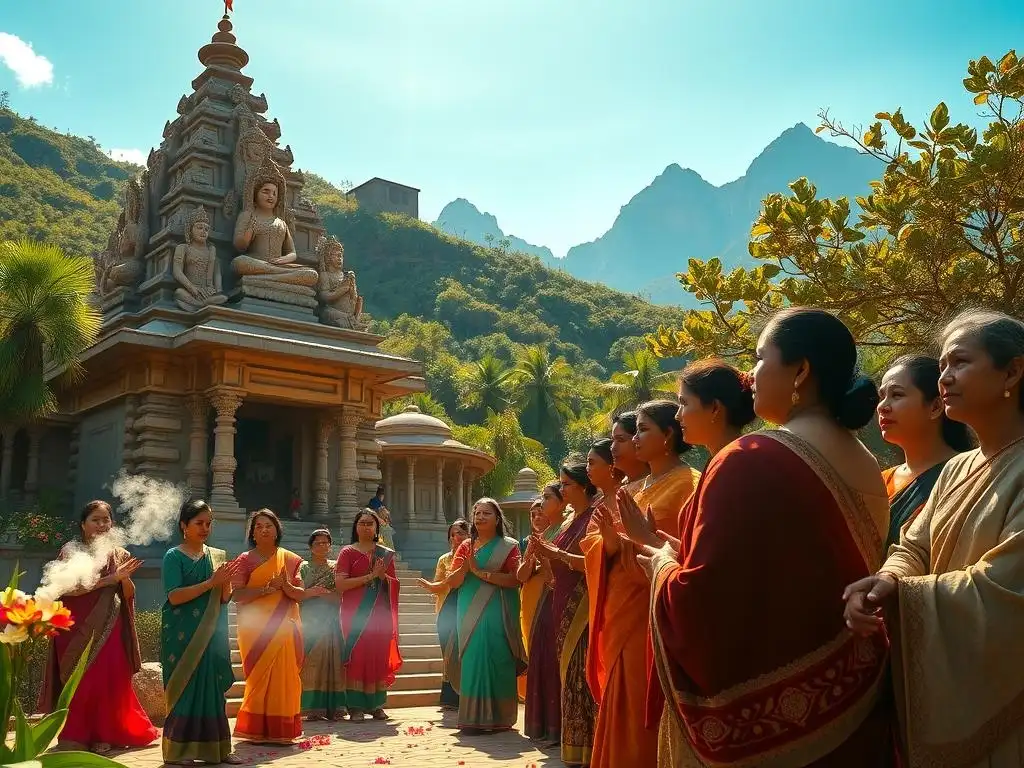
Welcome to Ancient India History, where we delve into the rich tapestry of civilization that shaped one of the world's oldest cultures. In this exploration, we turn our gaze towards a fascinating yet often overlooked aspect: Women in Ancient Indian Spirituality. Discover how the spiritual journeys of women not only influenced their communities but also left an indelible mark on the fabric of ancient Indian history.
As we unravel the stories of these remarkable figures, you'll find yourself drawn deeper into a narrative filled with mystique and enlightenment. Join us as we celebrate their roles and contributions, and uncover the profound impact they had on the spiritual landscape of ancient India!
Introduction to Women in Ancient Indian Spirituality
The exploration of Women in Ancient Indian Spirituality unveils a rich tapestry of cultural and spiritual practices that were integral to the fabric of ancient Indian society. Women, often seen as the custodians of tradition and spirituality, played pivotal roles in the evolution of religious thought, rituals, and philosophical discourses.
From the revered sages of the Vedic period to the influential figures in the Bhakti movement, women not only participated in spiritual practices but also shaped them, leaving an indelible mark on the spiritual landscape of ancient India. This article delves into the multifaceted spiritual journey of women, highlighting their contributions, societal roles, and the distinct practices that defined their spiritual experiences throughout history.
Overview of Spirituality in Ancient India
Ancient India was characterized by a diverse array of spiritual beliefs and practices, encompassing Hinduism, Buddhism, Jainism, and various folk traditions. Each tradition offered unique pathways for spiritual exploration, with texts such as the Vedas, Upanishads, and various Puranas serving as foundational scriptures. Spirituality in this context was not merely a personal endeavor; it was a communal experience that often involved rituals, festivals, and the veneration of deities.
The spiritual framework allowed for a dynamic interaction between the divine and the earthly, where women found their place as both devotees and spiritual leaders. This intersection of spirituality and gender reveals insights into how women navigated their roles within these traditions, influencing practices and beliefs in profound ways.
Importance of Women in Spiritual Traditions
Women held significant positions within various spiritual traditions in ancient India. Their involvement ranged from ritualistic roles to philosophical contributions, often challenging societal norms. Some key aspects of women's importance in these traditions include:
- Ritual Participation: Women were essential in performing household rituals and ceremonies, which were crucial for maintaining spiritual harmony.
- Philosophical Contributions: Female sages and philosophers, such as Gargi and Maitreyi, are celebrated for their intellectual contributions to spiritual discourse, often engaging in dialogues that shaped religious texts.
- Devotional Practices: The Bhakti movement, which emphasized personal devotion to deities, saw many female saints emerge, such as Mirabai, whose poetry and devotion inspired countless followers.
These roles illustrate that women were not passive participants in spiritual traditions; rather, they were active agents of change and continuity.
Historical Context of Women in Ancient Indian Spirituality
Understanding the historical context is vital to grasping the spiritual journey of women in ancient India. The evolution of societal norms and religious practices created a complex landscape in which women navigated their spiritual lives.
Societal Roles of Women in Ancient India
The societal roles of women in ancient India were multifaceted, often dictated by prevailing norms and cultural contexts. In many periods, women enjoyed a degree of autonomy, engaging in education, property rights, and spiritual leadership. However, this autonomy fluctuated based on historical circumstances, such as:
- Vedic Period: Women participated in Vedic rituals and were often educated in spiritual texts.
- Post-Vedic Period: The rise of patriarchal structures saw a decline in women's public roles, yet they remained central to family rituals and practices.
- Medieval Period: The Bhakti movement provided a resurgence of female spiritual leaders, allowing women to assert their spiritual agency.
These evolving roles highlight the dynamic interplay between spirituality and societal expectations, shaping the experiences of women throughout history.
Spiritual Practices of Women in Various Periods
Women engaged in diverse spiritual practices across different historical periods, reflecting their adaptability and resilience. Some notable practices include:
- Vedic Rituals: Women participated in sacred rituals, chanting hymns and performing yajnas (sacrificial rites) alongside men.
- Meditation and Asceticism: Many women adopted ascetic lifestyles, seeking spiritual enlightenment through meditation and renunciation.
- Devotional Worship: The emergence of the Bhakti movement allowed women to express their spirituality through poetry and song, often centered around personal devotion to deities.
The spiritual practices of women reveal not only their commitment to spiritual growth but also their ability to transcend societal limitations, paving the way for future generations of women in spirituality.
Key Figures: Women in Ancient Indian Spirituality
Women have played a significant role in the spiritual landscape of ancient India, contributing to various religious traditions and philosophies. From the Vedic period to the rise of Buddhism and Jainism, notable female figures emerged, shaping spiritual thought and practice. Their contributions reflect not only their individual achievements but also the broader societal contexts that allowed or restricted their roles. Understanding these key figures provides insight into the evolving status of women in ancient Indian spirituality and highlights their invaluable contributions to the religious tapestry of the time.
Influential Women in Vedic Texts
The Vedic texts, which form the foundation of Hindu philosophy and spirituality, feature several prominent women who made substantial contributions to religious thought. One such figure is Gargi Vachaknavi, a renowned philosopher and scholar known for her profound discussions on the nature of the self and the universe. Gargi participated in debates with male sages, showcasing her intellectual prowess and challenging gender norms of her time.
Another influential woman is Maitreyi, who is celebrated for her philosophical dialogues with her husband, Yajnavalkya. In the Brihadaranyaka Upanishad, she poses deep questions about the nature of immortality and the self, demonstrating her critical role in the development of Vedic thought. These women exemplify the intellectual engagement of women in the spiritual discourse of ancient India, challenging the perception of women's roles in religious circles.
Contributions of Women in Buddhist Traditions
In Buddhism, women also made significant strides, with several notable figures influencing the development of the faith. Mahapajapati Gotami, the aunt and foster mother of Siddhartha Gautama (the Buddha), was the first woman to be ordained as a nun. Her efforts led to the establishment of the Bhikkhuni Sangha, the order of female monks, which allowed women to pursue spiritual life and attain enlightenment.
Additionally, figures like Khema and Sundari Nanda are celebrated for their spiritual achievements and teachings. Khema, known for her wisdom, became a prominent teacher within the monastic community, while Sundari Nanda, the Buddha’s sister, is revered for her deep understanding of the Dhamma. These women not only contributed to the growth of Buddhist teachings but also paved the way for future generations of female practitioners.
Notable Female Saints and Mystics in Jainism
Jainism, with its emphasis on asceticism and spiritual purity, also recognizes the contributions of women. Vimala, a prominent female saint, is often cited for her dedication to the Jain path and her extensive writings on spiritual practice and ethical living. Her teachings continue to inspire followers of Jainism to this day.
Moreover, Jambavati, another notable figure, is revered for her deep spiritual insight and connection to the Tirthankaras. Her life exemplifies the integral role women played in preserving and transmitting Jain teachings. The acknowledgment of these women in Jain texts highlights their significance in shaping the spiritual dimensions of the religion.
Women's Spiritual Leadership in Ancient Indian Religions
The spiritual leadership of women in ancient India transcended traditional roles, allowing them to emerge as influential figures in various religious contexts. Their leadership was often characterized by a deep commitment to spiritual growth and community welfare, challenging prevailing norms and inspiring others to follow their paths.
Female Gurus and Philosophers
Throughout ancient Indian history, female gurus and philosophers emerged as pivotal figures in the spiritual narrative. Women like Ananda Mai Ma and Sarada Devi are examples of spiritual leaders who guided their followers through teachings that emphasized love, devotion, and self-realization. Their philosophies often integrated the essence of feminine spirituality, highlighting intuition, compassion, and connection to the divine.
These women not only served as spiritual mentors but also as advocates for women's rights within their communities, challenging the status quo and encouraging women to pursue spiritual enlightenment. Their legacies continue to resonate in contemporary spiritual practices, illustrating the lasting impact of their leadership.
Role of Women in Rituals and Religious Practices
Women actively participated in various rituals and religious practices, significantly influencing the spiritual landscape of ancient India. Their roles ranged from conducting ceremonies to serving as custodians of sacred traditions. In Hinduism, women were often responsible for maintaining household rituals, which were integral to family and community life.
In Buddhism, female practitioners contributed to communal rituals and the broader dissemination of teachings. Their involvement in rituals not only enhanced their spiritual standing but also provided a platform for asserting their identities within their religious communities.
In Jainism, women played crucial roles in rituals, often engaging in acts of devotion and renunciation. Their participation in these practices underscores the importance of women in maintaining the spiritual fabric of ancient Indian religions, demonstrating that their contributions were essential to the continuity and richness of spiritual traditions.
Spiritual Contributions of Women in Ancient Indian Texts
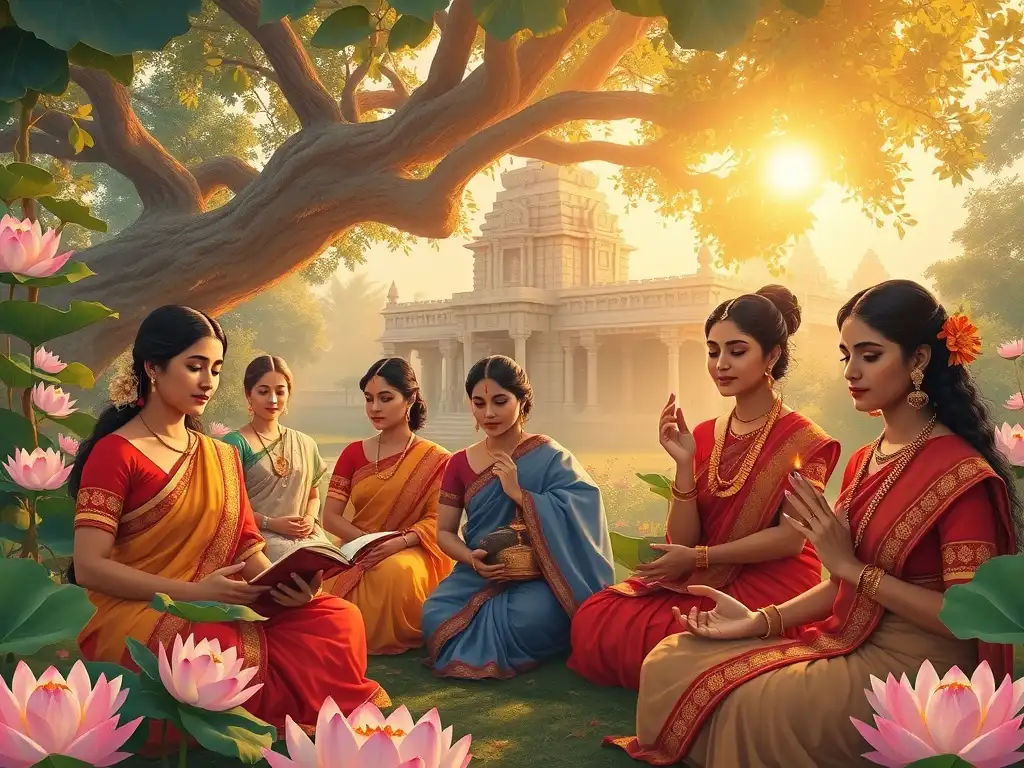
Women played a significant role in shaping the spiritual landscape of ancient India, contributing profoundly to religious texts, philosophical discourses, and spiritual practices. Their contributions often went unrecognized in mainstream historical narratives, yet they were pivotal in the development of spirituality and religion. Ancient Indian texts, including Vedic literature, Upanishads, and epics like the Mahabharata and Ramayana, showcase the spiritual depth and wisdom of women.
Women were not merely passive recipients of spiritual teachings; they actively engaged in philosophical thought and religious practices. The presence of female sages and scholars in ancient texts highlights their intellectual and spiritual contributions. The inclusion of women in rituals, as well as their roles as spiritual guides and leaders, underscores their importance in the spiritual domain. Furthermore, the writings attributed to women reflect a unique perspective that enriched the spiritual dialogues of their time.
Representation of Women in Sacred Texts
The representation of women in ancient Indian sacred texts is multifaceted, often oscillating between veneration and subjugation. Texts such as the Rigveda praise women as embodiments of wisdom and strength, referring to them as “Rishikas” (female sages). For example, the hymn dedicated to the sage Gargi, who posed deep philosophical questions during the royal assembly, exemplifies the intellectual prowess of women in ancient society.
In contrast, some texts portray women within restrictive frameworks, emphasizing their roles primarily as wives and mothers. The Manusmriti, for instance, reflects patriarchal values, yet even within its confines, there are verses that acknowledge women's virtues and their contributions to society. This duality in representation reveals the complex and often contradictory nature of women's spiritual roles in ancient Indian culture.
Women as Authors and Poets in Spiritual Literature
Women have made remarkable contributions as authors and poets in ancient Indian spiritual literature, often using their voices to articulate profound spiritual insights and philosophical ideas. One of the most celebrated figures is Mirabai, a 16th-century poet-saint whose devotional songs (bhajans) expressed her deep love for Lord Krishna. Her works transcended societal norms and continue to inspire devotion and spiritual inquiry.
Additionally, the writings of other women, such as the 8th-century poetess Akka Mahadevi from the Lingayat sect, showcase the rich spiritual heritage articulated by women. These authors not only contributed to literature but also influenced religious practices and beliefs, advocating for personal devotion and spiritual experience over ritualistic orthodoxy. Their poetic expressions remain significant, reflecting the struggles and aspirations of women in a patriarchal society.
The Impact of Women in Ancient Indian Spirituality on Modern Practices
The spiritual journey of women in ancient India has left an indelible mark on contemporary spiritual practices. The teachings and philosophies articulated by ancient women resonate with modern audiences, fostering a deeper understanding of spirituality that embraces inclusivity and diversity.
Legacy of Ancient Women Spiritual Leaders
The legacy of ancient women spiritual leaders, such as Gargi, Maitreyi, and Mirabai, continues to inspire modern spiritual movements. Their teachings emphasize the importance of spiritual autonomy, challenging the constraints imposed by societal norms. This legacy is evident in various contemporary practices that prioritize personal spiritual experiences, encouraging women to reclaim their spiritual identities.
Moreover, the reverence for these historical figures in modern spiritual gatherings and organizations reflects a growing recognition of women's contributions to spirituality. The narratives surrounding these leaders serve as powerful reminders of the potential for women's voices to shape spiritual discourse, promoting a more inclusive understanding of spirituality that honors both historical and contemporary contributions.
Contemporary Relevance of Ancient Indian Spirituality for Women
The relevance of ancient Indian spirituality for women today lies in its inherent philosophy of empowerment and self-realization. The teachings of ancient texts and figures encourage women to pursue spiritual paths that honor their unique experiences and challenges. In a world where traditional gender roles are continually evolving, the insights from ancient spirituality provide a framework for women to navigate their spiritual journeys authentically.
Modern practices, such as yoga and meditation, often draw upon ancient philosophies that celebrate women's spiritual potential. The resurgence of interest in these practices among women highlights a collective desire to reconnect with the spiritual heritage that has often been overlooked. By embracing the wisdom of ancient women, contemporary women can find strength, inspiration, and guidance in their spiritual pursuits, fostering a sense of community and shared experience.
Conclusion: The Enduring Spiritual Legacy of Women in Ancient India
The spiritual journey of women in ancient India is a profound narrative of resilience, intellect, and creativity that has left an indelible mark on the cultural and spiritual fabric of the subcontinent. From the revered sages of the Vedic period to the influential figures of later philosophical movements, women played pivotal roles in shaping spiritual discourse and traditions. Their contributions not only enriched religious practices but also ushered in a broader understanding of spirituality that transcended gender boundaries.
Women such as Gargi and Maitreyi are emblematic of this legacy, showcasing that female intellect was celebrated and valued in the spiritual realm. Their participation in philosophical debates and their quest for knowledge challenged the conventional norms of their time, paving the way for future generations of women to engage in spiritual pursuits. Additionally, the narratives of goddesses and female saints in various religious texts highlight the reverence afforded to women as embodiments of divine principles, further solidifying their spiritual significance in ancient Indian society.
As we conclude this exploration, it is clear that the spiritual legacy of women in ancient India is not merely a historical fact but a living testament to the power and influence they wielded in shaping spiritual ideologies. This enduring legacy continues to inspire and empower women today, reminding us of the importance of inclusivity in spiritual narratives.
Reflection on the Spiritual Journey of Women
Reflecting on the spiritual journey of women in ancient India reveals a complex interplay between societal roles and spiritual aspirations. Women navigated a landscape where they were often relegated to domestic spheres, yet they found avenues to express their spirituality through various means—be it through poetry, philosophy, or devotion. This duality highlights the unique challenges faced by women, who often had to reconcile their spiritual pursuits with societal expectations.
The spiritual practices of women were diverse, ranging from participation in rituals and ceremonies to the creation of literary works that articulated their experiences and insights. For instance, the compositions of female poets like Akka Mahadevi and Mirabai not only reflected personal devotion but also challenged patriarchal interpretations of spirituality. Their works remain seminal, illustrating how women's voices contributed to the broader spiritual narrative of ancient India.
Moreover, the veneration of goddess figures within Hinduism illustrates a cultural acknowledgment of feminine divinity. These representations served as both spiritual symbols and sources of empowerment for women, offering them a space to engage with spirituality on their own terms. Thus, the spiritual journey of women in ancient India is characterized by a rich tapestry of experiences, struggles, and triumphs that continue to resonate in contemporary spiritual discourse.
Future Exploration of Women in Ancient Indian Spirituality
The exploration of women in ancient Indian spirituality holds immense potential for future research and discourse. As scholars and enthusiasts delve deeper into historical texts, archaeological findings, and oral traditions, new narratives are likely to emerge, further enriching our understanding of women's roles in shaping spiritual practices and philosophies.
Future studies could focus on the intersectionality of caste, class, and gender in spiritual contexts, examining how these factors influenced the spiritual journeys of different groups of women. Additionally, expanding the scope of inquiry to include lesser-known figures and regional variations can illuminate the diverse experiences of women across various ancient Indian civilizations.
Moreover, interdisciplinary approaches that incorporate anthropology, sociology, and cultural studies can provide a more holistic understanding of the spiritual lives of women. This could involve examining contemporary practices that have roots in ancient traditions and how they are reinterpreted by modern women seeking spiritual fulfillment.
The future exploration of women in ancient Indian spirituality is not only a scholarly endeavor but also a crucial step toward recognizing and celebrating the contributions of women to spiritual heritage. By continuing to uncover and share these stories, we can foster a richer, more inclusive narrative that honors the spiritual journeys of women throughout history.
- Introduction to Women in Ancient Indian Spirituality
- Historical Context of Women in Ancient Indian Spirituality
- Key Figures: Women in Ancient Indian Spirituality
- Women's Spiritual Leadership in Ancient Indian Religions
- Spiritual Contributions of Women in Ancient Indian Texts
- The Impact of Women in Ancient Indian Spirituality on Modern Practices
- Conclusion: The Enduring Spiritual Legacy of Women in Ancient India
- What role did women play in ancient Indian spirituality?
- How did ancient Indian texts depict women in spiritual contexts?
- Were there any prominent female figures in ancient Indian spirituality?
- What impact did the Gupta Empire have on women and spirituality?
- How can modern interpretations of ancient Indian spirituality empower women today?
Frequently Asked Questions
What role did women play in ancient Indian spirituality?
Women in ancient India were often seen as spiritual leaders and goddesses, contributing significantly to the religious practices and rituals of their time.
How did ancient Indian texts depict women in spiritual contexts?
Many ancient texts, like the Vedas and Upanishads, depict women as wise and powerful, showcasing their intellectual and spiritual contributions to society and religion.
Were there any prominent female figures in ancient Indian spirituality?
Yes, figures like Gargi and Maitreyi are celebrated for their philosophical insights and contributions to discussions on spirituality and knowledge in ancient texts.
What impact did the Gupta Empire have on women and spirituality?
The Gupta Empire saw an emergence of patronage of arts and literature, which included the celebration of women's roles in spirituality, fostering a cultural renaissance that honored their contributions.
How can modern interpretations of ancient Indian spirituality empower women today?
Modern interpretations highlight the historical significance of women in spirituality, encouraging contemporary women to reclaim their spiritual heritage and embrace their roles as leaders in spiritual practices.
Final Reflection: Embracing the Legacy of Women in Ancient Indian Spirituality
The spiritual journey of women in ancient Indian history is not just a tale of the past; it is a powerful narrative that resonates deeply with contemporary society. As we explore the rich tapestry of women's roles in spirituality, we uncover a profound connection to the present, where their wisdom and resilience continue to inspire movements for equality and empowerment.
Today, the stories of these remarkable women serve as a reminder that spirituality is not confined to the sacred texts or rituals, but is woven into the very fabric of our existence, urging us to honor and uplift the feminine spirit.
Clearly, the influence of women in ancient Indian spirituality has shaped cultural and social landscapes, creating a legacy that endures through generations. The teachings and practices they established have not only enriched spiritual traditions but have also fostered a sense of community and belonging. As we reflect on their contributions, we are reminded of the words of the philosopher Simone de Beauvoir: One is not born, but rather becomes, a woman.
This encapsulates the journey of women in spirituality, highlighting their active role in shaping their identities and destinies, and encouraging us to recognize the ongoing impact of their legacies in our lives today.
As we conclude this exploration, let us take a moment to reflect on how the lessons from these ancient spiritual journeys can inform our own paths. I invite you to embrace the wisdom of these women, allowing their stories to inspire you in your personal spiritual journey.
Consider how you can honor their legacy by fostering inclusivity, compassion, and empowerment in your own life and community. Together, let us carry forward the torch of spirituality, illuminating the way for future generations and ensuring that the voices of women in ancient Indian spirituality continue to resonate in our hearts and minds.
Embrace Your Spiritual Journey Today!
Thank you for taking the time to explore the remarkable spiritual journeys of women in ancient Indian history. We hope you found inspiration in their strength, resilience, and the rich insights shared in this article. Now it's your turn to dive deeper and cultivate your own spiritual pathway.
Here are some practical steps you can take right now:
- Reflect on the Wisdom: Choose a prominent female figure from ancient India who resonates with you. Read about her life and teachings, and think about how those lessons can enhance your own spiritual journey.
- Join a Discussion Group: Connect with others who share your interests. Look for online forums or local meetups focused on ancient history or spirituality to exchange insights and inspire one another.
- Experience a Spiritual Practice: Incorporate a traditional Indian practice such as yoga, meditation, or storytelling into your routine. This can deepen your understanding and connection to the spiritual heritage of these remarkable women.
What key lessons have you learned from women in history that could inspire others on their spiritual journeys?