
A Deep Dive into the Property Rights of Different Castes in Ancient India


Welcome to Ancient India History, where we embark on a fascinating journey through the rich tapestry of India's past! In this exploration, we will delve into the intricate property rights in ancient India, revealing how various castes navigated the complexities of ownership and inheritance in a time long gone. With each layer we uncover, from the flourishing Indus Valley to the illustrious Gupta Empire, you'll gain insights into the legal systems that shaped societal norms and influenced culture. Prepare to be captivated as you discover the nuances of ancient legal codes that still resonate today—let’s dive in!
The intricate tapestry of ancient Indian civilization is woven with diverse threads of culture, law, and social structure. Among these threads, the concept of property rights played a crucial role in defining relationships between individuals and communities. This article embarks on a comprehensive exploration of property rights in ancient India, particularly focusing on how these rights varied among different castes. Understanding these distinctions is vital not only for appreciating the socio-economic fabric of ancient societies but also for recognizing the historical evolution of legal systems and inheritance laws that continue to influence modern India.
From the Indus Valley Civilization, where early forms of property ownership began to take shape, to the Gupta Empire, which saw the codification of laws, the notion of property and inheritance was deeply intertwined with caste dynamics. The legal frameworks governing property rights were reflective of the societal norms and the hierarchical structure that characterized ancient Indian life. This article will delve into the specifics of property rights across various castes, examining how these rights were established, maintained, and transferred, as well as the implications they had on social mobility and economic stability.
As we progress, we will uncover the nuances of property laws within different social strata, shedding light on the historical context that shaped these legal principles. Join us on this enlightening journey through the property rights in ancient India, where we will unravel the complexities of caste-based property ownership and its lasting impact on Indian society.
- Introduction to Property Rights in Ancient India
- Historical Context of Caste System in Ancient India
- Property Rights Across Different Castes
- Comparative Analysis of Property Rights Among Castes
- Legal Codes and Property Rights in Ancient India
- Contemporary Perspectives on Ancient Property Rights
- Conclusion
- References
-
Frequently Asked Questions
- What were the property rights of different castes in ancient India?
- How did property rights influence social structure in ancient India?
- Were women allowed to own property in ancient India?
- How did the concept of property rights evolve in ancient Indian civilizations?
- What role did the Gupta Empire play in property rights?
- Final Reflection: Understanding the Legacy of Property Rights in Ancient India
- Unveil the Legacy of Property Rights in Ancient India!
Introduction to Property Rights in Ancient India
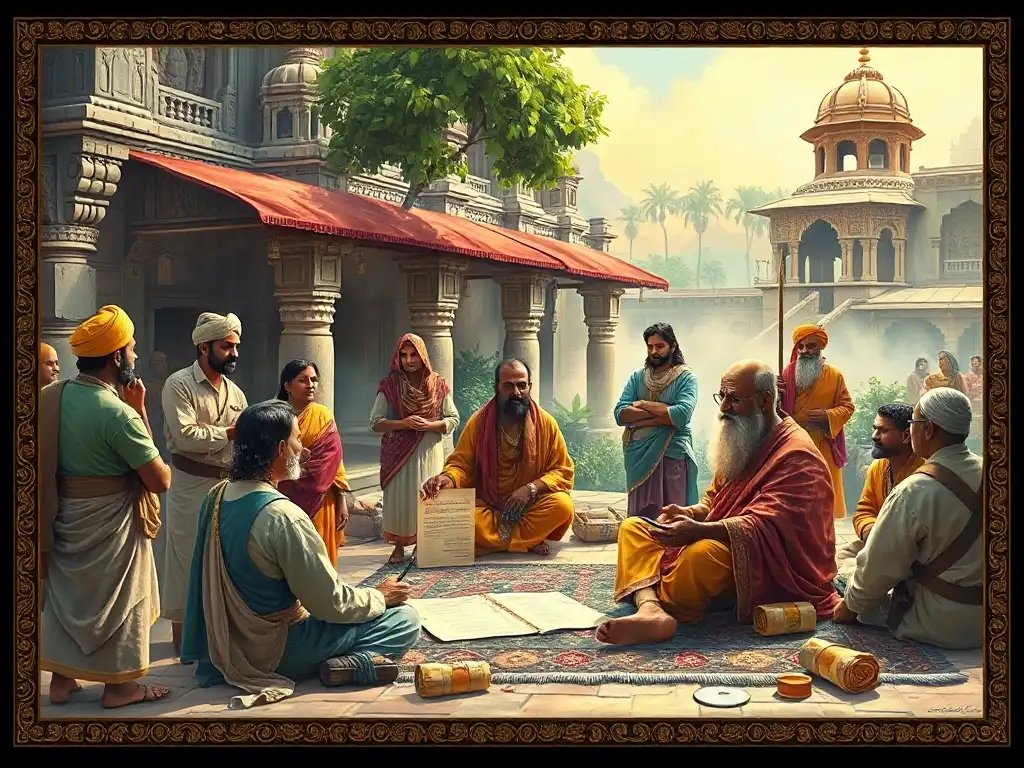
Property rights in ancient India were a complex and multifaceted aspect of social and economic life, deeply intertwined with the caste system and prevailing legal frameworks. Understanding these rights provides insight into the societal structures and cultural norms of ancient Indian civilizations. The concept of property was not merely about ownership; it encompassed various forms of assets, including land, livestock, and personal possessions, influenced by caste, gender, and local customs.
Overview of Property Rights in Ancient Indian Societies
In ancient Indian societies, property rights were largely determined by one's caste and social status. The caste system, which classified individuals into hierarchical groups, played a crucial role in defining the extent and nature of property ownership.
Key Features of Property Rights:
- Caste-Based Restrictions:
- The Brahmins (priests and scholars) typically held property rights related to religious and educational institutions.
- The Kshatriyas (warriors and rulers) possessed land and resources necessary for their governance and military expenditures.
- The Vaishyas (traders and agriculturists) engaged in commerce and agriculture, owning land and livestock.
- The Shudras (laborers and service providers) often had limited property rights, primarily working on the lands owned by higher castes.
- Legal Texts and Codes:
- Ancient texts such as the Manusmriti and Yajnavalkya Smriti provided guidelines on property rights, inheritance, and disputes. These texts laid down the rules governing property distribution among different castes, often favoring higher castes in matters of inheritance.
- Inheritance Practices:
- Property was typically inherited patrilineally, meaning that sons inherited their father’s property, while daughters had limited rights.
- Stridhan, or a woman's property, was acknowledged in some texts, granting women rights to personal wealth, but this was often restricted and contingent upon marriage.
Economic Implications:
The property rights structure impacted the economy significantly. Land ownership was crucial for agricultural production, which was the backbone of ancient Indian society. The wealth generated from agriculture and trade was closely tied to the caste hierarchy, influencing social mobility and economic stability.
Importance of Understanding Caste-Based Property Rights
Understanding caste-based property rights is vital for several reasons:
- Historical Context:
- Analyzing property rights provides a clearer picture of the socio-economic conditions of ancient India. It helps explain the power dynamics and social structures that have influenced contemporary Indian society.
- Cultural Insights:
- The interplay between caste and property rights reveals cultural attitudes towards wealth, ownership, and social responsibilities. These cultural norms continue to influence modern property laws and inheritance practices.
- Legal Evolution:
- Exploring the historical framework of property rights allows for a better understanding of the evolution of legal systems in India. It highlights how ancient laws laid the foundation for contemporary laws, including reforms in property rights and gender equality.
- Socio-Economic Impact:
- Property rights affected not just individual families but also broader economic structures, leading to disparities in wealth distribution and social justice issues that resonate today.
A deep dive into property rights in ancient India, particularly concerning caste, is essential for grasping the complexities of historical legal systems and their long-lasting influence on modern Indian society. By examining these aspects, we can better appreciate the rich tapestry of ancient Indian civilization and its contributions to legal thought and social organization.
Historical Context of Caste System in Ancient India

Origins of the Caste System in Ancient India
The caste system in ancient India, known as varna, has its roots in the Vedic texts, specifically the Rigveda, which dates back to around 1500 BCE. The earliest mention of the four main varnas—Brahmins (priests and scholars), Kshatriyas (warriors and rulers), Vaishyas (traders and agriculturalists), and Shudras (laborers and service providers)—highlights a societal organization based on occupational roles and duties.
- Religious Justification: The caste system was often justified through religious texts, with the Purusha Sukta hymn in the Rigveda describing the cosmic being, Purusha, from whose body the four varnas emerged. This mythological narrative provided a divine sanction to the social order, reinforcing the idea that each caste had a specific role in upholding dharma (moral law).
- Socio-Economic Factors: As agrarian societies developed, the need for structured labor divisions to manage agricultural production and trade became essential. The caste system facilitated this by assigning specific economic roles to each caste, ensuring that social cohesion and economic stability were maintained.
Evolution of Castes and Their Societal Roles
Over time, the caste system in ancient India became more complex, evolving from a flexible social structure into a rigid hierarchy that dictated not only occupational roles but also social interactions and marriage practices.
- Regional Variations: The evolution of castes was not uniform across the Indian subcontinent. Different regions adapted the caste system according to local customs and socio-economic needs. For instance, in southern India, the system incorporated local tribes and communities, resulting in a more intricate hierarchy with numerous sub-castes or jatis.
- Legal Recognition and Property Rights: Property rights in ancient India were closely tied to caste identity. For example, Brahmins were often granted land by kings in exchange for performing rituals, while Kshatriyas had rights to land ownership due to their warrior status. Vaishyas engaged in trade and agriculture, accumulating wealth and property, while Shudras had limited rights, primarily working as laborers without ownership of land.
- Social Mobility and Decline: While the caste system initially allowed some degree of social mobility, especially among the Vaishyas, it gradually became more restrictive. The rise of new religious movements and the integration of various communities during the medieval period challenged the rigid caste norms, leading to a gradual decline in the caste system's authority.
Overall, the historical context of the caste system in ancient India not only shaped social interactions but also influenced property rights, inheritance laws, and the economic landscape, laying the groundwork for the complex societal structures that followed.
Property Rights Across Different Castes
Brahmins: Property Rights and Responsibilities
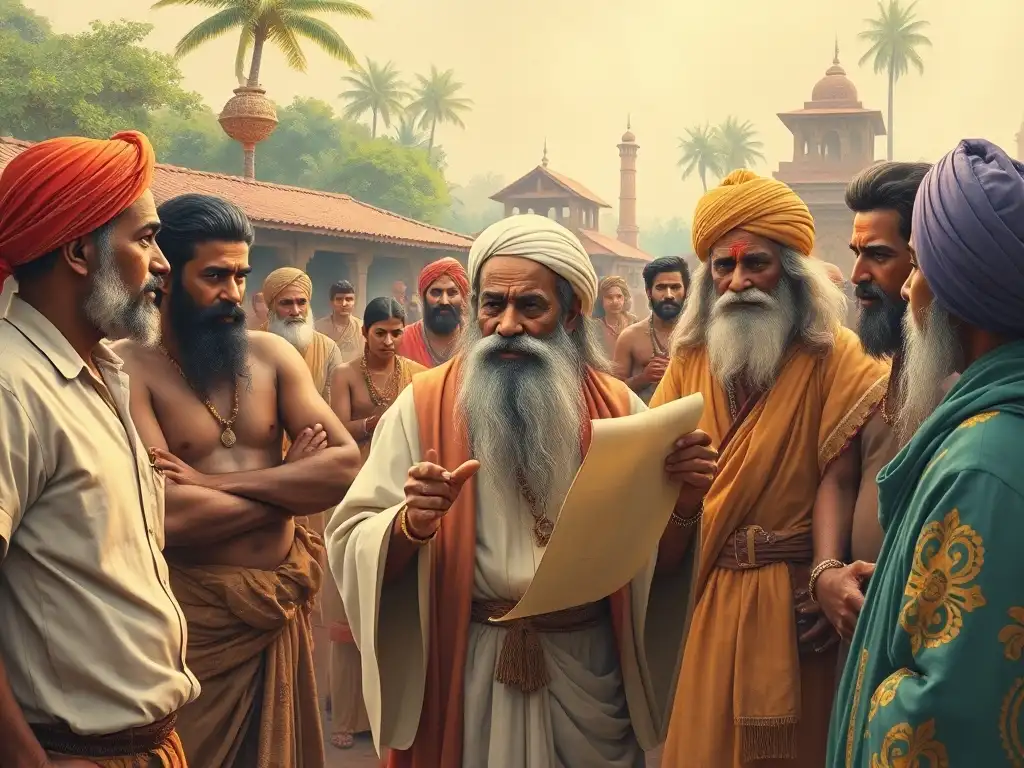
In ancient India, Brahmins held a unique position within the caste system, not only as spiritual leaders but also as influential figures in society with specific property rights and responsibilities. Their property rights were often defined by religious, cultural, and legal frameworks that reflected their status and roles in society.
Land Ownership and Inheritance among Brahmins
Brahmins traditionally owned land, which served as a source of income through agricultural production and temple donations. The inheritance of land among Brahmins generally followed the principle of primogeniture, where the eldest son inherited the family estate. However, it was not uncommon for Brahmins to also bequeath property to younger sons or daughters, especially if they were unmarried or engaged in religious pursuits. This practice underscores the flexible nature of inheritance, where familial duty and religious obligations could influence decisions.
The legal texts such as the Manusmriti provide insights into Brahmin land ownership, emphasizing that land should be managed with care, as it was not only a source of wealth but also a means to fulfill dharma (moral duty). Furthermore, Brahmins were often responsible for maintaining temples and performing rituals, which sometimes required them to allocate portions of their land for these purposes.
Wealth Accumulation and Management
Wealth accumulation among Brahmins was not solely reliant on land ownership. They engaged in various occupations, including teaching, performing rituals, and advising royal families. Their economic activities were often regulated by social norms, which encouraged the responsible management of resources. Brahmins were expected to use their wealth to support educational endeavors and religious institutions, thereby reinforcing their societal role.
Additionally, Brahmins could accumulate wealth through donations, often receiving gifts from kings and wealthy patrons in exchange for performing religious rites. This practice allowed them to build extensive networks of influence, further solidifying their status in ancient Indian society. The interplay between property rights and social responsibility highlights the complexity of Brahmin wealth in ancient India.
Kshatriyas: Military and Land Rights
Kshatriyas, the warrior caste of ancient India, held significant property rights primarily linked to their military responsibilities and governance. Their rights to land ownership were often tied to their role as protectors and rulers, where land was a means to support their military endeavors.
Role of Kshatriyas in Land Distribution
The Kshatriya class was deeply involved in land distribution, particularly during times of conquest and expansion. As rulers, they had the authority to allocate land to their followers and soldiers, which served as both reward and incentive for military service. This practice established a feudal-like system where loyalty was directly rewarded with land grants.
Land was often divided among the Kshatriyas' sons, but inheritance practices could vary significantly based on the family's status and military contribution. In some cases, land was granted to retainers or loyal warriors, further intertwining military service with property rights. The significance of land among Kshatriyas was not merely economic; it was also a symbol of honor and status within the caste system.
Inheritance Practices among Warrior Castes
Inheritance among Kshatriyas typically followed a system that recognized both primogeniture and equitable distribution. While the eldest son often inherited the majority of the family estate, younger sons could receive land based on their military roles or contributions to the family. This practice encouraged a sense of duty among all sons to engage in military and administrative roles, thereby sustaining the family's honor and status.
In some instances, Kshatriya families adopted practices where land was divided equally among male heirs, particularly if the family faced challenges in maintaining its power or if there were multiple eligible heirs. These diverse inheritance practices reflect the dynamic nature of Kshatriya property rights, influenced by both societal expectations and practical considerations in ancient Indian society.
Understanding property rights in ancient India, particularly among Brahmins and Kshatriyas, reveals the complexities of social hierarchy and the interplay between duty, land ownership, and inheritance. As we delve deeper into this topic, the nuances of caste-specific rights and responsibilities become increasingly evident, shaping our comprehension of ancient Indian legal systems and cultural practices.
Vaishyas: Trade, Commerce, and Property Rights
The Vaishyas, traditionally recognized as the merchant class in ancient India, played a crucial role in the economic framework of the society. Their activities encompassed trade and commerce, which were vital for the growth of the ancient Indian economy. With their extensive involvement in agriculture, trade, and craftsmanship, the Vaishyas had significant property rights that facilitated their economic activities.
Economic Contributions and Property Ownership
Vaishyas were not only traders but also landowners and agriculturists, which granted them a distinctive position within the caste system. They had the right to own land, engage in trade, and establish businesses, contributing substantially to the wealth of their communities. The property rights of Vaishyas included the ability to buy, sell, and inherit land and assets, which were crucial for their commercial operations. They often formed guilds, known as shreshthins, which provided a platform for mutual support and collective bargaining, enhancing their economic standing.
Moreover, the Vaishyas had the prerogative to accumulate wealth and property, and their economic activities often positioned them as influential figures within their localities. Their rights extended beyond mere ownership; they were also involved in banking and money lending, further solidifying their economic influence.
Inheritance Laws in Commercial Castes
Inheritance laws governing the Vaishyas were relatively progressive compared to other castes. Sons typically inherited their father's property, ensuring the continuity of family businesses. However, the laws were designed to maintain the wealth within the family, often discouraging the division of property among multiple heirs. Daughters usually received a smaller share, reflecting the patriarchal norms of the time.
The inheritance practices among Vaishyas included stipulations for equitable distribution of wealth but were primarily geared towards maintaining the family's economic strength. This ensured that the Vaishya community remained economically viable and influential in the larger societal structure.
Shudras: Limited Property Rights and Labor
The Shudras, categorized as the laboring class within the ancient Indian caste system, faced stringent limitations on property rights. Their primary roles involved serving the other three higher castes, and their social and economic status reflected the constraints placed upon them.
The Status of Shudras in Property Ownership
Shudras had very restricted property rights, primarily limited to personal belongings. They were generally not permitted to own land or engage in significant economic activities independently. Their economic activities were largely tied to agricultural labor, craftsmanship, or service, which did not allow for property accumulation in the same manner as other castes.
This lack of legal recognition for property ownership meant that Shudras were often dependent on the higher castes for employment and sustenance, further entrenching their lower status within the societal hierarchy. The economic contributions of Shudras were essential, yet their rights to property and economic independence were severely curtailed.
Inheritance Restrictions and their Impact
Inheritance laws for Shudras were characterized by significant restrictions, which compounded their challenges regarding economic stability. Property, when inherited, often remained within the upper castes, leaving limited opportunities for Shudras to accumulate wealth or improve their social standing.
The impact of these inheritance restrictions manifested in a cyclical pattern of poverty and dependence. Shudras, unable to inherit land or significant assets, often found themselves in a perpetual state of economic vulnerability. This not only limited their opportunities for advancement but also reinforced the rigid class structures that defined ancient Indian society.
Comparative Analysis of Property Rights Among Castes
In ancient India, the notion of property rights was deeply intertwined with the caste system, influencing how various groups managed and inherited wealth. Understanding the comparative analysis of property rights among different castes reveals both similarities and differences that shaped the socio-economic landscape of the time.
Similarities in Property Rights Across Castes
Despite the rigid structures imposed by the caste system, there were notable similarities in property rights among various castes. The following points highlight these shared aspects:
- Recognition of Property Ownership: Most castes acknowledged the concept of individual property ownership. Land, livestock, and goods were considered private assets, with rights typically vested in the male members of the family.
- Legal Frameworks: Ancient texts such as the Manusmriti provided guidelines that were broadly accepted across different castes, establishing a common legal framework for property rights. This included provisions for the transfer of property through gifts, sales, and inheritance.
- Agricultural Practices: The agrarian economy meant that land was a primary source of wealth, leading to common practices in land ownership and cultivation among various castes, even if the actual ownership differed based on caste status.
- Protection of Rights: Regardless of caste, property rights were often protected by community norms and local governance systems. Violations of property rights, such as theft or encroachment, were addressed through community intervention or local leaders.
Differences in Inheritance Practices and Ownership
The differences in inheritance practices among the castes were significant and reflected the hierarchical nature of society. Here are some key distinctions:
- Patrilineal vs. Matrilineal Systems: Most upper castes practiced patrilineal inheritance, where property was passed down through the male line. In contrast, some communities, like certain tribal groups, followed matrilineal practices, allowing women to inherit property and maintain ownership.
- Restrictions Based on Caste: Different castes had varying restrictions on property ownership. For instance, while Brahmins and Kshatriyas had greater access to land and wealth, Shudras faced limitations, often being barred from owning land altogether.
- Redistribution Practices: In some castes, especially among the lower strata, communal ownership and sharing of resources were more common. This practice of redistribution was less prevalent among the higher castes, who typically emphasized individual ownership.
- Role of Women: The status of women in property rights also varied. In higher castes, women were often excluded from direct inheritance rights, whereas in certain lower castes, women could inherit land and property, thus enjoying a degree of economic independence.
Impact of Caste Hierarchy on Property Rights
The hierarchical nature of the caste system had profound implications for property rights in ancient India. The following points illustrate this impact:
- Economic Disparities: The caste hierarchy led to significant economic disparities, with upper castes accumulating wealth and land, while lower castes often struggled for basic rights. This economic imbalance perpetuated social inequalities.
- Access to Legal Recourse: Individuals from higher castes had better access to legal recourse in disputes over property. The biases inherent in the legal systems often left lower caste individuals vulnerable to exploitation and unfair treatment.
- Social Mobility: The rigidity of the caste system limited social mobility, which in turn affected property rights. Lower castes had restricted opportunities to acquire land or wealth, reinforcing their subordinate position in society.
- Cultural Norms and Values: The cultural attitudes toward property rights were shaped by caste identities, influencing perceptions of ownership and entitlement. This often resulted in a reluctance to challenge established norms, even when they were unjust.
The comparative analysis of property rights among different castes in ancient India reveals a complex interplay of similarities and differences, deeply influenced by the caste hierarchy. Understanding these nuances provides valuable insights into the socio-economic and legal frameworks of ancient Indian civilizations.
Legal Codes and Property Rights in Ancient India

The framework of property rights in ancient India was deeply intertwined with the legal codes that governed various aspects of life, including inheritance and ownership. The classification of society into different castes played a significant role in determining the nuances of these rights. Various texts, notably the Manusmriti, laid down the guidelines that shaped property rights and inheritance laws across different castes, reflecting the socio-economic dynamics of the time.
Manusmriti: Guidelines on Property and Inheritance
The Manusmriti, one of the most authoritative texts on Hindu law, provides a detailed account of property rights in ancient India. Written approximately between 200 BCE and 200 CE, it served as a legal guide that influenced the socio-legal structure of Indian society.
- Caste-Based Provisions: The Manusmriti delineates property rights based on caste. For instance, it granted higher property rights to the Brahmins and Kshatriyas compared to the Vaishyas and Shudras. This hierarchy underscored the socio-economic stratification of ancient Indian society.
- Inheritance Rules: The text specifies rules regarding inheritance, stating that property should be passed down through male descendants. In cases where a man had no sons, his property could be inherited by his daughters or other relatives, although the rights of women were generally limited compared to men.
- Women's Rights: While the Manusmriti acknowledges some rights for women, such as the right to inherit property from their fathers, these rights were often conditional and limited. Women were typically expected to manage the household and were not entitled to own property independently.
- Dispute Resolution: The Manusmriti also addressed the resolution of disputes related to property. It outlined processes for adjudicating conflicts, emphasizing the role of local chiefs and elders in mediating disputes, thus ensuring community involvement in upholding property rights.
The influence of the Manusmriti extended beyond its time, shaping subsequent legal codes and maintaining its relevance in discussions on property rights in ancient India.
Other Relevant Texts and Their Influence on Property Rights
In addition to the Manusmriti, several other texts contributed to the understanding and evolution of property rights in ancient India. These texts provide insights into the legal, cultural, and economic contexts surrounding property ownership.
- Yajnavalkya Smriti: This legal text, written around the 3rd century CE, offers a more progressive take on property rights than the Manusmriti. It allows for more equitable distribution of property among heirs, including women. The Yajnavalkya Smriti emphasizes the importance of justice and fairness in property distribution.
- Gautama Dharmasastra: Another significant text, it outlines property rights with a strong focus on the duties of individuals. It reinforces the idea that property is a social trust and should be used for the welfare of the community. The text highlights the moral obligations that come with property ownership.
- Arthashastra by Kautilya: Although primarily a treatise on statecraft and economic policy, the Arthashastra provides valuable insights into property rights from a pragmatic perspective. Kautilya discusses taxation, land revenue, and the management of state resources, reflecting the economic framework within which property rights functioned.
- Regional Variations: Different regions of ancient India also exhibited variations in property rights influenced by local customs and practices. For example, in some areas, women held more substantial property rights, reflecting the diverse cultural practices across the subcontinent.
The interplay of these texts illustrates the complexity of property rights in ancient India, highlighting how legal codes shaped societal norms and practices. Understanding these historical perspectives provides a richer context for the evolution of property rights and inheritance laws in contemporary India.
By examining the legal codes and their implications on property rights in ancient India, we gain valuable insights into the socio-economic structures that influenced the lives of individuals across different castes and the enduring legacy of these principles in modern legal frameworks.
Contemporary Perspectives on Ancient Property Rights

Relevance of Caste-Based Property Rights Today
The concept of property rights in ancient India, particularly those that were caste-based, continues to hold significant relevance in contemporary discussions about social justice and economic equity. The rigid caste system established distinct categories of social hierarchy, which directly influenced the distribution of property and inheritance rights. Understanding these historical frameworks is crucial for examining ongoing disparities in wealth and land ownership in modern India.
- Historical Context: In ancient Indian society, property rights were often stratified along caste lines. Higher castes like the Brahmins and Kshatriyas typically enjoyed greater access to land and resources. In contrast, lower castes faced restrictions that limited their ability to acquire and inherit property. This historical context helps explain some of the socio-economic challenges faced by marginalized communities today.
- Legal Frameworks: Contemporary laws in India, such as the Scheduled Castes and Scheduled Tribes (Prevention of Atrocities) Act, aim to provide protection and affirmative action for historically disadvantaged groups. However, the remnants of caste-based property rights can still be observed, influencing the legal and social landscape. Understanding these dynamics is essential for policymakers aiming to create equitable systems that address historical injustices.
- Social Movements: Various social movements in India advocate for the rights of lower castes to property and resources, drawing upon historical narratives of exclusion. These movements highlight the need for reforms that not only address contemporary legal frameworks but also recognize the historical injustices that have shaped current property rights.
Changes in Perception and Law Regarding Caste and Property
Over the years, the perception of caste and its relationship to property rights has undergone significant transformations, influenced by social, economic, and legal changes. The evolution of these perspectives provides important insights into the ongoing discourse surrounding property rights in ancient India and their implications today.
- Post-Independence Reforms: After gaining independence in 1947, India saw a series of legal reforms aimed at dismantling caste-based discrimination. Laws such as the Hindu Succession Act of 1956 sought to provide equal rights to property for women and promote egalitarian principles. However, the effectiveness of these laws is often hindered by deep-rooted social norms that continue to favor traditional caste hierarchies.
- Judicial Interpretations: The Indian judiciary has played a crucial role in interpreting laws related to property rights, often emphasizing the need for equality and justice. Landmark judgments have challenged caste-based discrimination in property ownership, advocating for the rights of marginalized communities. These judicial interventions are essential for reinforcing the principles of equality embedded in the Indian Constitution.
- Cultural Shifts: As society progresses, there is a growing recognition of the need to address caste-based inequalities in property rights. Educational initiatives and awareness campaigns are fostering a cultural shift towards inclusivity and fairness. By examining the historical intricacies of property rights in ancient India, modern society can better understand and rectify the injustices that persist today.
The examination of property rights in ancient India, particularly through the lens of caste, not only deepens our understanding of historical injustices but also informs contemporary legal and social reforms aimed at creating a more equitable society. The ongoing dialogue about caste and property rights remains a vital aspect of India's journey towards social justice and economic empowerment.
Conclusion

Summary of Key Insights into Property Rights in Ancient India
The property rights in ancient India were deeply intertwined with the caste system, which significantly influenced social hierarchy and economic transactions. The legal frameworks governing property varied across different castes, reflecting the broader socio-economic structures of the time. Key insights into property rights in ancient India include:
- Caste-Based Entitlements: Different castes had varying rights and responsibilities concerning property ownership. For instance:
- Brahmins: Often held significant land and wealth, primarily through religious donations and agricultural production. Their rights included not only ownership but also the management of land for temple activities.
- Kshatriyas: As warriors and rulers, they had rights to land as part of their duty to protect and govern. Their inheritance practices often favored male descendants to maintain power and resources within the family.
- Vaishyas: Engaged in trade and agriculture, they could own land and were allowed to pass it down to their children, but often with restrictions based on caste laws.
- Shudras: Typically had restricted rights to property and were generally dependent on the landowners for livelihood. Their ability to inherit property was often limited to the extent of their service obligations.
- Legal Codes and Texts: Ancient texts such as the Manusmriti provided foundational guidelines on property rights, detailing the roles and responsibilities of each caste concerning ownership and inheritance. These texts often reinforced the status quo, promoting a system that favored the upper castes while limiting the rights of lower castes.
- Gender Considerations: Women’s rights to property were also influenced by caste. In many cases, women had limited rights to inherit property, with laws often favoring male heirs. However, certain texts recognized women's rights to property in cases of divorce or widowhood, indicating a complex relationship between gender, caste, and property rights.
The legacy of caste-related property rights in ancient India has profound implications for understanding contemporary Indian society. The historical foundations laid by these rights have contributed to ongoing discussions about social equity and justice.
- Continuity and Change: While modern laws aim to provide equal property rights regardless of caste, remnants of historical practices continue to influence societal attitudes and behaviors. For example, the preference for male heirs in property inheritance can still be observed in certain communities, reflecting a lingering impact of ancient traditions.
- Legal Reforms: The evolution of property rights in India post-independence has involved significant legal reforms aimed at dismantling caste-based discrimination. Initiatives such as the Hindu Succession Act of 1956 have sought to rectify historical injustices, granting equal rights to women in property inheritance.
- Future Directions: Understanding the complexities of property rights in ancient India is crucial for addressing current issues of inequality. Continued advocacy for equitable property laws and awareness of historical contexts can empower marginalized communities and promote social justice.
The exploration of property rights in ancient India reveals a rich tapestry of social norms, legal frameworks, and caste dynamics that continue to resonate in contemporary discussions surrounding property and inheritance laws. The historical context serves as a valuable lens through which to view ongoing efforts toward social equity in modern India.
References
The examination of property rights in ancient India is multifaceted, drawing from various historical texts, archaeological findings, and scholarly interpretations. This section provides a comprehensive overview of the sources that have contributed to our understanding of property rights across different castes and time periods in ancient India.
Suggested Reading on Property Rights in Ancient India
For those interested in delving deeper into the topic of property rights in ancient India, the following texts provide essential insights:
-
"The Laws of Manu" (Manusmriti)
This ancient legal text outlines the duties and rights of individuals within the varna (caste) system, including property ownership and inheritance rules.
-
"Arthashastra" by Kautilya
A foundational work on political economy, this text discusses the economic aspects of governance, including property rights and their implications for social order.
-
"The Mahabharata"
This epic not only narrates stories but also incorporates legal principles related to property and inheritance, showcasing the complexities of caste-based rights.
-
"The Rigveda"
As one of the oldest religious texts, it provides insights into early societal structures and the emergence of property concepts within the context of ancient Indian society.
-
"Caste and Property in Ancient India" by R.S. Sharma
This modern analysis discusses how caste influenced property rights and social stratification, offering a critical perspective on historical interpretations.
Academic Sources and Historical Texts
The following academic sources and historical texts are invaluable for understanding the nuances of property rights in ancient India:
-
"Indian Society and the Making of the British Empire" by C.A. Bayly
This work examines the transformation of property rights under colonial rule, providing context for ancient practices.
-
"The Economic History of India, 1820-1947" by Tirthankar Roy
Although focusing on a later period, this book traces the evolution of property laws and their historical roots in ancient practices.
-
Research Articles in Journals
Scholarly articles published in journals like the Journal of Asian Studies and Social Science Research Network often explore specific case studies or theories on property rights in ancient Indian law.
-
Archaeological Reports
Excavations of sites from the Indus Valley Civilization have yielded artifacts that hint at early property ownership concepts, enriching our understanding of property rights' historical foundations.
By engaging with these texts and sources, readers can develop a well-rounded understanding of property rights in ancient India, exploring how these rights were shaped by the social, economic, and legal frameworks of the time.
Frequently Asked Questions
What were the property rights of different castes in ancient India?
In ancient India, property rights varied significantly among different castes. The higher castes typically enjoyed greater rights and privileges, while lower castes faced restrictions on land ownership and inheritance.
Property rights played a crucial role in shaping the social hierarchy. Those with land and wealth maintained power and status, while those without property often remained marginalized in society.
Were women allowed to own property in ancient India?
Women had limited property rights in ancient India, primarily depending on their caste and marital status. In some cases, they could inherit property, but generally, their rights were restricted compared to men.
How did the concept of property rights evolve in ancient Indian civilizations?
The concept of property rights evolved over time, influenced by religious texts and changing social norms. As civilizations progressed, there were shifts towards more organized systems of land ownership and inheritance.
What role did the Gupta Empire play in property rights?
During the Gupta Empire, property rights became more formalized, with clearer laws and regulations. This period marked a significant development in the recognition of land ownership and the rights of different social groups.
Final Reflection: Understanding the Legacy of Property Rights in Ancient India
The exploration of property rights in ancient India reveals a complex tapestry of social structures and cultural norms that continue to resonate today. As we navigate modern discussions around equity and justice, it becomes increasingly clear that the historical context of property rights informs our understanding of privilege and access in contemporary society. The legacy of caste-based property rights not only shapes economic disparities but also influences social dynamics, making this topic profoundly relevant in our ongoing quest for equality.
Caste systems and property rights have left an indelible mark on the cultural landscape of India, influencing everything from economic opportunities to social mobility. The implications of these historical practices are still felt today, as communities grapple with the remnants of a system that dictated access to resources based on caste. As Mahatma Gandhi once said, "> The true measure of any society can be found in how it treats its most vulnerable members." This sentiment underscores the importance of understanding our past to foster a more equitable future.
As you reflect on the insights gained from this article, consider how the lessons of property rights in ancient India can inspire action in your own life. Engage with the ongoing conversations about equity and justice in your community, advocating for policies that promote inclusivity and equal access to resources. By acknowledging the historical context of property rights, we can work together to dismantle the barriers that persist and strive for a society where everyone has the opportunity to thrive.
Unveil the Legacy of Property Rights in Ancient India!
Thank you for delving into the intriguing world of property rights among different castes in ancient India! You've uncovered valuable insights into how society functioned and evolved. Now, it's time to put that knowledge into action and explore further.
Here are some steps you can take to deepen your understanding and engage with this fascinating topic:
- Join a discussion group or online forum focused on ancient Indian history to share insights and learn from others.
- Explore related texts or academic papers that provide deeper insights into caste systems and economic practices in ancient societies.
- Share your thoughts on social media or with friends regarding how these historical insights relate to modern property rights and social structures.
What aspect of ancient property rights intrigues you the most, and how do you think it influences today's societal structures?