
The Role of the Indus Valley Civilization in the Evolution of Trade Technologies

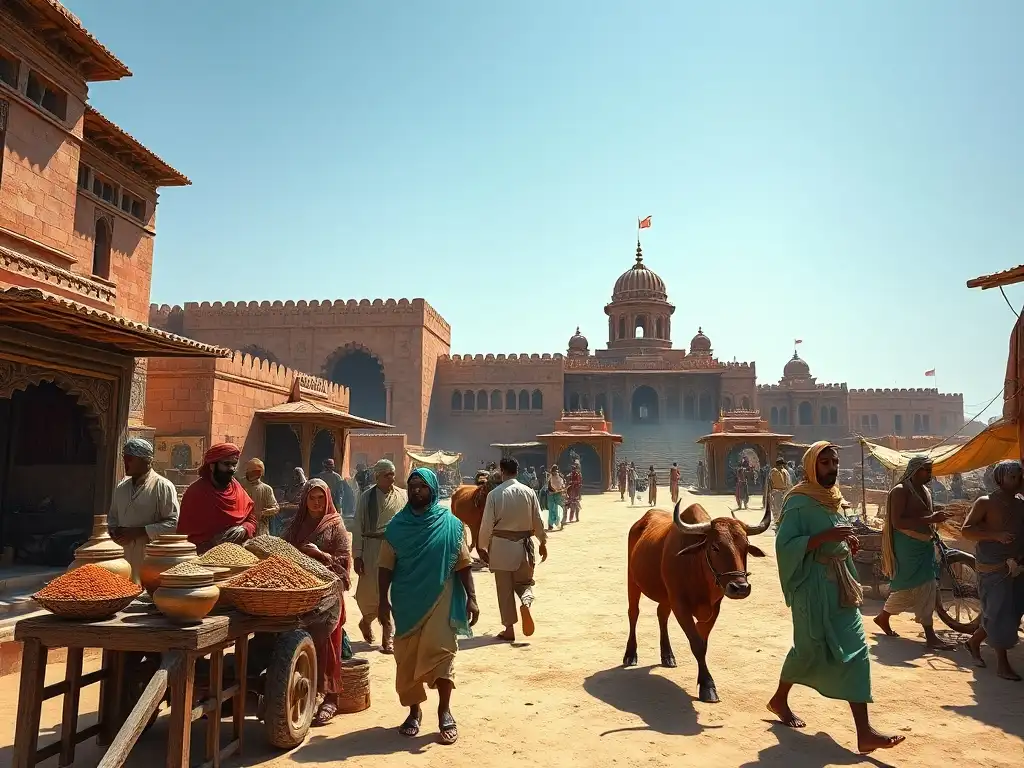
Welcome to Ancient India History, where we embark on a fascinating journey through the rich tapestry of ancient Indian civilizations. Today, we delve into the remarkable Indus Valley trade technologies, a cornerstone of economic innovation that shaped not only the subcontinent but also influenced far-reaching cultures. What secrets lie within the sophisticated trade practices and technological advancements of the Indus Valley Civilization? Join us as we explore this captivating topic and uncover the lasting legacy of one of the world's earliest urban societies. Your adventure into the depths of history begins now!
The Indus Valley Civilization (IVC), flourishing between approximately 3300 and 1300 BCE in what is now Pakistan and northwest India, represents one of the world's earliest urban cultures. This ancient society is renowned not only for its advanced urban planning and sophisticated architecture but also for its significant contributions to trade technologies. The role of the Indus Valley Civilization in the evolution of trade technologies is multifaceted, impacting both local economies and long-distance trade relations.
As a hub of commerce, the IVC developed an extensive network that facilitated the exchange of goods, ideas, and innovations across vast regions. This article delves into the various trade technologies employed by the IVC, examining how they laid the groundwork for future civilizations and contributed to the economic prosperity of the region. By exploring the intricate systems of weights and measures, transportation methods, and trade routes established during this period, we can better understand the pivotal role that the Indus Valley Civilization played in shaping the landscape of trade technologies.
The Economic Landscape of the Indus Valley Civilization
The economic framework of the IVC was built upon agriculture, craft production, and trade. The fertile plains of the Indus River supported extensive farming, which yielded surplus crops. This agricultural abundance allowed for the specialization of labor, leading to the emergence of various crafts and industries. As trade expanded, the need for efficient technologies became paramount.
- Urban Centers: Major cities like Harappa and Mohenjo-Daro served as bustling trade hubs, where merchants and artisans collaborated.
- Craft Specialization: Artisans produced goods ranging from pottery to textiles, which were traded both locally and with distant civilizations.
Trade Technologies of the Indus Valley Civilization
The IVC is credited with several innovative trade technologies that enhanced their economic interactions. These advancements not only facilitated trade but also standardized practices that would influence future civilizations.
- Weights and Measures:
- The IVC developed a standardized system of weights and measures, essential for fair trade.
- Archaeological findings suggest that they used stone weights calibrated in units that facilitated both commercial transactions and resource management.
- Transportation Methods:
- The civilization utilized various modes of transport, including ox-drawn carts and riverine navigation.
- Road Networks: Archaeological evidence indicates the existence of well-planned roads connecting key cities, promoting efficient movement of goods.
- Trade Routes:
- The Indus Valley engaged in extensive trade with neighboring regions, including Mesopotamia, through established routes.
- Evidence of goods such as lapis lazuli and copper artifacts indicates that long-distance trade networks were vital to their economy.
Legacy of Indus Valley Trade Technologies
The trade technologies developed by the Indus Valley Civilization not only contributed to their economic success but also laid the foundation for subsequent cultures in the Indian subcontinent. The influence of their practices can be seen in later civilizations, where trade remained a critical component of societal development.
By understanding the role of the Indus Valley trade technologies, we gain valuable insights into the complexities of ancient commerce and its lasting impact on the evolution of trade practices in the region. The innovations of this civilization continue to resonate through history, showcasing the ingenuity of ancient Indian societies in their pursuit of economic growth and cultural exchange.
- The Economic Landscape of the Indus Valley Civilization
- Trade Technologies of the Indus Valley Civilization
- Legacy of Indus Valley Trade Technologies
- What were the primary trade technologies of the Indus Valley Civilization?
- How did trade contribute to the economy of the Indus Valley?
- What types of goods were traded by the Indus Valley Civilization?
- How did the geography of the Indus Valley influence trade?
- What impact did the Indus Valley trade technologies have on later civilizations?
Introduction to Indus Valley Civilization and Trade
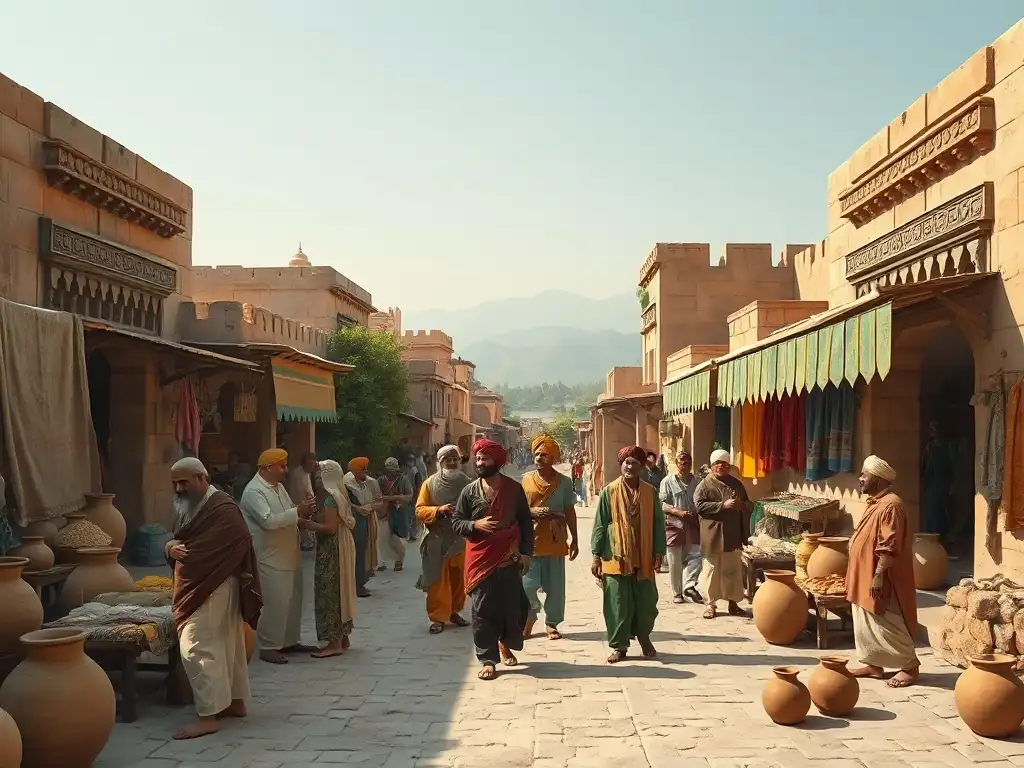
Overview of the Indus Valley Civilization
The Indus Valley Civilization (IVC), flourishing from approximately 2600 to 1900 BCE, represents one of the earliest and most advanced urban cultures in human history. Centered around the fertile plains of the Indus River, this civilization encompassed a vast territory that included parts of modern-day Pakistan and northwest India. The two principal urban centers of this civilization, Harappa and Mohenjo-Daro, exemplified remarkable urban planning, architecture, and social organization.
The IVC was characterized by:
- Advanced Urban Planning: Cities were meticulously planned with grid patterns, sophisticated drainage systems, and standardized fired-brick buildings.
- Agricultural Innovation: The inhabitants practiced agriculture, cultivating crops such as wheat, barley, and cotton, which supported a thriving economy.
- Craftsmanship and Trade: Artisans were skilled in bead-making, pottery, and metallurgy, producing goods that were traded both locally and with distant regions.
These features not only highlight the sophistication of the Indus Valley Civilization but also set the stage for the development of trade technologies essential for its economic prosperity.
Importance of Trade in Ancient Societies
Trade played a pivotal role in the growth and sustenance of ancient societies, including the Indus Valley Civilization. It facilitated the exchange of goods, ideas, and cultural practices, fostering interconnectivity between diverse communities. The significance of trade can be summarized in the following points:
- Economic Development: Trade provided access to resources that were not locally available, enabling societies to specialize in certain crafts and exports, ultimately leading to economic diversification.
- Cultural Exchange: The movement of traders and goods led to cultural interactions, which enriched local traditions and practices through the introduction of new ideas, technologies, and art forms.
- Political Alliances: Trade networks often resulted in alliances between different tribes and kingdoms, reinforcing political stability and cooperation for mutual benefit.
In the context of the Indus Valley Civilization, trade was fundamental not only for economic survival but also for establishing connections with neighboring regions, such as Mesopotamia and Persia, thereby expanding their influence and reach.
Introduction to Indus Valley Trade Technologies
The trade technologies of the Indus Valley Civilization were remarkable for their innovation and sophistication. These technologies facilitated extensive trade networks that connected the civilization to distant lands. Key aspects of these trade technologies include:
- Standardized Weights and Measures: The Indus Valley merchants utilized a system of standardized weights, which enabled fair trade practices and fostered trust among traders. Archaeological findings include weights made of stone and metal, indicating a regulated system of commerce.
- Transportation and Navigation: The IVC utilized a network of roads and waterways for transportation. The discovery of dockyards, such as the one at Lothal, suggests that maritime trade played a key role in their trading activities, allowing for the shipment of goods across the Arabian Sea.
- Trade Goods and Commodities: The Indus Valley traded a variety of goods, including cotton textiles, beads, precious metals, and agricultural products. The exchange of these items not only enriched their economy but also established them as key players in regional trade.
- Communication and Record-Keeping: The use of seals, often inscribed with symbols and motifs, served both as a means of branding goods and as a form of record-keeping for transactions, providing insight into their trade practices.
The Indus Valley trade technologies were integral to the civilization's economic framework, facilitating both local and long-distance trade. These innovations laid the groundwork for future trading systems and contributed significantly to the prosperity and cultural exchange of ancient India.
Key Features of Indus Valley Trade Technologies
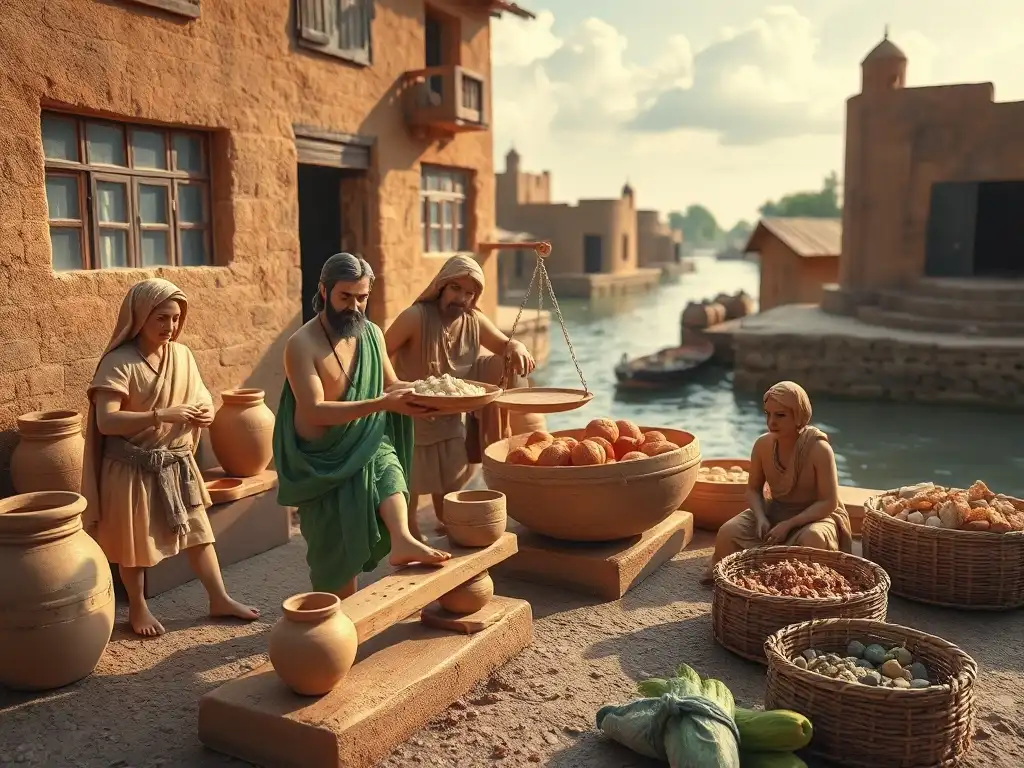
The Indus Valley Civilization, which flourished around 2500 BCE in present-day Pakistan and northwest India, is renowned for its advanced urban planning and technological innovations. Among these, trade technologies played a crucial role in shaping the economic landscape of ancient India. The following sections delve into the key features that defined the trade technologies of this remarkable civilization.
Development of Trade Networks
The Indus Valley Civilization established extensive trade networks that connected various regions, facilitating the exchange of goods and resources. These networks were characterized by:
- Geographical Reach: Trade routes extended from the Indus Valley to regions as far as Mesopotamia, Persia, and even the Arabian Peninsula. This wide-ranging network enabled not only the exchange of goods but also the sharing of cultural ideas and practices.
- Major Trade Centers: Key cities such as Harappa, Mohenjo-Daro, and Lothal emerged as bustling trade hubs. Lothal, in particular, is notable for its dockyard, which served as a critical point for maritime trade.
- Diverse Commodities: The Indus Valley traders engaged in the exchange of a variety of products including textiles, precious stones, metals, and agricultural products. For instance, cotton textiles from this region were highly sought after in foreign markets.
The development of these trade networks was instrumental in the economic prosperity of the Indus Valley Civilization, allowing for the growth of urban centers and the establishment of a complex social structure.
Standardization of Weights and Measures
A significant feature of Indus Valley trade technologies was the standardization of weights and measures, which facilitated fair trading practices. This standardization included:
- Uniform Weights: Archaeological findings reveal that the Indus Valley Civilization utilized a sophisticated system of stone weights, often made from calibrated stones. These weights were standardized to ensure consistency in trade transactions.
- Measurement Systems: The civilization employed standardized lengths and volumes, which were crucial for the trade of commodities such as grains and textiles. This consistency helped to minimize disputes and foster trust among traders.
- Economic Integration: The use of standardized weights and measures contributed to the integration of regional economies, allowing for the smooth flow of goods across vast distances. This practice laid the groundwork for future economic systems in ancient India and beyond.
The impact of these standardized practices extended beyond trade, influencing various aspects of daily life in the Indus Valley and promoting a culture of economic collaboration.
Innovations in Transportation
Transportation innovations were vital for the success of trade in the Indus Valley Civilization. These innovations included:
- River and Maritime Trade: The civilization made extensive use of rivers such as the Indus and its tributaries for transporting goods. Additionally, advancements in shipbuilding facilitated maritime trade, with vessels capable of navigating the Arabian Sea and connecting to distant markets.
- Road Infrastructure: Evidence suggests that the Indus Valley had an organized road network, with well-planned routes linking urban centers. These roads were crucial for overland trade, allowing goods to be transported efficiently across the region.
- Pack Animals: The use of pack animals, including oxen and camels, was common in the Indus Valley. These animals were essential for transporting heavy goods across challenging terrains, making trade more accessible and efficient.
The transportation innovations of the Indus Valley Civilization not only enhanced trade but also contributed to the cultural exchange and interaction among diverse communities, solidifying its legacy in ancient history.
The Indus Valley trade technologies were characterized by the establishment of extensive trade networks, a systematized approach to weights and measures, and significant innovations in transportation. These features played a pivotal role in the economic and cultural development of one of the world's earliest urban civilizations.
Trade Goods and Their Significance
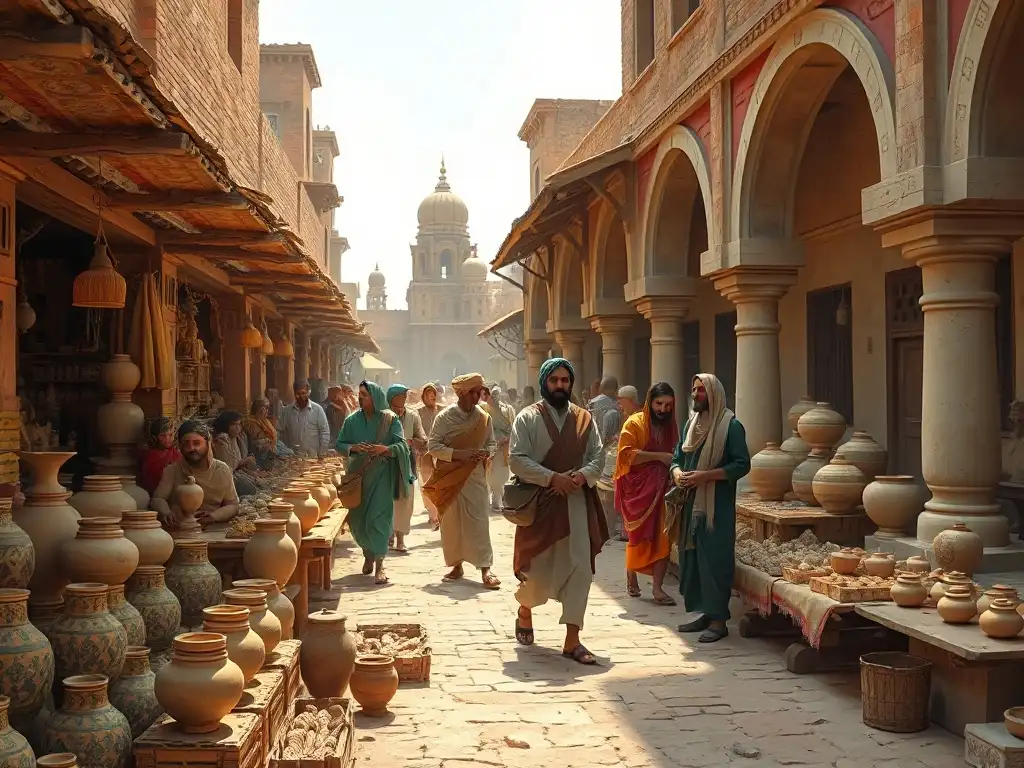
The Indus Valley Civilization (IVC), one of the world's oldest urban cultures, thrived around 3300 to 1300 BCE in the northwestern regions of South Asia. A central aspect of its economic framework was trade, which facilitated the exchange of various goods, contributing significantly to the civilization’s prosperity and cultural development. The trade goods of the IVC were not only valuable commodities but also symbols of the civilization's ingenuity and adaptability in leveraging resources.
Major Trade Goods of the Indus Valley Civilization
The Indus Valley Civilization was renowned for a diverse range of trade goods that played a pivotal role in its economy. Some of the most significant items included:
- Cotton Textiles: The IVC is believed to be one of the first civilizations to cultivate cotton and produce textiles. These cotton fabrics were highly sought after, both domestically and abroad, showcasing the advanced textile technology of the time.
- Metals: The civilization engaged in metallurgy, producing goods from copper, bronze, and lead. Tools, weapons, and ornaments made of these metals were not only functional but also served as trade items, reflecting the craftsmanship of the era.
- Semi-Precious Stones: The IVC artisans skillfully crafted beads, seals, and other ornaments from semi-precious stones like lapis lazuli, carnelian, and agate. These items were traded extensively, highlighting the aesthetic and artistic capabilities of the civilization.
- Pottery: The production of pottery, characterized by intricate designs and varied forms, was another significant trade good. IVC pottery was often of high quality, and its distinctive styles have been found in various archaeological sites beyond the valley.
- Agricultural Products: The fertile land of the IVC allowed for the cultivation of wheat, barley, and sesame, which were crucial not only for sustenance but also as trade commodities. The surplus production facilitated trade with neighboring regions.
Export and Import Dynamics
The trade networks established by the Indus Valley Civilization were extensive, extending to regions such as Mesopotamia, Persia, and beyond. This trade was characterized by both exports and imports, creating a dynamic exchange system.
- Exports: The IVC primarily exported textiles, beads, and metalwork. The highly developed urban centers, such as Harappa and Mohenjo-Daro, were key hubs for these exports. The quality and uniqueness of Indus goods attracted merchants from distant lands, who sought to acquire these treasures.
- Imports: The civilization also engaged in importing goods that were either scarce or unavailable in the region. Notably, items such as tin (for bronze production), precious metals like gold and silver, and luxury goods from Mesopotamia enriched the IVC economy. This exchange fostered a relationship between different cultures and economies.
- Trade Routes: The IVC utilized land and maritime routes for trade. The Indus River provided a vital waterway for the transportation of goods, while overland routes connected to the ancient Silk Road facilitated long-distance trade. The strategic placement of cities along these routes enhanced trade efficiency and connectivity.
The Role of Trade Goods in Cultural Exchange
The trade goods of the Indus Valley Civilization were not merely economic commodities; they served as vessels of cultural exchange that significantly impacted the social and cultural landscape of the region.
- Cultural Diffusion: The exchange of goods led to cultural diffusion, where ideas, technologies, and practices were shared among trading partners. For instance, the introduction of new agricultural methods from neighboring civilizations enhanced local farming techniques.
- Artistic Influence: The craftsmanship evident in Indus Valley goods influenced artistic styles across regions. The intricate designs of IVC pottery and jewelry were adopted and adapted by other cultures, demonstrating the civilization’s impact on aesthetics.
- Religious and Social Interactions: The trade networks also facilitated interactions between different religious and social groups. Items of religious significance, such as seals depicting deities, were exchanged, promoting a blend of beliefs and practices among trading communities.
- Language and Communication: The movement of traders and goods contributed to the exchange of languages and scripts. Although the IVC script remains undeciphered, it is believed that trade interactions necessitated some form of communication that could have influenced subsequent writing systems.
The Indus Valley trade technologies and their associated goods played a crucial role in the civilization’s economic success and cultural richness, establishing a legacy that influenced future generations and civilizations.
Technological Innovations Influencing Trade
Advances in Craftsmanship and Manufacturing Techniques
The Indus Valley Civilization (IVC), flourishing between 3300 and 1300 BCE, is renowned for its remarkable advancements in craftsmanship and manufacturing techniques that significantly influenced trade. Artisans from this civilization exhibited exceptional skills in metalworking, pottery, and bead-making, which not only catered to local markets but also attracted traders from distant regions.
- Metallurgy: The IVC is credited with early advancements in metallurgy, particularly in the crafting of copper, bronze, and gold artifacts. The use of alloys allowed for stronger tools and ornaments, enhancing both functionality and aesthetic appeal. This metallurgical prowess contributed to the creation of trade goods that were highly sought after, boosting trade networks.
- Pottery Production: The IVC potters implemented the potter's wheel, allowing for the mass production of standardized pottery. The intricate designs and durability of these vessels made them ideal for transporting liquids and grains, facilitating trade. The discovery of painted pottery, often decorated with geometric patterns and animal motifs, indicates a sophisticated aesthetic that was likely valued by traders.
- Bead-making: The production of beads from semi-precious stones, such as carnelian and lapis lazuli, showcased the artisans' ability to craft intricate designs. Beads were not only used in jewelry but also served as trade items, with evidence suggesting their exchange across regions, including Mesopotamia.
The combination of these craftsmanship advancements not only provided a variety of trade goods but also established the IVC as a center of technological innovation, enhancing their trade influence.
The Use of Writing Systems for Trade Documentation
The development of a writing system in the Indus Valley Civilization, often referred to as the Indus script, played a pivotal role in facilitating trade. Although the script remains undeciphered, its potential applications in trade documentation are evident from archaeological findings.
- Trade Seals: Numerous seals, inscribed with the Indus script, have been discovered in various sites, suggesting their use as identifiers for merchants and goods. These seals often depicted animals and motifs, which might have served as branding tools for traders. The ability to mark ownership likely contributed to the regulation of trade and the establishment of trust among merchants.
- Record Keeping: The use of writing for record-keeping purposes can be inferred from the presence of small clay tablets and inscriptions. These records might have documented transactions, inventory, and trade agreements, enhancing the efficiency and accuracy of trade operations. Such documentation would have been crucial in an expansive trading network that connected the IVC with other civilizations.
- Standardization of Trade Practices: The emergence of a writing system may have contributed to standardized trade practices, allowing for the establishment of common terms and conditions. This standardization would have simplified negotiations and transactions, promoting smoother trade interactions.
The implementation of a writing system thus not only facilitated trade documentation but also strengthened the economic framework of the Indus Valley Civilization, allowing it to thrive as a significant trading hub.
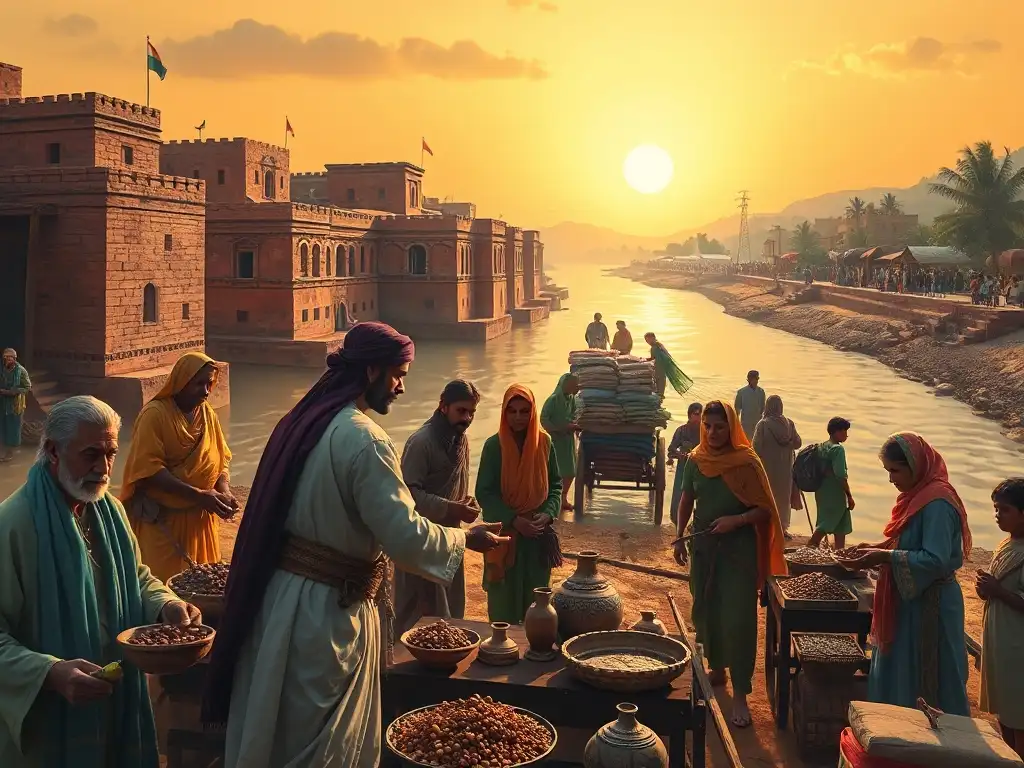
Transportation Technologies: Boats and Roads
Efficient transportation technologies were essential for the success of trade in the Indus Valley Civilization. The civilization's strategic location near significant rivers and its innovations in infrastructure greatly enhanced its trade capabilities.
- Riverine Transport: The Indus River and its tributaries served as vital trade routes that facilitated the movement of goods. Evidence suggests that the IVC utilized boats for transporting commodities like textiles, pottery, and metal goods. Riverine transport was not only cost-effective but also allowed for the swift movement of goods over long distances, connecting the IVC with other ancient civilizations.
- Road Networks: Archaeological studies reveal that the IVC developed an extensive network of roads that linked major urban centers such as Harappa and Mohenjo-Daro. These roads, often constructed with baked bricks, enabled overland trade and communication. The grid-like layout of cities suggests careful urban planning, which likely included routes designed specifically for trade.
- Wheeled Transportation: The invention of the wheel played a crucial role in enhancing transport efficiency. Archaeological finds indicate the presence of wheeled carts, which could carry heavier loads overland than manual transport methods. This development marked a significant leap in transportation technology, facilitating the movement of goods across the IVC's vast territories.
The transportation technologies of the Indus Valley Civilization, characterized by riverine and overland transport systems, were instrumental in establishing robust trade networks. The combination of these innovations ensured the civilization's prominence in ancient trade, allowing it to flourish economically and culturally.
Influence on Urban Planning and Settlement Patterns
The Indus Valley Civilization (IVC), renowned for its advanced urban planning, exhibited a profound influence of trade technologies on its settlement patterns. Cities such as Mohenjo-Daro and Harappa were meticulously designed with grid layouts, sophisticated drainage systems, and standardized brick sizes, reflecting an organized approach that catered to trade activities.
- Trade Routes and City Locations: Strategic placement of these urban centers along essential trade routes facilitated easier access to resources and markets. For instance, the proximity to the Indus River allowed for efficient transportation of goods, significantly impacting the choice of settlement locations.
- Infrastructure Development: The architectural innovations, including warehouses and storage facilities, were direct responses to the demands of trade. These structures enabled the storage of surplus goods, ensuring that cities could sustain themselves while engaging in long-distance trade.
- Public Amenities: The presence of public baths and granaries indicates a society that prioritized communal benefits, further enhancing trade activities by providing necessary facilities for merchants and traders. This urban infrastructure not only attracted traders but also fostered a sense of community centered around commerce.
Economic Structures and Trade Organization
The economic framework of the Indus Valley Civilization was intricately linked to its trade technologies, which enabled a thriving economy characterized by both local and long-distance trade.
- Standardization of Measures: The use of standardized weights and measures facilitated fair trade practices. Archaeological findings suggest that the IVC utilized a system of weights made from stone, which allowed for the accurate measurement of goods, enhancing trust among traders.
- Specialization of Labor: The flourishing trade led to the specialization of various crafts and industries. Artisans produced goods such as pottery, textiles, and jewelry, which were traded both domestically and internationally. This specialization not only boosted economic productivity but also established a network of interdependence among different sectors.
- Trade Networks: The IVC engaged in extensive trade networks, reaching as far as Mesopotamia and regions in the Arabian Peninsula. The exchange of commodities such as cotton, gemstones, and metals indicates a complex economic structure that relied on trade technologies for effective communication and transportation.
Trade technologies played a crucial role in shaping the social structure of the Indus Valley Civilization, contributing to the emergence of social stratification based on trade relationships.
- Emergence of a Merchant Class: The growth of trade gave rise to a distinct merchant class, which became influential in the socio-economic landscape. This class not only facilitated trade but also wielded power and influence within the community, impacting local governance and economic policies.
- Cultural Exchange and Integration: The interactions between traders from various regions fostered cultural exchanges, leading to a blend of ideas, customs, and technologies. This cultural integration was evident in the materials used in artifacts and the adoption of new craftsmanship techniques.
- Wealth Distribution: The accumulation of wealth through trade activities contributed to social stratification. While some individuals and families became affluent due to successful trading ventures, others remained in lower economic tiers, creating a dynamic where wealth influenced social standing and interactions.
The interplay between trade technologies and the social and economic structures of the Indus Valley Civilization not only facilitated its economic prosperity but also laid the groundwork for complex societal interactions that characterized this ancient civilization. The legacy of these trade practices continues to influence our understanding of ancient economies today.
Comparisons with Other Ancient Civilizations
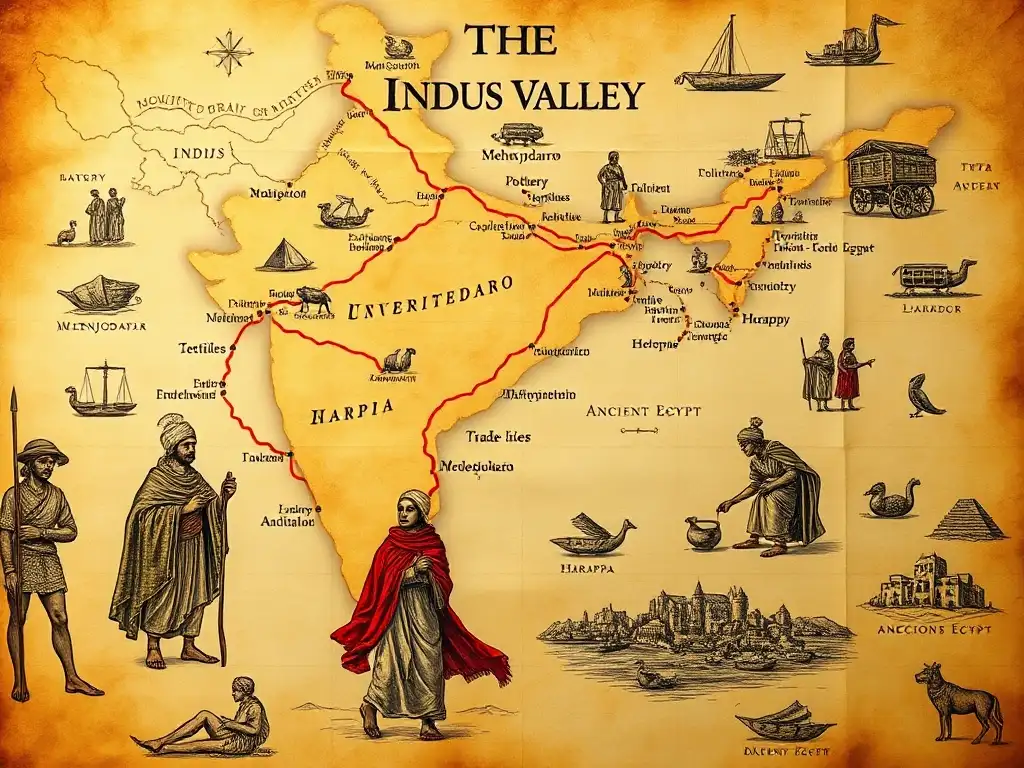
The Indus Valley Civilization (IVC), flourishing between 3300 and 1300 BCE, is renowned for its advanced trade technologies. To fully appreciate the significance of these innovations, it is essential to compare them with trade practices from other ancient civilizations, particularly Mesopotamia and Egypt. This analysis highlights the unique contributions of the IVC and its influence on trade technologies.
Indus Valley Trade Technologies vs. Mesopotamian Trade Methods
The trade methods of the Indus Valley Civilization and Mesopotamia present fascinating contrasts. While both civilizations engaged in extensive trade networks, their approaches differed significantly in several key aspects:
- Geographical Orientation:
- The IVC was strategically located along the Indus River, facilitating both inland and maritime trade with regions such as Mesopotamia, the Arabian Peninsula, and beyond.
- Mesopotamia, situated between the Tigris and Euphrates rivers, relied heavily on riverine transport, but its trade routes were often less direct due to the region's geographical challenges.
- Trade Goods:
- The IVC specialized in cotton textiles, beads, pottery, and metalwork, which were highly sought after in foreign markets. Archaeological evidence suggests that IVC merchants exported these goods widely, particularly to Mesopotamia.
- Conversely, Mesopotamian trade was characterized by the exchange of agricultural products, textiles, and luxury items like lapis lazuli, which were often imported from regions like the Indus Valley.
- Measurement Systems:
- The IVC utilized standardized weights and measures, significantly enhancing trade efficiency. The presence of uniform weights across various cities like Harappa and Mohenjo-Daro indicates a sophisticated understanding of commerce.
- In contrast, Mesopotamia employed a more varied system of weights and measures, which could lead to discrepancies in trade agreements and transactions.
Trade Practices in Ancient Egypt Compared to Indus Valley
The trade practices of ancient Egypt provide another intriguing comparison to the IVC:
- Trade Routes and Materials:
- The Egyptians primarily traded along the Nile River, exporting grains, linen, papyrus, and other agricultural products. The Nile's predictability allowed for reliable transport but limited the diversity of goods compared to the IVC.
- In contrast, the IVC’s trade networks spanned land and sea, allowing for a broader exchange of goods, including luxury items like semi-precious stones and metals, which were less prevalent in Egyptian trade.
- Cultural Exchange:
- Egyptian trade often focused on acquiring raw materials from Nubia and other neighboring regions, leading to a trade model predominantly aimed at resource extraction.
- The IVC, however, established a more symbiotic relationship with trading partners, facilitating cultural exchanges that influenced art, technology, and religious practices across regions.
- Administrative Systems:
- The IVC’s trade was organized through a decentralized network of cities, each with its own regulations but connected by mutual interests, enhancing trade fluidity.
- Egyptian trade was more centralized, with the Pharaoh often overseeing major trade expeditions, which could result in a more bureaucratic approach.
Lessons Learned from Indus Valley Trade Innovations
The innovative trade technologies of the Indus Valley Civilization offer valuable lessons that can be applied to contemporary trade practices:
- Standardization:
- The use of standardized weights and measures in the IVC facilitated fair trade and reduced disputes. Modern commerce can benefit from similar practices to maintain transparency and trust among trading partners.
- Diverse Trade Networks:
- The IVC’s ability to engage in both land and maritime trade exemplifies the importance of developing diverse trading routes. This strategy can help mitigate risks associated with over-reliance on singular routes or markets.
- Cultural Exchange:
- The IVC’s emphasis on cultural exchanges through trade highlights the significance of fostering relationships beyond mere economic transactions. Modern trade agreements can benefit from promoting cultural understanding and cooperation.
- Adaptability:
- The ability of the IVC to adapt to various market demands and integrate new goods into their trade repertoire underscores the need for businesses today to be flexible and responsive to changing market dynamics.
The trade technologies of the Indus Valley Civilization not only set a precedent for future civilizations but also provide timeless insights into effective trade practices that remain relevant in today’s global economy.
Conclusion: The Lasting Legacy of Indus Valley Trade Technologies
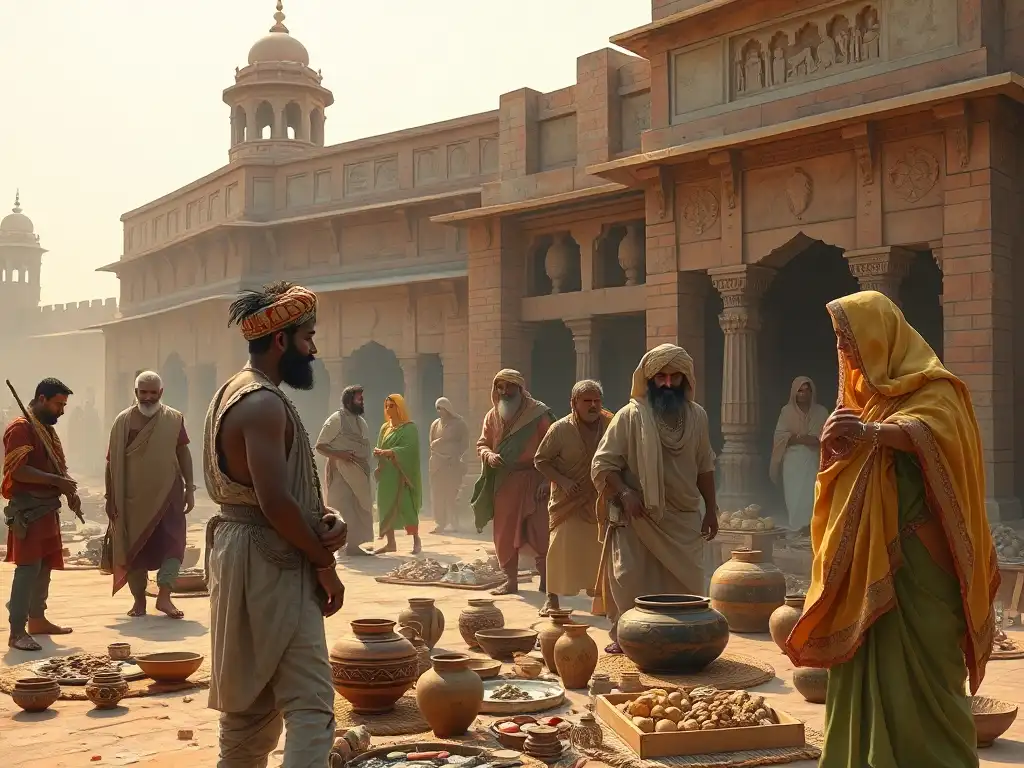
The Indus Valley Civilization, one of the world's earliest urban cultures, left an indelible mark on the evolution of trade technologies. Its sophisticated systems of commerce not only facilitated exchanges within the region but also established connections with distant lands, showcasing remarkable innovations that have persisted through the ages. The legacy of these trade technologies is evident in various aspects of contemporary society, influencing commerce, logistics, and even social structures.
Summary of Key Contributions
The Indus Valley trade technologies can be summarized through several key contributions:
- Standardized Weights and Measures: The civilization developed a comprehensive system of weights and measures, which was crucial for fair trading practices. These tools were often made from stone and featured standardized units that allowed merchants to engage in equitable exchanges.
- Craft Specialization: The emergence of specialized crafts, such as bead-making and metallurgy, allowed for the production of high-quality goods that were sought after in trade. This specialization not only enhanced the quality of products but also fostered a network of artisans and traders.
- Maritime Trade Routes: The Indus Valley people utilized advanced shipbuilding techniques, enabling them to establish maritime trade. Evidence suggests they traded with Mesopotamia, exchanging goods like textiles and precious stones, which speaks to their navigational skills and ship design.
- Urban Planning and Infrastructure: The layout of Indus Valley cities, with well-planned streets and drainage systems, facilitated efficient trade. Markets were strategically located, enhancing accessibility and promoting economic activity.
- Cultural Exchange: Through trade interactions, the Indus Valley Civilization influenced and was influenced by neighboring cultures, leading to the exchange of ideas, technologies, and customs that enriched the societies involved.
Contemporary Relevance of Ancient Trade Technologies
The trade technologies developed by the Indus Valley Civilization have significant contemporary relevance. Modern logistics and supply chain management can trace their roots back to practices initiated by these ancient traders. For instance:
- Global Supply Chains: The concept of standardized measurements and weights laid the groundwork for today’s complex global supply chains, where consistency and fairness are paramount in transactions.
- E-commerce Innovations: The principles of trade established by the Indus Valley have evolved into current e-commerce practices. The need for reliable shipping methods and efficient infrastructure remains as pertinent today as it was thousands of years ago.
- Sustainability Practices: The ancient emphasis on resource management and sustainability in trade can inform current practices aimed at reducing environmental impact, promoting the use of local materials, and encouraging ethical sourcing.
Future Research Directions on Indus Valley Civilization Trade
As scholars continue to explore the Indus Valley Civilization, several promising research directions emerge:
- Technological Analysis: Investigating the specific technologies used in trade, including tools and shipping methods, could provide deeper insights into their operational mechanics and efficiency.
- Trade Networks: Further studies could focus on mapping the extensive trade networks of the Indus Valley, analyzing the routes taken and the goods exchanged to understand the full scope of their economic influence.
- Cultural Impact Studies: Examining how trade interactions shaped cultural and societal norms within the Indus Valley and its trading partners could reveal the interconnectedness of ancient civilizations.
- Archaeological Discoveries: Continued archaeological excavations may uncover new artifacts related to trade, offering fresh perspectives on the economic practices of this remarkable civilization.
The exploration of Indus Valley trade technologies not only enhances our understanding of ancient economic systems but also enriches our appreciation of their lasting impact on modern trade practices. The legacy of this civilization continues to resonate, demonstrating the timeless nature of innovation in the realm of commerce.
References and Further Reading on Indus Valley Trade Technologies
Suggested Books and Articles
-
"The Indus Civilization: A Contemporary Perspective" by Gregory L. Possehl
This comprehensive book provides an in-depth look at the Indus Valley Civilization, including its trade networks and technologies. It highlights archaeological findings and their implications for understanding the economic practices of the time.
-
"Ancient Trade Routes: A History from the Indus Valley to the Mediterranean" by Richard L. Zettler
Zettler explores the extensive trade networks established by the Indus Valley Civilization and their impact on neighboring regions. This work is crucial for understanding the evolution of trade practices.
-
"Trade and Civilization in the Indian Ocean World" by Ashwini Deshpande
This article discusses the role of the Indus Valley in shaping trade dynamics in the Indian Ocean, emphasizing the technologies that facilitated commerce during ancient times.
-
"Technological Innovations in the Indus Valley Civilization" by Sudhir Kumar
This article delves into the specific trade technologies used by the Indus Valley, including weights and measures, transportation methods, and the crafting of goods for trade.
Academic Journals on Ancient Trade Practices
-
Journal of Archaeological Science
This journal frequently publishes articles on ancient trade practices, including those of the Indus Valley Civilization. Relevant articles can provide insights into the methodologies used in the study of trade technologies.
-
The Ancient World
This journal covers a wide range of topics related to ancient civilizations, with several articles focusing specifically on trade and commerce in the Indus Valley. A notable article includes "Maritime Trade in Ancient India: The Indus Valley and Beyond."
-
Asian Perspectives
This interdisciplinary journal includes research on the economic systems of ancient Asian societies. Articles often examine trade technologies and their cultural implications, with several focusing on the Indus Valley.
Online Resources for Further Exploration
-
The Archaeological Survey of India
This official website offers a wealth of information about archaeological findings in India, including detailed reports on the Indus Valley Civilization and its trade practices.
-
Indus Valley Civilization - Britannica
An accessible resource that provides comprehensive information on the Indus Valley Civilization, including its trade technologies, economic systems, and cultural significance.
-
The British Museum - The Indus Valley Collection
The British Museum features an online collection of artifacts from the Indus Valley, many of which are related to trade. The accompanying descriptions offer insights into the technologies and goods exchanged in ancient trade networks.
-
Harappa.com
A dedicated resource on the Indus Valley Civilization, this website presents articles, news, and educational materials related to the civilization’s trade technologies and economic practices.
By exploring these resources, readers can deepen their understanding of Indus Valley trade technologies and their significance in the evolution of trade in ancient civilizations.
Frequently Asked Questions
What were the primary trade technologies of the Indus Valley Civilization?
The Indus Valley Civilization utilized advanced trade technologies such as standardized weights and measures, seals for identification, and sophisticated transportation methods to facilitate commerce.
How did trade contribute to the economy of the Indus Valley?
Trade played a crucial role in the economy of the Indus Valley, allowing for the exchange of goods, resources, and cultural ideas, thereby enhancing economic prosperity and regional connectivity.
What types of goods were traded by the Indus Valley Civilization?
The Indus Valley traders exchanged a variety of goods, including cotton textiles, pottery, and precious stones, as well as agricultural products, which were vital for both local and international markets.
How did the geography of the Indus Valley influence trade?
The geographical location of the Indus Valley, with its proximity to major river systems, enabled easy access to trade routes, facilitating both inland and maritime trade, which was essential for economic interaction.
What impact did the Indus Valley trade technologies have on later civilizations?
The trade technologies developed in the Indus Valley influenced subsequent cultures by introducing innovative practices in commerce, such as the use of seals and weights, which laid the groundwork for more complex trade systems in later civilizations.
Final Reflection: The Enduring Legacy of Indus Valley Trade Technologies
The exploration of Indus Valley trade technologies reveals a profound connection between ancient practices and modern economic systems. As we navigate an increasingly interconnected world, the innovations of the Indus Valley Civilization remind us that the foundations of trade were laid long before our time, shaping the way we exchange goods and ideas today. The ingenuity of these early traders not only facilitated commerce but also fostered cultural exchanges that resonate in our globalized society.
Clearly, the impact of the Indus Valley Civilization extends beyond mere historical significance; it continues to influence contemporary trade practices and technological advancements. The sophisticated methods of trade, including standardized weights and measures, have laid the groundwork for modern commerce. As we reflect on this legacy, we are reminded of the words of historian Kenneth Pomeranz: The past is not just a prologue; it is a living part of our present.
This ongoing relevance underscores the importance of understanding how ancient civilizations like the Indus Valley have shaped our current economic landscape.
As we conclude this exploration, I invite you to reflect on the lessons learned from the Indus Valley trade technologies. Consider how these ancient practices can inspire innovation in your own life and work. Whether you are an entrepreneur, a student, or simply a curious mind, let the ingenuity of the past guide you in navigating the complexities of today's trade and technology. Embrace the spirit of collaboration and creativity that defined the Indus Valley, and carry that legacy forward into the future.
Unveil the Secrets of Ancient Trade!
Thank you for diving into the fascinating world of the Indus Valley Civilization! By exploring their innovative trading practices, you've uncovered valuable insights into how ancient communities shaped modern commerce. Now, let's harness that knowledge to inspire your own explorations and discussions!
Here’s how you can continue your journey:
- Start a conversation: Share your thoughts on how ancient trade influences today's economy with friends or on social media.
- Conduct a mini-research project: Investigate the trade technologies and practices of other ancient civilizations, comparing them to those of the Indus Valley.
- Visit a local museum: Look for an exhibit that showcases ancient trade artifacts or technologies to witness history firsthand.
How do you think the advancements in trade from the Indus Valley can inspire innovation in today’s global market?