
The Diplomacy of the Maurya Empire: Key Figures Who Shaped Foreign Relations

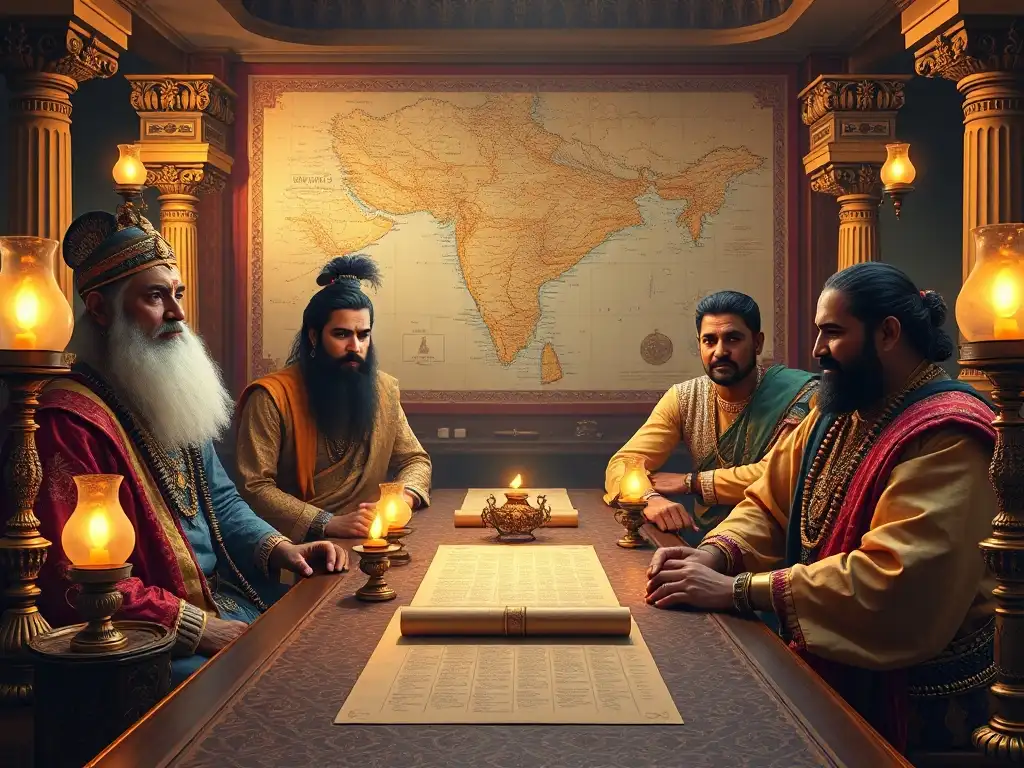
Welcome to Ancient India History, where we embark on a captivating journey through the rich tapestry of ancient Indian civilizations. Today, we delve into the intricate web of diplomacy that defined the Maurya Empire, exploring its fascinating foreign relations history. Who were the key figures that shaped these vital connections, and how did their strategies influence the empire's legacy? Get ready to uncover the secrets of ancient diplomacy that resonate even today. Join us as we illuminate the remarkable stories behind the Maurya Empire's interactions with the world, inviting you to explore the depth of India's historical narrative.
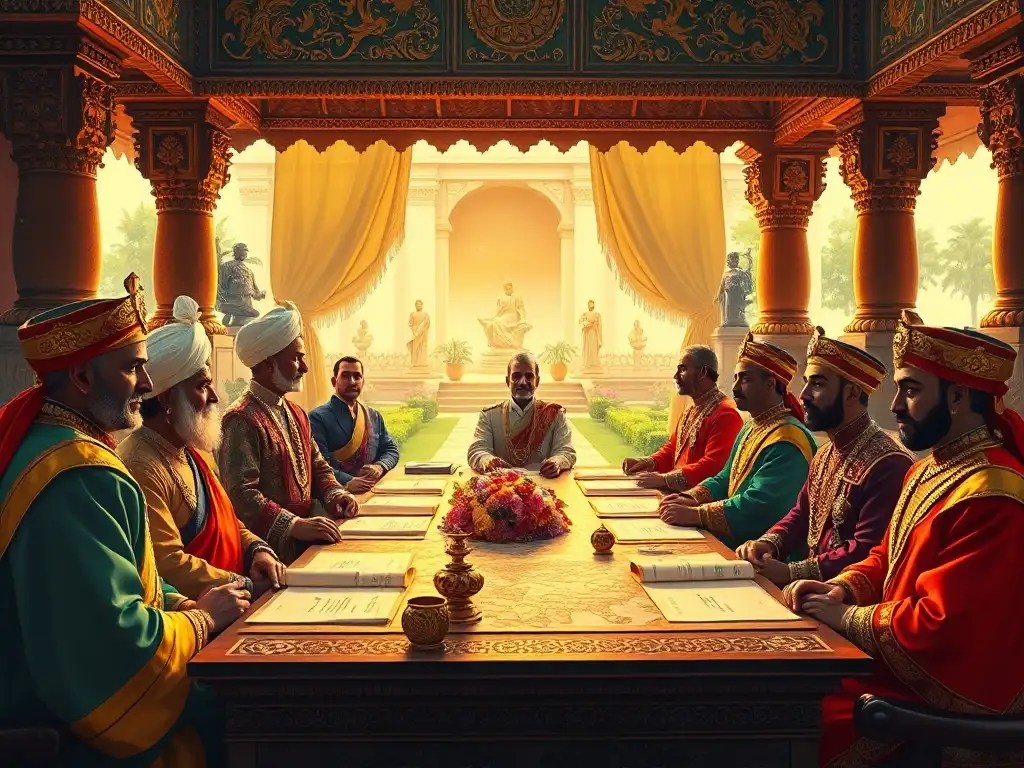
Introduction to Maurya Empire Foreign Relations History
The Maurya Empire, one of the most significant empires in ancient Indian history, spanned from 322 to 185 BCE and was marked by its remarkable expansion and consolidation of power. The empire's diplomatic endeavors played a crucial role in establishing its influence across the Indian subcontinent and beyond.
Understanding the Maurya Empire foreign relations history is essential to grasp the complexities of its political landscape and the strategies employed by its key figures to navigate the intricate web of alliances, treaties, and conflicts. This article delves into the pivotal characters who shaped the foreign relations of the Maurya Empire, highlighting their contributions and the lasting impact of their diplomatic efforts on ancient India.
Overview of the Maurya Empire
The Maurya Empire emerged in the wake of the fragmentation following the decline of the Nanda dynasty. Founded by Chandragupta Maurya, the empire quickly expanded, reaching its zenith under the reign of his grandson, Ashoka the Great. The Maurya Empire is noted for its:
- Territorial Expansion: At its height, it encompassed most of the Indian subcontinent, stretching from the Himalayas in the north to the Deccan Plateau in the south.
- Centralized Administration: The empire established a robust bureaucratic system, facilitating effective governance and tax collection.
- Cultural Flourishing: The Maurya period saw significant advancements in art, architecture, and philosophy, notably the spread of Buddhism.
These elements not only solidified the Maurya Empire's power but also laid the groundwork for its diplomatic relations with neighboring kingdoms and distant empires.
Importance of Foreign Relations in Ancient India
The significance of foreign relations in ancient India cannot be overstated. For the Maurya Empire, diplomacy was not merely a tool for conflict resolution; it was a means of:
- Securing Alliances: Strategic alliances with other kingdoms enabled the Maurya Empire to bolster its military strength and expand its territory.
- Cultural Exchange: Diplomatic interactions facilitated the exchange of ideas, religions, and cultural practices, enriching the social fabric of the empire.
- Economic Benefits: Trade agreements and diplomatic ties led to increased commerce, enhancing the empire's wealth and resources.
In this context, understanding the diplomacy of the Maurya Empire provides insights into how ancient states navigated international relations and maintained stability within their borders.
Key Figures in Maurya Empire Diplomacy
The diplomatic landscape of the Maurya Empire was shaped by several key figures, each contributing uniquely to the development of foreign relations.
Chandragupta Maurya: The Founder and His Diplomatic Strategies
Chandragupta Maurya, the empire's founder, was not only a military leader but also a shrewd diplomat. His strategies included:
- Forming Alliances: Chandragupta forged alliances with local chieftains and powerful kingdoms to consolidate power.
- Engaging in Treaties: He negotiated treaties with foreign powers, including the Seleucid Empire, which allowed for territorial exchanges and improved trade routes.
- Strategic Marriages: Marital alliances were employed to strengthen political ties and secure loyalty from neighboring rulers.
Through these strategies, Chandragupta set the foundation for a diplomatic tradition that would influence subsequent rulers.
Chanakya (Kautilya): The Mastermind Behind Maurya Diplomacy
Chanakya, also known as Kautilya, was a pivotal figure in the Maurya Empire's diplomacy, serving as an advisor to Chandragupta. His contributions included:
- Arthashastra: In his seminal work, Chanakya outlined various diplomatic strategies, emphasizing the importance of intelligence, espionage, and realpolitik.
- Political Maneuvering: He adeptly navigated the political landscape, employing cunning tactics to outmaneuver rivals and enhance the empire's standing.
- Promoting Stability: Chanakya's policies aimed at ensuring internal stability, which was crucial for maintaining strong diplomatic relations with neighboring entities.
His insights into statecraft and diplomacy remain influential even in contemporary political thought.
Ashoka the Great: Diplomacy and the Spread of Buddhism
Ashoka, the grandson of Chandragupta, is perhaps the most renowned Mauryan ruler, particularly for his transformation from a conqueror to a proponent of peace and Buddhism. His diplomatic endeavors included:
- Promotion of Buddhism: Ashoka sent emissaries to foreign lands to spread Buddhism, fostering peaceful relations and cultural exchange.
- Edicts and Treaties: Through his edicts, Ashoka communicated his policies of non-violence and compassion, which resonated with neighboring states and helped to establish diplomatic goodwill.
- Cultural Diplomacy: His support for art and architecture, especially stupas and rock edicts, served as a means of cultural diplomacy, promoting a shared cultural identity.
Ashoka's legacy of diplomacy is characterized by a shift from military conquest to moral persuasion, profoundly influencing the region's political landscape.
Other Notable Figures: Their Contributions to Foreign Relations
In addition to the prominent figures mentioned, several other notable personalities played significant roles in shaping the foreign relations of the Maurya Empire:
- Bindusara: As the son of Chandragupta, he continued diplomatic efforts, maintaining relations with Hellenistic kingdoms and fostering trade.
- Nandas: Although preceding the Mauryas, the Nanda dynasty's relations with neighboring states set the stage for the Maurya Empire's diplomatic engagements.
- Ambassadors: The Maurya Empire employed diplomats and ambassadors who facilitated communication and negotiations with foreign powers, ensuring a stable and prosperous empire.
These figures collectively contributed to the rich tapestry of diplomacy that characterized the Maurya Empire's foreign relations history, showcasing the empire's ability to adapt and thrive in a complex geopolitical environment.
Diplomatic Strategies Employed by the Maurya Empire
The Maurya Empire, one of the largest empires in ancient India, utilized a variety of diplomatic strategies to maintain and expand its influence across the region. These strategies were pivotal in establishing the empire's dominance and ensuring stability. The Mauryan rulers, particularly Chandragupta Maurya and his grandson Ashoka, understood the significance of diplomacy in international relations. Their methods encompassed political alliances, treaties, military diplomacy, and active engagement with neighboring states.
One of the key aspects of the Maurya Empire's diplomacy was the careful negotiation of political alliances. By forming strategic partnerships, the Maurya rulers could strengthen their position against common enemies and facilitate trade. Additionally, the empire employed a sophisticated system of treaties and agreements, which were often designed to ensure peace and mutual benefit. Military diplomacy also played a crucial role, as the Maurya Empire expanded its territories through both military conquests and defensive strategies that deterred potential aggressors.
Political Alliances: Formation and Purpose
Political alliances were fundamental to the Maurya Empire's diplomatic approach. The rulers recognized that uniting with neighboring kingdoms could provide mutual security and economic advantages. These alliances often involved marriage ties, where royal families from different states would intermarry to cement relationships. For instance, Chandragupta Maurya formed alliances with various regional powers to bolster his position against the Nanda dynasty.
The purpose of these alliances extended beyond mere defense. They facilitated trade routes, allowing for the exchange of goods, culture, and ideas. By forging relationships with neighboring states, the Maurya Empire could stabilize its borders and promote economic growth. This network of alliances also helped in gathering intelligence about potential threats, enabling the empire to respond proactively to challenges.
Treaties and Agreements: Key Examples from Maurya History
Treaties and agreements were pivotal in shaping the foreign relations of the Maurya Empire. One significant example is the treaty between Chandragupta Maurya and Seleucus I Nicator, a general of Alexander the Great. Following Alexander's campaign in India, Chandragupta negotiated a peace treaty that not only established boundaries but also included a marriage alliance. This treaty allowed for a stable relationship between the two powers and facilitated trade.
Another notable agreement was the Edicts of Ashoka, which were inscribed on pillars and rocks across his empire. These edicts communicated the principles of governance and ethical conduct, promoting peace and non-violence. They also served as a diplomatic tool, signaling Ashoka's commitment to benevolence and fostering relationships with other states, particularly in the context of spreading Buddhism.
Military Diplomacy: Expansion and Defense Tactics
Military diplomacy was a critical element of the Maurya Empire's strategy for expansion and defense. The Mauryan rulers employed a dual approach: they expanded their territory through military conquests while simultaneously using diplomatic means to secure peace with other states. This approach allowed them to deter aggression from neighboring kingdoms.
Chandragupta Maurya, for example, undertook military campaigns to annex territories, but he also understood the importance of negotiations to avoid prolonged conflicts. He often offered favorable terms to defeated kings, allowing them to retain some autonomy in exchange for loyalty to the Maurya Empire. This tactic not only expanded the empire's influence but also minimized resistance and fostered loyalty among newly acquired territories.
Case Studies of Maurya Empire Foreign Relations
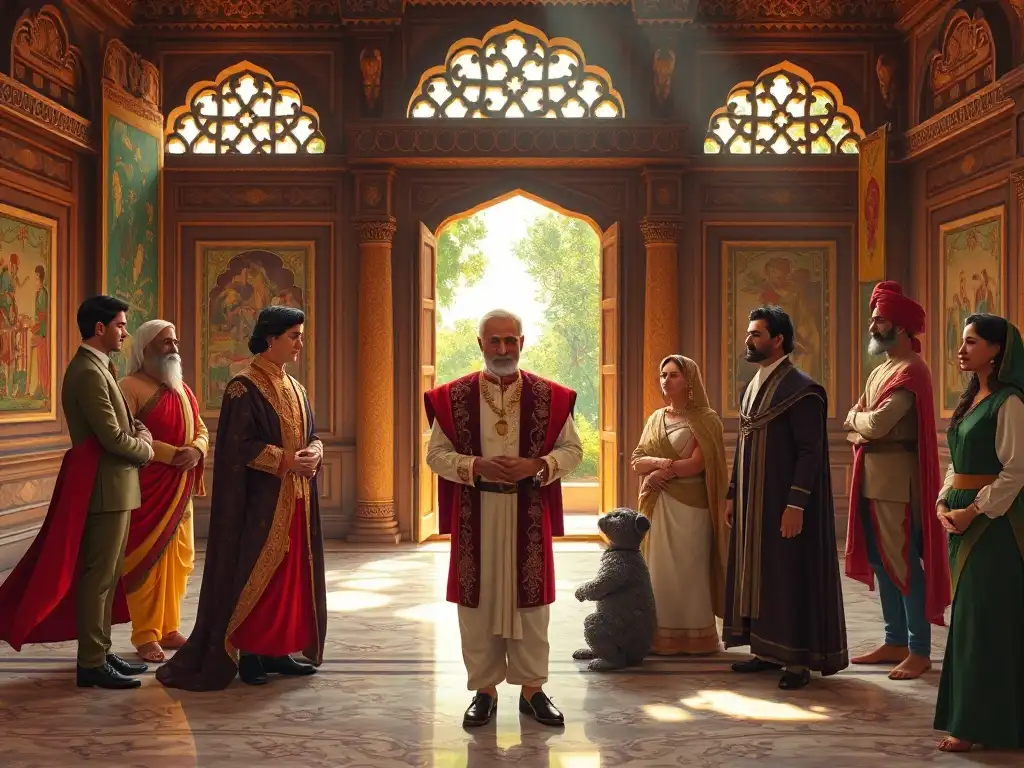
Maurya Relations with the Greek Kingdoms
The Maurya Empire's relations with the Greek kingdoms were primarily shaped by the aftermath of Alexander the Great's conquests in India. Following Alexander's departure, the Mauryan rulers engaged diplomatically with the remnants of Greek power, most notably Seleucus I Nicator. The treaty between Chandragupta Maurya and Seleucus exemplified the successful negotiation of boundaries and mutual interests that allowed for peaceful coexistence and trade between the two empires.
This relationship was characterized by cultural exchanges as well. The Mauryas adopted certain aspects of Hellenistic culture, while Greek historians and scholars wrote about Indian society, thereby enriching the historical understanding of both civilizations. The interactions paved the way for a fruitful exchange of ideas, art, and commerce that benefitted both the Maurya Empire and the Greek kingdoms.
Diplomatic Missions to Southeast Asia
The Maurya Empire's influence extended beyond the Indian subcontinent, reaching Southeast Asia through diplomatic missions. Ashoka, in particular, is credited with sending emissaries to various Southeast Asian kingdoms to spread Buddhism and establish diplomatic ties. These missions were instrumental in promoting cultural exchange and fostering trade relations.
The impact of these missions can be observed in the subsequent adoption of Buddhism in countries like Sri Lanka and parts of Southeast Asia. The establishment of trade routes facilitated not only the movement of goods but also the exchange of ideas, strengthening the Maurya Empire's influence across the region and contributing to the spread of Indian culture.
Interactions with the Persian Empire
Interactions between the Maurya Empire and the Persian Empire were crucial in shaping the political landscape of ancient India. The Mauryas, particularly Chandragupta, recognized the significance of maintaining cordial relations with Persia, especially given the historical context of Persian influence in the region.
The relationship was marked by diplomatic exchanges and trade, with both empires benefiting from the economic opportunities that arose from their interactions. The Maurya Empire's strategic position allowed it to act as a bridge between Eastern and Western trade routes, enhancing its economic power while fostering relations with the powerful Persian Empire. Such interactions also paved the way for cultural exchanges that enriched both civilizations, influencing art, architecture, and philosophy.
Impact of Maurya Empire's Foreign Relations on Ancient India
The Maurya Empire, known for its political and military prowess, also excelled in diplomacy, which significantly influenced the historical trajectory of ancient India. The empire's foreign relations were characterized by strategic alliances, treaties, and cultural exchanges that fostered both stability and growth. Through diplomatic engagement, the Mauryas not only expanded their territory but also facilitated the exchange of ideas, goods, and cultural practices that enriched their civilization and those of their neighbors.
The impact of the Maurya Empire's foreign relations can be seen in various dimensions, including cultural, economic, and political spheres. By establishing robust diplomatic ties, the Maurya rulers were able to create a favorable environment for trade and cultural interactions, which ultimately contributed to the prosperity and sustainability of their empire. This legacy of diplomacy also laid the groundwork for future Indian empires, influencing their approaches to foreign policy and international relations.
Cultural Exchange and Influence
Cultural exchange during the Maurya Empire was profound, as the empire's diplomatic initiatives encouraged interactions between diverse civilizations. The Mauryan kings, particularly Ashoka, were known for their efforts to promote Buddhism beyond India’s borders, reaching regions such as Central Asia, Southeast Asia, and even the Hellenistic world. This dissemination of Buddhist philosophy and culture exemplified how diplomacy could serve as a vehicle for cultural influence.
Moreover, the exchange of ideas and artistic styles between India and other cultures led to significant developments in art, architecture, and religious practices. For instance, the Mauryan influence is evident in the spread of stupas and other architectural forms across Asia. The interaction with Greek culture, following Alexander the Great’s incursions, also introduced new artistic motifs and techniques, enriching Indian artistic traditions.
Economic Implications of Diplomatic Relations
The Maurya Empire's foreign relations had substantial economic implications, particularly concerning trade and commerce. By forging alliances and trade agreements with neighboring states, the Mauryas facilitated the exchange of goods, such as textiles, spices, and precious metals. These diplomatic ties ensured a steady flow of resources that supported the empire's economy.
Additionally, the establishment of trade routes through diplomacy allowed the Mauryan Empire to connect with far-flung regions, enhancing its commercial networks. The Silk Road, which began to take shape during this period, was partially influenced by Mauryan trade activities. This not only increased wealth within the empire but also contributed to its influence in regional politics and trade dynamics.
Legacy of Maurya Diplomacy in Subsequent Indian Empires
The diplomatic strategies employed by the Maurya Empire set a precedent for future Indian empires. The Gupta Empire, which followed the Mauryas, adopted many of their diplomatic practices, utilizing marriage alliances, trade agreements, and cultural exchanges to strengthen their own rule. The emphasis on diplomacy as a tool for maintaining peace and promoting trade became a hallmark of Indian imperial strategy.
Furthermore, the Maurya Empire's approach to diplomacy influenced neighboring kingdoms and cultures, leading to a broader understanding of international relations in ancient India. The principles of tolerance and cultural integration that were hallmarks of Mauryan diplomacy continued to resonate in the diplomatic practices of later Indian states, shaping the political landscape for centuries to come.
Conclusion: The Significance of Diplomacy in Maurya Empire Foreign Relations History
The diplomacy of the Maurya Empire played a critical role in shaping its foreign relations history, highlighting the importance of strategic engagement in international affairs. The empire's ability to navigate complex political landscapes through diplomacy allowed it to flourish and left an indelible mark on the history of ancient India.
Summary of Key Figures and Their Impact
Key figures such as Chandragupta Maurya and Ashoka the Great were instrumental in defining the diplomatic policies of the Maurya Empire. Chandragupta established foundational alliances that secured the empire's borders, while Ashoka's promotion of Buddhism and non-violence exemplified a unique approach to diplomatic relations that prioritized moral authority over military conquest. Their contributions not only facilitated immediate benefits for the empire but also influenced India's diplomatic practices for generations.
Reflections on the Maurya Empire's Diplomatic Legacy
Reflecting on the Maurya Empire's diplomatic legacy reveals a sophisticated understanding of foreign relations that was ahead of its time. The blend of cultural diplomacy, economic strategy, and political acumen established by the Mauryas underscores the significance of diplomacy in fostering stability and growth. This legacy offers valuable insights for contemporary discussions on international relations, emphasizing the enduring relevance of diplomacy in achieving peace and prosperity.
- Introduction to Maurya Empire Foreign Relations History
- Key Figures in Maurya Empire Diplomacy
- Diplomatic Strategies Employed by the Maurya Empire
- Case Studies of Maurya Empire Foreign Relations
- Impact of Maurya Empire's Foreign Relations on Ancient India
- Conclusion: The Significance of Diplomacy in Maurya Empire Foreign Relations History
- What were the main foreign relations strategies of the Maurya Empire?
- Who were the key figures in shaping the foreign relations of the Maurya Empire?
- How did the Maurya Empire handle conflicts with other states?
- What impact did the Maurya Empire's foreign relations have on its economy?
- How did the Maurya Empire influence subsequent Indian dynasties in terms of foreign relations?
Frequently Asked Questions
What were the main foreign relations strategies of the Maurya Empire?
The Maurya Empire employed diplomatic negotiations and alliances with neighboring states to maintain peace and expand its influence. This strategy helped them navigate complex political landscapes.
Who were the key figures in shaping the foreign relations of the Maurya Empire?
Key figures included Chandragupta Maurya, the founder, and Ashoka, his grandson, who emphasized diplomacy and non-violence, particularly after the Kalinga War, which transformed his approach to international relations.
How did the Maurya Empire handle conflicts with other states?
The Maurya Empire often chose diplomacy over warfare, using treaties and marriages as tools to prevent conflicts, although it did engage in military campaigns when necessary to assert its power.
What impact did the Maurya Empire's foreign relations have on its economy?
Effective foreign relations allowed the Maurya Empire to establish trade routes and alliances that enhanced its economic stability and facilitated cultural exchanges, boosting its wealth and influence.
How did the Maurya Empire influence subsequent Indian dynasties in terms of foreign relations?
The diplomatic practices and strategies established during the Maurya Empire set a precedent for later Indian dynasties, influencing their approaches to diplomacy, alliances, and managing foreign affairs.
Final Reflection: The Enduring Legacy of Maurya Empire Foreign Relations
The intricate web of diplomacy woven by the Maurya Empire continues to resonate in today’s global interactions. As we explore the historical significance of key figures who shaped foreign relations during this era, it becomes evident that their strategies and philosophies laid the groundwork for modern diplomatic practices. The lessons learned from their approaches to negotiation, alliance-building, and conflict resolution are not only relevant but essential in navigating the complexities of contemporary international relations.
The Maurya Empire's diplomatic endeavors have profoundly influenced the cultural and social landscape of South Asia and beyond. The emphasis on strategic alliances and the understanding of diverse cultures fostered a legacy of coexistence and mutual respect that remains vital today. As we reflect on the words of Chanakya, a prominent figure of the Maurya period, who stated, There is some self-interest behind every friendship. There is no friendship without self-interests.
This insight reminds us that diplomacy is often a delicate balance of interests, highlighting the need for empathy and understanding in our interactions with others.
As we look to the future, I invite you to consider how the principles of diplomacy from the Maurya Empire can inform your own life and relationships. Reflect on the importance of building bridges rather than walls, and strive to approach conflicts with an open mind and a willingness to understand differing perspectives. In a world that often feels divided, let us embrace the spirit of the Maurya Empire and become ambassadors of peace and cooperation in our communities, fostering a legacy of diplomacy that transcends time and borders.
Unveil the Secrets of Ancient Diplomacy!
Thank you for diving into the fascinating world of the Maurya Empire and its pivotal figures in foreign relations! You’ve just uncovered the intricate layers of diplomacy that shaped ancient India’s interactions on the global stage. Now, it’s time to translate this knowledge into action.
Here are some engaging steps you can take:
- Explore further! Delve into more articles about influential leaders of the Maurya Empire and discover how their strategies can inspire modern diplomacy.
- Join the discussion! Share your insights or questions about the diplomatic strategies of the Maurya Empire in our community forum—connect with fellow history enthusiasts!
- Spread the knowledge! Share this article with your friends or on social media to ignite discussions about the importance of diplomacy throughout history.
What aspects of Mauryan diplomacy do you find most relevant to today’s global relations? We’d love to hear your thoughts below!