
How the Indus Valley Civilization Influenced Agricultural Practices in Asia

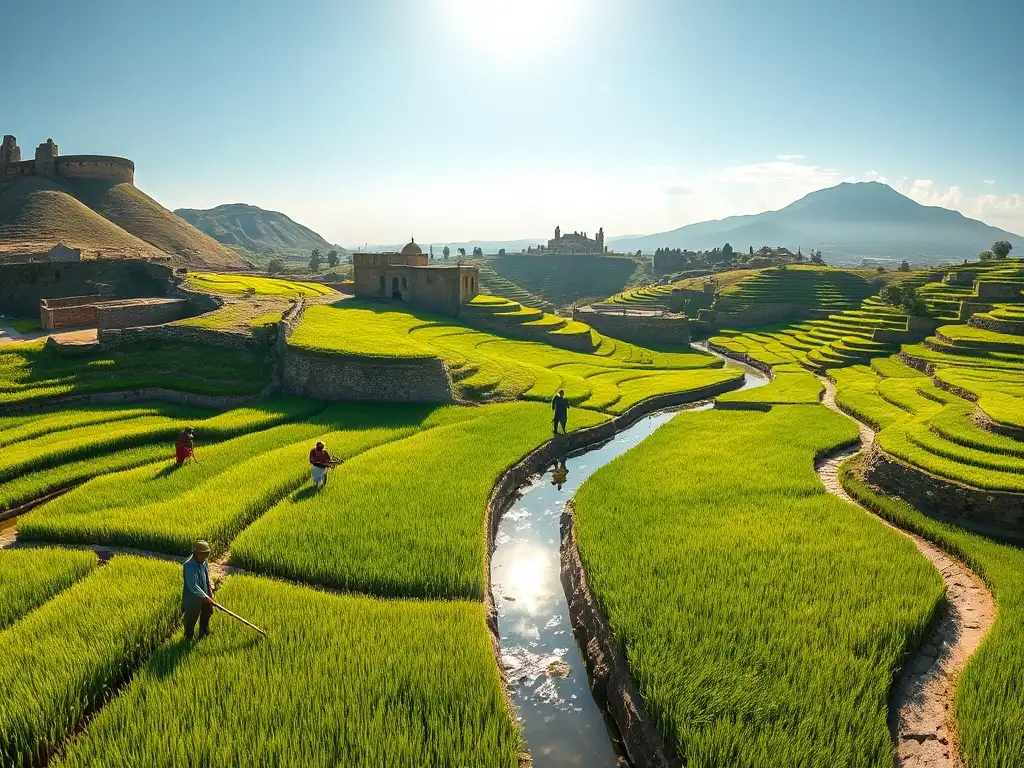
Welcome to Ancient India History, where we embark on a fascinating journey through the vibrant tapestry of India's past. In our exploration of the Indus Valley agricultural influence, we unveil the remarkable innovations and techniques that shaped not only the subcontinent but also reverberated across Asia. How did the agricultural practices of this ancient civilization lay the groundwork for future societies? Join us as we delve into the intricate details of their contributions, sparking your curiosity about the legacies that continue to impact our world today. Prepare to uncover the secrets of the past that still nourish our present!
- Introduction to the Indus Valley Civilization and Agriculture
- The Agricultural Practices of the Indus Valley Civilization
- The Indus Valley Agricultural Influence on Neighboring Regions
- The Role of Trade in Agricultural Practices
- Comparing Indus Valley Agricultural Practices with Other Ancient Civilizations
- Legacy of the Indus Valley Agricultural Influence
- Conclusion: The Lasting Impact of the Indus Valley on Agriculture in Asia
-
Frequently Asked Questions
- What was the significance of the Indus Valley Civilization in agricultural practices?
- How did the Indus Valley agricultural influence spread to other regions?
- What crops were primarily cultivated in the Indus Valley?
- What were some key agricultural innovations of the Indus Valley Civilization?
- How did the Indus Valley Civilization impact later Indian dynasties?
- Final Reflection: The Enduring Legacy of Indus Valley Agricultural Influence
- Explore the Legacy of the Indus Valley on Modern Agriculture!
Introduction to the Indus Valley Civilization and Agriculture
The Indus Valley Civilization (IVC), flourishing around 2500 BCE in what is now Pakistan and northwest India, stands as one of the most remarkable ancient societies, showcasing advanced urban planning, architecture, and a well-organized economy. Among its many contributions, the civilization's agricultural practices laid the groundwork for agricultural development not only within the subcontinent but also across Asia.
By examining the agricultural techniques, crop diversity, and irrigation methods employed by the IVC, we can gain insights into how these early practices influenced surrounding regions and subsequent civilizations. In this article, we will explore the significance of the Indus Valley's agricultural innovations and their lasting impact on agricultural practices throughout Asia, providing a comprehensive understanding of the IVC's role in shaping agricultural history.
Overview of the Indus Valley Civilization
The Indus Valley Civilization is often recognized for its sophisticated urban centers, such as Harappa and Mohenjo-Daro, which exhibited remarkable planning, including grid layouts and advanced drainage systems. The civilization thrived due to its strategic location near the Indus River, which provided fertile soil and a reliable water source for agriculture. Key characteristics of the IVC include:
- Urban Planning: Cities were meticulously planned with standardized bricks, well-defined streets, and public baths.
- Trade Networks: The IVC engaged in extensive trade with neighboring regions, exchanging goods such as textiles, pottery, and metalwork.
- Cultural Achievements: The civilization is noted for its script, seals, and figurines, which reflect its complex social structure and cultural practices.
Agriculture was central to the IVC's economy, allowing for the sustenance of a large population and the development of trade and social hierarchies.
Importance of Agriculture in Ancient Civilizations
Agriculture has always served as the backbone of ancient civilizations, providing food security, economic stability, and the foundation for societal growth. In the context of the Indus Valley Civilization, agriculture was particularly vital for several reasons:
- Food Production: The ability to cultivate crops such as wheat, barley, and legumes ensured a stable food supply, which was crucial for population growth.
- Economic Development: Surplus production allowed for trade and commerce, facilitating the exchange of goods and ideas with other cultures.
- Social Structure: Agricultural practices contributed to the emergence of social hierarchies, as land ownership and resource distribution became critical factors in societal organization.
The agricultural innovations of the IVC not only supported its inhabitants but also influenced the agricultural practices of neighboring regions, creating a ripple effect that shaped the agricultural landscape of ancient Asia.
Purpose of the Article: Understanding Indus Valley Agricultural Influence
This article aims to delve deep into the agricultural practices of the Indus Valley Civilization, focusing on how these practices influenced agricultural development throughout Asia. By exploring various facets such as:
- Irrigation Techniques: The advanced methods utilized by the IVC to enhance crop yield.
- Crop Varieties: The diversity of crops cultivated and their significance in trade.
- Cultural Exchange: How the agricultural practices of the IVC were transmitted and adapted by subsequent civilizations.
We hope to illuminate the profound impact of the Indus Valley agricultural influence on the broader context of ancient agricultural practices. Through this exploration, we aim to showcase the enduring legacy of the IVC and its role in shaping the agricultural foundations of future societies.
The Agricultural Practices of the Indus Valley Civilization
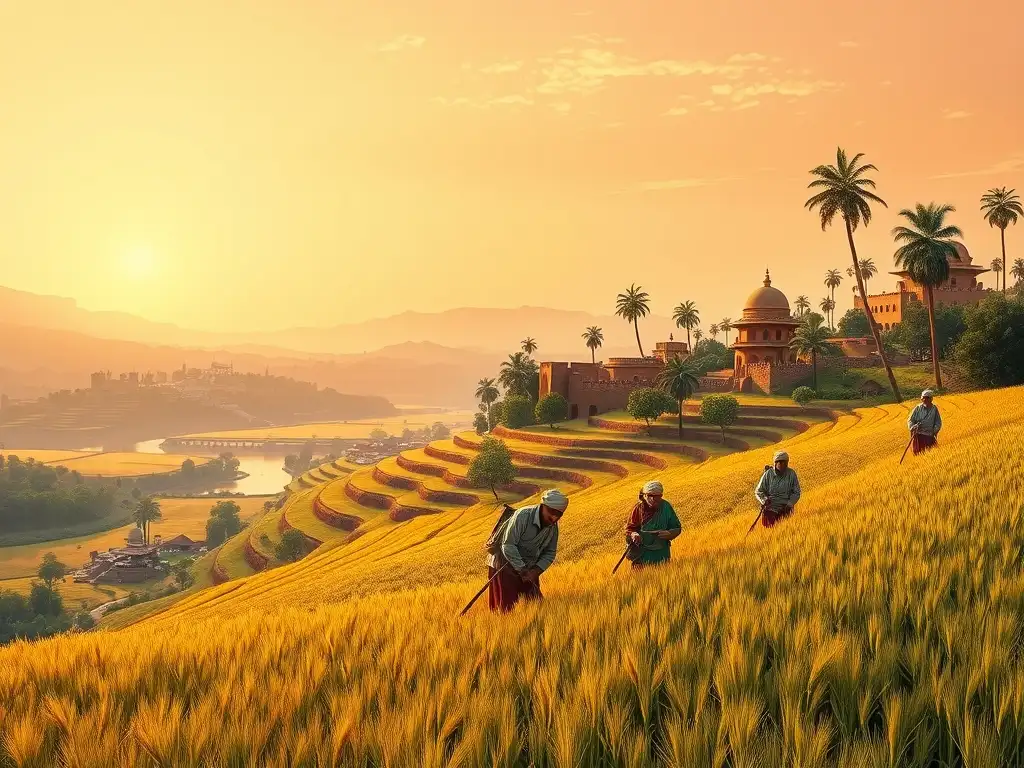
The agricultural practices of the Indus Valley Civilization (IVC) were foundational to their society, influencing not only their economy but also the agricultural frameworks of subsequent civilizations across Asia. This civilization, thriving from approximately 3300 to 1300 BCE, showcased remarkable advancements in farming techniques, crop cultivation, and resource management, all of which contributed significantly to the agricultural landscape of the region.
Crops Cultivated by the Indus Valley Farmers
The farmers of the Indus Valley cultivated a variety of crops, which played a crucial role in sustaining their urban centers. Key crops included:
- Wheat: The IVC is credited with the early domestication of wheat, particularly Triticum aestivum, which became a staple food not only in the valley but also spread to other regions.
- Barley: Another principal crop, Hordeum vulgare, was used for food and brewing, indicating the cultivation of beer as an important aspect of their culture.
- Legumes: Pulses such as lentils and chickpeas were grown, providing essential protein to the diet.
- Rice: Evidence suggests the cultivation of rice, particularly in the southern regions of the IVC, demonstrating their adaptability to different agricultural environments.
- Cotton: The IVC was one of the first civilizations to cultivate cotton, which later became a significant commodity in trade.
These crops not only supported the local population but also facilitated trade with other regions, further enriching the agricultural practices across Asia.
Agricultural Techniques and Innovations
The agricultural techniques employed by the Indus Valley farmers were sophisticated and reflected an advanced understanding of their environment. Innovations in farming practices contributed to increased productivity and sustainability.
Irrigation Systems in the Indus Valley
The Indus Valley Civilization developed extensive irrigation systems that were pivotal for their agricultural success. These systems included:
- Canals: The IVC featured a network of canals that diverted water from rivers, ensuring a steady supply for crops, especially during dry seasons.
- Reservoirs and Tanks: Evidence of large reservoirs indicates that the civilization constructed storage facilities to collect rainwater, further enhancing their irrigation capabilities.
- Flood Management: Farmers developed strategies to manage seasonal flooding, utilizing the fertile silt deposited by river overflow to enhance soil fertility.
These irrigation practices not only improved crop yields but also showcased the civilization's ability to manipulate their environment for agricultural benefits.
Use of Tools and Implements in Farming
The technological advancements in tools and implements played a significant role in the agricultural practices of the Indus Valley Civilization. Some notable implements included:
- Plows: Archaeological findings suggest that the IVC utilized wooden plows, which significantly improved the efficiency of tilling the soil.
- Sickles: The sickle, used for harvesting crops, was an essential tool that allowed for the efficient gathering of grain.
- Storage Granaries: The construction of large granaries indicates an organized approach to food storage, ensuring that surplus crops could be preserved for future use.
The combination of these tools and agricultural practices contributed to the overall productivity of the IVC, setting a precedent for agricultural techniques in subsequent Asian civilizations.
The agricultural influence of the Indus Valley Civilization was marked by innovative practices, diverse crop cultivation, and effective resource management. These advancements not only sustained their society but also laid the groundwork for agricultural development in Asia, demonstrating the civilization's lasting impact on the region's agricultural practices.
The Indus Valley Agricultural Influence on Neighboring Regions
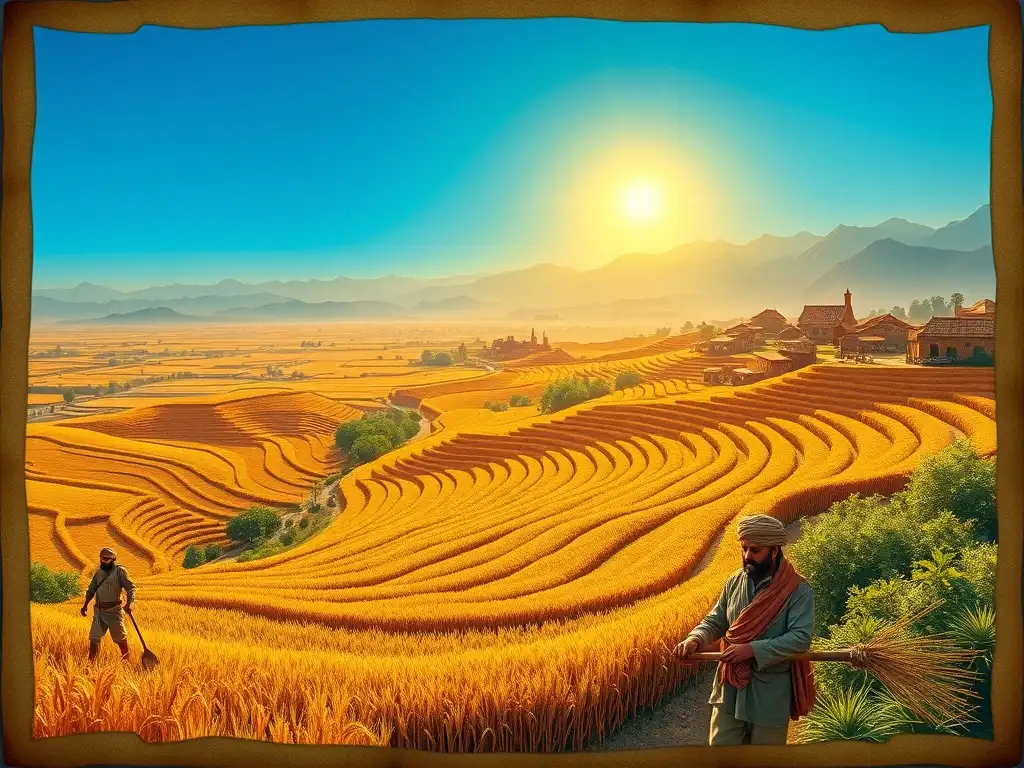
The Indus Valley Civilization (IVC), thriving between 3300 BCE and 1300 BCE, showcased advanced agricultural practices that not only supported its own society but also significantly influenced neighboring regions. The agricultural techniques developed by the IVC were instrumental in shaping the agricultural landscape of Central Asia, China, and Southeast Asia, contributing to the establishment of more sophisticated farming systems.
Spread of Agricultural Techniques to Central Asia
The agricultural innovations of the Indus Valley began to permeate Central Asia through trade routes and cultural exchanges. Key elements of these techniques included:
- Crop Diversification: The IVC cultivated a variety of crops, including wheat, barley, and pulses, which were later adopted by Central Asian farmers. This diversification enhanced food security and agricultural resilience in the region.
- Irrigation Systems: The sophisticated irrigation methods developed by the IVC, including the use of canals and wells, provided a model for Central Asian agricultural practices. Farmers in regions like present-day Turkmenistan and Uzbekistan adopted similar techniques to optimize water usage in arid conditions.
- Animal Husbandry: The IVC's practices in managing livestock, particularly cattle, sheep, and goats, influenced Central Asian pastoral communities. This integration of animal husbandry with crop farming allowed for more sustainable agricultural systems.
The exchange of agricultural knowledge between the IVC and Central Asia laid the foundation for more advanced societies, facilitating the growth of trade networks and cultural exchanges.
Impact on Early Chinese Agricultural Practices
The influence of the Indus Valley on early Chinese agricultural practices is evident in several ways:
- Crop Introduction: Historical evidence suggests that crops such as rice and millet, which were staples in the Indus Valley, were introduced to the Chinese agricultural system. This contributed to the diversification of Chinese agriculture and supported population growth.
- Farming Techniques: The IVC's methods of crop rotation and land management were adopted by Chinese farmers, enhancing soil fertility and improving yield. The practice of using fertilizers, derived from animal waste as seen in the IVC, also found its way into early Chinese farming.
- Trade and Cultural Exchange: The Silk Road, which facilitated trade between the Indus Valley and China, was crucial in the transfer of agricultural techniques. As merchants exchanged goods, they also shared knowledge about farming practices, allowing for the diffusion of IVC agricultural innovations.
This mutual influence contributed to the agricultural advancements in China, enabling the growth of one of the world's earliest and most sophisticated agrarian societies.
Influence on Southeast Asian Agriculture
The agricultural practices of the Indus Valley also left a lasting impact on Southeast Asia, where they contributed to the development of highly productive agricultural systems:
- Wet Rice Cultivation: The IVC's expertise in irrigation and wetland farming laid the groundwork for rice cultivation in Southeast Asia. The techniques used in the Indus Valley for planting and harvesting rice were mirrored in regions like Vietnam and Thailand, leading to the establishment of rice as a staple crop.
- Trade of Agricultural Products: The trade routes established by the IVC facilitated the exchange of agricultural products, including spices and tropical fruits, which were integrated into Southeast Asian agriculture. This exchange not only diversified the agricultural output but also enhanced the region's economic standing.
- Cultural Practices: The agricultural festivals and rituals practiced in the Indus Valley also influenced the cultural practices in Southeast Asia, reinforcing the connection between agriculture and societal norms.
The integration of Indus Valley agricultural techniques into Southeast Asia played a crucial role in shaping the region's agrarian societies, ultimately leading to the establishment of thriving civilizations rooted in agriculture.
The Indus Valley agricultural influence extended far beyond its geographic boundaries, shaping agricultural practices across Central Asia, China, and Southeast Asia, and demonstrating the interconnectedness of ancient civilizations through agriculture.
The Role of Trade in Agricultural Practices
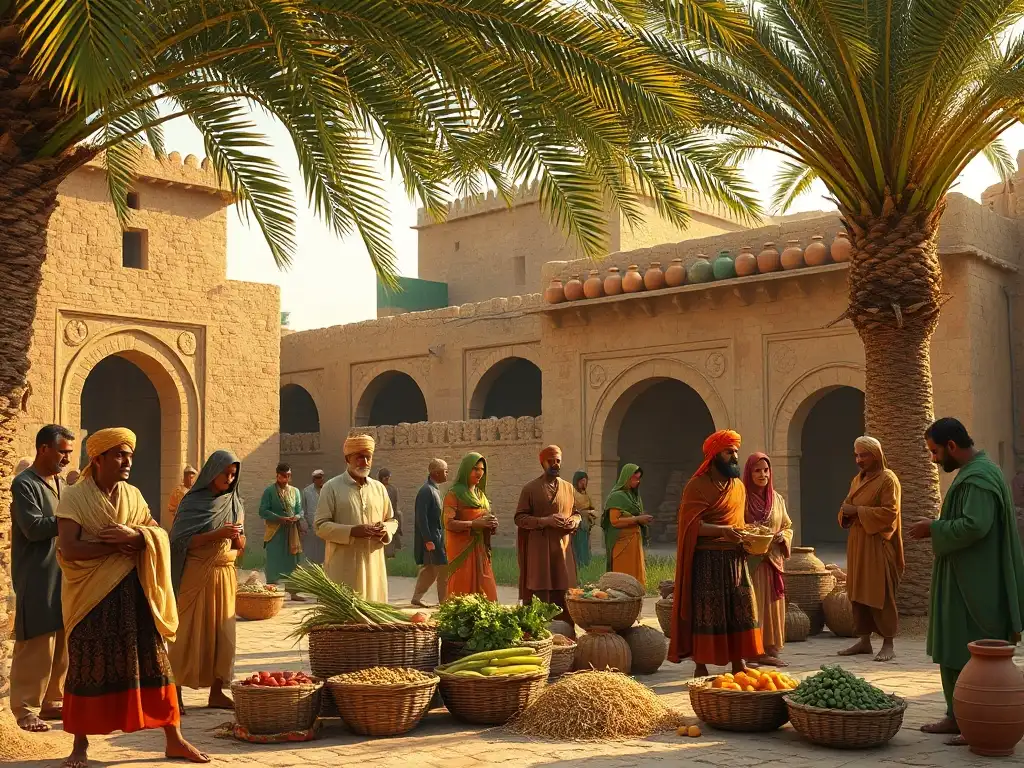
The Indus Valley Civilization (IVC) was not only remarkable for its urban planning and advanced technologies, but it also played a pivotal role in shaping agricultural practices through extensive trade networks. The establishment of trade routes facilitated the exchange of goods and ideas, contributing significantly to the agricultural landscape of Asia.
Trade Routes Established by the Indus Valley Civilization
The IVC developed a sophisticated network of trade routes that spanned across the Indian subcontinent and beyond. Key features of these routes included:
- Land Routes: Major overland paths connected the IVC to neighboring regions such as Mesopotamia and Persia. These routes facilitated not only the movement of goods but also the exchange of agricultural knowledge.
- Maritime Trade: The civilization's proximity to the Arabian Sea allowed for maritime trade, with ports like Lothal serving as crucial hubs for the export of agricultural products. Ships carried goods to regions as far as the Persian Gulf, enhancing the reach of Indus Valley agricultural influence.
- Cultural Exchange: The interaction along these trade routes paved the way for cultural exchanges, where agricultural practices and innovations were shared among different civilizations.
The strategic location of the IVC and its trade routes contributed to its economic prosperity and facilitated the spread of agricultural techniques that would resonate throughout Asia.
Exchange of Agricultural Products and Techniques
The trade networks established by the IVC enabled the exchange of various agricultural products and techniques, significantly impacting agricultural practices in distant regions. Some key aspects include:
- Diverse Crops: The IVC was known for cultivating a variety of crops, including wheat, barley, peas, and cotton. These crops were not only essential for local sustenance but also became staples in neighboring regions through trade.
- Irrigation Techniques: Innovations in irrigation, such as the use of canals and water management systems, were shared with neighboring cultures. These techniques improved crop yields and farming efficiency, influencing agricultural practices across Asia.
- Agricultural Implements: Trade facilitated the exchange of agricultural tools and implements. The adoption of plows and other farming equipment improved productivity and efficiency, laying the groundwork for more advanced agricultural systems.
The exchange of agricultural products and techniques through trade routes significantly expanded the agricultural horizon of Asia, nurturing diverse farming practices and crops across the region.
Cross-Cultural Influences in Agriculture
The Indus Valley Civilization's agricultural influence extended beyond mere product exchange; it fostered cross-cultural interactions that enriched agricultural practices. This influence manifested in several ways:
- Adoption of Practices: Neighboring civilizations adopted the agricultural practices pioneered by the IVC. For instance, the techniques of crop rotation and seasonal planting spread to regions like Mesopotamia, leading to enhanced agricultural productivity.
- Culinary Exchange: As agricultural products were traded, so too were culinary practices. The introduction of new crops led to the evolution of regional cuisines, showcasing the impact of IVC agriculture on food culture across Asia.
- Cultural Integration: The blending of agricultural practices from the IVC with those of other cultures resulted in hybrid farming techniques. This integration led to the development of diverse farming systems tailored to different environmental conditions.
The Indus Valley agricultural influence was not limited to trade but was a catalyst for broader cross-cultural agricultural practices that shaped the development of farming in Asia. The legacy of the IVC continues to echo through its enduring impact on agricultural techniques, crop diversity, and cultural exchanges.
Comparing Indus Valley Agricultural Practices with Other Ancient Civilizations
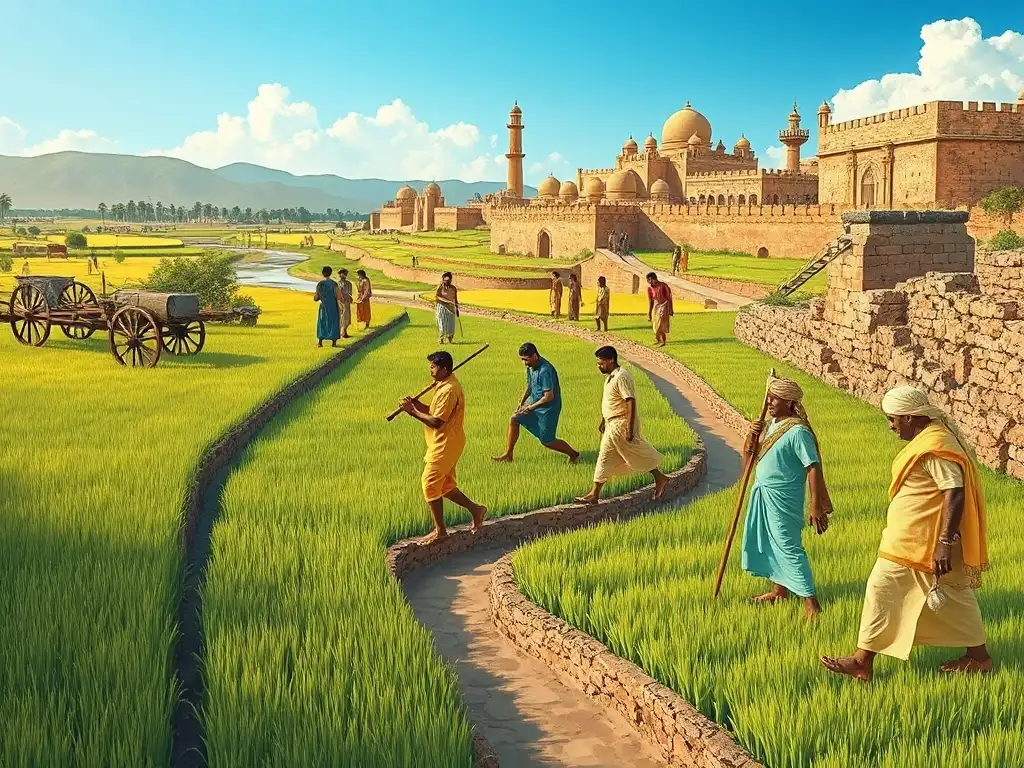
The agricultural practices of the Indus Valley Civilization (IVC) were notably advanced and contributed significantly to the broader agricultural landscape of ancient Asia. By comparing these practices with those of other prominent ancient civilizations, such as Mesopotamia and Egypt, we can gain insights into how the IVC influenced agricultural methods and sustainability in the region.
Comparison with Mesopotamian Agriculture
The agricultural systems of the Indus Valley and Mesopotamia share several core similarities, yet they also exhibit distinct differences that reflect their unique environmental contexts.
-
Irrigation Techniques:
Both civilizations developed sophisticated irrigation systems to manage water resources. The Indus Valley utilized extensive canal networks to divert river waters for agricultural use, while Mesopotamians relied on the Tigris and Euphrates rivers, constructing levees and canals. The IVC's engineering was more advanced in certain respects, with evidence of well-planned drainage systems that prevented waterlogging, a challenge that Mesopotamia faced.
-
Crop Cultivation:
The IVC is known for cultivating a variety of crops, including wheat, barley, and pulses. In contrast, Mesopotamia specialized in barley as its staple crop, though it also grew wheat and legumes. The diversity of crops in the Indus Valley allowed for a more resilient agricultural system, which could withstand climatic variations.
-
Farming Tools:
Both civilizations developed farming tools, but the IVC's tools displayed a level of craftsmanship that possibly included the use of bronze and a variety of plough designs. Mesopotamian farmers also used ploughs, but the evidence suggests that the IVC may have had a more systematic approach to tool-making, which contributed to higher agricultural productivity.
-
Storage and Distribution:
The granaries found in sites like Harappa indicate that the Indus Valley Civilization had a centralized method of storing surplus grains, facilitating trade and distribution. In Mesopotamia, grain was also stored in large quantities, but often through private ownership rather than a centralized system. This distinction implies that the IVC had a more communal approach to agricultural surplus, which may have influenced later agricultural practices in Asia.
Similarities and Differences with Egyptian Farming Methods
When comparing Indus Valley agricultural practices to those of ancient Egypt, several similarities and differences emerge that highlight the adaptation of agriculture to regional environments.
-
The Role of River Systems:
Both civilizations relied heavily on river systems for irrigation. The Nile in Egypt provided a reliable annual flood that enriched the soil, while the Indus River facilitated controlled irrigation through advanced engineering. This reliance on rivers shaped their agricultural calendars and crop cycles.
-
Crop Diversity:
The IVC's agricultural palette included a wider range of crops compared to ancient Egypt, which primarily focused on wheat and barley. The Indus Valley also cultivated cotton, which was not prevalent in Egypt. This diversification not only supported local diets but also contributed to trade networks throughout Asia.
-
Agricultural Calendar:
The seasonal flooding of the Nile allowed Egyptian farmers to establish a predictable agricultural calendar, while the Indus Valley's reliance on monsoonal rains made their agricultural practices more variable. This variability may have led to more innovative agricultural techniques in the IVC, as farmers adapted to fluctuations in rainfall.
-
Socioeconomic Structures:
In Egypt, agriculture was tightly linked to the state, with pharaohs controlling large tracts of land and agricultural production. In contrast, the Indus Valley appears to have had a more decentralized system where local communities managed farming practices, which may have led to a greater emphasis on cooperative agriculture and trade among different regions.
The Indus Valley agricultural influence shaped not only its immediate environment but also left a lasting legacy on agricultural practices across ancient Asia. The comparisons with Mesopotamian and Egyptian agriculture reveal both shared innovations and unique adaptations that reflect the diverse geographical and cultural contexts of these ancient civilizations.
Legacy of the Indus Valley Agricultural Influence
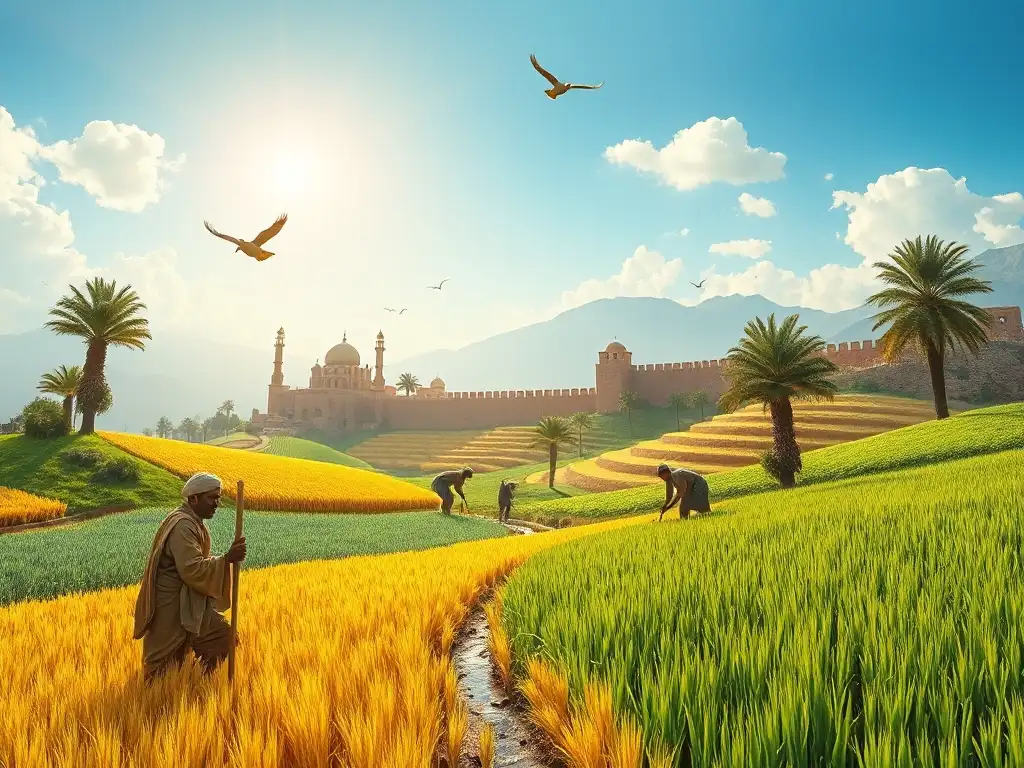
The Indus Valley Civilization, one of the world’s earliest urban cultures, exhibited remarkable advancements in agricultural practices that have left a profound legacy on the agricultural landscape of Asia. Flourishing from approximately 3300 to 1300 BCE, this civilization developed sophisticated farming techniques that not only enhanced local productivity but also influenced subsequent agricultural practices across the region.
Long-Term Effects on Modern Agricultural Practices in Asia
The agricultural innovations introduced by the Indus Valley Civilization played a crucial role in shaping modern farming techniques in Asia. Key elements of their agricultural practices, including irrigation systems, crop rotation, and the cultivation of specific crops, have laid the groundwork for contemporary farming.
-
Irrigation Systems:
The Indus Valley farmers developed an extensive and complex irrigation system that utilized canals and reservoirs. This method ensured efficient water management, which is still fundamental in modern agriculture. Regions such as Punjab and Sindh continue to employ advanced irrigation techniques that trace their origins back to the Indus Valley.
-
Crop Diversity:
The Indus Valley Civilization witnessed the cultivation of various crops, including wheat, barley, and legumes. The introduction of these crops not only met the dietary needs of the civilization but also established a foundation for agricultural biodiversity in Asia. Today, the cultivation of these staple crops remains prevalent, showcasing the enduring influence of the Indus Valley practices.
-
Soil Management:
The early agriculturalists of the Indus Valley understood the importance of soil fertility and practiced methods to enhance it. This included the use of organic fertilizers and crop rotation, techniques that are still crucial in sustainable farming practices today. The emphasis on maintaining soil health is a legacy that continues to inform modern agricultural strategies across Asia.
-
Trade and Economic Systems:
The agricultural surplus produced by the Indus Valley farmers fostered trade networks that extended beyond their region. This economic model influenced agricultural trade practices in neighboring civilizations, paving the way for the interdependence of agricultural economies in Asia. The concept of crop specialization and market exchange can be traced back to these early practices.
Preservation of Ancient Techniques in Contemporary Farming
Many of the agricultural techniques that originated in the Indus Valley continue to be preserved and practiced in various forms across Asia today. The following aspects highlight this preservation:
-
Traditional Farming Methods:
In rural areas of South Asia, traditional farming methods that reflect the techniques of the Indus Valley are still in use. Farmers rely on age-old practices that prioritize local crops and organic farming, which resonate with the sustainable farming ethos of their ancestors.
-
Cultural Significance:
Festivals and agricultural rituals often reflect the agricultural heritage of the Indus Valley. Practices such as harvest festivals celebrate the cyclical nature of farming and the importance of community, echoing the social structures that were prevalent in the ancient civilization.
-
Educational Initiatives:
NGOs and agricultural organizations are increasingly focusing on the revival and integration of ancient agricultural techniques into modern farming. Workshops and training programs often include lessons on traditional irrigation practices, crop diversity, and soil management inspired by Indus Valley methods.
-
Research and Development:
Scholars and agricultural scientists continue to study the ancient practices of the Indus Valley to inform modern agricultural strategies. Research into ancient irrigation systems and crop management techniques contributes to developing sustainable practices that address contemporary agricultural challenges.
The agricultural influence of the Indus Valley Civilization is not merely an artifact of history but an enduring legacy that shapes modern agricultural practices across Asia. The preservation of these ancient techniques highlights the civilization's profound impact on contemporary farming, ensuring that the wisdom of the past continues to inform our agricultural future.
Conclusion: The Lasting Impact of the Indus Valley on Agriculture in Asia
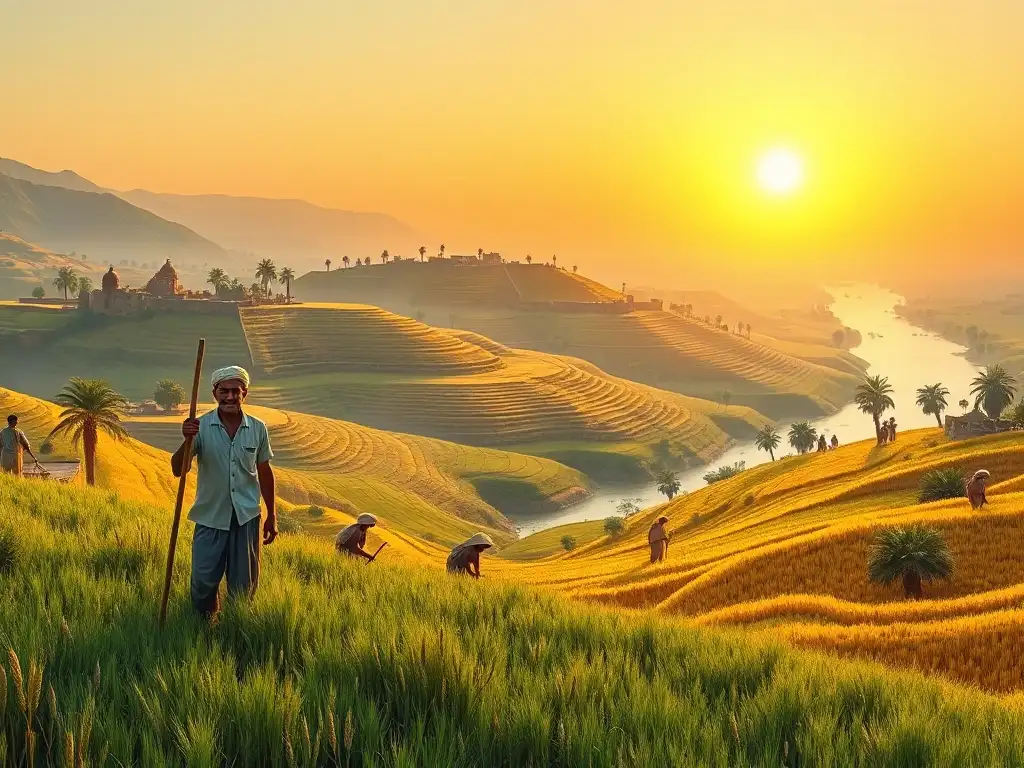
The Indus Valley Civilization (IVC) represents one of the earliest and most sophisticated urban cultures in human history, flourishing from approximately 3300 to 1300 BCE. Its agricultural practices not only sustained its large population but also laid the groundwork for future agricultural innovations across Asia. The lasting influence of the Indus Valley agricultural practices can still be observed in contemporary farming methods, crop choices, and irrigation techniques across the region.
Summary of Key Points on Indus Valley Agricultural Influence
- Innovative Irrigation Systems: The Indus Valley Civilization developed advanced irrigation techniques, utilizing canals and reservoirs to manage water resources effectively. This innovation allowed for the cultivation of crops in arid regions and inspired subsequent civilizations to adopt similar practices.
- Crop Diversity and Domestication: The IVC was notable for the cultivation of various crops, including wheat, barley, peas, and cotton. Their methods of crop rotation and selective breeding contributed significantly to agricultural productivity, influencing future agricultural strategies in Asia.
- Urban Planning and Agricultural Integration: The systematic layout of Indus Valley cities showcased an understanding of the relationship between agriculture and urbanization. The integration of agricultural zones within urban spaces allowed for efficient food supply chains, which later civilizations emulated.
- Trade and Knowledge Exchange: The agricultural surplus produced by the IVC facilitated trade with neighboring regions. This exchange of goods and agricultural knowledge played a crucial role in spreading innovative farming techniques across Asia.
- Cultural Significance of Agriculture: Agriculture in the Indus Valley was not only a means of sustenance but also a fundamental aspect of their culture. The reverence for fertility and harvest can be seen in their art and religious practices, which influenced agricultural ideologies in subsequent cultures.
Reflection on the Importance of Ancient Agricultural Innovations
The agricultural innovations of the Indus Valley Civilization serve as a testament to human ingenuity and adaptability in response to environmental challenges. Their practices laid the foundation for agricultural development in Asia, demonstrating the interplay between technological advancements and societal progress.
Reflecting on the IVC's agricultural influence prompts us to appreciate the complexities of ancient farming systems, which were tailored to local conditions yet universal in their principles. The enduring impact of these innovations is evident in modern agricultural techniques, underscoring the significance of ancient wisdom in shaping contemporary practices.
The agricultural legacy of the Indus Valley Civilization continues to resonate through time, reminding us of the essential role that agriculture plays in the evolution of societies. Understanding these historical contributions not only enriches our knowledge of ancient cultures but also highlights the importance of sustainable agricultural practices in today's world.
Frequently Asked Questions
What was the significance of the Indus Valley Civilization in agricultural practices?
The Indus Valley Civilization is known for its advanced agricultural techniques, which laid the foundation for farming practices that influenced subsequent Asian civilizations.
How did the Indus Valley agricultural influence spread to other regions?
Through trade and interaction, the agricultural innovations of the Indus Valley were adopted by neighboring cultures, leading to the dissemination of techniques such as irrigation and crop rotation.
What crops were primarily cultivated in the Indus Valley?
The Indus Valley Civilization thrived on a variety of crops, including wheat, barley, and cotton, which significantly impacted agricultural diversity in Asia.
What were some key agricultural innovations of the Indus Valley Civilization?
Innovations such as plowing techniques, water management systems, and the use of granaries for storage were crucial in maximizing agricultural productivity.
How did the Indus Valley Civilization impact later Indian dynasties?
The agricultural practices established by the Indus Valley Civilization continued to influence later Indian dynasties, shaping their economic structures and cultural practices related to farming.
Final Reflection: The Enduring Legacy of Indus Valley Agricultural Influence
The agricultural innovations of the Indus Valley Civilization remain profoundly relevant today, as they laid the groundwork for sustainable farming practices across Asia. The techniques developed by this ancient society not only transformed their own environment but also set a precedent for future generations, demonstrating the timeless importance of agriculture in shaping human civilization. As we navigate the complexities of modern food systems and climate challenges, the lessons from the Indus Valley resonate more than ever, reminding us of the interconnectedness of our agricultural heritage and our future.
The influence of the Indus Valley on agricultural practices is a testament to the power of innovation and adaptation in human history. From sophisticated irrigation systems to crop diversification, the methods pioneered by this civilization continue to inspire contemporary agricultural strategies. As we face pressing issues such as food security and sustainable farming, we can draw from the wisdom of the past. The greatest danger in times of turbulence is not the turbulence; it is to act with yesterday's logic.
This quote reflects the necessity of learning from historical agricultural practices to forge a sustainable path forward.
As we reflect on the agricultural influence of the Indus Valley, I invite you to consider how these ancient practices can inform your own relationship with food and farming. What lessons can you apply in your daily life to contribute to a more sustainable future? Whether it’s supporting local farmers, embracing organic practices, or simply being mindful of your food choices, every action counts. Let the legacy of the Indus Valley inspire you to cultivate a deeper connection with the land and to advocate for agricultural practices that honor our past while nurturing our future.
Explore the Legacy of the Indus Valley on Modern Agriculture!
Thank you for taking the time to delve into how the Indus Valley Civilization shaped agricultural practices across Asia! Your curiosity connects you to a rich history that continues to influence farming techniques today.
Now, it's time to take your newfound knowledge and put it into action:
- Dive Deeper: Research local agricultural practices that have roots in ancient civilizations. Discover how historical developments have shaped the ways we cultivate our land today.
- Share Your Insights: Engage with friends or utilize social media to discuss the incredible innovations of the Indus Valley and their ongoing relevance in modern agriculture.
- Join a Community: Seek out local history or agricultural groups and participate in discussions to gain further understanding of how ancient practices continue to impact contemporary farming.
What aspect of ancient agriculture fascinates you the most and inspires you to incorporate its principles into modern practices?