
The Interplay of Politics and Art in the Gupta Empire

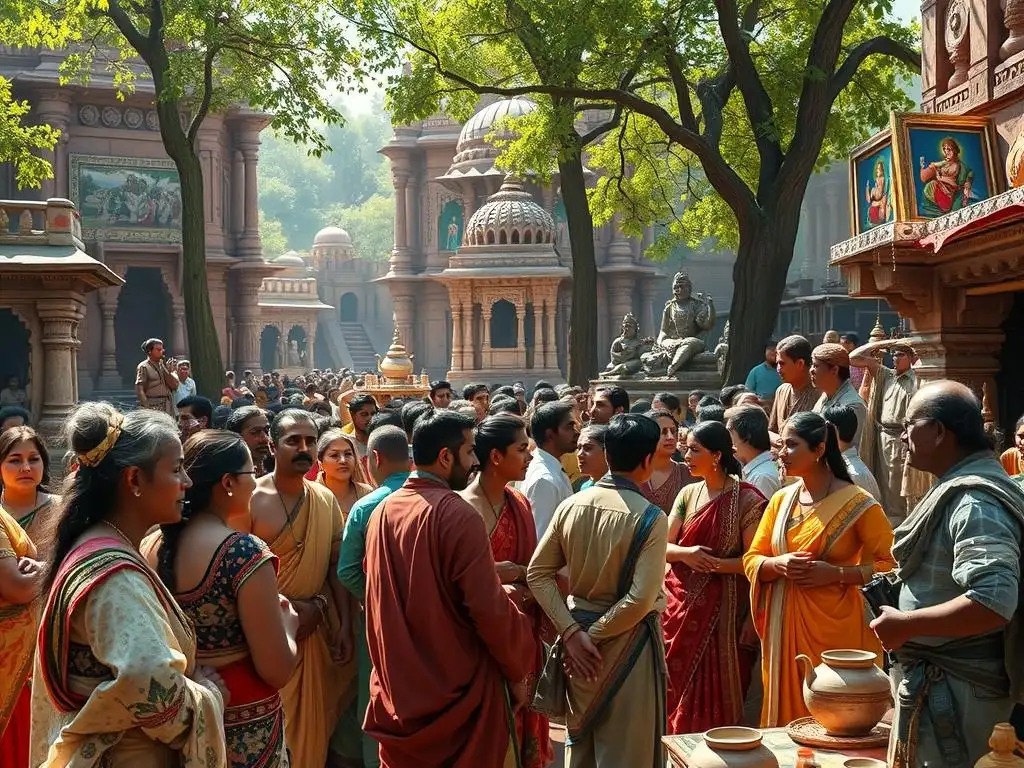
Welcome to Ancient India History, where we embark on a fascinating journey through the rich tapestry of ancient Indian civilizations. In this exploration, we delve into the remarkable Gupta Empire, a period renowned not only for its political sophistication but also for its stunning artistic achievements. As you uncover the intricate interplay of politics and art in the Gupta Empire, prepare to be captivated by how these elements shaped cultural identity and legacy.
Join us as we unravel the stories that have defined a civilization and discover why the Gupta era remains a cornerstone of India's historical narrative. Dive deeper and let your curiosity lead the way!
Introduction to the Gupta Empire
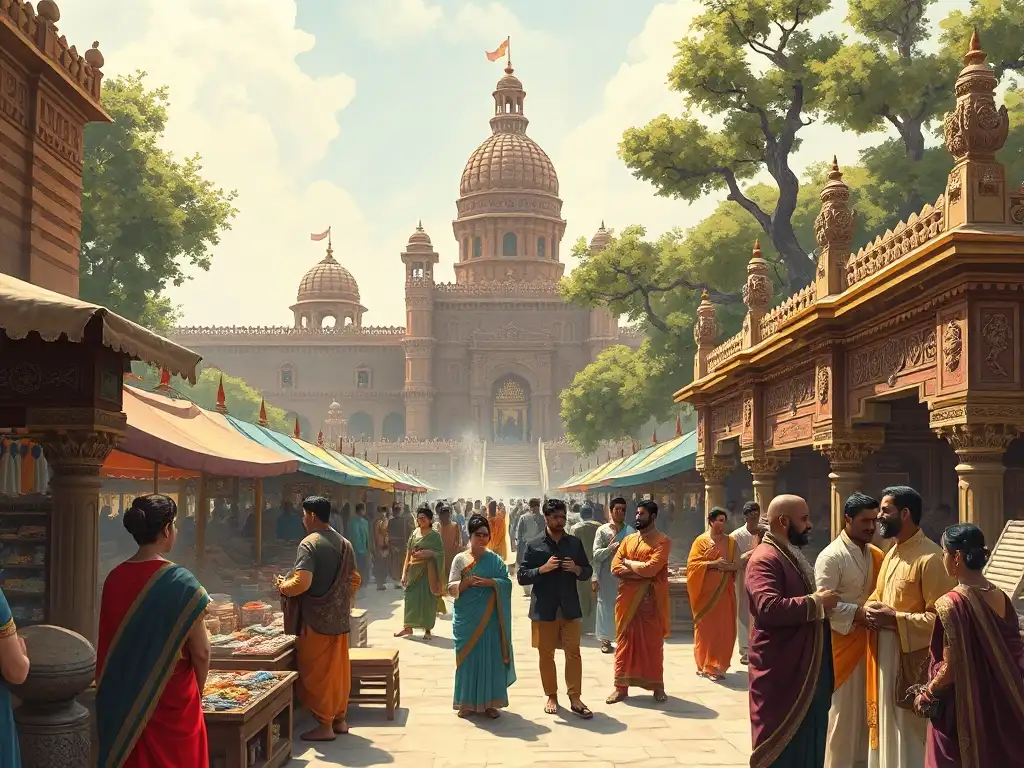
The Gupta Empire, often regarded as a golden age of ancient Indian civilization, flourished from approximately 320 to 550 CE. This period was marked by significant advancements in various fields, including science, mathematics, literature, and the arts.
The harmonious interplay between politics and art during this era not only shaped the cultural landscape of India but also reflected the broader societal values and ideologies of the time. As we delve into the intricate relationship between Gupta Empire politics and art, we will uncover how political power influenced artistic expression and how art, in turn, reinforced the political narratives of the era.
Overview of the Gupta Empire
The Gupta Empire emerged in northern India, unifying diverse regions under a centralized rule. Founded by Maharaja Sri Gupta, it reached its zenith under the leadership of notable emperors such as Chandragupta I, Samudragupta, and Chandragupta II. The empire is renowned for its remarkable achievements in various domains:
- Cultural Flourishing: The period saw the emergence of classical Sanskrit literature, with works by poets like Kalidasa and the compilation of significant texts like the "Aryabhatiya" by Aryabhata.
- Scientific Advancements: The Gupta scholars made groundbreaking contributions to mathematics, astronomy, and medicine, laying the groundwork for future discoveries.
- Artistic Excellence: Gupta art is characterized by its intricate sculptures, exquisite paintings, and refined architecture, often reflecting religious themes and philosophical concepts.
Significance of Politics and Art in Gupta Society
In Gupta society, politics and art were inextricably linked. Political leaders understood the power of art as a tool for propaganda and social cohesion. The patronage of artists and craftsmen was not merely a matter of aesthetics; it served to legitimize the rulers' divine right to govern and communicate their ideologies to the populace. The arts played a pivotal role in:
- Cementing Power: Artistic expressions often depicted the virtues and accomplishments of the ruling class, reinforcing their authority and legitimacy.
- Cultural Identity: Art became a vehicle for promoting a shared cultural identity among the diverse subjects of the empire, fostering unity in a vast and varied landscape.
The Political Landscape of the Gupta Empire
The political structure of the Gupta Empire was characterized by a well-organized administration, strategic military campaigns, and a strong emphasis on diplomacy. Understanding this political landscape is essential to grasping how it shaped the artistic endeavors of the time.
Key Political Figures and Their Influence
The Gupta Empire was defined by influential rulers whose policies and visions played a crucial role in shaping its political and cultural identity. Notable figures include:
- Samudragupta: Often referred to as the "Napoleon of India," he expanded the empire through military conquests and diplomatic alliances, laying the foundation for a flourishing cultural atmosphere.
- Chandragupta II: His reign marked a high point in both political power and artistic expression, as he actively supported the arts and scholarship, leading to unprecedented cultural achievements.
Governance Structure and Administrative Policies
The Gupta administration was notable for its efficient governance and local autonomy. A hierarchical system allowed for effective management of resources and territories, ensuring stability. Key features included:
- Decentralization: Local rulers were given significant autonomy, allowing for adaptability and responsiveness to regional needs.
- Taxation and Trade Policies: The Gupta Empire fostered trade through well-maintained roads and a fair taxation system, which contributed to economic prosperity and, consequently, the flourishing of the arts.
The Role of Political Patronage in Promoting Art
Political patronage was vital to the growth of art during the Gupta Empire. Rulers commissioned numerous artistic projects, from temple architecture to sculptures, which reflected their devotion to the divine and their power. This patronage had several effects:
- Encouragement of Artistic Innovation: With the backing of the state, artists were able to experiment with new techniques and styles, leading to the distinctive art forms characteristic of the Gupta period.
- Legacy of Cultural Heritage: The artworks produced during this era not only served religious and political purposes but also laid the groundwork for future generations, leaving an enduring legacy in Indian art and culture.
The complex interplay of politics and art in the Gupta Empire thus serves as a profound testament to the era's cultural richness and sophistication, illustrating how these two spheres intertwined to create a lasting impact on the history of ancient India.
Artistic Developments during the Gupta Period
The Gupta Empire, which flourished from approximately 320 to 550 CE, is often regarded as a golden age in Indian history, particularly in the realm of art and culture. This period saw a remarkable evolution in artistic expression, characterized by advancements in sculpture, architecture, painting, and literature. The Gupta period is noted for its distinct aesthetic style that combined realistic representation with spiritual symbolism, reflecting the socio-political landscape of the time.
One of the most significant artistic developments was the emergence of the shikhara style of temple architecture, which featured towering spires that symbolized the mythical Mount Meru, the axis of the universe in Hindu cosmology. Temples from this era, such as the famous Dashavatara Temple in Deogarh, exemplified intricate carvings and well-planned layouts, which served both religious and communal functions.
In sculpture, the Gupta period is renowned for its exquisite figures of deities and intricate motifs. Artists mastered the techniques of stone carving, resulting in detailed sculptures that depicted divine figures with grace and elegance. This attention to detail and the naturalistic portrayal of human emotions marked a significant advancement from earlier artistic traditions.
Major Artistic Styles and Trends
During the Gupta period, several major artistic styles emerged, each contributing to the rich tapestry of Indian art. The most prominent styles included:
- Sculptural Realism: Artists began to emphasize proportion, anatomy, and naturalistic features in their sculptures, moving away from the more stylized forms of earlier periods.
- Regional Variations: Different regions within the Gupta Empire developed unique styles influenced by local traditions and materials. For instance, the sculptures from Mathura displayed a distinct softness and spiritual quality, while those from Sarnath were characterized by their grandeur and detailed ornamentation.
- Narrative Art: The use of storytelling through art became increasingly popular, with intricate reliefs depicting scenes from Hindu epics such as the Ramayana and Mahabharata.
These trends not only reflect the artistic innovations of the time but also the broader cultural and social changes occurring in the Gupta Empire.
Influence of Religion on Gupta Art
Religion played a pivotal role in shaping the artistic landscape of the Gupta Empire. The period was marked by a resurgence of Hinduism, alongside the continued prominence of Buddhism and Jainism, which significantly influenced artistic themes and subjects.
- Hindu Temples and Iconography: The construction of grand temples dedicated to Hindu deities became widespread during this time. The art within these temples, including sculptures and frescoes, often depicted scenes from Hindu mythology, serving both devotional and educational purposes.
- Buddhist Art: The Gupta period also saw the flourishing of Buddhist art, particularly in the form of stupas and monastic complexes. Notable examples include the Ajanta Caves, where exquisite frescoes and sculptures illustrated the life of the Buddha and the ideals of Buddhism.
- Jain Influence: Jain art, characterized by its detailed carvings of Tirthankaras (spiritual teachers), also gained prominence. This religious influence contributed to the diversity of artistic expressions during the Gupta era.
The interplay between religion and art during the Gupta period not only enriched the cultural fabric of the empire but also facilitated the spread of religious ideas through visual representation.
Iconography and Symbolism in Gupta Sculpture
Gupta sculpture is distinguished by its rich iconography and profound symbolism, which conveyed complex philosophical and spiritual ideas. Artists employed a variety of symbols and motifs to communicate deeper meanings within their works.
- Divine Attributes: Deities were often depicted with specific attributes that signified their powers and roles. For example, Vishnu is typically shown holding a conch shell, discus, and mace, each representing different aspects of his divine nature.
- Symbolic Motifs: Common motifs included the lotus flower, symbolizing purity and spiritual awakening, and various animal figures representing strength and protection. These elements were not merely decorative but carried significant philosophical meanings.
- Narrative Reliefs: Many sculptures depicted narratives that illustrated moral and ethical lessons, further enhancing the didactic role of art in society. This integration of iconography and storytelling was key to the spiritual and cultural education of the populace.
The intricate use of iconography in Gupta sculpture reflects the era's deep spiritual beliefs and the artists' skill in conveying complex ideas through visual mediums.
The Relationship between Politics and Art
The relationship between politics and art in the Gupta Empire is a fascinating aspect of its history, as the political climate directly influenced artistic expression and innovation. The stability and prosperity of the Gupta rulers provided a conducive environment for artistic endeavors, resulting in a flourishing of culture.
How Political Stability Fostered Artistic Innovation
The Gupta Empire is often characterized by its political stability and administrative efficiency, which were essential for the encouragement of artistic exploration. Under the reign of influential rulers like Chandragupta II and Samudragupta, the empire experienced economic growth and social stability that allowed artisans and scholars to thrive.
- State Patronage: The Gupta rulers actively supported artists, commissioning works that reflected their power and divine right to rule. This patronage was pivotal in the creation of monumental sculptures, temples, and other artistic achievements.
- Cultural Exchange: Political stability facilitated trade and cultural exchange across the empire and beyond, bringing new ideas and techniques that enriched the local artistic landscape. Artists were exposed to diverse influences, which they incorporated into their work.
- Public Art and Festivals: The government organized public festivals and religious ceremonies that showcased artistic performances and works, further embedding art into the political and social fabric of Gupta society.
This nurturing environment created by political stability allowed for unprecedented artistic innovation and expression.
Case Studies of Political Leaders as Art Patrons
Several Gupta rulers played a significant role as patrons of the arts, commissioning key projects that shaped the artistic landscape of the empire.
- Chandragupta II (Vikramaditya): Known for his patronage of the arts, Chandragupta II commissioned the construction of temples and sculptures that celebrated Hindu deities. His reign is often associated with the flourishing of the Udayagiri Caves, which feature intricate carvings and inscriptions celebrating his victories.
- Samudragupta: Renowned for his military conquests, Samudragupta also patronized artists and poets, promoting a cultural renaissance. The Prayag Prasasti, a eulogy composed by the poet Harisena, documents his achievements and highlights the importance of art in political propaganda.
- Kumaragupta I: Under Kumaragupta I, the construction of the famous Nalanda University began, which not only became a center for learning but also fostered artistic growth through its scholarly community.
These rulers exemplify how political leaders of the Gupta Empire were instrumental in the patronage of the arts, resulting in a rich legacy of artistic achievements.
The Impact of Political Events on Artistic Expression
The political events of the Gupta Empire significantly influenced artistic expression, shaping not only the themes of artworks but also their production and dissemination.
- Military Campaigns and Commemorative Art: Significant military victories were often commemorated through art. For instance, the Gupta rulers commissioned sculptures and inscriptions that celebrated their conquests, serving both as propaganda and as a means to legitimize their rule.
- Crisis and Transition: Periods of political instability or external threats sometimes led to shifts in artistic focus. For example, during times of conflict, artists might have turned towards more introspective or spiritual themes, reflecting societal anxieties or a desire for stability.
- Cultural Integration: The expansion of the Gupta Empire through conquest and trade facilitated the integration of diverse cultural influences. Artistic styles from conquered territories were often assimilated into Gupta art, leading to a dynamic artistic evolution that mirrored the empire's political landscape.
The interplay of politics and art in the Gupta Empire was complex and multifaceted, with political stability fostering artistic innovation while political events shaped the thematic content and direction of artistic expression.
Cultural Achievements of the Gupta Empire
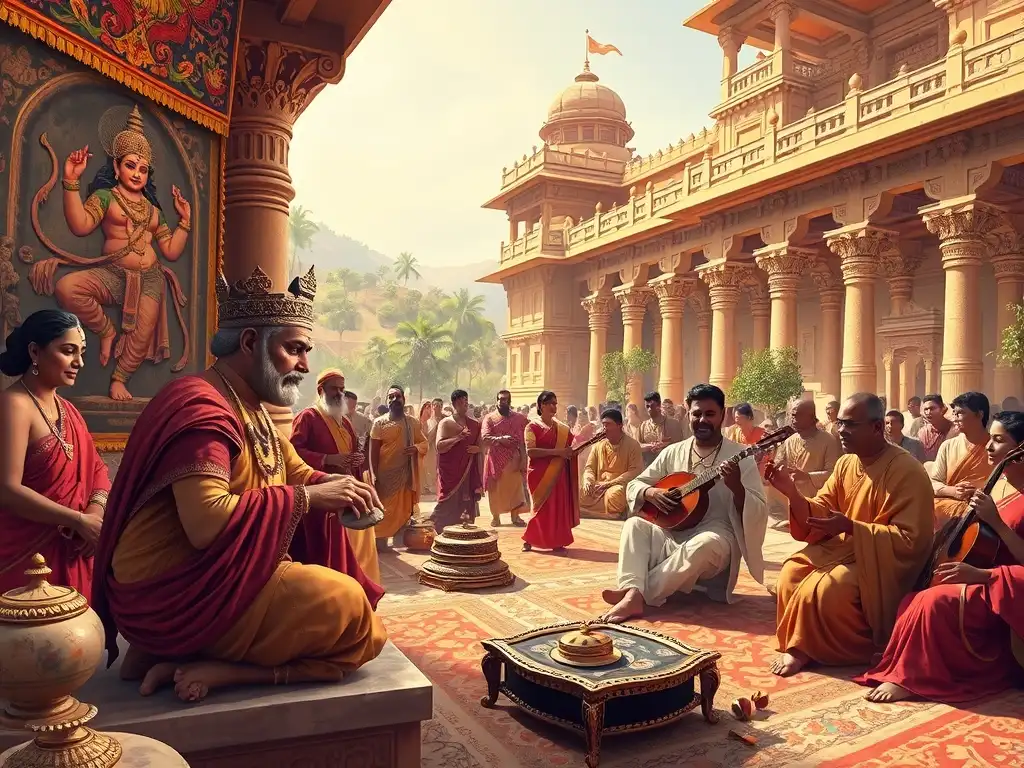
The Gupta Empire, often referred to as the Golden Age of India, witnessed a remarkable flourishing of culture, art, and intellect. This period, spanning from approximately 320 to 550 CE, was marked by significant advancements in various fields, which were intrinsically linked to the political stability and patronage of the Gupta rulers.
One of the most prominent cultural achievements was in the realm of literature. The era produced notable literary figures such as Kalidasa, whose works like "Shakuntala" and "Meghaduta" exemplified the sophistication of Sanskrit literature. Poetry and drama thrived, reflecting the themes of love, nature, and divine intervention, often intertwined with the political context of the day.
In philosophy, the Gupta period saw the development of various schools of thought, including significant contributions to Hindu philosophy and the establishment of new traditions in Buddhism. Scholars like Aryabhata advanced mathematical concepts, including the concept of zero and the place value system, which later influenced mathematical practices in other cultures.
Literature and Philosophy in the Political Context
Literature and philosophy during the Gupta Empire were not merely artistic expressions; they were deeply intertwined with the political landscape. The Gupta rulers, recognizing the power of literature as a tool for governance, actively patronized poets and philosophers. This patronage served to legitimize their rule and promote the ideals of dharma (moral law) and Rajadharma (kingly duty).
For instance, Kalidasa’s works often celebrated the virtues of kingship and the divine right of rulers, reinforcing the political authority of the Gupta emperors. Moreover, philosophical texts from this period, such as those by the renowned philosopher Adi Shankaracharya, were instrumental in shaping the religious and political discourse, emphasizing the need for a just and moral governance.
The Gupta dynasty's political ideology was reflected in the literature of the time, where themes of loyalty, duty, and the relationship between the ruler and the ruled were prevalent. This not only elevated the status of the rulers but also provided a moral framework for their governance, ensuring stability and cohesion within the empire.
Architectural Marvels and Their Political Significance
The Gupta Empire is renowned for its architectural innovations, which served as a testament to the political power and cultural sophistication of the period. Structures such as the famous temples at Khajuraho and the rock-cut caves of Ajanta and Ellora illustrate the grandeur of Gupta architecture.
These architectural feats were not solely for aesthetic appreciation; they played a crucial role in asserting political authority. Temples were often built to honor deities that the rulers aligned themselves with, thereby reinforcing their divine right to rule. The intricate carvings and sculptures on temple walls depicted various deities and mythological narratives, reflecting the cultural ethos while simultaneously serving as a medium for political propaganda.
Moreover, the construction of public works such as irrigation systems and urban infrastructure during this period illustrated the Gupta rulers’ commitment to the welfare of their subjects, further solidifying their legitimacy and fostering loyalty among the populace. The architectural legacy of the Gupta Empire continues to influence Indian culture and architecture, showcasing the profound interplay between politics and artistic expression.
The Role of Art in Political Propaganda
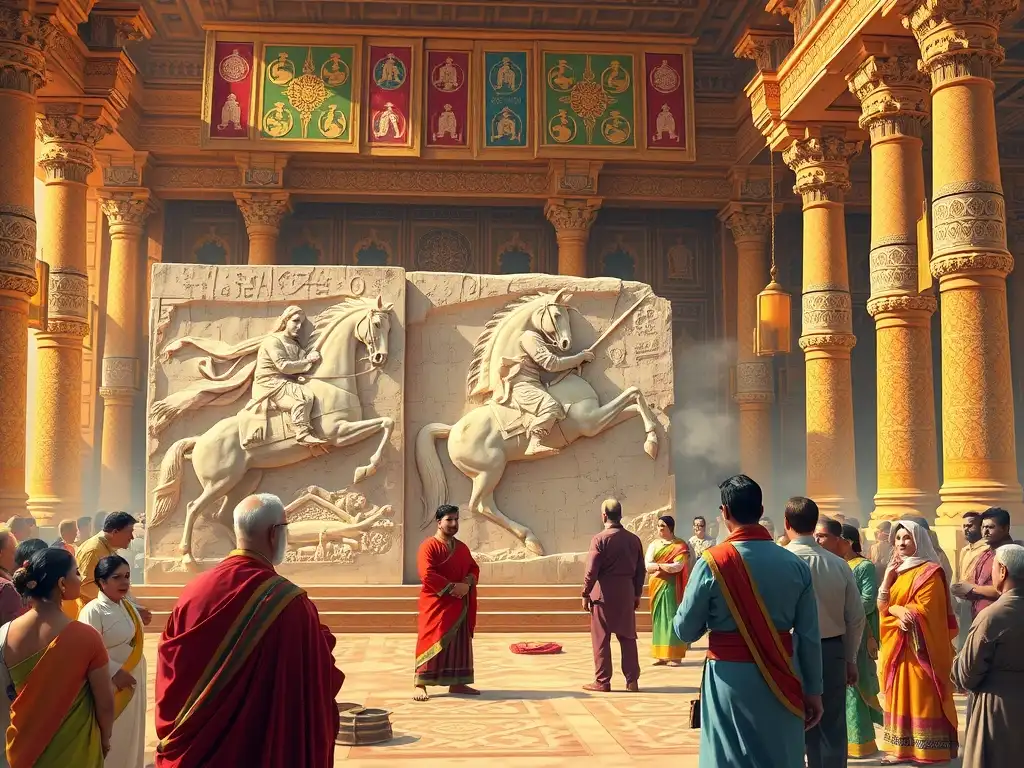
Art in the Gupta Empire was a powerful tool for political propaganda, used to communicate the ideals and authority of the ruling class. Through various forms of art, from sculpture to painting, the Gupta rulers conveyed messages of power, divinity, and cultural supremacy.
Sculptures found in temples often depicted the rulers alongside gods and goddesses, symbolizing their divine endorsement. This visual representation not only elevated the status of the rulers but also reinforced the idea of a harmonious relationship between the divine and the earthly realms. The art served as a constant reminder of the rulers’ responsibilities to uphold dharma and protect their subjects.
Furthermore, murals in caves such as those at Ajanta illustrated religious narratives that aligned with state ideologies, promoting the Gupta rulers’ vision of a unified and prosperous society under their governance. This deliberate intertwining of art and politics helped to cultivate a sense of national identity and pride among the populace, making art an essential vehicle for political messaging.
Conclusion: The Lasting Legacy of Gupta Politics and Art
The Gupta Empire's legacy is characterized by a profound interplay between politics and art, which shaped not only its contemporary society but also left an indelible mark on future generations. The cultural and artistic achievements of this period are a reflection of the political ideologies and governance strategies employed by the Gupta rulers.
Summary of Key Interconnections
To summarize, the Gupta Empire’s cultural achievements in literature, philosophy, and architecture were significantly influenced by the political context of the time. The patronage of the arts by the rulers facilitated a flourishing cultural environment that reinforced their political authority. The integration of art into political ideology served to enhance the rulers' legitimacy, while the promotion of literature and philosophy provided a moral framework for governance.
Reflection on the Influence of Gupta Art and Politics on Future Indian Cultures
The influence of Gupta art and politics extended well beyond its time, impacting subsequent Indian cultures and civilizations. The artistic styles and architectural techniques established during this period became foundational for later dynasties, while the philosophical ideas continued to resonate within Indian thought. The Gupta Empire exemplifies how politics and art can coalesce to create a rich cultural heritage that endures through the ages, shaping the identity of a civilization.
Further Research and Reading Recommendations
Exploring the intricate relationship between politics and art during the Gupta Empire offers a fascinating glimpse into one of ancient India's most remarkable periods. To deepen your understanding, consider delving into the following recommended readings and resources that provide comprehensive insights into the politics, art, and culture of the Gupta Empire.
Books and Articles on Gupta Empire Politics and Art
-
"The Gupta Empire" by Romila Thapar
This book provides an in-depth analysis of the Gupta Empire's political structure and discusses how art served as a means of political expression. Thapar's scholarly approach sheds light on the cultural achievements of this era.
-
"Art and Power in the Gupta Empire" by Vidya Dehejia
Dehejia explores the interplay between political power and artistic expression, focusing on how rulers used art to legitimize their authority. The book features detailed case studies of sculptures and architecture from the period.
-
"Indian Art and Architecture" by John C. Huntington
This comprehensive text covers various aspects of Indian art, including the Gupta period. Huntington highlights the political context of artistic developments and provides an overview of significant artistic contributions.
-
"Gupta Culture: Studies in Art and Literature" edited by K. R. Srinivasan
A collection of essays that examine the cultural landscape of the Gupta Empire, this volume includes discussions on the relationship between politics and art, shedding light on how cultural expressions were influenced by political dynamics.
-
"The History of Ancient India: From 650 to 1200 A.D." by R. C. Majumdar
While covering a broader timeline, this book includes significant sections on the Gupta period, detailing how political changes influenced artistic and cultural developments.
Online Resources for Understanding Gupta Culture and Contributions
-
The Gupta Empire Project
This online initiative provides a wealth of information about the Gupta Empire, focusing on its political history, cultural achievements, and artistic contributions. The project features articles, timelines, and interactive maps.
-
Google Arts & Culture: Gupta Art
This platform offers virtual exhibits showcasing Gupta art, including sculptures and paintings. Users can explore high-resolution images and detailed descriptions that highlight the artistic techniques and themes of the period.
-
Khan Academy: Ancient India
Khan Academy's resource section on ancient India includes videos and articles discussing the Gupta Empire's politics and art. This user-friendly platform provides clear explanations and visual aids to enhance learning.
-
The Archaeological Survey of India (ASI) Website
ASI's official site contains information about excavations and findings related to the Gupta period, including artistic artifacts. It serves as an excellent resource for understanding the archaeological context of Gupta art.
-
YouTube Channels - Ancient History Documentaries
Various YouTube channels feature documentaries on ancient Indian civilizations, including the Gupta Empire. These visual resources often combine expert interviews with stunning visuals of Gupta architecture and art.
By engaging with these recommended books and online resources, readers can gain a richer perspective on the dynamic interplay of politics and art in the Gupta Empire, enhancing their understanding of this pivotal period in ancient Indian history.
- Introduction to the Gupta Empire
- The Political Landscape of the Gupta Empire
- Artistic Developments during the Gupta Period
- The Relationship between Politics and Art
- Cultural Achievements of the Gupta Empire
- Literature and Philosophy in the Political Context
- Architectural Marvels and Their Political Significance
- The Role of Art in Political Propaganda
- Conclusion: The Lasting Legacy of Gupta Politics and Art
- Further Research and Reading Recommendations
Frequently Asked Questions
What was the political structure of the Gupta Empire?
The Gupta Empire had a monarchical system where the king held absolute power, supported by a council of ministers. Local governance was managed through regional governors who ensured loyalty and order.
How did art flourish during the Gupta Empire?
Art in the Gupta Empire experienced a golden age, characterized by advancements in sculpture and painting. Artists created intricate works that often depicted mythological themes and religious narratives.
What role did religion play in Gupta art?
Religion was a major influence on Gupta art, with many artworks dedicated to Hindu deities and Buddhist figures. This reflection of spiritual beliefs helped to unify the people under a common cultural identity.
How did politics influence artistic expression in the Gupta Empire?
Political leaders, particularly kings, often commissioned art to reflect their power and piety. This patronage led to the creation of significant cultural monuments that showcased the political stability of the empire.
What are some notable contributions of the Gupta Empire to art and culture?
The Gupta Empire is known for its innovative architecture, sculpture, and literary achievements. Notable contributions include the Ajanta Caves and the development of classical Sanskrit literature.
Final Reflection: The Enduring Legacy of Gupta Empire Politics and Art
The intricate relationship between politics and art during the Gupta Empire remains remarkably relevant today, as it highlights how cultural expressions can shape and reflect societal values. In an era where political narratives often dominate public discourse, the Gupta Empire serves as a powerful reminder of how art can transcend mere aesthetics to become a vehicle for political ideology and identity. The interplay of these two realms not only defined an era but also continues to resonate in contemporary discussions about the role of art in society.
The influence of Gupta art and politics is evident in modern cultural landscapes, where artistic expression often mirrors the political climate. The Gupta period’s achievements in sculpture, literature, and architecture were not just reflections of artistic prowess but also tools of political power and unity. As the historian John Marshall noted, Art is the most effective means of expressing the spirit of an age.
This observation rings true today, as we witness how contemporary artists engage with political themes, using their work to challenge, inspire, and provoke thought within society.
As we reflect on the lessons from the Gupta Empire, let us consider how we can harness the power of art in our own lives to engage with the political issues that matter to us. I invite you to explore your creative voice and think about how your artistic expressions can contribute to the dialogue around contemporary politics.
Whether through visual art, writing, or performance, each of us has the potential to influence the world around us, just as the artists of the Gupta Empire did in their time. Embrace this opportunity to connect, reflect, and act, ensuring that the legacy of art as a catalyst for change continues to thrive.
Unveil the Legacy: Engage with Art and Politics Today!
Thank you for diving into the fascinating interplay of politics and art in the Gupta Empire! Your curiosity about this incredible period of history not only enriches your knowledge but also connects you to a rich tapestry of cultural legacy. Now, it's time to take action and deepen your exploration.
Here are some ways you can engage further with the themes of this article:
- Explore a Historical Artifact: Visit a local museum or browse online collections to find an artifact from the Gupta Empire. Take notes on how this piece reflects the political and artistic environment of its time!
- Join a Discussion Group: Connect with fellow enthusiasts, either online or in-person, to discuss the influence of art on political movements throughout history. Share insights and learn from diverse perspectives!
- Create Your Own Artwork: Inspired by the Gupta art style, try your hand at creating a piece that symbolizes your view of contemporary politics. Spark conversations in your community!
What do you believe is the most powerful role of art in shaping political narratives in today's world? Share your thoughts below!