
The Evolution of Gupta Drama: From Myth to Performance

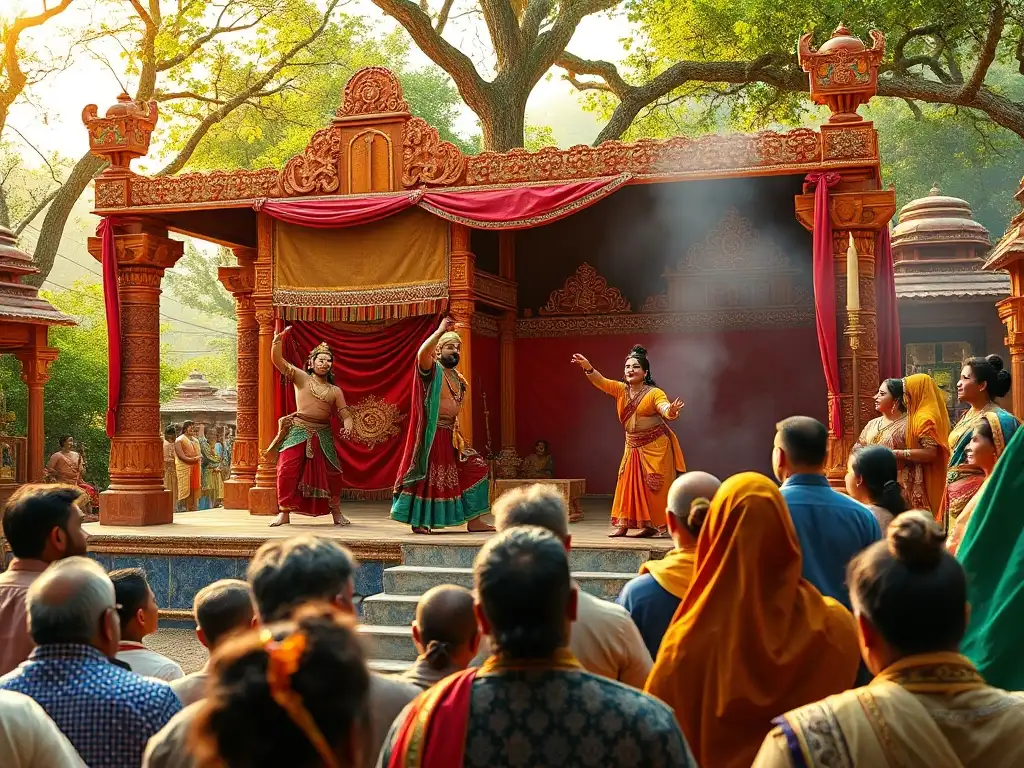
Welcome to Ancient India History, where we delve deep into the fascinating tapestry of ancient Indian civilizations. Today, we invite you on a captivating journey to uncover the evolution of drama within the Gupta Empire—a period marked by extraordinary cultural and artistic achievements. How did myth transform into performance, weaving tales that resonated through time? Join us as we explore the intricate interplay of storytelling, art, and society, unveiling the rich legacy that continues to influence our world today. Discover the dramatic evolution that awaits you!
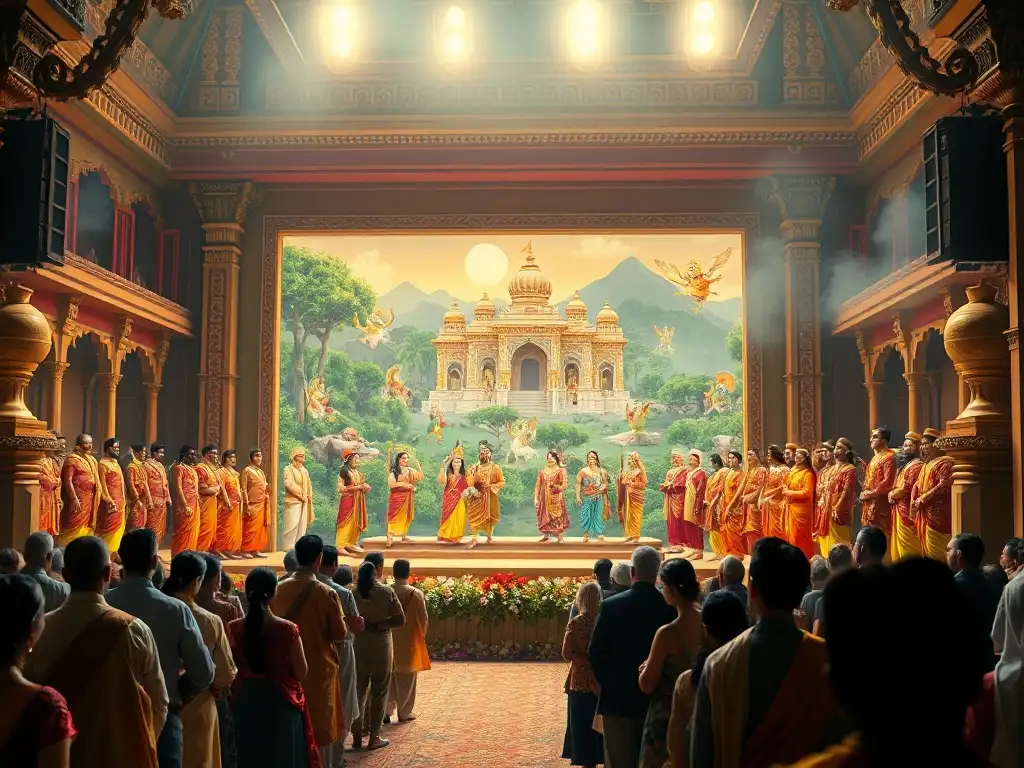
Introduction to Gupta Empire Drama Evolution
The Gupta Empire, often referred to as the "Golden Age of India," flourished between the 4th and 6th centuries CE and is renowned for its remarkable contributions to art, culture, and intellectual pursuits. Among these contributions, drama holds a prominent place, reflecting the rich tapestry of life during this era.
The evolution of Gupta drama not only showcases the artistic prowess of its playwrights but also encapsulates the socio-political and religious dynamics of the time. This article delves into the intricate journey of Gupta drama, tracing its roots, influences, and the significant figures who shaped its narrative, ultimately highlighting the importance of this art form in ancient Indian civilization.
Overview of Gupta Empire and Its Cultural Significance
The Gupta Empire, founded by Maharaja Sri Gupta, is celebrated for its advancements in various fields, including science, mathematics, and literature. Under the reign of notable emperors like Samudragupta and Chandragupta II, the empire experienced a cultural renaissance that fostered creativity and intellectual discourse. Key aspects of Gupta culture include:
- Patronage of the Arts: The Gupta rulers were avid supporters of the arts, promoting theater, literature, and sculpture. This patronage enabled the flourishing of drama as a respected art form.
- Cultural Synthesis: The empire was a melting pot of diverse cultures, which enriched its artistic expressions. This synthesis is evident in the themes and styles of Gupta drama.
- Legacy of Literature: The period produced significant literary works, most notably the plays of Kalidasa, whose contributions continue to influence Indian literature and theater.
Importance of Drama in Ancient Indian Culture
Drama in ancient India served multiple functions beyond mere entertainment. It was a medium of storytelling, moral instruction, and cultural expression. The significance of drama can be understood through the following points:
- Religious Rituals: Many dramas were rooted in religious narratives, often performed during festivals and rituals, bridging the gap between the divine and the human experience.
- Social Commentary: Plays often addressed contemporary social issues, providing a platform for dialogue and reflection on the human condition.
- Educational Tool: Drama was instrumental in educating audiences about ethics, morals, and societal norms, reinforcing the values of the time.
Historical Context of Drama in the Gupta Empire
Pre-Gupta Drama: The Roots of Indian Theatre
Before the Gupta Empire, Indian theater had already established its foundations with early forms including the Natya Shastra, attributed to Bharata Muni. This ancient text laid the groundwork for dramatic arts, outlining performance techniques, dance, and music. The evolution of drama can be traced through various stages:
- Sanskrit Drama Origins: The transition from folk performances to structured Sanskrit dramas marked a significant evolution in theatrical forms.
- Influence of Earlier Dynasties: The Maurya and Shunga dynasties nurtured early theatrical traditions, setting the stage for the Gupta era's advancements.
Influence of Religion and Mythology on Gupta Drama
Religious beliefs and mythological narratives played a vital role in shaping Gupta drama. The intertwining of these elements can be highlighted by:
- Mythological Themes: Many plays were adaptations of epics like the Ramayana and Mahabharata, reflecting moral dilemmas and heroic ideals.
- Religious Festivals: Drama often coincided with religious observances, enhancing the spiritual experience and allowing communities to engage with their heritage.
Key Historical Figures and Playwrights in Gupta Drama
The Gupta period gave rise to several eminent playwrights whose works have left an indelible mark on Indian literature and drama. Notable figures include:
- Kalidasa: Often regarded as the greatest Sanskrit playwright, his masterpieces like "Shakuntala" exemplify the depth of Gupta dramatic expression.
- Bhasa: A precursor to Kalidasa, Bhasa’s plays are known for their vivid character portrayals and thematic richness, showcasing the early evolution of dramatic storytelling.
With this understanding of the evolution of Gupta drama from its historical roots to its cultural significance, we can appreciate its enduring legacy in the tapestry of ancient Indian civilization.
Characteristics of Gupta Drama
Gupta drama emerged as a distinctive form of art during the Gupta Empire (circa 320-550 CE), characterized by its elaborate structures, rich language, and expressive performances. One of the most defining features of Gupta drama is its integration of various art forms, including dance, music, and visual arts, creating a holistic experience for the audience. Performances were often staged in open-air theatres, allowing for an intimate interaction between the performers and the spectators.
The language of Gupta dramas, primarily Sanskrit, was sophisticated yet accessible, reflecting the societal norms and cultural values of the time. The use of intricate dialogue and poetic forms was prevalent, which not only enhanced the beauty of the scripts but also elevated the intellectual engagement of the audience.
Moreover, Gupta drama showcased a blend of realism and idealism, where characters often represented ideal virtues yet faced human dilemmas. This duality allowed the audience to resonate with the portrayals while also being inspired by the elevated ideals depicted in the narratives.
Themes and Motifs in Gupta Dramas
The themes explored in Gupta dramas were diverse, often reflecting the complexity of human emotions and societal norms. Common motifs included love, duty, honor, and the conflict between dharma (righteousness) and adharma (unrighteousness).
- Love and Romance: Many plays focused on romantic relationships, highlighting the beauty and challenges of love. This theme often intertwined with the ideals of devotion and sacrifice.
- Heroism and Valor: Reflecting the valor of warriors and kings, these narratives celebrated the themes of bravery and honor, often drawing from historical and mythological contexts.
- Moral Dilemmas: Characters frequently faced moral choices that tested their virtues. These dilemmas were essential in exploring the philosophical underpinnings of dharma.
- Divine Intervention: The influence of gods and divine powers often played a crucial role in the resolution of conflicts, illustrating the belief in the supernatural.
These themes not only entertained but also served to educate the audience about moral values and social responsibilities.
The Role of Mythology in Performance
Mythology was a fundamental aspect of Gupta drama, serving as both inspiration and source material for playwrights. The rich tapestry of Hindu mythology provided a framework for narratives, allowing playwrights to explore complex human emotions through divine characters and legendary tales.
The integration of mythological elements was evident in character portrayals, plot developments, and even stage settings. Gods, goddesses, and legendary heroes frequently took center stage, embodying the ideals of virtue, power, and love.
Moreover, mythological references added layers of meaning to the performances, allowing audiences to engage with the content on both a literal and symbolic level. By invoking familiar stories and traditions, playwrights could convey moral lessons and cultural values effectively, making the performances resonate deeply with the viewers.
Style and Structure of Gupta Plays
Gupta plays often adhered to a structured format, typically comprising five acts (panchakanda), which allowed for a well-paced narrative progression. Each act was carefully crafted to build tension, develop characters, and lead to a climactic resolution.
The style of Gupta drama was marked by its poetic dialogue, rhythmic patterns, and use of various literary devices such as metaphors and similes. This elevated language contributed to the artistic quality of the performances, making them not just theatrical presentations but also literary masterpieces.
Additionally, the incorporation of various performance elements, such as music and dance, was integral to the style of Gupta drama. These elements were not merely embellishments; they served to enhance the emotional landscape of the narrative, helping to convey the characters' inner thoughts and feelings.
Notable Works and Contributions to Gupta Drama
The Gupta period witnessed the emergence of several key playwrights and notable works that significantly shaped the landscape of Indian drama. These contributions laid the groundwork for future theatrical traditions in India.
Analysis of Prominent Plays from the Gupta Period
Among the most celebrated works of Gupta drama are plays such as "Shakuntala" by Kalidasa and "Mrichchhakatika" by Shudraka. "Shakuntala" is renowned for its poetic elegance and profound exploration of love and destiny, showcasing the emotional depth of its characters. The narrative follows the love story of King Dushyanta and Shakuntala, intertwining themes of love, separation, and divine intervention.
"Mrichchhakatika," on the other hand, presents a more socio-political commentary through its plot involving a commoner and a courtesan. The play offers insights into the social dynamics of the time, including class struggles and moral dilemmas, while maintaining an engaging storyline filled with humor and charm.
These plays exemplify the artistic richness of Gupta drama, combining intricate plots with deep philosophical undercurrents, thus appealing to a wide range of audiences.
Contributions of Kalidasa and Other Renowned Playwrights
Kalidasa, often regarded as the greatest playwright of the Gupta period, made significant contributions to Indian theatre. His ability to weave poetic language with profound themes set a benchmark for future playwrights. Other notable figures include Shudraka, whose works reflected the complexities of human nature and societal structures.
The contributions of these playwrights were instrumental in establishing a rich theatrical tradition in India. Their works not only entertained but also provoked thought and reflection on moral and social issues, thereby enriching the cultural heritage of the Gupta Empire.
Influence of Gupta Drama on Later Indian Theatre
The legacy of Gupta drama extends far beyond its time, profoundly influencing subsequent generations of Indian theatre. Elements such as narrative structure, character development, and thematic exploration established by Gupta playwrights laid the foundation for classical Indian theatre.
The intricate blend of poetry, performance, and philosophical themes continued to resonate in later works, inspiring playwrights across various regions and languages. Furthermore, the emphasis on the integration of music and dance in performances became a hallmark of Indian theatrical traditions that followed.
The evolution of Gupta drama, with its rich characteristics, thematic depth, and influential playwrights, played a pivotal role in shaping the cultural landscape of ancient India and left an indelible mark on the future of Indian theatre.
The Transition from Myth to Performance in Gupta Drama
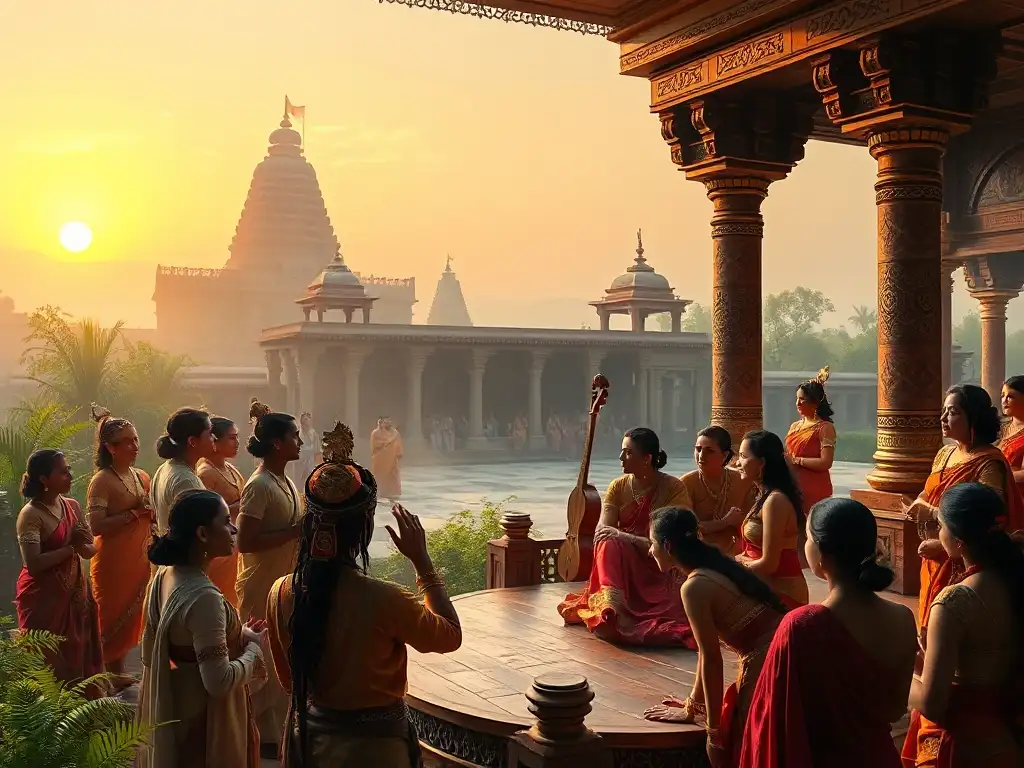
The transition from myth to performance in Gupta drama marks a significant evolution in the artistic expressions of ancient India. During the Gupta period (approximately 320 to 550 CE), drama transitioned from primarily mythological storytelling to more structured theatrical performances that incorporated various elements of human experience, emotion, and social commentary. This shift was influenced by the rich tapestry of Indian mythology and the desire to depict complex narratives that resonated with audiences.
The early forms of drama in Gupta society were deeply rooted in religious and mythological themes, often derived from epics like the Mahabharata and Ramayana. However, playwrights began to explore everyday life, relationships, and moral dilemmas, which allowed the performances to connect more deeply with the audience. This evolution was crucial in establishing drama as a prominent cultural form, moving beyond mere ritualistic performances to a celebrated art that encompassed a variety of genres and styles.
Evolution of Storytelling Techniques in Gupta Theatre
The storytelling techniques employed in Gupta theatre underwent notable transformations, characterized by an integration of narrative forms and performance styles. One of the key advancements was the incorporation of dialogue, which shifted the focus from a narrator-driven approach to character-driven storytelling. This allowed for a deeper exploration of character motivations and emotions, making the narratives more relatable and engaging.
Moreover, the use of elaborate gestures and facial expressions, known as "abhinaya," became an essential component of Gupta drama. This technique enabled actors to convey complex emotions and themes without relying solely on dialogue. The evolution of storytelling in Gupta theatre was also marked by the incorporation of various literary devices, such as metaphors and allegories, which enriched the narratives and added layers of meaning. The result was a vibrant theatrical tradition that captivated audiences and left a lasting impact on the future of Indian drama.
Performance arts during the Gupta Empire played a crucial role in shaping social and cultural life. Theatrical performances often served as a medium for social commentary, addressing contemporary issues and moral dilemmas faced by society. By portraying relatable characters and situations, Gupta drama encouraged audiences to reflect on their values and beliefs, fostering a sense of community and shared understanding.
Moreover, drama became a vehicle for cultural expression, showcasing the rich heritage of art, literature, and philosophy of the Gupta period. Festivals and public performances were integral to the social fabric, providing entertainment while also reinforcing cultural identity. The participation of various societal classes in theatre, from nobility to commoners, further enhanced its significance, making it a unifying force in the diverse cultural landscape of ancient India.
The Role of Music and Dance in Gupta Dramatic Performances
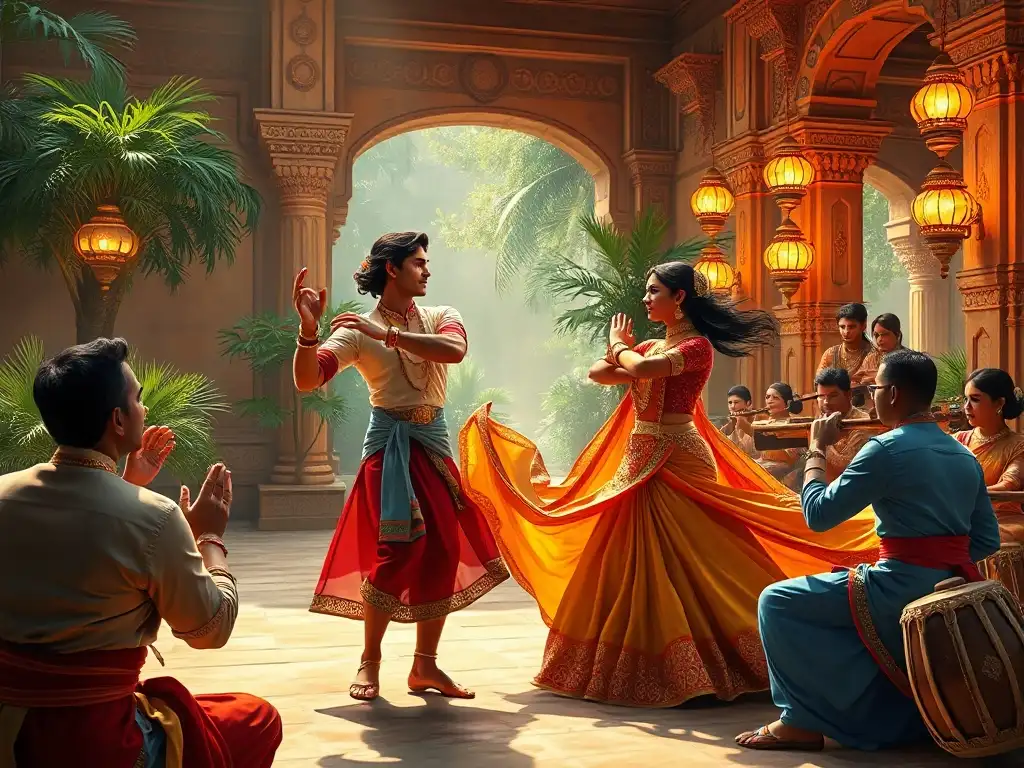
Music and dance were integral elements of Gupta dramatic performances, enhancing the overall sensory experience and adding depth to the narratives. The collaboration between these art forms allowed for a dynamic interplay of rhythm, melody, and movement that captivated audiences. Traditional instruments, such as the veena and tabla, accompanied performances, creating an immersive atmosphere that enriched the storytelling.
Dance, particularly classical forms, was used to express emotions and themes within the narratives. The incorporation of dance sequences not only showcased the talent of the performers but also provided visual storytelling that complemented the spoken word. This multifaceted approach is one of the hallmarks of Gupta drama, reflecting the era's appreciation for a holistic artistic experience that blended various forms of expression.
Legacy of Gupta Empire Drama in Modern Context
The legacy of Gupta Empire drama continues to resonate in contemporary theatre, influencing various aspects of performance arts in India and beyond. The foundational techniques established during this period laid the groundwork for future theatrical developments, ensuring that the rich traditions of Gupta drama were not lost to time.
The themes explored in Gupta drama, such as love, duty, and morality, remain relevant today, providing a timeless connection to human experiences. Modern playwrights and performers often draw inspiration from the narratives and techniques of this era, incorporating classical elements into contemporary works while also exploring new themes and styles.
Influence of Gupta Drama on Contemporary Indian Theatre
Gupta drama has had a profound influence on contemporary Indian theatre, shaping its form and content. Many modern Indian playwrights have sought to revive the storytelling techniques and themes that characterized Gupta performances, integrating them into their works to create a dialogue between past and present. This revival has led to a resurgence of interest in traditional forms of theatre, including classical dance and music, enriching the contemporary scene.
Furthermore, the emphasis on character development and emotional depth established in Gupta drama has become a staple in modern Indian theatre. The exploration of complex human relationships and societal issues reflects the legacy of Gupta playwrights who paved the way for such narratives, ensuring that their contributions remain vital in today’s artistic landscape.
Preservation and Revival of Gupta Dramatic Traditions
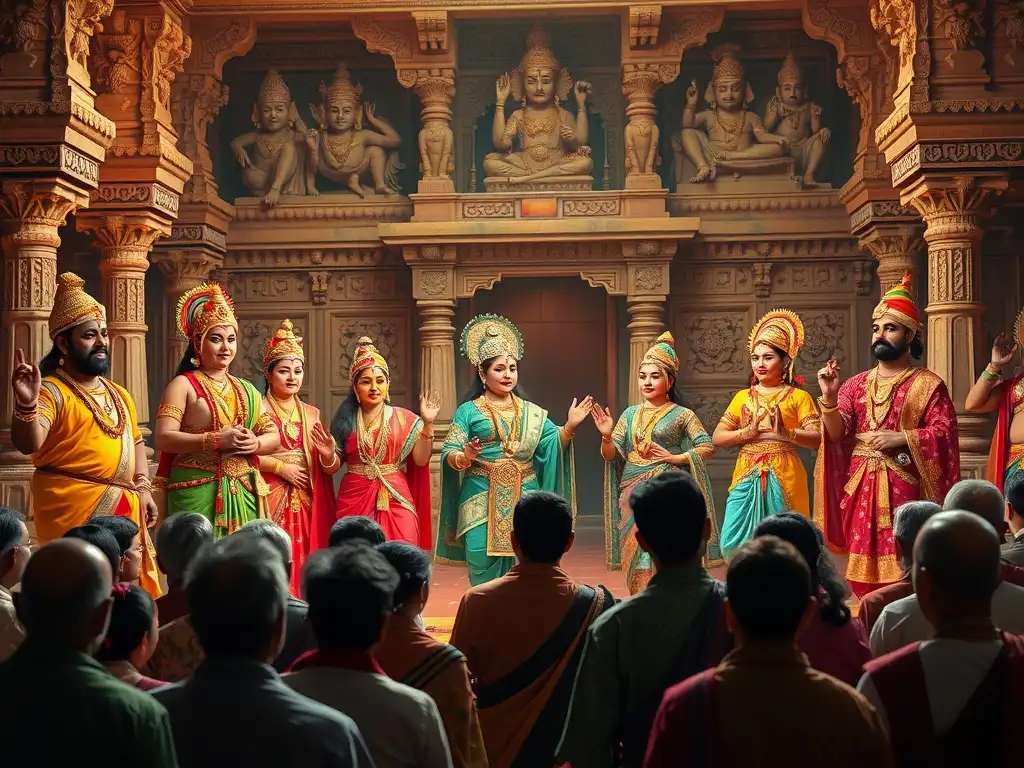
The preservation and revival of Gupta dramatic traditions have gained momentum in recent years, driven by scholars, artists, and cultural enthusiasts who recognize the importance of these ancient practices. Various organizations and theatre groups are committed to researching and reviving classical texts, performing ancient plays, and promoting the rich heritage of Gupta drama.
Workshops, festivals, and educational programs have been established to teach traditional techniques, including acting, music, and dance, to new generations of artists. This effort not only honors the cultural legacy of the Gupta Empire but also fosters a deeper appreciation for the intricate artistry that defines ancient Indian theatre.
Gupta Drama's Impact on Global Theatre Practices
The impact of Gupta drama extends beyond the borders of India, influencing global theatre practices in various ways. The narrative techniques, character development, and use of music and dance have inspired playwrights and performers worldwide. The universal themes explored in Gupta dramas resonate with audiences across cultures, making them timeless sources of inspiration.
Moreover, the incorporation of Indian dramatic elements into Western theatre has led to a cross-pollination of styles and techniques that enrich both traditions. This blending of cultural influences highlights the global relevance of Gupta drama, showcasing its ability to transcend geographical boundaries and contribute to the broader landscape of world theatre.
Conclusion: The Lasting Impact of Gupta Empire Drama Evolution
The evolution of drama during the Gupta Empire represents a significant chapter in the history of Indian performing arts. The intricate blend of myth, religious themes, and cultural narratives laid the foundation for what would become a flourishing tradition of theatrical performance. Gupta drama not only served as a form of entertainment but also functioned as a medium for social commentary and the exploration of moral dilemmas. This multifaceted approach to drama has left an indelible mark on subsequent generations of playwrights and performers, influencing regional styles and adaptations throughout India.
As we look back at the artistic achievements of the Gupta period, it is clear that the dramatic arts played a pivotal role in shaping cultural identity. The works of eminent playwrights like Kalidasa, who emerged during this time, have continued to resonate with audiences and scholars alike. Their themes of love, duty, and the divine transcend time, making Gupta drama a lasting legacy that speaks to the human experience across ages. The techniques and forms developed during this era laid the groundwork for classical Indian theatre, ensuring that the impact of Gupta drama endures in contemporary performance practices.
Reflection on the Cultural Significance of Gupta Drama
Gupta drama was not merely a reflection of the artistic tendencies of its time; it was also deeply intertwined with the socio-political and religious fabric of ancient India. The incorporation of mythological themes and the portrayal of divine characters served to reinforce cultural norms and values, while also offering audiences a means of exploring complex moral questions. The dramatic narratives often engaged with the prevailing philosophies of the period, including Hinduism and Buddhism, allowing for a rich dialogue between the sacred and the secular.
Moreover, the theatrical performances of the Gupta Empire provided a communal space where people from diverse backgrounds could gather, fostering a sense of unity and shared identity. Festivals and public performances became vital aspects of social life, facilitating the exchange of ideas and cultural practices. This communal aspect of drama underscored its importance beyond mere entertainment, marking it as a crucial element of cultural cohesion and continuity.
As a result, the drama of the Gupta Empire can be seen as a reflection of the broader cultural currents of ancient India. Its significance endures not only in the realm of performing arts but also in the ongoing exploration of cultural identity and historical narratives.
The Future of Gupta Drama Studies and Its Relevance Today
The study of Gupta drama holds significant potential for contemporary scholars and audiences alike. As interest in traditional forms of art and culture grows, there is an opportunity to rediscover and reinterpret the themes and techniques of Gupta-era dramas. This revival could lead to innovative adaptations and performances that resonate with modern sensibilities while honoring the rich legacy of the past.
Furthermore, Gupta drama offers valuable insights into the socio-political dynamics of ancient Indian society, providing a framework for understanding contemporary issues. By examining the moral complexities and societal challenges depicted in these works, current audiences can draw parallels to today's world, fostering greater cultural awareness and appreciation.
In academia, the future of Gupta drama studies could benefit from interdisciplinary approaches that incorporate history, anthropology, and performance studies. Such collaboration can enrich our understanding of the dramatic arts and their evolution, highlighting the interconnectedness of various cultural expressions. As researchers continue to delve into the nuances of Gupta drama, it will undoubtedly contribute to a broader appreciation for ancient Indian civilizations and their enduring impact on the world of performing arts.
- Introduction to Gupta Empire Drama Evolution
- Historical Context of Drama in the Gupta Empire
- Characteristics of Gupta Drama
- Notable Works and Contributions to Gupta Drama
- The Transition from Myth to Performance in Gupta Drama
- Evolution of Storytelling Techniques in Gupta Theatre
- The Impact of Performance Arts on Social and Cultural Life
- The Role of Music and Dance in Gupta Dramatic Performances
- Legacy of Gupta Empire Drama in Modern Context
- Influence of Gupta Drama on Contemporary Indian Theatre
- Preservation and Revival of Gupta Dramatic Traditions
- Gupta Drama's Impact on Global Theatre Practices
- Conclusion: The Lasting Impact of Gupta Empire Drama Evolution
Frequently Asked Questions
What is the significance of the Gupta Empire in Indian history?
The Gupta Empire is often referred to as the Golden Age of India due to its advancements in science, arts, and culture, significantly influencing the evolution of drama and performance arts.
How did drama evolve during the Gupta period?
During the Gupta period, drama evolved from mythological narratives to more structured performances, incorporating themes of romance, politics, and social issues, reflecting the societal values of the time.
What are some key features of Gupta drama?
Gupta drama is characterized by its elaborate staging, use of poetic language, and the integration of music and dance, which enhanced the overall theatrical experience and audience engagement.
Which famous playwrights emerged during the Gupta Empire?
Notable playwrights like Kalidasa and Bhasa emerged during the Gupta Empire, contributing significantly to Sanskrit literature and establishing the foundation for Indian drama.
How did the cultural contributions of the Gupta Empire influence later Indian theater?
The cultural contributions of the Gupta Empire laid the groundwork for future Indian theater, setting standards in narrative structures, character development, and the incorporation of mythological themes, influencing generations to come.
Final Reflection: The Enduring Legacy of Gupta Empire Drama
The evolution of Gupta Empire drama is not merely a historical account; it is a testament to the power of storytelling that resonates through time. Today, as we navigate a world filled with diverse narratives and performances, the roots of these artistic expressions remind us of the profound impact that culture and creativity have on society. The rich tapestry of Gupta drama, woven from myth and performance, continues to inspire contemporary artists and audiences alike, showcasing the timeless nature of human expression.
The influence of Gupta drama extends far beyond its historical context, shaping the cultural landscape in ways that are still palpable today. From the intricate narratives that explore the human condition to the vibrant performances that captivate audiences, the essence of Gupta drama lives on. As noted by the scholar R. S. Sharma, “The art of performance is a mirror reflecting the society from which it emerges.” This observation underscores the ongoing relevance of Gupta drama as it informs our understanding of identity, tradition, and the shared human experience.
As we reflect on the evolution of Gupta Empire drama, let us consider how these lessons can be applied in our own lives. Embrace the stories that shape your world, and recognize the power of performance as a means of connection and understanding. Whether through the arts, literature, or personal storytelling, we all have the ability to contribute to this ongoing narrative. Take a moment to reflect on your own experiences and how they can inspire others, for in doing so, we honor the legacy of those who came before us and pave the way for future generations.
Unveil the Rich Tapestry of Gupta Drama!
Thank you for diving into the fascinating world of Gupta Drama with us! Your interest has uncovered the layers of storytelling that have shaped cultural performances for centuries. Now, it’s time to take action and deepen your connection to this vibrant art form.
Here are some exciting steps you can take next:
- Explore a local theater event featuring dramatic performances inspired by ancient myths—immerse yourself in the live experience!
- Join the conversation in our comments section about your favorite mythological stories and how they influence contemporary performances.
- Share this article with friends and family who appreciate the arts—let's keep the conversation about our cultural heritage alive!
What aspect of Gupta Drama resonates with you the most, and how do you see its influence reflected in today’s performances?