
Women in Ancient Indian Law: Their Rights and Roles in Judicial Practices

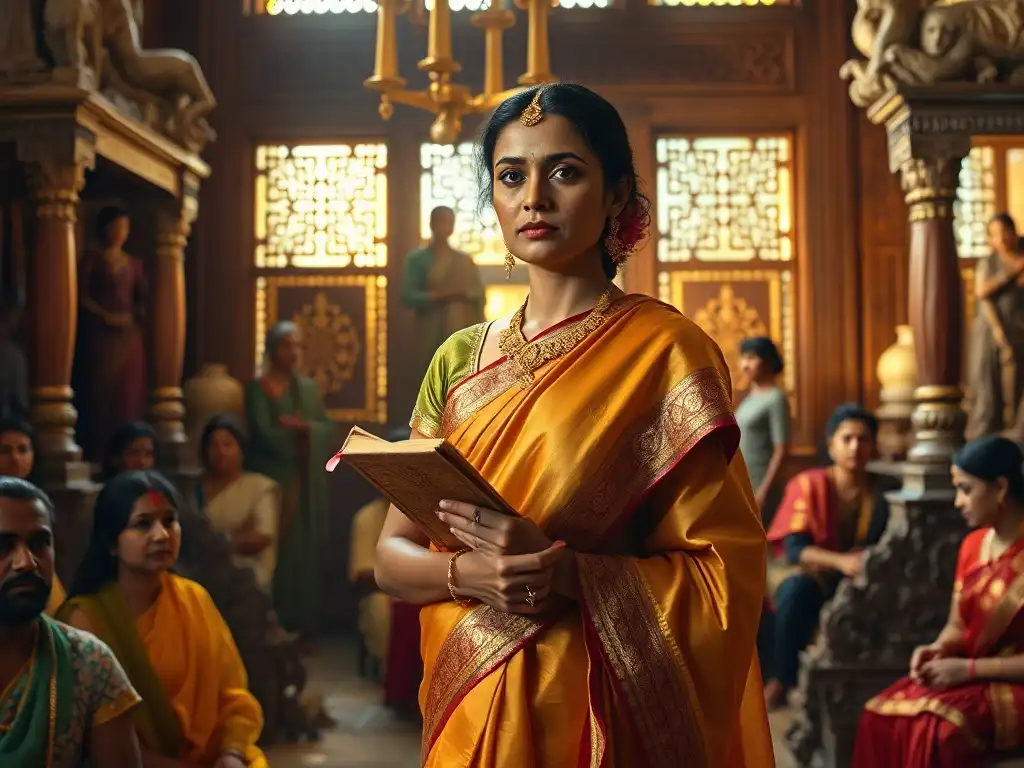
Welcome to Ancient India History, where we embark on an enlightening journey through the rich tapestry of ancient Indian civilizations. Today, we delve into a fascinating yet often overlooked aspect of our past: Women in Ancient Indian Law. Explore the intricate rights and roles women held within the judicial practices of their time, revealing their significant contributions and the evolution of legal systems. Prepare to uncover the layers of history that shaped women's status in ancient society, and let your curiosity guide you as you read further into this compelling topic!
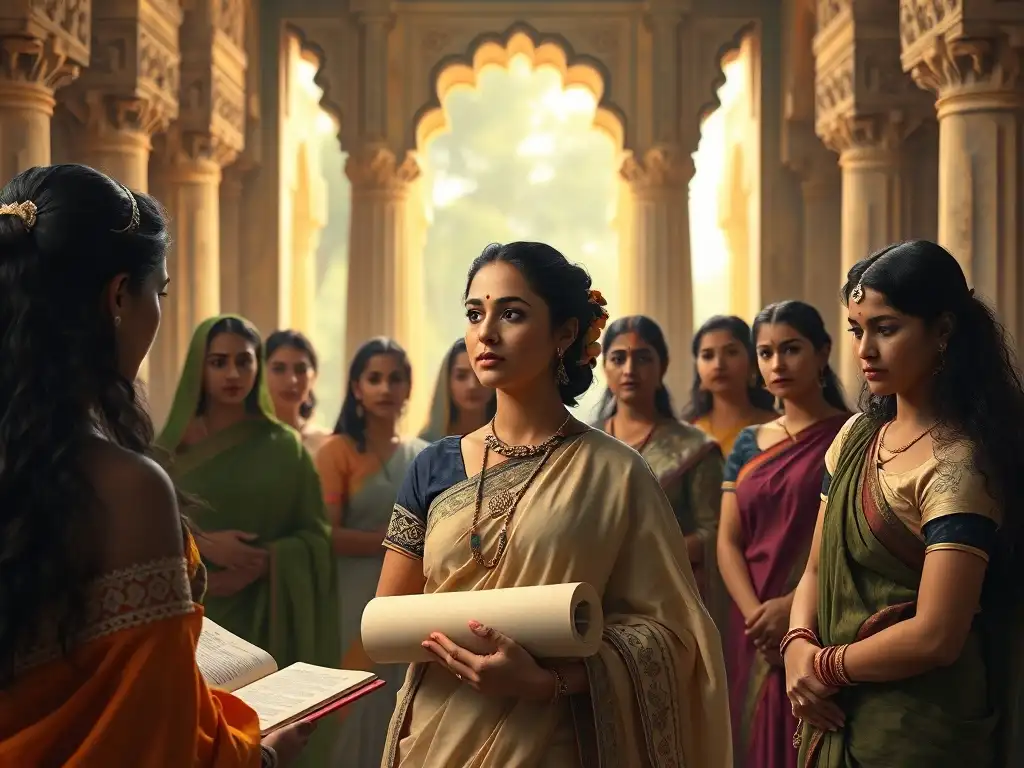
Introduction to Women in Ancient Indian Law
The exploration of women's roles within the legal frameworks of ancient India reveals a complex tapestry woven from cultural, social, and religious threads. Women's rights and their participation in judicial practices were not merely an extension of societal norms; they were integral to the legal systems that governed various aspects of life in ancient civilizations, from the Indus Valley to the Gupta Empire.
This article delves into the multifaceted dimensions of women in ancient Indian law, highlighting their rights, roles, and the evolution of legal codes that defined their status in society. By examining historical texts and practices, we can gain valuable insights into how women navigated the legal landscape, influencing both their own lives and the broader legal systems of their time.
Overview of Women’s Rights in Ancient Indian Society
In ancient Indian society, women's rights were shaped by a multitude of factors, including caste, class, and regional customs. Generally, women's rights in legal contexts included:
- Property Rights: Women could inherit property, although their rights often depended on their marital status.
- Marriage and Divorce: While marriage was primarily viewed as a familial obligation, some texts recognized women's rights to seek divorce under specific conditions.
- Participation in Legal Matters: Women frequently participated in legal proceedings, either as litigants or witnesses, which indicates their active engagement in judicial practices.
The nuances of these rights evolved over time, influenced by changing social dynamics and religious doctrines.
Importance of Judicial Practices in Ancient India
Judicial practices in ancient India were foundational to maintaining social order and resolving disputes. The legal systems, often guided by texts known as Dharma Shastras, provided a framework for justice that encompassed various aspects of life, including:
- Dispute Resolution: Local assemblies (panchayats) often served as informal courts where community members, including women, could voice their grievances.
- Legal Representation: Women had the right to seek representation, emphasizing their involvement in the justice process.
- Cultural Significance: Judicial practices reflected the societal values of the time, showcasing the interplay between law, morality, and tradition.
Understanding these judicial practices is crucial to grasping the broader context of women's roles in ancient Indian law.
Historical Context of Women in Ancient Indian Law
The historical backdrop of women in ancient Indian law is rich and varied, marked by significant legal texts and evolving codes.
Evolution of Legal Codes in Ancient India
The legal landscape of ancient India was not static; it evolved through various periods, including:
- Vedic Period: Early texts laid the groundwork for legal practices, emphasizing moral duties and rights.
- Post-Vedic Period: The emergence of Dharma Shastras formalized legal rights and obligations, affecting women's status significantly.
- Gupta Period: This era saw a further codification of laws, with women's rights being both upheld and constrained depending on prevailing ideologies.
These shifts illustrate the dynamic nature of legal codes and their impact on women's rights throughout history.
Key Texts: Manusmriti and Other Dharma Shastras
Among the most influential texts in shaping ancient Indian law are the Manusmriti and other Dharma Shastras.
- Manusmriti: Often regarded as the cornerstone of Hindu jurisprudence, this text outlines various aspects of law, including women's rights related to marriage, inheritance, and social duties.
- Other Dharma Shastras: Texts like the Yajnavalkya Smriti and Narada Smriti offer insights into the legal status of women, reflecting diverse interpretations and applications of law across different regions.
These texts not only served as legal guidelines but also as reflections of the societal values and norms of their times, highlighting the complex role of women in ancient Indian judicial practices.
Rights of Women in Ancient Indian Law
The rights of women in ancient Indian law were complex and varied significantly across different periods and regions. While the Vedic period recognized certain rights for women, subsequent legal texts and cultural practices shaped and sometimes restricted these rights. These legal frameworks often reflected societal norms and values, which could be progressive in some aspects while conservative in others.
Women enjoyed various rights related to property, marriage, and inheritance, although these rights were frequently contingent on factors such as class and caste. The Manusmriti, one of the key texts in Hindu law, outlined specific regulations concerning women's rights but also imposed limitations. Overall, the legal recognition of women's rights in ancient India suggests a layered understanding of gender roles, where women were both empowered and constrained by the prevailing laws and customs.
Property Rights of Women in Ancient India
In ancient India, property rights for women were influenced by both religious texts and societal norms. The Vedic texts provided women with some rights to inherit property, particularly in the form of gifts from their families. Women could own property, and it was often considered a form of security for their well-being. However, the extent of these rights varied widely.
- Marriage and Property: Upon marriage, a woman's property typically transferred to her husband, but she could retain ownership of certain assets, especially those acquired before marriage.
- Widow's Rights: Widows were often entitled to inherit their deceased husband's property, providing them with a degree of financial independence.
- Legal Texts: Later legal texts, including the Manusmriti and Yajnavalkya Smriti, reflected a shift in property rights, emphasizing male ownership and control over property, which sometimes curtailed women's rights.
The coexistence of these rights illustrates a nuanced landscape where women could have legal ownership yet faced significant societal restrictions.
Marriage and Divorce Laws Pertaining to Women
Marriage in ancient India was not merely a personal union but a vital social and economic contract. The laws governing marriage and divorce were deeply rooted in cultural practices and varied significantly across different communities.
- Marriage Practices: Women were primarily viewed as ideal partners and caretakers, and their primary role was often linked to family and household duties. Marriages were typically arranged, and the choice of a partner was often limited for women.
- Divorce Rights: The rights of women regarding divorce were also complex. Although men could initiate divorce more easily, women had certain rights to seek separation under specific circumstances, such as abandonment or ill-treatment.
- Legal Texts and Practices: Texts such as the Manusmriti provided guidelines on marital conduct and the conditions under which divorce could occur, often favoring male authority. However, there were instances where women could assert their rights to divorce, reflecting a gradual recognition of their agency.
This multifaceted understanding of marriage and divorce laws showcases the evolving status of women within the legal framework of ancient India.
Inheritance Rights: A Detailed Exploration
Inheritance rights for women in ancient India were a subject of significant legal and social discourse. While women were often viewed as dependents in patriarchal society, they had access to certain inheritance rights that varied over time and by region.
- Vedic Period: Initially, women had some rights to inherit property, especially from their fathers. The concepts of stridhan (a woman's wealth) recognized women's rights to own property, including gifts and personal assets.
- Later Legal Texts: As legal codes evolved, particularly with the Manusmriti, inheritance rights were increasingly restricted. Women were often relegated to a secondary status, inheriting less than their male counterparts.
- Contemporary Practices: Despite these restrictions, there were exceptions where women could inherit property, particularly in communities that valued women's roles in managing family wealth.
This exploration of inheritance rights highlights the contradictions within ancient Indian law, where women could assert their rights to property but often faced societal and legal limitations.
Roles of Women in Judicial Practices
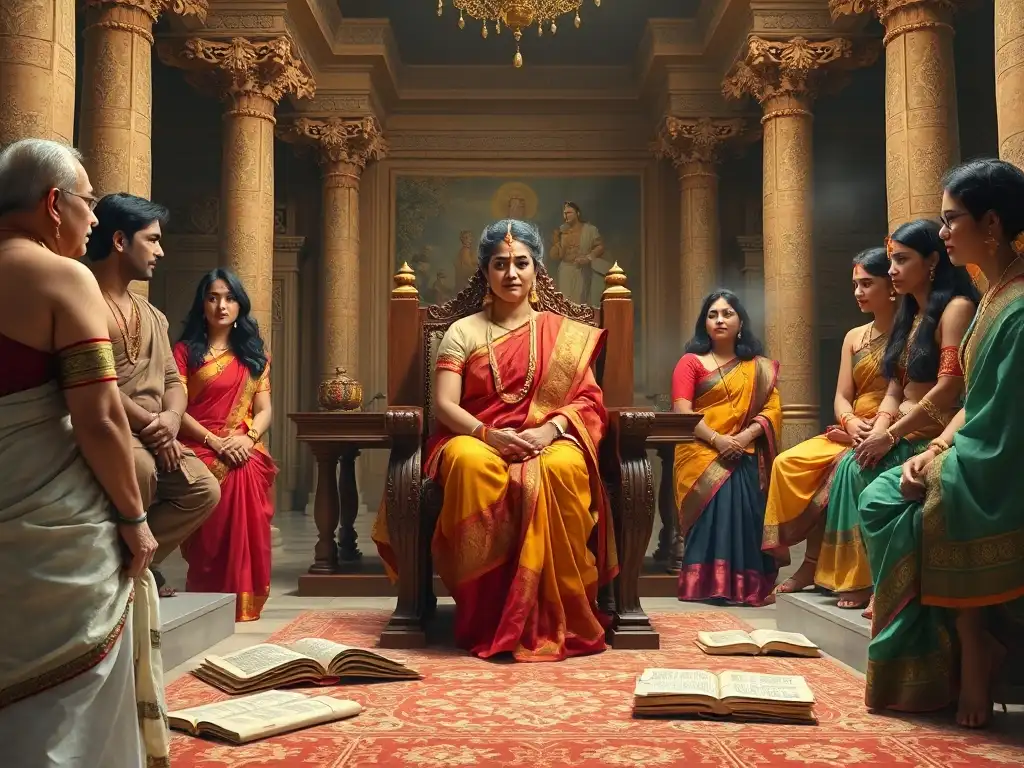
Women played a unique role in the judicial practices of ancient India, although their participation was often limited by societal norms. Their involvement in legal matters reflected both their agency and the restrictive frameworks they navigated.
Participation of Women in Legal Proceedings
Women were recognized as parties in legal proceedings, although their participation was often constrained. In some instances, women could represent themselves in court, especially in matters related to family and property.
- Legal Representation: In certain communities, women had the right to appoint male representatives for legal matters. However, the ability to advocate for themselves in court was limited by societal expectations.
- Testimony and Evidence: Women could serve as witnesses in legal cases, particularly in matters of family disputes. Their testimonies were considered essential, especially in cases involving domestic issues.
Despite these limited rights, women's participation in legal proceedings indicates a recognition of their roles within the legal system.
Women as Witnesses in Ancient Courts
Women served as witnesses in ancient courts, and their testimonies could carry significant weight, especially in cases concerning marriage, inheritance, and property disputes.
- Credibility and Status: The credibility of a woman's testimony was often linked to her social status and reputation. Higher caste women were generally given more weight in their statements.
- Legal Texts: Ancient legal texts recognized the importance of women's testimonies, particularly in family law. However, the reliance on male witnesses was still predominant, reflecting the gender bias of the time.
This role as witnesses highlights the complex dynamics of gender in the legal practices of ancient India, where women's voices were both valued and marginalized.
The Role of Women in Mediation and Conflict Resolution
Women often played crucial roles as mediators and conflict resolvers within their communities. Their involvement in mediation processes underscored their influence in maintaining social harmony.
- Community Mediation: Women were frequently engaged in mediating family disputes and conflicts, leveraging their understanding of social dynamics and relationships. They were seen as natural caregivers and peacemakers.
- Cultural Practices: Many cultural practices encouraged women to take part in conflict resolution, especially in familial and community matters. This role allowed women to exert influence within their households and communities while adhering to traditional norms.
The engagement of women in mediation and conflict resolution illustrates their integral role in the social fabric of ancient Indian society, showcasing their agency in informal legal practices.
Comparative Analysis of Women's Legal Status
The legal status of women in ancient India was complex and varied across different time periods and regions. Women's rights were influenced by several factors, including religious texts, local customs, and changing political landscapes. While some texts, like the Manusmriti, suggested restrictions on women's autonomy, others recognized their rights in property ownership and legal representation.
Legal frameworks often depicted women as subordinate to male guardians, but evidence suggests that women actively participated in legal proceedings and had access to certain judicial rights. For instance, they could inherit property and initiate divorce under specific conditions. This duality—where women were both constrained and empowered—reflects the intricate dynamics of gender roles within ancient Indian legal practices.
Comparison with Other Ancient Civilizations
When compared to other ancient civilizations, such as Mesopotamia and Ancient Greece, the legal status of women in ancient India shows both similarities and differences. In Mesopotamia, women had considerable rights, including owning property and conducting business. However, their legal status was still largely dependent on their relationship to male relatives. Similarly, in Ancient Greece, women were often relegated to domestic roles with limited legal rights, primarily under the guardianship of male family members.
In contrast, certain periods in ancient Indian history, particularly during the Vedic era, allowed women greater freedoms, including education and participation in religious rituals. The legal texts from this period sometimes depicted women as having the right to own and inherit property, which was less common in other ancient cultures. This comparative analysis highlights the unique position of women in ancient Indian law, showcasing a blend of empowerment and restriction influenced by societal norms and legal frameworks.
The Shift in Women's Legal Rights Over Time
The legal rights of women in ancient India underwent significant changes over time, reflecting broader shifts in societal attitudes and political structures. During the Vedic period, women enjoyed a relatively high status, often engaging in scholarly pursuits and religious practices. However, as society evolved, particularly during the later Vedic and post-Vedic periods, restrictions began to emerge.
By the time of the Gupta Empire, women's roles had become more defined, with legal texts increasingly emphasizing their domestic responsibilities and placing them under male guardianship. This shift can be attributed to various factors, including the rise of patriarchal norms and the codification of laws that prioritized male authority in family and legal matters.
Despite these restrictions, historical records indicate that women continued to assert their rights, leading to legal cases that challenged prevailing norms. The ebb and flow of women's legal rights demonstrate a dynamic interplay between tradition and social change, with women occasionally finding ways to navigate and negotiate their legal status within the constraints of their time.
Case Studies on Women in Ancient Indian Law
Prominent Women in Legal History of Ancient India
Throughout ancient Indian history, several women stand out as significant figures in the legal domain. One such figure is Gargi Vachaknavi, a philosopher and scholar during the Vedic period, who participated in intellectual debates and was known for her sharp legal reasoning. Her contributions highlight the role of women as knowledgeable individuals capable of engaging with complex legal concepts.
Another notable figure is Maitreyi, who is often cited in discussions about women's rights to inheritance and property. Her dialogues in ancient texts illustrate the recognition of women's voices in legal matters, emphasizing their capability to engage in discussions surrounding wealth and ownership.
These prominent women, among others, not only shaped the legal landscape of their times but also inspired future generations to challenge and redefine women's roles within the legal sphere.
Specific Cases Illustrating Women’s Rights in Action
Several historical cases exemplify women's active participation in legal proceedings and their rights within ancient Indian law. One such case involved a woman seeking to inherit her deceased husband's property, which was contested by her in-laws. The court ultimately ruled in her favor, recognizing her right to inherit based on the prevailing legal principles that allowed widows to claim their husband's assets.
Another case involved a woman who successfully petitioned for divorce, illustrating the legal provisions available for women to terminate marriages under specific conditions. These cases not only demonstrate the existence of women's rights in judicial practices but also reflect the evolving nature of societal attitudes toward women’s autonomy and legal agency.
These examples underscore the important role women played in ancient Indian law, challenging norms and asserting their rights in a predominantly patriarchal society. The cases serve as a testament to the complexities of women's legal status and their resilience in navigating the judicial landscape of their time.
Myths and Realities of Women in Ancient Indian Law

The discourse surrounding Women in Ancient Indian Law is often clouded by various myths and misconceptions that overlook the complexities of their legal status and judicial roles. Understanding the realities behind these myths is crucial for appreciating the nuanced position of women in ancient Indian society.
Common Misconceptions About Women’s Legal Status
One prevalent misconception is that women in ancient India had no legal rights. This oversimplification ignores the various texts, such as the Manusmriti and the Arthashastra, which provide evidence of women possessing certain legal rights, especially concerning inheritance and property. While their rights were often limited compared to men, they were not entirely absent.
Another myth is that women were universally oppressed under all legal codes. In reality, the legal status of women varied significantly across different regions and periods. For instance, in some communities, women enjoyed greater autonomy and legal recognition than in others. Additionally, women could act as witnesses in legal matters and had the right to seek divorce under certain circumstances, reflecting a more active role in the judicial process than is commonly believed.
The Reality of Women’s Influence in Judicial Practices
Women in ancient India played significant roles within judicial practices, particularly in familial and local disputes. While formal positions in courts were predominantly male-dominated, women often served as mediators and advisors in their communities. Their influence extended to religious and social spheres, where they were often consulted in matters of justice and ethics.
Moreover, certain texts indicate that women could bring cases to court. They were not merely passive participants but actively engaged in seeking justice. The narratives of historical figures such as those in epics like the Mahabharata show women asserting their rights and participating in legal discussions. This involvement highlights a complex social fabric where women had a voice, despite facing systemic limitations.
Conclusion
Summary of Women’s Rights and Roles in Ancient Indian Law
Women in ancient India navigated a landscape of legal rights that, while constrained, allowed for varying degrees of agency and influence. They had rights to property, could seek redress in courts, and held significant roles in familial and societal legal matters. The legal frameworks in ancient texts reflect a society that, while patriarchal in many respects, acknowledged the presence and contributions of women in judicial practices.
Implications for Understanding Gender and Law in Ancient India
Understanding the rights and roles of women in ancient Indian law is vital for a comprehensive view of gender dynamics in historical legal systems. It challenges the binary perception of women as merely victims of oppression and instead highlights their active participation in legal processes. Recognizing these complexities not only enriches our understanding of ancient Indian society but also provides insights into the evolution of gender and law in contemporary contexts. The study of women's legal roles encourages a re-examination of historical narratives and the acknowledgment of women's contributions to legal practices throughout history.
Further Reading and Resources
Understanding the nuances of women's rights and roles in ancient Indian law requires delving into various texts, research papers, and online resources. Below are some recommended texts and online archives that provide comprehensive insights into this intriguing aspect of legal history.
Recommended Texts on Women in Ancient Indian Law
-
"The Status of Women in Ancient India" by V. R. K. Murthy
This book explores the historical roles and rights of women in ancient Indian society, emphasizing the legal frameworks that governed their lives. Murthy provides a detailed analysis of ancient texts and legal codes that reflect the societal norms surrounding women.
-
"Women and Law in Ancient India" by A. R. Venkatachalapathy
Venkatachalapathy’s work examines the intersection of gender and law through various ancient Indian legal texts. The author highlights how women navigated their legal rights and the societal implications of these laws.
-
"Legal History of Ancient India" by R. C. Gupta
This text presents a broader overview of the legal history in ancient India, including the specific roles of women within that framework. Gupta discusses significant legal texts and codes, including the Manusmriti, and their implications for women's rights.
-
"Women in Ancient India: A Historical Perspective" by Kumud Sharma
Sharma’s book offers a comprehensive look at the changing status of women throughout ancient Indian history, including their legal rights and judicial roles. It is a valuable resource for understanding the evolution of women’s rights over time.
Online Resources and Archives for Further Exploration
-
Digital South Asia Library (DSAL)
This online archive provides access to a range of historical texts, maps, and documents related to South Asian history. Researchers can find primary sources that pertain to women and law in ancient India.
-
The Internet Archive
The Internet Archive hosts a plethora of digitized texts on ancient Indian law and culture. Search for key terms like "women in ancient law" to find relevant historical documents and academic analyses.
-
Women in Ancient Civilizations: A Global Perspective
This online platform offers articles and summaries on women’s roles in various ancient civilizations, including India. It provides comparative insights that can enhance understanding of the specific context of ancient Indian laws.
-
JSTOR
JSTOR is a digital library for academic journals, books, and primary sources. It contains numerous scholarly articles focused on women’s rights and legal practices in ancient India, making it an essential resource for in-depth research.
Utilizing these texts and resources will deepen your understanding of the complex interplay of law and gender in ancient Indian society and contribute to a more nuanced appreciation of women's roles in judicial practices.
- Introduction to Women in Ancient Indian Law
- Historical Context of Women in Ancient Indian Law
- Rights of Women in Ancient Indian Law
- Roles of Women in Judicial Practices
- Comparative Analysis of Women's Legal Status
- Case Studies on Women in Ancient Indian Law
- Myths and Realities of Women in Ancient Indian Law
- Conclusion
- Further Reading and Resources
- What were the legal rights of women in ancient India?
- How did ancient Indian law view the role of women in society?
- Were there any notable legal texts that addressed women's rights in ancient India?
- Did women participate in legal proceedings in ancient India?
- How did the status of women in ancient Indian law evolve over time?
Frequently Asked Questions
What were the legal rights of women in ancient India?
Women in ancient India had limited legal rights compared to men, but they could own property, engage in contracts, and participate in judicial practices under certain conditions.
How did ancient Indian law view the role of women in society?
Ancient Indian law recognized women as significant contributors to family and society, often portraying them as guardians of virtue and upholders of dharma within the household.
Were there any notable legal texts that addressed women's rights in ancient India?
Yes, texts such as the Manusmriti and Yajnavalkya Smriti outlined women's rights and roles, although interpretations varied widely and often reflected the patriarchal context of their times.
Did women participate in legal proceedings in ancient India?
Women could participate in legal proceedings, though their involvement was often limited. They could serve as witnesses or plaintiffs, especially in matters concerning family and property.
How did the status of women in ancient Indian law evolve over time?
The status of women in ancient Indian law evolved, with influences from various dynasties and cultures. Over time, some periods saw improvements in rights, while others reinforced traditional patriarchal norms.
Final Reflection: Empowering Women Through the Lens of Ancient Indian Law
The exploration of Women in Ancient Indian Law reveals a complex tapestry of rights and roles that not only shaped the legal landscape of their time but also resonates profoundly in today's discussions about gender equality and justice. As we navigate the contemporary world, understanding the historical context of women's rights in ancient societies serves as a crucial reminder of the progress made and the challenges that remain. The past is not merely a relic; it is a powerful narrative that informs our present and guides our future.
The influence of ancient legal practices on modern society is undeniable. Women in Ancient Indian Law were not just passive figures; they played active roles within the judicial framework, challenging the notion of their subservience. This historical perspective invites us to reflect on how far we have come and how much further we need to go.
As Mahatma Gandhi once said, "> A nation's greatness is measured by how it treats its weakest members." This quote encapsulates the ongoing struggle for women's rights, urging us to recognize the importance of safeguarding and advancing these rights in our current legal systems.
As we conclude this exploration, I invite you to reflect on the lessons learned from the past and consider how they can be applied to our lives today. What can we do to honor the legacy of women in ancient law and ensure that their voices continue to be heard?
Whether through advocacy, education, or personal commitment to equality, each of us has a role to play in shaping a future where the rights of all individuals are upheld and celebrated. Let us carry forward the spirit of empowerment and justice that has echoed through the ages, ensuring that the strides made by women in ancient India inspire our actions today.
Empower Yourself with Ancient Wisdom!
Thank you for taking the time to explore the fascinating roles and rights of women in ancient Indian law with us. Your interest in this rich history not only enhances your understanding but also raises awareness about how these age-old principles can inspire modern society.
Now, let’s take actionable steps together to further delve into this important topic:
- Read more: Explore additional resources and literature about women's contributions in ancient cultures. You may uncover insights that resonate with today's legal systems.
- Engage with others: Share this article with friends or discuss your findings in online forums and social media groups. Spark a conversation about how these ancient laws influence contemporary gender discussions.
- Reflect and act: Join or initiate workshops focused on women's rights and legal education in your community. Be a catalyst for change!
What aspect of ancient Indian women's rights surprised you the most, and how can it inspire us to shape the future?