
How to Engage with Sanskrit Literature: A Beginner's Guide


Welcome to Ancient India History, where we dive deep into the rich tapestry of ancient civilizations! In our latest article, "How to Engage with Sanskrit Literature: A Beginner's Guide," we invite you to uncover the fascinating world of Sanskrit literature for beginners. Discover how this ancient language not only shaped the cultural and philosophical landscape of India but also continues to inspire modern readers. Are you ready to embark on a journey through time and language? Join us as we explore the timeless wisdom and literary treasures that await you!

Introduction to Sanskrit Literature for Beginners
Engaging with Sanskrit literature opens a gateway to understanding the profound cultural and philosophical heritage of ancient India. For beginners, this exploration is not just about learning a language; it's about immersing oneself in a tradition that has shaped spiritual, artistic, and scientific thought for centuries.
Sanskrit literature encompasses a vast array of texts, from epic poetry and philosophical treatises to drama and grammar, making it a rich field for anyone interested in the roots of Indian civilization. This guide aims to provide foundational insights and practical tips for delving into Sanskrit literature, equipping beginners with the tools to appreciate its beauty and significance.
Understanding the Importance of Sanskrit Literature
Sanskrit literature is foundational to many aspects of Indian culture, serving as a repository of knowledge, art, and spirituality. It offers invaluable insights into:
- Philosophy and Spirituality: Texts like the Upanishads and the Bhagavad Gita present profound philosophical concepts and spiritual teachings that continue to resonate today.
- Cultural Heritage: Sanskrit epics, such as the Mahabharata and Ramayana, narrate stories that are central to Indian identity and ethics.
- Linguistic Influence: Understanding Sanskrit enriches one's grasp of many modern Indian languages, which have been heavily influenced by it.
By engaging with these texts, beginners can better appreciate the cultural nuances and historical contexts that have shaped India's intellectual landscape.
Overview of Ancient Indian Literature and Its Impact
The literature of ancient India is not confined to Sanskrit alone; it also includes works in Prakrit, Pali, and Tamil, among other languages. This vast literary tradition has had a lasting impact on not only Indian culture but also global literature. Key points of influence include:
- Interconnectedness of Texts: Many literary works draw upon or reference earlier texts, creating a rich tapestry of intertextuality that enhances understanding.
- Global Reach: Sanskrit literature has influenced thinkers and writers across cultures, from the Middle Ages to the modern era, contributing to philosophical discourses worldwide.
Understanding the broader context of ancient Indian literature allows beginners to appreciate the significance of Sanskrit literature within this larger framework.
The Foundations of Sanskrit Language
To engage effectively with Sanskrit literature, it's essential to grasp the foundational aspects of the Sanskrit language itself.
Brief History of the Sanskrit Language
Sanskrit is one of the oldest languages in the world, with a documented history that dates back over 3,500 years. Originating in the Indian subcontinent, it is classified as a member of the Indo-European language family. Key historical milestones include:
- Vedic Period: The earliest Sanskrit texts, known as the Vedas, were composed during this period, laying the groundwork for Indian philosophy and religious thought.
- Classical Sanskrit: This evolved around the time of Panini, who codified the grammar and structure of the language in his work, the Ashtadhyayi.
The evolution of Sanskrit gives beginners a deeper understanding of its complexities and the cultural contexts from which it emerged.
Key Characteristics of Sanskrit
Sanskrit possesses several distinctive features that contribute to its richness as a literary language:
- Phonetic Precision: The script and pronunciation are meticulously structured, allowing for a nuanced expression of ideas.
- Grammar and Syntax: Sanskrit's highly developed grammatical structure provides flexibility and depth in expression, facilitating a range of literary styles from poetry to prose.
- Literary Devices: The use of metaphors, similes, and alliteration is prevalent, enhancing the aesthetic quality of the texts.
These characteristics not only make Sanskrit a beautiful language but also present a unique challenge for beginners, who will find that understanding its intricacies greatly enriches their literary exploration.
Essential Texts in Sanskrit Literature
Sanskrit literature is a treasure trove of philosophical, spiritual, and artistic expressions that date back thousands of years. It encompasses a wide array of genres, including poetry, drama, philosophy, and religious texts. Engaging with these texts can be enriching and enlightening, especially for beginners who are just starting their journey into this vast literary world.
Prominent genres include:
- Vedic Texts: The foundational scriptures of Hinduism, comprising the Rigveda, Samaveda, Yajurveda, and Atharvaveda.
- Epics: Notably the Mahabharata and Ramayana, which are central to Indian culture and philosophy.
- Puranas: Mythological texts that elaborate on the history of the universe and genealogies of gods, heroes, and sages.
- Philosophical Texts: Works by thinkers like Adi Shankaracharya and texts such as the Bhagavad Gita, which delve into metaphysical concepts and ethical dilemmas.
Major Works and Their Significance
- Mahabharata: One of the longest epic poems in the world, it narrates the story of the Kurukshetra War and contains the Bhagavad Gita, a crucial philosophical discourse.
- Ramayana: An epic that chronicles the life of Lord Rama and his quest to rescue his wife, Sita. It explores themes of dharma (righteousness) and devotion.
- Bhagavad Gita: A 700-verse dialogue that addresses the moral and philosophical dilemmas faced by Arjuna in the battlefield, serving as a guide for righteous living.
- Panchatantra: A collection of fables that convey moral lessons through animal characters, it has been influential in literature across cultures.
- Sanskrit Drama: Works by playwrights like Kalidasa, who is renowned for his plays such as "Shakuntala," showcase the depth of human emotion and the beauty of poetic language.
These texts not only reflect the cultural and philosophical ethos of ancient India but also continue to influence contemporary thought and literature.
Contemporary Works in Sanskrit
In recent years, there has been a resurgence in the creation of contemporary works in Sanskrit. Authors are exploring modern themes while adhering to classical forms. Noteworthy contemporary contributions include:
- Poetry: Modern poets are experimenting with traditional metrics to express contemporary themes, connecting the ancient with the modern.
- Novels: New narratives are being crafted in Sanskrit, exploring various genres, including science fiction and historical fiction.
- Translations: Many modern authors are translating contemporary works into Sanskrit, bridging the gap between ancient language and modern storytelling.
This revival not only demonstrates the versatility of Sanskrit but also attracts a new generation of readers and writers.
Approaching Sanskrit Literature as a Beginner
Engaging with Sanskrit literature can be both exciting and daunting for beginners. However, with the right approach, it can become a rewarding experience. Here are some strategies to help newcomers navigate this ancient literary landscape.
Tips for Reading Sanskrit Texts
- Start with Translations: Begin by reading English translations of key texts to familiarize yourself with the themes and narratives.
- Use Annotated Editions: Look for editions that provide annotations and explanations for difficult words and phrases to aid comprehension.
- Learn Basic Sanskrit: Familiarize yourself with the basics of the Sanskrit language. Understanding its grammar, vocabulary, and script will significantly enhance your reading experience.
- Join Study Groups: Engaging with others who are interested in Sanskrit can provide support and enhance understanding through discussion and collaboration.
- Read Aloud: Sanskrit is a phonetic language; reading aloud can help with pronunciation and aid in memorization, making the texts more vivid and engaging.
By employing these strategies, beginners can build a strong foundation in Sanskrit literature and gradually deepen their understanding and appreciation of this rich tradition.
Resources for Learning Sanskrit Literature
To support your journey into Sanskrit literature, consider utilizing the following resources:
- Online Courses: Websites like Coursera or edX often offer introductory courses in Sanskrit.
- Language Apps: Apps such as Duolingo and Drops can help you learn basic Sanskrit vocabulary and grammar.
- Books:
- "Introduction to Sanskrit" by Thomas Egenes
- "The Sanskrit Language: An Introductory Grammar and Reader" by Walter Harding Maurer
- YouTube Channels: Many educators provide lectures and lessons on Sanskrit literature and language.
- Local Classes: Check local universities or cultural centers that may offer classes in Sanskrit.
By leveraging these resources, beginners can cultivate a deeper understanding and appreciation of Sanskrit literature, enriching their engagement with this ancient and profound literary tradition.
Cultural Context of Sanskrit Literature
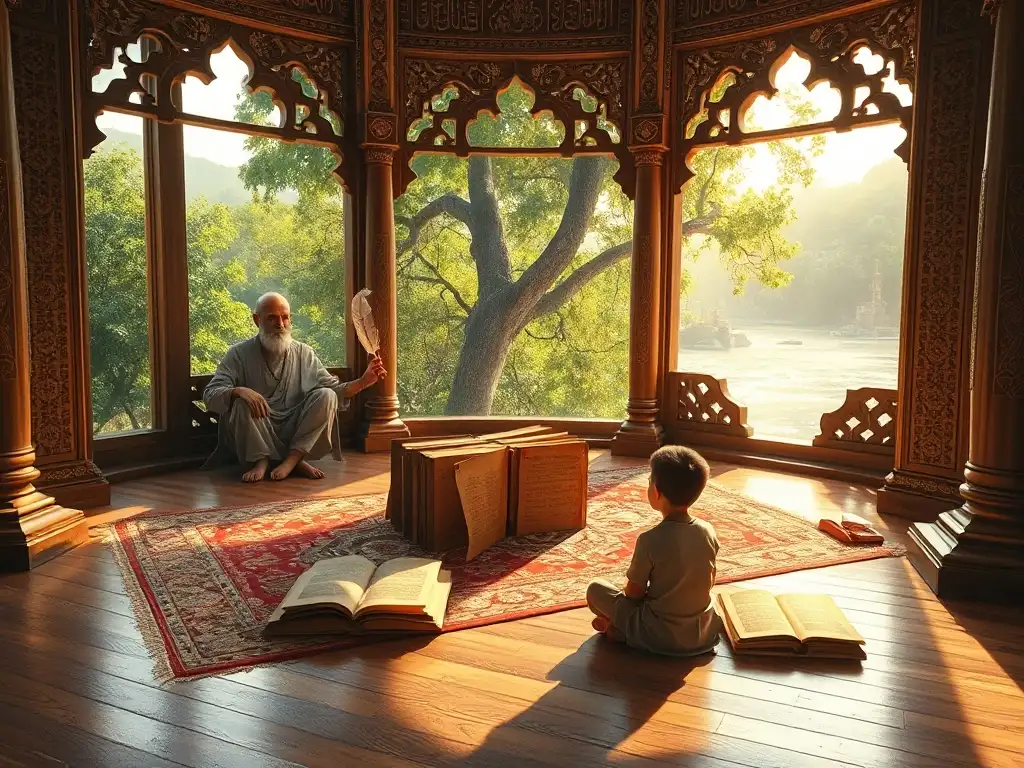
Sanskrit literature is deeply rooted in the cultural and societal fabric of ancient India. Originating around 1500 BCE, Sanskrit served not only as a medium of communication but also as a vessel for philosophical thought, artistic expression, and religious texts. It played a pivotal role in recording the history, values, and beliefs of various Indian civilizations, including the Vedic, Epic, and Classical periods.
The extensive body of Sanskrit literature encompasses a wide range of genres, including poetry, drama, philosophy, and scientific treatises. Each work reflects the socio-political circumstances, spiritual quests, and aesthetic pursuits of its time. For beginners, understanding this cultural backdrop is crucial as it provides insights into the intentions and interpretations of the texts. Engaging with the historical context allows readers to appreciate the significance of various literary forms, from the Vedas and Upanishads to the Mahabharata and Ramayana, which have profoundly influenced Indian culture and beyond.
The Role of Sanskrit in Ancient Indian Society
In ancient Indian society, Sanskrit was the language of the elite, scholars, and religious leaders. It was primarily used in religious rituals, philosophical discourses, and education. The Brahmins, who were custodians of sacred knowledge, utilized Sanskrit to preserve and transmit ancient texts, ensuring the continuity of cultural and spiritual traditions.
Moreover, Sanskrit was a unifying force, transcending regional dialects and local languages. Its use in literature and scholarship fostered a shared intellectual heritage among diverse communities. Texts written in Sanskrit served as a common reference point for various disciplines, including astronomy, mathematics, medicine, and ethics. For beginners, recognizing the societal role of Sanskrit is essential in understanding the profound respect and reverence surrounding this language and its literature.
Influence of Religion and Philosophy on Sanskrit Literature
Religion and philosophy have been instrumental in shaping Sanskrit literature. The intertwining of spiritual thought and literary expression is evident in the vast corpus of texts that explore existential questions, ethics, and the nature of the divine.
The Vedic texts, which are among the oldest known writings in Sanskrit, lay the foundation for Hindu beliefs and practices. The philosophical inquiries found in the Upanishads probe the nature of reality and the self, influencing not just literature but also the spiritual landscape of India.
Furthermore, epics like the Mahabharata and Ramayana narrate moral dilemmas and heroic tales, reflecting the values and teachings of the time. These narratives often convey deeper philosophical messages, making them not only literary masterpieces but also texts for moral and ethical reflection. For beginners, exploring how religion and philosophy have informed Sanskrit literature can enhance their comprehension and appreciation of these texts.
Engaging with Sanskrit Literature
Engaging with Sanskrit literature can be a rewarding endeavor for beginners. It involves not just reading texts but also immersing oneself in the language, its nuances, and the cultural contexts that inform it. Here are some strategies to enhance your experience:
Techniques for Deepening Your Understanding
- Start with Translations: Begin with well-annotated translations of significant texts like the Bhagavad Gita or selections from the Upanishads. Look for editions that provide commentary to help clarify complex ideas.
- Learn Basic Sanskrit: Familiarizing yourself with basic Sanskrit vocabulary and grammar can significantly enrich your understanding. Online courses, apps, and beginner textbooks can be excellent resources.
- Explore Commentaries: Many classical texts come with extensive commentaries that elucidate their meanings and philosophical implications. Reading these alongside the original text can enhance comprehension.
- Read Secondary Literature: Engage with scholarly works that analyze and interpret Sanskrit literature. Historical and critical essays can provide context and deepen your insights.
- Practice Reflection: After reading, take time to reflect on the themes and ideas presented. Journaling your thoughts can help solidify your understanding and personal connection to the material.
Joining Communities and Discussion Groups
Participating in communities and discussion groups can significantly enhance your engagement with Sanskrit literature. Here are a few ways to get involved:
- Online Forums: Platforms like Reddit or specialized Facebook groups often have communities dedicated to Sanskrit literature. Engaging in discussions can provide diverse perspectives and insights.
- Local Study Groups: Look for local cultural or educational institutions that offer Sanskrit literature classes. Joining a study group can foster camaraderie and facilitate shared learning.
- Workshops and Seminars: Attend workshops or seminars focused on Sanskrit literature. These events often feature experienced scholars who can provide valuable insights and guidance.
- Social Media: Follow scholars, authors, and organizations on social media that focus on Sanskrit literature. Engaging with their content can keep you updated on new translations, discussions, and literary events.
By actively participating in these communities, beginners can deepen their understanding of Sanskrit literature and connect with fellow enthusiasts who share their passion for this rich literary tradition.
Conclusion: The Journey into Sanskrit Literature
Engaging with Sanskrit literature is not merely an academic endeavor; it is an enriching journey that connects us with the philosophical, spiritual, and literary heritage of ancient India. As you delve into the texts, you will discover the profound insights and artistic brilliance that have shaped Indian culture for centuries. From the intricate verses of the Vedas to the poetic charm of Kalidasa, each piece invites you to explore the nuances of language, thought, and tradition.
This exploration requires patience and dedication, as Sanskrit is a complex language with a rich grammatical structure. However, the rewards are immense. By immersing yourself in Sanskrit literature, you will not only enhance your understanding of the language but also gain insights into the historical context and the cultural values embedded within these texts. This journey broadens your horizons, allowing you to appreciate the depth of human experience expressed in timeless literature.
Encouragement for Continued Exploration
As you embark on your journey into Sanskrit literature, remember that the path of learning is filled with opportunities for growth and discovery. Here are a few tips to encourage your continued exploration:
- Set achievable goals: Start with shorter texts or translations to build your confidence and understanding before tackling more complex works.
- Join study groups: Connecting with others who share your interest can provide motivation, support, and diverse perspectives on the material.
- Utilize resources: Make use of online courses, workshops, and scholarly articles that can offer structured guidance and deeper insights into various texts.
- Engage with experts: Attending lectures or discussions led by scholars of Sanskrit can provide invaluable context and enrich your understanding of the literature.
By actively seeking out these resources and opportunities, you will find that your exploration of Sanskrit literature becomes not just an academic pursuit but a lifelong passion.
Final Thoughts on Engaging with Sanskrit Literature for Beginners
For beginners, the world of Sanskrit literature may initially appear daunting due to its linguistic complexity and cultural depth. However, it is essential to approach this journey with an open mind and a sense of curiosity. Remember, every scholar was once a beginner, and every great discovery is the result of persistent inquiry.
Engaging with Sanskrit literature can significantly enhance your appreciation of not only the language but also the philosophies and cultural narratives that have influenced countless generations. As you read, reflect on how the themes and ideas resonate with contemporary issues and your own experiences. This connection can foster a deeper understanding of both the literature and the world around you.
Embracing Sanskrit literature offers a unique opportunity to immerse yourself in an ancient yet enduring tradition. With dedication and enthusiasm, your journey will not only enrich your knowledge but also cultivate a profound appreciation for the beauty of this remarkable literary heritage. Happy reading!
- Introduction to Sanskrit Literature for Beginners
- The Foundations of Sanskrit Language
- Essential Texts in Sanskrit Literature
- Approaching Sanskrit Literature as a Beginner
- Cultural Context of Sanskrit Literature
- Engaging with Sanskrit Literature
- Conclusion: The Journey into Sanskrit Literature
Frequently Asked Questions
What is Sanskrit literature?
Sanskrit literature encompasses a vast array of texts written in Sanskrit, including epics, poetry, and philosophical works that have shaped Indian culture and thought.
Why should beginners explore Sanskrit literature?
Exploring Sanskrit literature allows beginners to appreciate the rich cultural heritage of India, understand foundational texts, and gain insights into ancient philosophies and traditions.
What are some key texts in Sanskrit literature for beginners?
Beginners can start with the Bhagavad Gita, Panchatantra, and Kalidasa's plays, which offer accessible introductions to Sanskrit literature and its themes.
How can one effectively engage with Sanskrit literature?
To effectively engage with Sanskrit literature, beginners should consider reading translations, joining study groups, and exploring commentaries that provide context and analysis.
Are there any resources for learning Sanskrit?
Yes, there are various resources such as online courses, textbooks, and language apps that cater to beginners interested in learning Sanskrit and exploring its literature.
Final Reflection: Embracing the Depth of Sanskrit Literature
Engaging with Sanskrit literature is not just an academic pursuit; it is a journey into the heart of a rich cultural heritage that continues to resonate today. In a world increasingly driven by rapid information exchange, the timeless wisdom and intricate beauty of Sanskrit texts remind us of the importance of slowing down and appreciating the depth of human thought and creativity. As we navigate through the complexities of modern life, the lessons embedded in these ancient works can guide us toward a more profound understanding of ourselves and our place in the universe.
Sanskrit literature has profoundly shaped our cultural and philosophical landscapes, influencing everything from art to spirituality. The stories, poetry, and philosophies contained within these texts are not mere relics of the past; they are living dialogues that continue to inspire and challenge us. As the renowned scholar A.K. Ramanujan once said, A poem is not a poem until it is read.
This highlights the ongoing relevance of these works, inviting us to engage with them actively and personally. By immersing ourselves in this literature, we not only honor the past but also enrich our present and future.
As you reflect on your own journey with Sanskrit literature, consider how these ancient texts can inform your life and worldview. I invite you to take the first step—whether it’s reading a poem, exploring a philosophical treatise, or simply contemplating the beauty of the language itself. Allow the wisdom of these works to inspire your thoughts and actions, and let them serve as a bridge connecting you to a timeless tradition that has much to offer in our contemporary world. Embrace this opportunity to grow, learn, and engage with the profound insights that Sanskrit literature has to offer.
Dive Deeper into Sanskrit Literature Today!
Thank you for exploring the rich tapestry of Sanskrit literature with us! Your journey into this ancient world has just begun, and now it's time to take the next step in your engagement. By immersing yourself further, you can unlock a treasure trove of knowledge and wisdom that has shaped millennia of thought.
Here’s how you can deepen your connection with this fascinating subject:
- Join an online community: Engage with fellow literature enthusiasts by participating in forums or social media groups focused on Sanskrit literature.
- Start a reading group: Gather friends or family who share an interest in literature and choose a Sanskrit text to read and discuss together.
- Explore translation resources: Delve into translated works or listen to podcasts that analyze key texts and themes to enhance your understanding of the language and its intricacies.
What piece of Sanskrit literature are you most excited to explore next? Share your thoughts below!