
The Linguistic Diversity of Ancient India: Spotlight on Prakrit and Pali

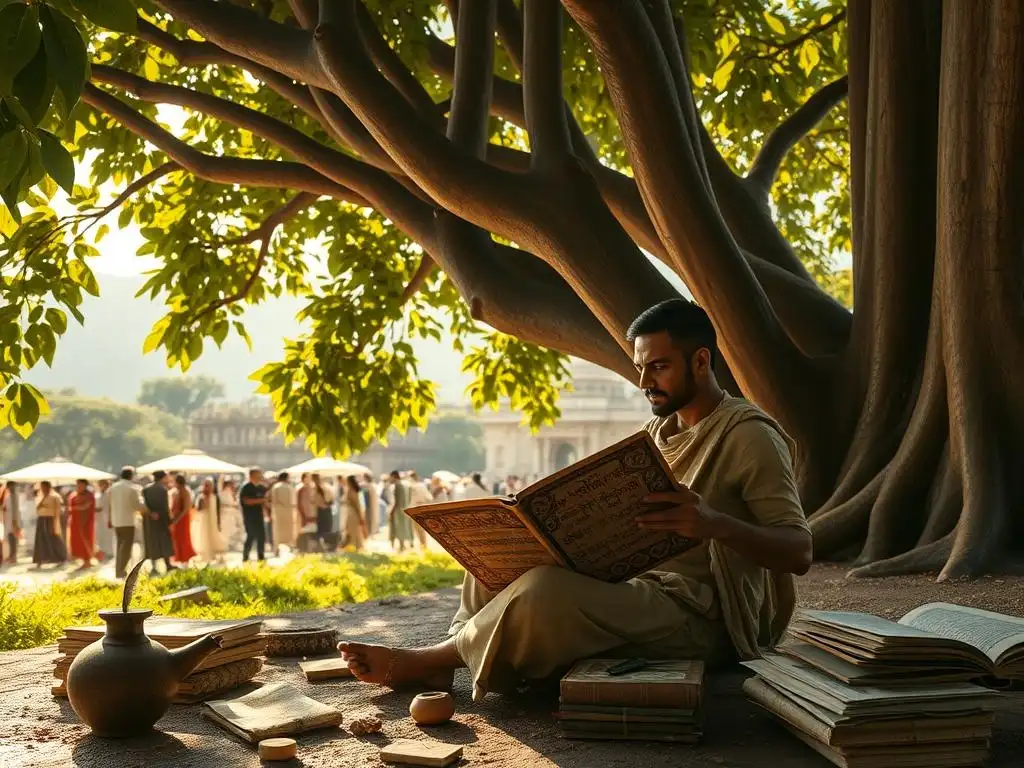
Welcome to Ancient India History, where we embark on a captivating journey through the rich tapestry of ancient Indian civilizations. Our exploration today focuses on the intriguing linguistic diversity that flourished across the subcontinent, particularly spotlighting the significance of Prakrit and Pali. As you delve deeper into this article, you'll uncover the profound ways in which language shaped culture, philosophy, and society in ancient India.
Get ready to be inspired by the stories woven into the very fabric of our linguistic heritage and discover how these ancient tongues continue to resonate today. Join us as we unravel the layers of history that define our past!
- Introduction to Ancient Indian Linguistic Diversity
- Understanding Prakrit and Pali Languages
- The Role of Prakrit in Ancient Indian Society
- The Significance of Pali in Ancient Indian Context
- Linguistic Features of Prakrit and Pali
- The Impact of Historical Events on Ancient Indian Linguistic Diversity
- Preservation and Legacy of Prakrit and Pali
- Conclusion: The Importance of Ancient Indian Linguistic Diversity
- Frequently Asked Questions
- Final Reflection: Embracing the Rich Tapestry of Ancient Indian Linguistic Diversity
- Uncover the Richness of Ancient Languages!
Introduction to Ancient Indian Linguistic Diversity
As one of the most culturally and historically rich regions of the world, ancient India is renowned for its vast linguistic diversity, which played a pivotal role in shaping its civilizations. The languages spoken during this era were not merely tools for communication but were deeply intertwined with the social, religious, and philosophical fabric of the society.
Among the many languages that emerged, Prakrit and Pali stand out as significant mediums that not only facilitated dialogue but also fostered literary and spiritual expression. This article delves into the multifaceted linguistic landscape of ancient India, highlighting the unique characteristics of Prakrit and Pali, and examining their profound impact on Indian culture and thought.
Overview of Linguistic Landscape in Ancient India
The linguistic diversity of ancient India can be traced back to its early civilizations, particularly the Indus Valley Civilization, where evidence suggests a complex system of communication. As various empires rose and fell, numerous languages and dialects came to the forefront, reflecting the region's dynamic socio-political landscape.
- Indo-Aryan Languages: Languages such as Sanskrit emerged from the Indo-Aryan family, becoming a sacred language of Hinduism and a medium for classical literature.
- Dravidian Languages: Predominantly spoken in Southern India, these languages contributed significantly to the region’s cultural identity.
- Prakrit Languages: As vernacular derivatives of Sanskrit, Prakrit languages gained prominence in various forms and dialects, making literature more accessible to the common people.
The interaction between these linguistic groups fostered a rich tapestry of dialects, each contributing to the overarching narrative of ancient Indian history.
Importance of Language in Ancient Indian Civilization
Language in ancient India was more than a means of communication; it was a vital component of identity and culture. The importance of language can be understood through several key aspects:
- Cultural Preservation: Languages like Prakrit and Pali were instrumental in preserving the oral traditions and scriptures of ancient India, enabling the transmission of knowledge across generations.
- Literary Development: The growth of literature in these languages saw the emergence of significant works, such as the Jataka Tales in Pali and various dramas and poetry in Prakrit, which enriched the cultural landscape.
- Religious Significance: Pali became the liturgical language of Buddhism, while Prakrit was widely used in Jain texts. This linguistic choice made religious teachings more accessible to laypeople, promoting the spread of these philosophies.
The linguistic diversity of ancient India serves as a testament to its rich cultural heritage, with languages like Prakrit and Pali playing crucial roles in shaping the historical and spiritual narratives of the time. Understanding this diversity not only enriches our knowledge of ancient Indian civilization but also highlights the enduring legacy of its languages.
Understanding Prakrit and Pali Languages
Definition and Historical Background of Prakrit
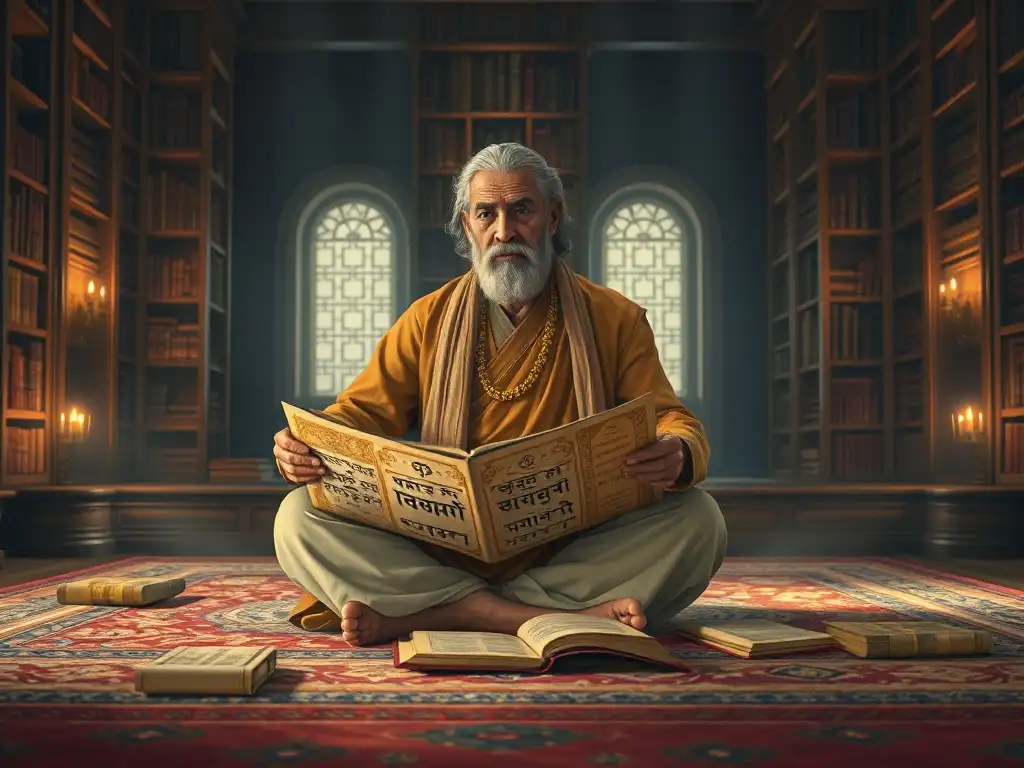
Prakrit refers to a group of Middle Indo-Aryan languages that emerged around the 6th century BCE and were spoken and written in various regions of ancient India. It is characterized by its simpler grammar and vocabulary compared to the more formalized Sanskrit, making it more accessible to the common people. Prakrit languages served as a medium for literary and religious expression, especially in Jain and Buddhist texts.
The historical significance of Prakrit lies in its role as a bridge between the ancient Vedic Sanskrit and the later vernacular languages of India. The term "Prakrit" itself is derived from the Sanskrit word "Prakṛta," which means 'natural' or 'ordinary.' This reflects the language's intention to represent the everyday speech of the people.
Prakrit can be classified into several regional varieties, including:
- Shauraseni: Predominantly spoken in the western regions and associated with the city of Mathura.
- Māgadhī: Commonly used in the eastern regions, particularly in the area of Magadha.
- Ardhamāgadhī: A dialect significant in Jain literature, often seen as a transitional form of Prakrit.
The earliest surviving texts in Prakrit can be traced back to the 3rd century BCE, with inscriptions found in the Edicts of Ashoka. The language continued to evolve and flourish until around the 12th century CE, influencing many regional languages in India today.
Definition and Historical Background of Pali
Pali is another Middle Indo-Aryan language that holds a special place in the literary and religious traditions of ancient India. It is most notable for its use in the Theravada Buddhist scriptures, known as the Pali Canon (Tipitaka), which are some of the earliest written records of Buddhism.
The term "Pali" likely derives from the Pali word "pāli," meaning 'text' or 'line.' Unlike Prakrit, which had various regional dialects, Pali is more standardized, allowing it to serve as a lingua franca for Buddhist teachings across different cultures and regions.
Historically, Pali emerged as a distinct language around the 1st century BCE, primarily associated with the spread of Buddhism. It was further stabilized and codified by the 1st century CE, as monks began to record the teachings of the Buddha in written form.
Pali's influence extends beyond the religious texts, impacting the development of various modern languages in Southeast Asia, such as Sinhalese and Thai. Its grammatical structure is less complex than that of Sanskrit, making it easier for lay practitioners to understand and engage with Buddhist philosophy and ethics.
The Relationship Between Prakrit and Pali
Prakrit and Pali share a close relationship as they both belong to the Middle Indo-Aryan linguistic family. While Prakrit served a broader range of social and literary functions, Pali specifically consolidated its status through its association with Buddhism.
Both languages exhibit similarities in their phonetics and vocabulary, which can be attributed to their common origins. However, there are notable distinctions:
- Usage: Prakrit was more widely used in secular literature and everyday conversation, while Pali was primarily reserved for religious texts and the teachings of Buddhism.
- Dialectical Variations: Prakrit is characterized by its numerous dialects across different regions, whereas Pali maintains a more uniform structure, largely unaffected by regional variations.
Ancient Indian linguistic diversity is well represented in the interplay between Prakrit and Pali. These languages not only reflect the complexity of communication in ancient India but also signify the cultural and philosophical richness of the period, with lasting impacts on both language and literature in subsequent eras.
The Role of Prakrit in Ancient Indian Society
Prakrit as a Language of the Common People
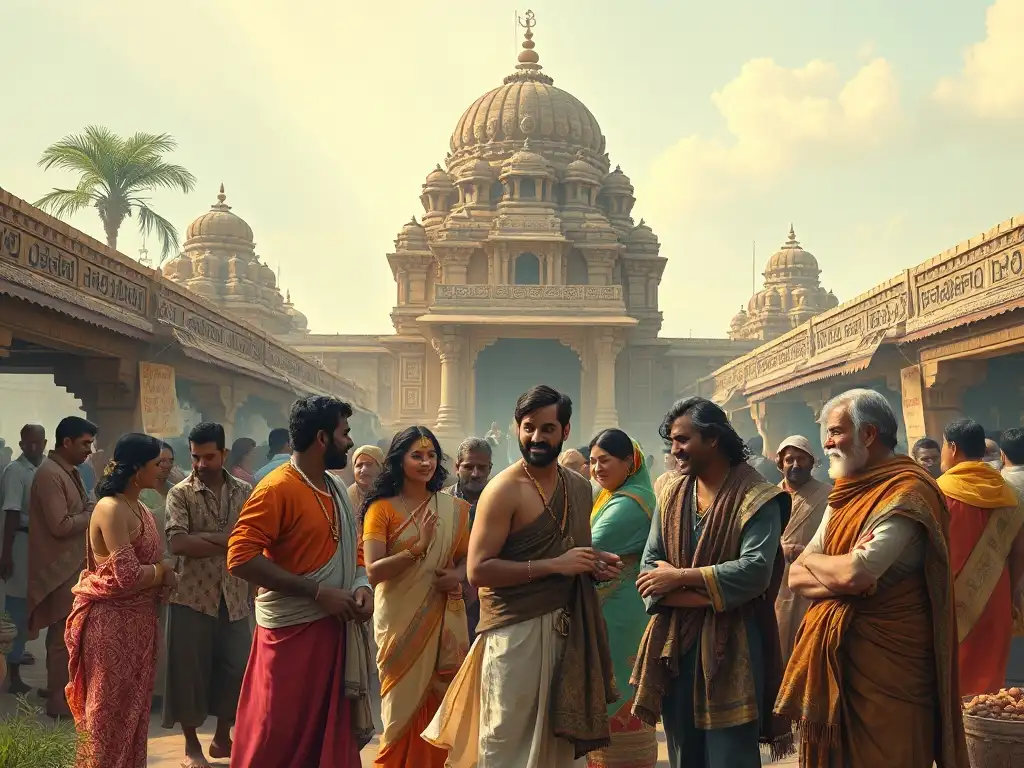
Prakrit, a term derived from the Sanskrit word "Prakrta," meaning "natural," served as the vernacular language of ancient India, distinct from the more formalized and scholarly Sanskrit. This linguistic choice made Prakrit accessible to the common populace, allowing for a broader communication framework across various regions of India.
The use of Prakrit can be traced back to the 6th century BCE, where it emerged as a spoken language among the masses. Unlike Sanskrit, which was primarily used by the elite and in religious contexts, Prakrit reflected the day-to-day life, emotions, and realities of ordinary people. Its adoption in various forms (such as Ardhamagadhi, Maharashtri, and Sauraseni) showcased the regional diversity and local dialects, contributing to the ancient Indian linguistic diversity.
Prakrit's role was particularly significant in the dissemination of Buddhist teachings. The Buddha himself is believed to have spoken in a form of Prakrit, which helped spread his messages among the laypeople. This accessibility allowed Buddhism to flourish and gain widespread acceptance, as the teachings were conveyed in a language that resonated with the everyday experiences of the populace.
Literary Contributions of Prakrit: Poetry and Prose
The literary heritage of Prakrit is rich and varied, encapsulating a wide range of genres, including poetry, drama, and prose. The Gatha Saptashati, a collection of 700 verses attributed to the poet Hala, represents one of the earliest and most significant works in Prakrit literature. These verses often reflect themes of love, nature, and the human experience, showcasing the language's emotional depth and lyrical beauty.
In addition to poetry, Prakrit also found its expression in plays and theatrical works. The famous Sanskrit playwright Kalidasa incorporated Prakrit dialogue into his works, such as "Shakuntala," to represent the speech of characters from lower social strata, thus enriching the narrative and enhancing the realism of the plays.
Prakrit literature also served as a bridge between various cultural traditions, as seen in the Jain Agamas, where texts were composed in Ardhamagadhi to communicate complex philosophical concepts to a broader audience. The literary contributions of Prakrit not only reflect the cultural ethos of the time but also indicate the linguistic fluidity that characterized ancient Indian society.
Prakrit's Influence on Regional Dialects and Languages
The impact of Prakrit on the linguistic landscape of ancient India is profound. As a foundational language, it inspired the development of several regional dialects and languages, facilitating the evolution of vernaculars across different regions. For instance, the modern Hindi, Marathi, Gujarati, and Bengali languages have their roots in Prakrit, highlighting its role as a precursor to contemporary linguistic forms.
Prakrit’s grammatical structure and vocabulary influenced these emerging languages, leading to a rich tapestry of dialects that incorporated elements of both Prakrit and local vernaculars. This process of linguistic amalgamation contributed significantly to the ancient Indian linguistic diversity, allowing for a thriving multicultural environment.
Furthermore, during the medieval period, as regional languages began to flourish, Prakrit served as a linguistic reservoir from which these languages drew. The poetic styles, idiomatic expressions, and narrative techniques established in Prakrit literature continued to resonate in later literary traditions.
Prakrit's influence extended beyond its status as a language of the common people; it played a crucial role in shaping the literary and linguistic heritage of ancient India, leaving a lasting legacy that continues to be felt in the languages spoken today.
The Significance of Pali in Ancient Indian Context

Pali as the Language of Theravada Buddhism
Pali holds a significant place in the linguistic diversity of ancient India, particularly as the language of Theravada Buddhism. Originating around the 5th century BCE, Pali was used primarily in the regions of present-day northern India and Sri Lanka. Unlike Sanskrit, which was often associated with the elite and scholarly classes, Pali was more accessible to the common populace. This accessibility was a crucial factor in the spread of Buddhist teachings among laypeople.
The choice of Pali as the medium for Buddhist scriptures was a deliberate one. The Buddha himself is said to have spoken in a dialect that resembled Pali, making his teachings more relatable. The language's simplicity and clarity facilitated the transmission of complex philosophical ideas, enabling followers to engage with the teachings directly. As a result, Pali emerged as the lingua franca of Theravada Buddhism, distinguishing it from other Buddhist schools that often utilized Sanskrit.
The Pali Canon, or Tipitaka, contains essential discourses attributed to the Buddha, monastic rules, and philosophical treatises. The use of Pali in these texts highlights its role in preserving the foundational principles of Buddhism, allowing for a uniform understanding of Buddhist doctrine across different regions. This linguistic choice also contributed to the cultural identity of Theravada Buddhist communities, reinforcing their shared beliefs and practices.
Pali Texts: The Tripitaka and their Importance
The Tripitaka, also known as the Pali Canon, is the earliest collection of Buddhist scriptures and stands as a cornerstone of Pali literature. It is divided into three "baskets" (pitaka) that encompass a vast range of teachings and guidelines:
- Vinaya Pitaka: Contains the rules for monastic discipline, outlining the ethical conduct required of monks and nuns.
- Sutta Pitaka: Comprises discourses delivered by the Buddha, including essential teachings on ethics, meditation, and wisdom.
- Abhidhamma Pitaka: Offers a detailed analysis of Buddhist philosophy and psychology.
The importance of these texts cannot be overstated. They serve not only as religious documents but also as historical records that provide insights into the socio-cultural context of ancient India. The Tripitaka has been instrumental in shaping Buddhist thought and practice over centuries, influencing various aspects of life, from ethics to governance.
Moreover, the Pali Canon has played a vital role in the spread of Buddhism beyond India. Translations into various languages have allowed the teachings to reach diverse cultures across Asia, making Pali a key player in the global dissemination of Buddhist philosophy.
Influence of Pali on Religious and Philosophical Discourse
The impact of Pali extends beyond the realm of Buddhism, influencing religious and philosophical discourse across ancient India. As the language of the Theravada tradition, Pali facilitated dialogues among different philosophical schools, fostering a rich exchange of ideas.
Pali texts often engaged with concepts found in other religious traditions, including Hinduism and Jainism. This interaction led to a mutual enrichment of ideas and practices. For instance, the ethical principles outlined in Pali texts resonate with the broader Indian philosophical discourse on dharma (duty/righteousness), promoting a holistic understanding of ethical living.
Moreover, scholars and monastic figures who studied Pali contributed to the development of logic and epistemology in ancient Indian philosophy. The analytical frameworks established in Pali literature influenced later thinkers, shaping the intellectual landscape of the subcontinent.
In contemporary times, the study of Pali continues to be relevant, as it provides insights into the historical context of Buddhist teachings and their philosophical underpinnings. Its preservation and study are vital for understanding the ancient Indian linguistic diversity, as Pali remains a key linguistic and cultural link to the past.
Linguistic Features of Prakrit and Pali
Phonetic and Grammatical Characteristics of Prakrit
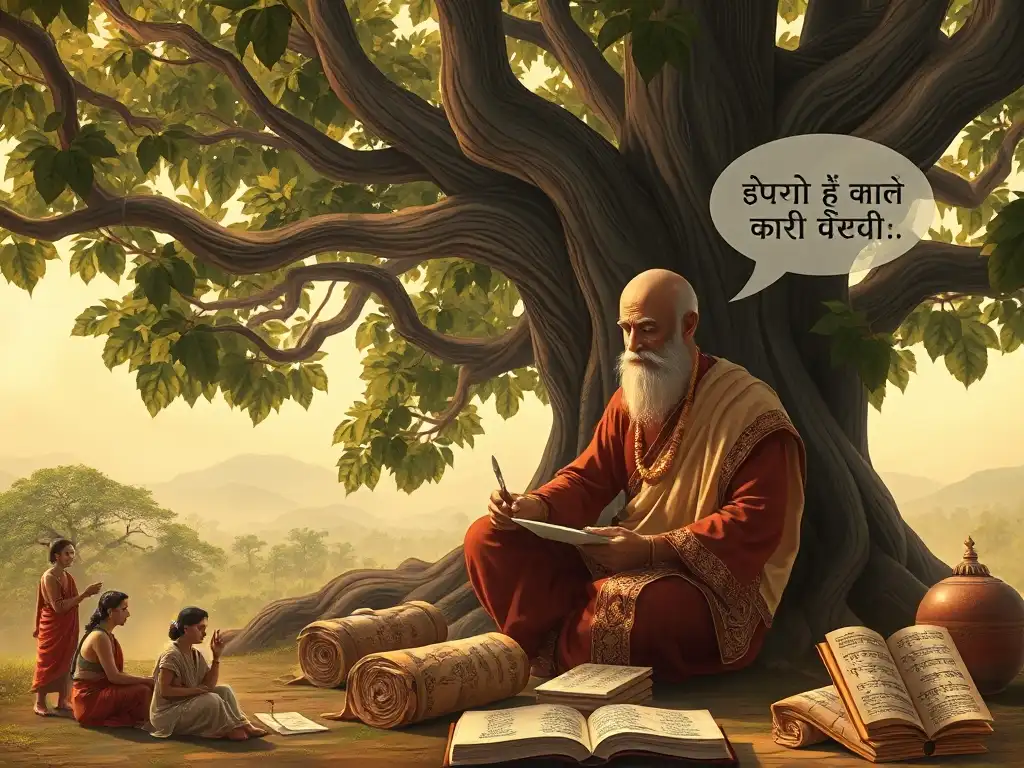
Prakrit, a group of Middle Indic languages, showcases a rich phonetic and grammatical structure that evolved from the earlier forms of Sanskrit. The phonetic characteristics of Prakrit are marked by the simplification of sound patterns and a tendency towards more open syllables. This evolution can be observed through the following features:
- Vowel Reduction: In Prakrit, there is often a reduction of long vowels to short vowels, which leads to a more fluid and less formal sound compared to the rigidity of classical Sanskrit. For example, the long vowel "ā" may be pronounced as "a" in certain contexts.
- Consonant Clusters: Prakrit typically reduces complex consonant clusters found in Sanskrit. For instance, the Sanskrit word "kṣetra" (field) may be simplified to "kheṭa" in Prakrit.
- Nasalization: Nasal sounds are prominent in Prakrit, contributing to its distinct phonetic identity. The nasalized vowels enhance the musicality of the language, making it more accessible to everyday speech.
Grammatically, Prakrit exhibits several notable features:
- Morphological Simplicity: Prakrit employs a simpler morphological system compared to Sanskrit. The number of inflections is reduced, which streamlines communication.
- Word Order Flexibility: While Sanskrit follows a more rigid Subject-Object-Verb (SOV) structure, Prakrit allows for greater flexibility in word order, accommodating various sentence constructions.
- Use of Particles: Prakrit often utilizes particles to convey grammatical relationships, which adds to its expressiveness without the need for complex conjugation.
These phonetic and grammatical characteristics underline Prakrit's role as a language of the common people, reflecting the linguistic diversity of ancient India.
Phonetic and Grammatical Characteristics of Pali
Pali, primarily known as the liturgical language of Theravada Buddhism, possesses distinct phonetic and grammatical features that set it apart from Prakrit. The phonetic qualities of Pali are characterized by:
- Consonant Clarity: Pali maintains clear and distinct consonant sounds, often retaining the original sounds from Sanskrit. For example, the distinction between aspirated and unaspirated consonants is preserved, which is crucial for accurate pronunciation.
- Vowel Length: Pali places significant emphasis on vowel length, with long and short vowels playing a critical role in meaning. The word "dāna" (giving) differs from "dana" (cut) solely based on vowel length.
- Elision of Sounds: Pali frequently exhibits the elision of certain sounds, particularly in rapid speech. This phenomenon can lead to variations in pronunciation that may differ from the written form.
In terms of grammar, Pali showcases several key features:
- Simplicity in Case System: While Pali retains the case system similar to Sanskrit, it simplifies the usage, often leading to a reduction in the number of cases that are actively used in practice.
- Agnate Forms: Pali verbs often exhibit agnate forms that indicate tense and aspect without requiring extensive conjugation, which aids in comprehension during oral transmission.
- Influence of Sanskrit: Although evolving independently, Pali maintains a strong connection to Sanskrit, often borrowing terms and structures, which reflects its historical relationship with the language.
The phonetic and grammatical characteristics of Pali not only serve its function in religious texts but also highlight the linguistic diversity present in ancient Indian languages.
Comparison of Linguistic Features Between Prakrit and Pali
A comprehensive comparison between Prakrit and Pali reveals both similarities and differences that underscore the linguistic diversity of ancient India:
| Feature | Prakrit | Pali |
|---|---|---|
| Phonetics | Simplified sound patterns, vowel reduction | Clarity in consonants, emphasis on vowel length |
| Morphology | Simpler inflectional system | Retains case system with simplifications |
| Word Order | Flexible word order | Generally follows SOV structure, but can vary |
| Use of Particles | Frequent use of particles for grammatical relation | Limited use of particles, relies on inflections |
| Aspirated Sounds | Reduces aspirated consonants | Preserves aspirated and unaspirated distinctions |
| Literary Use | Common speech, literature, and drama | Primarily religious texts and scriptures |
Both languages played crucial roles in shaping the cultural and literary landscape of ancient India. While Prakrit served as the vernacular of the masses, facilitating communication across diverse communities, Pali emerged as a language of spirituality and scholarship, contributing significantly to the preservation of Buddhist teachings.
Understanding these linguistic features enhances our appreciation of ancient Indian linguistic diversity, revealing the intricate tapestry of languages and dialects that flourished during this period.
The Impact of Historical Events on Ancient Indian Linguistic Diversity
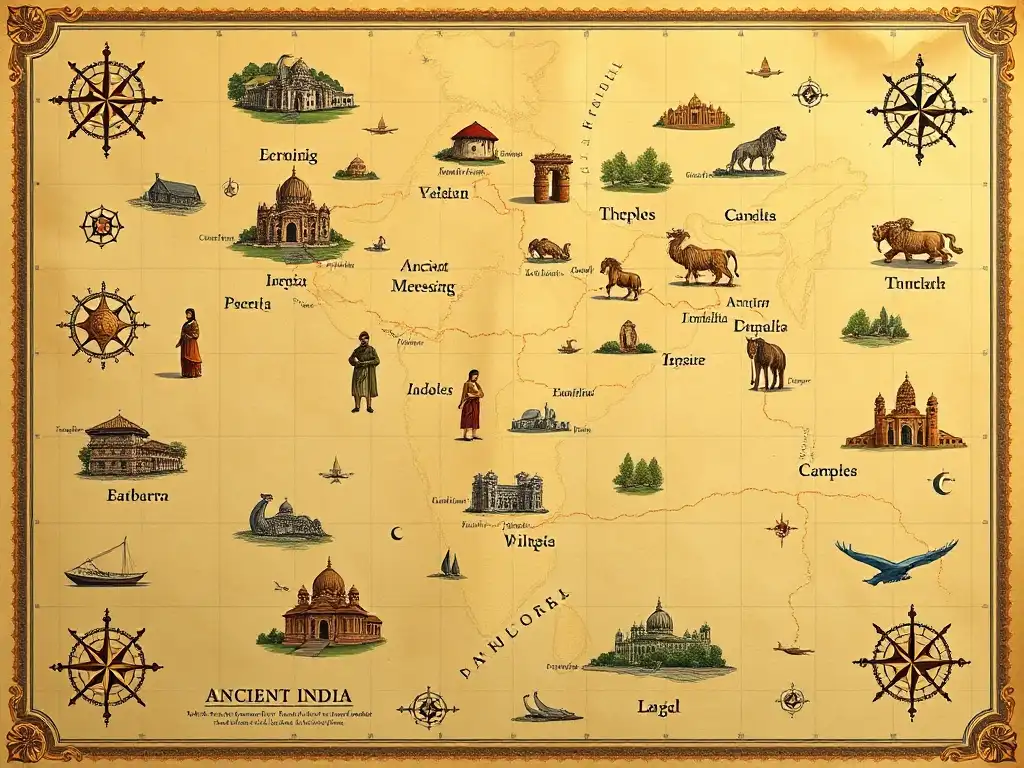
The linguistic diversity of ancient India is a reflection of its complex history, marked by the rise and fall of empires, trade interactions, and cultural exchanges. Historical events played a significant role in shaping the languages spoken across the subcontinent, particularly the Prakrit and Pali languages. Understanding these influences provides insight into how language evolved in response to societal changes and interactions among different communities.
The Mauryan Empire and the Spread of Languages
The Mauryan Empire, which flourished from 322 to 185 BCE, was a pivotal period in the linguistic landscape of ancient India. Under the rule of Emperor Ashoka, the empire expanded across vast territories, bringing diverse linguistic groups into contact with one another. This interaction facilitated the spread of languages, particularly Prakrit, which emerged as a lingua franca among the various communities within the empire.
- Administrative Language: The Mauryan administration utilized Prakrit for official communication. Ashoka's edicts, inscribed on pillars and rocks, were primarily written in Prakrit, making them accessible to the common people. This choice significantly contributed to the standardization and proliferation of the language across the empire.
- Cultural Exchange: The empire's extensive trade routes facilitated interactions between different regions. Merchants, travelers, and scholars exchanged not only goods but also linguistic elements. The resultant blend of dialects and vernaculars enriched Prakrit, which began to absorb vocabulary and grammatical structures from local languages.
- Buddhism and Pali: The spread of Buddhism during the Mauryan period also influenced linguistic diversity. Pali, a derivative of Prakrit, became the liturgical language of Theravada Buddhism. Ashoka's promotion of Buddhism helped disseminate Pali texts across the empire, further embedding it within the cultural fabric of ancient India.
The Gupta Period: Linguistic Developments and Changes
The Gupta period, often referred to as the Golden Age of India (approximately 320 to 550 CE), was marked by significant advancements in arts, science, and literature. This era also saw notable linguistic developments that shaped the future of ancient Indian languages.
- Literary Flourishing: The Gupta period witnessed an explosion of literary works in Sanskrit and Prakrit. Renowned poets like Kalidasa and Bhasa composed masterpieces that celebrated linguistic beauty. This literary renaissance not only elevated the status of these languages but also encouraged the development of regional dialects.
- Sanskritization of Prakrit: During this time, Prakrit underwent a process of Sanskritization, where elements of Sanskrit were integrated into Prakrit dialects. This blending allowed Prakrit to flourish as a literary language while maintaining its accessibility to the masses. The emergence of different Prakrit forms also illustrated the linguistic diversity within the region.
- Regional Variations: The Gupta Empire's expansive reach led to the emergence of distinct regional dialects influenced by local languages. As trade and cultural exchanges continued, these dialects contributed to the rich tapestry of ancient Indian linguistic diversity. This period laid the groundwork for later languages, including the vernaculars that would evolve into modern Indian languages.
The historical events of the Mauryan and Gupta periods significantly influenced the linguistic diversity of ancient India. The interplay of political power, cultural exchange, and religious dissemination shaped languages like Prakrit and Pali, which continue to be pivotal in understanding the region's linguistic heritage.
Preservation and Legacy of Prakrit and Pali

Manuscripts and Inscriptions: Sources of Linguistic Diversity
The preservation of Prakrit and Pali languages is primarily attributed to a variety of manuscripts and inscriptions, which serve as invaluable sources for understanding ancient Indian linguistic diversity. These texts not only document the languages themselves but also provide insight into the socio-cultural contexts in which they were used.
- Manuscript Traditions:
- Pali Canon: The Pali language is best preserved in the Pali Canon, also known as the Tripitaka. This extensive collection of scriptures is foundational to Theravada Buddhism and includes three "baskets" (pitaka): the Vinaya Pitaka (monastic rules), the Sutta Pitaka (discourses), and the Abhidhamma Pitaka (philosophical texts).
- Prakrit Texts: Various texts written in Prakrit, including plays, poetry, and religious texts, illustrate the linguistic richness of this vernacular language. For example, the Ashvaghosha's Buddhacharita and Kalidasa's Shakuntala are significant works that showcase the literary merit of Prakrit.
- Inscriptions:
- Ashokan Edicts: The inscriptions of Emperor Ashoka, written in both Prakrit and Pali, are crucial for studying the linguistic features of these languages. The edicts, carved on pillars and rocks across the Indian subcontinent, reflect Ashoka’s efforts to spread Buddhism and highlight the use of vernacular languages in governance and public communication.
- Other Inscriptions: Numerous inscriptions from various dynasties, including the Maurya, Gupta, and Chola empires, feature Prakrit and Pali, indicating their widespread use across different regions and social strata.
These manuscripts and inscriptions are not merely relics; they represent a continuous thread of linguistic evolution and cultural exchange that has shaped the Indian subcontinent's history. They provide modern scholars with a linguistic map of ancient India, highlighting the interplay of languages and dialects that contributed to the region's rich tapestry of communication.
Modern Relevance of Prakrit and Pali in Contemporary Studies
The relevance of Prakrit and Pali in contemporary studies extends beyond mere historical interest; these languages are vital for understanding various aspects of ancient Indian civilization, including religion, literature, and social dynamics.
- Cultural Heritage Studies:
- Scholars specializing in cultural heritage often analyze Prakrit and Pali texts to uncover the philosophical and ethical systems of ancient India. These languages serve as a window into the thoughts and beliefs of early Buddhist and Jain communities, influencing modern interpretations of morality and governance.
- The revival of interest in indigenous languages has prompted a reassessment of Prakrit and Pali's roles in shaping regional identities and cultural practices in present-day India.
- Linguistic Research:
- Modern linguistics benefits from the study of Prakrit and Pali through comparative analysis with contemporary languages. Research into their phonetics, syntax, and semantics aids in understanding the evolution of Indo-Aryan languages.
- By examining grammatical structures and vocabulary, linguists can trace the historical development of language families and their influence on regional dialects.
- Interdisciplinary Approaches:
- The interdisciplinary nature of studying Prakrit and Pali promotes collaboration among historians, linguists, and anthropologists. This collective effort enhances our understanding of language as a social tool and its impact on cultural identity.
- Moreover, the resurgence of interest in ancient texts encourages the use of modern technology, such as digitization and computational linguistics, to analyze and preserve these languages for future generations.
The preservation and legacy of Prakrit and Pali not only highlight the ancient Indian linguistic diversity but also lay the groundwork for ongoing research and contextual understanding in contemporary studies. Their influence continues to resonate, bridging the past and present in the linguistic landscape of India.
Conclusion: The Importance of Ancient Indian Linguistic Diversity
Summary of Prakrit and Pali's Contributions to Linguistic Heritage
The languages of Prakrit and Pali play a pivotal role in understanding the ancient Indian linguistic diversity. Prakrit, a group of Middle Indo-Aryan languages, emerged from the older Sanskrit and became widely used across various regions of ancient India. It is particularly noted for its rich literary tradition, which includes notable texts such as the Ashvaghosha's Buddhacarita, a biography of the Buddha, and plays by Kalidasa.
Pali, on the other hand, is best known as the liturgical language of Theravada Buddhism. The Pali Canon, consisting of the Vinaya Pitaka, Sutta Pitaka, and Abhidhamma Pitaka, is a significant corpus that provides insights into the early teachings of Buddhism. This canon not only illustrates the linguistic features of Pali but also reflects the socio-cultural contexts of ancient India.
Key Contributions of Prakrit and Pali:
- Literary Development: Both languages facilitated the creation of literature that has influenced subsequent Indian languages and literary forms.
- Philosophical Texts: The philosophical discussions captured in Pali texts contributed to the intellectual landscape of ancient India.
- Cultural Exchange: Prakrit, spoken by the masses, acted as a bridge for cultural and social exchanges across various regions.
The legacy of Prakrit and Pali is evident in the evolution of modern Indian languages, showcasing their foundational role in the tapestry of ancient Indian linguistic diversity.
Reflections on the Cultural Significance of Linguistic Diversity in Ancient India
The linguistic diversity of ancient India, as exemplified by Prakrit and Pali, is a testament to the rich cultural mosaic of the subcontinent. Language served not only as a means of communication but also as a vehicle for the expression of identity, philosophy, and art.
Cultural Significance:
- Identity and Community: Languages like Prakrit allowed various communities to articulate their unique identities while fostering a sense of belonging among speakers.
- Transmission of Knowledge: The diversity in languages facilitated the transmission of knowledge across different regions and communities, enabling the spread of ideas, religious beliefs, and cultural practices.
- Artistic Expression: The variations in dialects and linguistic forms enriched the artistic expressions found in poetry, drama, and religious texts, reflecting the societal values and beliefs of the time.
The ancient Indian linguistic diversity, particularly through the lenses of Prakrit and Pali, is crucial for understanding the historical, cultural, and intellectual developments of ancient Indian civilization. Their contributions continue to resonate today, reminding us of the importance of preserving linguistic heritage as a key element of cultural identity.
Frequently Asked Questions
What are the main languages discussed in the article?
The article focuses on Prakrit and Pali, which are significant in understanding the linguistic diversity of ancient Indian civilizations.
How did Prakrit and Pali influence modern languages?
Both Prakrit and Pali have left a lasting impact, contributing to the development of several modern Indian languages and enriching the linguistic landscape of the region.
What role did religion play in the use of Pali?
Pali became a significant language of Buddhism, used in many of its sacred texts, thereby promoting its use beyond local dialects into a more widespread linguistic presence.
Why is ancient Indian linguistic diversity important to study?
Understanding this diversity helps to appreciate the cultural richness of ancient India and its contributions to linguistics, literature, and philosophy.
How does the article contribute to knowledge about ancient Indian civilizations?
The article sheds light on the linguistic diversity that existed in ancient India, emphasizing the importance of languages like Prakrit and Pali in shaping its cultural and historical context.
Final Reflection: Embracing the Rich Tapestry of Ancient Indian Linguistic Diversity
The exploration of ancient Indian linguistic diversity, particularly through the lenses of Prakrit and Pali, reveals a profound connection to our contemporary understanding of language and culture. As we navigate a world increasingly defined by globalization and cultural exchange, the significance of these ancient languages serves as a reminder of the rich heritage that shapes our identities today. The intricate web of dialects and scripts from ancient India not only enriches our historical narrative but also emphasizes the importance of preserving linguistic diversity in our modern society.
Cultural and social landscapes are continually influenced by the languages we speak and the stories they tell. The legacy of Prakrit and Pali extends beyond mere historical interest; it resonates with the ongoing dialogues about identity, community, and expression in our lives. As we reflect on the enduring impact of these languages, we can appreciate the words of the renowned linguist Noam Chomsky: Language is a process of free creation.
This notion invites us to recognize that every language, including those of ancient India, is a living entity that evolves and shapes our understanding of the world.
As we conclude this exploration, I invite you to reflect on the linguistic diversity that surrounds you and consider how it influences your own life. How can you embrace and celebrate the languages that connect us to our past while fostering understanding in our present? Let the stories of Prakrit and Pali inspire you to seek out and appreciate the myriad voices in your community, ensuring that the rich tapestry of human expression continues to thrive for generations to come.
Uncover the Richness of Ancient Languages!
Thank you for taking the time to explore the fascinating world of ancient languages in India! You've gained valuable insights into the linguistic diversity that shaped the cultural landscape of the subcontinent. Now, it's time to deepen your connection with this topic and take action!
Here are some practical ways you can engage further:
- Delve into Resources: Explore books and online courses about Prakrit and Pali to expand your understanding and appreciation of these ancient languages.
- Join a Community: Connect with others through forums, social media groups, or local history clubs to share insights and enrich your knowledge collaboratively.
- Share Your Discoveries: Write a blog post or create a short video discussing your findings and how these languages influence modern linguistic studies!
What aspect of Prakrit or Pali resonates most with you, and how might it shape your view of modern languages today?