
Understanding the Role of Storytelling in Classical Indian Poetry

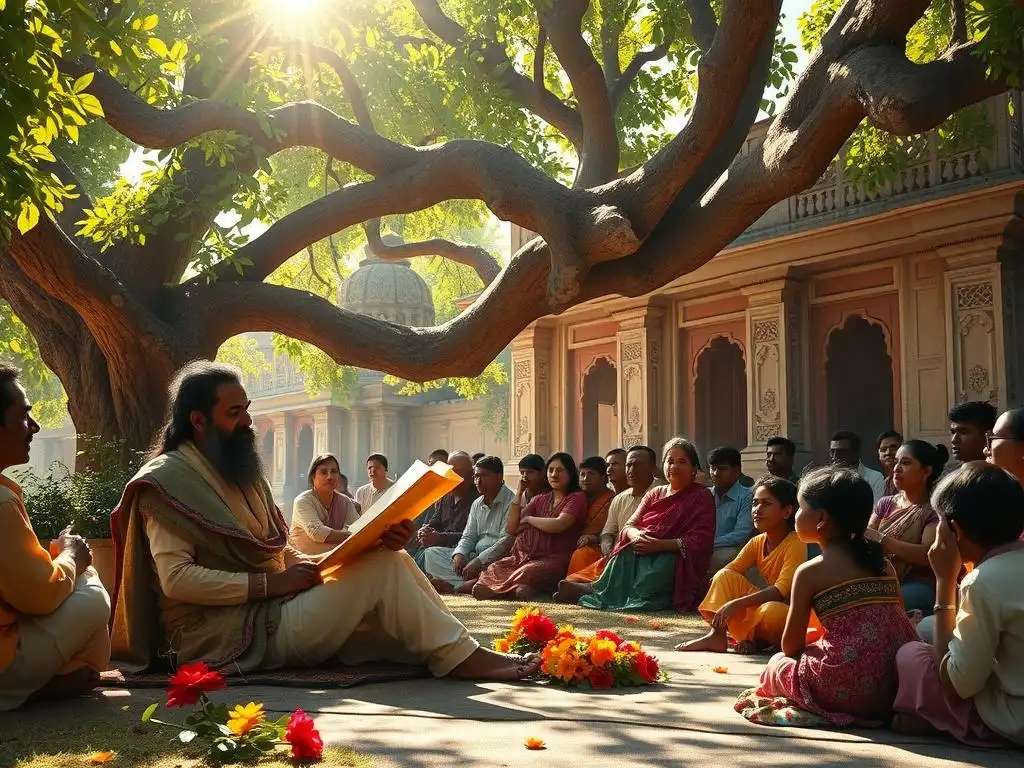
Welcome to Ancient India History, where we embark on a fascinating journey through the vibrant tapestry of India's past. Delve into the enchanting world of storytelling in classical Indian poetry, a profound art form that has shaped the cultural landscape of ancient civilizations. In our featured article, "Understanding the Role of Storytelling in Classical Indian Poetry," we unravel the intricate narratives that have transcended time, igniting the imagination and preserving the wisdom of generations.
Prepare to discover how these poetic tales not only reflect the rich heritage of India but also invite you to explore the deeper meanings woven into their verses. Join us as we uncover the stories that have defined a civilization!
Introduction to Storytelling in Classical Indian Poetry
Storytelling has long been a cornerstone of literature, serving as a bridge between cultures, generations, and ideas. In the context of classical Indian poetry, storytelling transcends mere narrative to become a vital literary device that enriches the thematic depth and emotional resonance of poetic works. This article delves into the intricate role that storytelling plays in classical Indian poetry, exploring its origins, significance, and the ways it has shaped the poetic landscape across various periods. By examining the interplay between storytelling and poetic expression, we aim to illuminate the profound connections between narrative and verse in ancient Indian literature.
Overview of Classical Indian Poetry
Classical Indian poetry encompasses a vast array of styles, genres, and themes that reflect the diversity of Indian culture and thought. Spanning from the early Vedic hymns to the sophisticated compositions of the Gupta period, these poetic works often intertwine with philosophy, spirituality, and social commentary. Key forms such as Sanskrit shlokas, Prakrit verses, and Tamil Sangam poetry exemplify the rich tapestry of expression found within classical Indian literature.
The themes explored in classical Indian poetry are as varied as the poets themselves, often addressing:
- Nature and Aesthetics: Many poets draw inspiration from the natural world, using vivid imagery to convey emotions and experiences.
- Love and Devotion: Romantic and devotional themes are prevalent, illustrating deep emotional connections with beloved figures, both human and divine.
- Philosophical Inquiry: Poets frequently engage with existential questions, reflecting on the nature of life, death, and the cosmos.
This diversity not only showcases the creativity of ancient Indian poets but also highlights the cultural values and societal norms of their time.
Importance of Storytelling as a Literary Device
Storytelling stands out as a crucial literary device in classical Indian poetry, serving multiple functions that enhance the overall impact of the work. Here are some key aspects of its importance:
- Engagement and Connection: Through narrative techniques, poets can create relatable characters and situations that resonate with readers, fostering a deeper emotional connection.
- Cultural Transmission: Storytelling allows for the preservation and transmission of cultural myths, legends, and moral lessons, ensuring that collective wisdom is passed down through generations.
- Complexity and Depth: By weaving intricate plots and subplots, poets can explore multifaceted themes and ideas, enriching the reader's understanding of the text.
- Symbolism and Allegory: Stories often serve as allegories, where characters and events symbolize larger philosophical or moral concepts, inviting deeper reflection.
Overall, storytelling enhances the richness of classical Indian poetry, making it not only a means of artistic expression but also a vehicle for cultural and philosophical discourse.
Historical Context of Storytelling in Indian Literature
To fully appreciate the role of storytelling in classical Indian poetry, it is essential to consider its historical context. The roots of storytelling in Indian literature are deep and complex, shaped by various influences over time.
Origins of Storytelling in Ancient India
The origins of storytelling in ancient India can be traced back to the Vedic period, where oral traditions thrived. The Vedas, composed around 1500 BCE, were recited and memorized, forming the foundation of Indian literature. These texts not only contained hymns and rituals but also narratives that conveyed moral and philosophical insights.
As time progressed, storytelling evolved through various forms, including the Puranas and Itihasas (epic narratives), such as the Mahabharata and Ramayana. These epics not only entertained but also imparted significant cultural and ethical teachings, becoming integral to the Indian literary canon.
Influence of Oral Traditions on Classical Poetry
The influence of oral traditions on classical poetry is profound. Storytelling, deeply rooted in the oral culture of ancient India, shaped the manner in which poets constructed their works. Key features of this influence include:
- Repetitive Structures: Oral storytelling often employs repetition for emphasis, a technique that finds its way into classical poetry, enhancing memorability and rhythm.
- Audience Participation: In oral traditions, the audience plays an active role, prompting poets to engage them through direct address or interactive elements, a practice that carries over into written poetry.
- Fluidity of Narrative: Oral storytelling allows for adaptability and improvisation, which can be seen in the dynamic nature of classical poetic forms, where poets might alter stories or themes to suit their artistic vision.
The interplay between storytelling and poetry in ancient India not only enriched the literary landscape but also fostered a tradition of creativity and cultural expression that resonates to this day.
Key Elements of Storytelling in Classical Indian Poetry
Classical Indian poetry is deeply rooted in a tradition of storytelling that transcends mere narrative. The key elements that define this art form include narrative structure, character development, symbolism, and thematic depth. These components work in concert to create a rich tapestry of meaning, allowing poets to convey complex ideas and emotions through evocative verses. Here, we explore how these elements manifest in the storytelling tradition of classical Indian poetry.
Narrative Structure and Themes
The narrative structure in classical Indian poetry often follows a cyclical or episodic format, allowing for the exploration of various themes such as love, nature, duty, and morality. Poets like Kalidasa and Bhasa utilized a clear beginning, middle, and end to guide the reader through a journey, often embedding moral lessons within the narrative. Themes of shringara (romantic love) and veera (heroism) are prevalent, reflecting the societal values and philosophical thoughts of the time.
Moreover, classical Indian poets frequently incorporated alankara (figures of speech) to enhance the narrative depth, crafting stories that resonate on both emotional and intellectual levels. For instance, the use of shlokas and uttama-kavyas (elevated poetry) showcases a blend of narrative and lyrical beauty, emphasizing the importance of storytelling in conveying profound truths about life and existence.
Use of Characters and Archetypes
Characters in classical Indian poetry often embody archetypal roles that resonate with the audience’s cultural understanding. Protagonists are typically depicted as ideal figures, such as noble heroes or virtuous lovers, while antagonists may represent chaos or moral decay. This clear delineation of characters serves to reinforce moral and ethical lessons central to the narratives.
Prominent characters from epics, like Rama and Sita from the Ramayana, or Krishna from the Mahabharata, often reappear in poetic works, allowing poets to draw upon established narratives while adding their unique interpretations. These archetypes serve not only as storytelling devices but also as vessels for cultural values and philosophical inquiries, making the poetry relatable yet profound.
Symbolism and Metaphors in Storytelling
Symbolism and metaphors play a crucial role in enriching the storytelling aspect of classical Indian poetry. Poets often employed natural elements—such as rivers, mountains, and flora—as symbols to convey deeper meanings. For instance, the river may symbolize the flow of time or the journey of life, while the lotus might represent purity and spiritual enlightenment.
Metaphors allow poets to encapsulate complex ideas in concise and impactful ways, making their storytelling more evocative. For example, the use of rasa (aesthetic experience) in poetry captures the emotional essence of a narrative, guiding the reader's emotional response and enhancing their engagement with the text. This layered approach to storytelling transforms classical Indian poetry into a vibrant form of expression that transcends time and speaks to universal truths.
Prominent Poets and Their Storytelling Techniques
The legacy of storytelling in classical Indian poetry is profoundly shaped by the contributions of various poets, each employing unique techniques to enrich their narratives. These poets not only crafted stories but also elevated the art of poetry through their innovative approaches to language, structure, and thematic exploration.
Kalidasa: Master of Narrative Imagery
Kalidasa, often hailed as the greatest poet of classical India, exemplifies the art of storytelling through his exquisite use of imagery and emotional depth. His works, such as Shakuntala and Meghaduta, showcase his ability to weave intricate narratives that blend personal emotion with universal themes. Kalidasa's storytelling is characterized by vivid descriptions of nature, which reflect the inner states of his characters, creating a symbiotic relationship between the narrative and its setting.
His mastery of alankara allows him to craft layers of meaning, inviting readers to delve deeper into the emotional and philosophical dimensions of his stories. Kalidasa's influence on storytelling in classical Indian poetry is profound, establishing a benchmark for narrative artistry that continues to inspire poets to this day.
Bhasa: Drama and Storytelling Intertwined
Bhasa, a pioneer of Sanskrit drama, uniquely intertwines storytelling with theatrical elements, creating a dynamic narrative experience. His plays, such as Svapnavasavadatta and Pancharatra, reflect a deep understanding of character development and dialogue, which drive the narrative forward. Bhasa's storytelling techniques often involve complex character interactions, allowing for the exploration of themes like love, conflict, and destiny.
Through his innovative use of dramatic structure, Bhasa captures the essence of storytelling in a way that engages audiences both intellectually and emotionally. His works not only entertain but also provoke thought, making him a significant figure in the realm of classical Indian poetry and drama.
Other Notable Poets and Their Contributions
In addition to Kalidasa and Bhasa, many other poets have significantly contributed to the rich tapestry of storytelling in classical Indian poetry. For instance, poets like Bhavabhuti and Jayadeva incorporated narrative elements into their works, exploring themes of devotion and the human experience in profound ways.
- Bhavabhuti: Known for his plays like Malati-Madhava, he skillfully blends romantic and dramatic storytelling, showcasing the complexities of love and duty.
- Jayadeva: His Gita Govinda is a lyrical masterpiece that employs storytelling to depict the divine love between Krishna and Radha, using rich imagery and emotional depth to engage the audience.
These poets, among others, have enriched the tradition of storytelling in classical Indian poetry, ensuring that the art form continues to evolve while remaining deeply connected to its cultural roots. Through their innovative techniques and thematic explorations, they have left an indelible mark on the literary landscape of ancient India.
Thematic Exploration in Storytelling
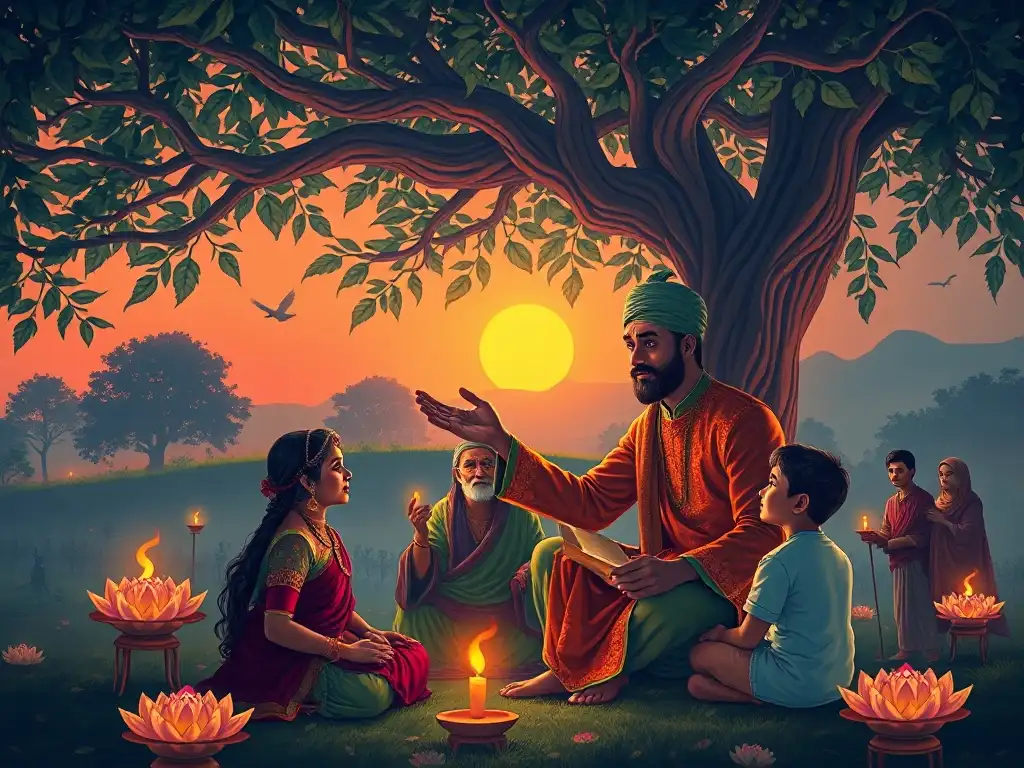
Storytelling in classical Indian poetry serves as a profound vehicle for exploring the complexities of human emotion, societal norms, and spiritual beliefs. Thematically rich, these narratives weave together personal experiences and broader cultural motifs, illuminating the intricate tapestry of life in ancient India. Poets utilized storytelling not only as a means of entertainment but also as a profound commentary on the human condition, often reflecting the cultural zeitgeist of their time.
Through the lens of storytelling, poets articulated the struggles and triumphs of love, the quest for spiritual enlightenment, and the harmonious relationship between humanity and nature. The themes often intertwined with metaphors and allegories, offering deeper insights into the moral fabric of society. Thus, storytelling in classical Indian poetry is a multifaceted art form that transcends mere narrative, inviting readers to engage with philosophical and existential questions.
Love and Separation: Themes in Classical Indian Poetry
In classical Indian poetry, one of the most poignant themes is love, often coupled with the anguish of separation. This emotional dichotomy resonates deeply within the human experience, making it a central motif in works like the Gita Govinda by Jayadeva and the Meghaduta by Kalidasa.
The portrayal of love in these poems is multifaceted, encompassing various dimensions such as:
- Devotion and Longing: Many poets depicted the intense longing of lovers separated by circumstance, often using nature as a metaphor for their emotional state. For instance, the imagery of the monsoon clouds in Meghaduta symbolizes the yearning of a lover waiting to reunite with their beloved.
- Divine Love: The theme of divine love is prevalent, especially in Bhakti poetry, where the relationship between the devotee and the divine is often likened to romantic love. This connection illustrates the deep spiritual devotion found in classical Indian literature.
- Cultural Reflections: These themes reflect the societal norms and values surrounding love and relationships in ancient India, often highlighting the challenges posed by family, caste, and societal expectations.
The exploration of love and separation not only enriches the poetic narrative but also engages readers with timeless emotional truths.
Spirituality and Morality in Storytelling
Another significant aspect of storytelling in classical Indian poetry is its emphasis on spirituality and morality. Poets often intertwined narratives that conveyed philosophical teachings and moral lessons, presenting stories that served as ethical guides for their audience.
Key elements include:
- Moral Allegories: Many poems utilize allegorical storytelling to depict the consequences of virtuous versus immoral behavior. For example, tales that illustrate the importance of dharma (righteousness) and the pitfalls of adharma (unrighteousness) resonate throughout classical texts.
- Spiritual Journeys: The narrative of the spiritual quest is a recurring theme, where characters embark on journeys of self-discovery and enlightenment. These stories often echo the paths of revered figures like Buddha or Krishna, reinforcing the values of compassion, wisdom, and detachment from material desires.
- Integration of Philosophy: The incorporation of philosophical discourses, such as those found in the Upanishads or the Bhagavad Gita, highlights the depth of spiritual inquiry present in classical Indian poetry, inviting readers to reflect on their own lives and aspirations.
Through these narratives, poets not only entertained but also educated their audiences, fostering a rich tradition of moral and spiritual exploration.
Nature and Landscape as Narrative Devices
Nature and landscape play a crucial role in the storytelling of classical Indian poetry, serving both as a backdrop and as a character in its own right. Poets often drew upon the vivid imagery of the natural world to enhance their narratives, creating a deep connection between the themes of their poetry and the environment.
- Symbolism of Nature: Elements such as rivers, mountains, and gardens symbolize various emotions and states of being. For instance, the monsoon season is often depicted as a time of renewal and love, while the desolation of summer can reflect longing and separation.
- Setting the Mood: The use of natural landscapes helps set the emotional tone of the poems. A tranquil landscape may evoke peace, while a tumultuous storm can signify inner turmoil or conflict. This interplay between nature and emotion allows readers to experience the narrative on a sensory level.
- Cultural Significance: Nature not only serves aesthetic purposes but also reflects the cultural and spiritual beliefs of ancient India, where the land was often revered and considered sacred. This connection to nature enriches the storytelling, embedding it within the broader cultural context.
By integrating nature into their narratives, poets create a rich, immersive experience that resonates with readers across time and space.
Comparisons with Other Literary Traditions
When examining storytelling in classical Indian poetry, it is insightful to compare it with other literary traditions. Such comparisons reveal the unique characteristics of Indian poetry and its narrative styles, as well as shared themes that transcend cultural boundaries.
Storytelling in Western Poetry vs. Indian Poetry
Storytelling in Western poetry often focuses on individualism and personal experience, frequently centering around the poet's own feelings and thoughts. In contrast, classical Indian poetry emphasizes collective cultural narratives and communal experiences. Key differences include:
- Narrative Focus: Western poetry may prioritize personal narratives and introspection, while Indian poetry often intertwines personal experiences with broader cultural or spiritual themes.
- Use of Mythology: Indian poetry heavily incorporates mythological references and symbols, providing a rich tapestry of interconnected stories that reflect societal values and beliefs. Western poetry, while also incorporating myth, tends to focus more on contemporary themes and individual narratives.
- Cultural Context: The historical and cultural contexts from which these poetic traditions emerge influence their storytelling methods. Indian poetry often reflects a deep-rooted connection to spirituality and nature, whereas Western poetry may emphasize human experience and emotional complexity.
These distinctions highlight the diverse approaches to storytelling in poetry, showcasing the richness of each tradition.
Influence of Persian Literature on Indian Storytelling
The cultural exchange between India and Persia, particularly during the medieval period, significantly impacted storytelling in classical Indian poetry. Persian literature introduced new narrative styles, themes, and forms, enriching the poetic tradition in India.
- Narrative Techniques: Persian storytelling techniques, such as intricate plots and elaborate characterizations, influenced Indian poets to experiment with narrative structures, leading to the development of new poetic forms like the ghazal and masnavi.
- Themes of Love and Mysticism: The Persian emphasis on themes of love—both earthly and divine—found a receptive audience in Indian poetry, resulting in a fusion of ideas that deepened the exploration of love, beauty, and spirituality in literary works.
- Cultural Synthesis: This influence also facilitated a cultural synthesis, leading to the emergence of a unique Indo-Persian literary tradition that combined the rich storytelling heritage of both cultures. This blending not only amplified the themes of storytelling in classical Indian poetry but also broadened the scope of its narrative possibilities.
Through this cross-cultural dialogue, storytelling in classical Indian poetry evolved, demonstrating the dynamic interplay of literary traditions and artistic expression.
The Impact of Storytelling on Cultural Identity
Storytelling has always played a pivotal role in shaping cultural identity within classical Indian poetry. It serves as a vehicle for expressing collective values, beliefs, and traditions, deeply embedding them within the societal framework. Through the lens of poetry, storytellers articulate the unique essence of various regions, communities, and religions, creating a rich tapestry that reflects the diversity of ancient India.
The narratives woven into classical poetry are often intertwined with cultural rituals and practices, linking the past with the present. For instance, the use of local dialects and references to regional customs in poetic storytelling reinforces the connection between the narrator and the audience, fostering a sense of belonging and pride in one’s heritage. Furthermore, storytelling functions as a means of reinforcing moral lessons and ethical values, ensuring that cultural identity is not only preserved but also passed down through generations.
Preservation of Myths and Legends through Poetry
Classical Indian poetry is a treasure trove of myths and legends, many of which have been preserved through the art of storytelling. This preservation is crucial, as these narratives encapsulate the philosophical and spiritual beliefs of ancient Indian civilizations. Texts such as the Mahabharata and Ramayana are prime examples where storytelling intertwines with mythology, presenting complex characters and moral dilemmas that resonate with timeless human experiences.
The poetic form allows for the intricate layering of symbolism and metaphor, providing depth to these legendary tales. Poets like Kalidasa and Bhasa employed storytelling techniques to bring mythical figures to life, allowing audiences to engage emotionally with the narratives. This engagement not only serves to entertain but also reinforces cultural values and collective memory, ensuring that the essence of these myths continues to resonate through the ages.
Storytelling as a Tool for Social Commentary
In classical Indian poetry, storytelling transcends mere entertainment; it serves as a powerful tool for social commentary. Poets have often utilized their narratives to critique societal norms, caste systems, and gender roles, embedding these critiques within allegorical tales. This duality allows for a subtle yet profound exploration of social issues, enabling poets to address challenging topics without direct confrontation.
For example, the poetry of Mirabai, which combines personal devotion with social commentary, critiques the constraints placed on women in society while simultaneously expressing deep spiritual yearning. By embedding her messages within stories, she captures the attention of her audience, prompting reflection and dialogue about societal change. Through storytelling, classical Indian poets have not only entertained but also inspired audiences to reconsider their perspectives on social justice and reform.
Conclusion: The Enduring Legacy of Storytelling in Classical Indian Poetry
The legacy of storytelling in classical Indian poetry is enduring and multifaceted. It has not only shaped cultural identity but has also provided a means for preserving myths, critiquing society, and exploring the complexities of human experience. This rich tradition continues to influence contemporary literature and art forms, serving as a reminder of the power of narrative to connect individuals to their heritage.
Reflection on the Role of Storytelling in Modern Literature
As we reflect on the role of storytelling in modern literature, it becomes evident that the foundational elements established by classical Indian poets remain relevant today. Contemporary authors draw inspiration from the narrative techniques and thematic explorations of their predecessors. The fusion of traditional storytelling with modern sensibilities allows for a rich dialogue between past and present, creating literature that resonates with diverse audiences.
Moreover, the resurgence of interest in folklore and mythological retellings in modern literature underscores the ongoing impact of storytelling. Authors are increasingly revisiting ancient narratives, reinterpreting them to address contemporary issues, thereby ensuring that the legacy of storytelling in classical Indian poetry remains vibrant and alive.
Future Directions for the Study of Indian Poetry and Storytelling
The future of studying Indian poetry and storytelling holds immense potential for further exploration and discovery. Scholars and enthusiasts are encouraged to delve deeper into the intersection of storytelling and various aspects of culture, such as gender studies, postcolonial theory, and environmental narratives. By examining how these themes intertwine with classical storytelling techniques, a richer understanding of the role of poetry in shaping cultural discourse can emerge.
Additionally, the digital age offers new platforms for sharing and engaging with classical narratives, allowing for innovative interpretations and adaptations. The exploration of storytelling in classical Indian poetry can be expanded through interdisciplinary approaches, incorporating insights from anthropology, history, and comparative literature. This holistic perspective will not only enrich the study of Indian poetry but also highlight its relevance in a global context, ensuring that the art of storytelling continues to thrive for generations to come.
- Introduction to Storytelling in Classical Indian Poetry
- Historical Context of Storytelling in Indian Literature
- Key Elements of Storytelling in Classical Indian Poetry
- Prominent Poets and Their Storytelling Techniques
- Thematic Exploration in Storytelling
- Comparisons with Other Literary Traditions
- The Impact of Storytelling on Cultural Identity
- Conclusion: The Enduring Legacy of Storytelling in Classical Indian Poetry
- What is the significance of storytelling in classical Indian poetry?
- How did storytelling techniques evolve in ancient Indian poetry?
- Who are some notable poets known for their storytelling in Indian poetry?
- What are some common themes found in classical Indian poetry storytelling?
- How can one explore the impact of classical Indian poetry on modern storytelling?
Frequently Asked Questions
What is the significance of storytelling in classical Indian poetry?
Storytelling plays a crucial role in classical Indian poetry, serving as a vehicle for cultural transmission and moral lessons. It intertwines narratives with poetic forms, enriching both literature and tradition.
How did storytelling techniques evolve in ancient Indian poetry?
Over centuries, storytelling techniques in ancient Indian poetry evolved through oral traditions and later written texts, incorporating mythology, folklore, and historical events that reflect the society of the time.
Who are some notable poets known for their storytelling in Indian poetry?
Notable poets include Kalidasa, Bhasa, and Tulsidas, who utilized narrative elements in their works to convey complex emotions and moral dilemmas, making their poetry both engaging and thought-provoking.
What are some common themes found in classical Indian poetry storytelling?
Common themes include love, heroism, dharma (duty), and spirituality. These themes often intertwine with mythological stories, revealing the values and beliefs of ancient Indian society.
How can one explore the impact of classical Indian poetry on modern storytelling?
To explore the impact, one can examine literary adaptations, thematic similarities, and the influence of classical narratives on contemporary writers, highlighting how traditional storytelling continues to shape modern literature.
Final Reflection: The Enduring Power of Storytelling in Classical Indian Poetry
Storytelling in classical Indian poetry remains a vital thread that weaves together the rich tapestry of culture, history, and emotion. The narratives encapsulated within these poetic forms not only serve to entertain but also to educate and inspire generations. In a world increasingly driven by technology and rapid communication, the timeless art of storytelling reminds us of our shared humanity and the profound connections we can forge through the written word.
The influence of storytelling in classical Indian poetry extends far beyond the confines of literature; it shapes our cultural identity and social values. Each poem is a vessel of wisdom, reflecting the complexities of life, love, and spirituality. As we engage with these narratives, we find echoes of our own experiences and emotions. Poetry is the language of the soul, a bridge connecting the past with the present.
This quote encapsulates the essence of how storytelling transcends time, allowing us to explore the depths of our own lives through the lens of ancient wisdom.
As you reflect on the themes presented in this article, I invite you to consider how storytelling can enrich your own life. Embrace the narratives around you—whether through literature, oral traditions, or personal experiences—and recognize their power to shape your understanding of the world. Let the stories of classical Indian poetry inspire you to share your own, fostering connections and understanding in a world that often feels fragmented. Remember, every story has the potential to illuminate, heal, and transform.
Embrace the Power of Storytelling!
Thank you for diving deep into the rich world of classical Indian poetry with us! You’ve explored how storytelling breathes life into these timeless works. Now, let’s take your appreciation a step further and engage with this beautiful tradition.
Here are some ways you can connect with and experience storytelling in classical Indian poetry:
- Dive into a Poem: Choose a classical poem that resonates with you, read it aloud, and reflect on the emotions and imagery it evokes.
- Share Your Thoughts: Post your favorite lines or insights on social media, inviting your friends to explore the magic of these stories.
- Join a Community: Look for local or online poetry groups focused on Indian literature to discuss, analyze, and celebrate these narratives together.
What story from classical Indian poetry has touched your heart the most, and why? We would love to hear your thoughts in the comments below!