
The Interplay of Religion and Literature in Ancient Indian Prose

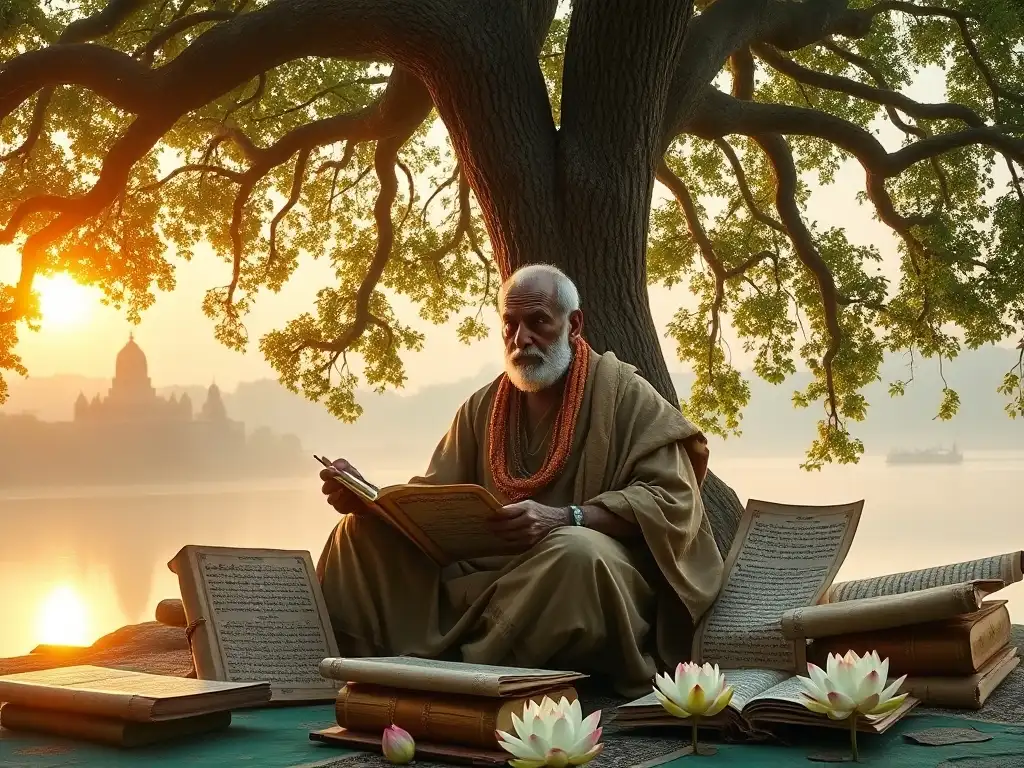
Welcome to Ancient India History, where we embark on a fascinating journey through the threads of time, exploring the rich tapestry of ancient Indian civilizations. Here, we delve into the interplay of religion and literature, revealing how ancient Indian religious literature shaped not just prose, but also the very fabric of cultural identity. In our featured article, "The Interplay of Religion and Literature in Ancient Indian Prose," we invite you to uncover the profound connections between spirituality and storytelling that have influenced generations.
Prepare to be captivated as we unveil the lesser-known narratives and insights that lie beyond the epics. Join us in this exploration of a vibrant past that continues to resonate in today's literary landscape!
Introduction to Ancient Indian Religious Literature
The exploration of ancient Indian religious literature reveals a profound interplay between spirituality and the literary arts. From the earliest texts of the Vedic period to the intricate prose of the Gupta Empire, this literature not only reflects the beliefs and practices of ancient Indian civilizations but also serves as a vessel for cultural expression and philosophical inquiry.
Ancient Indian religious literature encompasses a vast array of writings that have shaped the spiritual and intellectual landscape of the subcontinent, offering insights into the values, traditions, and societal norms of their time. This article delves into the intricate relationship between religion and literature in ancient India, highlighting how texts were not only repositories of faith but also platforms for creative expression.
Definition of Ancient Indian Religious Literature
Ancient Indian religious literature can be defined as a collection of texts that encompass spiritual, philosophical, and ritualistic themes, often intertwined with the socio-cultural context of the time. These texts include:
- Vedic Literature: Comprising hymns, chants, and rituals central to Hindu worship.
- Upanishads: Philosophical treatises that explore the nature of reality and the self.
- Dharmashastras: Legal and ethical texts guiding moral conduct and societal duties.
- Purāṇas: Mythological narratives that elaborate on the creation of the universe, deities, and cosmic cycles.
- Bhakti Literature: Devotional poetry reflecting personal relationships with the divine, emerging in later periods.
These writings reflect the rich tapestry of beliefs that characterized ancient Indian society, making them essential for understanding the cultural and religious ethos of the time.
Importance of Religion in Ancient Indian Prose
Religion played a pivotal role in shaping ancient Indian prose. The intertwining of religious and literary elements served several important functions:
- Cultural Preservation: Religious texts helped preserve cultural narratives and traditions, ensuring continuity of beliefs across generations.
- Moral Framework: Prose often articulated ethical and moral principles, guiding personal and societal conduct.
- Philosophical Inquiry: Many texts explored profound philosophical questions, inviting readers to contemplate existence, duty, and the nature of the divine.
- Literary Expression: The artistic qualities of prose allowed for creative expression, blending storytelling with spiritual teachings.
Through these functions, ancient Indian religious literature not only fostered a rich literary tradition but also contributed to the moral and spiritual development of society.
Historical Context of Ancient Indian Prose
Understanding the historical context of ancient Indian prose is essential to grasping its evolution and significance. The interplay of various civilizations and periods has profoundly influenced religious literature, shaping its themes, styles, and purposes.
Overview of Ancient Indian Civilizations
Ancient India was home to several flourishing civilizations, each contributing to the development of religious literature. Key civilizations include:
- Indus Valley Civilization (c. 3300–1300 BCE): Known for its urban planning and trade, its religious practices remain largely enigmatic due to the undeciphered script.
- Vedic Period (c. 1500–500 BCE): Marked by the composition of the Vedas, this period laid the foundation for Hindu spirituality and philosophy.
- Maurya Empire (c. 322–185 BCE): Under figures like Ashoka, Buddhism and Jainism gained prominence, influencing literary forms and themes.
- Gupta Empire (c. 320–550 CE): Often regarded as the Golden Age of India, this period saw a renaissance in arts, science, and literature, with significant contributions to prose and poetry.
Key Periods Influencing Religious Literature
The evolution of ancient Indian religious literature can be traced through several key periods, each marked by distinct characteristics:
- Vedic Period: Emergence of sacred texts emphasizing rituals and hymns.
- Post-Vedic Period: Development of Upanishads and philosophical thought.
- Buddhist and Jain Influence: Introduction of new literary forms and ideas, expanding the scope of religious discourse.
- Classical Period: Flourishing of prose under the Gupta Empire, with a focus on aesthetics and narrative.
These periods collectively contributed to a rich legacy of religious literature, reflecting the dynamic interplay between faith and creativity in ancient India.
Major Themes in Ancient Indian Religious Literature
Ancient Indian religious literature is characterized by a rich tapestry of themes that reflect the complexities of spirituality, morality, and the human experience. The texts often served multiple purposes, ranging from providing ethical guidance to exploring metaphysical questions. Key themes include the interplay of religion and morality, the pursuit of spiritual enlightenment, and the vital role of mythology. These themes not only shaped the literature itself but also influenced the broader cultural and philosophical landscape of ancient India.
The Relationship Between Religion and Morality
The relationship between religion and morality is a central theme in ancient Indian religious literature. Many texts articulate the belief that moral conduct is intrinsically connected to spiritual practice. The idea of Dharma, or righteous duty, is prevalent across various scriptures, emphasizing that ethical living is essential for achieving spiritual goals.
For instance, the Vedas provide guidelines on rituals and ethical behavior, while later texts, such as the Upanishads, delve deeper into the philosophical implications of living a moral life. This connection reinforces the notion that personal virtue aligns with cosmic order, encouraging individuals to live in harmony with the universe.
Spirituality and Philosophical Inquiry
Spirituality in ancient Indian literature often involves profound philosophical inquiry into the nature of existence, consciousness, and the ultimate reality. Texts like the Upanishads encourage introspection and the pursuit of knowledge as a means to understand the self and its relationship with the divine. This philosophical undercurrent fosters a quest for enlightenment, prompting individuals to seek answers to existential questions. The exploration of concepts such as Brahman (the ultimate reality) and Atman (the individual self) illustrates how spirituality and philosophical thought are intertwined in ancient Indian prose, leading to transformative insights about the human condition.
Mythology and Its Influence on Prose
Mythology plays a pivotal role in shaping ancient Indian religious literature, serving as a medium to convey ethical lessons, cultural values, and spiritual truths. The rich tapestry of myths found in texts such as the Puranas provides a narrative framework that connects the divine with the mundane. These stories often feature gods, heroes, and cosmic events, illustrating moral dilemmas and the consequences of human actions.
By embedding ethical teachings within mythological narratives, ancient Indian prose not only entertains but also educates, making complex ideas more accessible to the reader. The enduring influence of mythology continues to resonate in contemporary literature and culture, underscoring its foundational role in shaping Indian thought.
Prominent Works of Ancient Indian Religious Literature
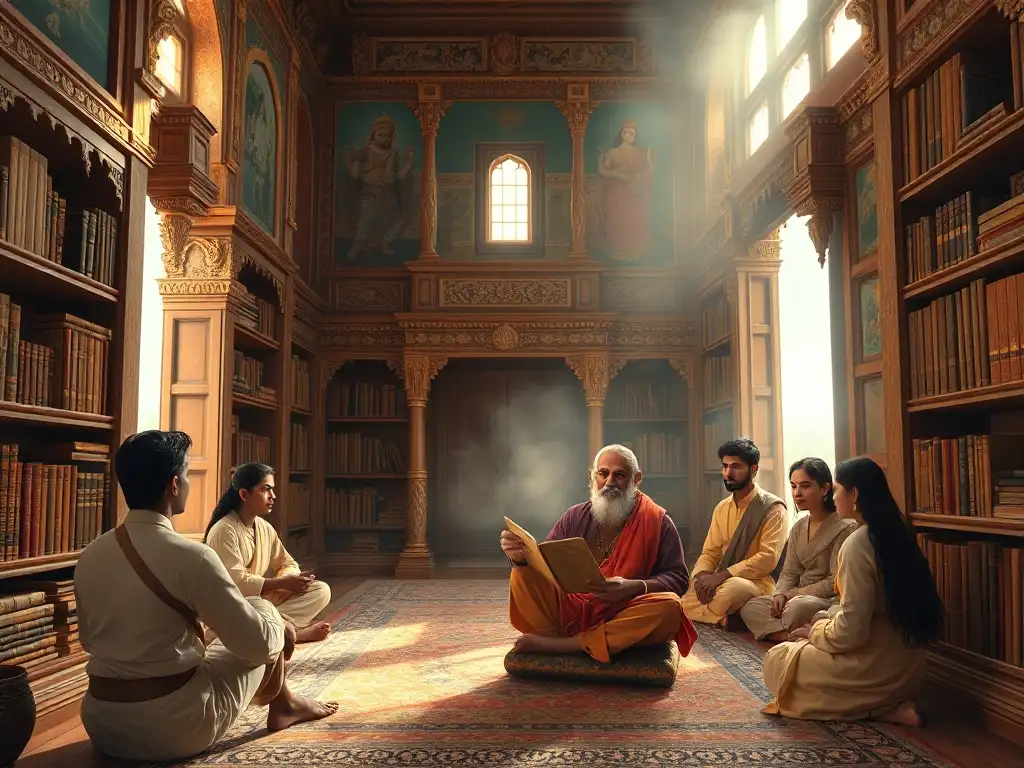
The landscape of ancient Indian religious literature is vast, encompassing numerous texts that have profoundly influenced both spiritual thought and literary expression. Prominent works include the Vedas, Upanishads, Puranas, and Arthashastra, each contributing uniquely to the understanding of religion, morality, and governance in ancient India.
The Vedas: Foundation of Religious Thought
The Vedas are considered the oldest and most authoritative texts in ancient Indian literature. Comprising four collections— Rigveda, Samaveda, Yajurveda, and Atharvaveda—these texts lay the foundation for various religious and philosophical ideas. The Vedas encompass hymns, rituals, and philosophical discourses that articulate the nature of the divine, the cosmos, and the principles of Dharma. Their impact on subsequent religious thought is profound, as they provide the linguistic and conceptual frameworks that later texts build upon.
Upanishads: Philosophical Texts and Their Prose Forms
The Upanishads represent a shift from ritualistic practices to introspective spiritual inquiry. These texts, often composed in prose form, explore deep philosophical concepts such as Brahman and Atman. They encourage readers to engage in meditation and self-reflection, seeking to understand the nature of reality and the self. The Upanishads' focus on experiential knowledge marks a significant development in ancient Indian literature, emphasizing the importance of personal spiritual experience over mere ritualistic adherence.
Puranas: Narratives Bridging Myth and History
The Puranas serve as a crucial link between mythology and historical narrative, blending the two into rich tapestry of storytelling. With 18 major Puranas, these texts include cosmology, genealogies of gods and heroes, and moral teachings. They often present the complexities of divine interactions with humanity, reflecting the cultural values and social norms of their time. The Puranas' ability to convey moral lessons through engaging narratives makes them an enduring part of ancient Indian literary tradition.
Arthashastra: Governance and Ethics
The Arthashastra, attributed to the ancient scholar Kautilya, is a seminal text on statecraft, economics, and military strategy. While primarily a guide to governance, it also delves into ethical considerations regarding leadership and power. The Arthashastra emphasizes the importance of Dharma in politics, suggesting that ethical governance is essential for the stability of the state. Its pragmatic approach to the complexities of human nature and governance illustrates a nuanced understanding of morality in the context of political power, making it a unique contribution to ancient Indian religious literature.
The Role of Literary Devices in Religious Prose
Literary devices play a critical role in ancient Indian religious literature, enriching the narratives and deepening the spiritual messages conveyed through prose. These devices are not merely aesthetic; they serve to enhance the understanding of complex philosophical concepts and religious themes. By employing devices such as symbolism, metaphor, and allegory, ancient Indian authors were able to communicate profound truths about the divine, ethics, and the human condition.
The use of symbolism allows writers to convey multiple layers of meaning, inviting readers to explore interpretations that resonate with their own spiritual journeys. Metaphors and allegories further aid in illustrating abstract ideas, making them accessible to a wider audience. Additionally, the integration of oral tradition into prose narratives helps preserve cultural heritage and emphasizes the communal aspect of religious understanding, ensuring that the teachings are passed down through generations.
Symbolism in Ancient Indian Religious Literature
Symbolism is a fundamental aspect of ancient Indian religious literature, where objects, characters, and events often represent deeper spiritual truths. For example, the lotus flower, frequently mentioned in texts, symbolizes purity and spiritual enlightenment, despite growing in muddy waters. This duality reflects the human experience of navigating the material world while striving for spiritual awakening.
In the Bhagavad Gita, Krishna's chariot can be seen as a symbol of the human body, illustrating the journey of life and the moral dilemmas faced along the path. Such symbols enrich the prose, prompting readers to reflect on their own lives and the spiritual lessons embedded within the narrative. The prevalence of symbolism in ancient texts underscores the sophisticated understanding of human psychology and spirituality that existed in ancient Indian culture.
Metaphors and Allegories in Religious Contexts
Metaphors and allegories are powerful tools in ancient Indian religious prose, enabling authors to convey complex religious philosophies in relatable terms. The use of metaphors allows for the representation of abstract concepts—such as the nature of the soul (Atman) or the universe (Brahman)—through familiar imagery. For instance, the metaphor of a river can represent the flow of life, emphasizing both its transient nature and the continuity of existence.
Allegories, on the other hand, often serve as moral or spiritual lessons woven into the fabric of narratives. The Panchatantra, a collection of ancient fables, employs allegorical tales featuring animals to communicate ethical teachings and wisdom about human behavior. These literary devices not only engage readers but also invite them to ponder deeper truths, making the religious texts both instructive and thought-provoking.
The Use of Oral Tradition in Prose Narratives
Oral tradition holds a significant place in the realm of ancient Indian religious literature, influencing the structure and style of prose narratives. Many texts were initially transmitted orally, which necessitated the use of rhythmic patterns, repetition, and mnemonic devices to aid memorization. This oral heritage not only shaped the language and form of the narratives but also imbued them with a communal spirit.
Prose narratives often reflect the oral storytelling tradition, as seen in the Mahabharata and Ramayana, where engaging storytelling techniques capture the audience's attention. The incorporation of dialogues, vivid descriptions, and dramatic elements enhances the overall experience, making the religious teachings more relatable and impactful. By blending oral traditions with written prose, ancient Indian authors preserved cultural values and religious practices while fostering a sense of shared identity among their audiences.
Ancient Indian literature boasts a diverse array of authors whose works have significantly contributed to the understanding of religious themes and values. The interplay of religion and literature is exemplified in the writings of notable figures such as Vyasa, Valmiki, and Kalidasa. Each of these authors infused their prose with profound philosophical insights, artistic expression, and spiritual depth.
Vyasa and the Mahabharata's Philosophical Depth
Vyasa, revered as one of the greatest sages in ancient Indian history, is credited with composing the Mahabharata, one of the longest epic poems in the world. This monumental work is not only a narrative of the Kurukshetra War but also a profound exploration of dharma (duty/righteousness), ethics, and the nature of reality. Through characters like Arjuna and Krishna, Vyasa delves into complex philosophical discussions, posing questions about morality, justice, and the human condition.
The Bhagavad Gita, a section of the Mahabharata, stands out as a philosophical treatise that addresses the dilemmas of life and the pursuit of spiritual wisdom. Vyasa's ability to weave intricate narratives with deep moral and philosophical insights has made the Mahabharata a cornerstone of ancient Indian religious literature, influencing countless generations.
Valmiki's Ramayana: An Epic Intertwined with Religion
Valmiki, known as the "Adi Kavi" or the first poet, is the author of the Ramayana, an epic that intricately intertwines religious devotion with the narrative of Lord Rama's life. The Ramayana explores themes of virtue, loyalty, and the struggle between good and evil, embodying the ideals of dharma through its characters. Valmiki's use of poetic prose elevates the narrative, creating a vivid tapestry of emotions and moral lessons.
The significance of the Ramayana extends beyond its plot; it serves as a guide to righteousness, illustrating how individuals can navigate their duties in accordance with divine principles. Valmiki's profound understanding of human nature and spirituality allows readers to connect deeply with the text, making the Ramayana a foundational piece of ancient Indian religious literature.
Kalidasa: Blending Poetry and Religious Ideals in Prose
Kalidasa, one of the most celebrated poets and playwrights of ancient India, is renowned for his ability to blend poetic beauty with religious themes in his works. While he is primarily known for his poetic compositions, such as Shakuntala, Kalidasa's prose also reflects a deep engagement with spiritual ideals and the natural world. His writings often draw upon the rich tapestry of Hindu mythology and philosophy, infusing his narratives with layers of meaning.
Kalidasa’s works exemplify the harmony between literature and spirituality, as seen in his descriptions of nature and the divine. His portrayal of the interconnectedness of life, love, and devotion resonates with readers, inviting them to reflect on their own spiritual journeys. By merging poetic devices with religious themes, Kalidasa has left an indelible mark on ancient Indian religious literature, influencing both literary and spiritual discourse.
The Interconnection of Religion and Culture in Ancient India
The relationship between religion and culture in ancient India is profound and multifaceted. Religion served as a cornerstone for various cultural practices, shaping the moral fabric and societal norms of the time. The Vedic texts, composed around 1500 BCE, laid the foundation of Hindu philosophy and ritualism, intertwining spiritual beliefs with everyday life. This interconnection is vividly reflected in ancient Indian prose, where literary works often served as vehicles for religious teachings and cultural narratives.
Literature from ancient India frequently showcases the diverse beliefs that existed within its society, including Hinduism, Buddhism, and Jainism. Each of these religions contributed unique perspectives, enriching the cultural tapestry. For instance, Buddhist texts like the "Dhammapada" emphasize ethical living and compassion, while Jain literature such as the "Tattvartha Sutra" focuses on truth and non-violence. These texts not only impart spiritual wisdom but also reflect the broader cultural mores of their time.
Moreover, the rich tradition of oral storytelling further exemplified the interplay of religion and culture. Stories from sacred texts were often recounted in various forms, including poetry and prose, allowing them to permeate everyday life and influence social practices. This blending of narrative and faith highlights how ancient Indian prose was not merely a literary form but a means of cultural expression and religious instruction.
Festivals and Their Representation in Prose
Festivals in ancient India were not only religious observances but also significant cultural events that found expression in literature. Texts like the "Mahabharata" and "Ramayana" feature vivid descriptions of various festivals, showcasing their importance in the socio-religious landscape. For example, Diwali, the Festival of Lights, is depicted in numerous literary works as a time of joy, renewal, and the triumph of good over evil.
These literary representations often encapsulate the rituals associated with festivals, highlighting their communal aspects. Prose narratives would describe the preparations, celebrations, and the symbolic meanings behind each festival, fostering a sense of identity and belonging among the people. The detailed accounts of festivals in ancient texts served to preserve cultural practices, ensuring their transmission across generations.
Furthermore, the representation of festivals in prose illustrates the syncretism of beliefs, where local customs and religious practices often blended. This is evident in the portrayal of festivals that were celebrated by followers of different faiths, emphasizing unity amidst diversity. Such literary depictions not only enriched the cultural narrative but also reinforced the integral role of festivals in fostering community cohesion.
Rituals and Their Literary Depictions
Rituals are pivotal in understanding the religious practices of ancient India, and their literary depictions in prose provide invaluable insights into the spiritual life of the time. Texts such as the "Brahmanas" and the "Upanishads" elaborate on various rituals, outlining their significance and the philosophical underpinnings associated with them. These works serve as instruction manuals for conducting rituals, emphasizing their importance in maintaining cosmic order and fulfilling societal duties.
The literary portrayal of rituals often highlights their transformative nature, illustrating how they serve as a bridge between the mundane and the divine. For instance, the elaborate descriptions of Vedic sacrifices in prose not only detail the procedures but also elucidate the underlying spiritual goals. These narratives reveal how rituals were perceived as essential acts that connected practitioners with the divine, fostering a sense of purpose and community.
Moreover, the depiction of rituals in ancient prose often reflects the socio-political context of the time. As various dynasties rose and fell, the rituals adapted to accommodate new beliefs and practices, demonstrating the dynamic nature of religion and culture. This adaptability is captured in literary works, which chronicle the evolution of rituals in response to changing societal values and norms.
The Impact of Religion on Social Structure in Literature
Religion significantly influenced the social structure of ancient India, and this impact is intricately woven into its literature. The caste system, rooted in religious doctrine, is a recurring theme in ancient prose, where characters from different castes often navigate their roles and responsibilities. Texts like the "Manusmriti" articulate the duties associated with each caste, embedding these notions within the larger narrative framework.
Furthermore, the depiction of social hierarchies in literature reflects the religious ideologies that underpinned them. For example, the portrayal of Brahmins as custodians of knowledge and ritual underscores their elevated status within society, while the narratives of lower castes highlight their struggles against systemic inequalities. This literary lens offers critical insights into how religion shaped social dynamics and individual identities.
Additionally, ancient Indian prose often explores the tensions between religious ideals and social realities. Characters in these narratives frequently grapple with moral dilemmas that challenge the established social order, prompting reflections on justice, duty, and personal agency. Such explorations not only enrich the literary landscape but also invite readers to consider the complexities of faith and social structure in their own lives.
The Legacy of Ancient Indian Religious Literature
The legacy of ancient Indian religious literature is profound, shaping not only the literary landscape of India but also influencing global thought. The texts produced during this era continue to resonate, providing insights into the spiritual and philosophical inquiries that have persisted throughout history. The rich tapestry of ideas found in ancient prose laid the groundwork for subsequent literary movements, ensuring its relevance in contemporary discourse.
Influence on Subsequent Literary Movements
The impact of ancient Indian religious literature extends far beyond its time, influencing various literary movements both within India and across the globe. The philosophical concepts articulated in texts such as the "Bhagavad Gita" and the "Upanishads" have inspired countless writers, poets, and thinkers. For instance, the exploration of duty and righteousness in the "Gita" has been echoed in modern literature, reflecting its enduring relevance.
Moreover, the narrative techniques and themes found in ancient prose have shaped the development of Indian poetry and storytelling traditions. The use of allegory, metaphor, and moral lessons in ancient texts paved the way for later literary expressions, enriching the cultural heritage of India. This continuity highlights the significance of ancient religious literature as a reservoir of creative inspiration.
Additionally, the cross-cultural exchanges facilitated by trade and pilgrimage led to the dissemination of ancient Indian ideas beyond its borders. The influence of Indian religious literature can be observed in the works of writers from diverse cultures, who have drawn upon its themes and philosophies to enrich their own literary traditions.
Preservation of Ancient Texts and Their Modern Relevance
Preserving ancient Indian religious literature has been crucial to understanding the historical and cultural contexts from which these texts emerged. Manuscripts and inscriptions have been meticulously copied and maintained over centuries, ensuring that the wisdom of the past is accessible to future generations. Institutions such as the Nalanda University played a pivotal role in this preservation, fostering an environment conducive to scholarly pursuits.
The modern relevance of ancient texts is evident in their continued study and interpretation. Scholars and enthusiasts alike delve into these works, uncovering insights that resonate with contemporary issues. Themes of morality, spirituality, and human experience found in ancient prose remain pertinent, prompting discussions around ethics and social responsibility in today’s world.
Furthermore, the resurgence of interest in ancient Indian literature has sparked a broader cultural revival, leading to a renewed appreciation for its contributions to literature, philosophy, and spirituality. This revival underscores the timeless nature of ancient Indian religious literature, reaffirming its significance in the ongoing exploration of human thought and experience.
The Role of Ancient Indian Prose in Contemporary Religious Discourse
Ancient Indian prose continues to play a vital role in contemporary religious discourse, providing a rich source of teachings and practices that inform modern spiritual lives. Texts such as the "Mahabharata" and "Ramayana" are frequently referenced in discussions surrounding ethics, duty, and the nature of reality, offering timeless wisdom that resonates with today’s seekers.
In addition, the integration of ancient teachings into contemporary religious practices highlights the enduring influence of ancient prose. Rituals, festivals, and moral teachings derived from these texts continue to be celebrated, fostering a sense of continuity and connection to heritage. This dynamic interplay between past and present enriches the spiritual landscape, allowing individuals to draw upon the wisdom of their ancestors.
Moreover, the dialogue surrounding ancient Indian religious literature extends beyond the confines of academia, permeating popular culture and public discourse. The themes and narratives found in these texts inspire artistic expressions, films, and modern retellings, ensuring that the teachings remain accessible and relevant to a diverse audience.
The interplay of religion and literature in ancient Indian prose illustrates a rich tapestry of cultural, social, and spiritual narratives that continue to shape contemporary understanding. The legacy of this literature endures, reminding us of the profound connections between faith, culture, and the human experience.
Conclusion
The intricate relationship between religion and literature in ancient Indian prose is a testament to the profound impact that spiritual beliefs had on the literary landscape of the time. This interplay not only enriched the content and themes of literary works but also facilitated the transmission of religious ideas across generations. The symbiosis of these two domains allowed for a distinctive form of expression that captured the essence of cultural and spiritual life in ancient India.
Recap of the Interplay Between Religion and Literature
Throughout ancient Indian history, religious texts such as the Vedas, Upanishads, and Puranas served as foundational literary works that influenced a multitude of prose genres. These texts did not merely convey spiritual teachings; they also inspired poets and prose writers to explore complex philosophical ideas, moral dilemmas, and ethical questions. The narratives found within these religious scriptures often provided a framework for literary expression, allowing authors to weave in mythological elements and moral lessons seamlessly into their works.
The devotional literature, particularly from the Bhakti movement, exemplifies this relationship, where poetry and prose became vehicles for expressing personal devotion to deities. As a result, the blending of poetic structures with religious themes fostered a vibrant literary tradition that resonated deeply with the populace. This interplay not only solidified the role of literature in religious practices but also enriched the cultural fabric of ancient Indian society.
Future Directions for Studying Ancient Indian Religious Literature
As we continue to explore the depths of ancient Indian religious literature, several avenues present themselves for future research. Scholars can delve into the comparative studies of religious texts and their literary forms across different regions of India, examining how local traditions influenced their composition and interpretation. Additionally, the impact of oral traditions on the written word remains an underexplored area; understanding this dynamic could provide insights into the transmission of religious narratives.
Moreover, interdisciplinary approaches that incorporate anthropology, archaeology, and philosophy could enrich our understanding of how ancient Indian religious literature functioned within its historical context. There is also a growing need to analyze the role of gender and caste within these texts, as they often reflect the societal norms and values of their time.
In sum, the future of studying ancient Indian religious literature promises to uncover new dimensions of understanding that can illuminate the broader implications of religion and literature in shaping the ancient Indian worldview. By embracing diverse methodologies and perspectives, scholars can continue to reveal the richness of this literary heritage, ensuring its relevance in contemporary discourse.
- Introduction to Ancient Indian Religious Literature
- Historical Context of Ancient Indian Prose
- Major Themes in Ancient Indian Religious Literature
- Prominent Works of Ancient Indian Religious Literature
- The Role of Literary Devices in Religious Prose
- Notable Authors and Their Contributions
- The Interconnection of Religion and Culture in Ancient India
- The Legacy of Ancient Indian Religious Literature
- Conclusion
- What is the significance of ancient Indian religious literature?
- How did religion influence literature in ancient India?
- What are some key texts in ancient Indian religious literature?
- How did the Gupta Empire contribute to religious literature?
- What role did oral traditions play in ancient Indian literature?
Frequently Asked Questions
What is the significance of ancient Indian religious literature?
Ancient Indian religious literature plays a vital role in understanding the philosophies, mythologies, and rituals that shaped ancient Indian societies. It provides insights into the spiritual beliefs and cultural practices of the time.
How did religion influence literature in ancient India?
Religion significantly influenced literature by serving as a source of themes and narratives. Works often interwove spiritual teachings and moral lessons, reflecting the values and belief systems of ancient Indian civilizations.
What are some key texts in ancient Indian religious literature?
Prominent texts include the Vedas, Upanishads, and Puranas, which encompass various aspects of spirituality, philosophy, and mythology, providing a comprehensive view of ancient Indian thought.
How did the Gupta Empire contribute to religious literature?
The Gupta Empire marked a flourishing period for literature, with significant advancements in poetry, drama, and philosophical texts. It was during this time that religious literature became more refined and widespread.
What role did oral traditions play in ancient Indian literature?
Oral traditions were crucial in preserving and transmitting religious narratives and cultural values before they were documented. They ensured that myths and rituals were passed down through generations, enriching ancient Indian literature.
Final Reflection: The Enduring Legacy of Ancient Indian Religious Literature
The interplay of religion and literature in ancient Indian prose continues to resonate profoundly in our contemporary world. As we explore the rich tapestry of ancient Indian religious literature, we uncover not only the spiritual insights of the past but also their relevance in addressing modern existential questions. The wisdom encapsulated in these texts serves as a guiding light, illuminating paths of understanding and connection in an increasingly fragmented society.
The influence of ancient Indian religious literature extends far beyond its historical context; it shapes our cultural and social landscapes in ways that are often unrecognized. From philosophical discourses to poetic expressions, these texts encourage introspection and foster a sense of community. As noted by the scholar R. K. Narayan, “Literature is the mirror of society,” and indeed, the reflections found in ancient prose reveal timeless truths that continue to inspire and challenge us today.
As we conclude this exploration, I invite you to reflect on the lessons embedded in ancient Indian religious literature and consider how they can enrich your own life. Embrace the wisdom of the past as a source of strength and guidance in your personal journey. Let the stories and teachings of ancient sages inspire you to cultivate a deeper understanding of yourself and your place in the world, fostering a spirit of inquiry and compassion that transcends time and culture.
Unveil the Rich Tapestry of Ancient Indian Thought!
Thank you for diving into the fascinating interplay of religion and literature in Ancient Indian prose. Your interest in this profound topic reflects a curiosity about our shared history. Now, let’s take your exploration a step further!
Here are some actionable steps to deepen your understanding:
- Engage in a Book Study: Pick a classic text like the Mahabharata or Ramayana and explore its religious themes. This can provide invaluable insights into how religion shaped literature.
- Join a Discussion: Connect with fellow enthusiasts in online forums or local book clubs focused on ancient literature. Sharing perspectives can enrich your understanding.
- Explore Related Cultures: Delve into the literature of neighboring cultures, such as Chinese or Persian prose, to draw comparisons and understand broader themes of spirituality in literature.
What aspects of religion and literature resonate most with you, and how do you see their influence reflected in today’s narratives?