
The Transformative Role of Women in Ancient Indian Spiritual Movements

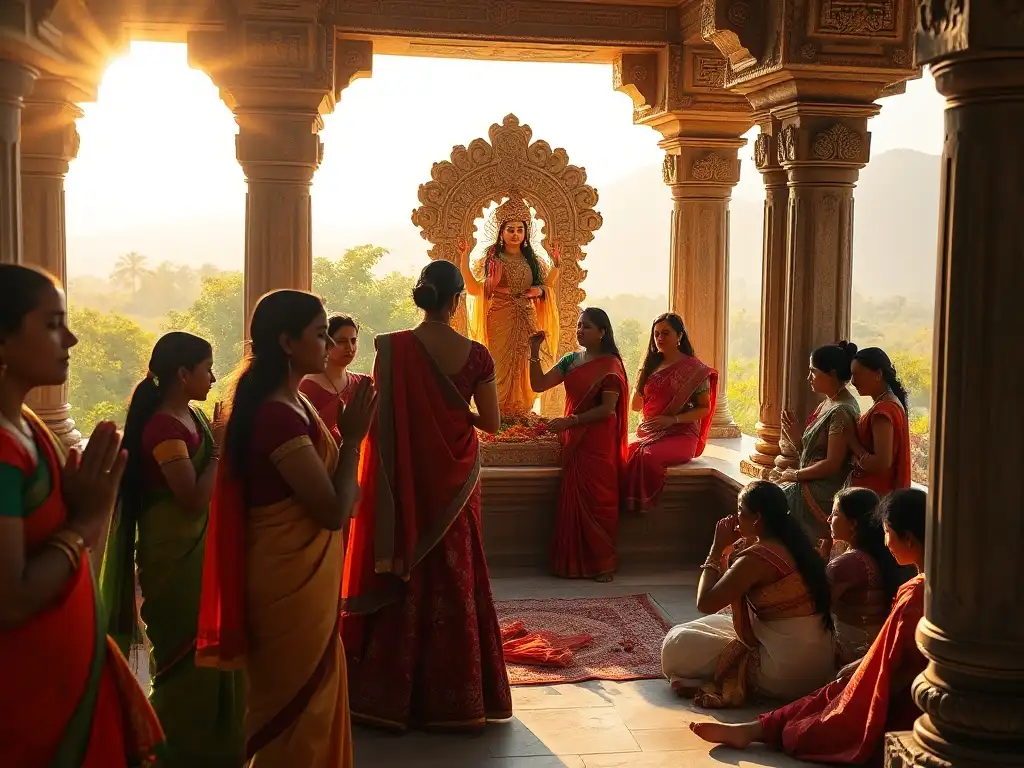
Welcome to Ancient India History, where we embark on a journey through time to uncover the rich tapestry of India's past. Today, we shine a spotlight on a captivating aspect of this history: the transformative role of women in ancient Indian spirituality. From the wise sages of the Indus Valley to the influential figures of the Gupta Empire, women have played a crucial part in shaping spiritual movements and cultural narratives.
Prepare to dive deep into their remarkable contributions and discover how their legacies resonate in our understanding of spirituality today. Join us as we explore the profound impact of these women and unravel the stories that have often been left untold!
Introduction to Women in Ancient Indian Spirituality
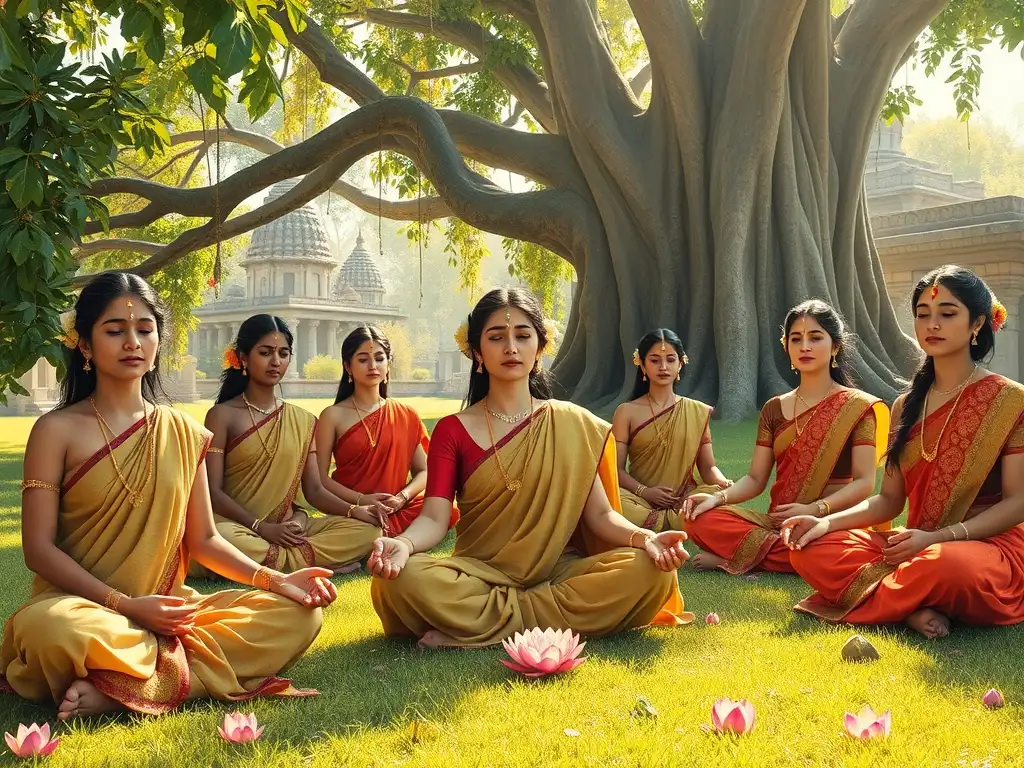
The role of women in ancient Indian spirituality is a fascinating and complex subject that reflects the diverse cultural and philosophical landscape of the subcontinent. From the early Vedic period to the flourishing of various spiritual movements, women were not mere bystanders in the evolution of spirituality; they played transformative roles that shaped religious practices, philosophical discourses, and social norms.
Their contributions, often overlooked in mainstream historical narratives, reveal a tapestry of empowerment, knowledge, and leadership that is critical to understanding the full scope of ancient Indian spirituality. This article delves into the significant impact women had on spiritual traditions, highlighting their pivotal roles and the structures that both constrained and empowered them within these movements.
Overview of Spiritual Movements in Ancient India
Ancient India witnessed a plethora of spiritual movements, each contributing uniquely to the rich tapestry of its religious landscape. The Vedic tradition laid the foundation for numerous philosophies, rituals, and practices, while the emergence of sects such as Buddhism and Jainism introduced radical ideas that challenged existing norms.
- Vedic Period: Characterized by the composition of hymns and rituals, women like Gargi and Maitreyi were celebrated for their intellectual contributions.
- Buddhism and Jainism: Both movements advocated for the inclusion of women, allowing them to become nuns and spiritual leaders, thus contributing to the democratization of spiritual practices.
- Bhakti Movement: This movement saw the rise of female saints like Mirabai, whose poetry and devotion challenged social hierarchies and inspired countless followers.
The interplay of these movements created an environment where women's spiritual expressions thrived, revealing their essential roles in shaping ancient Indian spirituality.
Importance of Women in Shaping Spiritual Traditions
Women were crucial in the creation and dissemination of spiritual ideas and practices in ancient India. Their involvement can be categorized into various dimensions:
- Philosophical Contributors: Women like Gargi and Maitreyi posed profound questions about existence and spirituality in philosophical discussions, influencing the intellectual landscape.
- Spiritual Leaders: Female figures often emerged as spiritual leaders, guiding communities in practices that emphasized devotion and personal experience over rigid orthodoxy.
- Cultural Transmission: Women were instrumental in transmitting spiritual knowledge through oral traditions, rituals, and family practices, ensuring the continuity of spiritual teachings across generations.
By engaging actively in spiritual movements, women not only shaped religious practices but also challenged the societal norms of their times, paving the way for future generations.
Historical Context of Women in Ancient Indian Spirituality
Understanding the historical context is crucial to appreciating the roles women played in ancient Indian spirituality. The societal frameworks of ancient India both influenced and were influenced by the spiritual movements that emerged.
The Role of Women in Early Indian Society
In early Indian society, women's roles were multifaceted, often oscillating between reverence and restriction. While texts like the Rigveda celebrated women's wisdom and autonomy, societal norms frequently limited their participation in public life.
- Household and Spirituality: Women were often regarded as the keepers of domestic spirituality, responsible for rituals that maintained household harmony and piety.
- Access to Education: In some periods, women had access to education and philosophical discourse, enabling them to engage actively in spiritual discussions and practices.
The interplay of these factors shaped the unique contributions women made to the spiritual landscape of ancient India.
Key Texts Reflecting Women's Spiritual Roles
Several ancient texts provide insights into the spiritual roles of women, illustrating their significance in various movements:
- The Upanishads: These philosophical texts highlight the dialogues between male and female sages, showcasing women's intellectual engagement.
- The Puranas: These texts contain narratives of powerful goddesses and female saints, emphasizing women's spiritual authority.
- Buddhist Scriptures: They include accounts of female monks and laywomen who played vital roles in the early Buddhist community, reflecting the inclusive nature of the movement.
These texts not only document women's contributions but also serve as powerful reminders of their enduring legacy in shaping the spiritual traditions of ancient India.
The transformative role of women in ancient Indian spirituality is a profound testament to their resilience, intellect, and spiritual prowess. By exploring their contributions, we gain a richer understanding of the complexities of ancient Indian history and the vital roles women played within it.
Prominent Women Figures in Ancient Indian Spiritual Movements
Throughout the rich tapestry of ancient Indian spirituality, women have played crucial roles, often as spiritual leaders, philosophers, and saints. Their contributions not only shaped the spiritual landscape of their time but also laid the groundwork for future generations in spiritual thought. Women such as Gargi, Maitreyi, and the revered female saints of the Bhakti movement exemplify the transformative influence women had in ancient Indian spiritual movements. These figures challenged societal norms and expanded the scope of spiritual discourse, making significant contributions to philosophy, spirituality, and religious practices.
Female Saints and Philosophers
Female saints and philosophers in ancient India were instrumental in advocating for spiritual understanding and reform. Gargi, a prominent sage from the Vedic era, is celebrated for her profound philosophical inquiries and debates, showcasing women's intellectual capabilities in a predominantly male-dominated sphere. Maitreyi, another notable figure, is known for her philosophical discussions with her husband, Yajnavalkya, which addressed deep questions of existence and personal identity.
Moreover, the Bhakti movement saw the emergence of several female saints, such as Mirabai, who expressed their devotion through poetry and song. These women not only articulated their spiritual experiences but also challenged the hierarchical structures of religious practice, emphasizing personal devotion over ritualistic adherence. Their teachings continue to inspire movements for gender equality within spiritual contexts today.
Contributions of Women to Vedic and Upanishadic Thought
Women contributed significantly to Vedic and Upanishadic thought, engaging in discussions that shaped Hindu philosophy. The Vedas, considered the oldest sacred texts of Hinduism, include verses attributed to female sages known as Rishikas. These verses often reflect a deep understanding of cosmic principles and the nature of the self, indicating that women were not merely passive recipients of knowledge but active contributors to spiritual discourse.
In the Upanishads, women like Maitreyi and Gargi engage in philosophical dialogues that challenge the patriarchal norms of their time. Their inquiries delve into the nature of reality and the self, offering insights that have resonated through centuries of philosophical thought. The presence of these women in spiritual texts underscores the importance of diverse voices in shaping religious and philosophical frameworks, highlighting that women were integral to the spiritual evolution of ancient India.
Trailblazers of Bhakti Movement: The Impact of Female Saints
The Bhakti movement, which emerged between the 7th and 17th centuries, marked a significant spiritual renaissance in India, characterized by personal devotion to a deity and a rejection of caste barriers. Female saints played a pivotal role in this movement, serving as trailblazers who articulated their spiritual experiences and challenged societal norms.
Mirabai, perhaps the most famous female figure of the Bhakti movement, expressed her devotion to Lord Krishna through poetry and song, addressing themes of love, devotion, and personal sacrifice. Her works transcended social boundaries and inspired countless followers, reinforcing the idea that spirituality was accessible to all, regardless of gender or caste.
Other notable female saints, such as Akka Mahadevi and Andal, used their artistic expressions to convey powerful messages about love and devotion. Their contributions not only enriched the spiritual landscape of their time but also provided a platform for future generations of women to express their spirituality freely and creatively.
Women in Religious Practices and Rituals
Women have historically played essential roles in various religious practices and rituals in ancient India. Their participation in these spiritual activities not only reflects their devotion but also illustrates the evolving perception of women's roles in religious contexts. From Vedic rituals to temple worship, women contributed significantly to the spiritual fabric of society.
Participation of Women in Vedic Rituals
In Vedic society, women were actively involved in religious rituals, which were integral to community life. They participated in ceremonies such as yajnas (sacrificial rituals), which were performed to appease deities and ensure prosperity. Historical texts indicate that women not only attended these rituals but also performed specific rites and recited Vedic hymns, showcasing their spiritual agency.
The Rigveda contains hymns composed by women, indicating that they were not only participants but also creators of religious texts. This active involvement in Vedic rituals highlights the significant spiritual contributions of women, challenging the notion that their roles were limited to domestic spheres. Their participation in these rituals reflected a broader understanding of spirituality as a communal and inclusive practice.
Women's Roles in Temples and Spiritual Gatherings
Women's roles in temples and spiritual gatherings were multifaceted, extending beyond mere attendance to active participation in the organization and execution of rituals. In many temples, women served as priestesses, leading worship and rituals, thus holding positions of spiritual authority.
Moreover, spiritual gatherings often included women as speakers and leaders, facilitating discussions on philosophy and spirituality. Their presence in these spaces contributed to a more inclusive approach to religious practice, encouraging the participation of diverse voices in spiritual discourse. This active engagement in temple activities and spiritual gatherings underscores the essential role women played in shaping the religious landscape of ancient India, paving the way for future generations to continue advocating for women's participation in spiritual and religious practices.
The Influence of Women on Philosophical Thought
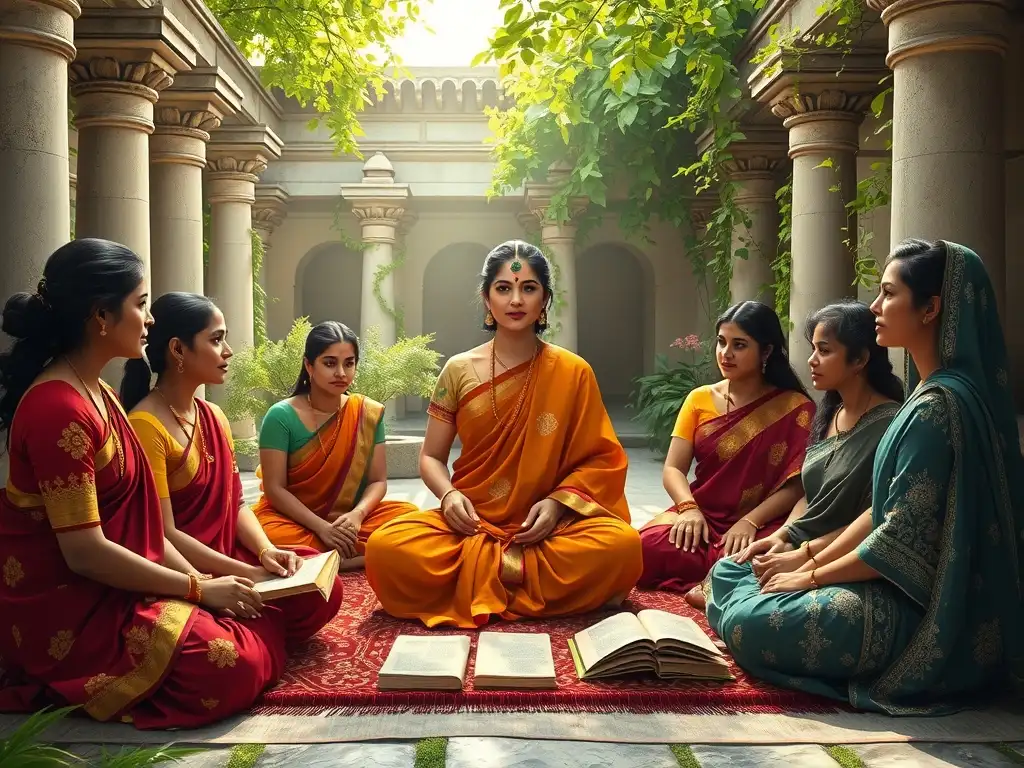
The role of women in ancient Indian spirituality cannot be understated, particularly in the realm of philosophical thought. Women contributed significantly to the development of ideas and discourses that shaped the spiritual landscape of ancient India. Their perspectives often introduced a more inclusive and holistic view of existence, which emphasized the interconnectedness of all beings. Among various schools of thought, the voices of women philosophers like Gargi and Maitreyi stand out as pivotal in challenging and expanding the prevailing narratives of their time.
Additionally, women were often seen as repositories of wisdom, holding knowledge that was passed down through generations. This oral tradition not only preserved philosophical ideas but also allowed for a dynamic interaction between male and female thinkers. As a result, women's contributions enriched the philosophical discourse, leading to a more comprehensive understanding of concepts such as dharma (duty), moksha (liberation), and the nature of the self.
Contributions to Philosophical Discourses by Women
Women in ancient India made notable contributions to philosophical discourses, particularly through texts such as the Upanishads, where figures like Gargi and Maitreyi engaged in profound dialogues with male sages. Gargi, for instance, is recognized for her challenging questions about the nature of Brahman (the ultimate reality), showcasing not only her intellect but also her assertiveness in a male-dominated environment. Maitreyi, on the other hand, is famous for her philosophical inquiry into the nature of immortality, reflecting a deep engagement with existential themes.
Furthermore, the role of women in spiritual movements often intersected with philosophical inquiry, as many female practitioners sought to understand the metaphysical implications of their spiritual experiences. This integration of personal experience with philosophical exploration provided a unique lens through which ancient Indian spirituality was interpreted and understood.
The Integration of Feminine Perspectives in Ancient Indian Philosophy
Feminine perspectives in ancient Indian philosophy introduced a vital counterpoint to predominantly masculine viewpoints, enriching the discourse. Women thinkers often emphasized themes such as compassion, nurturing, and the importance of emotional intelligence, which were sometimes overlooked in male-centric philosophies. This integration of feminine values fostered a more nuanced understanding of spirituality, where the emotional and relational aspects of existence were given due consideration.
Moreover, the acknowledgment of the feminine divine in various spiritual traditions, such as Shaktism, further highlights the importance of women's perspectives in shaping philosophical thought. The representation of goddesses as embodiments of wisdom and strength in these traditions served to elevate the status of women and underscore their integral role in the spiritual and philosophical domains of ancient India.
Gender Dynamics in Spiritual Leadership
The dynamics of gender within spiritual leadership in ancient India were complex and multifaceted. While women played crucial roles as spiritual leaders and teachers, societal structures often imposed limitations on their authority and visibility. Nevertheless, many women transcended these barriers, establishing themselves as influential figures in various spiritual traditions.
Women as Spiritual Leaders and Gurus
Women served as spiritual leaders and gurus, guiding their followers through teachings that often reflected their unique experiences and insights. Figures such as Mirabai, a 16th-century poet-saint, exemplify the powerful role women played in spiritual movements. Mirabai's devotion to Lord Krishna and her poetic expressions challenged social norms and inspired countless individuals to explore spirituality outside traditional boundaries.
In various sects and movements, women were revered as spiritual authorities, often leading devotional practices and rituals. Their contributions were not merely supportive but foundational, as they articulated spiritual philosophies that resonated with the broader community. This leadership role allowed women to forge paths for future generations, establishing legacies that continue to influence spiritual practices today.
The Challenges Faced by Women in Spiritual Hierarchies
Despite their significant contributions, women in ancient Indian spiritual movements faced considerable challenges within established spiritual hierarchies. Patriarchal norms often relegated them to secondary roles, limiting their access to formal education and leadership positions. Consequently, many women had to navigate complex social dynamics to assert their authority in spiritual contexts.
Moreover, the intersection of gender and class further complicated the experiences of women in spiritual leadership. While some women from higher castes could gain recognition, those from lower castes or marginalized backgrounds encountered additional barriers. This disparity highlights the need for a more nuanced understanding of the challenges women faced in asserting their roles within spiritual and philosophical traditions.
The transformative role of women in ancient Indian spiritual movements is a testament to their resilience and intellect. Their contributions to philosophical thought and spiritual leadership not only shaped the spiritual landscape of their time but continue to inspire contemporary discourse on gender and spirituality.
The Legacy of Women in Ancient Indian Spirituality
The legacy of women in ancient Indian spirituality is profound and multifaceted, shaping not only religious practices but also philosophical discourses. Women in ancient India held significant roles as spiritual leaders, philosophers, and practitioners. Texts such as the Vedas and Upanishads highlight the contributions of women like Gargi and Maitreyi, who engaged in philosophical dialogues and were respected for their intellect and insights. Their presence in these sacred texts serves as a testament to the importance of female voices in spiritual matters.
Furthermore, the Bhakti movement, which emerged in medieval India, saw women like Mirabai and Akka Mahadevi rise as prominent figures who expressed their devotion through poetry and song. These women transcended societal norms, advocating for personal spirituality and direct communion with the divine, often challenging patriarchal structures in the process. As a result, their contributions have left an indelible mark on both the spiritual landscape and cultural heritage of India.
This legacy continues to inspire contemporary movements, as modern spiritual practices draw from the rich tapestry of women's contributions to spirituality in ancient India. The recognition of these figures not only enriches our understanding of history but also highlights the essential role women have played in shaping spiritual thought and practice.
The Lasting Impact of Women on Modern Spiritual Practices
The impact of women in ancient Indian spirituality extends into modern practices, where their teachings and philosophies continue to resonate. Contemporary spiritual leaders often reference the works of historical figures like Mirabai, whose poetry emphasizes love and devotion, serving as a foundation for various devotional movements today.
In recent years, there has been a resurgence of interest in feminine spirituality, with many modern practitioners seeking to reconnect with the teachings and philosophies of women from ancient times. Workshops, retreats, and literature focused on women's spirituality highlight themes of empowerment, intuition, and the divine feminine. This is evident in the growing popularity of practices like yoga and meditation, which often incorporate elements of the spiritual teachings attributed to ancient women.
Moreover, the feminist movements within spiritual communities are increasingly reclaiming the legacies of these historical figures, advocating for gender equality and inclusivity in spiritual practices. As a result, the transformative role of women in ancient Indian spirituality continues to inspire new generations seeking a holistic and inclusive approach to spirituality.
Preservation of Women's Contributions in Historical Narratives
The preservation of women’s contributions within historical narratives is essential for a comprehensive understanding of ancient Indian spirituality. Unfortunately, many historical accounts have often marginalized or overlooked female figures, leading to a skewed perception of their roles. However, scholars and historians are increasingly recognizing the importance of integrating women's voices into the broader narrative of spiritual history.
Efforts to document and celebrate these contributions have led to the publication of works that specifically focus on women in spirituality, highlighting their teachings and practices. Research into ancient texts and oral traditions has unveiled the significance of female figures, encouraging a re-evaluation of their roles in shaping spiritual discourse.
Additionally, the digital age has provided platforms for sharing stories and lessons from these women, making their teachings accessible to a global audience. Social media, podcasts, and online courses dedicated to women in spirituality have emerged, creating spaces for dialogue and learning that honor their legacy.
Conclusion on the Transformative Role of Women in Ancient Indian Spiritual Movements
The exploration of women's roles in ancient Indian spiritual movements reveals a rich and transformative legacy that has shaped religious practices and philosophical thought. Their contributions have not only enriched the spiritual landscape of ancient India but have also laid the groundwork for ongoing discussions about gender and spirituality in the modern era.
Recap of Key Contributions and Their Significance
The key contributions of women in ancient Indian spirituality include their roles as philosophers, poets, and spiritual leaders. Figures such as Gargi and Maitreyi challenged the norms of their time, engaging in intellectual pursuits and advocating for personal spirituality. The Bhakti movement further exemplifies the significance of women, with figures like Mirabai and Akka Mahadevi inspiring devotion and challenging societal constraints.
These contributions are vital not only for understanding the historical context of spirituality in India but also for appreciating the ongoing influence of these women in contemporary spiritual practices. Their teachings resonate with themes of love, devotion, empowerment, and the importance of diverse voices in spiritual discourse.
Encouraging Further Exploration of Women in Ancient Indian Spirituality
To fully appreciate the transformative role of women in ancient Indian spirituality, it is crucial to encourage further exploration into their contributions. This can be achieved through academic research, community discussions, and public engagements that spotlight the stories and teachings of these women.
Books, documentaries, and workshops dedicated to women's spirituality can foster a deeper understanding of their impact on contemporary practices. By amplifying the voices of women from ancient times, we not only honor their legacy but also enrich the spiritual landscape today, promoting inclusivity and diversity within spiritual communities.
Encouraging this exploration paves the way for a more holistic understanding of spirituality, recognizing the integral role women have played and continue to play in shaping religious and philosophical thought.
- Introduction to Women in Ancient Indian Spirituality
- Historical Context of Women in Ancient Indian Spirituality
- Prominent Women Figures in Ancient Indian Spiritual Movements
- Women in Religious Practices and Rituals
- The Influence of Women on Philosophical Thought
- Gender Dynamics in Spiritual Leadership
- The Legacy of Women in Ancient Indian Spirituality
- Conclusion on the Transformative Role of Women in Ancient Indian Spiritual Movements
Frequently Asked Questions
What was the role of women in ancient Indian spirituality?
Women in ancient Indian spirituality played a transformative role, often as spiritual leaders, poets, and philosophers, influencing religious practices and beliefs significantly.
How did ancient texts portray women in spiritual contexts?
Ancient texts, such as the Vedas and Upanishads, often depicted women as wise sages and goddesses, highlighting their importance and contributions to spiritual thought and practice.
Were women allowed to participate in religious rituals?
Yes, women actively participated in religious rituals, often taking on vital roles that were essential for the success of the ceremonies, reflecting their integral presence in spiritual life.
What contributions did women make to ancient Indian philosophy?
Women contributed to ancient Indian philosophy through literature, debate, and spiritual discourse, enriching the philosophical landscape with their unique perspectives and insights.
How did the status of women in spirituality change over time?
The status of women in spirituality saw fluctuations over time, with periods of increased recognition and empowerment, followed by times of restriction, reflecting broader societal changes in ancient India.
Final Reflection: The Enduring Legacy of Women in Ancient Indian Spirituality
The transformative role of women in ancient Indian spirituality remains profoundly relevant today, as we continue to seek balance and inclusivity in spiritual practices. The historical contributions of women, often overshadowed by their male counterparts, serve as a powerful reminder of the essential voices that have shaped spiritual thought and practice throughout the ages. Their stories not only inspire us but also challenge us to rethink the narratives we accept about spirituality and leadership.
Clearly, the influence of women in ancient Indian spiritual movements has left an indelible mark on our cultural and social landscape. Their teachings and practices resonate in contemporary spiritual discussions, emphasizing the importance of inclusivity and diversity. As we navigate a world that often marginalizes women's contributions, we must remember the words of the poet Rumi: The wound is the place where the Light enters you.
This quote encapsulates the idea that through acknowledging the struggles and triumphs of women in spirituality, we can illuminate our own paths toward understanding and growth.
As we reflect on the lessons from these remarkable women, I invite you to consider how their legacies can inspire your own spiritual journey. Embrace the wisdom of the past and allow it to guide your present and future. Engage with the teachings of these spiritual pioneers, and let their stories empower you to seek balance, compassion, and inclusivity in your own spiritual practices. Together, we can honor their contributions and ensure that the voices of women in ancient Indian spirituality continue to resonate for generations to come.
Unveil the Strength of Women's Spirituality in Ancient India!
Thank you for diving into the inspiring journey of women in ancient Indian spiritual movements. Your engagement with this vital part of history showcases the importance of acknowledging their transformative roles. Now, it's time to take that inspiration further and explore how these teachings can resonate in your life today.
Here are some immediate actions you can take:
- Discover a local or online community focused on women's spirituality or cultural heritage; connect, share, and empower one another.
- Read a book or watch a documentary that delves deeper into the lives and teachings of significant women from this era to enrich your understanding.
- Share your insights from this article with friends or on social media to spark conversations about the contributions of women throughout history and their relevance today.
What aspect of women's spiritual journeys in ancient India resonates most with you, and how do you envision it influencing your life or community today?