
The Significance of Precious Stones and Metals in Ancient Indian Trade

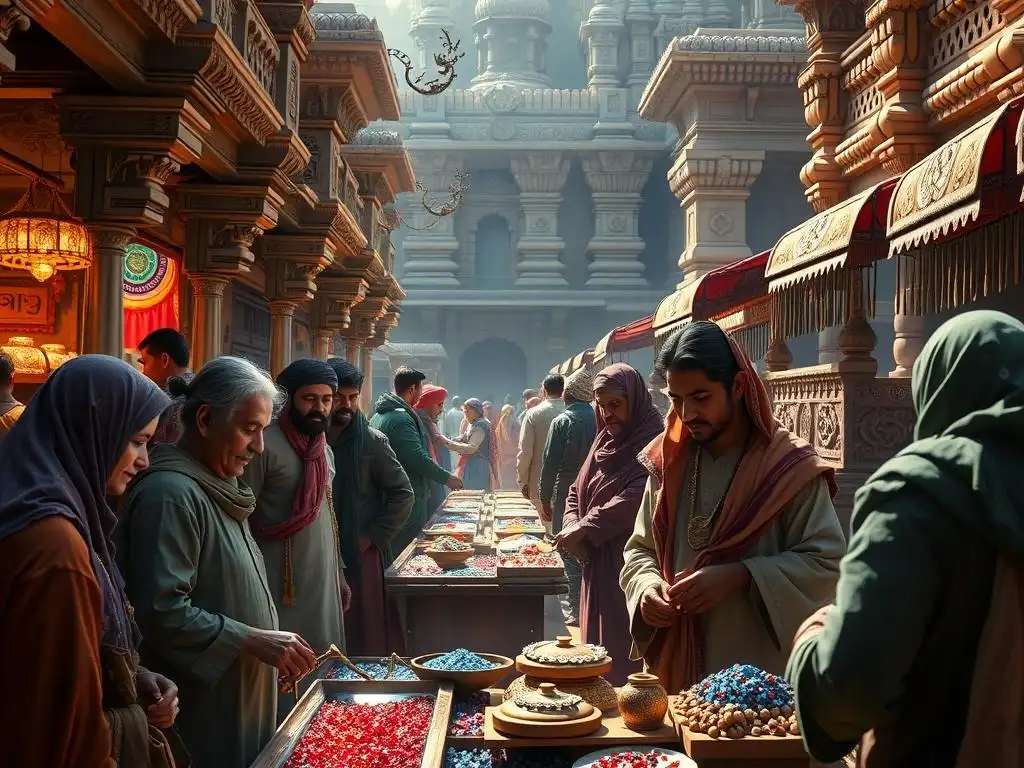
Welcome to Ancient India History, where we embark on a fascinating journey through the rich tapestry of ancient Indian civilizations! In this exploration, we delve into the significance of precious stones and metals in ancient Indian trade, uncovering the intricate networks and cultural exchanges that shaped economies and societies. What drove the allure of these gemstones?
How did they influence trade routes and relationships with distant lands? Join us as we uncover the jewels of knowledge that await, sparking your curiosity and deepening your understanding of this remarkable era. Dive in to discover the treasures of history that still resonate today!
Introduction to Ancient Indian Trade
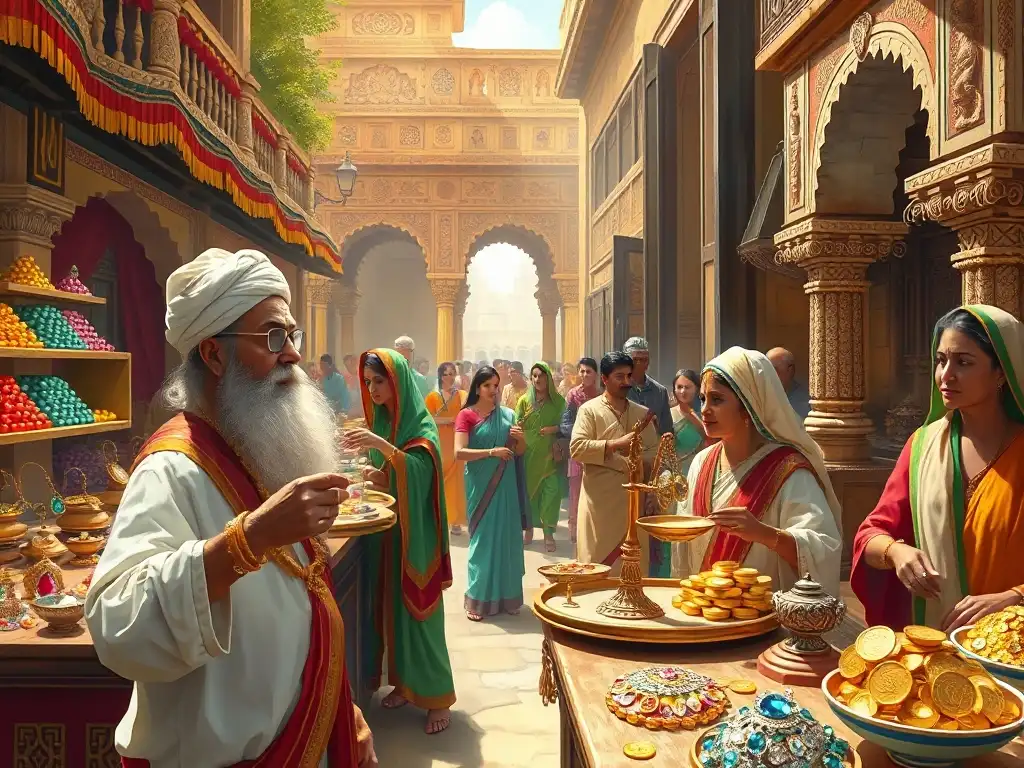
Ancient Indian trade was a complex and multifaceted system that played a pivotal role in the economic, cultural, and social development of the subcontinent. As early as the Indus Valley Civilization, which flourished around 2500 BCE, ancient Indians engaged in trade not only within their local communities but also with distant civilizations, including Mesopotamia, Egypt, and beyond. The trade networks established during these times facilitated the exchange of goods, ideas, and cultural practices, leading to a rich tapestry of interactions.
Among the most sought-after commodities in these exchanges were precious stones and metals, which held significant value in both domestic and international markets. Understanding the significance of these materials in ancient Indian trade provides insight into the economic practices and systems that shaped the prosperity of early Indian societies.
Overview of Trade Practices in Ancient India
The trade practices of ancient India were characterized by a vibrant exchange system that utilized various modes of transportation, including land routes, rivers, and maritime pathways. Key features of these practices included:
- Barter System: The initial trade was primarily barter-based, where goods were exchanged directly without the use of currency.
- Emergence of Coinage: Over time, the introduction of metal coins, particularly during the Maurya and Gupta empires, revolutionized trade practices, enabling more efficient transactions.
- Marketplaces: Urban centers became bustling marketplaces where merchants, craftsmen, and traders congregated to buy and sell goods, fostering economic activity.
- Regulations: Trade was often regulated by local rulers, ensuring fair practices and the collection of taxes on goods traded.
Importance of Precious Stones and Metals in Economic Systems
Precious stones and metals served as crucial components within the economic systems of ancient India. Their importance can be highlighted through several key points:
- Wealth and Status: Possession of valuable gems and metals symbolized wealth and social status, often used as gifts or offerings to deities.
- Cultural Significance: Many stones were believed to have spiritual significance, influencing their use in jewelry and ornamentation.
- Trade Value: Precious stones such as diamonds, rubies, sapphires, and emeralds were highly sought after, both domestically and in foreign markets, enhancing India's status as a trading hub.
- Economic Stability: The trade in these commodities contributed to the economic stability of ancient kingdoms, providing resources for state-building and military endeavors.
Historical Context of Precious Stones in Ancient India
The historical context surrounding the trade of precious stones in ancient India is rich and varied, reflecting the evolving nature of commerce over centuries.
The Role of Precious Stones in Early Indian Civilizations
From the earliest civilizations, precious stones were integral to both trade and cultural practices. The Indus Valley Civilization, for instance, was known for its skilled craftsmanship in bead-making and jewelry, utilizing local materials such as lapis lazuli and carnelian. As trade routes expanded, these civilizations began to incorporate exotic stones from distant lands, adding to their wealth and cultural richness. Notable mentions include:
- The use of gemstones in royal adornments: Kings and queens adorned themselves with intricately designed jewelry, often embedded with precious stones, which signified their power and divine right to rule.
- Cultural exchanges: The trade of these gemstones facilitated interactions with neighboring cultures, leading to the diffusion of artistic techniques and styles.
Trade Routes and Their Impact on Precious Stones
The trade routes that connected ancient India with the wider world had a profound impact on the availability and significance of precious stones. Key aspects include:
- Silk Road: This network not only facilitated the exchange of silk but also served as a conduit for the trade of precious stones, allowing Indian merchants to access markets in Central Asia and beyond.
- Maritime Trade: India's extensive coastline enabled maritime trade with regions such as the Arabian Peninsula and Southeast Asia, further enriching the diversity of gemstones available.
- Cultural Interactions: Trade routes were not merely pathways for goods; they were also channels for cultural and technological exchanges, influencing the techniques used in gemstone cutting and jewelry-making.
Through the examination of these historical aspects, one can appreciate the significant role that precious stones and metals played in shaping the economic landscape of ancient India, underlining the importance of "Ancient Indian trade precious stones" in understanding the broader context of historical economic practices.
Types of Precious Stones Used in Ancient Indian Trade
Ancient India was renowned for its rich deposits of precious stones, which played a vital role in trade both domestically and internationally. The trade of these gems not only contributed to the economy but also reflected the intricate craftsmanship and cultural significance associated with each stone. Precious stones were often used as adornments, currency, and symbols of status, making them highly sought after in ancient markets. Indian traders established extensive networks, facilitating the exchange of these precious gems with regions as far as the Middle East, Europe, and Southeast Asia.
Diamonds: The Gem of Kings
Diamonds, known as "vajra" in Sanskrit, were among the most coveted gems in ancient Indian trade, often associated with royalty and divine power. The earliest records of diamonds in India date back to around the 4th century BCE, with significant deposits found in the Golconda region. These diamonds were not only valued for their beauty but also for their supposed mystical properties, believed to bring protection and strength to their wearers.
The trade routes established during this time facilitated the exchange of diamonds with other civilizations, including the Greeks and Romans. Notably, the famous diamonds such as the Koh-i-Noor and the Hope Diamond have roots tracing back to Indian mines, showcasing the historical importance of these gems. The demand for diamonds in ancient markets positioned India as a pivotal center for diamond trade, influencing global perceptions of these precious stones.
Rubies and Sapphires: Symbolism and Value
Rubies and sapphires were also significant in ancient Indian trade, each carrying its unique symbolism and value. Rubies, regarded as the "king of gemstones," were believed to embody vitality and passion. They were often associated with the sun and were thought to possess protective qualities, making them desirable among royalty and nobility.
Sapphires, on the other hand, were linked to wisdom and nobility. The blue variety was particularly prized, symbolizing serenity and loyalty. Both rubies and sapphires were intricately cut and set into jewelry, reflecting the advanced craftsmanship of ancient Indian artisans.
Trade in these stones flourished, with merchants traveling vast distances to acquire them. The allure of rubies and sapphires not only enriched the economy but also contributed to the cultural tapestry of ancient Indian society, where these gems held a profound place in art, tradition, and spirituality.
Other Notable Precious Stones in Ancient Trade
In addition to diamonds, rubies, and sapphires, several other precious stones played essential roles in ancient Indian trade. Emeralds, for instance, were highly valued for their vibrant green color and were often associated with the goddess of wealth. They were believed to enhance intelligence and promote love.
Other notable stones included garnets, which were used in jewelry and as talismans, and pearls, cherished for their purity and beauty. The trade of these stones was not just a commercial endeavor but also a cultural exchange, as they were often imbued with religious and philosophical significance. The diversity of precious stones available in ancient India contributed to a rich trading culture that resonated across continents.
The Role of Metals in Ancient Indian Economy
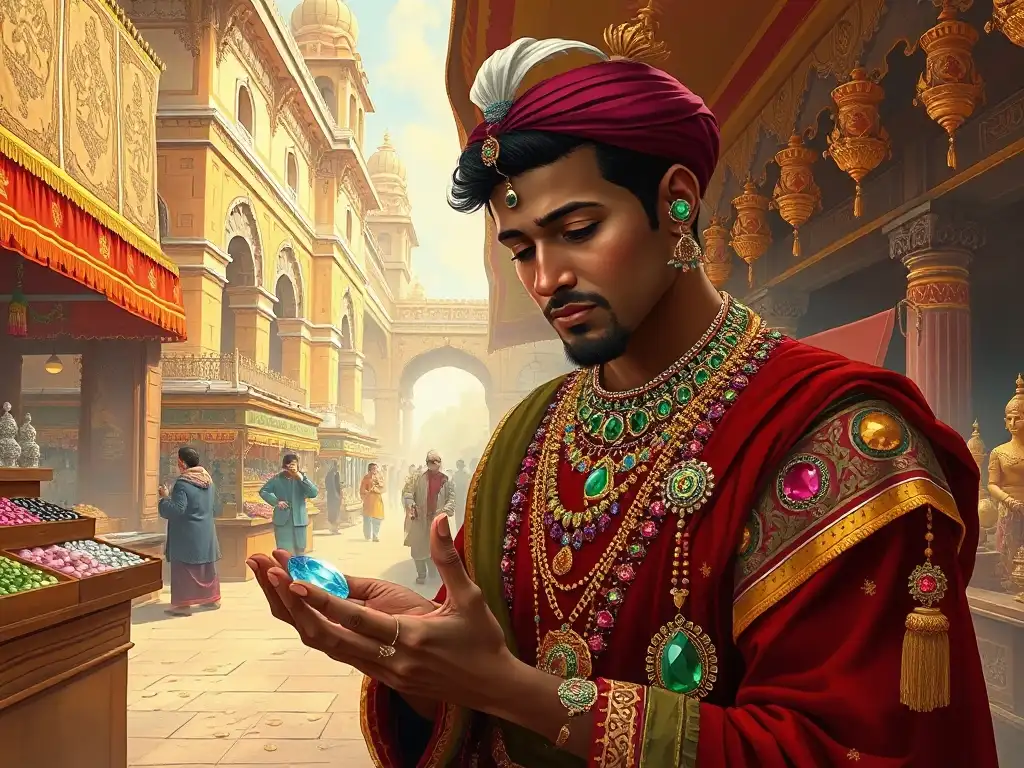
Metals played a crucial role in the economic practices of ancient India, serving various functions from currency to tools, and significantly impacting trade. Gold and silver were not only precious metals but also served as important mediums of exchange. Their intrinsic value made them desirable commodities in both domestic and international trade networks. Additionally, copper and bronze were essential for creating tools and weapons, facilitating agricultural and military advancements that further bolstered the economy.
Gold and Silver: Currency and Status Symbols
Gold and silver were the backbone of ancient Indian trade, utilized as currency and status symbols. Gold, often referred to as "hirak" in ancient texts, was viewed as a universal medium of exchange, while silver was used for smaller transactions. The purity and weight of these metals were meticulously measured, and standardized coins made from gold and silver emerged as a significant feature of trade.
These precious metals were not only valuable in transactions but also served as a representation of wealth and social standing. Kings and wealthy merchants adorned themselves with gold and silver jewelry, showcasing their status and power. The allure of gold and silver attracted traders from distant lands, leading to thriving trade routes that connected India to various parts of the world, including Persia and the Mediterranean.
Copper and Bronze: Practical Uses in Trade
Copper and bronze were essential for practical applications in ancient Indian society, significantly impacting trade and economy. Copper, known for its malleability, was used to create tools, utensils, and weapons. The discovery of metallurgy in ancient India allowed for the production of high-quality copper items, which were traded extensively.
Bronze, an alloy of copper and tin, was used for creating more durable tools and weapons, enhancing agricultural productivity and military capabilities. The manufacturing of bronze artifacts also contributed to the craftsmanship and artistic expressions of the time. The trade of these metals not only supported local economies but also facilitated cultural exchanges, as artisans and traders shared techniques and designs across regions.
The significance of precious stones and metals in ancient Indian trade is a testament to the advanced economic systems and rich cultural heritage of the time. The intricate relationships between these commodities and their societal implications continue to be a fascinating area of study in understanding ancient Indian civilization.
Cultural Significance of Precious Stones and Metals
Precious stones and metals held a profound cultural significance in ancient Indian society, intertwining with various aspects of life, from identity and status to spirituality and artistic expression. These materials were not merely valued for their economic worth; they were deeply embedded in the social fabric and cultural practices of the time.
The intricate craftsmanship associated with jewelry and artifacts made from precious stones and metals served as a testament to the advanced skills of ancient artisans. Moreover, the colors and varieties of these stones often symbolized different virtues, properties, and even astrological significance. This cultural reverence for precious stones and metals is evident in ancient texts and inscriptions, which often highlight their role in signifying wealth, power, and divine favor.
Jewelry and Adornment in Ancient Indian Society
In ancient India, jewelry was not just a form of adornment but a reflection of one's social status and identity. Both men and women adorned themselves with various ornaments made from gold, silver, and precious gems such as diamonds, rubies, and emeralds. Each piece of jewelry was often crafted with intricate designs and motifs, showcasing the artisan's skill and the wearer’s status.
For instance, the use of gold in jewelry was particularly significant, as it symbolized purity and prosperity. Different regions developed their unique styles, leading to a rich diversity in jewelry forms, such as necklaces, bangles, and ear ornaments. Jewelry also served practical purposes, such as wealth storage; many families would invest in creating and accumulating precious ornaments as a means of securing their financial stability.
Religious and Ritualistic Uses of Precious Stones
The spiritual dimension of precious stones and metals is reflected in their extensive use in religious rituals and temple architecture. Precious stones were often associated with deities, believed to possess protective and auspicious qualities. For example, certain gems were used in religious ceremonies, with practitioners believing that these stones could invoke blessings from the divine.
Moreover, temples were adorned with intricate carvings and inlaid with precious metals and stones, symbolizing the wealth and devotion of the community. The use of gems in religious contexts extended to amulets and talismans, which were worn for protection and good fortune. The belief in the metaphysical properties of these stones further solidified their importance within ancient Indian spirituality.
Trade Networks and Their Influence on Ancient Indian Trade
The trade networks established by ancient Indian civilizations played a crucial role in the dissemination and exchange of precious stones and metals. These networks not only facilitated economic interactions but also fostered cultural exchanges and the spread of ideas across regions.
Ancient India was strategically located along significant trade routes that connected it to various civilizations, including those in the Middle East, Southeast Asia, and beyond. This positioning enabled India to be a vital hub for the trade of precious stones and metals, contributing to its economic prosperity and cultural richness.
Major Trade Routes Involving Precious Stones and Metals
Several key trade routes were pivotal in the ancient Indian trade of precious stones and metals. One of the most notable was the Silk Road, which connected India to Central Asia and the Mediterranean. This route facilitated the exchange of not only goods but also cultural ideas, art, and religion.
Additionally, maritime trade routes played a significant role in the export of Indian gemstones to foreign lands. The ports along the western coast, such as Lothal and Surat, became bustling centers of trade where gemstones were exchanged for spices, textiles, and other goods. These trade routes allowed Indian artisans to showcase their craftsmanship, leading to the establishment of a reputation for high-quality gemstones worldwide.
Key Trading Partners in Ancient India
Ancient India engaged in trade with various civilizations, each contributing to the rich tapestry of India's economic interactions. Notable trading partners included the Roman Empire, which highly valued Indian spices and gemstones, leading to a flourishing trade relationship.
Other significant partners included the Persian Empire and various states in Southeast Asia, where Indian gemstones were prized for their quality and beauty. The exchange with these civilizations not only enriched India's economy but also facilitated cultural exchanges, influencing art, language, and religious practices across regions. The legacy of these ancient trading partnerships continues to be felt today, highlighting the enduring significance of India's role in global trade networks.
The Decline of Precious Stone Trade in Ancient India
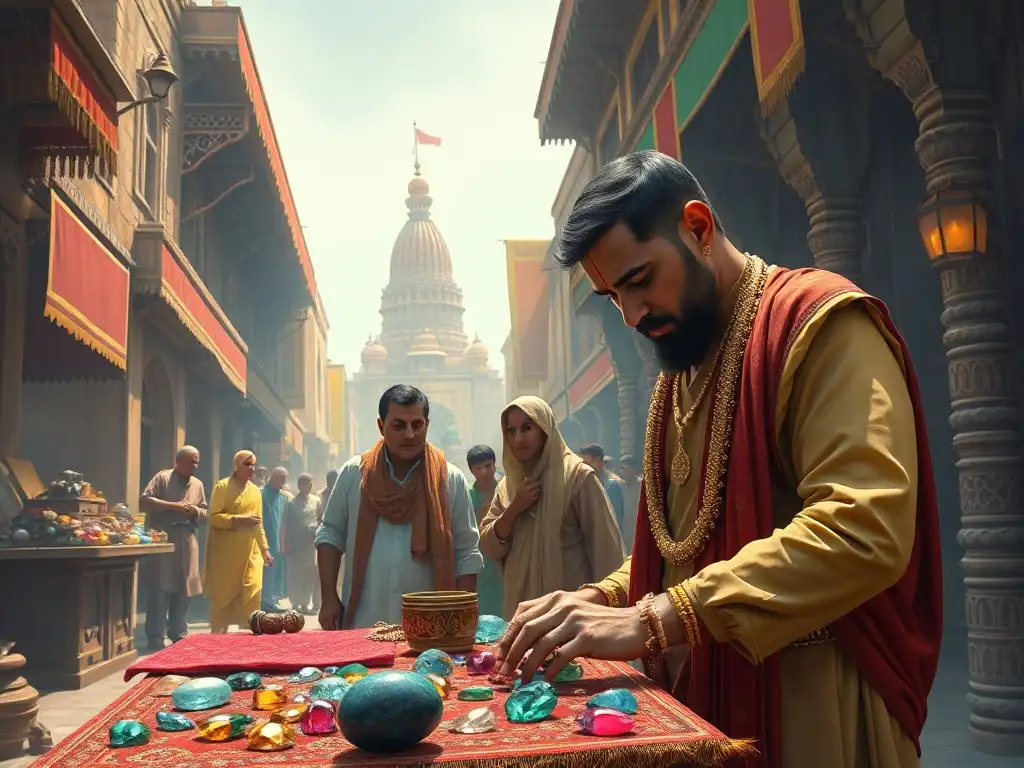
The decline of precious stone trade in ancient India is a complex phenomenon influenced by a myriad of factors. By the late ancient period, particularly during the post-Gupta era, the once-thriving trade of gemstones began to wane significantly. This decline can be attributed to a combination of economic, social, and geopolitical changes that reshaped the landscape of trade in the region.
Factors Leading to Decline in Trade
- Geopolitical Instability: As empires rose and fell, the stability required for trade to flourish was often compromised. The invasions by foreign powers, particularly the Huns and later Islamic conquests, disrupted long-standing trade routes and created an environment of uncertainty. Merchants faced increased risks, leading to a decline in trade activities.
- Shifts in Demand: The changing preferences of consumers within and beyond India also played a significant role. As new materials and styles emerged in other cultures, the demand for traditional Indian gemstones began to dwindle. Additionally, the rise of alternative luxury goods from regions such as Persia and the Mediterranean further diverted attention away from Indian precious stones.
- Economic Changes: The economic structure of ancient India underwent significant transformations. The decline of major dynasties, such as the Guptas, led to a fragmented political landscape where local powers struggled to maintain the same level of trade infrastructure. This lack of unified governance resulted in the deterioration of trade routes and market networks that had previously supported the gemstone trade.
- Technological Advances: The introduction of new mining and processing techniques in other parts of the world, particularly in Europe and Asia, began to challenge India’s historical dominance in gemstone production. These advancements allowed other regions to produce and refine stones more efficiently, thus increasing competition in the global market.
Lasting Impact on the Economy and Culture
The decline of the precious stone trade in ancient India left a profound impact on both the economy and cultural landscape of the region. Economically, the loss of trade revenues contributed to the weakening of local economies that had relied on the gemstone industry. Artisans and traders who specialized in gems faced diminished opportunities, leading to a shift in their livelihoods.
Culturally, the decline also meant a loss of heritage associated with gemstone craftsmanship. The rich traditions of lapidary arts, which had flourished for centuries, saw a reduction in patronage and transmission of skills. As a result, unique styles and techniques that were once prevalent began to fade from collective memory, contributing to a loss of cultural identity linked to these precious materials.
Conclusion: Legacy of Precious Stones and Metals in Ancient Indian Trade
The legacy of precious stones and metals in ancient Indian trade is a testament to the region's rich history and its significant contributions to global trade systems. Despite the decline of this trade, the historical importance of gemstones has not been forgotten.
Reflection on Historical Trade Practices
Ancient Indian trade practices involving precious stones were not merely economic transactions but also cultural exchanges that fostered relationships across vast distances. The routes that facilitated these trades also allowed for the exchange of ideas, art, and philosophy, which enriched Indian culture. The craftsmanship behind gemstone cutting and setting reflected the sophistication of ancient Indian artisans and their ability to blend aesthetics with functionality.
Modern Implications and Continued Interest in Ancient Gems
Today, the fascination with ancient Indian gemstones continues, as modern collectors and historians seek to understand the historical significance and craftsmanship behind these precious materials. The resurgence of interest in traditional jewelry and the revival of ancient techniques are testament to the lasting allure of these artifacts. Furthermore, as global markets evolve, there remains a growing appreciation for the historical context of gemstones, leading to renewed study and exploration of ancient Indian trade practices and their implications for contemporary commerce.
The legacy of precious stones and metals in ancient Indian trade thus serves as a bridge connecting past economic practices with present-day interests, ensuring that the stories of these beautiful materials continue to captivate future generations.
References
The significance of precious stones and metals in ancient Indian trade has been well-documented across various historical texts, archaeological findings, and academic research. These references provide a comprehensive understanding of the economic practices surrounding precious stones in ancient India.
- Archaeological Reports: Excavations in sites like Harappa and Mohenjo-Daro have revealed extensive trade networks and the presence of precious stones, highlighting their role in the economy of the Indus Valley Civilization.
- Historical Texts: Ancient texts such as the Arthashastra by Kautilya outline trade practices and the valuation of precious metals and stones, indicating their economic importance.
- Travel Accounts: Accounts by ancient travelers like Megasthenes and Fa-Hien document the trade of precious materials, providing insights into the international market that ancient India engaged in.
- Modern Studies: Contemporary research articles and books analyze ancient trade routes and their economic implications, shedding light on how precious stones and metals influenced both local and global economies.
Suggested Readings on Ancient Indian Trade and Economy
- "Trade and Traders in Ancient India" by R.C. Majumdar: This book provides a thorough exploration of the commercial practices in ancient India, including the role of precious stones and metals in trade.
- "The Economy of Early India" by R.S. Sharma: A seminal work that delves into the economic systems of ancient India, focusing on trade routes and the significance of valuable commodities.
- "Indus Valley Civilization: A Trade Perspective" by D. P. Agrawal: This text examines the trade practices of the Indus Valley civilization, particularly the use of precious stones in commerce.
- "Ancient Indian Trade and Commerce" by R. C. Agrawal: An insightful study highlighting the various aspects of trade, including the importance of precious materials.
Academic Sources for Further Research
- Journal of Indian History: A peer-reviewed journal featuring articles on various aspects of Indian history, including trade practices in ancient times.
- Economic and Political Weekly: This journal often publishes research related to the historical economy of India, making it a valuable resource for understanding ancient trade dynamics.
- "The Archaeology of Ancient Indian Trade" by N. S. Rajaram: This research paper discusses findings from archaeological sites that illustrate trade relationships and the movement of precious stones and metals.
- "Precious Stones in Ancient Indian Culture" by P. K. Bhattacharya: An academic thesis that investigates the cultural significance of precious stones and their economic implications in ancient Indian society.
Through these resources, readers can gain deeper insights into the intricate world of ancient Indian trade, particularly concerning precious stones and metals, and their lasting impact on the economy and culture of the region.
- Introduction to Ancient Indian Trade
- Historical Context of Precious Stones in Ancient India
- Types of Precious Stones Used in Ancient Indian Trade
- The Role of Metals in Ancient Indian Economy
- Cultural Significance of Precious Stones and Metals
- Trade Networks and Their Influence on Ancient Indian Trade
- The Decline of Precious Stone Trade in Ancient India
- Conclusion: Legacy of Precious Stones and Metals in Ancient Indian Trade
- References
- What were the primary precious stones traded in ancient India?
- How did precious metals factor into ancient Indian trade?
- Which regions were involved in trade with ancient Indian civilizations?
- What impact did ancient Indian trade have on cultural exchange?
- How did the Gupta Empire influence precious stone trade?
Frequently Asked Questions
What were the primary precious stones traded in ancient India?
Ancient India was known for its trade in diamonds, rubies, emeralds, and sapphires, which were highly valued both locally and internationally.
How did precious metals factor into ancient Indian trade?
Gold and silver were significant in ancient Indian trade, serving not only as currency but also as a mark of wealth and status in society.
Which regions were involved in trade with ancient Indian civilizations?
Ancient Indian trade routes connected regions such as Southeast Asia, the Middle East, and Europe, facilitating the exchange of goods including precious stones.
What impact did ancient Indian trade have on cultural exchange?
The trade of precious stones and other goods fostered cultural exchange, leading to the sharing of ideas, art, and technologies between various civilizations.
How did the Gupta Empire influence precious stone trade?
During the Gupta Empire, there was a notable expansion in trade activities, including the flourishing of precious stone craftsmanship, which enhanced international trade relations.
Final Reflection: The Enduring Legacy of Precious Stones in Ancient Indian Trade
The significance of precious stones and metals in ancient Indian trade continues to resonate today, as we uncover the profound impact these commodities had on cultural exchanges and economic development. The intricate networks established by ancient traders not only facilitated the flow of wealth but also fostered a rich tapestry of cultural interactions that shaped civilizations. This historical narrative reminds us that the allure of precious stones is not merely aesthetic; it is intertwined with stories of ambition, artistry, and the human spirit.
Clearly, the influence of precious stones and metals transcends mere economics, weaving itself into the very fabric of society and culture. The legacy of ancient Indian trade is evident in the continued reverence for gemstones in contemporary society, where they symbolize status, beauty, and spirituality. As Mahatma Gandhi once said, “The best way to find yourself is to lose yourself in the service of others.” This sentiment echoes the idea that our connection to these precious materials is not solely about possession but also about the relationships and histories they embody.
As we reflect on the lessons of ancient Indian trade, let us consider how we can apply this understanding to our lives today. Embrace the richness of cultural heritage and recognize the value of interconnectedness in our global society. Whether through supporting ethical sourcing of gemstones or appreciating the stories behind them, we can honor the legacy of those who came before us. Take a moment to reflect on what treasures you hold in your life and how they connect you to a broader narrative of humanity.
Unveil the Treasures of Ancient Trade!
Thank you for diving into the fascinating world of precious stones and metals in ancient Indian trade! You've uncovered not just their historical significance but also the intricate ties they had with culture and economy. Now, it’s time to take that knowledge forward and explore the impact it still has today.
Here’s how you can deepen your understanding and share the wonders of ancient commerce:
- Explore local museums or exhibits that showcase historical artifacts and their stories. Experience history firsthand!
- Share your newfound insights on social media or within community groups to spark conversations about India's rich heritage.
- Consider starting a personal blog or journal to document your thoughts on how ancient trade practices continue to influence modern industry.
How do you think the legacy of ancient trade influences today’s global market? We would love to hear your thoughts!