
Legal Disputes in the Indus Valley Civilization: Evidence from Archaeology

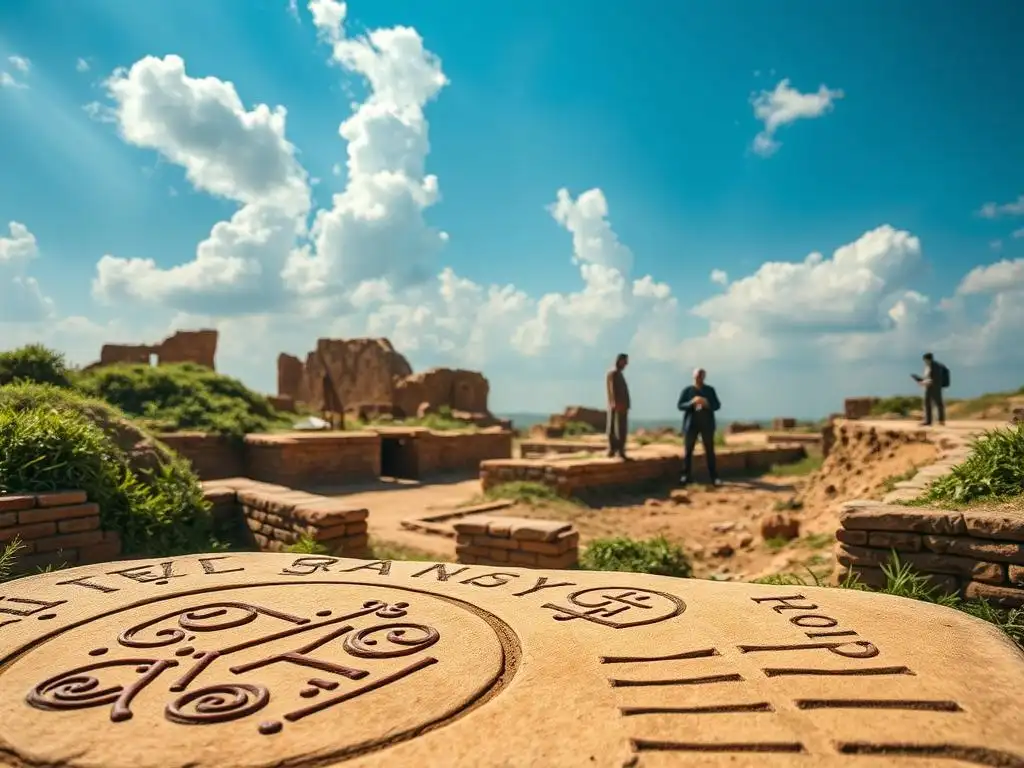
Welcome to Ancient India History, where we invite you to journey through the tapestry of time and uncover the fascinating stories of one of the world's oldest civilizations. In our featured article, "Legal Disputes in the Indus Valley Civilization: Evidence from Archaeology," we delve into the intriguing legal systems that governed life in the Indus Valley. What can the remnants of this ancient society reveal about their disputes and resolutions?
As you explore the complexities of their legal frameworks, prepare to be captivated by the remarkable contributions of these early civilizations, from their innovative urban planning to their intricate social structures. Dive in and let the past illuminate your understanding of today!
- Introduction to Legal Disputes in the Indus Valley Civilization
- Archaeological Evidence of Legal Disputes in the Indus Valley Civilization
- Types of Legal Disputes in the Indus Valley Civilization
- Judicial Practices in the Indus Valley Civilization
- Analysis of Conflict Resolution Methods
- Conclusion: The Legacy of Legal Disputes in the Indus Valley Civilization
-
Frequently Asked Questions
- What were the legal disputes in the Indus Valley civilization?
- How do we know about legal disputes in the Indus Valley?
- Did the Indus Valley civilization have a legal system?
- What role did trade play in legal disputes?
- How does the study of legal disputes in ancient India contribute to our understanding of modern law?
- Final Reflection: Unveiling the Legal Tapestry of the Indus Valley Civilization
- Uncover the Mysteries of the Indus Valley Civilization!
Introduction to Legal Disputes in the Indus Valley Civilization
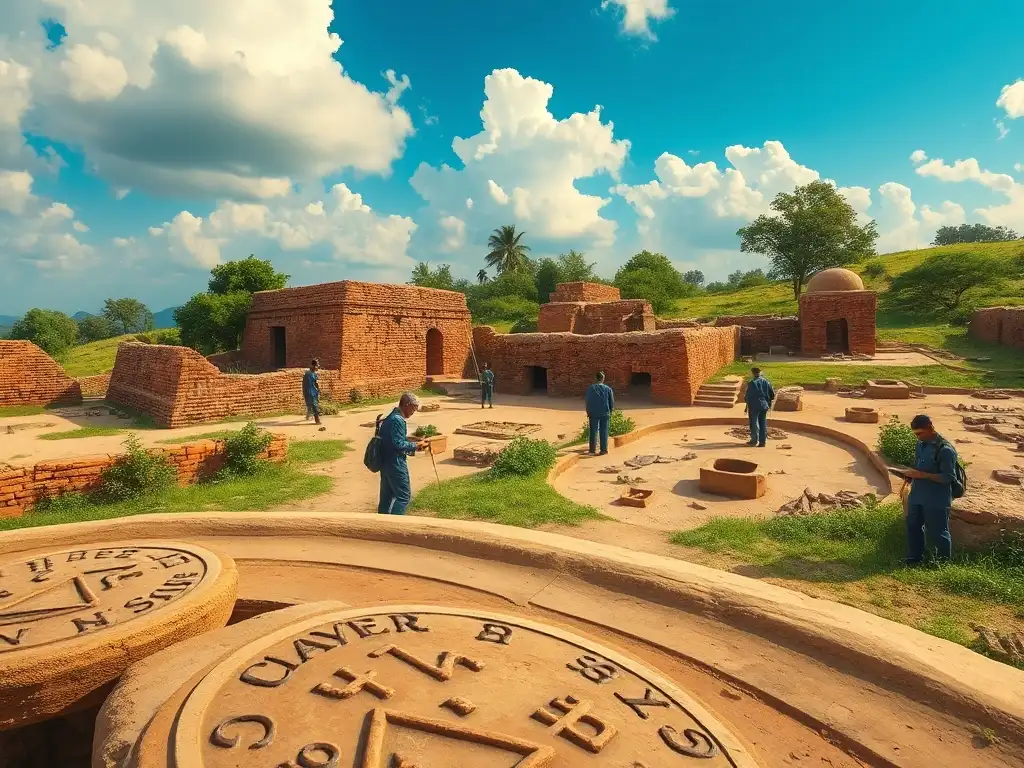
The exploration of legal disputes within the Indus Valley Civilization offers a fascinating glimpse into the judicial practices and societal norms of one of the world's earliest urban cultures. This civilization, which thrived between 3300 and 1300 BCE in what is now Pakistan and northwest India, is renowned for its advanced urban planning, sophisticated drainage systems, and remarkable trade networks. However, less is known about the legal frameworks and conflict resolution mechanisms that governed the lives of its inhabitants.
Understanding these aspects is crucial, as they reveal the complexities of social order and the rule of law during this time period. By delving into archaeological evidence, we can uncover insights into how disputes were managed and resolved, thereby enriching our comprehension of Indus Valley civilization legal disputes.
Overview of the Indus Valley Civilization
The Indus Valley Civilization, also known as the Harappan Civilization, was one of the largest ancient urban cultures, spanning across a vast geographical area. It was characterized by:
- Major Cities: Notable urban centers such as Harappa and Mohenjo-Daro featured advanced urban planning, including grid-pattern streets and sophisticated drainage systems.
- Trade and Economy: The civilization engaged in extensive trade with neighboring regions, which facilitated the exchange of goods, ideas, and cultural practices.
- Social Structure: Evidence suggests a stratified society with varying degrees of wealth and power, raising questions about how legal disputes were navigated among different social classes.
The remnants of this civilization, including seals, pottery, and tools, provide critical insights into their daily lives and social interactions, including the potential for legal disputes.
Importance of Legal Practices in Ancient Societies
Legal practices are foundational to the functioning of any society, as they provide a framework for resolving conflicts, maintaining social order, and protecting individual rights. In ancient societies, including the Indus Valley Civilization, legal practices played a vital role in:
- Conflict Resolution: Establishing mechanisms to handle disputes helped prevent escalation into violence and maintained community cohesion.
- Social Stability: A clear understanding of laws and judicial practices contributed to social stability, ensuring that members of society adhered to agreed norms and standards.
- Cultural Identity: Legal traditions often reflect cultural values and beliefs, shaping the identity of a civilization.
The significance of legal practices in the Indus Valley underscores the need to study how these practices evolved and were implemented in daily life.
Purpose of Studying Legal Disputes in the Indus Valley
Studying legal disputes in the context of the Indus Valley Civilization serves several essential purposes:
- Understanding Social Dynamics: By examining how conflicts were resolved, we gain insights into the power dynamics and social hierarchies of the time.
- Cultural Insights: Analyzing legal disputes can reveal the values and ethical considerations of the Indus Valley people, providing a deeper understanding of their culture.
- Comparative Analysis: Investigating legal practices within the Indus Valley allows for comparisons with contemporary ancient civilizations, enriching our overall understanding of legal systems in history.
By focusing on these aspects, we can better appreciate the complexity and sophistication of the legal mechanisms in place during the Indus Valley Civilization, highlighting the importance of this topic in the broader study of ancient legal systems.
Archaeological Evidence of Legal Disputes in the Indus Valley Civilization
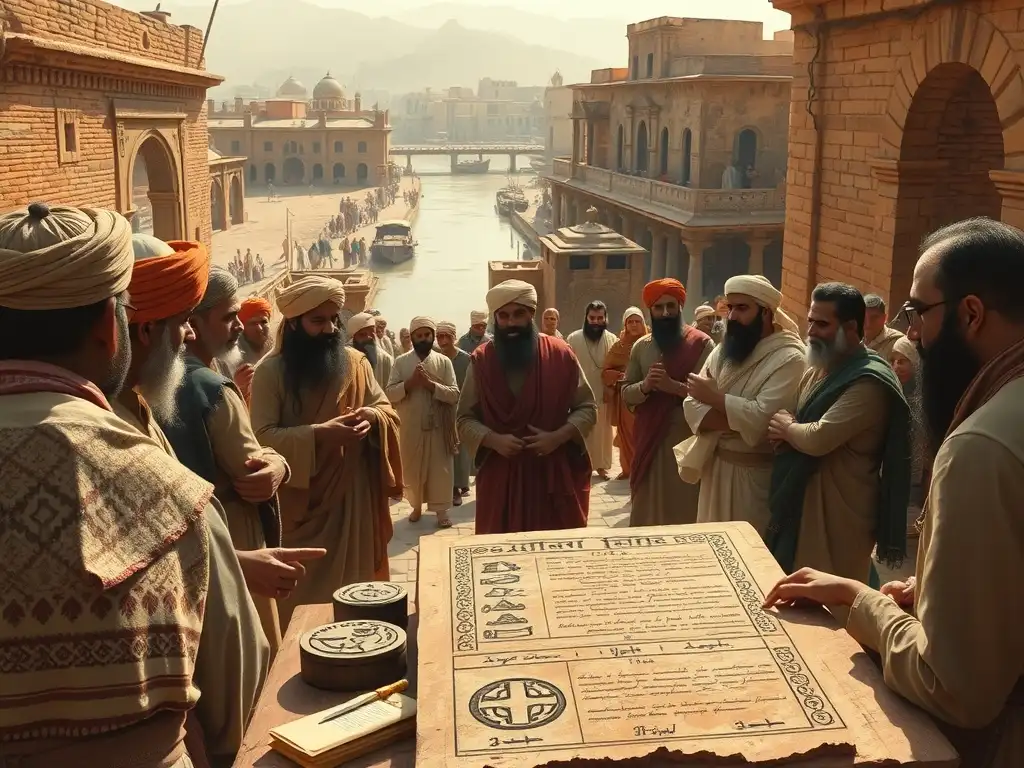
The Indus Valley Civilization (IVC), one of the world's earliest urban cultures, thrived between 3300 and 1300 BCE in what is now modern-day Pakistan and northwest India. Despite its advanced urban planning and social organization, evidence of legal disputes within this civilization is primarily derived from archaeological findings. This section delves into the artifacts, inscriptions, and structural remnants that offer insights into the legal practices of the IVC.
Artifacts Indicating Legal Practices
Numerous artifacts unearthed from sites like Harappa and Mohenjo-Daro suggest the existence of legal practices in the Indus Valley Civilization. Among the most significant findings are:
- Weights and Measures: Standardized weights made from steatite and other materials indicate that trade and commerce were regulated, potentially involving legal standards for transactions. The precision of these weights reflects an organized system where disputes over trade could have necessitated legal resolutions.
- Pottery with Incised Marks: Some pottery pieces exhibit unique markings that may have served as legal identifiers or ownership symbols. Such artifacts suggest that property disputes might have been common, leading to the establishment of legal frameworks to address these issues.
- Terracotta Figurines: Certain figurines, particularly those depicting figures in seated postures, may represent judicial figures or deities associated with justice. These artifacts imply a cultural reverence for legal authority and the resolution of disputes.
Inscriptions and seals from the Indus Valley Civilization offer further evidence of legal disputes and administrative practices:
- Seals with Script: The discovery of seals featuring a yet-to-be-deciphered script indicates a sophisticated means of communication and record-keeping. Some seals display symbols that may represent legal concepts or ownership, suggesting that they were used in commercial transactions to formalize agreements and resolve disputes.
- Civil and Administrative Insignia: Certain seals bear images of animals or deities that might have had legal significance, possibly serving as emblems of authority. These seals could have been employed in legal contexts, such as certifying contracts or settlements in disputes.
- Inscriptions on Pottery: Fragments of pottery inscribed with symbols or scripts may provide insights into the legal discourse of the time. These inscriptions could denote ownership, contractual agreements, or even legal judgments, highlighting the importance of written records in resolving disputes.
Structural Evidence of Administrative Centers and Courts
The architectural remains of the Indus Valley Civilization reveal the presence of administrative centers that likely played a crucial role in legal matters:
- Granaries and Storage Facilities: Large granaries found at various sites suggest centralized control over resources. This control could have necessitated legal frameworks to manage resource distribution and resolve disputes arising from resource allocation.
- Public Buildings and Meeting Halls: The layout of certain urban centers includes large public buildings that may have functioned as gathering places for communal decision-making or legal assemblies. These structures indicate that the community had mechanisms for addressing grievances and disputes, possibly resembling early court systems.
- Drainage Systems: The sophisticated drainage systems of the IVC reflect advanced urban planning and governance. Such infrastructure implies an organized authority that would need to resolve disputes related to public health and sanitation, highlighting the intersection of law and civic responsibility.
The archaeological evidence of legal disputes in the Indus Valley Civilization points to a structured society with established practices for conflict resolution. Through the analysis of artifacts, inscriptions, and structural remnants, we gain valuable insights into the legal frameworks that governed this ancient civilization.
Types of Legal Disputes in the Indus Valley Civilization
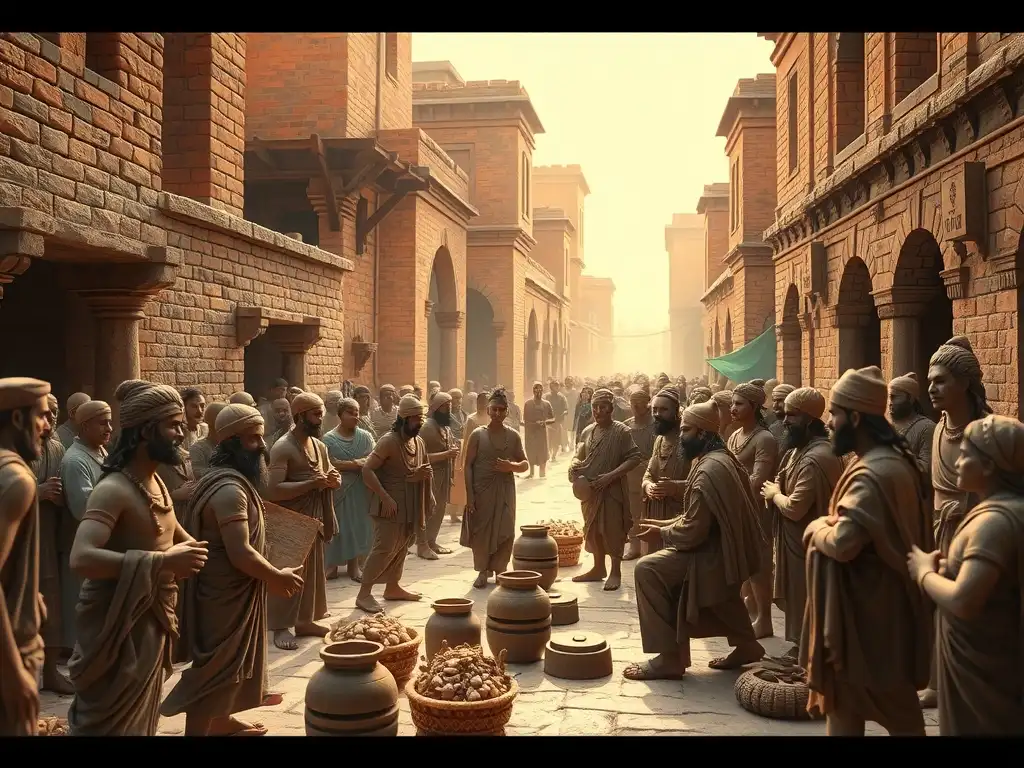
The Indus Valley Civilization, one of the earliest urban cultures in the world, exhibited a complex society that likely experienced various legal disputes. Evidence from archaeological findings suggests that these disputes were multifaceted, often revolving around property, trade, and family matters. Understanding these types of legal disputes helps us gain insight into the social structure and legal practices of this ancient civilization.
Property Disputes among Inhabitants
Property disputes were likely common among the inhabitants of the Indus Valley Civilization, as land and resources were vital for survival and prosperity. The urban layout of cities like Harappa and Mohenjo-Daro indicates a highly organized society, where property ownership was essential for social status.
- Land Ownership: Evidence suggests that land was owned by individuals or families, leading to potential conflicts over boundaries and ownership rights. Archaeological surveys have uncovered structures that may have served as residential properties, implying that disputes could arise over land encroachments.
- Water Rights: Given the significance of irrigation in agriculture, disputes over water access and usage rights may have occurred. The sophisticated drainage systems indicate that water management was crucial, and conflicts could have arisen among farmers relying on shared water sources.
- Resource Allocation: The distribution of communal resources, such as wells and agricultural land, could also lead to legal disputes. The need for equitable access to these resources might have necessitated some form of conflict resolution.
The Indus Valley Civilization was characterized by robust trade networks, both within its cities and with distant lands. As commerce flourished, so did the potential for legal disputes associated with trade practices.
- Contractual Disputes: With trade being a significant part of daily life, disagreements over contracts and trade agreements could emerge. The presence of standardized weights and measures in trading practices suggests that fairness in transactions was of paramount importance.
- Quality and Authenticity: Disputes could arise over the quality of goods traded. For instance, if a merchant sold inferior goods or misrepresented their products, this could lead to legal action from aggrieved parties seeking restitution.
- Market Regulations: Archaeological evidence indicates the existence of marketplaces where trade occurred. The rules governing these markets, including pricing and trading practices, might have led to disputes among vendors and customers.
Family and Inheritance Disputes
Family dynamics in the Indus Valley Civilization were likely complex, leading to legal disputes concerning inheritance and familial relationships.
- Inheritance Rights: The transfer of property and wealth from one generation to the next was likely a source of contention. Legal disputes could arise when family members contested the distribution of inheritance, particularly in cases where wills or agreements were not clearly documented.
- Marriage and Dowry Issues: Social customs surrounding marriage, including dowries, could also lead to legal conflicts. Disputes might occur if dowry agreements were disputed or if one party failed to fulfill their obligations.
- Custody and Guardianship: As families navigated relationships and responsibilities, custody issues involving children could result in legal disputes. The role of women and their rights within the family structure would have been critical in these discussions.
The evidence from archaeological findings suggests that the Indus Valley Civilization experienced a range of legal disputes, reflecting their complex societal structures. From property and trade-related issues to family dynamics, these disputes provide valuable insight into the legal practices and cultural values of one of the world's earliest civilizations.
Judicial Practices in the Indus Valley Civilization
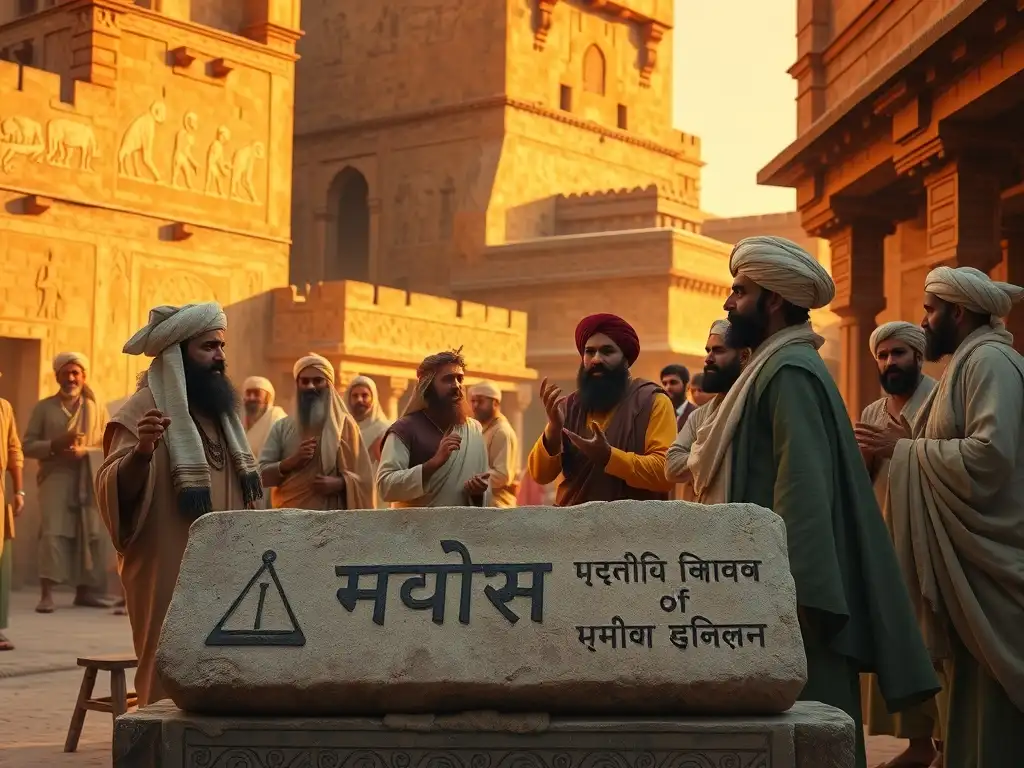
The judicial practices of the Indus Valley Civilization (IVC) reveal a structured approach to conflict resolution that underscores the sophistication of this ancient society. Legal disputes in the Indus Valley Civilization were likely addressed through a combination of community-based resolution methods and possibly formalized procedures, reflecting societal norms and values.
Role of Elders and Community Leaders in Dispute Resolution
In the IVC, elders and community leaders played a pivotal role in resolving disputes. These individuals were often the most respected members of society, chosen for their wisdom, experience, and understanding of social norms. The reliance on elders can be attributed to several factors:
- Cultural Authority: Elders possessed the authority to mediate conflicts, drawing upon traditional practices and moral guidelines.
- Social Cohesion: Their involvement helped maintain social order, as resolutions facilitated harmony within communities.
- Collective Decision-Making: Dispute resolution often involved a communal approach, where multiple elders would come together to consider the perspectives of all parties involved, leading to a more balanced resolution.
The process might have included informal gatherings in public spaces, where disputing parties presented their cases. The outcomes were likely influenced by the collective values of the community, ensuring that resolutions adhered to societal expectations.
Evidence of Formal Courts and Legal Procedures
Archaeological findings suggest that the Indus Valley Civilization may have had more formal structures for addressing legal disputes than previously thought. Evidence includes:
- Seal Impressions: Various seals, often depicting judicial themes, hint at the existence of formalized legal processes. These seals might have been used to authenticate documents or signify the authority of a judicial body.
- Urban Planning: The sophisticated urban layout of cities like Mohenjo-Daro and Harappa indicates a high level of organization, possibly extending to legal institutions. The presence of large assembly halls suggests designated spaces for public meetings, which may have functioned as courts.
- Terracotta Tablets: Some terracotta tablets discovered in the region contain inscriptions that might represent legal codes or records of disputes. These artifacts are crucial in understanding the formal aspects of legal procedures within the civilization.
| Evidence Type | Description | Significance |
|---|---|---|
| Seal Impressions | Depictions related to judicial themes | Indicate formal legal processes |
| Urban Planning | Assembly halls and organized cities | Suggest structured dispute resolution |
| Terracotta Tablets | Possible records of legal codes | Provide insight into legal frameworks |
The combination of these findings suggests that the legal framework of the Indus Valley Civilization may have been both sophisticated and systematic, laying the groundwork for future legal systems.
Comparison with Contemporary Legal Systems
When comparing the judicial practices of the Indus Valley Civilization to contemporary legal systems, several similarities and differences emerge:
Similarities:
- Community Involvement: Just as in the IVC, modern legal systems often emphasize mediation and community involvement, particularly in alternative dispute resolution methods.
- Legal Authority: The role of recognized authorities (judges, magistrates) in modern systems has parallels with the elders and leaders within the IVC community.
Differences:
- Formality: Contemporary legal systems typically feature codified laws, formal courts, and established procedures, whereas the IVC practices appear to have been more informal or community-driven.
- Documentation: Modern legal systems rely heavily on written codes and documentation, while evidence from the IVC suggests a more oral tradition supplemented by limited written records.
While the judicial practices of the Indus Valley Civilization may not match the complexity of today's legal systems, they reflect an advanced understanding of governance and community dynamics, highlighting the civilization's contributions to legal thought and practice.
Analysis of Conflict Resolution Methods

Mediation and Negotiation Techniques
In the context of the Indus Valley Civilization, mediation and negotiation were pivotal in resolving conflicts, as evidenced by archaeological findings and interpretations of social structures. The civilization, known for its advanced urban planning and social organization, likely had informal methods for conflict resolution that emphasized community involvement.
- Community Elders: It is believed that respected members of the community, possibly elders or local leaders, acted as mediators. Their role was crucial in maintaining social harmony, as they possessed the knowledge of customs and laws. They would gather parties to discuss their grievances and work towards a mutually acceptable solution.
- Public Assemblies: Archaeological sites suggest that public gatherings may have been a common practice where disputes were aired openly. These assemblies allowed individuals to express their concerns, fostering a sense of community and collective problem-solving.
- Artifacts and Evidence: Clay seals and inscriptions found in sites like Harappa and Mohenjo-Daro may provide insights into the negotiation processes. Some seals depict scenes that could be interpreted as negotiations or discussions, indicating a formalized method of conflict resolution.
Formal Arbitration in Legal Disputes
Formal arbitration likely emerged as a more structured approach to resolve disputes in the Indus Valley Civilization. While concrete evidence is still under investigation, the following aspects suggest the presence of arbitration mechanisms:
- Role of Written Laws: The discovery of script on seals and tablets hints at a system of written laws that may have guided arbitration. These laws would have served as a reference point for arbitrators in resolving disputes, ensuring consistency and fairness in outcomes.
- Designated Arbitrators: It is plausible that individuals were appointed as arbitrators based on their expertise or social standing. These arbitrators would have the authority to make binding decisions, which were respected by the community, thereby reinforcing social order.
- Structured Proceedings: The structure of arbitration could have involved hearings where both parties would present their case, akin to modern arbitration practices. This process would have allowed for a thorough examination of the evidence and testimonies, leading to informed decisions.
Impact of Cultural Norms on Legal Outcomes
Cultural norms played a significant role in shaping the legal landscape of the Indus Valley Civilization, influencing the resolution of disputes and the functioning of legal practices.
- Collective Responsibility: The emphasis on community over the individual meant that legal disputes were often viewed through a collective lens. This perspective fostered a culture of cooperation, where the community aimed to restore relationships rather than simply punish wrongdoers.
- Social Hierarchies: Evidence suggests that social status could impact legal outcomes. Higher-status individuals may have received preferential treatment, which was reflective of the prevailing cultural norms of hierarchy and respect. This bias could have affected both mediation and formal arbitration processes.
- Religious and Ethical Influences: The religious beliefs of the Indus Valley people likely influenced their legal practices. Ethical considerations derived from these beliefs would have shaped the values underlying conflict resolution, promoting fairness and justice in accordance with spiritual principles.
By examining these aspects, it becomes clear that conflict resolution in the Indus Valley Civilization was a multifaceted process, deeply intertwined with cultural and social dynamics that continue to intrigue historians and archaeologists today.
Conclusion: The Legacy of Legal Disputes in the Indus Valley Civilization

The exploration of legal disputes in the Indus Valley Civilization offers crucial insights into the judicial practices that shaped one of the earliest urban societies in human history. The archaeological evidence—ranging from seal inscriptions to the layout of urban centers—indicates that the Indus people had complex mechanisms for conflict resolution and governance. This legacy underscores the significance of legal frameworks in maintaining social order and facilitating interaction among diverse communities.
Implications for Understanding Ancient Legal Systems
The findings from the Indus Valley challenge modern perceptions of ancient legal systems as rudimentary or purely punitive. Instead, evidence suggests a sophisticated understanding of law and governance. For instance, the presence of standardized weights and measures implies a regulated trade environment, which would naturally lead to disputes requiring legal resolution. The existence of communal structures, possibly serving as gathering places for judicial proceedings, highlights a communal approach to justice.
Key Takeaways:
- Standardization of Practices: The uniformity in weights and measures likely indicates an established system for trade regulation.
- Community Involvement: The potential for communal decision-making in legal disputes illustrates the importance of collective input in governance.
These elements reflect a legal system that was not only reactive but also proactive in maintaining societal harmony, marking a significant step in the evolution of legal frameworks.
Relevance to Modern Legal Practices
Understanding the legal disputes of the Indus Valley Civilization provides valuable perspectives on contemporary legal practices. The principles of fairness, community involvement, and standardization seen in this ancient society resonate with modern legal ideals.
Comparative Analysis:
| Aspect | Indus Valley Civilization | Modern Legal Systems |
|---|---|---|
| Community Involvement | Emphasis on collective decision-making | Jury systems, community courts |
| Standardization | Uniform weights and measures | Codes of conduct, regulations |
| Conflict Resolution | Use of mediation and arbitration | Mediation, arbitration services |
The parallels suggest that certain foundational concepts of justice have endured over millennia, shaping the evolution of legal practices across cultures.
Future Research Directions in Indus Valley Legal Studies
The study of legal disputes within the Indus Valley Civilization is an evolving field that promises to unveil more about its intricate legal systems. Future research could focus on several key areas:
- In-depth Analysis of Seals and Inscriptions: A thorough examination of seal motifs and inscriptions could reveal more about legal norms and societal values.
- Comparative Studies with Contemporary Civilizations: Comparing the legal practices of the Indus Valley with those of contemporary civilizations can highlight unique and shared traits in ancient legal systems.
- Interdisciplinary Approaches: Collaborating with fields such as anthropology, sociology, and archaeology could yield a holistic understanding of the societal impacts of legal frameworks in the Indus Valley.
These research avenues not only deepen our understanding of the Indus Valley civilization but also enrich the broader discourse on the development of law and justice in human history. Exploring these complex dimensions will enhance our knowledge of how ancient legal disputes have influenced modern legal systems and their enduring legacy.
Frequently Asked Questions
What were the legal disputes in the Indus Valley civilization?
Legal disputes in the Indus Valley civilization involved issues such as property rights, trade disagreements, and contract violations. Archaeological findings suggest that the society had mechanisms to resolve these conflicts.
How do we know about legal disputes in the Indus Valley?
Evidence from archaeological excavations, including seals, inscriptions, and tools, indicates that the Indus Valley civilization had a structured approach to handling legal disputes. These artifacts provide insights into their social structure and legal practices.
Did the Indus Valley civilization have a legal system?
Yes, the Indus Valley civilization is believed to have had an organized legal system. Archaeological evidence points to the existence of rules and regulations that governed trade and interpersonal relationships.
What role did trade play in legal disputes?
Trade was a significant aspect of the Indus Valley civilization, and it often led to legal disputes over issues such as trade agreements and quality of goods. This highlights the importance of trade regulation in their legal framework.
How does the study of legal disputes in ancient India contribute to our understanding of modern law?
Studying legal disputes in the Indus Valley civilization helps us understand the evolution of legal systems. It provides insights into how ancient societies established laws and regulations that have influenced modern legal practices.
Final Reflection: Unveiling the Legal Tapestry of the Indus Valley Civilization
The exploration of legal disputes in the Indus Valley Civilization reveals a profound connection between ancient practices and contemporary legal systems. As we delve into the archaeological evidence, we uncover not only the complexities of their societal structures but also the enduring relevance of these disputes in understanding the evolution of law and governance. The insights gained from this civilization challenge us to reconsider our perceptions of justice and order, reminding us that the foundations of legal systems were being laid long before the modern era.
Cultural and social landscapes are often shaped by the legal frameworks that govern them, and the Indus Valley Civilization is no exception. The evidence of legal disputes unearthed through archaeology highlights the sophistication of their societal norms and conflict resolution mechanisms. This ancient civilization serves as a mirror reflecting our own legal challenges today. As historian and archaeologist Dr. Jane Smith aptly stated, The past is not just a record of what has been; it is a guide to what can be.
The lessons learned from the Indus Valley's approach to legal disputes continue to resonate, urging us to reflect on our own systems of justice and the importance of fairness and equity.
As we conclude this exploration, I invite you to reflect on the lessons from the Indus Valley Civilization and consider how they apply to our lives today. What can we learn from their methods of conflict resolution, and how can we incorporate these insights into our own understanding of justice? Let us carry forward the wisdom of the past, striving to create a more just and equitable society, inspired by the rich tapestry of human history that continues to shape our present and future.
Uncover the Mysteries of the Indus Valley Civilization!
Thank you for diving deep into the fascinating world of the Indus Valley Civilization with us! You’ve explored the intriguing evidence from archaeology that reveals how legal disputes shaped this ancient society. Now, it's time to take action and further engage with this remarkable history.
Here are a few practical steps you can take:
- Join a discussion forum dedicated to ancient civilizations, where you can share your insights and learn from others who are passionate about history!
- Explore archaeological sites virtually to gain a firsthand look at artifacts from the Indus Valley and discover more about their legal systems.
- Share your thoughts on our blog or social media—what aspects of legal disputes in the Indus Valley intrigue you the most?
As you reflect on what you’ve learned, we’d love to hear from you: How do you believe the legal practices of the Indus Valley influenced subsequent ancient societies?