
Gupta Numismatics: The Art of Coins and Their Historical Significance

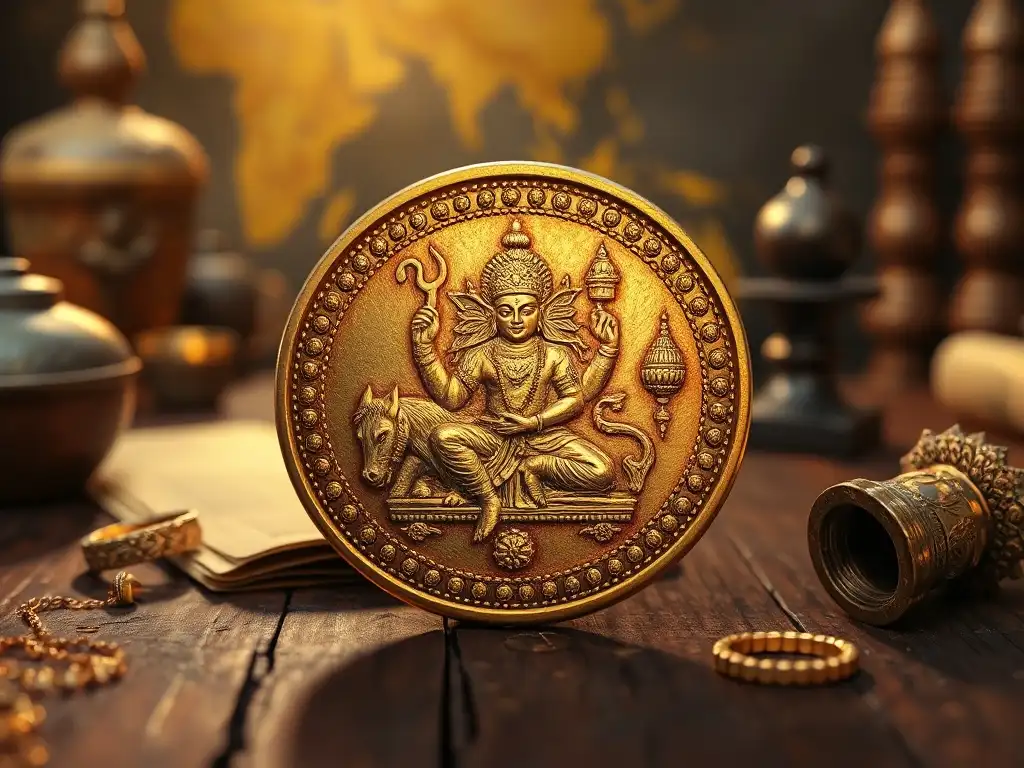
Welcome to Ancient India History, where we embark on a captivating journey through the rich tapestry of India's past! Here, we delve into the remarkable stories of ancient civilizations, from the awe-inspiring Indus Valley to the illustrious Gupta Empire. In our featured article, "Gupta Numismatics: The Art of Coins and Their Historical Significance," we invite you to explore the fascinating world of Gupta Empire coin history.
Discover how these intricate coins not only served as currency but also as a reflection of the culture, artistry, and economic prowess of one of history's greatest empires. Prepare to be intrigued and inspired as you navigate the depths of ancient Indian heritage!
- Gupta Empire Coin History: An Overview of Numismatics
- Historical Context of Gupta Empire Coinage
- Types of Gupta Coins
- Artistic Features of Gupta Coins
- Historical Significance of Gupta Coins
- Numismatic Collections and Archaeological Discoveries
- Conclusion: The Legacy of Gupta Empire Coin History
- Frequently Asked Questions
- Final Reflection: The Enduring Legacy of Gupta Numismatics
- Unveil the Treasures of Gupta Numismatics!
Gupta Empire Coin History: An Overview of Numismatics
The Gupta Empire, which flourished from approximately 320 to 550 CE, is often referred to as the Golden Age of India due to its remarkable achievements in art, science, and culture. Among the many facets of Gupta culture, numismatics—the study of coins—holds a particularly significant place. Gupta coins not only served as a medium of exchange but also as a canvas showcasing the empire's artistic prowess, economic stability, and political narratives.
The diverse styles, materials, and inscriptions on these coins provide invaluable insights into the societal values, trade practices, and governance of the time. This article delves into the rich history of Gupta Empire coinage, exploring its artistic intricacies and the broader historical implications of these remarkable artifacts.
Introduction to Gupta Numismatics
Gupta numismatics is a fascinating field that reveals much about the socio-economic landscape of ancient India. The coins produced during this period exhibit a wide array of designs, materials, and denominations, reflecting the empire's sophistication and wealth.
- Materials Used: Gupta coins were primarily made from gold, silver, and copper, with gold coins, known as "dinaras," being the most prominent.
- Artistic Elements: The artistry involved in minting these coins is noteworthy, with intricate designs often depicting deities, rulers, and symbols of power.
The study of these coins allows historians to trace trade routes, understand economic conditions, and gain insight into the religious and cultural practices of the Gupta period.
The Importance of Coins in Gupta Empire History
Coins played a pivotal role in the Gupta Empire, serving not just as currency but also as instruments of communication and propaganda. Their significance can be understood through several key aspects:
- Economic Indicators: The variety and volume of coins minted during the Gupta period indicate a flourishing economy. Trade expanded both domestically and internationally, facilitated by the use of standardized currency.
- Cultural Representation: Coins often featured cultural symbols and motifs, linking the Gupta rulers to divine authority. This connection reinforced their legitimacy and status among the populace.
- Historical Documentation: The inscriptions on coins provide crucial information about the emperors, their achievements, and the socio-political context of their reigns. This makes Gupta coins an invaluable resource for historians studying the period.
The coins of the Gupta Empire are more than mere artifacts; they are vital historical documents that reflect the empire's wealth, culture, and governance. Understanding Gupta numismatics is essential for appreciating the complexities of ancient Indian civilization.
Historical Context of Gupta Empire Coinage

The Gupta Empire, which flourished from approximately 320 to 550 CE, is often regarded as a golden age in Indian history, particularly noted for its advancements in art, science, and culture. One of the most significant aspects of the Gupta period was its coinage, which not only reflects the empire's economic prosperity but also its political and cultural achievements. The coins produced during this time serve as important historical artifacts that provide insights into the socio-economic conditions, trade practices, and artistic expressions of the era.
The Rise of the Gupta Empire
The Gupta Empire emerged in the early 4th century CE under the leadership of Chandragupta I. This period marked a significant consolidation of power in northern India, following centuries of fragmentation and turmoil. The Gupta rulers expanded their territory through strategic marriages and military conquests, establishing a vast empire that encompassed much of the Indian subcontinent.
The rise of the Gupta Empire was characterized by:
- Political Stability: The Gupta rulers implemented effective governance strategies, leading to a stable political environment conducive to trade and commerce.
- Cultural Flourishing: This era witnessed a renaissance in arts and sciences, with notable advancements in mathematics, astronomy, and literature. The famous mathematician Aryabhata and the playwright Kalidasa emerged during this time.
- Religious Syncretism: The Gupta period is celebrated for its promotion of Hinduism, while also allowing Buddhism and Jainism to thrive. This religious tolerance contributed to the richness of Gupta coinage, which often featured symbols and deities from various faiths.
The coins of the Gupta Empire, primarily made of gold, silver, and copper, were not only a medium for trade but also a means of communicating the authority of the rulers. The iconography and inscriptions on these coins provide a wealth of information about the political and cultural milieu of the time.
Socio-Economic Factors Influencing Coin Production
The production of coins during the Gupta Empire was significantly influenced by various socio-economic factors that underscored the empire's prosperity and interconnectedness.
- Trade Expansion: The Gupta Empire was strategically located along key trade routes, facilitating commerce with regions such as Central Asia, the Mediterranean, and Southeast Asia. The flourishing trade led to an increased need for currency, resulting in a diverse range of coins that catered to both local and international markets.
- Standardization of Coinage: The Gupta rulers introduced a standardized system of coinage, which simplified trade practices and enhanced economic stability. This standardization included the introduction of different denominations, making transactions more efficient and accessible.
- Artistic Expression: The Gupta coins are renowned for their intricate designs and artistic quality. The depiction of deities, royal portraits, and symbolic motifs not only served an economic purpose but also showcased the empire's cultural identity. Artisans and craftsmen played a pivotal role in the minting process, contributing to the rich artistic legacy of the Gupta period.
- Agricultural Prosperity: The agrarian economy of the Gupta Empire was robust, supported by advancements in agricultural techniques and irrigation. This agricultural surplus provided the necessary resources to sustain trade and coin production, further fueling the economy.
- Urbanization: The growth of urban centers during the Gupta period created hubs of economic activity where coinage was essential for daily transactions. The rise of cities such as Pataliputra and Ujjain facilitated commerce, leading to a higher demand for diverse coinage.
The Gupta Empire coin history is a reflection of the political stability, economic prosperity, and cultural achievements of the time. The coins are not merely artifacts but valuable historical documents that offer insights into the complexities of Gupta society and its enduring legacy in ancient Indian civilization.
Types of Gupta Coins
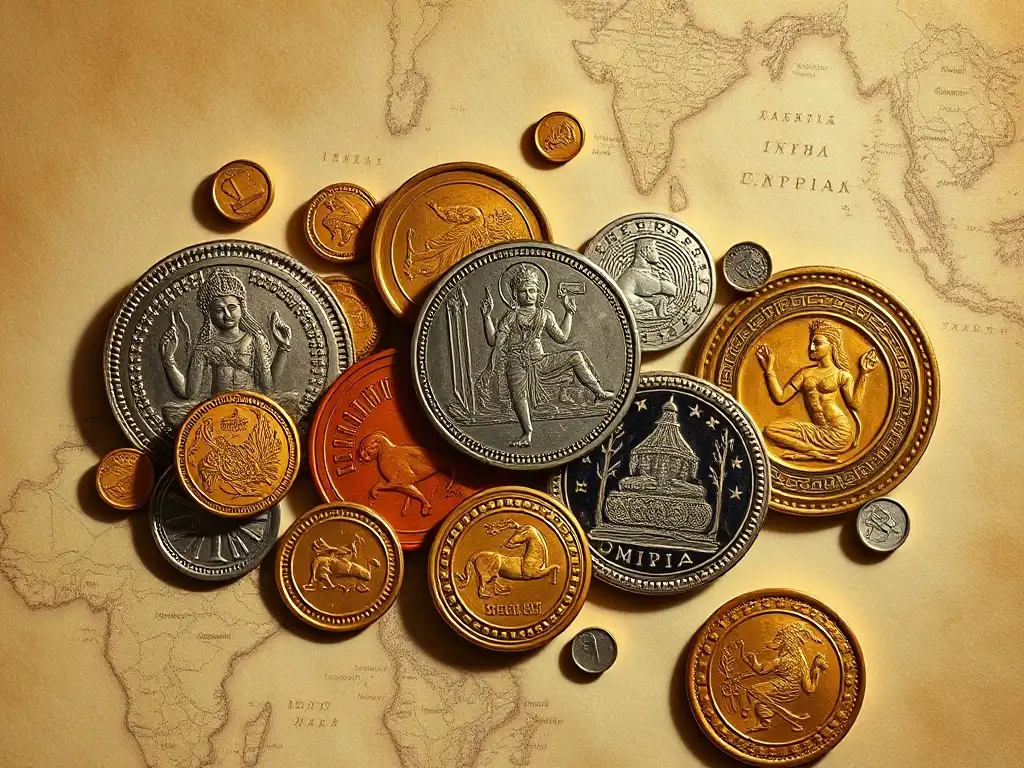
The Gupta Empire, flourishing from approximately 320 to 550 CE, is renowned for its remarkable achievements in art, science, and culture. Among these contributions, numismatics—the study of coins—offers invaluable insights into the socio-economic landscape of the period. Gupta coins not only served as currency but also reflected the empire's political, cultural, and religious ideologies. This section delves into the various types of coins minted during the Gupta era, highlighting their significance in historical context.
Gold Coins: The Dinar and Its Significance
Gold coins during the Gupta Empire, particularly the Dinar, stand out as an emblem of wealth and prosperity. The Dinar was often minted in high purity gold and showcased intricate designs that conveyed messages of authority and divine favor.
- Design and Iconography:
- The obverse typically featured a portrait of the ruling monarch, often depicted with attributes symbolizing power, such as a crown or divine symbols.
- The reverse commonly displayed a variety of deities, flora, or religious symbols, reflecting the Gupta's patronage of Hinduism and Buddhism.
- Cultural Significance:
- The Dinar served not only as a medium of exchange but also as a tool for propaganda, reinforcing the legitimacy of the Gupta rulers.
- These coins were often used in ceremonial contexts, further embedding their role in the cultural fabric of the time.
- Economic Impact:
- The minting of gold Dinara facilitated trade with neighboring regions, including the Roman Empire and Southeast Asia, emphasizing the Gupta Empire's extensive trade networks.
Silver Coins: The Rupaka and Other Variants
Silver coins, particularly the Rupaka, constituted a significant portion of the Gupta monetary system. These coins were more accessible to the general populace and played an essential role in daily transactions.
- Characteristics:
- The Rupaka was typically lighter than its gold counterpart, often featuring similar designs but tailored for a broader audience.
- Variants of the Rupaka included coins with different weights and designs, catering to diverse regional markets.
- Usage in Trade:
- Silver coins facilitated local and regional trade, allowing merchants to conduct business more efficiently.
- The widespread circulation of Rupakas indicates a thriving economy, fostering an environment for commerce and cultural exchange.
- Symbolism and Identity:
- Silver coins often bore symbols that represented local deities or regional identities, showcasing the Gupta Empire's respect for local traditions while promoting a unified imperial image.
Copper Coins: Everyday Currency in the Gupta Era
Copper coins served as the backbone of everyday transactions in the Gupta Empire, allowing for the facilitation of commerce among the lower and middle classes.
- Form and Function:
- These coins were generally less ornate than gold and silver coins, designed for practicality rather than prestige.
- The denominations varied significantly, often marked by simple designs that indicated their value.
- Cultural Reflections:
- Copper coins often depicted local motifs or symbols that resonated with the common populace, reflecting the everyday life and values of Gupta society.
- They played a crucial role in the local economy, enabling small-scale trade and everyday purchases.
- Numismatic Evidence:
- Archaeological finds of copper coins help historians understand the distribution of wealth and the economic practices of the Gupta Empire.
- The sheer volume of copper coins discovered highlights their significance in fostering economic stability during this golden age of Indian civilization.
The diverse range of coins from the Gupta Empire illustrates not only the sophistication of their numismatic practices but also their broader historical significance. The coins serve as artifacts that provide insight into the political, economic, and cultural dynamics of one of ancient India's most influential civilizations.
Artistic Features of Gupta Coins
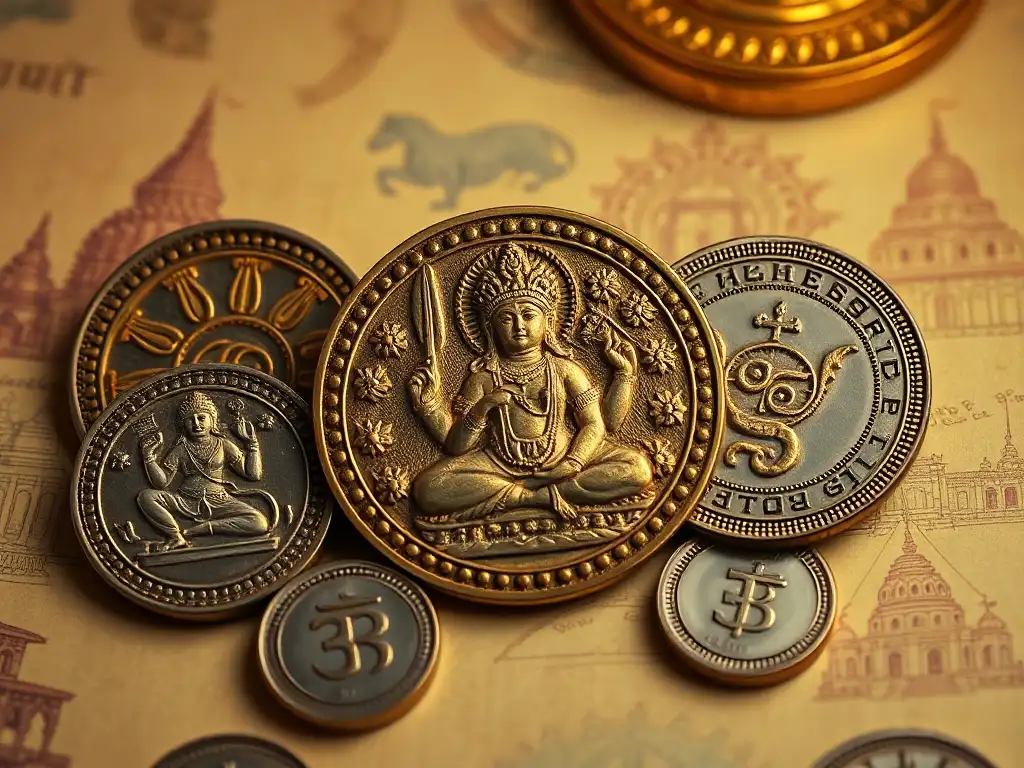
The coins minted during the Gupta Empire (circa 240-550 CE) are not only significant as currency but also as remarkable artifacts of art and culture. These coins reflect the sophisticated artistic techniques and iconographic themes that characterized the period. The Gupta coins serve as a testament to the Empire's wealth, aesthetic sensibilities, and the socio-political context of the time.
Iconography and Symbolism in Gupta Coins
The iconography of Gupta coins is rich and varied, featuring images and symbols that convey deep cultural and religious significance.
- Deities and Divinities: Many Gupta coins prominently display images of Hindu deities such as Vishnu, Shiva, and Durga. These representations reflect the religious devotion of the time and the divine right of kingship. For instance:
- Coins depicting Vishnu often show him in a reclining position, symbolizing the preservation of the universe.
- Durga is frequently illustrated slaying the buffalo demon, symbolizing the triumph of good over evil.
- Royal Imagery: Gupta rulers often portrayed themselves on coins, adorned with crowns and holding various attributes that signify power and divine sanction. For example, King Chandragupta II’s coins feature him in royal attire, emphasizing his status as a powerful monarch.
- Symbolic Motifs: Common motifs include the garuda (eagle), symbolizing strength and vigilance, and the swan, representing purity and knowledge. Such symbols not only served aesthetic purposes but also communicated the values and beliefs of Gupta society.
Techniques Used in Gupta Coin Minting
The craftsmanship of Gupta coins reveals advanced minting techniques that contributed to their distinctive quality.
- Die-Casting: The use of engraved dies allowed for the consistent replication of designs. Artisans meticulously carved images into metal dies, which were then used to strike coins, ensuring high detail and uniformity.
- Metal Composition: Gupta coins were primarily made from gold, silver, and copper. Gold coins, known as dinara, were particularly valued and often featured intricate designs. The purity of the metal used also indicated the wealth of the issuing authority.
- Weight Standards: The Gupta Empire established weight standards for its coins, which facilitated trade and commerce. This standardization helped enhance economic stability and trust in the currency system.
Influence of Art and Culture on Coin Design
The design of Gupta coins was heavily influenced by the broader artistic and cultural movements of the time.
- Integration of Regional Styles: Gupta coinage reflects a blend of local artistic traditions and broader influences from neighboring regions, including Hellenistic and Persian styles. This amalgamation is evident in the decorative elements and the naturalistic representation of figures.
- Religious and Cultural Context: The prevalence of religious imagery on coins underscores the role of spirituality in daily life during the Gupta period. The coins served not only as currency but also as a medium for disseminating religious beliefs and cultural values.
- Patronage of the Arts: The Gupta rulers were known for their patronage of the arts, leading to a flourishing of artistic expression. This cultural environment influenced coin design, resulting in coins that were not merely functional but also celebrated the artistic achievements of the era.
The artistic features of Gupta coins provide invaluable insights into the cultural and historical context of the Gupta Empire. Their iconography, minting techniques, and influence from art and culture highlight the sophistication of Gupta numismatics and its significance in the study of ancient Indian civilization.
Historical Significance of Gupta Coins
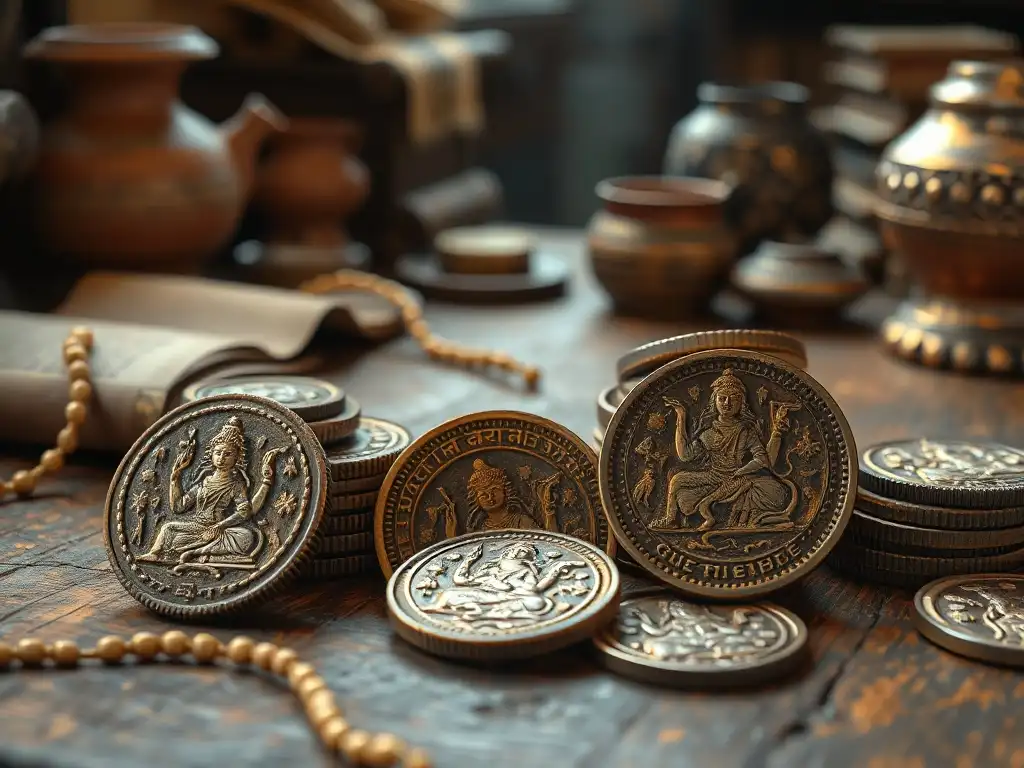
The Gupta Empire, which flourished from approximately 320 to 550 CE, is often regarded as a golden age in ancient Indian history. One of the most significant artifacts from this period is the coinage, which not only served as a medium of exchange but also reflected the empire's political, economic, and cultural dynamics. The study of Gupta coins provides valuable insights into the era's governance, trade practices, and artistic expression.
Coins as a Reflection of Political Power
Coins during the Gupta Empire were more than mere currency; they were powerful symbols of the emperor's authority and the state's stability. Gupta rulers often featured their portraits on coins, which helped to legitimize their reign and disseminate their image throughout the vast empire.
- Royal Imagery: The coins typically depicted the king in various poses, often engaged in activities that emphasized valor and divinity. For instance, one can find coins with images of Samudragupta, known for his military conquests, showcasing him in a warrior stance.
- Inscription and Titles: The inscriptions on Gupta coins also played a pivotal role in projecting the emperor's power. Titles such as "Maharajadhiraja" (King of Kings) were commonly used, signifying the emperor's supreme status in the hierarchical structure of the empire.
- Religious Significance: Many coins bore symbols associated with Hinduism and Buddhism, reflecting the rulers' patronage of these religions. This not only reinforced the rulers' divine right to govern but also helped in solidifying their relationship with the populace, which was largely influenced by these faiths.
The political significance of Gupta coins can be further illustrated by the fact that they were used to commemorate important events, such as victories in battle or significant royal decrees, thus embedding the rulers' legacy in the public consciousness.
Economic Insights from Gupta Coinage
The Gupta coins provide a window into the economic landscape of the empire, revealing much about trade practices, economic policies, and the overall prosperity of the period.
- Standardization of Currency: The Gupta Empire is noted for establishing a standardized currency system, which facilitated trade across vast distances. The introduction of gold, silver, and copper coins allowed for a more organized economic structure, reducing the complexities associated with barter systems.
- Diverse Denominations: Gupta coins came in various denominations, which catered to different economic classes and facilitated transactions of varying sizes. For instance, the gold dinar was used for larger transactions, while smaller copper coins served everyday needs.
- Trade Networks: Evidence suggests that Gupta coins were not just used within the empire but also circulated in adjacent regions, indicating robust trade networks. The presence of Gupta coins in places like Southeast Asia and the Mediterranean highlights the empire's extensive trade connections and economic influence.
The economic insights gleaned from Gupta coinage underline the empire's sophisticated financial system and its role as a hub of commerce in ancient India.
The Role of Coins in Trade and Commerce
Coins played a crucial role in the trade and commerce of the Gupta Empire, serving as a catalyst for economic growth and integration.
- Facilitating Trade: The use of coins simplified transactions and reduced the reliance on barter. Merchants could conduct business more efficiently, knowing the value of goods could be easily exchanged for coins.
- Market Standardization: With a standardized currency, prices became more uniform across different regions. This consistency helped traders and consumers alike, as it reduced confusion and fostered trust in commercial dealings.
- Cultural Exchange: The circulation of Gupta coins also facilitated cultural exchange. Traders from different regions would carry these coins, leading to an exchange of ideas, art, and cultural practices, contributing to the diversity of the Gupta Empire.
The study of Gupta Empire coins reveals their multifaceted significance. They were not just instruments of economic exchange but also powerful symbols of political authority and cultural identity, playing an integral role in the empire's enduring legacy in ancient Indian history.
Numismatic Collections and Archaeological Discoveries
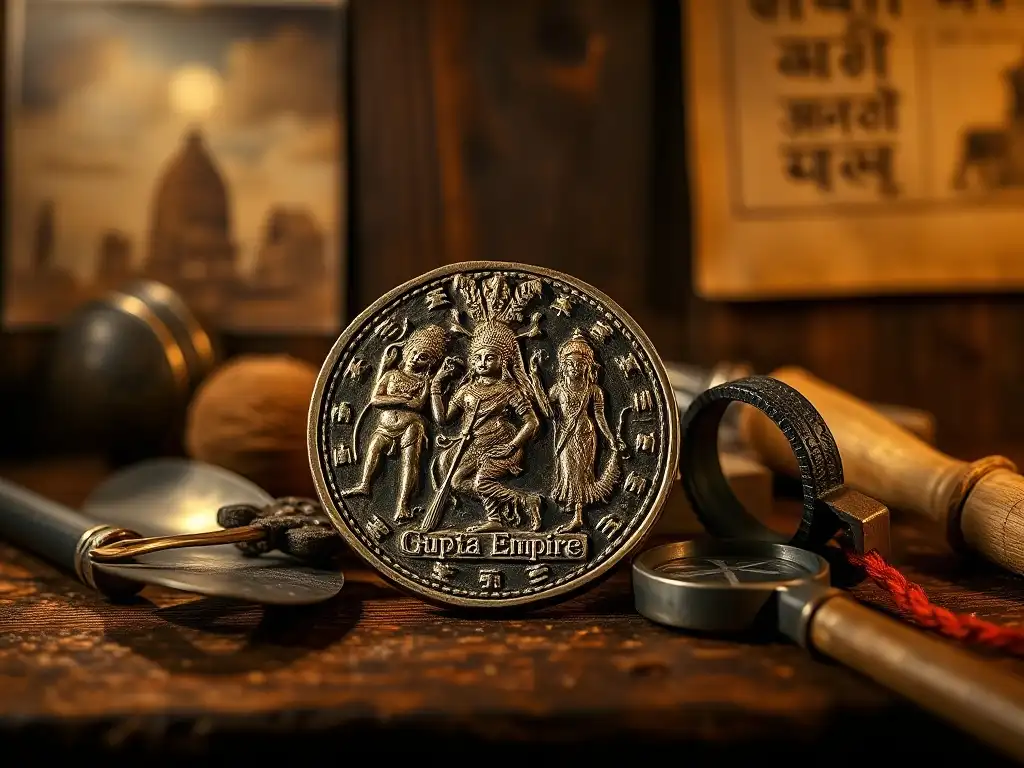
The Gupta Empire, known for its remarkable achievements in art, science, and culture, also made substantial contributions to numismatics. The coins from this period not only served as currency but also as a reflection of the socio-political and economic conditions of the time. Various archaeological discoveries have unearthed significant collections of Gupta coins, shedding light on the empire's extensive trade networks, religious practices, and the intricacies of its governance.
Major Discoveries of Gupta Coins
Archaeological excavations across India have revealed an array of Gupta coins, which are characterized by their intricate designs and inscriptions. Key discoveries include:
- The Ujjain Hoard: Unearthed in the region of Ujjain, this hoard consists of a variety of gold and silver coins. The coins often feature the portrait of emperors, such as Samudragupta, and are inscribed with Sanskrit text, showcasing the artistic prowess of Gupta artisans.
- The Sarnath Excavations: During excavations at Sarnath, numerous Gupta coins were discovered, providing insights into the religious affiliations of the period. Many coins bore imagery related to Buddhism, indicating the faith's prominence during the Gupta reign.
- The Nalanda Site: Known for its ancient university, Nalanda has also yielded important numismatic finds. The coins found here often depict various deities, reflecting the religious tolerance and diversity that characterized Gupta society.
- The Mathura Region: This area has been a treasure trove for Gupta numismatists. Coins from Mathura frequently feature art and motifs that blend Hellenistic and Indian influences, illustrating the cultural exchanges that occurred during the Gupta period.
These discoveries are crucial, as they not only enhance our understanding of Gupta coinage but also illustrate the historical context in which these coins were minted and used.
Importance of Museums and Collections in Preserving Gupta Numismatics
Museums play a pivotal role in the preservation and study of Gupta numismatics. By housing coin collections, these institutions foster public interest and scholarly research. The significance of museums and collections can be highlighted through several key aspects:
- Conservation Efforts: Museums employ specialized techniques to conserve Gupta coins, protecting them from deterioration due to environmental factors. This ensures that future generations can appreciate these artifacts.
- Educational Outreach: Many museums offer exhibitions and educational programs focused on Gupta numismatics. These initiatives help to disseminate knowledge about the historical significance of Gupta coins, making them accessible to a wider audience.
- Research Collaborations: Museums often collaborate with universities and researchers to conduct studies on Gupta coins. This synergy promotes a deeper understanding of the socio-economic landscape of the Gupta Empire and its impact on subsequent Indian civilizations.
- Digital Archives: With advancements in technology, many museums are creating digital archives of their numismatic collections. This not only preserves the coins in a virtual format but also provides global access to scholars and enthusiasts interested in Gupta coin history.
The preservation of Gupta numismatics through museums and collections is vital for appreciating the rich heritage of the Gupta Empire. These efforts ensure that the historical significance and artistry of Gupta coins continue to be recognized and celebrated.
Conclusion: The Legacy of Gupta Empire Coin History
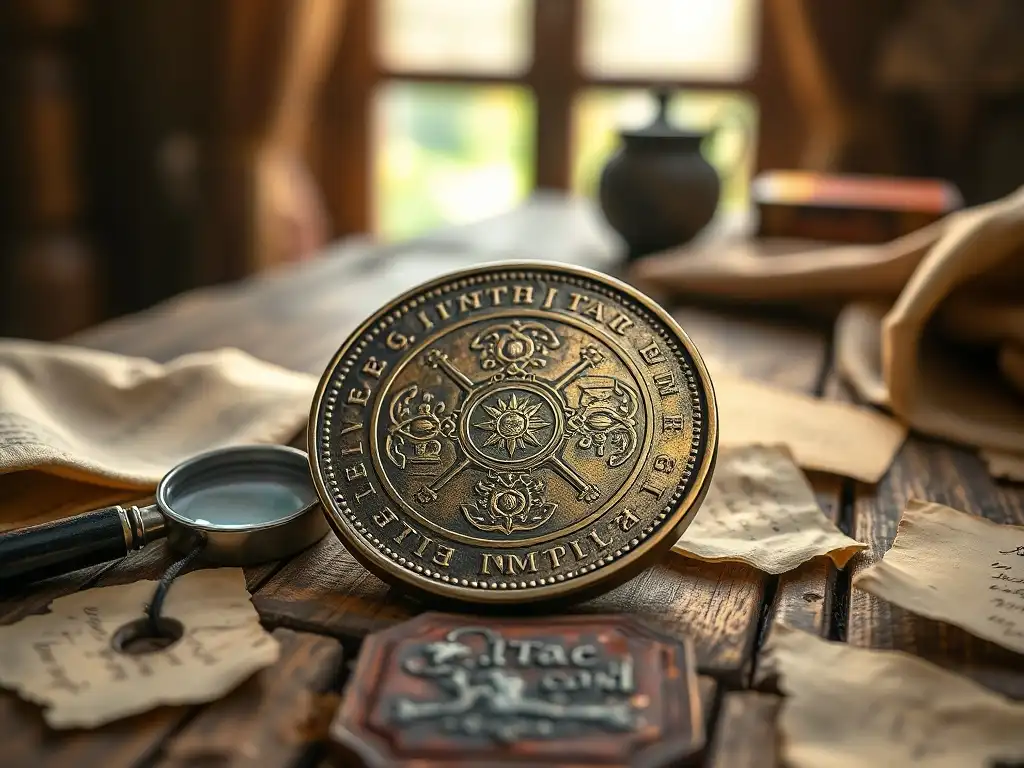
The Gupta Empire, often regarded as a golden age of Indian history, left an indelible mark on the world of numismatics. The coins minted during this period are not merely currency; they are intricate artworks and historical records that encapsulate the socio-political and cultural dynamics of the time. The rich iconography and inscriptions on Gupta coins provide invaluable insights into the empire's religion, economy, and daily life, serving as a bridge between past and present.
The legacy of Gupta coins extends beyond their immediate historical context. They have influenced subsequent coinage systems in India and beyond, forming a foundation upon which later dynasties would build. The artistry, craftsmanship, and symbolic significance of these coins continue to inspire numismatists, historians, and collectors alike, ensuring that the Gupta Empire's contributions to coinage remain a vital part of cultural heritage studies.
The Influence of Gupta Coins on Later Indian Numismatics
Gupta coins played a pivotal role in shaping the trajectory of Indian numismatics. Their innovative designs and techniques laid the groundwork for future coinage across various Indian kingdoms.
- Artistic Innovation: The Gupta period is renowned for its artistic excellence, particularly in coin design. The introduction of gold coins (dinars) and the intricate detailing of motifs such as deities, animals, and symbols set a high standard for subsequent issuances.
- Religious Symbolism: Gupta coins often featured Hindu deities, reflecting the era's religious landscape. This practice influenced later dynasties, such as the Chola and Vijayanagara empires, to incorporate similar themes in their coinage.
- Standardization of Currency: The Gupta Empire established a system of standardized weights and measures for coinage, which was crucial for trade. This standardization influenced later rulers who sought to maintain economic stability through consistent currency.
- Cultural Exchange: Gupta coins also served as tools for cultural exchange, as they traveled across trade routes, spreading artistic and religious symbols to neighboring regions, including Southeast Asia.
The impact of Gupta coinage is evident in the various styles and materials used in subsequent coins, marking a continuity in the artistic and functional aspects of Indian numismatics.
The Continuing Study of Gupta Numismatics in Modern Scholarship
The field of Gupta numismatics remains vibrant, with ongoing research shedding light on the complexities of coinage during this influential period.
- Archaeological Discoveries: Recent archaeological finds have unearthed hoards of Gupta coins, prompting reevaluations of established narratives about trade, economy, and power dynamics within the empire. Such discoveries continue to enrich our understanding of Gupta society.
- Technological Advances: Modern technology, including digital imaging and spectroscopy, has enabled scholars to analyze the composition and origin of Gupta coins more accurately, revealing information about the minting processes and the economic conditions of the time.
- Interdisciplinary Research: Scholars are increasingly adopting interdisciplinary approaches, combining numismatics with history, art history, and archaeology. This holistic perspective allows for a more nuanced understanding of the role of coins in Gupta culture and politics.
- Public Engagement: Museums and educational institutions are focusing on Gupta numismatics through exhibitions and programs, raising awareness of the historical significance of these coins among the general public.
The study of Gupta Empire coin history is a dynamic field that not only contributes to our understanding of ancient Indian civilization but also enriches the broader narrative of global numismatics. The continuing interest in Gupta coins ensures that their legacy as historical artifacts and cultural symbols endures for future generations.
Frequently Asked Questions
What is the Gupta Empire known for in terms of numismatics?
The Gupta Empire is renowned for its innovative coinage, which reflects the artistic skills and economic prosperity of the period, showcasing intricate designs and inscriptions.
How did coinage contribute to the economy of the Gupta Empire?
Coins facilitated trade and commerce, allowing for easier transactions. Their standardization helped establish a stable economy, promoting economic growth throughout the empire.
What unique features can be found on Gupta Empire coins?
Gupta coins often feature deities, royal symbols, and artistic motifs that represent the cultural values and religious beliefs of the time, making them important historical artifacts.
How do Gupta coins reflect the cultural diversity of ancient India?
The designs and inscriptions on Gupta coins exhibit influences from various regions and cultures, reflecting the multicultural society of the empire and its interaction with neighboring civilizations.
Where can one find Gupta Empire coins today?
Many Gupta coins are housed in museums, private collections, and through numismatic dealers, providing a glimpse into the rich history and artistry of the Gupta period.
Final Reflection: The Enduring Legacy of Gupta Numismatics
The intricate artistry and historical significance of Gupta Empire coins resonate deeply in today's world, illustrating how currency transcends mere economic function to become a vital cultural artifact. In an era where digital transactions dominate, the physicality of coins reminds us of the rich narratives embedded in their designs and the civilizations they represent. The Gupta Empire's coinage not only reflects the economic prowess of its time but also serves as a testament to the artistic and cultural achievements that continue to inspire modern societies.
The influence of Gupta numismatics extends beyond the realm of collectors and historians; it shapes our understanding of cultural identity and heritage. These coins are not just relics of the past; they are symbols of a sophisticated society that valued art, trade, and governance. As historian John Green aptly stated, Coins are the most tangible connection we have to the past, offering a glimpse into the lives and values of those who came before us.
This ongoing dialogue between past and present invites us to appreciate the depth of our shared history and the lessons it imparts.
As we reflect on the significance of Gupta Empire coin history, let us embrace the opportunity to explore our own connections to history and culture. Consider how the stories behind these coins can inspire us to honor our heritage and foster a deeper appreciation for the diverse narratives that shape our world today. Whether through collecting, studying, or simply sharing knowledge, we can all contribute to the preservation and celebration of our collective past, ensuring that the legacy of the Gupta Empire—and the art of numismatics—continues to thrive for generations to come.
Unveil the Treasures of Gupta Numismatics!
Thank you for diving deep into the fascinating world of Gupta Numismatics. We hope you’ve uncovered the artistic beauty and historical significance of ancient coins that shaped India's rich heritage. Now, it's your turn to explore further and engage with this captivating topic!
Here are some exciting ways you can continue your journey:
- Start Your Collection: Begin your own coin collection by seeking out Gupta-era coins from local dealers or online marketplaces. Each coin tells a unique story!
- Join a Numismatic Forum: Connect with fellow enthusiasts and scholars by joining online communities or local clubs focused on ancient coins. Share your discoveries and learn from others!
- Visit Local Museums: Explore nearby museums that may have Gupta coins on display. Immersing yourself in their historical context can enhance your appreciation for these remarkable artifacts!
What aspect of Gupta numismatics intrigues you the most, and how do you plan to incorporate this newfound knowledge into your life?