
The Legacy of Gupta Art in Contemporary Indian Culture

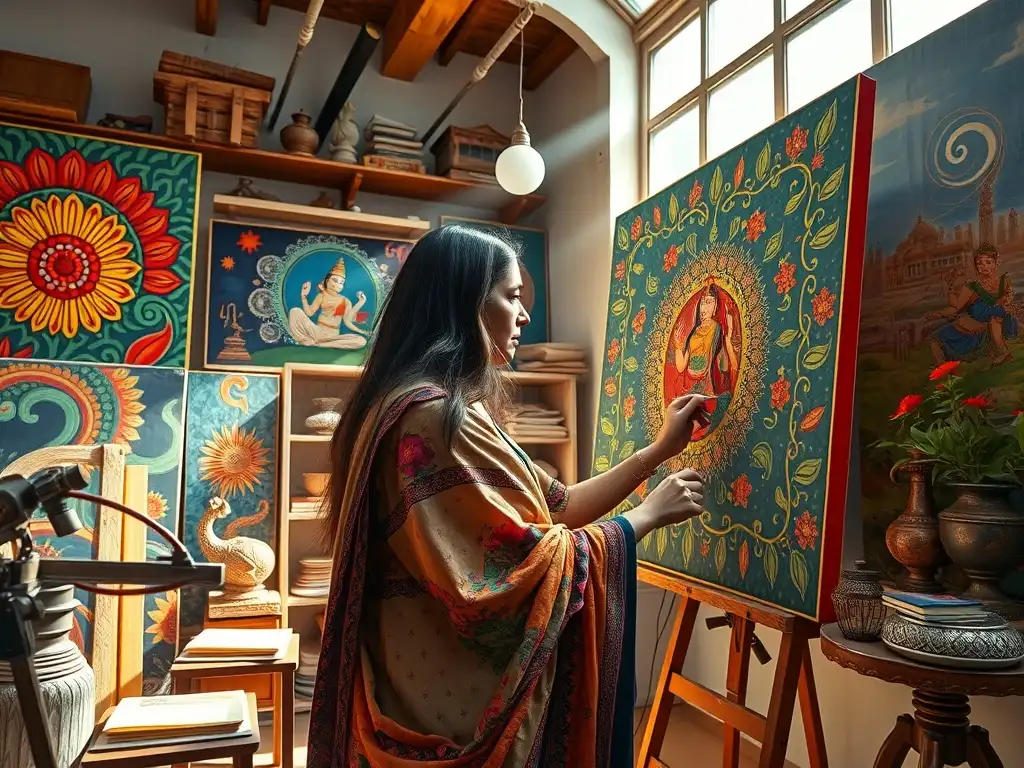
Welcome to Ancient India History, where we embark on a captivating journey through the rich tapestry of India's ancient civilizations. Here, we explore the profound impact of cultures that flourished from the Indus Valley to the majestic Gupta Empire. In our featured article, we delve into the intriguing theme of "Gupta art influence today," uncovering how the artistic expressions of this remarkable era continue to resonate in contemporary Indian culture.
Prepare to be inspired as we unveil the connections between the past and present, inviting you to discover the enduring legacy that shapes our world today. Dive in and let your curiosity lead the way!
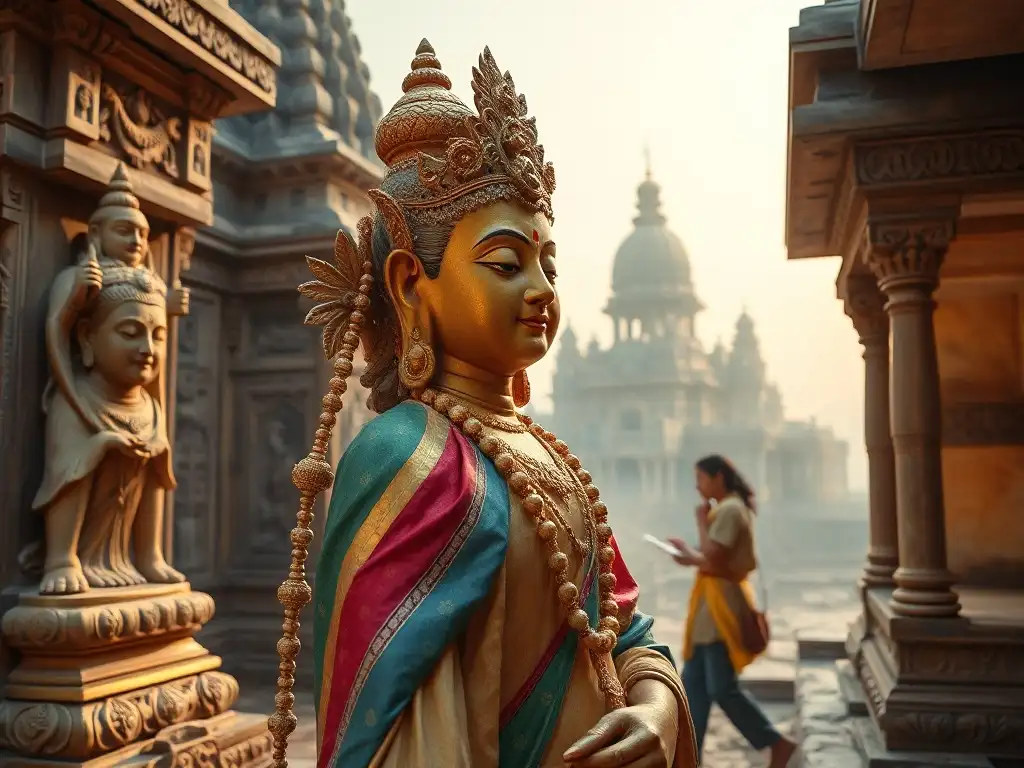
Introduction to Gupta Art Influence Today
The legacy of Gupta art continues to resonate throughout contemporary Indian culture, shaping various aspects of artistic expression, architecture, and cultural identity. The Gupta Empire, which thrived from approximately 320 to 550 CE, is often regarded as a golden age of Indian civilization, marked by significant advancements in art, science, and philosophy.
This period saw the flourishing of artistic techniques and styles that not only reflected the rich cultural tapestry of ancient India but also laid the groundwork for future generations. Understanding the influence of Gupta art today allows us to appreciate its enduring impact on modern aesthetics and cultural practices, highlighting how historical legacies shape our current artistic landscape.
Overview of Gupta Art and its Historical Significance
Gupta art is renowned for its intricate craftsmanship and profound spiritual themes that emerged during the Gupta Empire. This era marked a transition from earlier artistic styles, resulting in a distinctive aesthetic characterized by elegance and refinement. The historical significance of Gupta art lies in its ability to encapsulate the socio-religious dynamics of its time, reflecting the values and beliefs of both Hinduism and Buddhism, which coexisted harmoniously.
- Cultural Synthesis: Gupta art represents a confluence of various regional styles and influences, showcasing the empire's extensive trade networks and cultural exchanges.
- Religious Themes: The art produced during this period primarily revolved around religious motifs, with sculptures and paintings depicting deities, divine narratives, and mythological stories that resonated deeply with the populace.
The richness of Gupta art not only enriched the cultural fabric of ancient India but also provided a foundation for the artistic expressions that followed, influencing countless artists and scholars through the ages.
The Role of Gupta Empire in Shaping Indian Culture
The Gupta Empire played a pivotal role in shaping Indian culture, establishing a legacy that is still palpable today. Its contributions extended beyond art into philosophy, mathematics, and literature, fostering an environment conducive to intellectual and creative pursuits.
- Patronage of the Arts: The Gupta rulers were notable patrons of the arts, encouraging artisans and scholars, which led to remarkable advancements in sculpture and painting.
- Cultural Policies: Their policies promoted religious tolerance and cultural pluralism, allowing diverse artistic expressions to flourish alongside one another.
The cultural policies of the Gupta Empire not only fostered a vibrant artistic environment but also ensured that the legacies of their artistic achievements would endure, influencing future generations.
Characteristics of Gupta Art
Gupta art is distinguished by its unique characteristics that set it apart from preceding and succeeding artistic styles. The following sections delve into the key features of this remarkable artistic tradition.
Key Features of Gupta Sculpture
The sculptures of the Gupta period are celebrated for their graceful poses, intricate detailing, and spiritual expressiveness. Some of the defining features include:
- Naturalism: Gupta sculptures exhibit a high degree of naturalism, capturing the human form with remarkable accuracy and elegance.
- Expressive Faces: The facial expressions of figures convey deep emotions, enhancing the spiritual narratives depicted in the artworks.
- Iconography: The sculptures often showcase intricate iconography, with symbolic elements representing various deities and mythological stories.
These features contribute to the timeless appeal of Gupta sculptures, making them a vital influence on contemporary artistic practices.
Distinctive Elements of Gupta Painting
Gupta paintings, often found in cave temples such as those in Ajanta, are known for their vibrant colors and intricate compositions. The distinctive elements include:
- Narrative Quality: The paintings often tell elaborate stories, depicting scenes from Hindu epics and Buddhist teachings.
- Use of Color: A sophisticated palette, with an emphasis on natural pigments, creates a sense of depth and vibrancy.
- Attention to Detail: The meticulous attention to detail in drapery and ornamentation reflects the artists' skill and dedication.
These elements continue to inspire modern artists, who draw upon the themes and techniques pioneered during the Gupta period.
Architectural Innovations of the Gupta Period
The architectural achievements of the Gupta Empire are equally noteworthy, characterized by innovations that have had a lasting influence on Indian architecture. Key innovations include:
- Temple Architecture: The development of the Hindu temple style, with intricate carvings and towering spires, set a precedent for future temple designs.
- Urban Planning: Gupta cities were designed with an emphasis on order and aesthetics, influencing urban development in subsequent periods.
- Cave Temples: The construction of rock-cut cave temples reflects advanced engineering techniques and artistic vision.
These architectural innovations not only showcase the artistic prowess of the Gupta period but also continue to inform contemporary architectural practices in India and beyond.
Impact of Gupta Art on Modern Indian Aesthetics
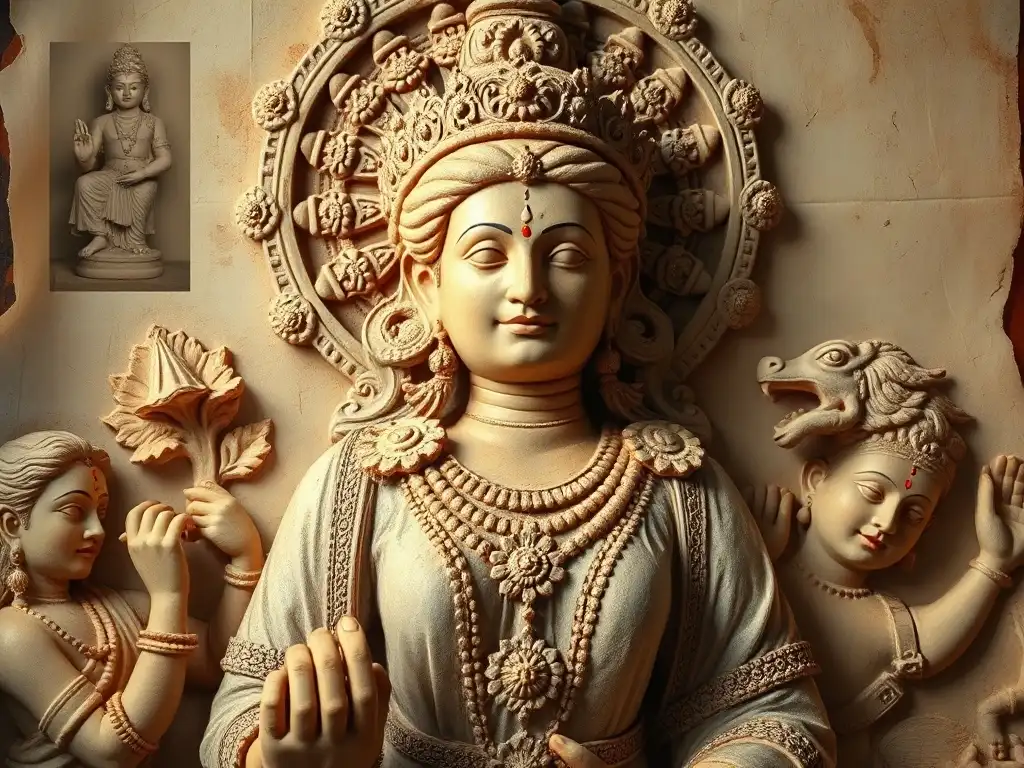
The Gupta Empire, often referred to as the Golden Age of India, has left an indelible mark on various facets of Indian culture, particularly in the realm of aesthetics. The intricate craftsmanship, vibrant colors, and detailed iconography of Gupta art continue to resonate in modern Indian aesthetics, influencing a wide range of artistic expressions.
The stylized forms, graceful lines, and harmonious proportions characteristic of Gupta sculptures are evident not only in traditional art forms but also in contemporary design practices. From textiles to pottery, the aesthetic principles derived from Gupta art are evident in the use of motifs, patterns, and vibrant color palettes, reflecting a seamless blend of historical richness and modern sensibilities.
Furthermore, the revival of interest in traditional art forms has led to a resurgence in the incorporation of Gupta-inspired elements in modern artworks. Artists are increasingly drawing inspiration from the themes of mythology and spirituality that permeate Gupta art, creating pieces that resonate with contemporary audiences while paying homage to their historical roots. This blending of ancient and modern sensibilities creates a dynamic dialogue between past and present, showcasing the enduring influence of Gupta aesthetics on contemporary art.
Influence of Gupta Art on Contemporary Indian Artists
Contemporary Indian artists frequently draw inspiration from Gupta art, utilizing its motifs, themes, and techniques to create innovative works. This influence is particularly visible in the realm of sculpture and painting, where artists reinterpret ancient narratives through a modern lens. For instance, the detailed craftsmanship seen in Gupta sculptures is echoed in the works of artists who employ similar carving techniques or delve into the same mythological themes.
Prominent artists such as Subodh Gupta and Rameshwar Broota have incorporated elements of Gupta art into their work, exploring the cultural and historical narratives that shape Indian identity. Their artworks often reflect a fusion of traditional and contemporary styles, showcasing the versatility and relevance of Gupta aesthetics in today's artistic landscape. This blend not only honors the legacy of Gupta art but also encourages a dialogue between generations of artists, reaffirming the timelessness of its influence.
Reflections of Gupta Art in Modern Indian Architecture
Modern Indian architecture bears significant reflections of Gupta art, particularly in the revival of ancient design elements and motifs. The intricate carvings, elaborate decorative patterns, and grand scale of Gupta architecture inspire contemporary architects who seek to integrate traditional aesthetics into new structures. Buildings such as temples, cultural centers, and even public spaces often showcase features reminiscent of Gupta architecture, including ornate pillars, domes, and intricate façade designs.
Architects like Charles Correa and B.V. Doshi have explored the interplay of modern techniques with traditional Indian architectural styles, resulting in structures that echo the grandeur of Gupta-era design. This blending of styles not only preserves historical architectural elements but also enriches the urban landscape, creating spaces that resonate with cultural heritage and invite public engagement.
The Role of Gupta Art in Indian Decorative Arts
Gupta art has played a vital role in shaping Indian decorative arts, influencing various crafts such as textiles, pottery, and metalwork. The intricate patterns and motifs that characterize Gupta art have been adapted into contemporary decorative items, showcasing the continuity of artistic traditions. For instance, the vibrant colors and detailed designs of Gupta textiles are mirrored in modern fabric art, where artisans weave traditional motifs into contemporary designs.
Additionally, pottery styles from the Gupta period, known for their elegance and sophistication, inspire current ceramic artists who employ similar techniques while exploring new forms and functionalities. This enduring legacy illustrates how Gupta art continues to inspire craftsmanship, ensuring that traditional techniques and aesthetics remain relevant in the decorative arts today.
Cultural Relevance of Gupta Art Today
The cultural relevance of Gupta art in contemporary society extends beyond mere aesthetics; it serves as a vital link to India’s historical identity and heritage. As a symbol of artistic and intellectual achievement, Gupta art is celebrated in various cultural narratives, reinforcing a sense of pride in India's ancient civilization. This cultural significance is reflected in educational initiatives, exhibitions, and festivals that highlight the contributions of the Gupta period to Indian art and culture.
Moreover, the themes explored in Gupta art—such as mythology, spirituality, and human experience—continue to resonate with contemporary audiences, making it a relevant source of inspiration for artists, designers, and cultural practitioners. The ability of Gupta art to transcend time and adapt to modern interpretations underscores its lasting impact on Indian culture.
Preservation of Gupta Art Traditions in Contemporary Practices
Efforts to preserve Gupta art traditions are evident in various contemporary practices, ranging from art restoration projects to educational programs aimed at reviving ancient techniques. Institutions and organizations dedicated to the preservation of cultural heritage are working to ensure that the skills and knowledge associated with Gupta art are passed down to future generations.
Workshops and training sessions focused on traditional crafts, such as sculpture, painting, and textile design, reconnect artisans with their historical roots while allowing for innovation within these mediums. Additionally, museums and cultural centers curate exhibitions that showcase Gupta art, fostering a greater appreciation and understanding of its significance in the broader narrative of Indian history.
Gupta Art and Its Influence on Indian Festivals and Rituals
Indian festivals and rituals often draw inspiration from Gupta art, reflecting the enduring legacy of its themes and iconography. Many traditional celebrations incorporate elements that echo the artistic expressions of the Gupta period, from decorative motifs to ritualistic practices. For instance, the imagery of deities and mythological narratives depicted in Gupta sculptures often finds its way into festival decorations, processions, and religious observances.
Moreover, the aesthetic principles of Gupta art influence the design of traditional items used in festivals, such as rangoli patterns and ceremonial artifacts. This integration of Gupta-inspired elements into contemporary celebrations not only honors the artistic heritage of the Gupta Empire but also reinforces the cultural continuity that defines Indian festivals and rituals today.
Educational Initiatives Highlighting Gupta Art
Educational initiatives aimed at promoting awareness and understanding of Gupta art are crucial for preserving its legacy. Institutions, both academic and cultural, are developing programs that include workshops, lectures, and exhibitions focused on the history and significance of Gupta art. These initiatives encourage students, artists, and the general public to engage with the rich heritage of the Gupta period, fostering a deeper appreciation for its contributions to Indian culture.
Additionally, collaborations between art institutions and schools aim to integrate Gupta art into educational curricula, allowing students to explore its techniques and themes. Such programs not only enhance cultural literacy but also inspire a new generation of artists and enthusiasts to explore the richness of Gupta art and its relevance in contemporary society.
Case Studies of Gupta Art Influence in Contemporary Works
The influence of Gupta art can be seen across various contemporary works, showcasing its enduring legacy in modern Indian culture. This influence manifests in multiple forms, from visual arts and architecture to literature and film. Below are key case studies that highlight how Gupta art continues to inspire and shape contemporary expressions.
- Visual Arts: Several contemporary artists draw inspiration from Gupta sculptures and paintings, reinterpreting traditional themes with a modern twist. For instance, artist Subodh Gupta utilizes elements of Gupta art in his installations, merging traditional iconography with contemporary materials and concepts. His work reflects the rich narrative style of Gupta art while addressing current social issues.
- Film and Media: The aesthetics of Gupta art have found a place in Indian cinema, particularly in period dramas that depict ancient themes. Films such as "Asoka" and "The Legend of Buddha" incorporate artistic elements reminiscent of Gupta sculpture and frescoes, creating a visual narrative that connects audiences with India's rich past.
- Fashion Design: Gupta motifs and patterns are increasingly being integrated into modern fashion. Designers like Anita Dongre and Sabyasachi Mukherjee often reference traditional Gupta textile techniques and designs in their collections, bridging the gap between ancient artistry and contemporary fashion trends.
Analysis of Notable Contemporary Artists Inspired by Gupta Art
Contemporary artists have embraced Gupta art as a source of inspiration, infusing their works with the techniques and themes that define this ancient art form. Notable artists include:
- Nandita Kumar: Known for her paintings that reflect the intricate details found in Gupta murals, Kumar explores themes of spirituality and nature, echoing the philosophies inherent in Gupta art. Her works often feature vibrant colors and intricate patterns reminiscent of ancient frescoes.
- Ravi Zupa: This mixed-media artist incorporates elements of Gupta sculptures into his work, blending traditional forms with contemporary contexts. Zupa's pieces often comment on modernity's clash with tradition, using Gupta motifs to challenge perceptions of cultural identity.
- M.F. Husain: Although he passed away in 2011, Husain's work often drew from Indian mythology and ancient art forms, including Gupta art. His dynamic interpretations of classical themes have influenced a generation of artists to explore their cultural heritage.
Examination of Modern Indian Architecture Incorporating Gupta Elements
The architectural legacy of the Gupta Empire is evident in various modern structures across India. Contemporary architects are revisiting Gupta styles, incorporating elements such as:
- Sculptural Facades: Many buildings today feature intricate carvings and motifs inspired by Gupta sculptures. For instance, the use of ornate stone work in temples and public buildings reflects a desire to connect modern architecture with India's historical roots.
- Temple Design: Modern temples, such as the Akshardham Temple in Delhi, showcase Gupta-inspired architectural elements like domes, intricate ornamentation, and spatial organization that enhance spiritual experience and aesthetic appeal.
- Urban Planning: Some urban planners are inspired by the layout of ancient Gupta cities, focusing on harmonious integration with nature and community spaces, reminiscent of the urban designs from the Gupta period.
Review of Cultural Events Celebrating Gupta Art
Cultural festivals and events dedicated to Gupta art serve to promote awareness and appreciation of this ancient heritage. Noteworthy events include:
- The Gupta Art Festival: An annual celebration held in various cities, featuring workshops, exhibitions, and performances that explore Gupta art through various mediums. Artists, scholars, and enthusiasts gather to share their interpretations and celebrate the richness of Gupta heritage.
- Exhibitions and Workshops: Many museums and cultural institutions host exhibitions that focus on Gupta art, offering workshops where participants can learn traditional techniques such as stone carving and painting. These events engage the public and encourage a deeper understanding of Gupta contributions to Indian culture.
Conclusion: The Enduring Legacy of Gupta Art
The legacy of Gupta art is a testament to its profound impact on contemporary Indian culture. The intricate artistry, philosophical depth, and cultural significance of this period continue to resonate in modern expressions. As contemporary artists, architects, and cultural events draw from the Gupta tradition, they breathe new life into ancient practices, ensuring that the influence of Gupta art remains vibrant and relevant.
Summary of Gupta Art’s Influence on Today’s Indian Culture
Gupta art's influence today is evident in various aspects of Indian culture, from visual arts and architecture to fashion and cinema. Its themes of spirituality, beauty, and narrative continue to inspire contemporary creators, allowing for a unique fusion of ancient and modern elements. Gupta art serves as a bridge connecting India’s rich past with its dynamic present, reinforcing cultural identity in a rapidly changing world.
Future Prospects for Gupta Art in Contemporary Society
Looking ahead, the prospects for Gupta art in contemporary society appear promising. With a growing interest in heritage and traditional crafts, there is potential for further exploration and integration of Gupta influences in various domains. Educational initiatives and cultural programs focused on ancient art forms may foster a new generation of artists and scholars dedicated to preserving and innovating within the realm of Gupta art. As global interest in Indian culture continues to rise, the influence of Gupta art is likely to expand, enriching both local and international artistic landscapes.
- Introduction to Gupta Art Influence Today
- Overview of Gupta Art and its Historical Significance
- The Role of Gupta Empire in Shaping Indian Culture
- Characteristics of Gupta Art
- Impact of Gupta Art on Modern Indian Aesthetics
- Cultural Relevance of Gupta Art Today
- Case Studies of Gupta Art Influence in Contemporary Works
- Conclusion: The Enduring Legacy of Gupta Art
Frequently Asked Questions
What is Gupta art?
Gupta art refers to the artistic achievements during the Gupta Empire, known for its intricate sculptures, frescoes, and fine craftsmanship that influenced future generations.
How did Gupta art influence modern Indian culture?
Gupta art laid the foundation for various artistic styles and techniques in Indian culture, impacting architecture, sculpture, and painting that can be seen in contemporary works.
What are some key characteristics of Gupta art?
Key characteristics include naturalism, elegant proportions, and spiritual themes, showcasing influences from earlier traditions while establishing unique styles that resonate today.
How does Gupta art connect to contemporary art forms?
Contemporary artists often draw inspiration from Gupta motifs, techniques, and philosophical themes, creating a bridge between ancient and modern artistic expressions.
Why is it important to study Gupta art today?
Studying Gupta art helps us understand the cultural heritage of India, showcasing the evolution of artistic techniques and their relevance in today’s global art scene.
Final Reflection: The Enduring Influence of Gupta Art in Contemporary Indian Culture
The legacy of Gupta art continues to resonate profoundly in today's society, reminding us of the rich cultural tapestry that shapes our identity. As we navigate the complexities of modern life, the aesthetic principles and spiritual themes rooted in Gupta art serve as a bridge connecting us to our historical past. This connection is not merely nostalgic; it is a vital part of our cultural consciousness that influences contemporary artistic expressions and societal values.
The impact of Gupta art is not confined to the annals of history; it thrives in the vibrant cultural landscape of India today. From architecture to dance, the motifs and philosophies of Gupta art inspire countless artists and creators, fostering a sense of pride in our heritage. As noted by art historian Dr. Ramesh Kumar, The essence of Gupta art lies in its ability to transcend time, inviting us to explore the depths of our cultural identity.
This ongoing influence encourages us to reflect on how our past informs our present and shapes our future.
As you contemplate the themes presented in this article, I invite you to explore how the principles of Gupta art can be integrated into your own life. Consider how the beauty, spirituality, and craftsmanship of this ancient tradition can inspire your personal creativity and cultural appreciation. Let the legacy of Gupta art guide you in fostering a deeper connection with your heritage, encouraging you to celebrate and share the richness of Indian culture in your daily life.
Unleash the Beauty of Gupta Art Today!
Thank you for exploring the legacy of Gupta art and its remarkable influence on contemporary Indian culture. Your engagement with this rich history is the first step toward celebrating and preserving it for future generations. Now, let’s take that knowledge and turn it into action!
Here are some inspiring ways to embrace and share the beauty of Gupta art:
- Visit local exhibitions or museums that showcase Gupta artifacts, allowing you to immerse yourself in the vibrancy of this incredible art form.
- Post your favorite Gupta art pieces on social media and encourage your friends to engage in discussions about its impact on modern culture.
- Participate in workshops or online courses that focus on the techniques of Gupta art to enhance your appreciation and perhaps even create your own inspired artwork.
As you reflect on the beauty of Gupta art, consider this: How can you incorporate the principles of Gupta artistry into your daily life or creative projects? Your insights could ignite a deeper conversation about this timeless legacy!